
Entry Nos. 14200–14299
100 Garrison-Morton entries in this range.
1957 CE
#14250
3,4-Dihydroxyphenylalanine and 5-Hydroxytryptophan as reserpine rntagonists.
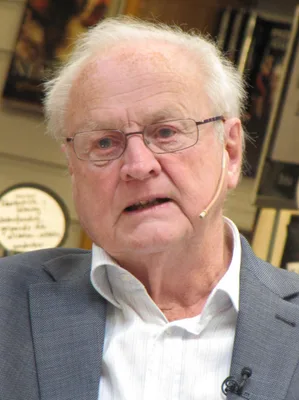
Carlsson demonstrated that dopamine was a neurotransmitter in the brain and not just a precursor for norepinephrine. Digital facsimile from nature.com at this link. In 2000 Arvid Carlsson shared the Nobel Prize in Phy…
1998 CE
#14251
DARPP-32: Regulator of the efficacy of dopaminergic neurotransmission.
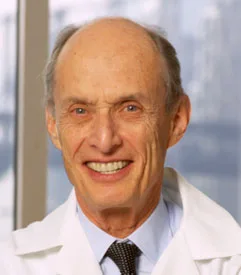
"Greengard's research focused on events inside the neuron caused by neurotransmitters. Specifically, Greengard and his fellow researchers studied the behavior of second messenger cascades that transform the docking of…
1996 CE
#14252
Toward a molecular definition of long-term memory storage.
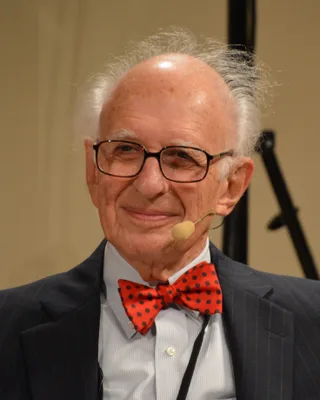
"Abstract: The storage of long-term memory is associated with a cellular program of gene expression, altered protein synthesis, and the growth of new synaptic connections. Recent studies of a variety of memory process…
1976 CE
#14253
Genetic control of the cell division cycle in the fission yeast Schizosaccharomyces pombe.
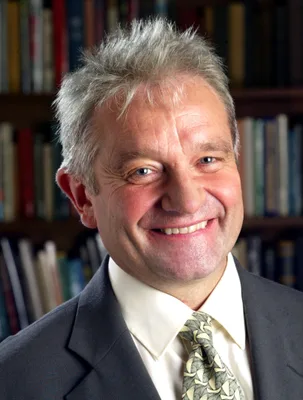
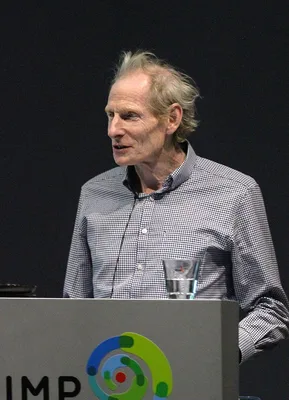
"Beginning in 1976, Nurse identified the gene cdc2 in fission yeast (Schizosaccharomyces pombe). This gene controls the progression of the cell cycle from G1 phase to S phase and the transition from G2 phase to mitosi…
1983 CE
#14254
Cyclin: A protein specified by maternal mRNA in sea urchin eggs that is destroyed at each cleavage division.
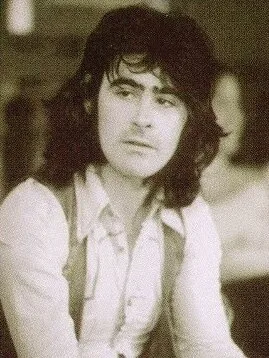
"It was at Woods Hole around July 1982, using Arbacia sea urchin eggs as his model organism, that he discovered cyclin proteins.[12] Cyclins play a key role in regulating the cell-division cycle.[16] Hunt was observin…
1980 CE
#14255
Transport of vesicular stomatitis virus glycoprotein in a cell-free extract.
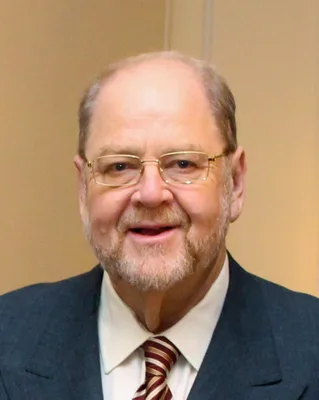
See also: Fries & Rothman, "Transitent activity of Golgi-like membranes as donors of vescular stomatitis viral glycoprotein in vitro," J. Cell. Biol., 90, 1981, 697-704. "Rothman's research[15] details how vesicles&md…
1980 CE
#14256
The identification of 23 complementation groups required for post-translational events in the yeast secretory pathway.
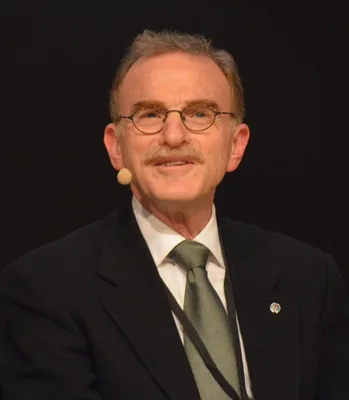
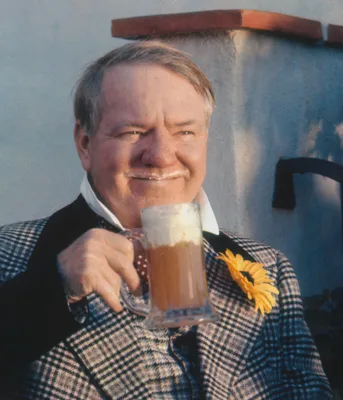
See also: Novick, P., Ferro, S. and Schekman, R. "Order of events in the yeast secretory pathway," Cell, 25, 1981, 461-469. In 1979 Schekman devised a genetic selection for temperature-conditional secretion-defective …
2005 CE
#14257
Autonomous function of synaptotagmin 1 in triggering synchronous release independent of asynchronous release.
Südhof is credited with discovering much of the machinery mediating neurotransmitter release and presynaptic plasticity, beginning with the discovery of symaptotagmins and their role in neurostrasmitter release f…
1971 CE
#14258
The hippocampus as a spatial map. Preliminary evidence from unit activity in the freely-moving rat.
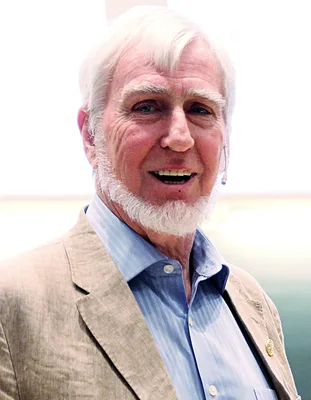
See also: O'Keefe, "Place units in the hippocampus of the freely moving rat," Experimental Neurology, 51 (1976) 78–109. O’Keefe and his student Jonathan Dostrovsky discovered place cells in the hippocampus…
2005 CE
#14259
Microstructure of a spatial map in the entorhinal cortex.
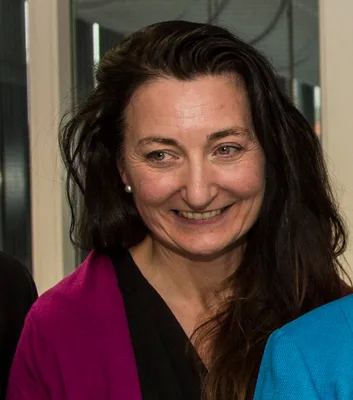
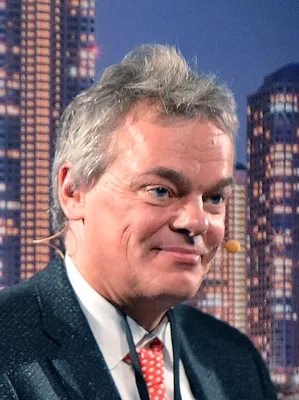
May-Britt Moser and Edvard Moser and colleagues discovered grid cells, specialized types of neurons that respond to specific locations in space. They are main components of the brain's GPS. Order of authorship in the …
2015 CE
#14260
NOBEL LECTURE: Discovery of Artemisinin - A gift from traditional Chinese medicine to the world.
In 1972 Tu Youyou discovered Artemisinin, the standard treatment worldwide for P. falciparum malaria as well as malaria due to other species of Plasmodium. Artemisinin is extracted from Artemisia annua (sweet wormwood…
1994 CE
#14261
Ultrastructural analysis of the autophagic process in yeast: detection of autophagosomes and their characterization.
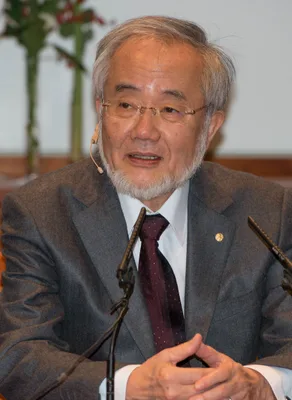
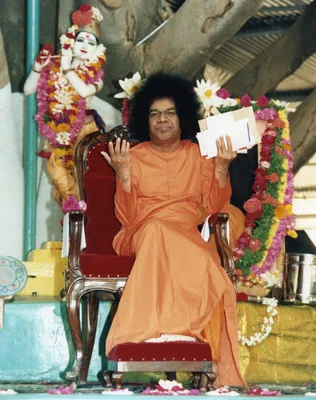
Order of authorship in the original publication: Baba, M., Takeshige, Baba, N., Ohsumi. In 2016 Oshuni received the Nobel Prize in Physiology or Medicine "for his discoveries of mechanisms for autophagy."
1999 CE
#14262
A pdf Neuropeptide gene mutation and ablation of PDF neurons each cause severe abnormalities of behavioral circadian rhythms in Drosophila.
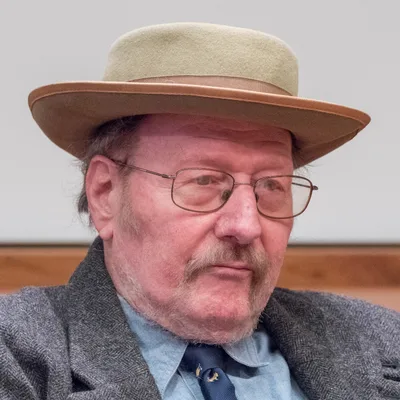

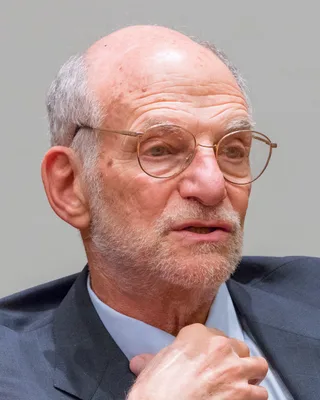
In 2017 Hall shared the Nobel Prize in Physiology or Medicine with Michael Rosbash and Michael W. Young “for their discoveries of molecular mechanisms controlling the circadian rhythm.” Order of authorship…
1984 CE
#14263
Molecular analysis of the period locus in Drosophila malanogaster and identification of a transcript involved in biological rhythms.
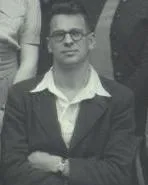
Rosbach and colleagues, including Jeffrey C. Hall, sequenced the Drosophila period gene in 1984. Full text available from cell.com at this link. Order of authorship in the original publication: Reddy, Zehring, Wheeler…
1998 CE
#14264
CYCLE Is a Second bHLH-PAS Clock Protein Essential for Circadian Rhythmicity and Transcription of Drosophila period and timeless.
In 1998 Rosbach, Hall and colleagues discovered the cycle gene, clock gene, and cryptochrome photoreceptor in Drosophila through the use of forward genetics, by first identifying the phenotype of a mutant and then det…
1984 CE
#14265
Restoration of circadian behavioral rhythms by gene transfer in Drosophila.
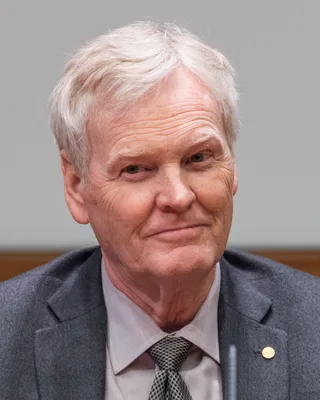
"At The Rockefeller University in the early 1980s, Young and his two lab members, Ted Bargiello and Rob Jackson, further investigated the circadian period gene in Drosophila. They constructed segments of recombinant D…
1982 CE
#14266
Tumor-specific antigen of murine T-lymphoma defined with monoclonal antibody.
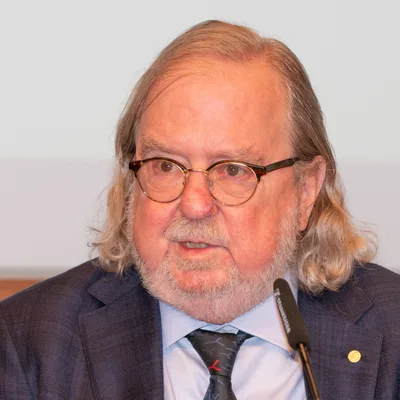

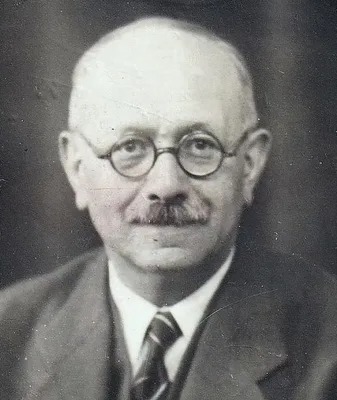
In 1982 Allison discovered the T-cell receptor. Order of authorship in the original publication: Allison, Bloch, McIntyre.
1996 CE
#14267
Enhancement of antitumor immunity by CTLA-4 blockade.

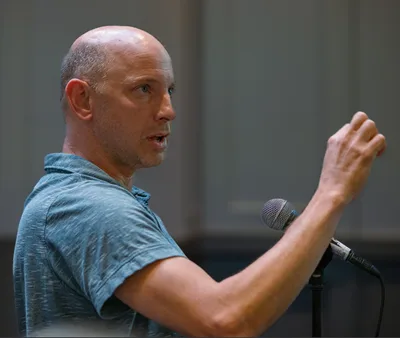
In the early 1990s James Allison showed that CTLA-4 acts as an inhibitory molecule to restrict T-cell responses. In 1996, Allison was the first to show that antibody blockade of a T-cell inhibitory molecule (known as …
1992 CE
#14268
Induced expression of PD-1, a novel member of the immunoglobulin gene superfamily, upon programmed cell death.
Honjo discovered the programmed cell death protein 1 (PD-1). This discovery significantly contributed to the establishment of cancer immunotherapy principle by PD-1 blockade. Order of authorship in the original public…
1995 CE
#14269
Purification and characterization of hypoxia-indicible factor 1.
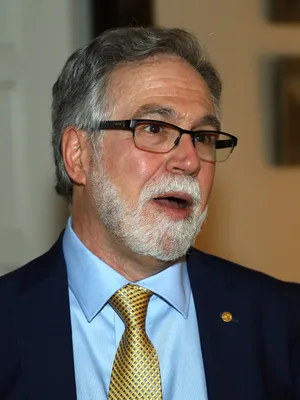
Semenza and postdoctoral fellow Guang Wang discovered transcription factor HIF-1, a transcription factor that responds to decreases in available oxygen in the cellular environment, or hypoxia. IN 2019 Semenza shared t…
1999 CE
#14270
The tumour suppressor protein VHL targets hypoxia-inducible factors for oxygen-dependent proteolysis.
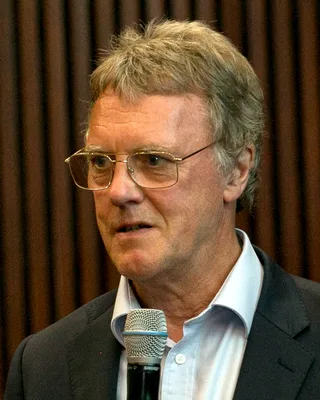
The focus of both Peter Ratcliffe’s and William Kaelin’s work, for which they shared the Nobel Prize with Gregg Semenza, was the relationship between pVHL and HIF. This led to an increased understanding of…
1904 CE
#14271
Über eine sehr seltene Erkrankung der Netzhaut. Klinische Beobachtungen.
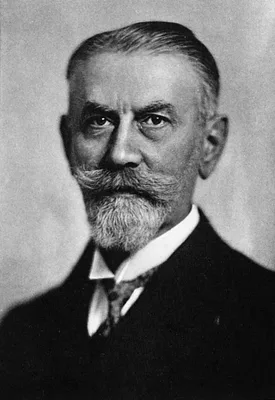
First description of angiomas in the eye (retinal hemangioblastomas), (Von Hippel-Lindau disease) (VHL). Von Hippel was preceded in his description of this disease by Edward Treacher Collins, "Two cases, brother and s…
1927 CE
#14272
Zur Frage der Angiomatosis Retinae und Ihrer Hirncomplikation.
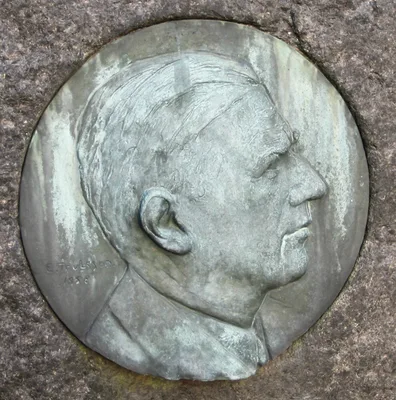
Lindau described the angiomas of the cerebellum and spine found in Von Hippel-Lindau disease (VHL).
2001 CE
#14273
HIFalpha targeted for VHL-mediated destruction by proline hydroxylation: implications for O2 sensing.
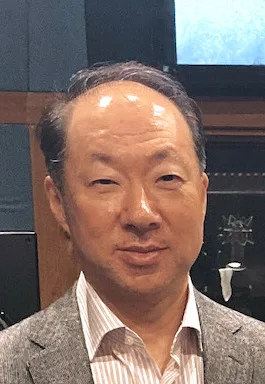
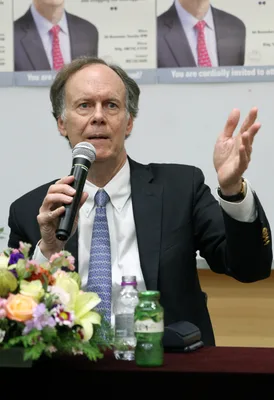
Kaelin and colleagues identified aspects of the molecular machinery in Von Hippel-Landau disease that regulates the activity of genes in response to varying levels of oxygen. In 2019 Kaelin shared the Nobel Prize in P…
1997 CE
#14274
The capsaicin receptor: a heat-activated ion channel in the pain pathway.
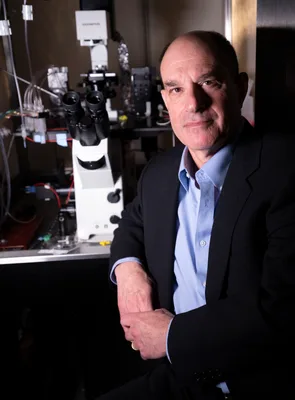
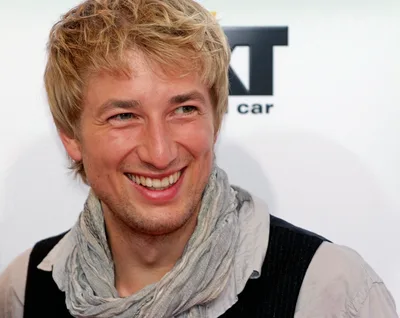
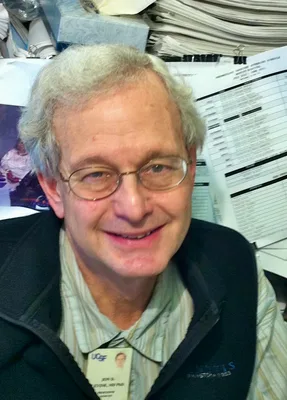
"Abstract: Capsaicin, the main pungent ingredient in ‘hot’ chilli peppers, elicits a sensation of burning pain by selectively activating sensory neurons that convey information about noxious stimuli to the…
2010 CE
#14275
Piezo1 and Piezo2 are essential components of distinct mechanically activated cation channels.
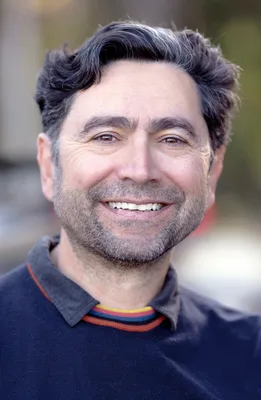
Patapoutian and colleagues characterized the PIEZO1, PIEZO2, and TRPM8 receptors that detect pressure, menthol, and temperature. With Mathur, J.; Schmidt, M.; Earley, T. J.; Ranade, S.; Petrus, M. J.; Dubin, A. E. See…
1945 CE–1946 CE
#14276
The chemical evolution of vision.
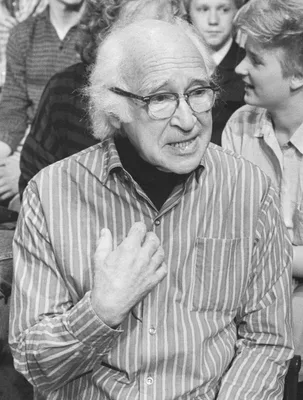
In this paper Wald identified structures for all the visual pigments and their peak absorption wavelengths. He detailed the function of the rods and cones and broke down visual photonic perception at the molecular lev…
1950 CE
#14277
The interconversion of the retinenes and vitamins A in vitro.
Continuing his research on retinal pigments structure and function with emphais on rhodopsin, Wald deciphered the interconversion of rhodopsin to retinene to Vitamin A. (Thanks to Juan Weiss for this reference and its…
1884 CE
#14278
Recherches sur la conductibilité galvanique des electrolytes. 1 & 2.
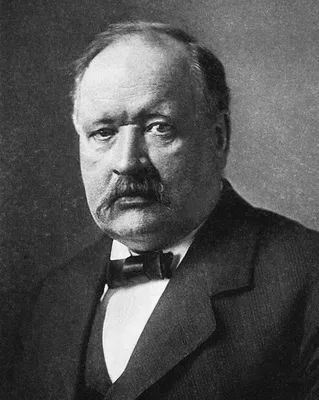
Arrhenius first published the theory of electrolytic dissociation in his doctoral thesis of 1884. In 1903 he received the Nobel Prize in chemistry "in recognition of the extraordinary services he has rendered to the a…
1938 CE
#14279
The application of isotopic indicators in biological research.
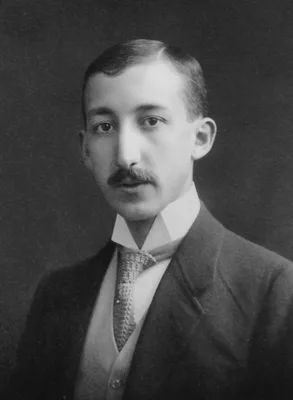
A summary of Hevesy's research on the topic for which he received the 1943 Nobel Prize in Chemistry. (Thanks to Juan Weiss for this reference.)
1933 CE
#14280
Synthesis of ascorbic acid.
Haworth and Hirst successfully synthesized vitamin C in the laboratory. This was the first vitamin to be artificially produced. Their breakthrough made it possible for vitamin C, or ascorbic acid as Haworth called it,…
1961 CE
#14281
Fate of tritiated noradrenaline at the sympathetic nerve endings.
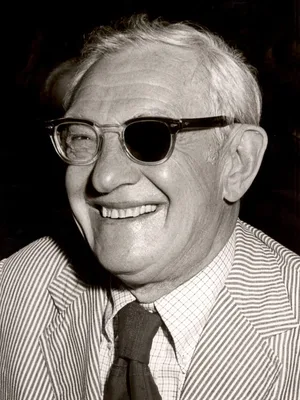
Using electron microscopy and tritiated norepinephrine, the authors discovered the area in the nerve endings in which the catecholamines were concentrated, and also observed enhanced radioactive catecholamine release …
1942 CE
#14282
Purification of penicillin.
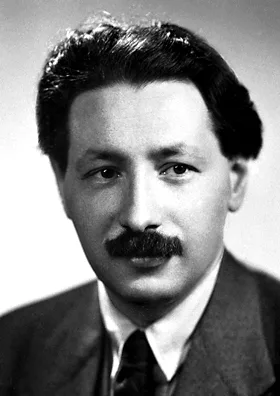
Abraham and Chain first announced the purification of penicillin, a critical step before production of the drug could begin, in a two paragraph paper published on a single page of Nature on March 21, 1942. The method,…
1960 CE
#14283
Structure of haemoglobin: A three-dimensional Fourier synthesis at 5.5-A. resolution, obtained by X-ray analysis.
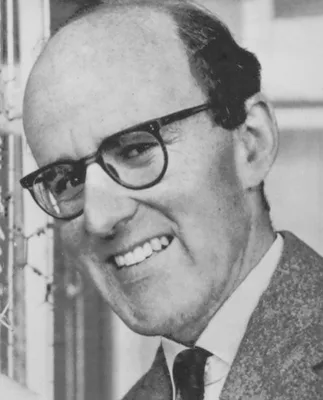
Solution of the structure of hemoglobin, a protein with 10,000 atoms. This was the culmination of 30 years of research by Perutz. Order of authorship in the original paper: Perutz, Rossmann, Culis, Muirhead, Will, Nor…
1945 CE
#14284
Acetylation of sulfanilamide by liver homogenates and extracts.
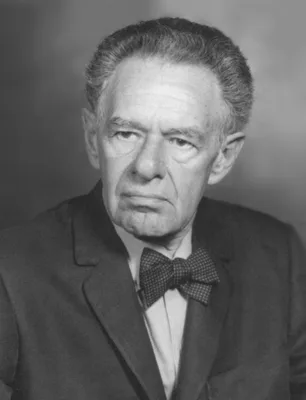
Discovery of co-enzyme A and its importance for intermediary metabolism. This discovery illuminated “the process by which cells make available the energy to drive their manufacturing processes” (Judson, p.…
1827 CE
#14285
Der Leichnam des Menschen in seinen physischen Verwandlungen nach Beobachtungen und Versuchen.
The human corpse in its physical transformations according to observations and experiments.
1936 CE
#14286
Age and other factors in motor recovery from precentral lesions in monkeys.
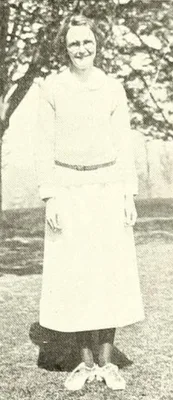
This was the first of a series of papers by Kennard that led to what became known as the Kennard Principle, which posits a negative linear relationship between age of a brain lesion and the recovery outcome. The earli…
1924 CE
#14287
The morphology and evolution of the apes and man. With a foreward by Professor G. Elliot Smith.
As far as I able to determine in 2024, Sonntag's book was the first attempt to write a general treatise on what eventually came to be called "human evolutionary anatomy," in the sense of studying the relationship betw…
2002 CE
#14288
An introduction to human evolutionary anatomy.
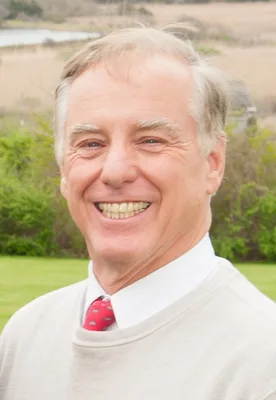
1949 CE
#14289
The mind of mechanical man.
Jefferson’s paper on the differences between electronic computers and the human brain inspired Alan Turing to respond with his famous paper, “Computing machinery and intelligence” (1950), which intro…
1953 CE
#14290
Switching systems as mechanized brains.
Written in the earliest days of automatic switching systems when few electronic computers existed, Meszar's paper raised the question of whether certain aspects of human thought are computable and others are not. Mesz…
2001 CE
#14291
Click chemistry: Diverse chemical function from a few good reactions.
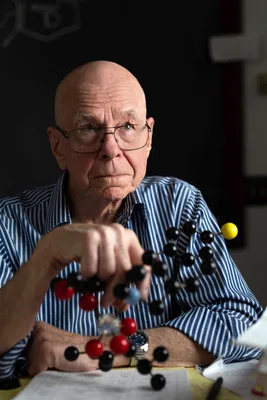

In 2022 Barry Sharpless shared the Nobel Prize in Chemistry with Carolyn Bertozzi and Morten Meldal for "the discovery of click chemistry." "Barry Sharpless coined the concept of click chemistry, where molecular build…
2002 CE
#14292
Peptidotriazoles on Solid Phase: [1,2,3]-Triazoles by Regiospecific Copper(I)-Catalyzed 1,3-Dipolar Cycloadditions of Terminal Alkynes to Azides.
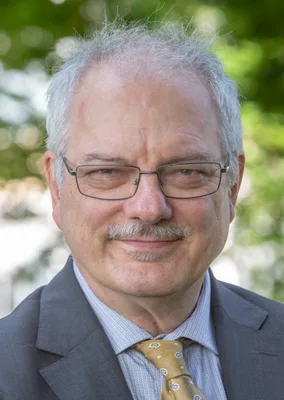
In 2022 Morten Meldal shared the Nobel Prize in Chemistry with Carolyn Bertozzi and Barry Sharpless for the discovery of click chemistry. Simultaneously, but independently of Sharpless, the authors discovered that cop…
2000 CE
#14293
Cell surface engineering by a modified Staudinger reaction.
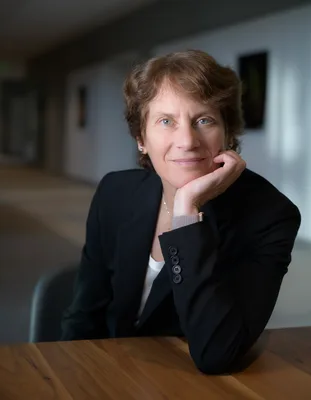
In 2022 Carolyn Bertozzi shared the Nobel Prize in Chemistry with Barry Sharpless and Morten Meldal for discovery of click chemistry. Bertozzi invented a biorthogonal variation of Sharpless and Meldal reactions. In th…
2008 CE
#14294
In vivo imaging of membraine-associated glycans in developing Zebrafish.
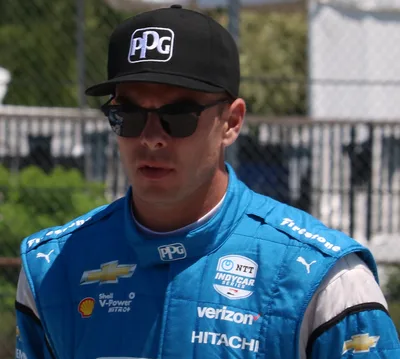
The authors applied click chemistry to previously inaccessible biologic environments. Towards that end, they used a modified azide and clicking it onto an alkyne but without using copper ions which are toxic to cells,…
1879 CE
#14295
Fasting girls: their physiology and pathology.
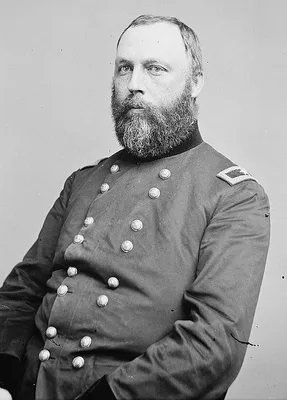
Digital facsimile from Google Books at this link.
1972 CE
#14296
A human infection caused by monkeypox virus in Basankusu Territory, Democratic Republic of Congo.
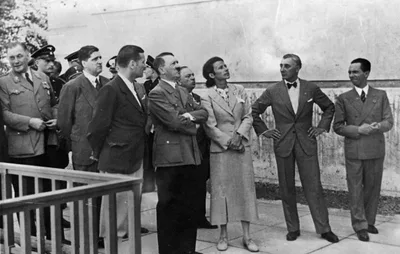
Reports the first described case of Mpox in humans. It was thought that acquisition occurred through zoonotic contact. Order of authorship in the original paper: Ladnyj, Ziegler, Kima. (Thanks to Juan Weiss for this r…
2004 CE
#14297
The detection of Monkeypox in humans in the Western Hemisphere.

The first report on detection of Mpox (Monkeypox) in humans in the Western Hemisphere, elaborating and expanding on cases reported in 2003 in Wisconsin and Milwaukee. These patients had been bitten by prairie dogs. At…
1971 CE
#14298
Marijuana reconsidered.
A cultural classic on the understanding of the marijuana experience, and reform of prohibitions against marijuana use by a professor of psychiatry at Harvard Medical School. Besides describing marijuana's psychologica…
1889 CE
#14299
Die Haut Arterien des menschlichen Körpers.
Manchot was the first to describe the vasular terrirtories of the human skin. This work was translated into English by J. Ristic with an introduction by William.D. Morain as The cutaneous arteries of the human body (N…