
Entry Nos. 3800–3899
100 Garrison-Morton entries in this range.
1925 CE
#1136
The extraction of a parathyroid hormone which will prevent or control parathyroid tetany and which regulates the level of blood calcium.
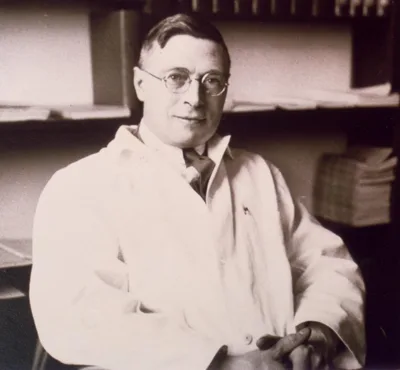
Isolation of parathormone, the active principle of the parathyroids. Collip’s “parathormone”. He showed that it raises the calcium level in para-thyroidectomized dogs.
1910 CE
#1160
Experimental hypophysectomy.
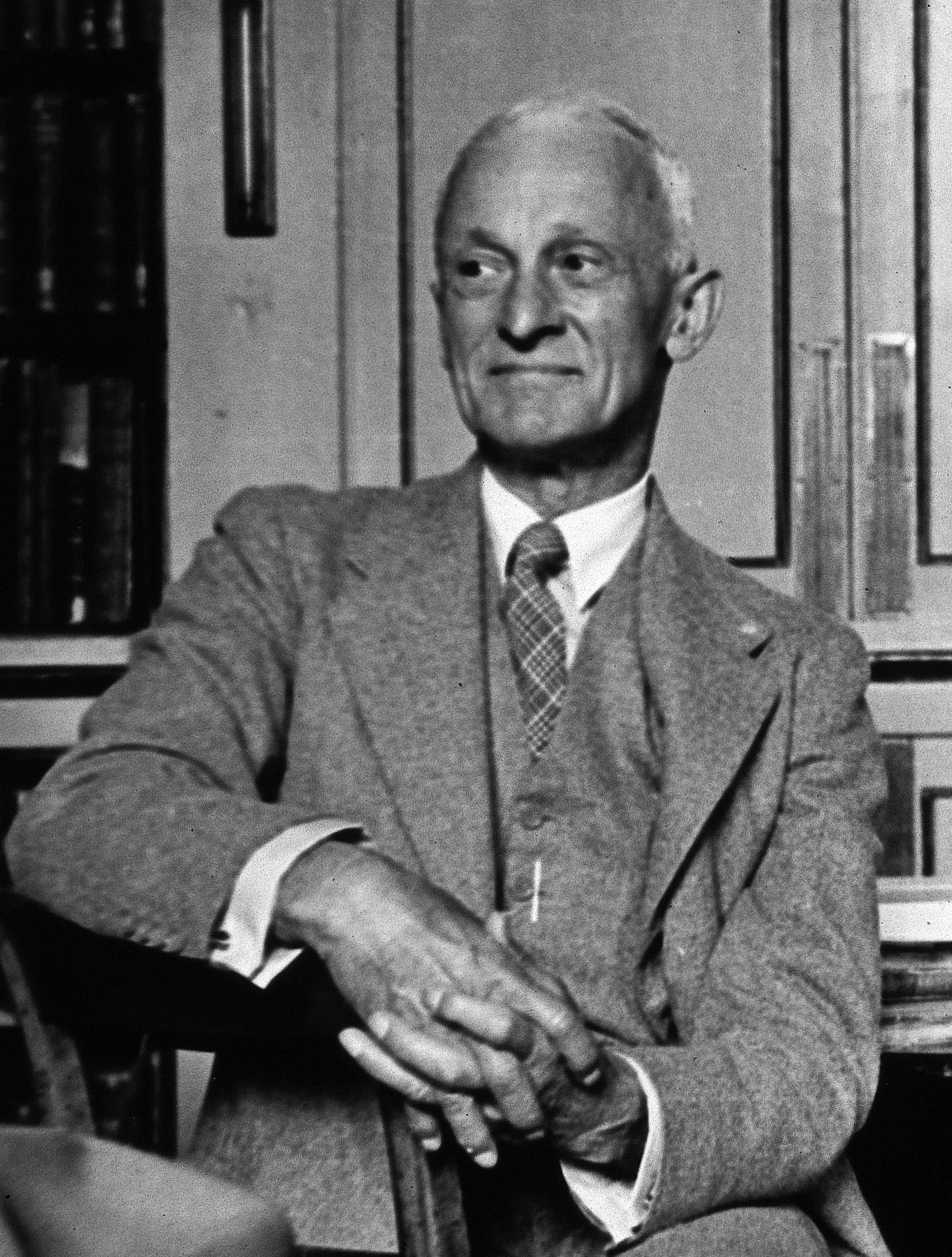
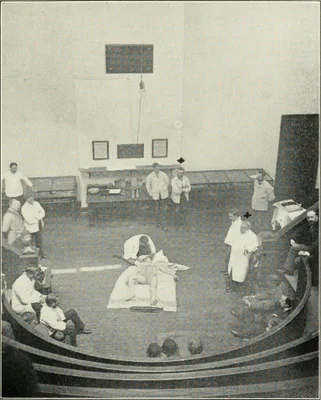
First experimental evidence of the relationship between the pituitary and the reproductive system; demonstration that hypophysectomy causes genital atrophy.
1825 CE
#2210
Collections from the unpublished writings of the late Caleb Hillier Parry. 3 vols.
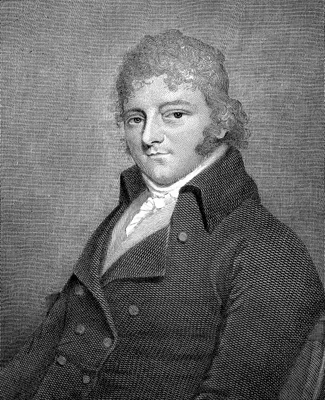
Includes Parry’s interesting description of eight cases of exophthalmic goitre, the first of which was observed in 1786, and his notes on four cases of angina pectoris. Parry's paper, "Enlargement of the thyroid…
1938 CE
#3800
Oestrogenic activity of alkylated stilboestrols.
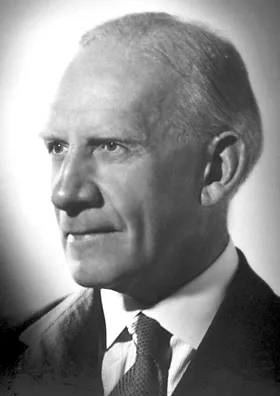
Introduction of dienoestrol. With L. Gol[d]berg, W. Lawson.
1938 CE
#3801
Oestrogenic activity of anol; a highly active phenol isolated from the byproducts.
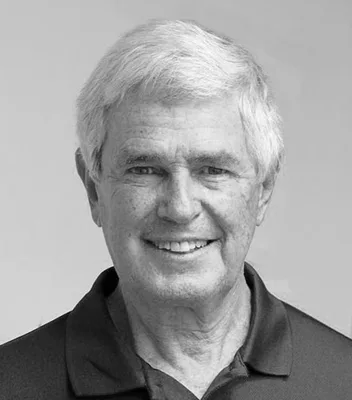
Isolation of hexoestrol. With E. C. Dodds and W. Lawson.
1939 CE
#3802
The endocrine glands
Goldzieher dealt very fully with the history, theory, and practice of endocrinology.
1939 CE
#3803
Clinical use of triphenylchlorethylene.
1942 CE
#3804
Syndrome characterized by gynecomastia, aspermatogenesis without A-Leydigism, and increased excretion of follicle-stimulating hormone.
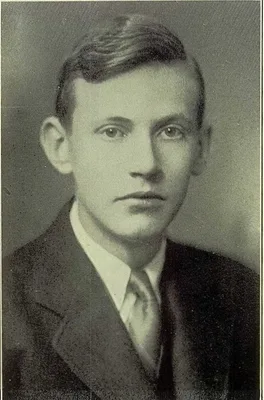
Klinefelter syndrome. With E. C. Reifenstein and F. Albright.
1603 CE
#3805
De generatione stultorum. In his Opera, 2, 174-82.
Paracelsus was the first to note the coincidence of cretinism and endemic goitre. It was not until the 19th century that the possibility of the occurrence of cretinism in adults was entertained. Partial English transl…
1609 CE
#3806
De mirabili strumas sanandi.
An early historical record of goitre which du Laurens maintained was contagious. Du Laurens was at one time physician to Henri IV.
1769 CE
#3807
An account and method of cure of the bronchocele or Derby neck.
Prosser gave the prescription of a powder containing calcined sponge, to be taken for the cure of goitre. This is probably the first recorded use of an iodine preparation in England.
1779 CE
#3808
Cases and remarks in surgery: to which is subjoined an appendix containing the method of curing the bronchocele in Coventry.
The “Coventry treatment” for goitre, which introduced the burnt sponge remedy into England, is mentioned on pp. 249-54. Digital facsimile from the Hathitrust at this link.
1789 CE
#3809
Su i gozzi e sulla stupidità che in alcuni paesi gli accompagna tentativi
Hirsch considered this the first important work on cretinism and goitre. See also Malacarne’s Lettre, in J. P. Frank: Delectus opusculorum medicorum, 1789, 6, 241-58. Digital facsimile of Malacarne's pamphlet fr…
1792 CE
#3810
Essai sur le goitre et le crétinage. Où l'on recherche particulièrement quelles son les causes de ces deux maladies des habitans des vallées, et quels sont les moyens physiques et moraux qu'il convient d'employer pour s'en préserver entièrement à l'avenir.
Fodéré considered cretinism to be due to the concentrated air in deep valleys, rather than to water. He also drew attention to the skeletal changes. Digital facsimile from Google Books at this link.
1802 CE
#3811
Sopra un tumor freddo nell’anterior parte del collo detto broncocele.
One of the earliest accounts of exophthalmic goitre. The author noted cardiac disturbances in thyroid enlargement.
1820 CE
#3812
Découverte d’un nouveau remède contre le goitre.
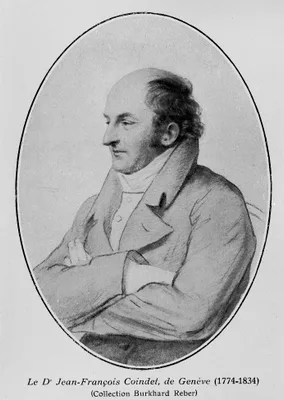
Coindet is usually regarded as the first to administer iodine in cases of goitre, with beneficial results. It had previously been prepared from seaweed by B. Courtois in 1812 (Ann. Chim. (Paris), 1813, 88, 304-10), an…
1828 CE–1829 CE
#3814
Removal of the right lobe of the thyroid gland.
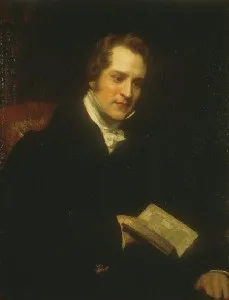
To Joseph Green, of St. Thomas’s Hospital, London, is accredited the first thyroidectomy, the patient succumbing 15 days later from sepsis.
1835 CE
#3815
Palpitation of the heart with enlargement of the thyroid gland.
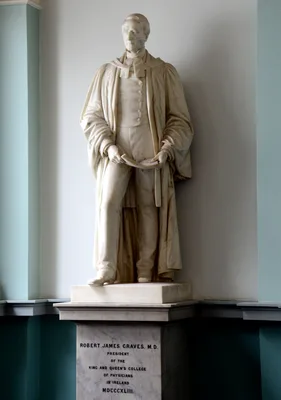
This is considered the first accurate account of exophthalmic goitre, later known as “Parry’s disease”, “Graves’s disease”, and “Basedow’s disease”. An interesting…
1840 CE
#3816
Exophthalmos durch Hypertrophie des Zellgewebes in der Augenhöhle.
In Europe, outside the British Isles, exophthalmic goitre, or Graves’s disease, is known as “Basedow’s disease”. His accurate description of four cases in which he described exophthalmos, goitr…
1850 CE
#3817
Existence de l’iode dans les plantes d’eau douce. Conséquences de ce fait pour la géognosie, la physiologie végétale, la thérapeutique et peut-être pour l’industrie.
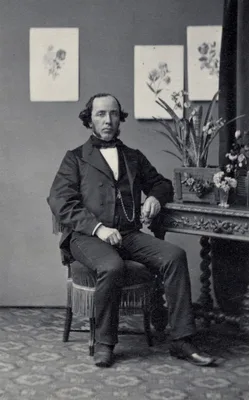
Chatin was the first to show that iodine could prevent endemic goitre and cretinism.
1850 CE
#3818
Two cases of absence of the thyroid body and symmetrical swellings of fat tissue at the sides of the neck, connected with defective cerebral development.
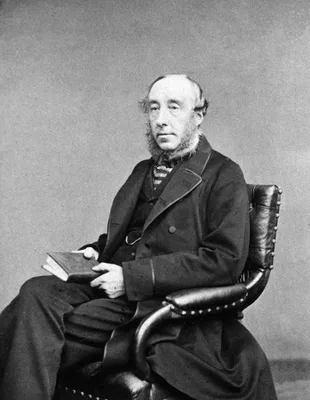
Curling, of the London Hospital, was the first accurately to note the clinical picture of cretinism, which Ord was later to name “myxedema”. Curling was also the first to suggest deficiency of the thyroid …
1859 CE
#3819
Untersuchungen über die Zuckerbildung in der Leber und den Einfluss des Nervensystems auf die Erzeugung des Diabetes.
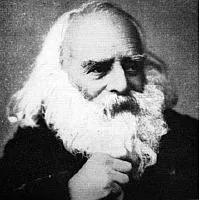
Schiff’s reports on his experimental thyroidectomies, which were attended with fatal results. Subsequently (Arch. exp. Path. Pharmak., 1884, 18, 25) he showed that intra-abdominal transplantation of the gland wo…
1864 CE
#3820
Ueber Basedow’sche Krankheit.
“Graefe’s sign” – the discovery by von Graefe of the failure of the eyelid to follow the eye when it is rolled downward – diagnostic of exophthalmic goitre. Partial English translation in…
1867 CE
#3821
Ueber die totale Exstirpation einer kropfig entarteten Schilddrüse, und über die Rückwirkung dieser Operation auf die Circulationsverhältnisse im Kopfe.
Sick is credited with being the first to notice symptoms of loss of thyroid function following thyroidectomy. According to Halsted, the above is the first report of total thyroidectomy and “the first report of t…
1871 CE
#3822
On sporadic cretinism.
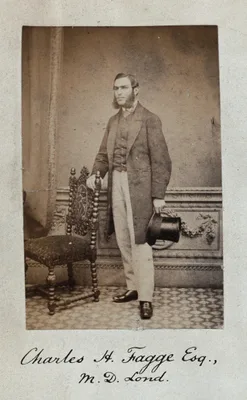
In this paper Fagge, nephew of John Hilton of Guy’s Hospital, described sporadic cretinism as distinct from the endemic variety.
1873 CE–1874 CE
#3823
On a cretinoid state supervening in adult life in women.
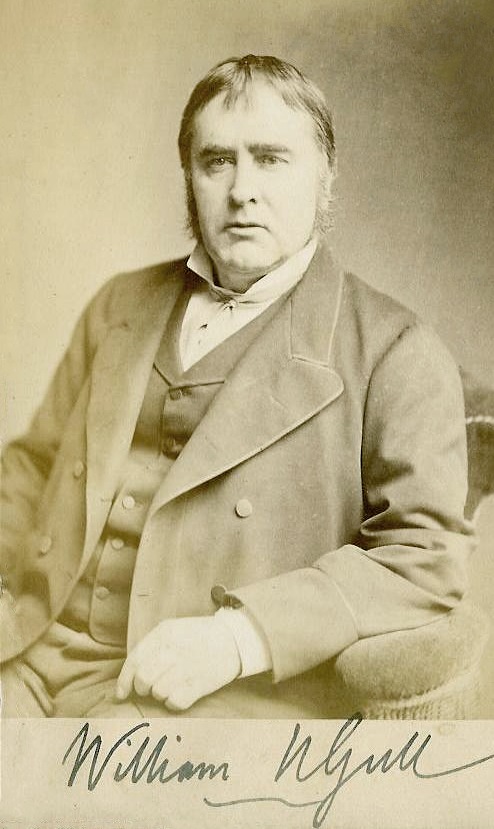
Gull was among the first to point out the cause of myxedema, of which the above paper gives a classic description. Gull was associated with Guy’s Hospital, London, for most of his life.
1874 CE
#3824
Excision of the thyroid gland.
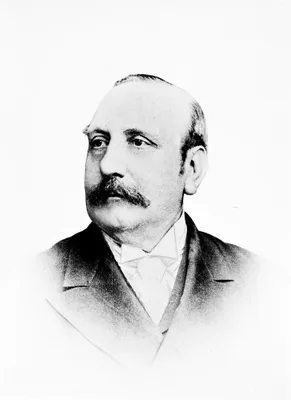
Watson was a pioneer of thyroidectomy in the treatment of goitre, although Green (No. 3814) was the first to perform the operation. Also in Brit. med. J., 1875, 2, 386-88.
1878 CE
#3825
On myxoedema.
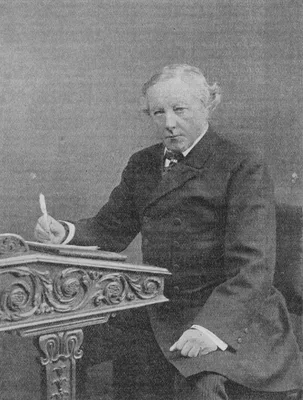
Ord coined the term “myxedema” for the condition noted earlier by Curling and Gull.
1878 CE
#3826
Exstirpation einer Struma retroesophagea.
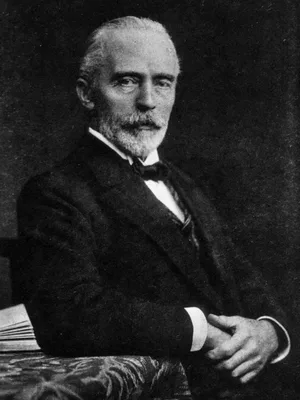
Kocher, a pupil of Billroth, was a pioneer of thyroidectomy for goitre. Before his time the operation was seldom performed. Garrison says that Kocher performed this difficult operation 2,000 times, with a mortality ra…
1883 CE
#3827
Ueber Kropfexstirpation und ihre Folgen.
Kocher coined the term “cachexia strumipriva” to describe the myxedema following total extirpation of the thyroid. His work on the subject led to a better understanding of the cause of myxedema.
1882 CE
#3828
Accidents consécutifs à l’ablation totale du goitre.
Reverdin produced myxedema by removal of the thyroid as a whole or in part. This confirmed the earlier work of Schiff, of which Reverdin had probably not heard. See also No. 3836.
1883 CE
#3829
Note sur vingt-deux opérations de goitre.
1883 CE
#3830
Sur la nature et sur quelques-uns des symptomes de la maladie de Basedow.
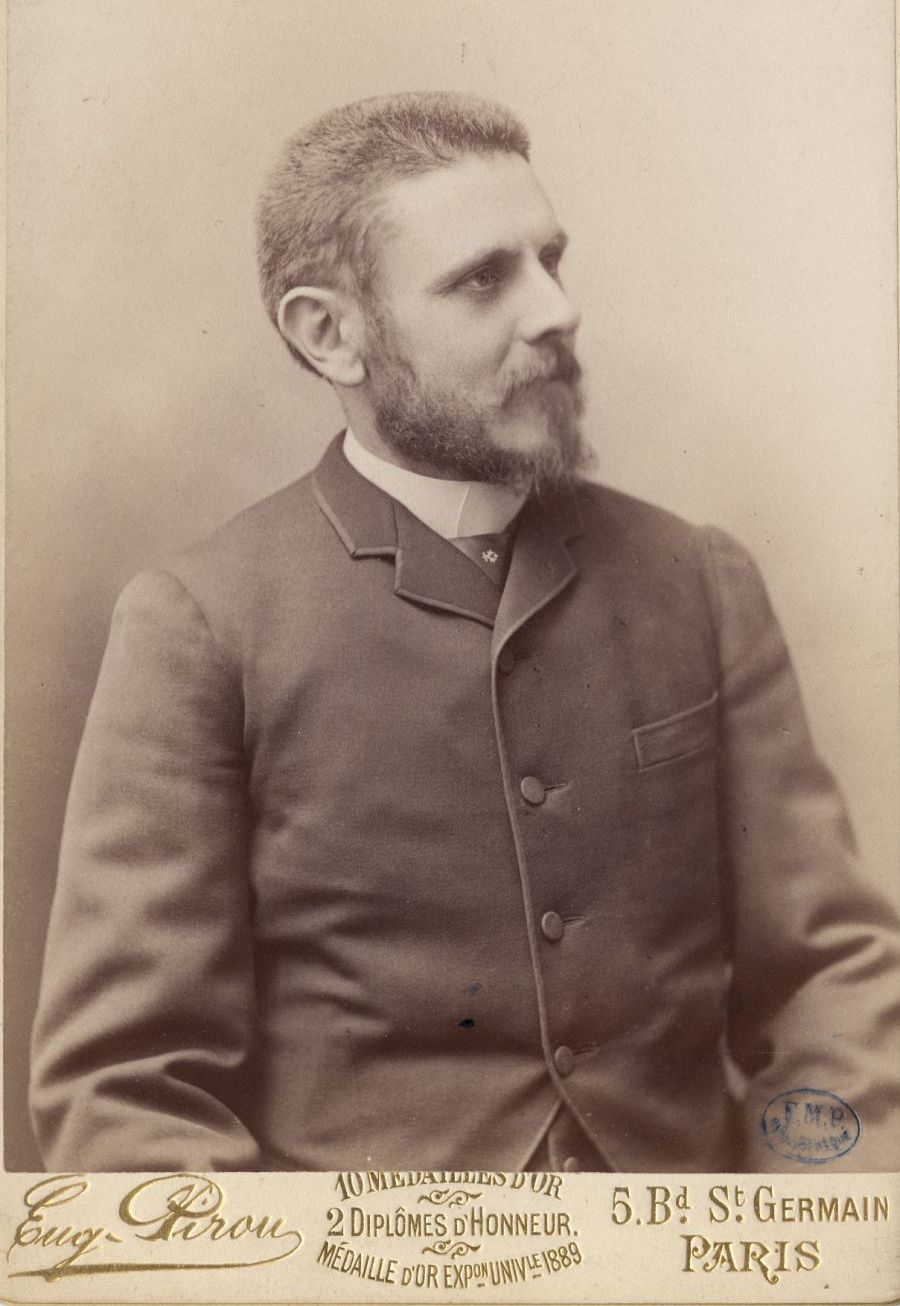
The fourth cardinal sign in exophthalmic goitre – tremor – was first mentioned by Pierre Marie.
1883 CE
#3831
A typical case of myxoedema.
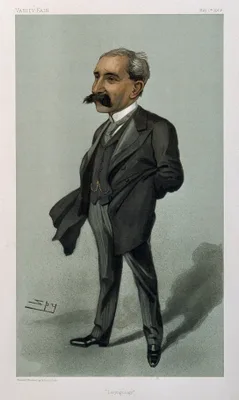
Semon argued that cachexia strumipriva, myxedema, and cretinism were all due to loss of function of the thyroid. His contention, at first criticized, was later fully endorsed by the report of a committee set up by the…
1883 CE
#3832
Ueber die Entwickelung und den Bau des Kropfes.
Important classification of thyroid tumors; fetal adenoma is described on p. 40.
1884 CE
#3833
Ueber die Exstirpation des Kropfs bei Morbus basedowii.
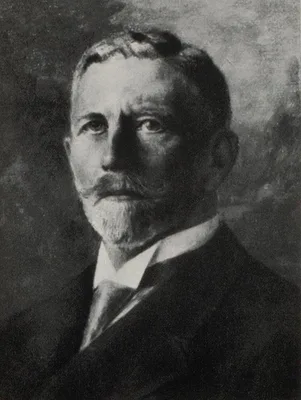
First thyroidectomy for exophthalmic goitre. The operation reported was performed in 1880.
1884 CE
#3834
A recent specimen of artificial myxoedema in a monkey.
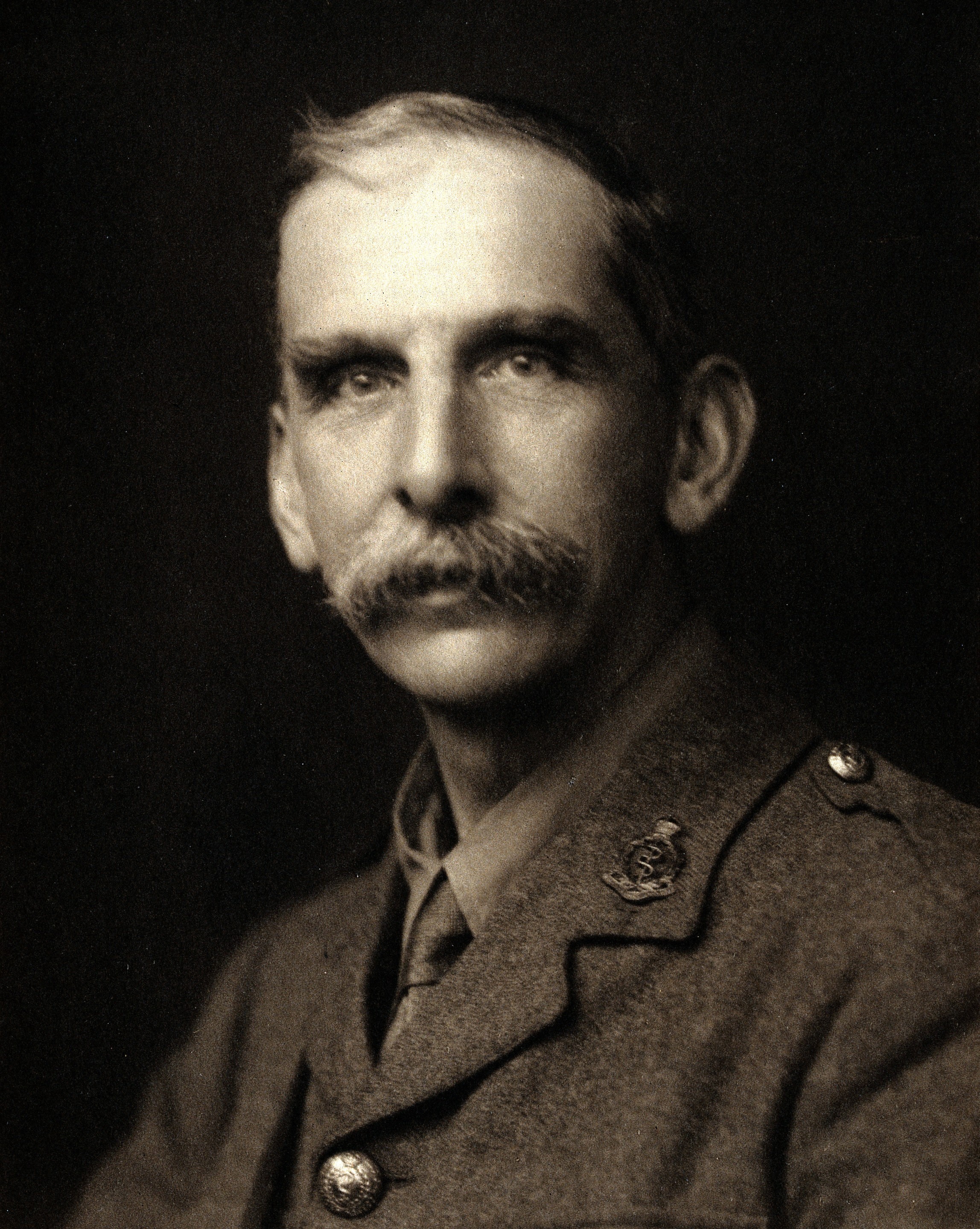
By experimental removal of the thyroid Horsley produced artificial myxedema, confirming previous work by Reverdin and others. At the time his results were regarded as proof that total thyroidectomy produces operative …
1886 CE
#3835
Functional nervous disorders due to the loss of thyroid gland and pituitary body.
1887 CE
#3836
Contribution à l’étude du myxoedème consécutif à l’extirpation totale ou partielle du corps thyroïde.
1890 CE
#3837
Transplantation du corps thyroïde sur l’homme.
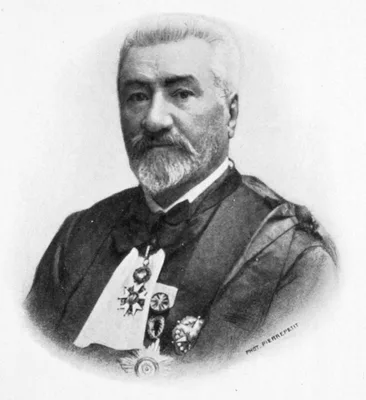
First thyroid transplantation (for treatment of cretinism).
1891 CE
#3838
Note on the treatment of myxoedema by hypodermic injections of an extract of the thyroid gland of a sheep.
Murray injected thyroid extract subcutaneously in the treatment of myxedema with highly successful results.
1893 CE
#3839
Beiträge zur Kenntniss der Basedow’schen Krankheit.
Müller demonstrated that an increased metabolism accompanies exophthalmic goitre.
1895 CE
#3840
Ueber den respiratorischen Gaswechsel unter dem Einfluss der Thyreoidea sowie unter verschiedenen pathologischen Zuständen.
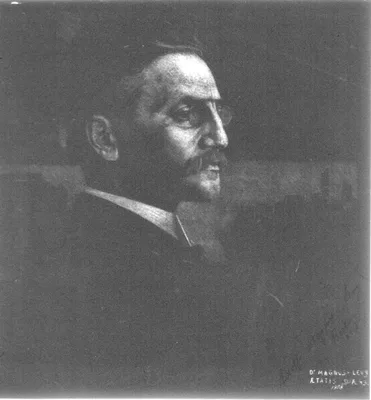
Magnus-Levy demonstrated the increased metabolic rate in toxic goitre, confirming the work of Müller. His experimental investigations laid the foundation for the modern conception of thyroid function. See also Z.…
1896 CE
#3841
Die chronische, zur Bildung eisenharter Tumoren führende Entzündung der Schilddrüse.
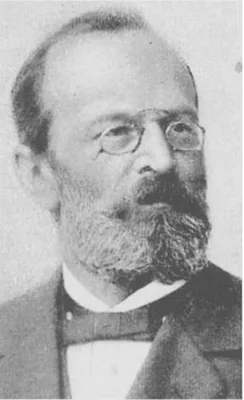
Riedel described a type of chronic inflammation of the thyroid (“Riedel’s disease”).
1902 CE
#3842
Ueber Thyreoaplasie (kongenitales Myxoedem und infantiles Myxoedem)
Pineles differentiated endemic (familial) cretinism associated with goitre from sporadic cretinism.
1907 CE
#3843
L’infantilisme vrai.
Brissaud described thyroid infantilism.
1908 CE
#3844
The relation of iodin to the structure of the thyroid gland.
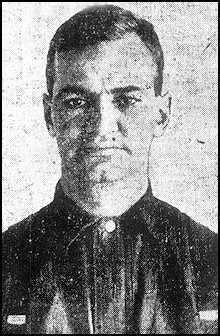
Marks the beginning of Marine’s lifelong study of the thyroid.
1912 CE
#3845
Zur Kenntniss der lymphomatösen Veränderung der Schilddrüse (Struma lymphomatosa).
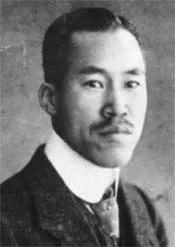
“Hashimoto’s disease”, struma lymphomatosa, lymphoid infiltration of the thyroid.
1912 CE
#3846
Myxödem und Kretinismus.
1914 CE
#3847