
Entry Nos. 800–899
100 Garrison-Morton entries in this range.
1939 CE
#800
STANDARDIZATION of methods of measuring the arterial blood pressure. A joint report of the committees appointed by the Cardiac Society of Great Britain and Ireland and the American Heart Association.
Digital facsimile from PubMedCentral at this link.
1597 CE
#802
Opusculum physiologum & anatomicum in duos libellos distinctum: In quibus primùm, de integritatis & corruptionis virginum notis, deinde, de grauiditate & partu naturali mulierum in quo ossa pubis & ilium distrahi, dilucidè tractatur ....
In 1595 Pineau demonstrated the vestigial foramen ovale in the adult heart, settling the question of the perviousness of the septum of the heart. His work was first published in 1597. He published this study in a fran…
1740 CE
#803
Opera.
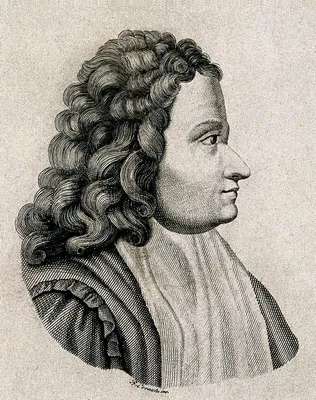
Valsalva described the aortic “sinus of Valsalva”.
1837 CE
#804
Ueber den Herzstoss und die durch die Herzbewegungen verursachten Töne.
Skoda’s theory of the heart beat.
1839 CE
#805
Nowe spostrzezenia i badainia w przedmiocie fizyologii i drobnowidzowéj anatomii.
The “Purkinjĕ fibres”; identification of the conductor system of the heart. Reprinted in his Opera omnia, 1939, 3, 52-63. German version in Arch. Anat. Physiol, wiss. Med., 1845, 281-95; English translatio…
1844 CE
#806
Neurologische Erlauterungen.
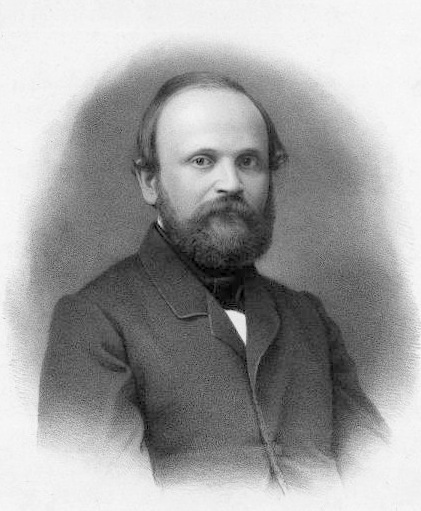
Remak was first to describe the intrinsic ganglia of the heart.
1845 CE
#807
Experimenta, quibus probatur nervos vagos rotatione machinae galvanomagneticae irritatos, motum cordis retardare et adeo intercipare.
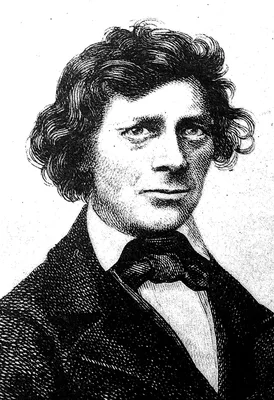
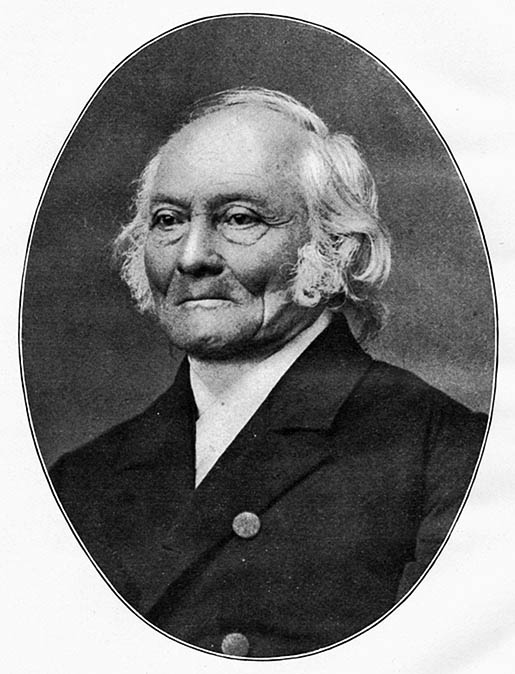
The discovery of the inhibitory power of the vagus. Also published in Wagner’s Handwörterbuch der Physiologie, 1846, 3, 45-51. Partial translation in J. F. Fulton’s Selected readings in the history of…
1846 CE
#808
Ueber die peristaltische Bewegung des Oesophagus, nebst einigen Bemerkungen über diejenigen des Darms.
Includes (pp. 76-77) a description of what is probably the first perfusion of the isolated heart.
1848 CE
#809
Über die Herznerven des Frosches.
1850 CE
#810
Einige neue Versuche über Herzbewegung.
Experimental ventricular fibrillation.
1852 CE
#811
Ueber functionell verschiedene und räumlich getrennte Nervencentra im Froschherzen.
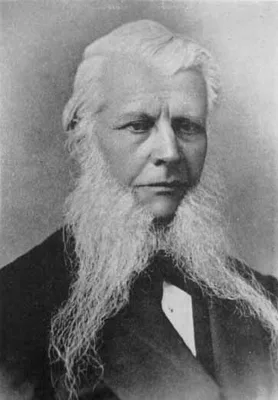
Discovery of the ganglion cells at the auriculo-ventricular junction, “Bidder’s ganglion”.
1852 CE
#812
Zwei Reihen physiologischer Versuche.
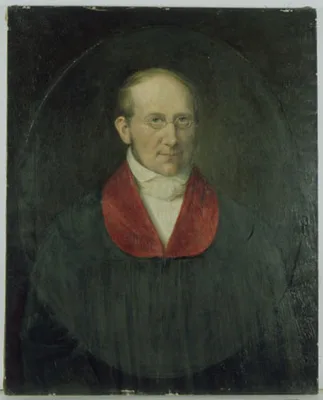
Stannius initiated research on the physiology of the conduction system of the heart. He illustrated vagal inhibition of the heart beat and indicated the existence of the pacemaker of the heart. Stannius also showed th…
1861 CE
#813
Loi qui préside à la fréquence des battements du coeur.
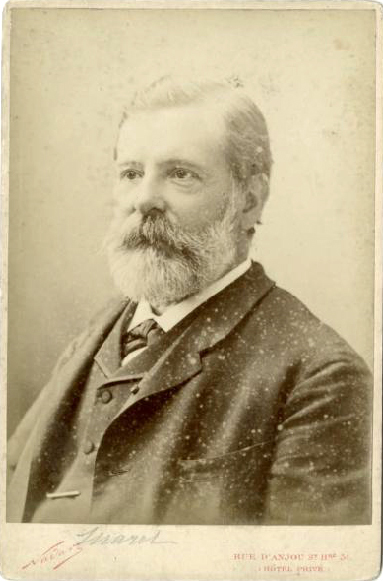
Marey’s law of the heart. Marey was the first to realize the relationship between the blood pressure and the heart rate.
1862 CE
#814
Ueber Reflexionen von und zum Herzen (Klopfversuch).
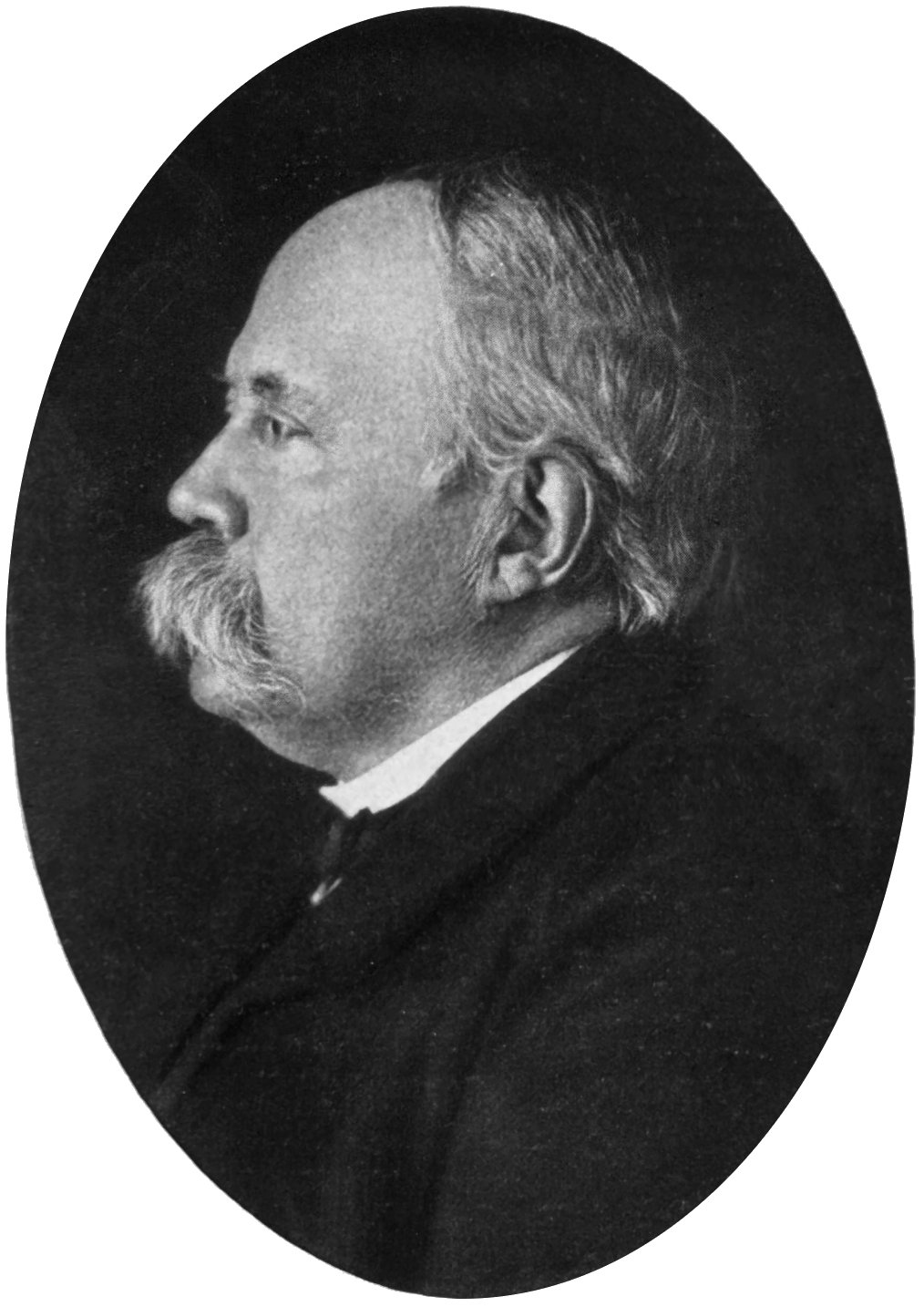
Rapidly-repeated blows on the belly of a frog caused cessation of the heart-beat, which Goltz concluded was brought about by reflex inhibition through the vagus, an important contribution to the knowledge of the mecha…
1863 CE
#815
Untersuchungen über die Innervation des Herzens
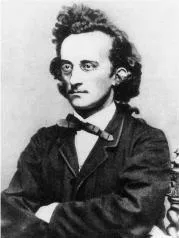
Discovery of the accelerator or excitatory nerve fibres of the heart (pp. 191-232), “Bezold’s ganglia”.
1863 CE
#816
Appareils et expériences cardiographiques.
First direct records of the heart impulse by means of a “cardiac sound” and the sphygmograph – recording tambours, which wrote on a moving drum covered with smoked paper.
1865 CE–1866 CE
#817
Ueber mechanische Vagus-Reizung beim Menschen.
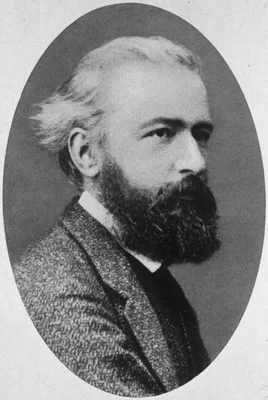
“Czermak’s vagus pressure”. Czermak found that mechanical pressure on a spot of the carotid triangle in the neck produced lowering of the heart rate.
1865 CE
#818
Ueber periodische Thätigkeits-Aeusserungen des vasomotorischen und Hemmungs-Nervencentrums.
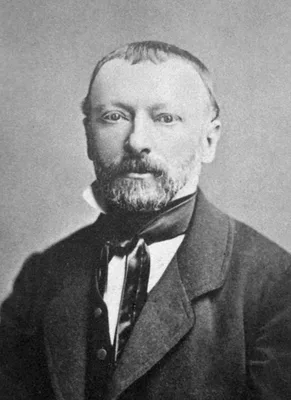
First description of the rhythmic variations in tone of the vasoconstrictor center (Traube-Hering waves).
1867 CE
#819
Die Reflexe eines der sensiblen Nerven des Herzens auf die motorischen der Blutgefässe.
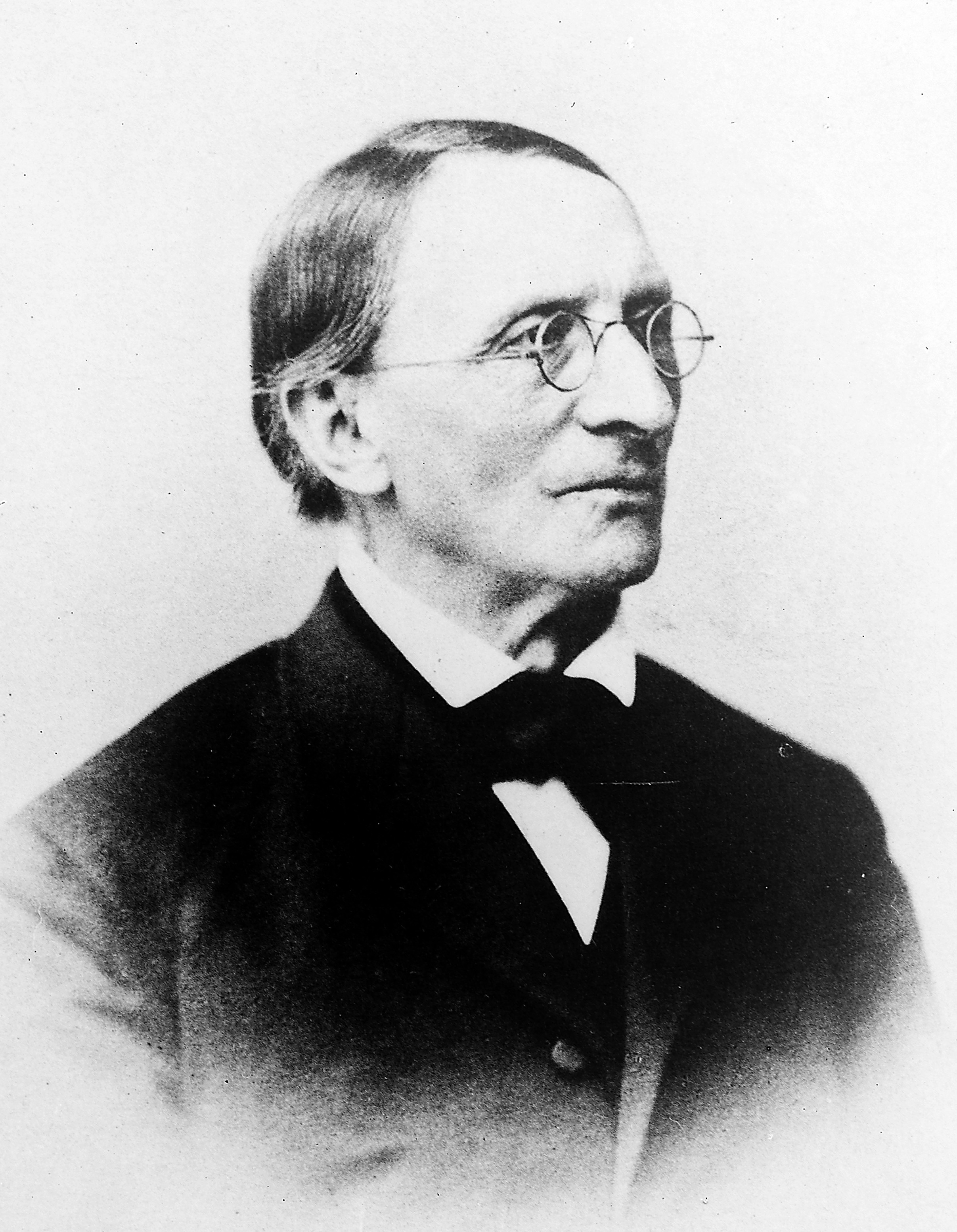
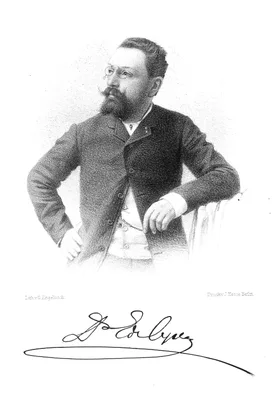
Discovery of the vasomotor reflexes.
1870 CE
#820
Ueber die Messung des Blutquantums in den Herzventrikeln.
Fick principle for the calculation of cardiac output based on measuring the minute volume of oxygen consumption and the arteriovenous oxygen difference. Digital facsimile from the Hathi Trust at this link.
1871 CE
#821
Untersuchungen über einige Giftwirkungen am Froschherzen.
First investigation of the effect of poisons on the frog’s heart. In some cases Schmiedeberg found that stimulation of the vagus after administration of poisons produced acceleration of the heart rate.
1872 CE
#822
Ueber die Eigenthümlichkeiten der Reizbarkeit, welche die Muskelfasern des Herzens zeigen.
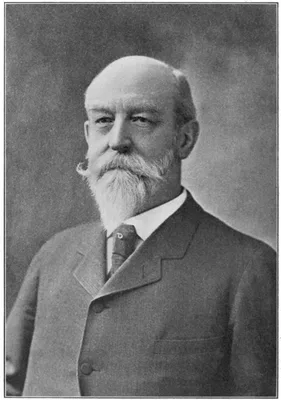
Bowditch was the first to research the relationship between the strength of the heart beat and the interval between beats. He established the “all-or-nothing” principle of heart muscle contraction. He foun…
1874 CE
#823
Beiträge zur Theorie der Herz-und Arterientöne.
1879 CE–1880 CE
#824
On the time-relations of the excitatory process in the ventricle of the heart of the frog.
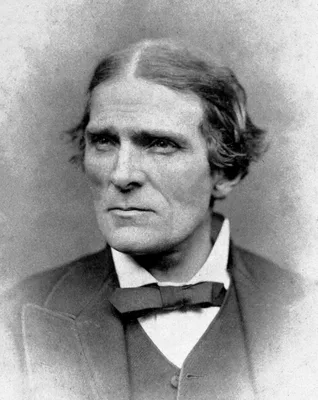
These workers were among the first to study the action currents of the heart, and made the first records (with the capillary electrometer) of the minute electrical current produced by the beating of the heart. See als…
1880 CE
#825
Zur Genese der Herztöne.
1880 CE–1882 CE
#826
Regarding the action of hydrate of soda, hydrate of ammonia, and hydrate of potash on the ventricle of the frog’s heart.
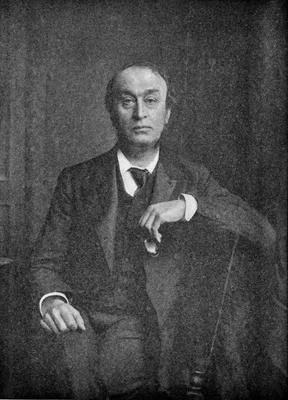
“Ringer’s solution”
1881 CE
#827
On a method of isolating the mammalian heart.
Martin devised a form of perfusion of the isolated mammalian heart – one of the greatest single contributions ever to come from an American physiological laboratory. This made possible his later work on the hear…
1882 CE
#828
Observations on the direct influence of variations of arterial pressure upon the rate of beat of the mammalian heart.
1882 CE
#829
On the rhythm of the heart of the frog, and on the nature of the action of the vagus nerve.
Croonian Lectures, 1881. Gaskell’s classical memoir on the muscles and nerves of the heart included a description of “Gaskell’s nerves”, the accelerator nerves of the heart. He showed that the …
1883 CE–1884 CE
#830
On the innervation of the heart, with special reference to the heart of the tortoise.
Gaskell showed that the efferent vasoconstrictor fibers of the heart originated from the lateral horn of the spinal cord.
1883 CE–1884 CE
#831
On the electrical phemomena of the excitatory process in the heart of the frog and of the tortoise, as investigated photographically.
See No. 824. This paper contains several tracings of the heart's electrical activity recorded with a capillary electrometer, the earliest graphic recorder of bioelectric signals. These were the "first undistorted trac…
1883 CE
#832
The direct influence of gradual variations of temperature upon the rate of beat of the dog’s heart.
Martin was among the first to study the effect of temperature changes upon the isolated heart.
1887 CE
#833
A demonstration on man of electromotive changes accompanying the heart’s beat.
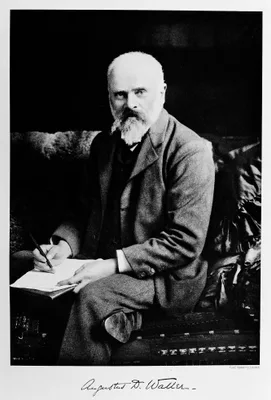
Waller was first to use electrodes and leads in demonstrating the action currents of the heart, avoiding the necessity of opening the chest of laboratory animals and preparing the way for present-day clinical electroc…
1892 CE
#834
Pulsation in the veins, with the description of a method for graphically recording them.
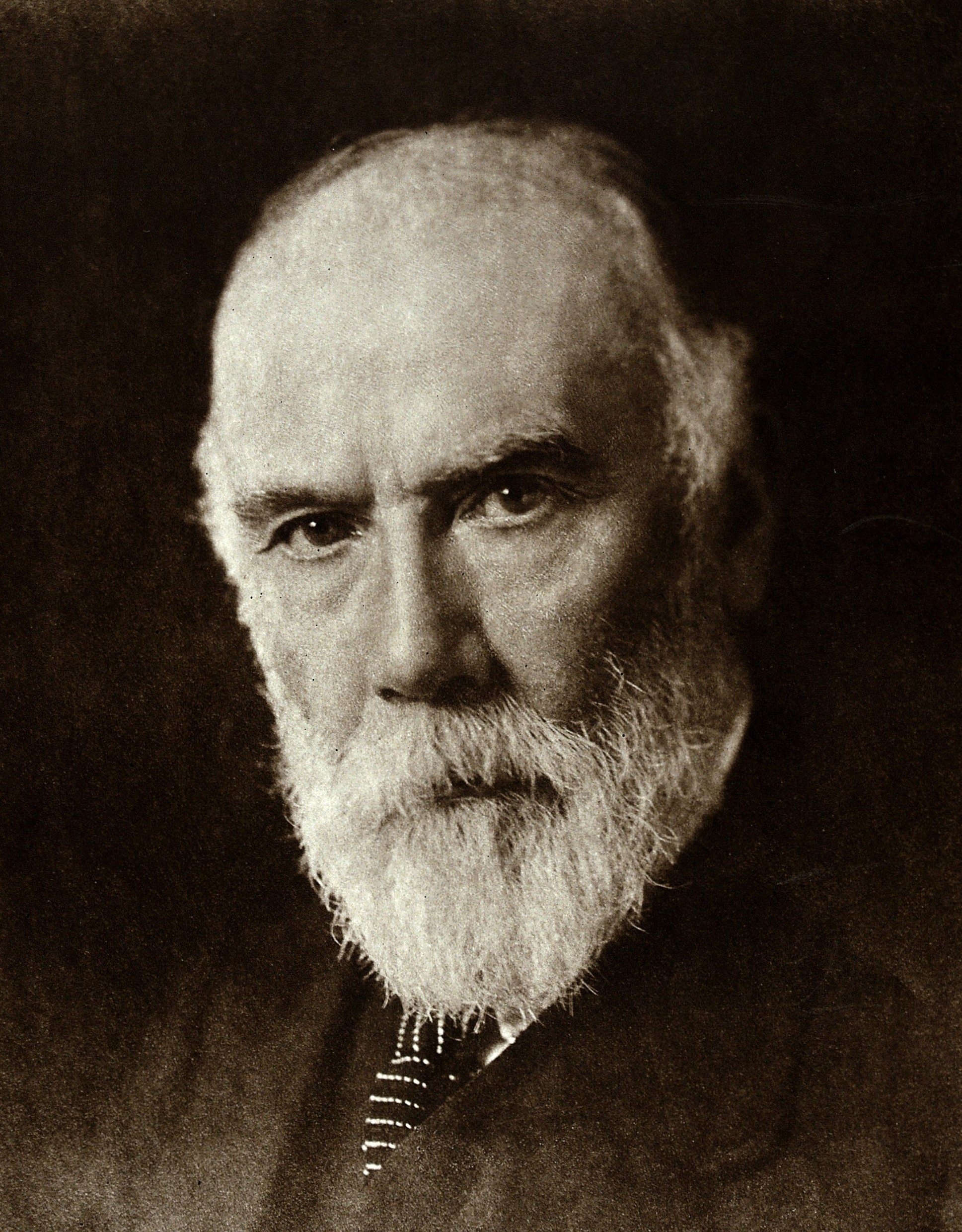
The phlebograph, which developed into the polygraph. With it Mackenzie obtained simultaneous tracings of the pulsations of the jugular vein and radial artery.
1892 CE
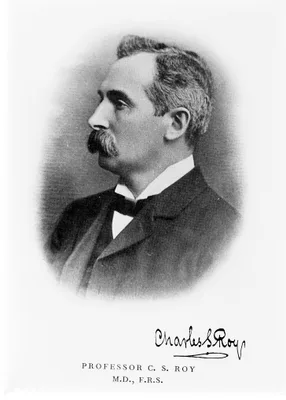
#835
Contributions to the physiology and pathology of the mammalian heart.
1893 CE
#836
Die Thätigkeit des embryonalen Herzens und deren Bedeutung für die Lehre von der Herzbewegung beim Erwachsenen.
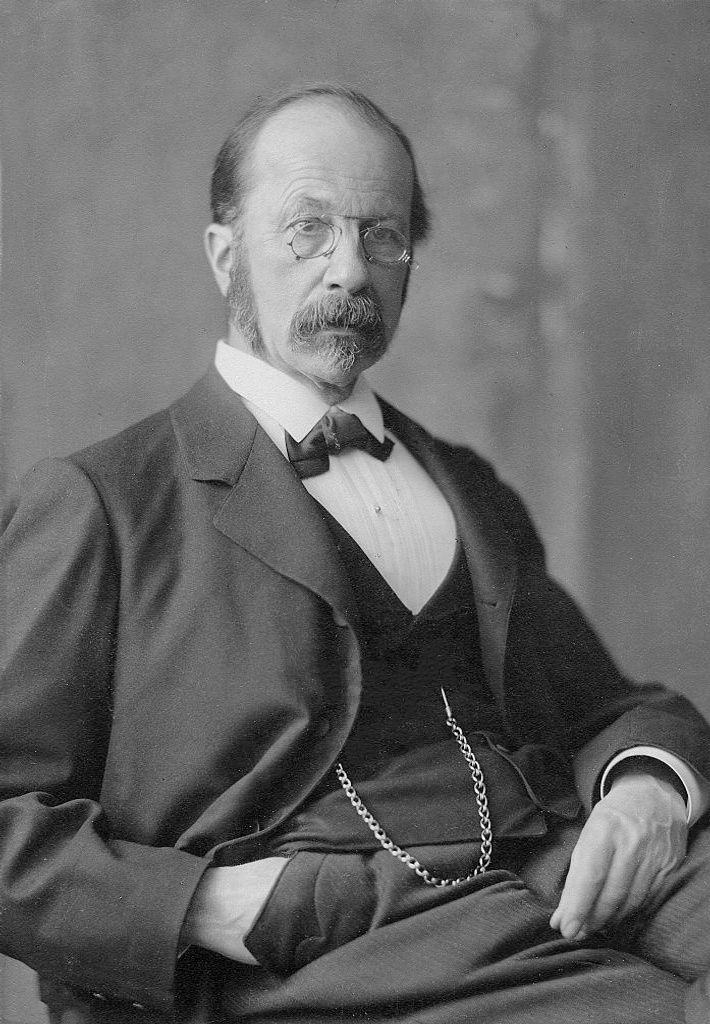
His described the atrioventricular bundle which was later named after him. English translation in F. A. Willius and T. E. Keys, Cardiac classics, 1941, p. 695.
1893 CE
#837
Researches on the structure and function of the mammalian heart.
Kent also discovered the atrioventricular bundle (“bundle of Kent”), a narrow band of muscle between the auricles and ventricles of the heart. Its purpose is to act as a bridge for contractile impulses bet…
1898 CE
#838
Ueber Herzbewegung und Herzstoss.
First employment of cinematograph to record the cardiac changes during all phases of heart contraction.
1900 CE
#839
On the muscular architecture and growth of the ventricles of the heart.
A classic account of the development and architecture of the muscular wall of the heart.
1901 CE
#840
Un nouveau galvanomètre.
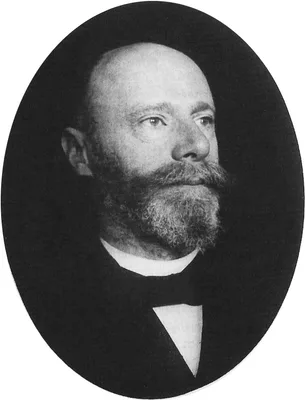
Einthoven directed much of his research to the development and perfection of recording instruments. His most famous work was in connexion with his string galvanometer, a perfection of the instrument invented by J. S. …
1902 CE
#841
Ueber die Entfemung der extracardialen Herznerven bei Saügethieren.
1902 CE
#842
Galvanometrische registratie van het menschelijk electrocardiogram IN: Herinneringsbundel Prof. S.S. Rosenstein, pp.101-106.
First description of Einthoven's string galvanometer that recorded electrical changes occurring in the human heart. Includes the first illustration of an EKG (ECG) recording. Modern electrocardiography became a realit…
1904 CE
#843
Die unmittelbare Registrierung der Herztöne.
Frank obtained the first perfect pulse curves with special manometers, the so-called “Frank capsules”.
1906 CE–1907 CE
#844
The form and nature of the muscular connections between the primary divisions of the vertebrate heart.
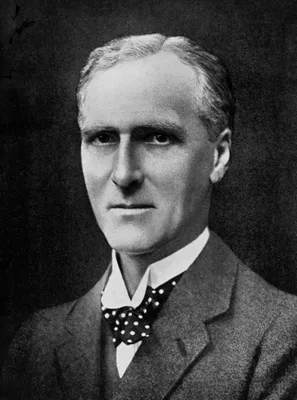
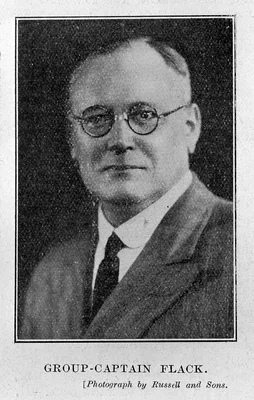
Discovery of the sinoatrial node, the “pacemaker of the heart”. Reprinted in Willius & Keys, Cardiac classics, 1941, pp. 747-62.
1906 CE
#845
Das Reizleitungssystem des Säugethierherzens.
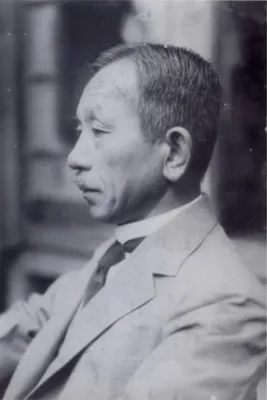
Tawara discovered and described the atrioventricular node – “node of Tawara”. Translated into English by Kozo Suma and Munehiro Shimada as The conduction system of the mammalian heart: An anatomical-…
1907 CE
#846
Die Registrierung der menschlichen Herztone mittels des Saitengalvanometers
Phonocardiography.
1907 CE–1908 CE
#847
The extra-systole. A contribution to the functional pathology of the primitive cardiac tissue.
1910 CE
#848
Ueber die Folgen der Durchschneidung der Tawaraschen Schenkel der Reizleitungssystems.
First experimental study of the electrocardiographic changes in bundle-branch block. "Later, as professor and director of the internal clinic at the Allgemeines Krankenhaus in Vienna, Eppinger became one of the most n…
1913 CE
#849
On the action of drugs and the function of the anterior lymph hearts in cardiectomized frogs.
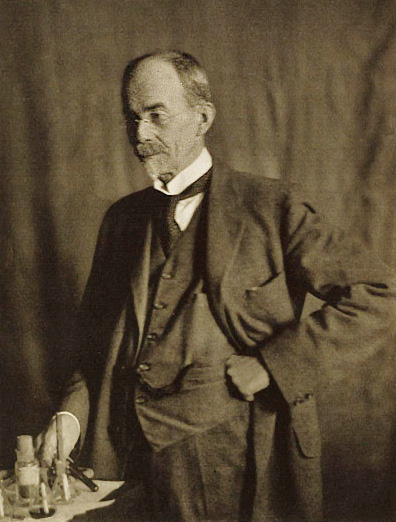
Abel was one of America’s most distinguished pharmacologists. See A. M. Harvey. "Pharmacology’s giant," Johns Hopk. med. J., 1974, 135, 245-58.
1914 CE
#850