
Entry Nos. 6300–6399
92 Garrison-Morton entries in this range.
1478 CE
#20
De medicina. Ed: Bartholomaeus Fontius.
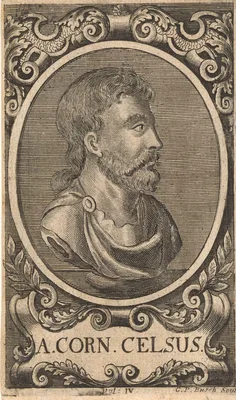
De Medicina is the oldest Western medical document after the Hippocratic writings. Written about 30 CE, it remains the greatest medical treatise from ancient Rome, and the first Western history of medicine. Celsus&rsq…
1886 CE
#1017
Die Darmbakterien des Säuglings und ihre Beziehungen zur Physiologie der Verdauung.
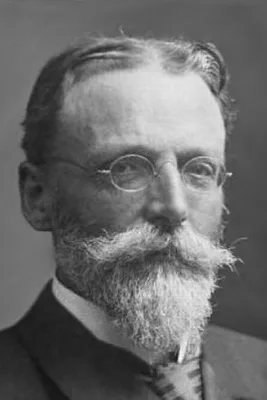
Includes the first account of Bact. coli infection. The organism was later renamed Escherichia coli (E.coli).
1889 CE
#1766.601
Geschichte des medizinischen Unterrichtes von den ältesten Zeiten bis zur Gegenwart.
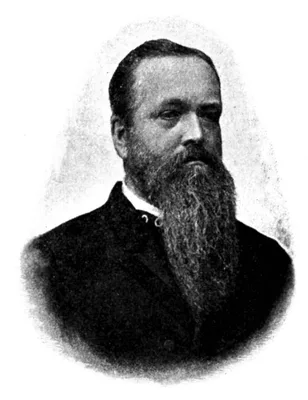
The only comprehensive multinational study of the development of medical education, and of limited value for coverage of the 19th century. Translated into English by Evan H. Hare as A history of medical education from…
1828 CE
#2285.1
Traité des maladies des enfans nouveau-nés et à la mamelle. 1 vol. and atlas.
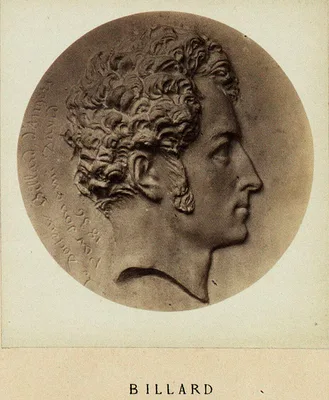
The first significant work on the pathological anatomy of infants. Billard performed several hundred autopsies on infants and children and correlated the data obtained with clinical observations he had made. This pion…
1784 CE
#2734.4
A treatise on the diseases of children.
Underwood laid the foundation of modern pediatrics. His work was superior to anything that had previously appeared and remained the most important book on the subject for sixty years, passing through many editions. Th…
1586 CE
#3417
De medica historia mirabili.
An early history of diseases, with extensive sections on ophthalmology (ff. 66-77) and urology (ff. 260-271). Lib. IV, Cap. iii, page 196 contains the first recorded case of gastric ulcer. Lib. VI. cap. iii contains t…
1815 CE
#4825
Commentaries on some of the most important diseases of children. Part the first.
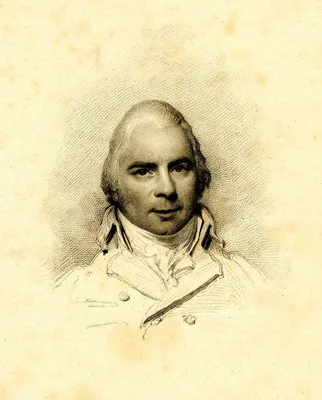
First account of infantile tetany is given on pp. 86-97. Clarke died before this work was published. In it he also gave a clear description of laryngismus stridulus. This disease, which consists in a sudden onset of d…
1838 CE
#6008
De arte obstetricia morbisque mulierum quae supersunt. Ex apographo Friderici Reinholdi Dietz, nuper fato perfuncti primum edita.
Greek editio princeps of Soranus, based on manuscripts Dietz discovered in Paris and Rome, and published after the early death of the editor. Soranus was the leading authority on the gynecology and obstetrics of antiq…
1933 CE
#6300
L’ostretricia e la ginecologia in Italia.
1935 CE
#6301
Classical contributions to obstetrics and gynecology.
1937 CE
#6303
Geschichte der Frauenheilkunde. 1 Teil. Die Frauenheilkunde der alten Welt.
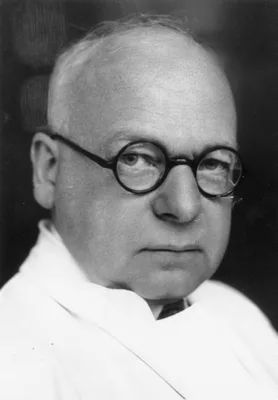
Forms Bd. 12, Teil 1, of Handbuch der Gynäkologie, hrsg. J. Veit u. Stoeckel. See also No. 6311.4
1939 CE
#6304
The evolution of obstetric analgesia.
1943 CE
#6305
The genealogy of gynaecology. History of the development of gynaecology throughout the ages 2000 B.C.-A.D. 1800.
Second edition, 1950.
1944 CE
#6306
History of gynecology.
1944 CE
#6307
Caesarean section. The history and development of the operation from earliest times.

1945 CE
#6309
One hundred years of gynaecology, 1800-1900.
1949 CE
#6310
The development of gynaecological surgery and instruments… from the Hippocratic age to the Antiseptic period.
Reprint, San Francisco, Norman Publishing, 1990.
1947 CE
#6311
The secret instrument. The birth of the midwifery forceps.
Reprinted with No. 6311.5, San Francisco, Norman Publishing, 1989.
1481 CE
#6313
Liber ad Almansorem sive Tractatus medicinae I-X. Add: Liber divisionum; De aegritudinibus juncturarum; De aegritudinibus puerorum; De secretis sive aphorismi; De sectionibus et ventosis; Synonyma. Galenus: De medicinis experimentatis. Mesue (the elder): Aphorismi. Hippocrates: secreta; Capsula eburnea; De humana natura; De aere et aqua et regionibus; De pharmaciis. Tabula de herbis medicis.
![GALEN, [Κλαύδιος Γαληνός; Galen of Pergamon] (129 – 216)](/media/portraits/21)
![HIPPOCRATES, [Ἱπποκράτης; Hippocrates of Kos] (-460 – -370)](/media/portraits/50)
Rhazes was the first to devote an entire treatise to diseases of children. Although he lived so many years before the advent of printing, he was still regarded as an authority in the 15th century and his works were am…
1491 CE
#6314
Versehung des Leibs.
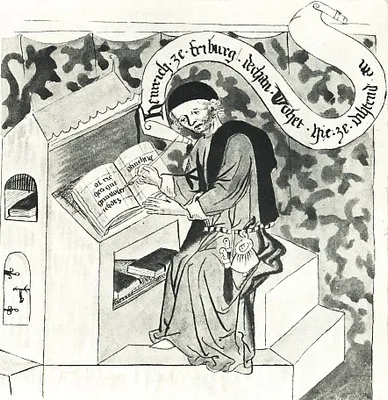
Written in 1429, this didactic poem is the first known text to be devoted to the normal physiology and common illnesses of children. It was written in old Swabian, and its author was a monk. The poem was probably inte…
1472 CE
#6315
De infantium aegritudinibus et remediis.
The first printed book dealing exclusively with pediatrics. This was also the first medical treatise, and probably also the first scientific treatise, to make its original appearance in printed form rather than having…
1473 CE
#6316
Regiment der jungen Kinder.
This work has very little originality, being mainly derived from the Arabic physicians of 500 years before, but is noteworthy as being the first book on pediatrics printed in German. It includes what is probably the f…
1544 CE
#6317
The regiment of life, whereunto is added a treatise of the pestilence, with the boke of children.
The “boke of children” is the first work on diseases of children to be written by an Englishman the English language. Phaer enabled Englishmen to read and think of pediatrics in their own language. The edi…
1565 CE
#6318
Cinq livres, de la manière de nourrir et gouverner les enfans dès leur naissance.
The first French work on pediatrics. Vallambert considered a wider range of diseases than any previous writer, including the first reference to syphilis in children, and gave the best commentary up to his time on infa…
1653 CE
#6320
De morbis puerorum, or, a treatise of the diseases of children.
The second work in English on pediatrics, published more than 100 years after the publication of Phaer’s book. Pemell was a general practitioner living at Cranbrook in Kent; he was buried only five days after th…
1689 CE
#6321
De morbis acutis infantum.
Harris was physician to William and Mary. His book served for nearly a century as a standard work on pediatrics. He anticipated the modern treatment of tetany by using calcium salts in infantile convulsions. For a stu…
1748 CE
#6322
An essay upon nursing, and the management of children, from their birth to three years of age.
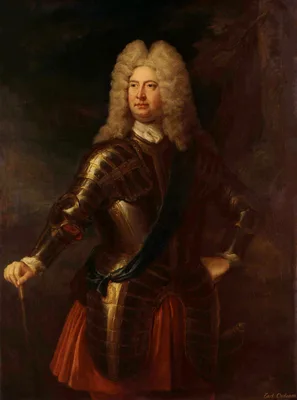
Cadogan’s famous essay laid down rules on the nursing, feeding, and clothing of infants, and filled a great need at a time when infant welfare was much neglected through the ignorance of those concerned. As a re…
1764 CE
#6323
Underrättelser om barn-sjukdomar och deras botemedel.
Sir Frederic Still considered this work “the most progressive which had yet been written”; it gave an impetus to research which influenced the future course of pediatrics. Rosén was particularly int…
1767 CE
#6324
An essay on the diseases most fatal to infants.
One of the best pediatric works of the period. Armstrong is noteworthy as the founder of the first children’s dispensary in Europe, the Dispensary for Sick Children, London, in 1769.
1804 CE
#6327
Morborum puerilium epitome.
English translation, Uttoxeter, 1805. Like his father, Heberden junior was a great clinician. It is probable that the above was compiled from notes left by Heberden senior.
1815 CE–1818 CE
#6329
Praktische Abhandlungen über die vorzüglichen Krankheiten des Kindesalters. Vol. 1: Von der hitzigen Gehirnhöhlen-Wassersucht; Vol. 2: Vom inneren chronischen Wasserkopfe....
"In 1818, Leopold Anton Gölis (1765-1827, Austrian physician and pathologist), a paediatrician and dissector in the Institute for the Sick Children of the Poor in Vienna, described the clinical and autopsy findin…
1817 CE
#6330
A cursory inquiry into some of the principal causes of mortality among children. With a view to assist in ameliorating the state of the rising generation, in health, morals, and happiness. To which is added an account of the universal dispensary for sick indigent children.
Davis called attention to the high infant mortality rate, especially in London. His suggestion that poor mothers should be instructed in the care of their infants resulted in a system of health-visiting by benevolent …
1825 CE
#6331
Treatise on the physical and medical treatment of children.
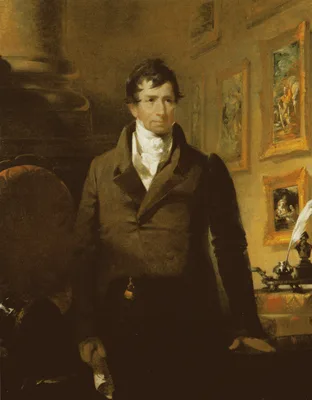
First American textbook on pediatrics.
1843 CE
#6333
Traité clinique et pratique des maladies des enfants. 3 vols.
Digital facsimile from Google Books at this link.
1848 CE
#6334
Lectures on the diseases of infancy and childhood.
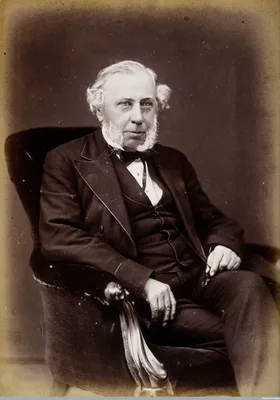
In its day this was the best English work on the subject, and was translated into several languages. West was one of the founders of the Hospital for Sick Children, Gt. Ormond Street, London.
1850 CE–1853 CE
#6335
Die Krankheiten der Neugebomen und Säuglinge. 4 vols.
Bednaŕ was a famous Viennese pediatrician. His description of aphthae of the palate in the newborn (“Bednaŕ’s aphthae”) is in vol. 1, p. 104 of his book.
1861 CE
#6336
Beiträge zur Kinderheilkunde.
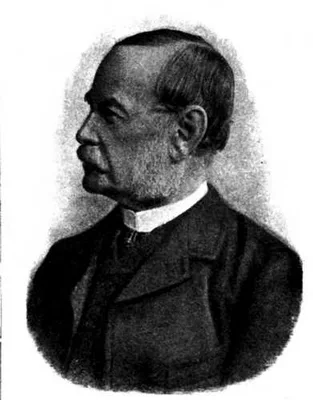
1877 CE–1893 CE
#6337
Handbuch der Kinderkrankheiten. Hrsg. von C. GERHARDT. 9 vols.
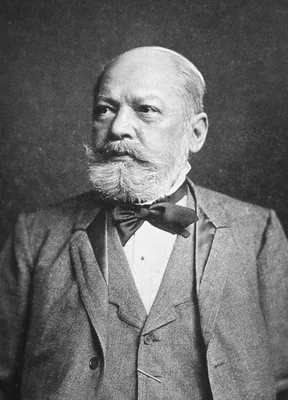
Gerhardt edited this great work, which was written by the foremost pediatricians of the time and which gives a close-up view of pediatric knowledge at the end of the 19th century.
1879 CE
#6338
Ueber eine bisher nicht beschriebene endemisch aufgetretene Erkrankung Neugeborener.
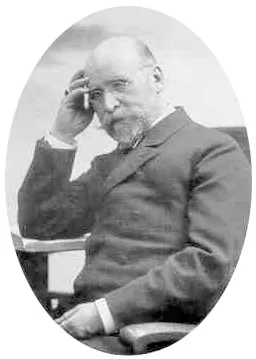
First description of “Winckel’s disease” of the newborn, characterized by icterus, hemorrhage, hemoglobinuria, and cyanosis.
1881 CE
#6339
Vorlesungen über Kinderkrankheiten.
Henoch, whose name is remembered for his description of purpura, initiated the modern concept of pediatrics. English translation, New York, 1882.
1886 CE
#6341
Ueber Kindermilch und Säuglings-Ernährung.
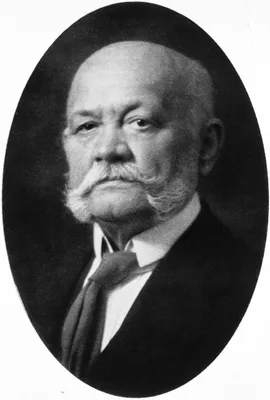
Soxhlet wrote on the nature of milk droplets, estimated the specific gravity of milk with his lactodensimeter, described an apparatus for the sterilization of milk, and devised a test for the estimation of fats in milk.
1887 CE
#6342
The intestinal diseases of infancy and childhood.
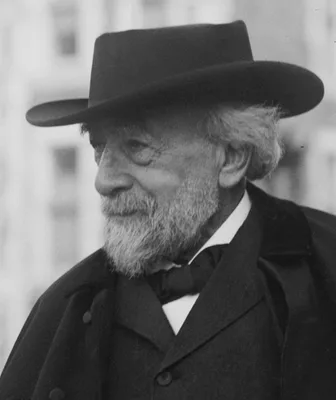
Jacobi was the first in the United States to specialize in the practice of pediatrics. In 1862 he founded the first pediatric clinic in the U.S., in New York. He wrote extensively on pediatrics.
1903 CE–1906 CE
#6343
Lehrbuch der Kinderheilkunde. 2 vols.
Heubner was professor of pediatrics at Berlin. With Rubner he determined the caloric requirement of infants and did other important work on infant feeding.
1903 CE
#6344
Ueber Trophodermatoneurose.
First clear description of infantile acrodynia (“pink disease”).
1910 CE–1912 CE
#6347
Handbuch der Kinderheilkunde. 2te. Aufl. 6 vols.
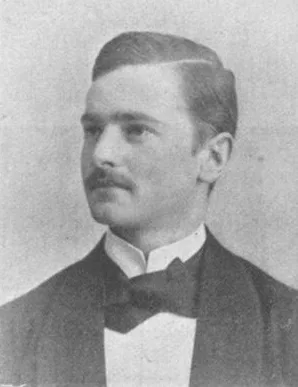
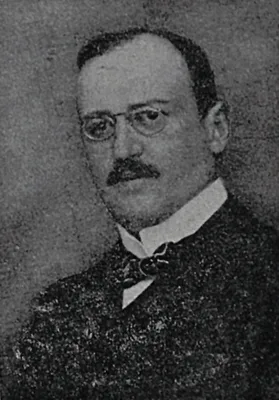
English translation, 1912-24.
1914 CE
#6348
Erythroedema.
Acrodynia (“pink disease”, “Swift’s disease”); first full description.
1923 CE
#6349
Eine eigenartige Neurose des vegetativen Systems beim Kleinkinde.
Feer described a vegetative neurosis (“Feer’s disease”) affecting infants and characterized by cyanosis of the extremities, recurrent sweating, tremor, motor weakness, rapid pulse, and insomnia. It w…
1924 CE
#6350
The food requirements of malnourished infants with a note on the use of insulin.
Marriott introduced the insulin-fattening method of treatment of malnutrition in infants.
1850 CE
#6351
Grundlage der Literatur der Pädiatrik.
An extensive bibliography of pediatric literature, containing about 7,000 references.
1922 CE
#6352