
Facets
Browse across eight MeSH (opens in new tab) facets — era, geography, science, specialty, technology, history, culture, and reference. Select one tag per group; counts update across the others.
Clear filtersFacet filters
Geography
Specialties & Disease
- Anatomy & Pathology 7
- Cardiology & Blood 94
- Neurology & Psychiatry 27
- Obstetrics & Reproductive 5
- Infectious Disease (General) 1
- Surgery & Anesthesia 76
- Public Health 8
- Immunology & Dermatology 50
- General Clinical Medicine 1
- Military Medicine 0
- Psychology 3
- Alternative & Fringe Medicine 0
- Pediatrics 44
- Ophthalmology & Vision 12
- ENT & Hearing 5
- Urology & Nephrology 0
- Gastroenterology & Hepatology 9
- Pulmonary & Respiratory 5
- Rheumatology, Rehab & Pain 4
- Internal, Emergency & Geriatric 0
- Veterinary Medicine 2
- Epidemiology & Demography 4
- Physiology & Embryology 23
- Dentistry 3
- Plagues & Epidemics 27
- Microbiology & Virology 22
Social & Historical Studies
Institutions & Culture
Reference & Scholarly Works
453 entries match Genetics & Heredity [K01.900.300]
1961 CE
#7468
Genetic nucleic acid: Key material in the origin of life.
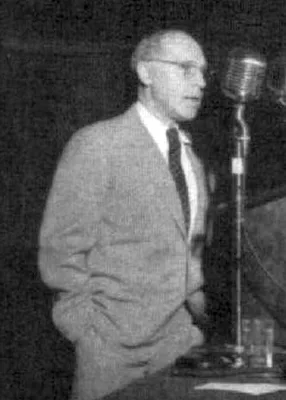
Muller was one of the earliest proponents of a genetics-first theory for the origin of life.
1998 CE
#6888
Genome sequence of the nematode C. elegans: A platform for investigating biology.
Completion of the first genome of a multi-cellular organism—C. elegans. "C. elegans is a free-living nematode which is widely used as a model organism. The C. elegans genome has been fully sequenced and is there…
1987 CE
#6927
Sequencing the human genome. Summary report of the Santa Fe workshop, March 3-4, 1986.
The initial report on the Human Genome Project. For further information see the entry at HistoryofInformation.com at this link. The report is available at this link.
1882 CE–1883 CE
#11737
"A study of the malformations, variations, and anomalies of the circulatory apparatus in man," with a brief consideration of some of the principles governing their production.
A pioneering study of the embryology of the cardiovascular system and its relationship to congenital heart disease.
1876 CE
#2707
A case of haemophilia complicated with multiple naevi.
First description of multiple hereditary telangiectasis (“Rendu–Osler–Weber disease”).
1886 CE
#3067.1
A case of haemophilia: pedigree through five generations.
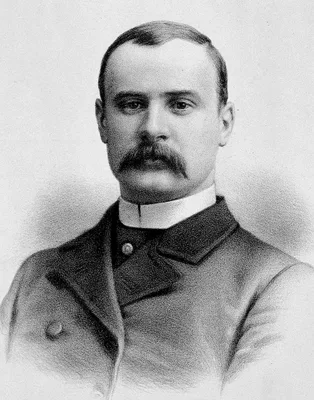
True hemophilia in a female. The family was the subject of several later investigations, the last being reported in Lancet, 1973, 2,734.
1974 CE
#5019.15
A centennial bibliography of Huntington’s chorea, 1872-1972.
Over 2,000 references to original works. Chronological arrangement. Author, geographic and other indexes. With F. Baro and N. C. Myrianthopoulos.
1938 CE
#4962.1
A clinical and genetic study of 1,280 cases of mental defect.
In this exhaustive study Penrose showed (p. 36) the significance of maternal age in the etiology of Down syndrome.
1976 CE
#13972
A colony bank containing synthetic Col El hybrid plasmids representative of the entire E. coli genome.
First description of a "complete" genomic library. This paper includes the Carbon-Clarke equation used for calculating the number of clones required when constructing a clone library to ensure a given probability (usu…
1981 CE
#13960
A complete nucleotide sequence of an infectious clone of cauliflower mosaic virus by M13mp7 shotgun sequencing.



Messing and colleagues employed shotgun sequencing to sequence the genome of cauliflower mosaic virus, the first genome sequenced by the shotgun method. They developed the shotgun DNA sequencing method with single and…
1911 CE
#4822
A first study of inheritance of epilepsy.
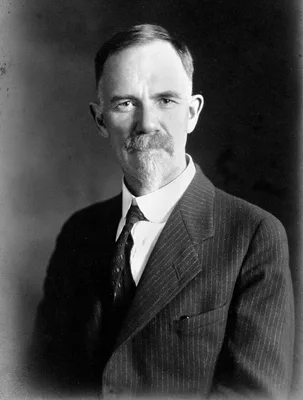
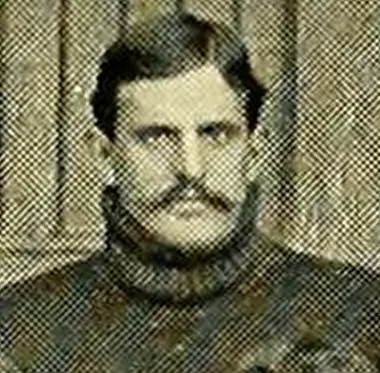
Davenport and Weeks produced strong evidence in support of the hereditary origin of epilepsy.
1978 CE
#7456
A gene complex controlling segmentation in Drosophila.
Discovery of the Drosophila Bithorax complex and elucidation of its function. Lewis founded the field of developmental genetics and laid the groundwork for current understanding of the universal, evolutionarily conser…
1994 CE
#10195
A history of gene transfer and therapy by Jon A. Wolff and Joshua Lederberg in: Wolff, Jon A. (ed.) Gene therapeutics: Methods and applications of direct gene transfer, pp.3-25.

Valuable for its detailed, but highly compressed discussion of the earliest history of these subjects, co-authored by Lederberg, who played a significant role during that period.
1965 CE
#258.3
A history of genetics.
1986 CE
#13974
A human DNA segment with properties of the gene that predisposes to retinoblastoma and osteosarcoma.


Isolation of the first human tumor suppressor gene. Order of authorship in the original publication: Friend, Bernards, Rogeli, Weinberg, Rapaport, Albert, Dryja.
2007 CE
#7434
A life decoded. My genome: My life.
1910 CE
#245.1
A Mendelian interpretation of variation that is apparently continuous.
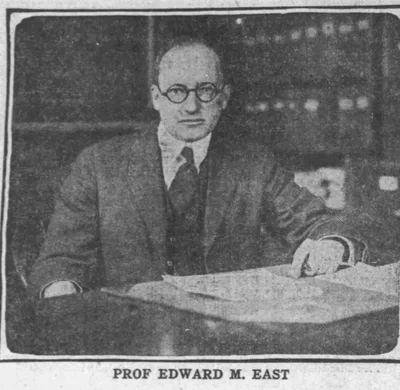
East published simultaneously and independently a theory essentially identical to Nilsson-Ehle (No. 245).
1969 CE
#3047.22
A new approach to “anatomic” repair of transposition of the great arteries.
The Rastelli procedure. “Intraventricular rerouting of left ventricular output through the ventricular septal defect to the aorta and establishing of a new right ventricular outflow through the ventriculotomy an…
2019 CE
#11462
A new genomic blueprint of the human gut microbiota.

Order of authorship in the original publication: Almeida, Mitchell, Boland.... Abstract: "The composition of the human gut microbiota is linked to health and disease, but knowledge of individual microbial species is n…
1977 CE
#6926
A new method for sequencing DNA.

The Gilbert-Maxam method for sequencing DNA. This paper is available from PNAS at this link. In 1980 Gilbert shared the 1980 Nobel Prize in Chemistry with Frederick Sanger and Paul Berg. Berg received half of the priz…
1921 CE
#5759
A new principle in the surgical treatment of “congenital cleft palate”, and its mechanical counterpart.
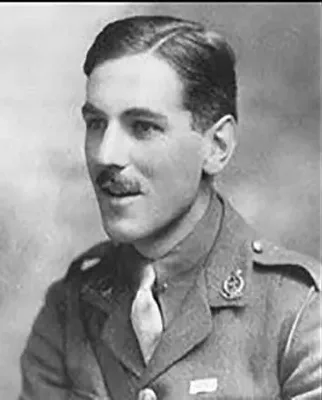
Gillies’s operation for cleft palate.
1951 CE
#4154.4
A new syndrome combining developmental anomalies of the eyelids, eyebrows and nose root with pigmentary defects of the iris and head hair with congenital deafness.
“Waardenburg’s syndrome”.
1993 CE
#14008
A novel gene containing a trinucleotide repeat that is expanded and unstable on Huntington's disease chromosomes.
Identification by the many scientists in The Huntington's Disease Collaborative Research Group, including Gusella, of the single defective gene on chromosome 4 that causes the progressive brain disorder, Huntington's …
1860 CE
#3459.1
A practical treatise on the aetiology, pathology, and treatment of the congenital malformations of the rectum and anus.
The first systematic treatise on the subject, and a landmark in pediatric surgery. Includes an early account of colostomy and one of the earliest histories of that procedure. Digital facsimile from the Hathi Trust at …
1970 CE
#6889
A restriction endonuclease from Hemophilus influenzae. II. Base sequence of the recognition site.

Discovery of the first type II restriction enzyme (HindII). Smith shared the 1978 Nobel Prize in Physiology or Medicine with Werner Arber and Daniel Nathans "for the discovery of restriction enzymes and their applicat…
1937 CE
#11797
A sex starved world.
A eugenic utopian fantasy, in which we accompany a doctor in his dream journey to the liberated land of Amor. Pritcher presents an impassioned argument for free universal health care, contraception, no-fault divorce, …
1965 CE
#258.4
A short history of genetics. The development of the main lines of thought: 1864-1939.
1963 CE
#3924.4
A simple phenylalanine method for detecting phenylketonuria in large populations of newborn infants.
Bacterial inhibition test for phenylketonuria.
1994 CE
#14015
A strong candidate for the breast and ovarian cancer susceptibility gene BRCA1.
Discovery of the BRCA1 gene using the technique of restriction fragment length polymorphism (RFLP). (Thanks to Juan Weiss for this reference and its interpretation.)
1901 CE
#3866
A study of congenital sarcoma of the liver and suprarenal. With report of a case.
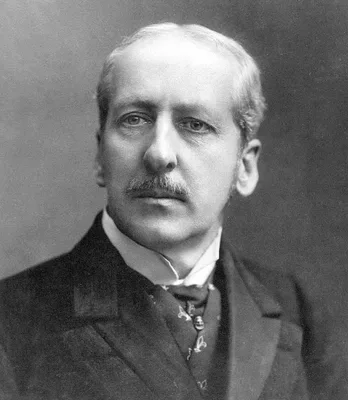
Pepper’s type of adrenal medullary tumor.
1907 CE–1908 CE
#2633
A study of heredity in relation to the development of tumours in mice.
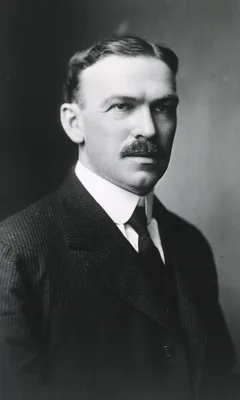
First experimental study of the heredity of mouse cancer.
1698 CE
#3166
A treatise of the asthma.
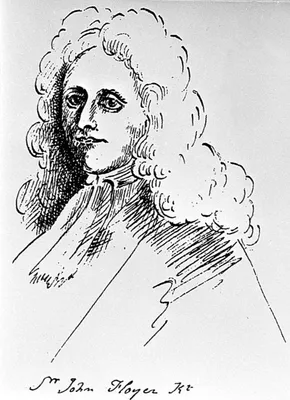
Floyer provided the first clear descriptions of cases of bronchial asthma. Floyer himself suffered from asthma for over 30 years. He recognized the influence of heredity in asthma. The above includes (p. 239) an impor…
1784 CE
#2734.4
A treatise on the diseases of children.
Underwood laid the foundation of modern pediatrics. His work was superior to anything that had previously appeared and remained the most important book on the subject for sixty years, passing through many editions. Th…
1814 CE
#216.1
A treatise on the supposed hereditary properties of diseases, containing remarks on the unfounded terrors and ill-judged cautions consequent on such erroneous opinions; with notes, illustrative of the subject, particularly in madness and scrofula.
Adams was a pioneer in medical genetics. He distinguished between familial and hereditary diseases, saw that an increase in hereditary disease frequency in isolated areas could be caused by inbreeding, and suggested t…
1791 CE
#4306
Abbildungen und Beschreibungen einiger Misgeburten.
Achondroplasia is first described on page 30 and pictured on plate 11. English translation in No. 2241.
1822 CE–1823 CE
#3912
Account of a singular variety of urine, which turned black soon after being discharged; with some particulars respecting its chemical properties.
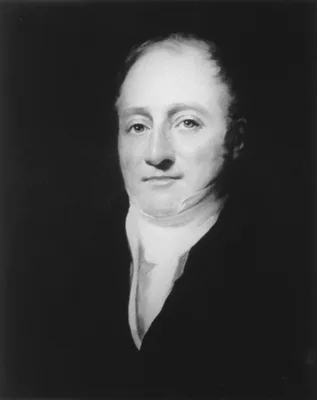
Alkaptonuria described.
2014 CE
#11397
Actionable diagnosis of neuroleptospirosis by next-generation sequencing.

Order of authorship in the original publication: Wilson, Naccache, Samayoa...Chiu. This research demonstrated the value of "next-generation-sequencing" in the diagnosis of a specific meningoencephalitis, a disease whi…
1962 CE
#256.12
Adult frogs derived from the nuclei of single somatic cells.

Demonstration that somatic and germinal nuclei are genetically equivalent. Using somatic cell nuclear transfer (SCNT), Gurdon (Nobel Prize 2012) transplanted cell nuclei from mature intestinal tadpole cells into enucl…
1952 CE
#2578.9
Agammaglobulinemia.
First report.
1982 CE
#14018
Agrobacterium rhizogenes inserts T-DNA into the genomes of the host plant root cells.

Chilton was the first (1977) to demonstrate the presence of a fragment of Agrobacterium Ti plasmid DNA in the nuclear DNA of crown gall tissue. Her research on Agrobacterium also showed that the genes responsible for …
1891 CE
#234
Amphimixis, oder die Vermischung der Individuen.
By “amphimixis” Weismann meant the union of the two parent germs, which he considered the principal source of heritable variation in evolution by natural selection. English translation in Weismann’s …
1788 CE
#2280
An account of a remarkable transportation of the viscera.
Baillie recorded a case of congenital dextrocardia with complete situs inversus viscerum. Reprinted in Willius & Keys, Cardiac classics, 1941, pp. 257-62.
1803 CE
#3054
An account of an haemorrhagic disposition existing in certain families.
Otto recognized and adequately described hemophilia, noting that females are not affected but may transmit the disease. His paper is one of the first great contributions to medicine in North America. Reproduced in Maj…
1777 CE
#5832
An account of persons who could not distinguish colours.
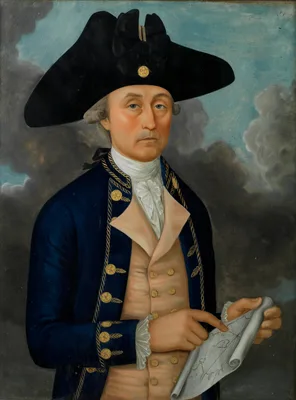
First reliable record of color blindness. Written in the form of a letter to Joseph Priestley, who communicated it to the Royal Society. Huddart was a British hydrographer, engineer and inventor.
1777 CE
#3425
An account of the diseases most incident to children, from their birth till the age of puberty.
This is an enlarged and more important (third) edition of his An essay on the diseases most fatal to infants (1767) No. 6324. Page 49: Important description of congenital hypertrophic pyloric stenosis.
1717 CE
#3419
An account of the dissection of a child.
First description of congenital hypertrophic pyloric stenosis. Reprinted in Mark M. Ravitch, "The story of pyloric stenosis," Surgery, 48 (1960) 1117-1143.
1731 CE
#4013
An extract from the minutes of the Royal Society, March 16, 1731, containing an uncommon case of a distempered skin.
First known description of Ichthyosis hystrix, a group of rare skin disorders in the ichthyosis family of skin disorders characterized by massive hyperkeratosis with an appearance like spiny scales. Digital facsimile …
1938 CE
#6133
An operation for the cure of congenital absence of the vagina.
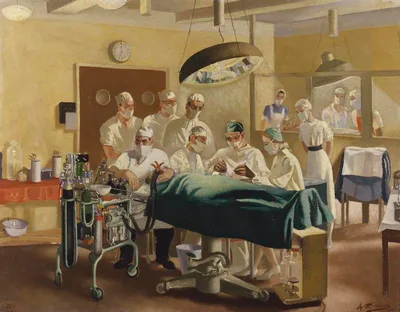
Mclndoe’s operation for the construction of an artificial vagina.
1946 CE
#3045
Anastomosis of the aorta to a pulmonary artery. Certain types in congenital heart disease.
With S. Smith and S. Gibson.
1935 CE
#7798
Anatomia della lussazione congenita dell'anca.
Putti made many contributions to the understanding of congenital dislocation of the hip, a condition which was then endemic in Northern Italy.