
Facets
Browse across eight MeSH (opens in new tab) facets — era, geography, science, specialty, technology, history, culture, and reference. Select one tag per group; counts update across the others.
Clear filtersFacet filters
Geography
Specialties & Disease
- Anatomy & Pathology 765
- Cardiology & Blood 914
- Neurology & Psychiatry 1,256
- Obstetrics & Reproductive 550
- Infectious Disease (General) 147
- Surgery & Anesthesia 1,551
- Public Health 1,129
- Immunology & Dermatology 1,404
- General Clinical Medicine 480
- Military Medicine 436
- Psychology 202
- Alternative & Fringe Medicine 383
- Pediatrics 247
- Ophthalmology & Vision 412
- ENT & Hearing 293
- Urology & Nephrology 309
- Gastroenterology & Hepatology 316
- Pulmonary & Respiratory 233
- Rheumatology, Rehab & Pain 188
- Internal, Emergency & Geriatric 123
- Veterinary Medicine 165
- Epidemiology & Demography 397
- Physiology & Embryology 923
- Dentistry 259
- Plagues & Epidemics 1,279
- Microbiology & Virology 1,080
Social & Historical Studies
Institutions & Culture
Reference & Scholarly Works
293 entries match ENT & Hearing [C09]
1897 CE
#3397
First attempt at improving hearing by fenestration. No title; forms part of a paper by R. Passe.
1829 CE
#3327
[Description of the glottiscope.]
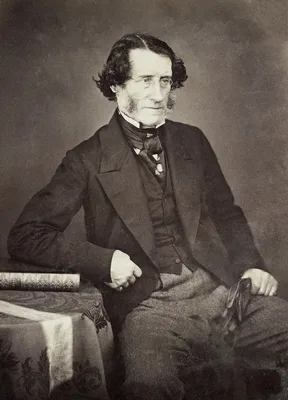
Babington was responsible for the introduction of laryngoscopy. He demonstrated a crude “glottiscope” to the Hunterian Society on March 18, 1829, but his effort attracted little attention.
1919 CE
#3321
A case of cardiospasm with dilatation and angulation of the esophagus.
See also his later paper in Minnesota Med., 1922, 5, 107-08. The syndrome of dysphagia, glossitis, and hypochromic anemia has become known as the Plummer-Vinson syndrome (see No. 3320). A. Brown Kelly and D. R. Paters…
1914 CE
#3341
A history of laryngology and rhinology. 2nd ed.
1949 CE
#3342
A history of oto-laryngology
From antiquity to the beginning of the 20th century.
1880 CE–1884 CE
#3287
A manual of diseases of the throat and nose. 2 vols.
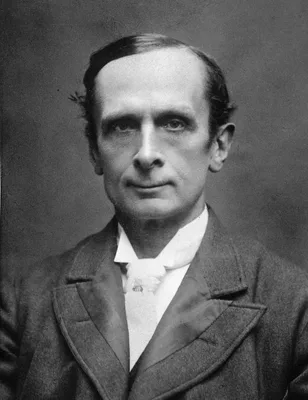
Mackenzie’s great reputation earned him the title of Father of British Laryngology. In 1863 he founded the Golden Square Throat Hospital, London, the first hospital in the world devoted solely to diseases of the…
1756 CE
#3356
A method proposed to restore the hearing, when injured from an obstruction of the tuba Eustachiana.
Wathen condemned Guyot’s method of Eustachian catheterization, and suggested a method of relieving catarrhal deafness by means of injections into the Eustachian tube through a catheter passed into the nose. Wath…
1843 CE
#3259
A nasal operation for the removal of a large tumour filling up the entire nostril and extending to the pharynx.
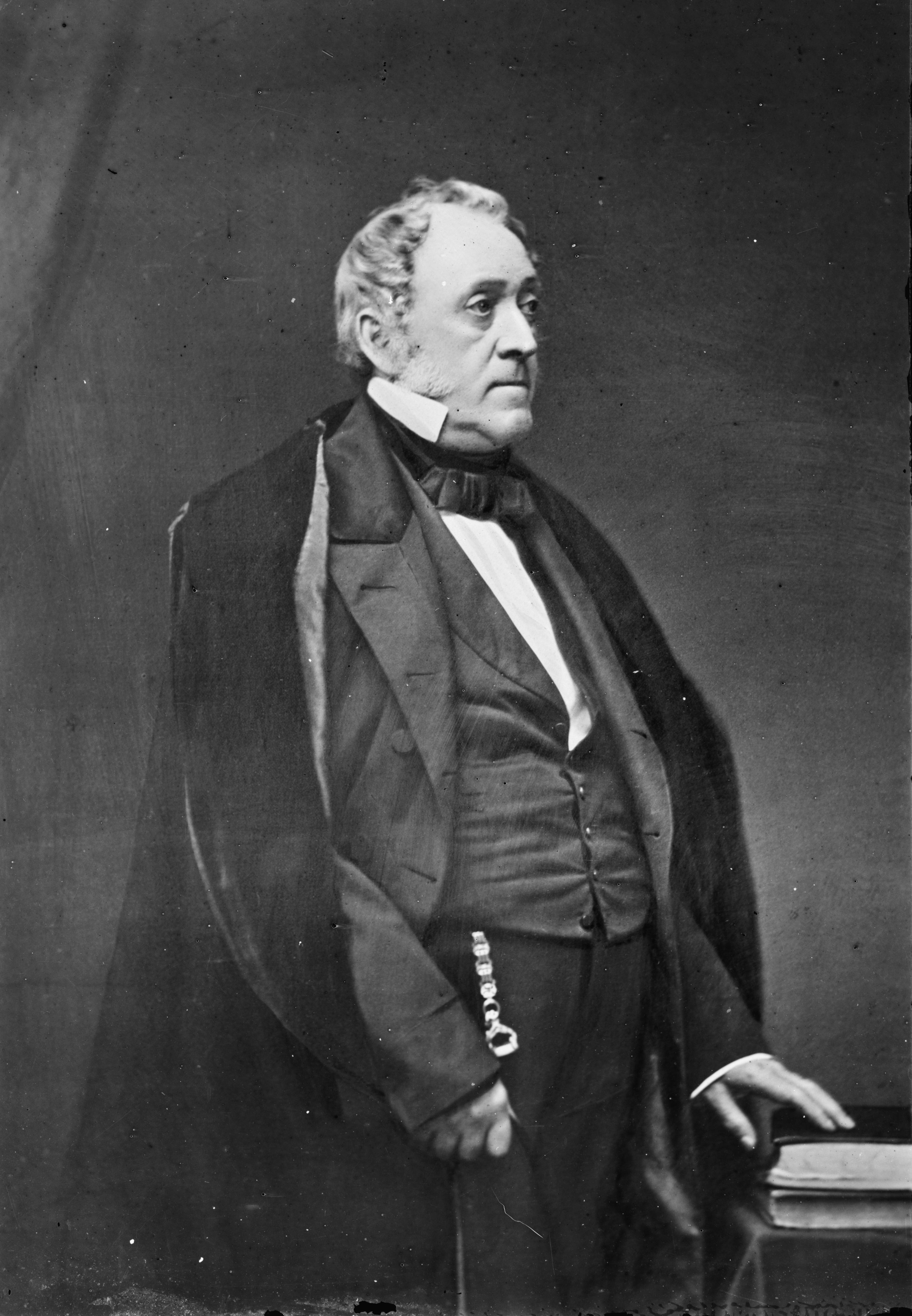
Removal of a fibrous growth from the nostril by division of the nasal and maxillary bones, July 8, 1841. Preliminary note in the same journal, 1842, 3, 257.
1947 CE
#3412.3
A new audiometer.
Semi-automatic (Békésy) audiometer.
1943 CE
#13709
A new laryngoscope.
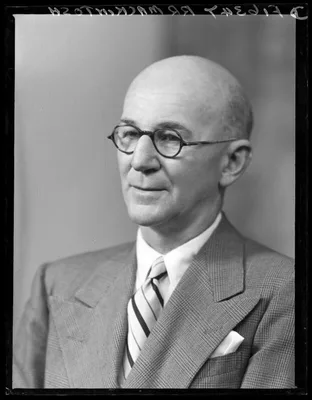
Macintosh larygnoscope.
1954 CE
#3412.6
A new method for testing hearing in temporal lobe tumours. Preliminary report.
The first tests for disorders of central auditory function were developed by Bocca, C. Calearo, and V. Cassinari.
1865 CE
#3378.1
A new otoscope or speculum auris.
Brunton’s otoscope.
1951 CE
#4154.4
A new syndrome combining developmental anomalies of the eyelids, eyebrows and nose root with pigmentary defects of the iris and head hair with congenital deafness.
“Waardenburg’s syndrome”.
1854 CE
#3264
A practical treatise on foreign bodies in the air-passages.
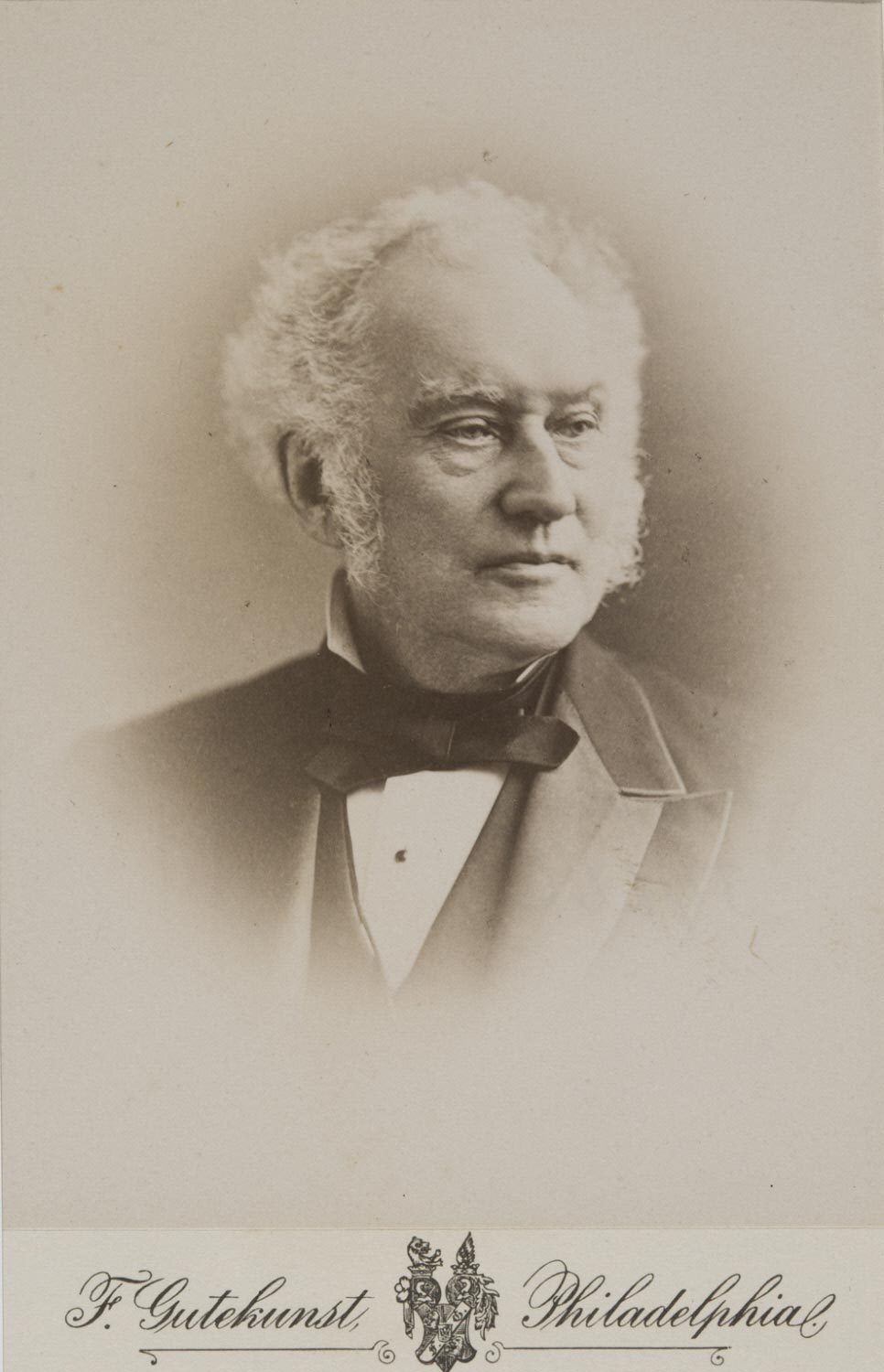
First systematic study of the subject. In this celebrated work Gross laid down principles concerning symptoms which are still fundamental, despite the advent of roentgenology.
1909 CE
#3317
A simple operation for the complete removal of tonsils, with notes on 900 cases.
Waugh introduced blunt dissection tonsillectomy.
1846 CE
#3261
A treatise on diseases of the air-passages.
Green was the “father of laryngology” in America, and this is the first American treatise in otorhinolaryngology. He was the first successfully to introduce medicaments into the larynx, trachea, and bronch…
1889 CE–1892 CE
#3298
A treatise on diseases of the nose and throat. 2 vols.
Bosworth, a pioneer of American rhinology, advanced an important theory of the causation of ozena.
1837 CE
#3257.1
A treatise on the diseases and injuries of the larynx and trachea.
“A clear exposition of diseases of the larynx as known before the invention of the laryngoscope”. (Scott Stevenson and Guthrie, see No. 3342).
1806 CE
#1554
Abbildungen des menschlichen Hoerorganes
1930 CE
#7225
Action currents in the auditory nerve in response to acoustical stimulation.
Wever and Bray discovered the electrical activity of the inner ear−then called the coclear microphonic−which enabled the development of the physiology of the ear.
2014 CE
#11157
An annotated bibliography of the Dennis G. Pappas Otolaryngology Collection at the Reynolds Historical Library.
Digital edition available from https://library.uab.edu/images/reynolds-finley/collections/otolaryngology/pappas-annotated-bibliography.pdf
1928 CE
#5709.1
Anaesthesia for tonsillectomy and removal of adenoids.
Denis Browne ether inhaler.
1789 CE
#1453
Anatomicae disquisitiones de auditu et olfactu.
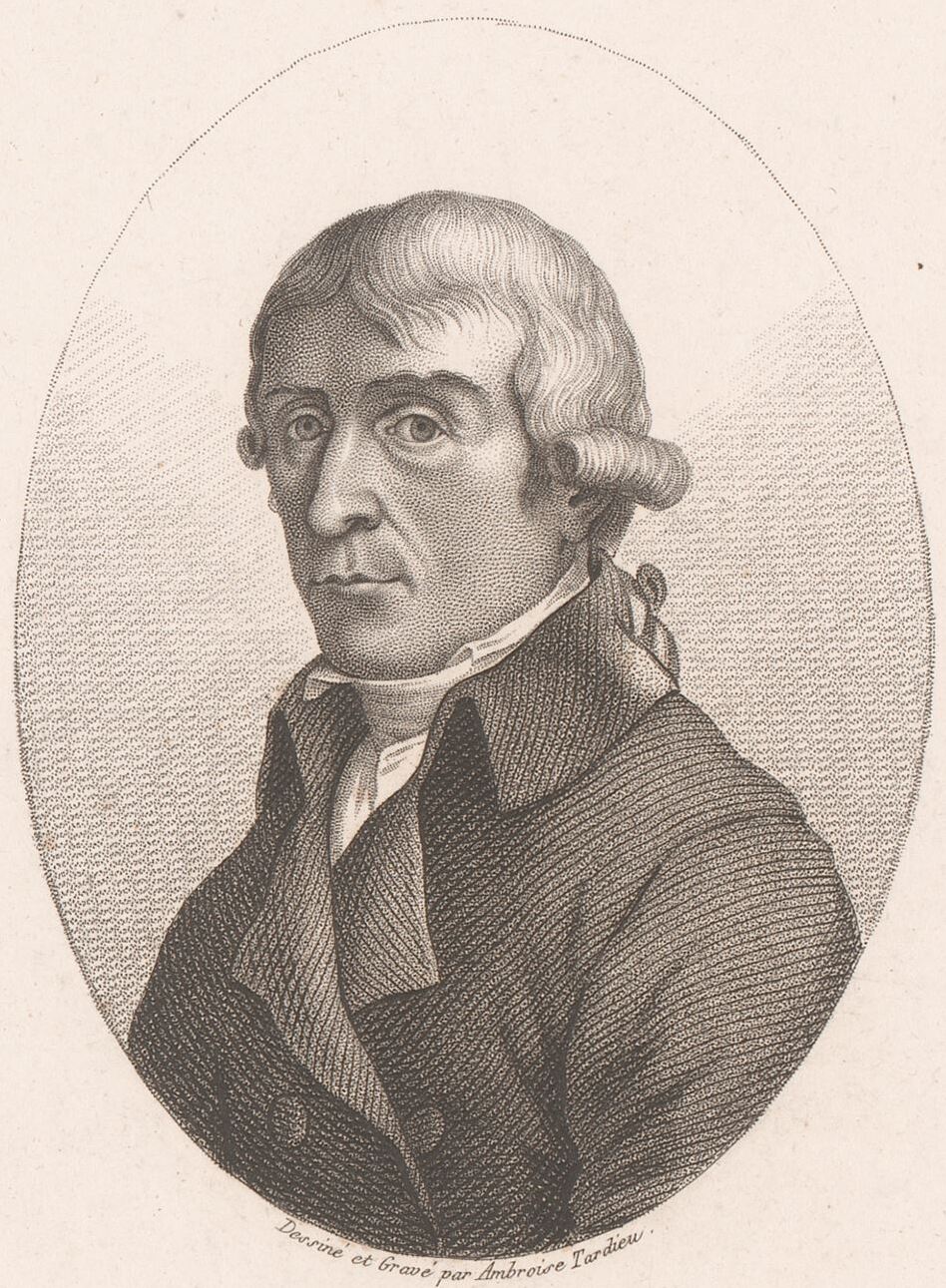
Scarpa made important researches concerning the auditory and olfactory apparatus of fishes, birds, reptiles, and man. See L. Sellers and B. Anson, [Scarpa’s] Anatomical observations on the round window, Arch. Ot…
1707 CE
#3670.1
Anthropologia nova; or, a new system of anatomy. Describing the animal oeconomy, and a short rationale of many distempers incident to human bodies.
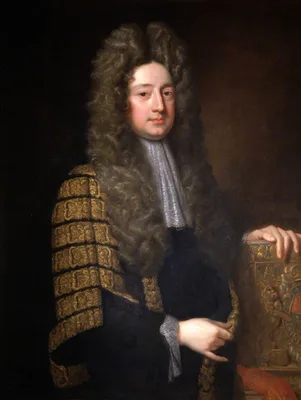
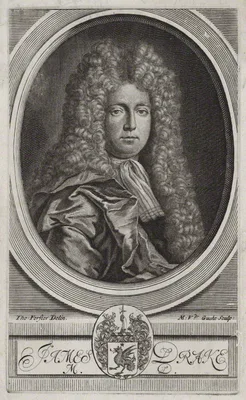
In his preface Drake credited the surgeon, anatomist and artist, William Cowper, for valuable aid in both the text and illustrations this work. Drake also included a chapter, "Of the Nose" written by Cowper which desc…
1994 CE
#12924
Antique hearing devices.
1892 CE
#3394.2
Antrectomy as a treatment for chronic purulent otitis media.
Mastoidectomy for the efficient drainage of the results of middle ear suppuration.
1667 CE
#13236
Aphabeti verè naturalis Hebraici brevissima delineatio.
A work on the teaching of lip-reading and speaking to deaf-mutes based on the notion that letter-forms of the Hebrew alphabet resembled in profile the positions of the tongue required to produce their corresponding so…
1924 CE–1933 CE
#3405
Atlas of otology illustrating the normal and pathological anatomy of the temporal bone. 2 vols.
1874 CE
#3384
Atlas of the membrana tympani.
1965 CE
#7233
Auditory nerve.
Describes the first "chronically" implanted or permanent cochlear implant. With John M. Epley of Stanford; Robert C. Lummis, Newman Guttman, Lawrence C. Frishkopf of Bell Telephone Laboratories; and Leon D. Harmon and…
1895 CE
#3335
Autoskopie des Larynx und der Trachea. (Laryngoscopia directa, Euthyskopie, Besichtigung ohne Spiegel.)
First direct-vision laryngoscope.
1862 CE
#3269
Beiträge zur Laryngoscopie.
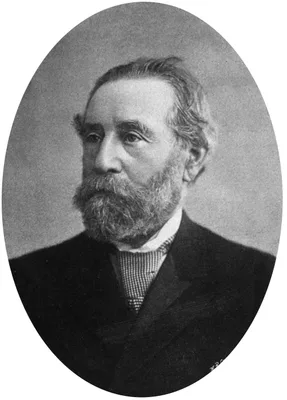
Lewin was probably the first to extirpate a laryngeal growth with the aid of the laryngoscope. Bruns claimed this distinction, but may not have heard of Lewin.
1855 CE
#3370
Beiträge zur Physiologie des menschlichen Ohres.
Rinne’s test.
1889 CE
#3300
Beiträge zur Resection der Cartilago quadrangularis narium zur Heilung der Skoliosis septi.
The Operation of partial excision of the cartilage for the treatment of deflections of the nasal septum was perfected by Krieg.
1924 CE
#3405.1
Binaural minimum audition in a subject with ranges of deficient acuity.
First demonstration of the phenomenon of loudness recruitment.
1529 CE
#1959.1
Caelii Aureliani Siccensis Tardarum passionum libri V. D. Oribasii Sardi Iuliani Caesaris archiatri Euporiston lib: III. Medicinae comperi: lib: 1. Curationum lib: 1. Trochiscoru confect: lib: 1.
From a clinical point of view, the two works of Caelius Aurelianus, which were translated into Latin from Greek originals by Soranus of Ephesus that were later lost, represent the high-point of Graeco-Roman medical ac…
1926 CE
#663.1
Cameron Prize Lectures on some results of studies in the physiology of posture.
Magnus demonstrated the function of the otoliths and semicircular canals of the inner ear in regulating the equilibrium of the body.
1930 CE
#3326
Cancer of the larynx.
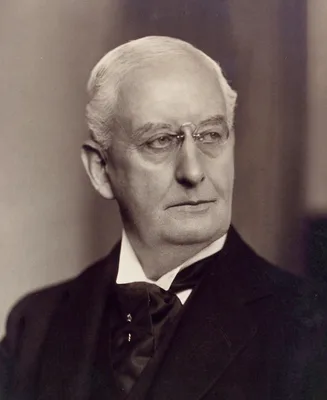
Thomson’s technique in the laryngofissure procedure for intrinsic cancer of the larynx was published in his Diseases of the nose and throat, London, 1911, pp. 732-37.
1865 CE
#3272
Case of cancer of the larynx, successfully removed by laryngotomy.
Laryngectomy for papillomata.
1856 CE
#3265
Case of pharyngotomy.
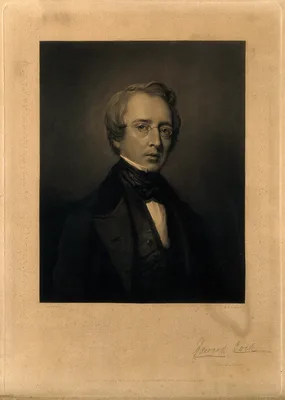
First pharyngotomy in England. Fuller report in Guy’s Hosp. Rep., 1858, 3 ser., 4, 217.
1644 CE
#3347
Chirologia; or the naturall language of the hand. Composed of the speaking motions, and discoursing gestures thereof. Whereunto is added Chironomia: or, the art of manuall rhetoricke.
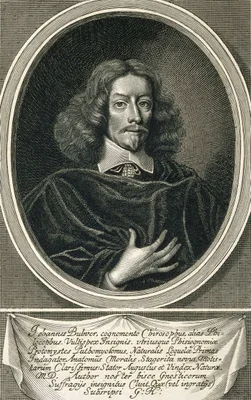
Bulwer was the first Englishman to write about the teaching of deaf-mutes. "Chirologia is often cited as Bulwer’s link to later Deaf studies because it focuses on hand gestures [15] which have come to be seen as…
1644 CE
#3346
Chironomia: or, the art of manuall rhetorique.
1881 CE
#3288
Clinical remarks on the proclivity of the abductor fibres of the recurrent laryngeal nerve to become affected sooner than the adductor fibres, or even exclusively, in cases of undoubted central or peripheral injury or disease of the roots or trunks of the pneumogastric, spinal accessory, or recurrent nerves.
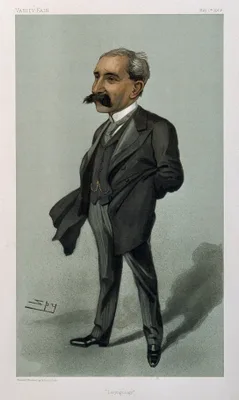
“Semon’s law”. Of German birth, Semon became one of the greatest laryngologists in Britain. He developed the modern operation of laryngofissure for early cancer of the larynx.
1910 CE
#3402.1
Contribution à la seméiologie de la surdité; un nouveau signe pour en dévoiler la simulation.
Lombard’s test for simulated unilateral deafness.
1931 CE
#7224
Correlations of the differences in the density of innervation of the organ of Corti with differences in the acuity of hearing, including evidence as to the location in the cochlea of the receptors of certain tones.
The first study to relate hair cell and neuron loss to the hearing of patients. It was the first to show that high frequency sound is "heard" at the base of the cochlea and low frequency sound at the apex. With S. J. …
1884 CE
#3292
Das Cocain als Anästheticum und Analgeticum für den Pharynx und Larynx.
Cocaine first employed in laryngology.
1881 CE–1884 CE
#1566
Das Gehörorgan der Wirbelthiere. 2 vols.
The most magnificent of all comparative anatomical studies of the ear, and the most beautiful studies of the ear after those of Casseri (No.1540). Retzius described the “Retzius bodies” in the labyrinth.
1672 CE
#1544
De anima brutorum
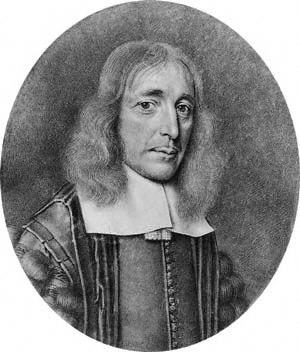
Chap. XIV is devoted to the sense of hearing; in it Willis described the “paracusis of Willis” (p. 73). English translation, 1683. A probable description of myasthenia gravis is given in Pars. 2, Cap. IX. …
1761 CE
#1549
De aquaeductibus auris humanae intemae.
Cotugno is sometimes accredited with the discovery of the “liquor Cotunnii”, the labyrinthine fluid, first noted by Pyl in 1742. He did, however, make important contributions to the knowledge on the struct…
1577 CE
#7990
De arte medica infantium libri quatuor. Quorum duo Priores de tuenda eorum sanitate, posteriores de curandis morbis agunt.
An early illustrated work on pediatrics. The three parts of his book deal with the management of the nurse and her milk, the care and feeding of the new-born, and diseases of children, including skin diseases, and cha…