
Facets
Browse across eight MeSH (opens in new tab) facets — era, geography, science, specialty, technology, history, culture, and reference. Select one tag per group; counts update across the others.
Clear filtersFacet filters
Geography
Specialties & Disease
- Anatomy & Pathology 765
- Cardiology & Blood 914
- Neurology & Psychiatry 1,256
- Obstetrics & Reproductive 550
- Infectious Disease (General) 147
- Surgery & Anesthesia 1,551
- Public Health 1,129
- Immunology & Dermatology 1,404
- General Clinical Medicine 480
- Military Medicine 436
- Psychology 202
- Alternative & Fringe Medicine 383
- Pediatrics 247
- Ophthalmology & Vision 412
- ENT & Hearing 293
- Urology & Nephrology 309
- Gastroenterology & Hepatology 316
- Pulmonary & Respiratory 233
- Rheumatology, Rehab & Pain 188
- Internal, Emergency & Geriatric 123
- Veterinary Medicine 165
- Epidemiology & Demography 397
- Physiology & Embryology 923
- Dentistry 259
- Plagues & Epidemics 1,279
- Microbiology & Virology 1,080
Social & Historical Studies
Institutions & Culture
Reference & Scholarly Works
Drugs & Technology
765 entries match Anatomy & Pathology [G02.149 / C23]
1906 CE
#14351
A study of the structural unit of the liver.
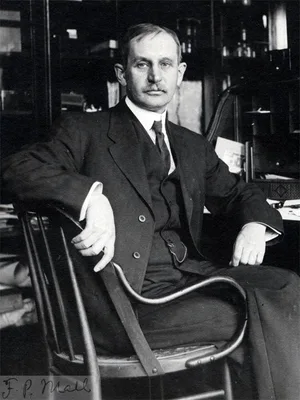
Mall defined the liver's structural unit as a tissue block centered on a portal vein, rather than the classic hepatic lobule centered on a central vein. He proposed that the structural unit of the liver is defined by …
1750 CE
#10122
Anthropotomie, ou L'Art de disséquer les muscles, les ligamens, les nerfs, & les vaisseaux sanguins du corps humain; auquel on a joint une histoire succincte de ces vaisseaux; avec la manière de faire les injections; de préparer, de blanchir les os & de dresser les squelettes. De préparer toutes les différentes parties & de les conserver préparées, soit dans une liqueur propre à cet effet, soit en les faisant sécher; celle d'ouvrir & d'embaumer les cadavres. On y donne aussi la description des matières propres à chacune de ces préparations, & la figure des instrumens. 2 vols.
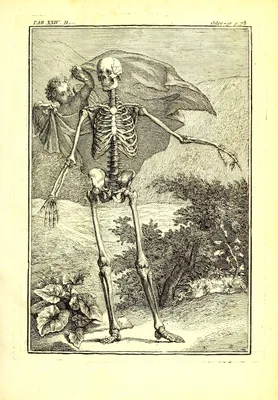
An exceptionally thorough manual on dissection, dressing skeletons, and creating "anatomical preparations," and embalming. Digital facsimile from BnFGallica at this link.
1992 CE
#7354
Brain maps: Structure of the rat brain.
The first computer graphics atlas of the brain of any species, with the illustration files also available separately (1993). The work included a complete and systematic, hierarchically organized set of annotated nomen…
1502 CE
#12771
Historia corporis humani sive anatomiae.
"... a descriptive anatomy in the style of Mundinus. It concludes with a final chapter on the praise of dissection. He expresses the need for a clinical examination rather than uncritical trust in the authorities &ldq…
1774 CE
#6835
Kaitai Shinsho (解体新書 Kyūjitai: 解體新書,(Anatomical Tables). A translation of Johan Adam Kulmus's Ontleedkundige Tafelen by Sugita Genpaku.
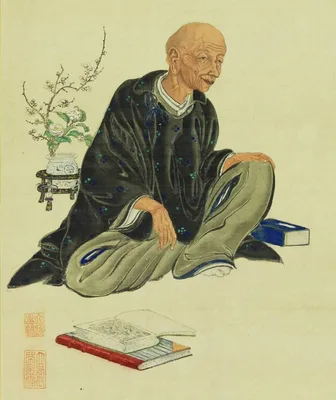
The first translation of any Western medical text into Japanese. "Kaitai Shinsho represented the beginning of two epoch-making developments. First and most directly Gempaku's work set in motion the modern transformati…
1666 CE
#13899
Modo practico de embalsamar cuerpos defunctos, para preservarlos incorruptos....
On embalming corpses, and on human cadavers. This work includes (pp. 98-127) instructions for the embalming process in Spain, with woodcut illustrations of the tools used and recipes for the ointments. The author also…
1887 CE
#14019
The topographical anatomy of the child.
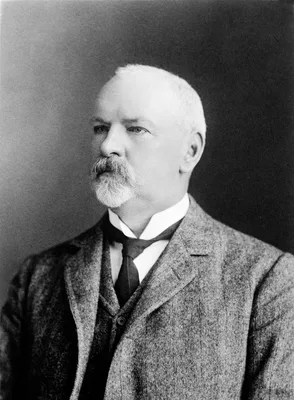
The first part of this work concerns cross-sectional anatomy; the second part systematically discusses the differences between anatomy in children and adults of different parts of the body.
1854 CE
#6833
[In Persian script] Cheragh haa rewshenaaa der asewl pezeshekea [Illumination of the fundamentals of medicine].
Issued in 1271 A. H. (1854 CE), this entirely lithographed book introduced Western anatomical illustration to Persian culture. As part of an effort to modernize medical education in Persia, medical textbooks such as M…
1948 CE
#6992
[Trials of] Burke and Hare, edited by William Roughead. Third edition.
Notable British Trials Series. Transcripts of the trials of the most famous "resurrection men", with related documents. Digital facsimile from the Internet Archive at this link.
1991 CE
#11236
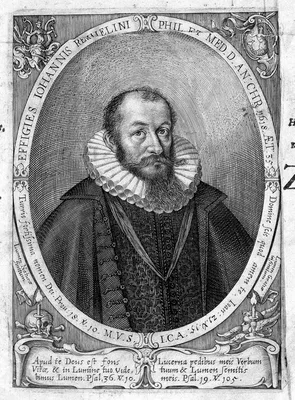
A bibliography of Johann Remmelin the anatomist
1943 CE
#8096
A bio-bibliography of Andreas Vesalius.
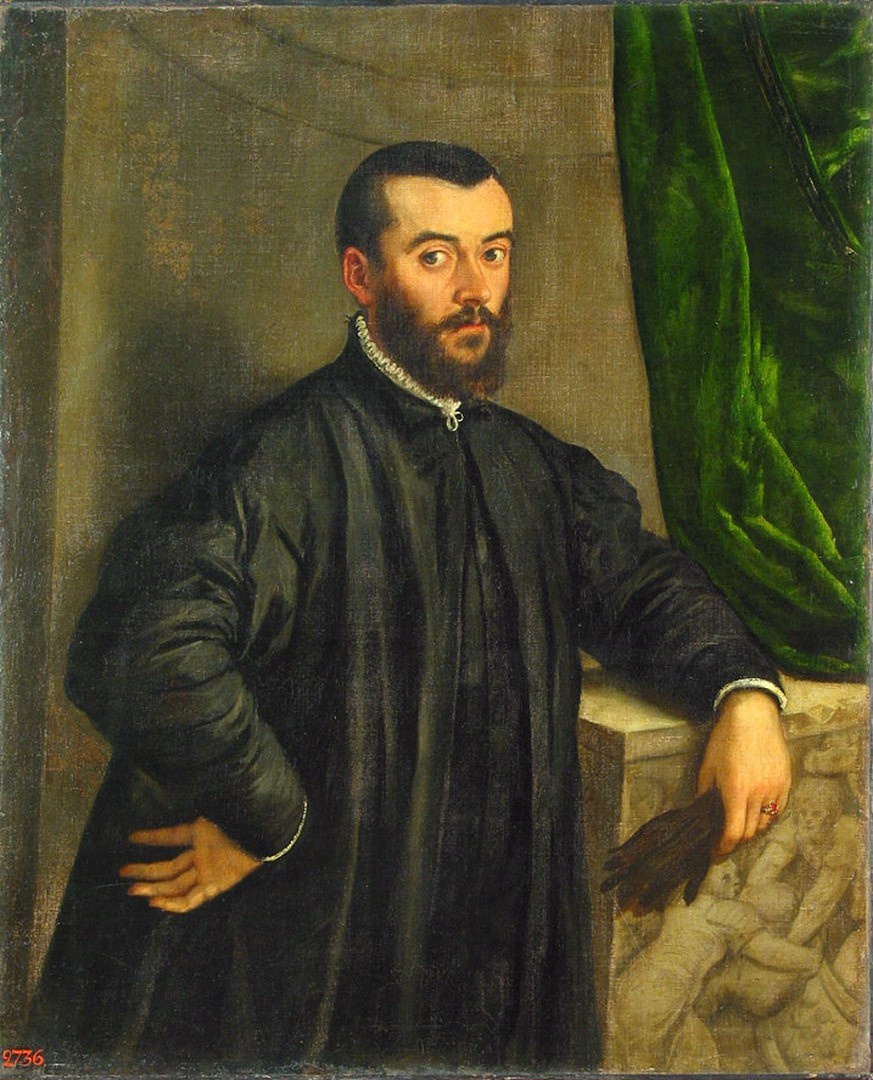
The standard annotated bibliography of Vesalius's works, known for its unusual system of numbering entries. Posthumously edited for publication by John F. Fulton and Arturo Castiglioni. Digital facsimile of the 1943 e…
1808 CE
#7682
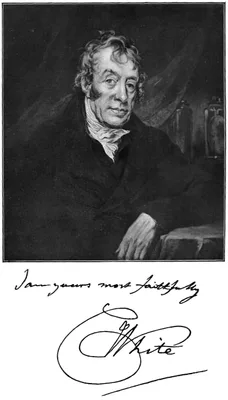
A catalogue of the anatomical preparations, casts, drawings, machines, instruments, &c. in White's Museum, Lying-in hospital.
1829 CE
#7497
A catalogue of the preparations in the anatomical museum of Guy’s Hospital arranged and edited, by desire of the Treasurer of the Hospital, and of the teachers of the Medical and Surgical School.
Digital facsimile of Part II, Morbid Anatomy, from the Internet Archive at this link.
1787 CE
#12163
A collection of engravings, tending to illustrate the generation and parturition of animals, and of the human species.
An idiosyncratic collection of rarely reproduced images with explanatory commentaries in English and French, concerning reproduction and obstetric complications in animals and humans. Topics include: The Funis of a nu…
1990 CE
#11199
A commentary on the medical writings of Rudolf Virchow by L. J. Rather.
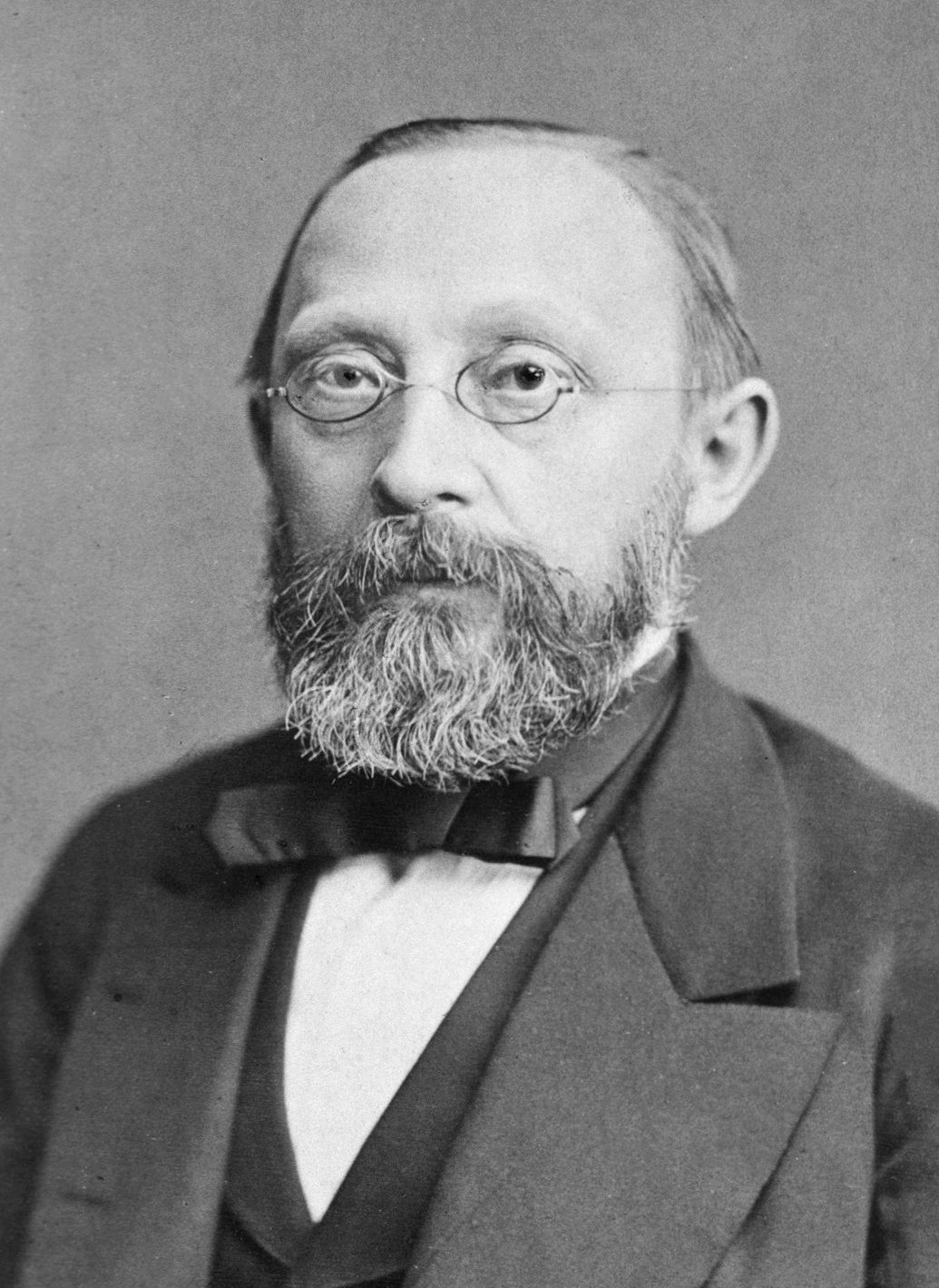
An extensively annotated bibliography of all of Virchow's medical writings, but not including his many contributions to anthropology
1831 CE
#768.1
A critical and experimental essay on the circulation of the blood.
Marshall Hall clearly distinguished arterioles and venules from capillaries, and he described arteriovenous shunts.
1911 CE
#7644
A cross-section anatomy, by Albert C. Eycleshymer and Daniel M. Schoemaker. Average position of organs from eleven reconstructions, by Peter Potter. Sections of the female pelvis, by Carroll Smith. Drawings by Tom Jones.
The historical introduction includes a bibliographical history of cross-sectional anatomies from frozen sections. Digital facsimile from the Hathi Trust at this link.
1788 CE
#399.2
A description of all the bursae mucosae of the human body.
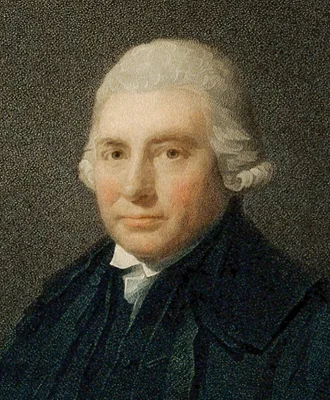
The first serious study of this subject and the most original anatomical work by the greatest of the Monro dynasty. See No. 1385.
1847 CE
#329.1
A description of the characters and habits of troglodytes gorilla, a new species of orang from the Gaboon River, by Thomas S. Savage; Osteology of the same by Jeffries Wyman.
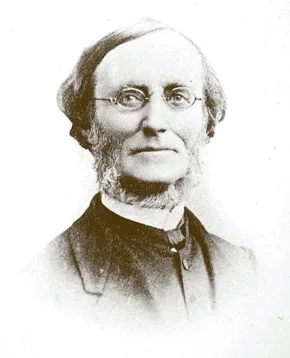
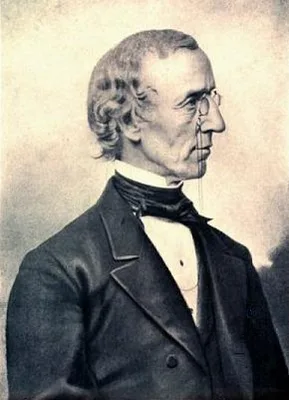
First description of the gorilla. Savage, an American physician/clergyman, worked extensively as a missionary physician in Africa. Digital facsimile from Google Books at this link.
1730 CE
#1217
A description of the peritonaeum, and of that part of the membrane cellularis which lies on its outside. With an account of the true situation of all the abdominal viscera, in respect of these two membranes.
Douglas described the peritoneum in detail; his name is perpetuated in the “pouch”, “line”, and “fold of Douglas”. He was a friend of John Hunter and brother of John Douglas, the li…
1904 CE
#7652
A descriptive catalogue of pathological specimens in the museum of the Hospital for Consumption and Diseases of the Chest, Brompton.
Digital facsimile from the Internet Archive at this link.
1944 CE
#356
A history of comparative anatomy: From Aristotle to the eighteenth century.
Reprinted, Dover Publications, 1978.
1834 CE
#12275
A history of Egyptian mummies, and an account of the worship and embalming of the sacred animals of the Egyptians; with remarks on the funeral ceremonies of different nations, and observations on the mummies of the Canary islands, of the ancient Peruvians, Burman priests, &c
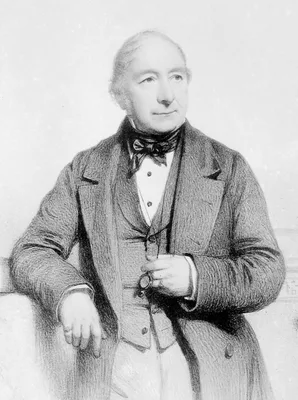
"One of the most valuable works on the subject extant. It is a monument of exact observation, and considering the state of archaeological knowledge at the time, it is in every way admirable" (Dawson, Bibliography of w…
2003 CE
#9804
A history of online information services 1963-1976.
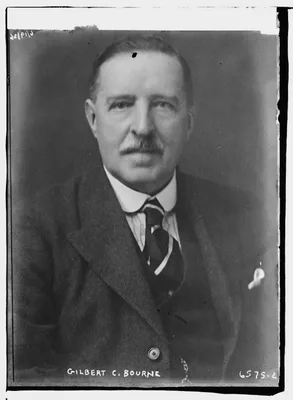
Pages 197-223 concern "Modern bibliographic control of medical literature." Development of MEDLARS, MEDLARS II, MEDLINE.
1928 CE
#2317
A history of pathology.
The first systematic history of the subject in the English language. Revised edition, New York, Dover Publications, 1965.
1852 CE
#415
A manual of artistic anatomy.
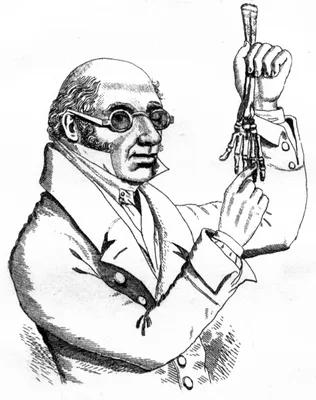
Knox, remembered because of his indiscreet association with the Edinburgh “resurrectionists”, was one of the best teachers of anatomy during the 19th century.
1871 CE
#338
A manual of the anatomy of vertebrated animals.
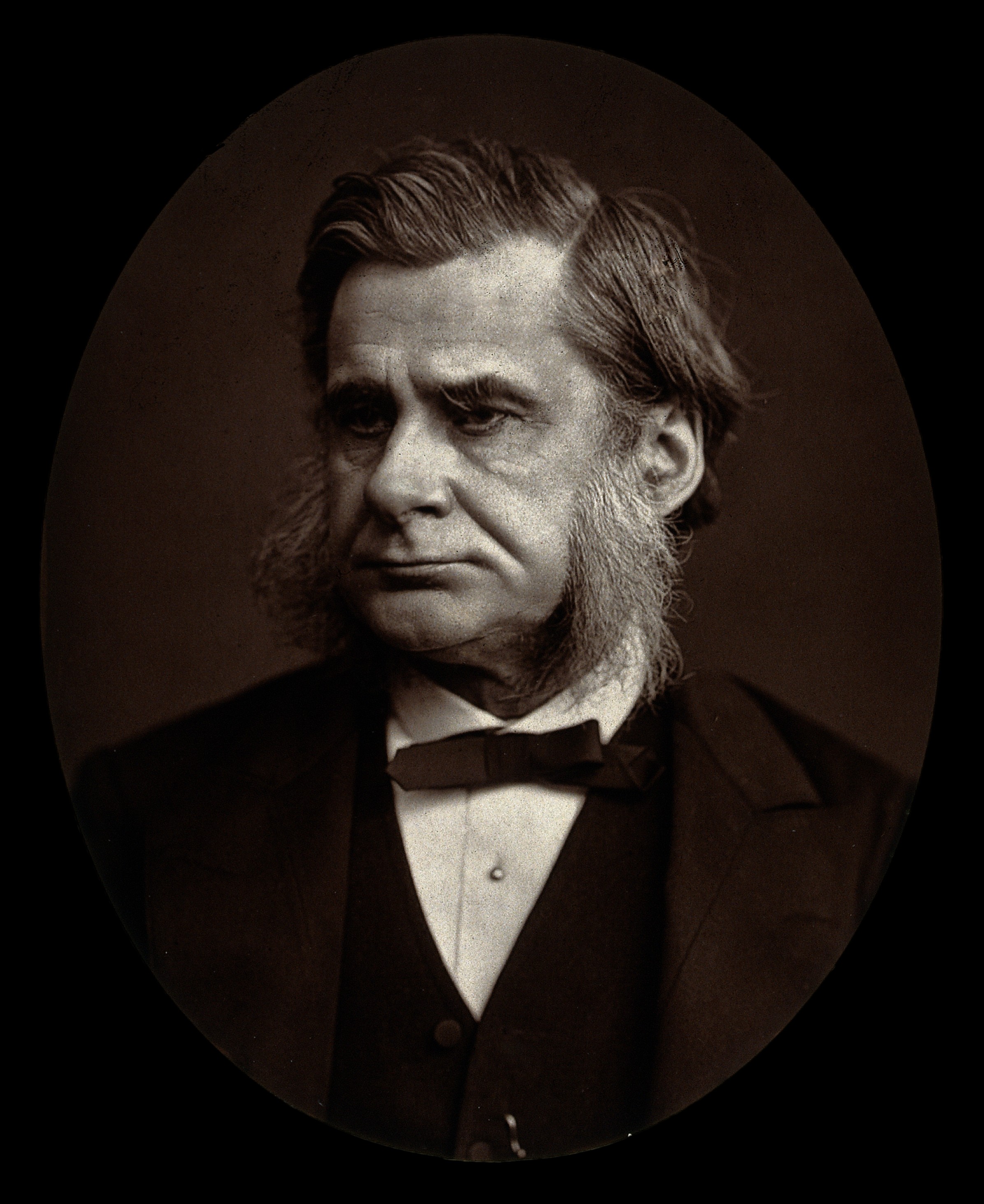
Huxley was among those who refuted Owen’s theory of the vertebral skull.
1907 CE
#1433
A new topographical survey of the human cerebral cortex, being an account of the distribution of the anatomically distinct cortical areas and their relationship to the cerebral sulci.
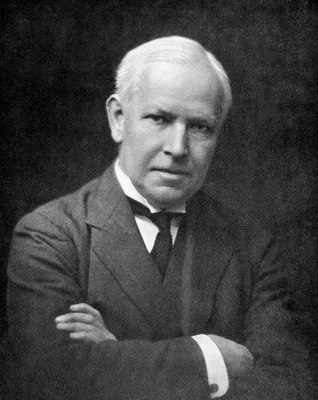
Elliot Smith, Professor of Anatomy at Cairo, Manchester, and University College, London, initiated modern studies of cerebral function with his work on the cortical pattern of the human brain. He identified 50 areas.
1577 CE
#6836
A profitable treatise of the anatomie of mans body.
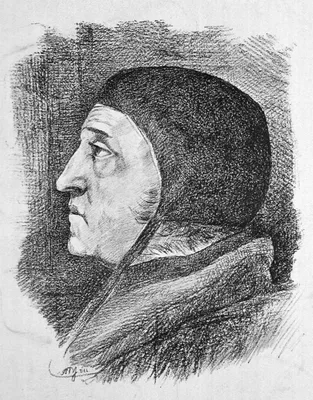
A small book, of which only two copies survived, at the British Library and Cambridge University. As first shown by J F Payne in 1896, this work is very similar to a manuscript (MS 564) in the Wellcome Library. This m…
1836 CE–1842 CE
#13299
A series of anatomical plates. 5 vols.: The muscles of the human body. The vessels of the human body. The nerves of the human body. The viscera of the human body. The bones and ligaments of the human body.
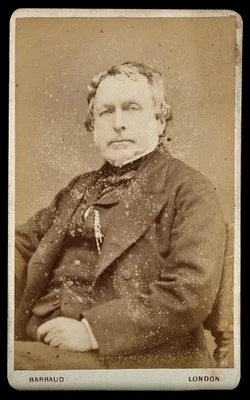
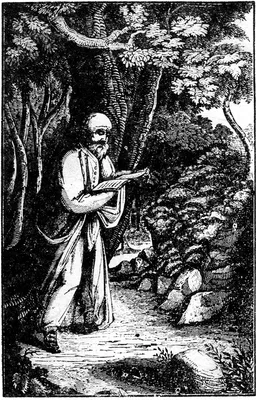
1836 CE–1842 CE
#13300
A series of anatomical plates. 5 vols.: The muscles of the human body. The vessels of the human body. The nerves of the human body. The viscera of the human body. The bones and ligaments of the human body.
The most ambitious 19th century English anatomy illustrated by lithography. Some copies were issued with hand-colored plates. The five volumes, containing a total of 201 plates, describe the muscles, blood vessels, ne…
1799 CE–1803 CE
#2282
A series of engravings, accompanied with explanations, which are intended to illustrate the morbid anatomy of some of the most important parts of the human body.
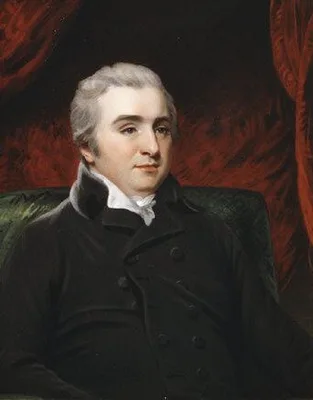
The first systematic atlas of pathology. This work was intended to illustrate No. 2281, but, with its extensive descriptive text for each plate, it may be appreciated separately. The black & white engravings were prep…
1961 CE
#2319.1
A short history of clinical pathology.
1830 CE
#2611
A short tract on the formation of tumours, and the peculiarities that are met with in the structure of those that have become cancerous; with their mode of treatment.
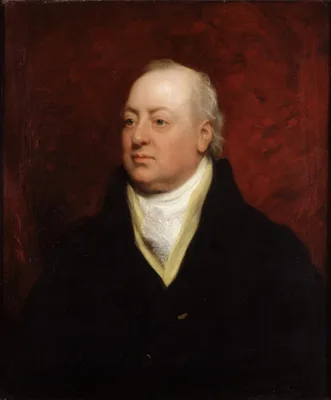
Contains the first illustrations of microscopic sections of cancer; however, Home drew no worthwhile conclusion from his microscopic studies. Digital facsimile from the Internet Archive at this link.
1870 CE
#442
A sketch of the early history of practical anatomy. The introductory address to the course of lectures on anatomy at the Philadelphia School of Anatomy.
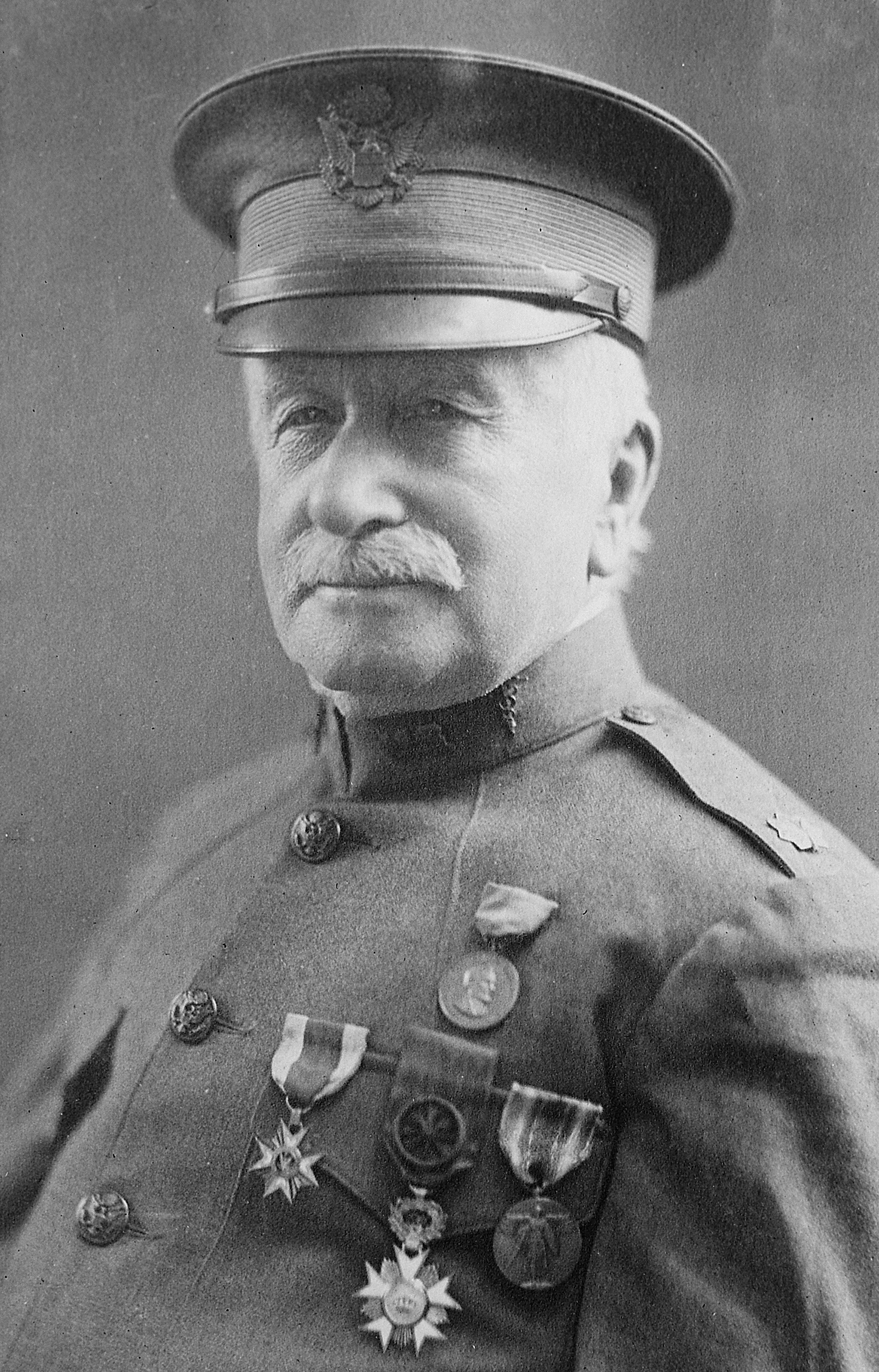
Reprinted in 1874 by Lippincott as a separate pamphlet, and in Keen’s Addresses and other papers, Philadelphia, 1905.
1732 CE
#393
A syllabus or index, of all the parts that enter the composition of the human body…For the use of those that go through courses of anatomy.
Chovet was born in England and died in Philadelphia. He made many beautiful wax models to illustrate his lectures, and was among the first to popularize the use of wax and natural preparations in the teaching of anato…
1822 CE–1826 CE
#13508
A system of anatomical plates of the human body. By John Lizars. Text in 8vo in 12 pts., plus folio atlas with engraved title and 101 plates engraved by William Home Lizars.
Lizars's System of anatomical plates was by far his most successful work, going through many editions. The text of the work was originally issued in 12 parts in octavo format, which were then bound together in book fo…
1811 CE–1813 CE
#11320
A system of anatomy or the use of students of medicine. 2 vols.
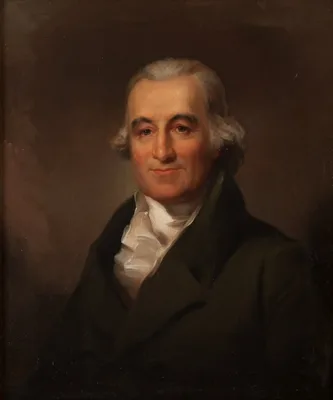
The first American textbook of anatomy. The first edition contained nearly 1000 pages of text, but no illustrations. Later editions were expanded, illustrated and updated by William E. Horner, and Joseph Pancoast. Dig…
1798 CE–1803 CE
#402
A system of dissections. 2 vols.
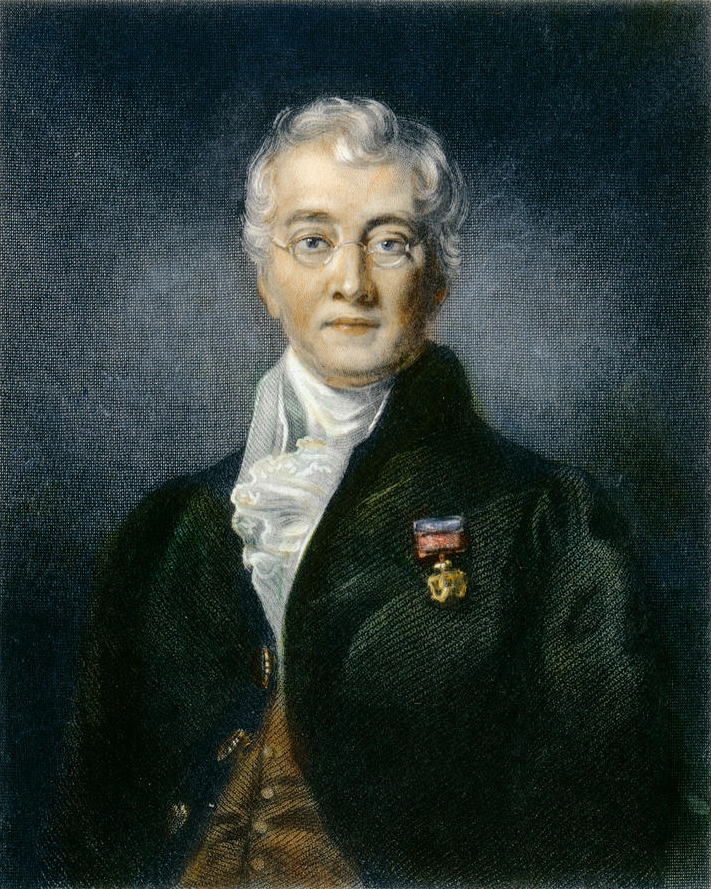
Published in 7 fascicules and appendix while Bell was still a student, this was Bell’s first independent venture as an author. The anatomical work of Charles Bell and his brother John was among the most signific…
2002 CE
#8384
A traffic of dead bodies: Anatomy and embodied social identity in nineteenth century America.
1932 CE
#2656
A transmissible tumor-like condition in rabbits.
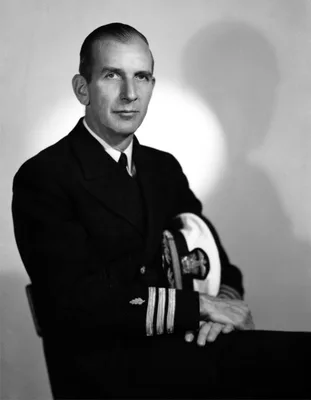
Shope papilloma virus (SPV), a benign infectious tumor due to a virus. This was the first mammalian tumor virus discovered. Full text from PubMedCentral at this link. See also Shope, "Infectious Papillomatosis of Rabb…
1829 CE
#2287
A treatise on pathological anatomy.
First American work on pathology. Horner was Professor of Anatomy at Pennsylvania, and made several anatomical discoveries.
1794 CE
#2283
A treatise on the blood, inflammation, and gun-shot wounds.
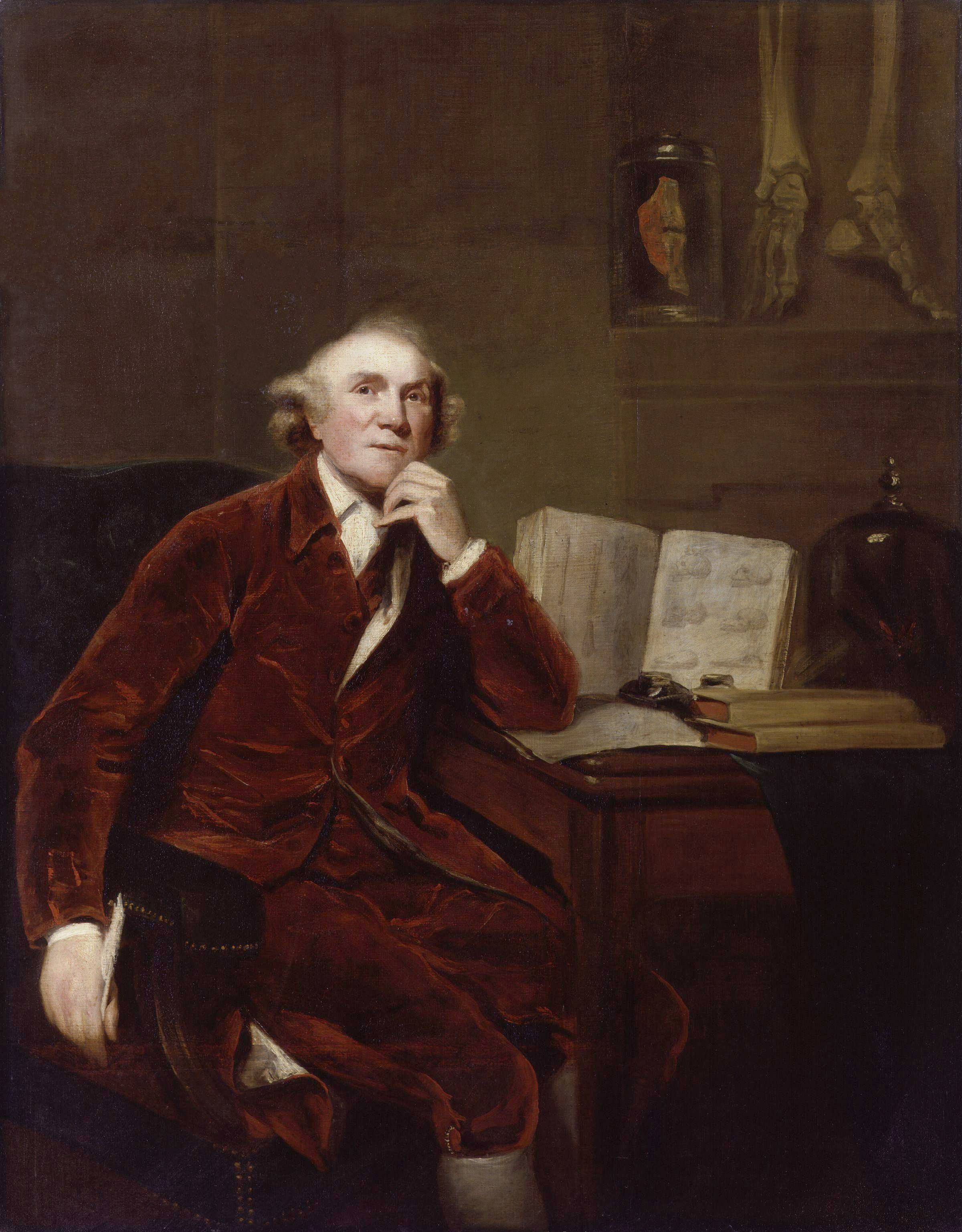
It was while serving with the army at Belle Isle during the Seven Years’ War that Hunter collected the material for his epoch-making book on inflammation and gunshot wounds. His studies on inflammation in partic…
1858 CE
#419
A treatise on the human skeleton, including the joints.
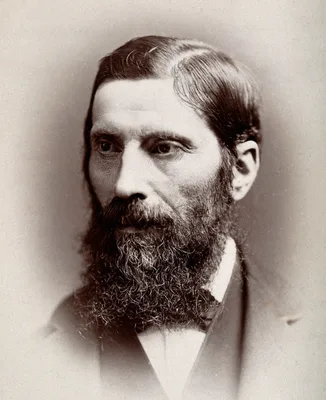
Humphry was professor of anatomy at Cambridge and became the first professor of surgery there. He founded the Journal of Anatomy and Physiology in 1867. “Humphry’s ligament” of the knee-joint is desc…
1801 CE
#1489
Abbildungen des menschlichen Auges.
Soemmerring is best remembered for his fine anatomical illustrations, of which those devoted to the human eye are a good example. In 1791 he made important observations on the macula lutea: "De foramine centrali limbo…
1806 CE
#1554
Abbildungen des menschlichen Hoerorganes
1897 CE
#2308
Adaptation in pathological processes.
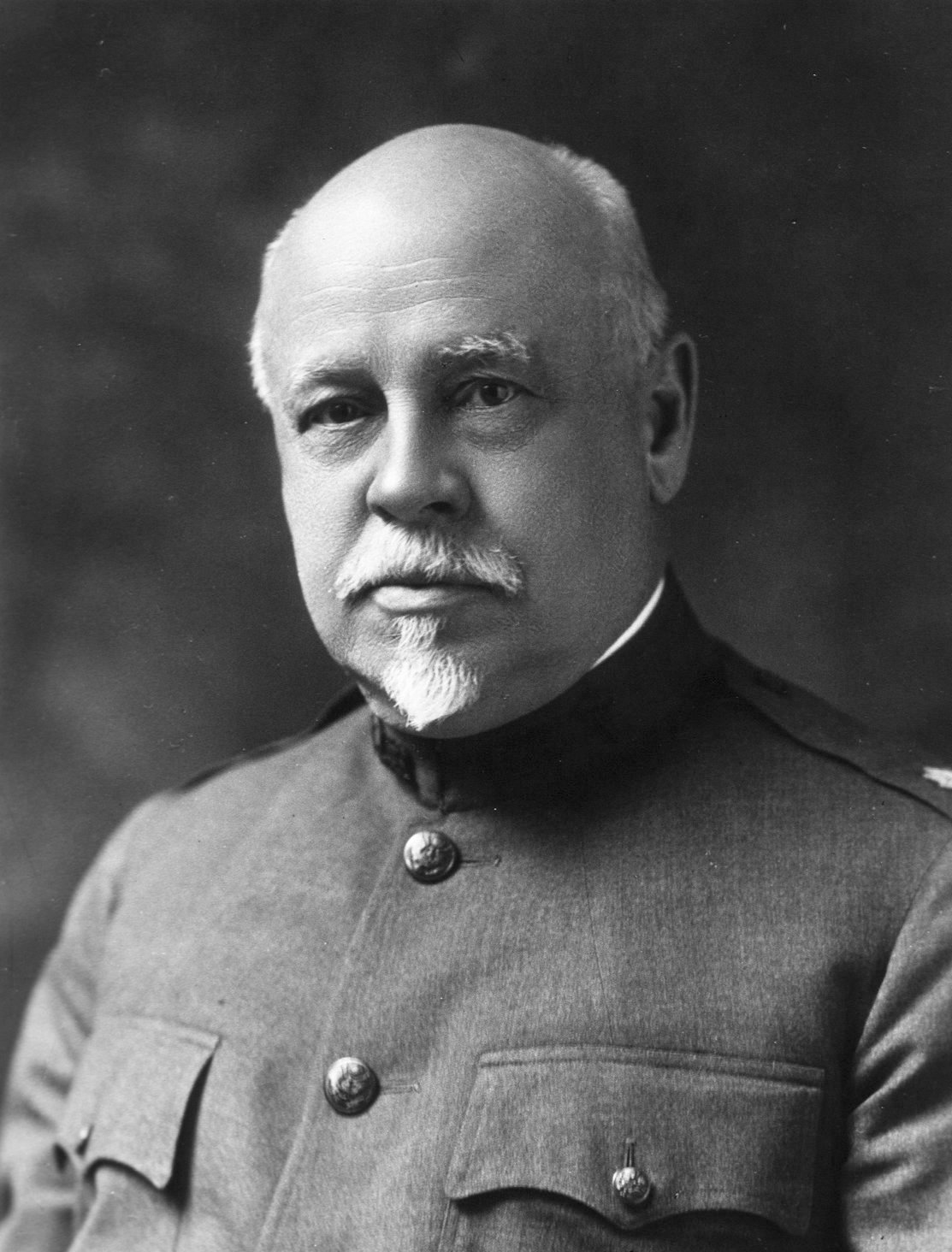
Reproduced in Bibliotheca Medica Americana, Baltimore, 1937, Vol. 3.
1829 CE
#11760
Address to the community, on the necessity of legalizing the study of anatomy
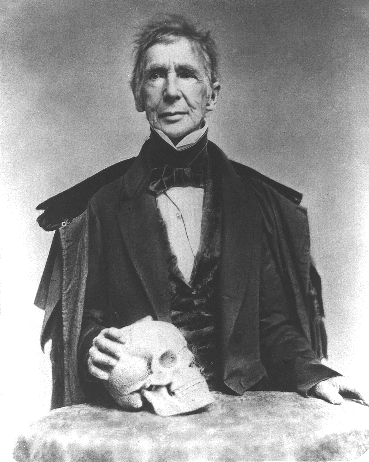
The petition to the Massachusetts legislature to legalize "the procuring of subjects for anatomical dissections" (from George Hayward's printed notice on the verso of the title page). Nine members of the Massachusetts…
1691 CE
#1213
Adenographia curiosa et uteri foeminei anatome nova.
Description of the “canal of Nuck”.
1656 CE
#1116
Adenographia: sive, glandularum totius corporis descriptio.
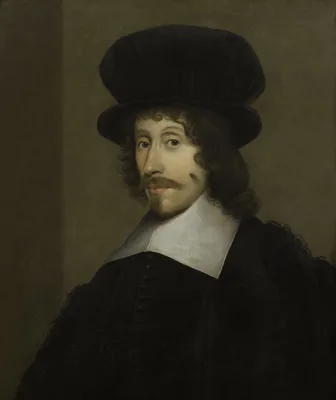
Wharton described the duct of the submaxillary salivary gland (“Wharton’s duct”). He described the thyroid more accurately than his predecessors, naming it. He also described “Wharton’s j…