
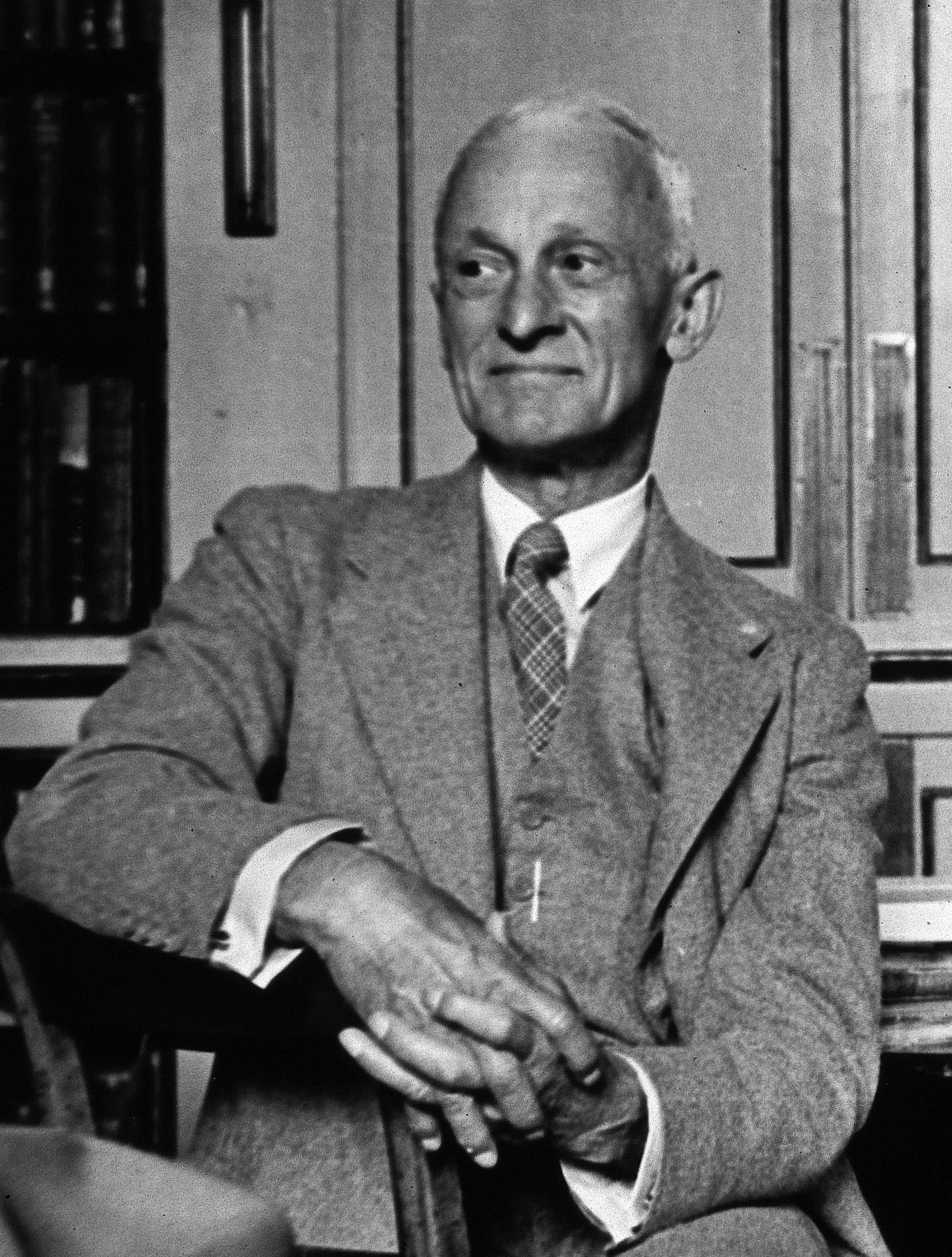
CUSHING, Harvey Williams (1869 – 1939)
1869 – 1939
33 entries in the GMN corpus.
Image source Unknown author Unknown author · wellcomeimages.org This file comes from the Wellcome Collection , a website operated by Wellcome Trust, a global charitable foundation based in the United Kingdom. Refer to Wellcome blog post ( archive ). This tag does not indicate the copyright status of the attached work. A normal copyright tag is still required. See Commons:Licensing . · CC BY 4.0
1900 CE
#4875
A method of total extirpation of the Gasserian ganglion for trigeminal neuralgia, by a route through the temporal fossa and beneath the middle meningeal artery.
1902 CE
#5689
On the avoidance of shock in major amputations by cocainization of large nerve-trunks preliminary to their division.
William S. Halsted was first to use infiltration anesthesia (see No. 5679) and it was later developed by Cushing.
1902 CE
#11573
Some experimental and clinical observations concerning states of increased intracranial tension.
According to Theodore Janeway (No. 11572), Cushing was the first to recommend routine measurement of blood pressure during surgery using the Riva Rocci sphygmomanometer.(See No. 2804). Cushing visited Riva Rocci at Pa…
1904 CE
#4877.1
Pneumatic tourniquets: With especial reference to their use in craniotomies.
First report of tourniquet with pneumatic pressure of measurable degree. This inflatable cuff was the forerunner of the modern pneumatic tournequet cuff.
1905 CE
#4878
Concerning surgical intervention for the intracranial hemorrhages of the new-born.
Successful operative intervention in intracranial hemorrhage of the new-born.
1905 CE
#4879
The establishment of cerebral hernia as a decompressive measure for inaccessible brain tumors.
1906 CE
#3890
Sexual infantilism with optic atrophy in cases of tumor affecting the hypophysis cerebri.
1908 CE
#10591
Experimental and clinical notes on chronic valvular lesions in the dog and their possible relation to a future surgery of cardiac valves.
Cushing and Branch's work was a key step in the early development of surgery of the mitral valves, later realized by Cushing's students Elliot Carr Cutler and Claude Beck in 1924. "Experiments on canine heart valves w…
1908 CE
#4880.1
Surgery of the head. In: Surgery: its principles and practice, edited by William Williams Keen, 3, 17-276.
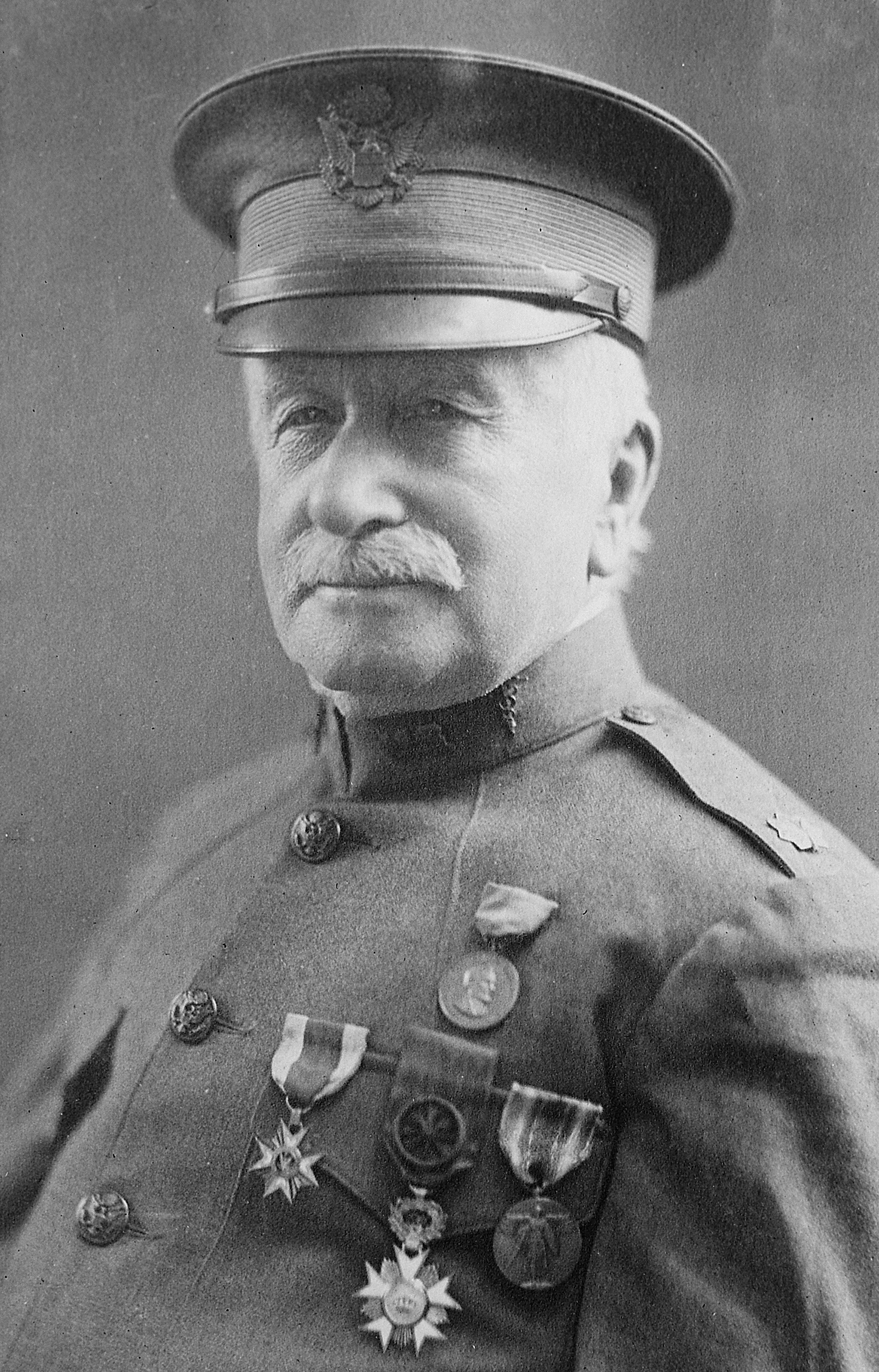
Cushing’s first treatise on neurosurgery. “As a result of this detailed monograph, neurological surgery became almost at once recognized as a clear-cut field of surgical endeavor” (J.F. Fulton, Harve…
1909 CE
#10720
Observations on choked disc, with especial reference to decompressive cranial operations.
The diagnostic value for neurosurgery of changes in the optic nerve caused by increased intracranial pressure.
1910 CE
#1160
Experimental hypophysectomy.
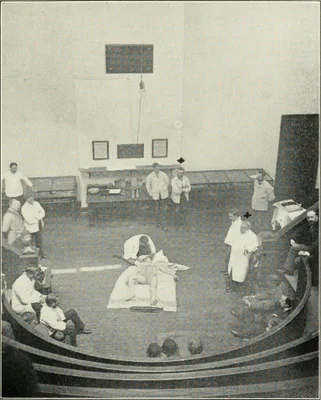
First experimental evidence of the relationship between the pituitary and the reproductive system; demonstration that hypophysectomy causes genital atrophy.
1910 CE
#1161
The functions of the pituitary body.
See No. 3896.
1911 CE
#10719
The control of bleeding in operations for brain tumors. With the description of silver "clips" for the occlusion of vessels inaccessible to the ligature.
Cushing introduced the use of silver clips in neurosurgery to control bleeding.
1912 CE
#3896
The pituitary body and its disorders.
The first clinical monograph on the hypophysis. Cushing, outstanding neurological surgeon of the early 20th century, added much to our knowledge of the pituitary body and its disorders. The above work includes a descr…
1917 CE
#4601
Tumors of the nervus acusticus and the syndrome of the cerebello-pontile angle.
Reprinted 1963.
1919 CE
#11011
The story of U.S. Army Base Hospital No. 5
An account of the Base Hospital in which Cushing served in World War I, based upon his wartime diaries. Limited to 250 copies, some of which were issued in cloth-backed printed boards, and others in printed wrappers. …
1925 CE
#11006
The life of Sir William Osler. 2 vols.
Cushing received the Pulitzer Prize for this masterful biography, which remains the essential account of Osler's life, work, and selections from his correspondence. Cushing donated his very extensive research material…
1926 CE
#4608
A classification of the tumors of the glioma group on a histogenetic basis with a correlated study of prognosis.
From 1922 to 1925 Bailey undertook extensive pathological and histological studies of brain tumors, and based on cellular configuration, he created a classification system of thirteen categories. In 1927 he reduced th…
1926 CE
#14313
Studies in intracranial physiology & surgery. The third circulation. The hypophysis. The gliomas. The Cameron Prize Lectures delivered at the University of Edinburgh October 19, 20, 22, 1925.
This series of three lectures was an analytical review by Cushing of the three main categories of scientific work that he had accomplished during the previous 25 years. Remarkably, Cushing completed this review and de…
1928 CE
#4897.1
Electro-surgery as an aid to the removal of intracranial tumors. With a preliminary note on a new surgical-current generator by W.T. Bovie.
Introduction of electrocoagulation in neurosurgery.
1928 CE
#13778
Tumors arising from the blood-vessels of the brain. Angiomatous malformations and hemangioblastomas.
1931 CE
#11188
Experiences with the cerebellar astrocytomas. A critical review of seventy-six cases.
Cushing's most extensive contribution to pediatric neurosurgery concerned his operative experience with these tumors (often benign) that most frequently occur in childhood.
1932 CE
#4900
Intracranial tumours.
Cushing’s operating technique reduced the mortality rate dramatically in intracranial surgery. This was his last published report on the statistical results of his operations on brain tumors-- essentially a summ…
1932 CE
#3552
Papers relating to the pituitary body, hypothalamus, and para-sympathetic nervous system.
Cushing advanced the theory that the hypothalamus is responsible for the development of peptic ulcer (see p. 175 et seq.). This work contains his four principal contributions to pituitary-hypothalamic interrelationshi…
1932 CE
#3904
The basophil adenomas of the pituitary body and their clinical manifestations (pituitary basophilism).
“Cushing’s syndrome”.
1938 CE
#4612
Meningiomas: Their classification, regional behavior, life history, and surgical end results.
Begun in 1915, soon after Cushing's monograph on pituitary disorders, this represents 25 years of work, and is, by common consent, regarded as Cushing’s greatest clinical monograph. Reprint, 2 vols., New York, H…
1939 CE
#11189
A bibliography of the writings of Harvey Cushing prepared on the occasion of his seventieth birthday April 8, 1939 by The Harvey Cushing Society.
Revised and best third edition, Park Ridge, IL: American Association of Neurological Surgeons, 1993. This includes a photographic essay, with extensive captions, by Richard Upjohn Light.
1943 CE
#8096
A bio-bibliography of Andreas Vesalius.
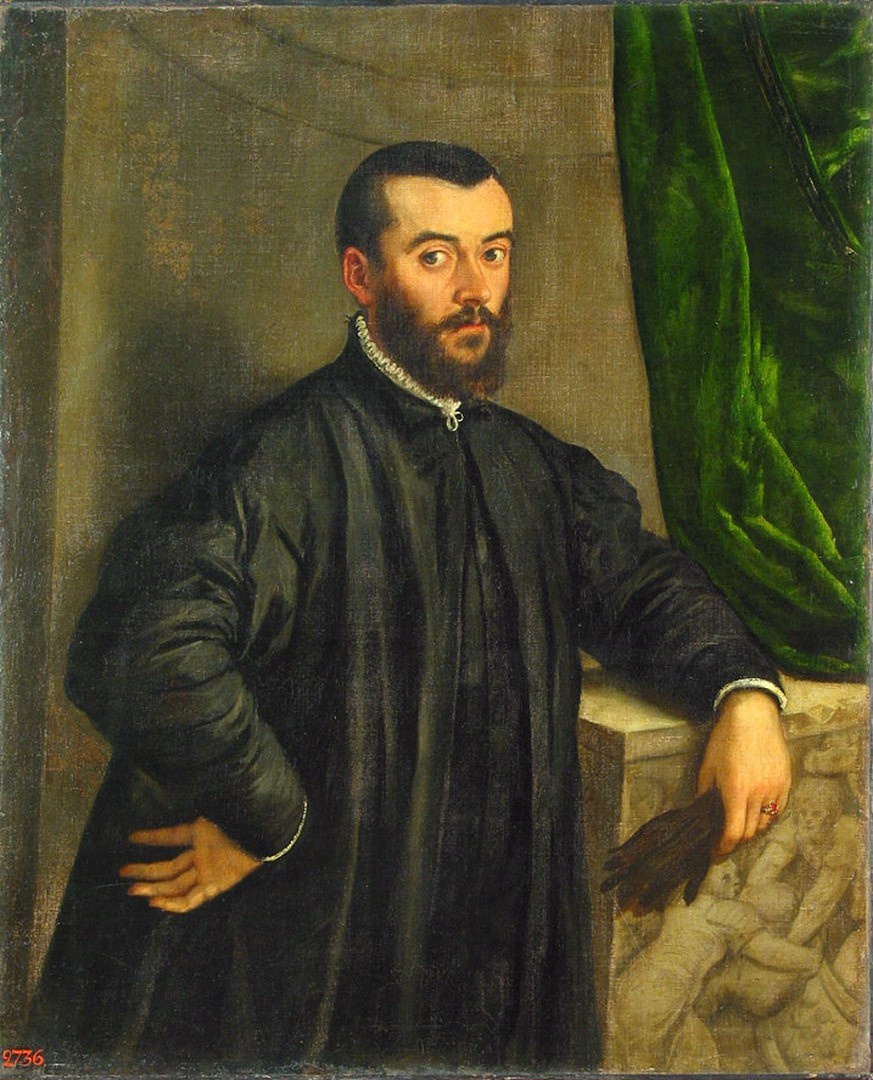
The standard annotated bibliography of Vesalius's works, known for its unusual system of numbering entries. Posthumously edited for publication by John F. Fulton and Arturo Castiglioni. Digital facsimile of the 1943 e…
1943 CE
#6779
The Harvey Cushing collection of books and manuscripts.
Catalogue, without annotations, of the books and manuscripts bequeathed by Cushing to the Historical Library in the Cushing/Whitney Medical Library at Yale University School of Medicine. Much like Osler, Cushing colle…
1946 CE
#11018
Harvey Cushing: A biography.
Remains the most comprehensive biography of Cushing, by his student Fulton.
1986 CE
#11635
The life and letters of Dr. Henry Vining Ogden, 1857-1931 by Leonard Weistrop.
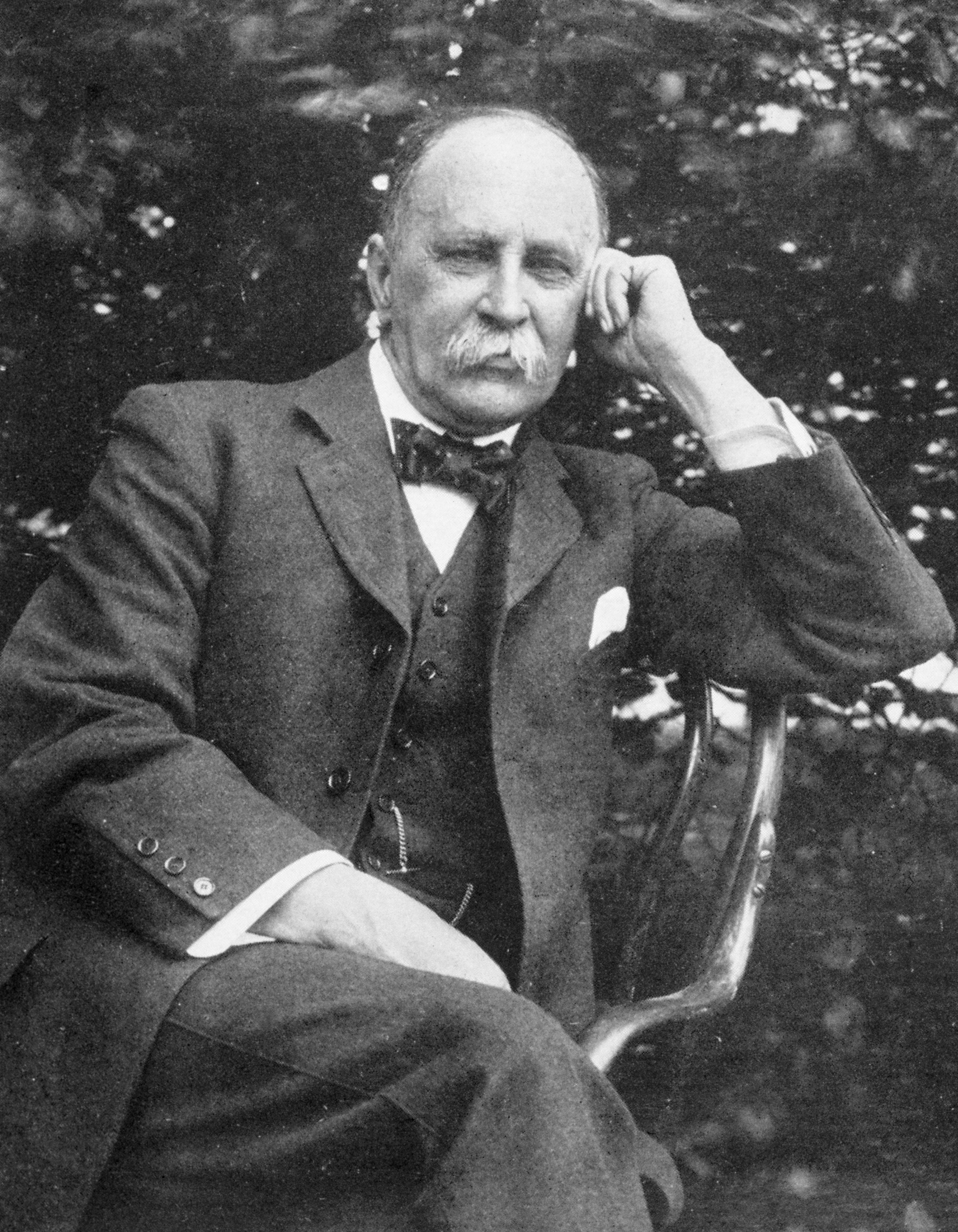
Ogden was one of William Osler's closest life-long friends and correspondents. Weistrop was able to find and reproduce 334 letters between Ogden, Osler, and Cushing.
2007 CE
#11030
Harvey Cushing: A life in surgery.
A less idolatrous biography of Cushing than Fulton's work of 1946.
2007 CE
#9425
The legacy of Harvey Cushing: Profiles of patient care. Edited by Aaron A. Cohen-Gadol and Dennis D. Spencer.
"... features 800 of Cushing's surgical drawings and photographs of patients and tumor specimens. Preserved untouched for sixty years in the Yale University Library, the images provide the earliest catalog of neurolog…