
Entry Nos. 3100–3199
96 Garrison-Morton entries in this range.
1856 CE
#22
Тα ∑ωζομενα. The extant works of Aretaeus, the Cappadocian. Edited and translated by Francis Adams.
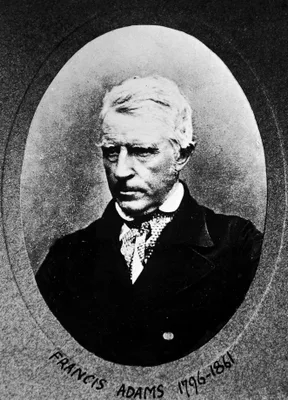
Aretaeus left many fine descriptions of disease; in fact Garrison ranks him second only to Hippocrates in this respect. In the printed editions of this bibliography, before the present online version, the Adams editio…
1684 CE
#1311
Dr. Willis's practice of physick.
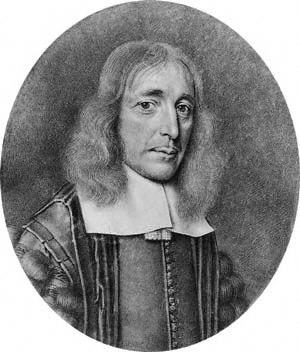
The only complete edition of Willis's works in English, translated by the poet Samuel Pordage. It contains the translations of all his works except his Affectionum quae dicuntur hystericae (1671). The collection inclu…
1923 CE–1924 CE
#2573.2
The soluble specific substance of pneumococcus.
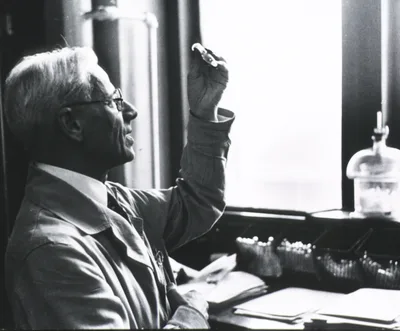
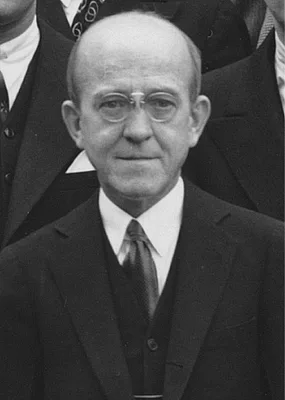
Heidelberger, Avery, and their colleagues made a chemical study of the antigenic constituents of the pneumococcus, separating the polysaccharide antigens.
1941 CE
#3100
The rôle of iso-immunization in the pathogenesis of erythroblastosis fetalis.
Erythroblastosis fetalis due to rhesus incompatibility (Rh disease) between mother and child. With L. Burnham, E. M. Katzin, and P. Vogel.
1941 CE
#3102
Studies on the hemorrhagic sweet clover disease. V. Identification and synthesis of the hemorrhagic agent.
Isolation of dicoumarol (3:3-methylene-bis-4-hydroxycoumarin). With C. F. Huebner.
1945 CE
#3103
Cyanosis in infants caused by nitrates in well water.
Methemoglobinemia. Comly first suggested the above hypothesis, since proved valid.
1945 CE
#3104
Detection of weak and “incomplete” Rh agglutinins: a new test.
Coombs’s test for detecting antibodies in various clinical scenarios, such as Rh disease and blood transfusion. With A. E. Mourant and R. R. Race. A fuller description appears in Brit. J. exp. Path.,1945, 26, 25…
1945 CE
#3105
Conglutination test for Rh sensitization.
Conglutination test.
1946 CE
#3106
Leukaemia treated with urethane compared with deep x-ray therapy.
Urethane in treatment of leukemia. With A. Haddow, I. Ap Thomas, and J. M. Watkinson.
1947 CE
#3107
Action hypoprothrombinémiante (anti-K) de la phényl-indanedione étudiée expérimentalement chez le lapin. Son application chez l’homme.
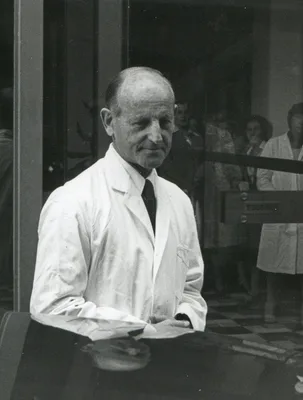
Introduction of phenylindanedione.
1948 CE
#3108
Klinische Erfahrungen mit einem neuen Präparat der Cumarinreihe.

Introduction of ethyl biscoumacetate (“tromexan”).
1554 CE
#3109
Medicinalium epistolarum miscellanea.
Epistle xxi, pp. 74-77, contains the first definite description of chlorosis. “De morbo virgineo”. English translation in No. 2241.
1731 CE
#3110
Godofredus Augustus Emmrich: Disseratione inauguralis De genuina chlorosis indole, origine et curatione. Von der wahren Eigenschaft, Ursprung und Cur der Bleichsucht.
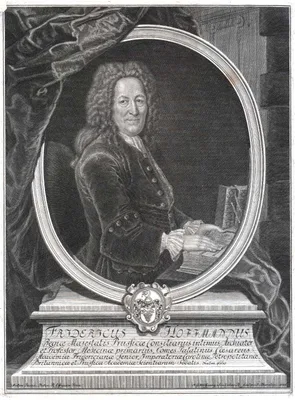
Classic description of chlorosis. Lange accurately diagnosed this condition, but it was left to Hoffmann to separate it as a definite entity. Hoffmann published his contribution to this subject in the thesis of his st…
1795 CE
#3111
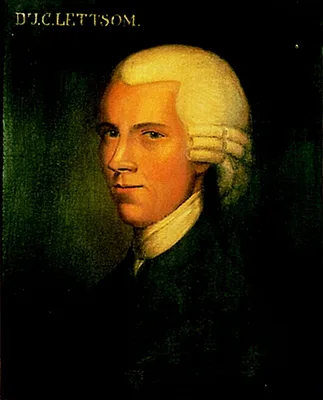
Hints respecting the chlorosis of boarding schools.
1824 CE
#3112
History of a case of anaemia.
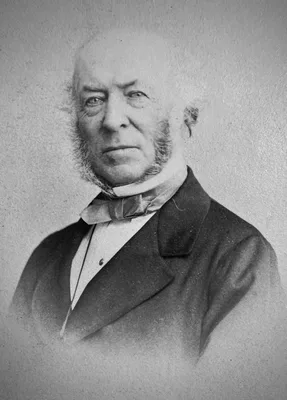
First description of pernicious anemia. Paper read May 1, 1822.
1832 CE
#3113
Sur les maladies chlorotiques et sur un mode de traitement spécifique dans ces affections.
For the treatment of chlorosis Blaud prescribed a pill (Blaud’s pill) composed of sulphate of iron and carbonate of potassium. Preliminary report in Bull. gén. Thérap.,1832, 2,154-55.
1832 CE
#3114
Die krankhafte Mischung des Blutes, vorzüglich bei Chlorose, Hysterie und Pneumonie, durch chemische Versuche ausgemittelt, und der Uebergang in den Darmcanal eingebrachten Eisens.
Foedisch showed chlorotic blood to be deficient in iron. See also Gaz. méd. Paris, 1837, 2 sér. 5,7.
1836 CE
#3115
Das Blut in mehrfacher Beziehung physiologisch und pathologisch untersucht.
Nasse gave the first clear description of anemia in pregnancy; he also noticed erythrocyte sedimentation in certain pathological conditions.
1842 CE
#3116
Notes on anhaemia, principally in its connections with the puerperal state, and with functional disease of the uterus: with cases.
First description of pernicious anemia of pregnancy. Digital facsimile from the U.S. National Library of Medicine at this link.
1847 CE
#3117
Puerperal anaemia; or a peculiar anaemic condition, occurring in gestating and lactating females.

Bennett described the anemia of pregnancy and defined it as resulting from the process of reproduction.
1849 CE
#3118
Anaemia; disease of the supra-renal capsules.
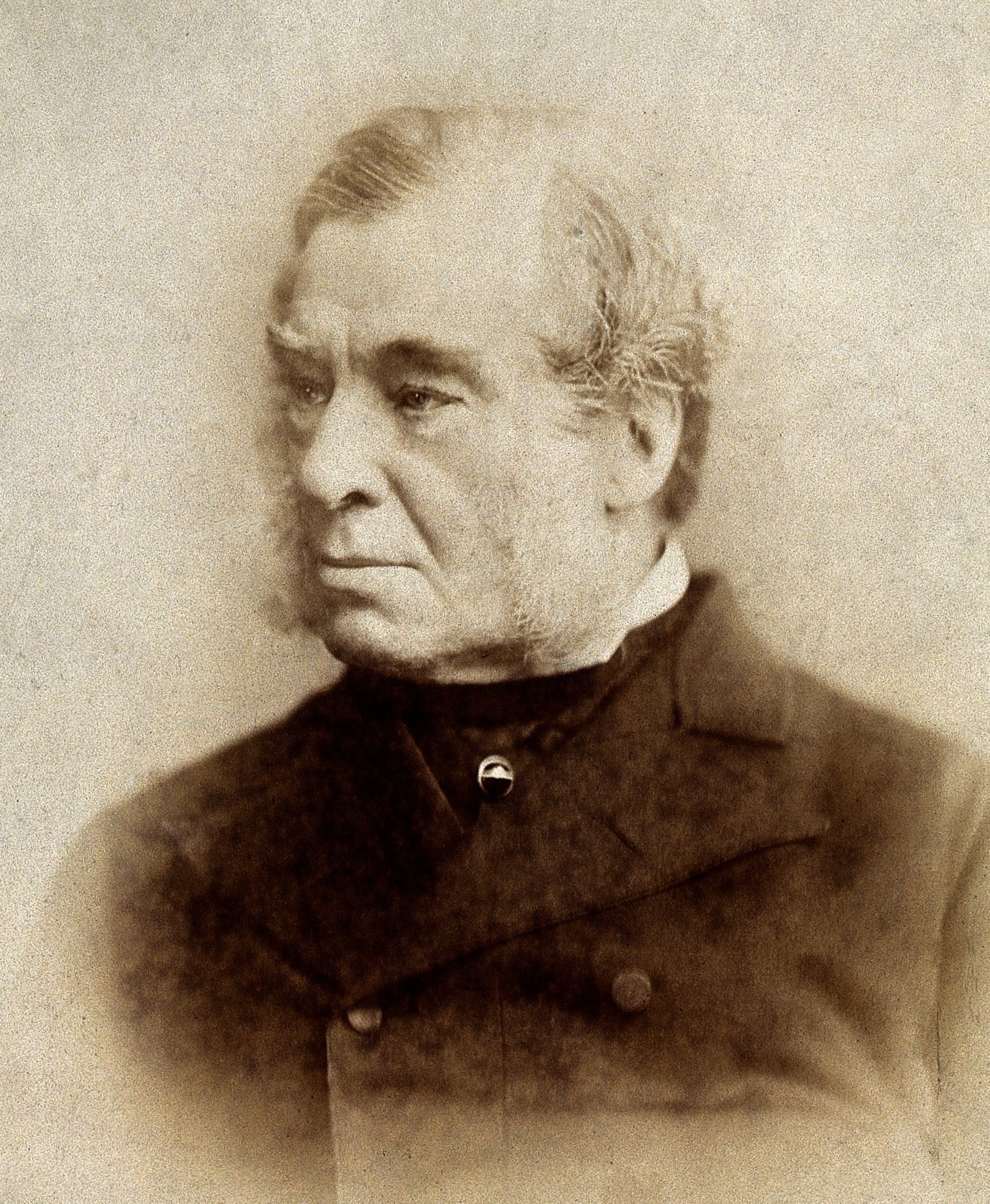
Addison included a classic description of pernicious (Addisonian) anemia in his papers on the condition later known as “Addison’s disease”. Although preceded by Combe, his account was more important …
1866 CE
#3119
Ein Fall von Anaemia splenica bei einem Kinde
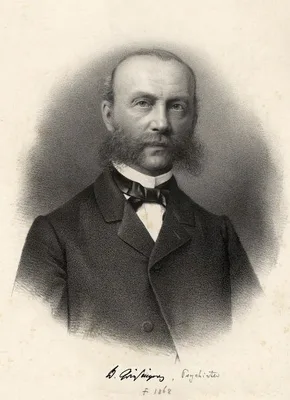
First reported case of (infantile) splenic anemia.
1867 CE
#3120
Beiträge zur Pathologie und Therapie der Chlorose.
Duncan showed that the essential feature in chlorosis is a quantitative change in the hemoglobin content and not a great reduction in the number of red blood cells.
1870 CE
#3121
Cachessia puerperale raccolta nella clinica ginecologica dell’ospitale Maggiore di Milano.
“Valsuani’s disease” – progressive anemia in pregnant and lactating women, probably first described by H. N. Bennett (No. 3117).
1871 CE
#3122
Ueber hochgradigste Anämie Schwangerer.
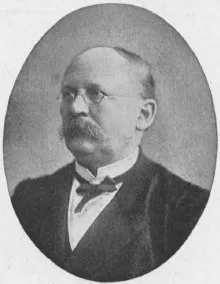
An important account of pernicious anemia of pregnancy.
1872 CE
#3124
Eine eigenthumliche Form von progressiver perniciöser Anämie.
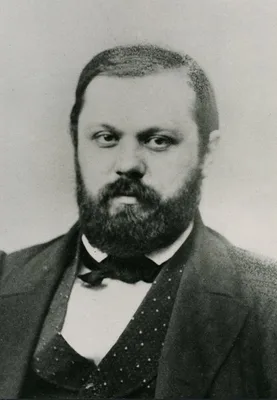
In his account of progressive pernicious anemia, Biermer was first to describe the retinal haemorrhages. He was at one time accredited with the first description of pernicious anemia ; later it was shown that Addison …
1875 CE
#3125
Progressive pernicious anaemia, or anaematosis.
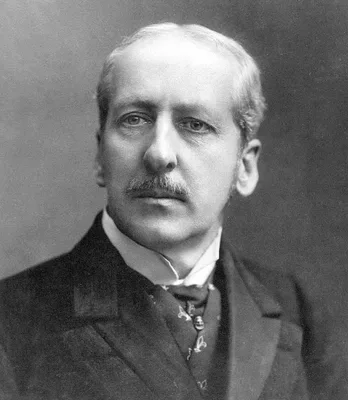
Pepper described bone-marrow changes of pernicious anemia, though his actual description more closely resembles leukaemia.
1882 CE
#3126
Dell’anemia splenica.
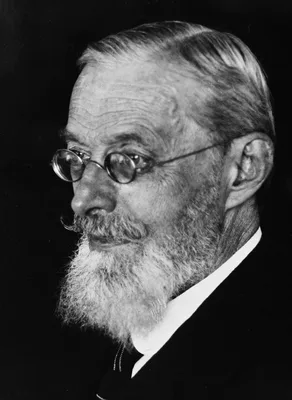
“Banti’s disease”. Banti described the pathological changes in the spleen in splenic anemia. A later paper in Sperimentale, 1894, 48, sez. biol., 407-32, gives an account of hepatic cirrhosis as the …
1882 CE
#3127
De l’epithélioma primitif de la rate; hypertrophie idiopathique de la rate sans leucémie.
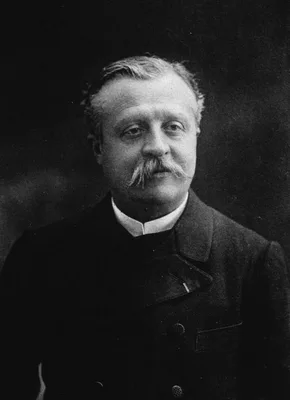
“Gaucher’s disease” – familial splenic anemia. Digital facsimile from wellcomecollection.org at this link.
1884 CE
#3128
Ueber progressive perniciöse Anämie bei Tabeskranken
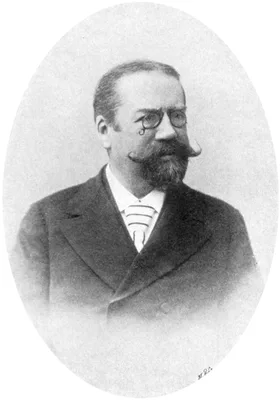
First description of subacute combined degeneration of the spinal cord, which Leichtenstern termed progressive pernicious anemia in tabetics.
1888 CE
#3129
Ueber einen Fall von Anämie mit Bemerkungen über regenerative Veränderungen des Knochenmarks.
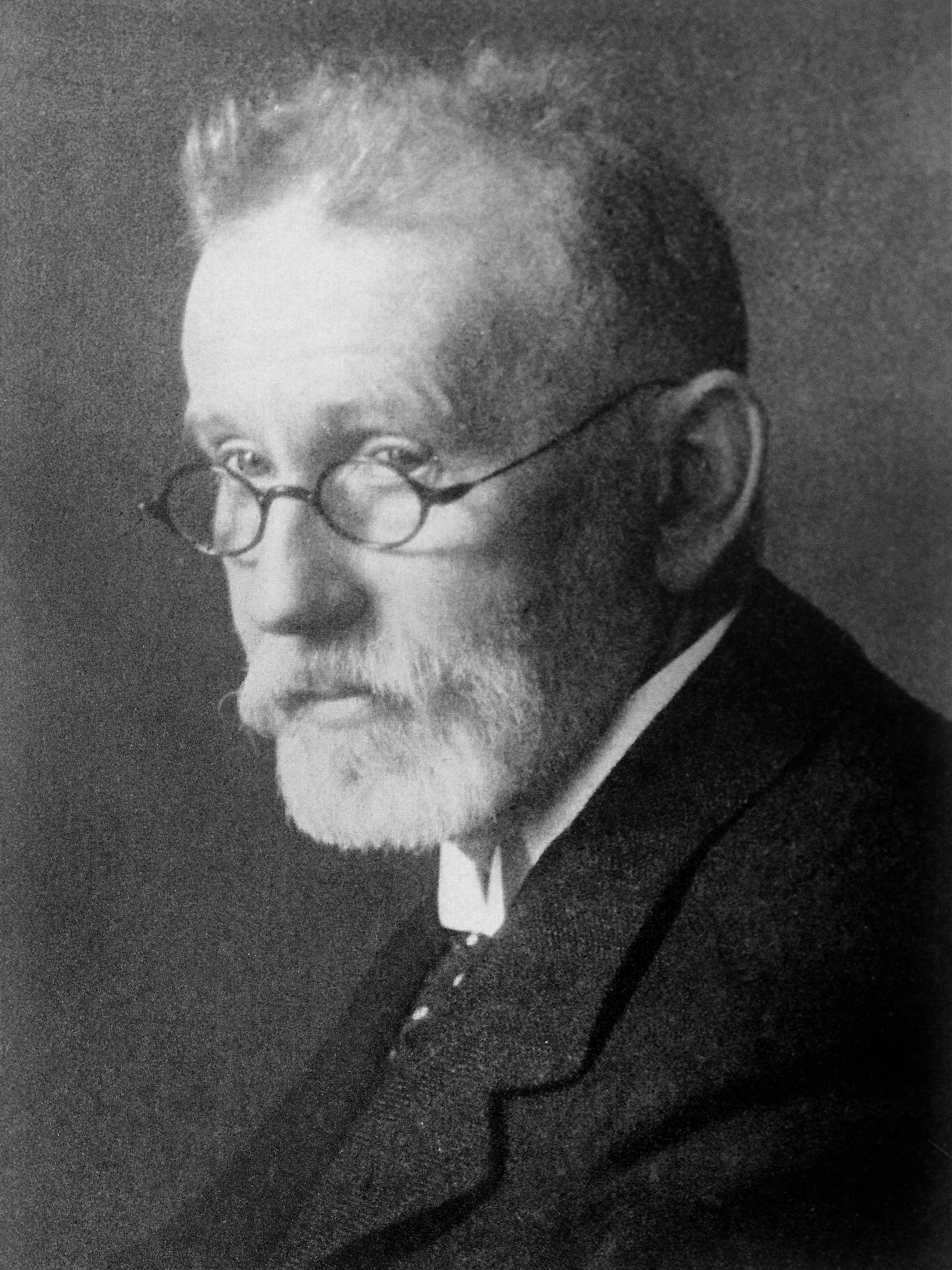
Ehrlich was first to distinguish the aplastic type of anemia.
1889 CE
#3130
Du sang et de ses altérations anatomiques
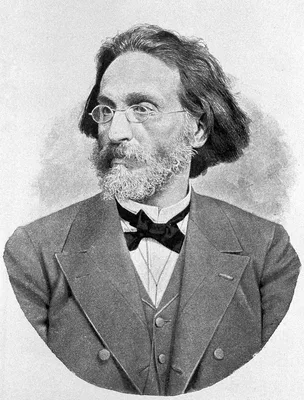
Includes (pp. 614-751) an important account of chlorosis; Hayem, by his accurate observation, placed knowledge of the disease on a firm basis.
1889 CE
#3131
Ueber Leukaemia und Leukocytose im Kindesalter.
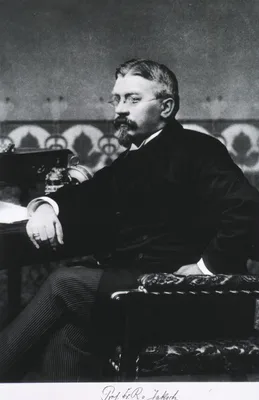
From this classic description of infantile pseudoleukemic anemia, the condition became known as “von Jaksch’s disease”.
1895 CE
#3132
Ueber die Eisentherapie.
Bunge was father to the concept of iron-deficiency anemia.
1910 CE
#3133
Peculiar elongated and sickle-shaped red blood corpuscles in a case of severe anemia.
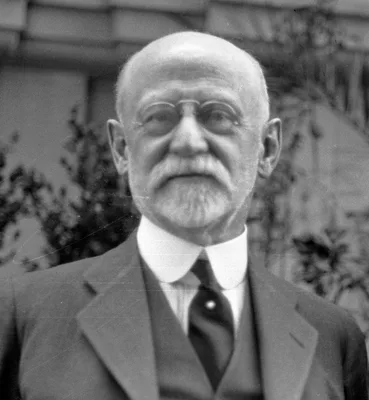
Identification of the sickle-cell type of anemia. Abstract "This case is reported because of the unusual blood findings, no duplicate of which I have ever seen described. Whether the blood picture represents merely a …
1913 CE
#3134
Anämische Zustände bei der chronischen Achylia gastrica.
Simple achlorhydric (idiopathic microcytic) anemia described. Faber advanced the view that achylia gastrica was a cause both of pernicious anemia and of simple chlorotic anemia.
1918 CE
#3135
A clinical study of puerperal anaemia.
Four cases of pernicious anemia of pregnancy treated by blood transfusion.
1919 CE
#3136
Observations on the severe anaemias of pregnancy and the post-partum state.
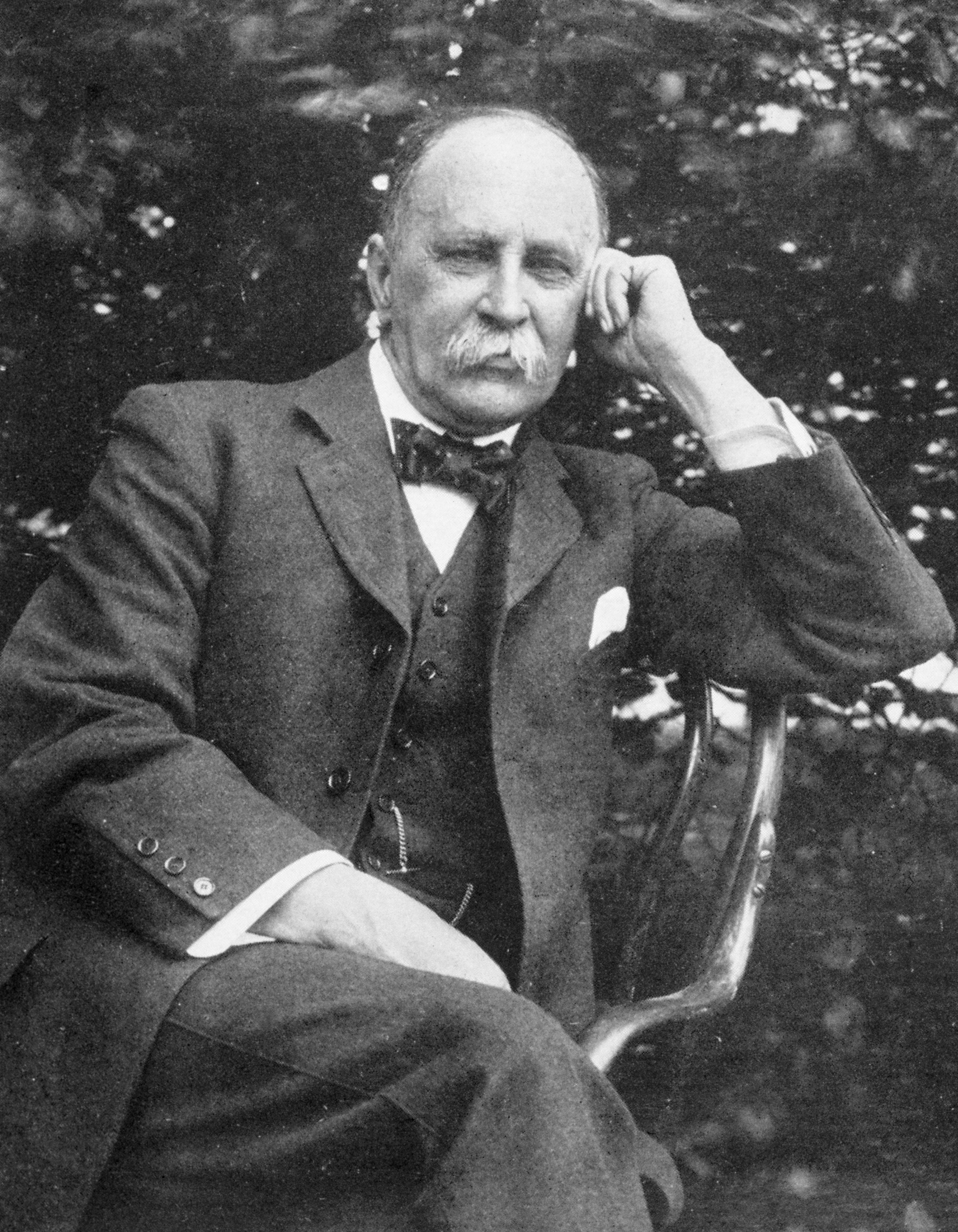
Osler described his four-part classification of anemias of pregnancy: anemia from post-partum hemorrhage, severe anemia of pregnancy, post-partum anemia, and the acute anemia of post-partum sepsis. This was Osler's la…
1925 CE
#3137
Ueber Anaemia infectiosa chronica und ihre Aetiologie.
“Edelmann’s disease” – a type of chronic infectious anemia.
1925 CE
#3138
A form of acute hemolytic anemia probably of infectious origin.
“Lederer’s anemia” first described.
1925 CE
#3139
Blood regeneration in severe anaemia. II. Favourable influence of liver, heart and skeletal muscle in diet.
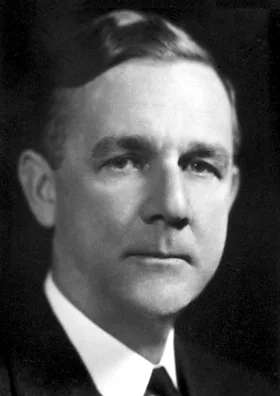
These workers showed the beneficial effect of raw beef liver upon blood regeneration in anemia. Their work paved the way for the liver diet treatment of Minot and Murphy. In 1934 Whipple shared the Nobel Prize in Phys…
1926 CE
#3140
Treatment of pernicious anemia by a special diet.
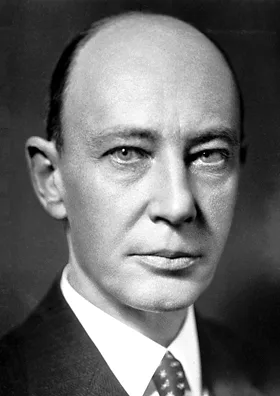
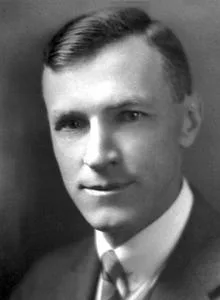
Introduction of raw liver diet in the treatment of pernicious anemia. This treatment ranks as one of the greatest modern advances in therapy. See also the later paper in the same journal, 1927, 89,759-66. Reprinted in…
1927 CE
#3141
Anemia in children, with splenomegaly and peculiar changes in the bones.
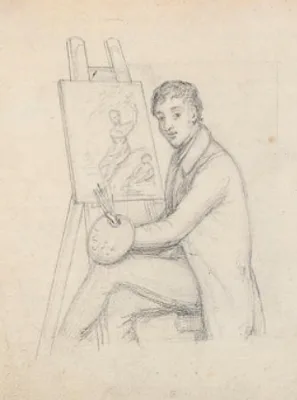
“Cooley’s erythroblastic anemia”, thalassemia. With E. R. Witwer and O. P. Lee. An earlier brief account by Cooley and Lee appeared in Trans. Amer. Pediat. Soc.,1925, 37, 29.
1927 CE
#3142
Familiäre infantile perniziösaartige Anämie (perniziöses Blutbild und Konstitution).
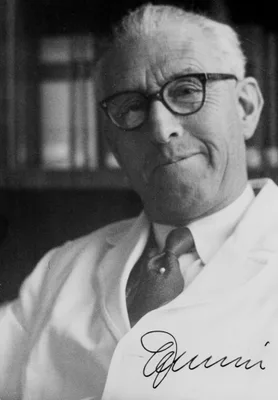
“Fanconi’s syndrome”, congenital hypoplasia of bone marrow with multiple congenital defects occurring as a familial disease.
1929 CE
#3143
Observations on the etiologic relationship of achylia gastrica to pernicious anemia. I. The effect of the administration to patients with pernicious anemia of the contents of the normal human stomach recovered after the ingestion of beef muscle.
Castle showed pernicious anemia to be due to absence from the gastric juice of a substance (Castle’s intrinsic factor, hemopoietin) that reacts with an extrinsic factor present in many foodstuffs to form the ant…
1929 CE
#3144
Desiccated stomach in the treatment of pernicious anemia.
Sturgis and Isaacs showed that stomach tissue contains a factor active in the treatment of pernicious anemia.
1930 CE
#3145
Classification of the anemias on the basis of differences in the size and hemoglobin content of the red corpuscles.
Wintrobe’s classification of the anemias.
1931 CE
#3146
Treatment of “pernicious anaemia of pregnancy” and “tropical anaemia”, with special reference to yeast extract as a curative agent.
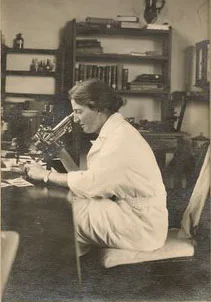
First observations of hemopoietic effect of folic acid.
1932 CE
#3147
The classification and treatment of anaemia, with special reference to the nutritional factor.
Davidson’s classification of the anemias.
1935 CE
#3148
Achresthic anaemia.

Achrestic anemia described.