
Entry Nos. 5600–5699
99 Garrison-Morton entries in this range.
1832 CE
#1850
New mode of preparing a spirituous solution of chloric ether.
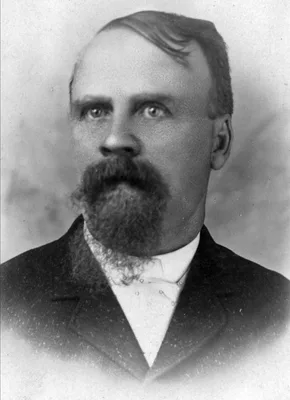
Guthrie in America, Liebig in Germany, and Soubeiran in France discovered chloroform independently of one another. Guthrie discovered the modern method of making chloroform by distilling alcohol with chlorinated lime.…
1831 CE
#1851
Recherches sur quelques combinaisons du chlore.
Soubeiran, like Liebig and Guthrie, discovered chloroform; it is difficult to determine who was first, as each may have allowed an interval of time to elapse between discovery and publication.
1832 CE
#1852
Ueber die Verbindungen, welche durch die Einwirkung des Chlors auf Alkohol, Aether, ölbildenes Gas und Essiggeist entstehen.
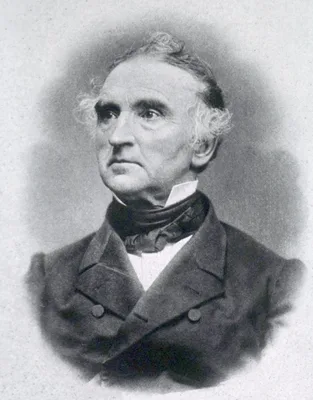
Discovery, in 1831, of chloroform and chloral. Independently chloroform was discovered by Souberian and by Guthrie.
1880 CE
#1871
Ueber die physiologische Wirking des Cocaïn.
Anrep studied the action of cocaine and, like Moréno y Maïz, suggested that it might be used as a local anesthetic.
1915 CE
#1903.2
On the use of certain antiseptic substances in the treatment of infected wounds.
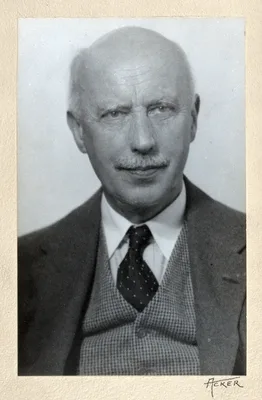
Eusol and chloramine-T. “Dakin’s solution” was employed by Carrel (No. 5642) in the Carrel–Dakin method of irrigation of wounds.
1867 CE
#4423.1
On a new method of treating compound fracture, abscess, etc., with observations on the conditions of suppuration.
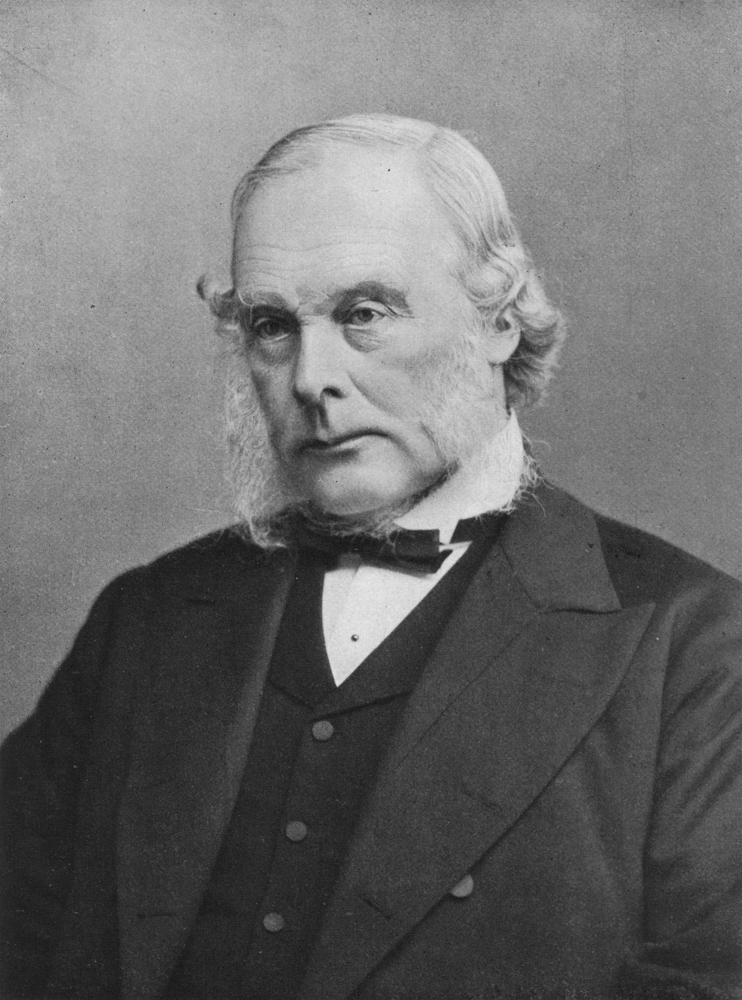
Lister’s work on the antiseptic principle in surgery. He believed that bacteria could enter wounds and cause suppuration and putrefaction and that it was necessary to kill the bacteria already in wounds and to a…
1938 CE
#4435.1
El tratamiento de la fractura de guerra.
During the Spanish Civil War (1935-38) Trueta adopted as standard treatment for gunshot wounds and compound fractures the closed plaster method originated by the American surgeon H. Winnett Orr. Trueta called this the…
1851 CE
#5600
De l’influence de la position dans les maladies chirurgicales.
1851 CE–1854 CE
#5601
Klinische Chirurgie. 3 pts.
Pirogov is considered the greatest Russian surgeon and one of the greatest military surgeons of all time. He was among the first in Europe to employ ether anesthesia. He served in the Crimean campaign and was responsi…
1853 CE
#5602
The science and art of surgery.
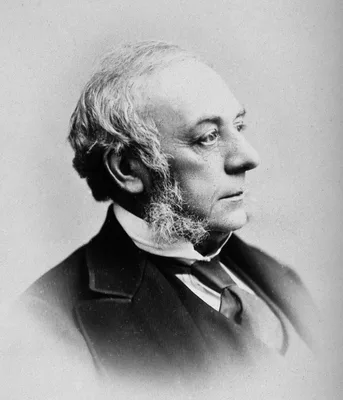
The most popular textbook on the subject for many years. Erichsen was surgeon to University College Hospital, London, and Lister served as his house surgeon.
1853 CE
#5603
Sur un nouveau moyen d’opérer la coagulation du sang dans les artères, applicable à la guérison des anéurismes.
Pravaz invented galvanocautery.
1854 CE
#5604
Die Galvanokaustik.
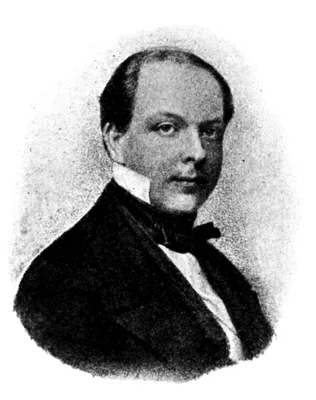
Middeldorpf improved the galvano-cautery and introduced it in major surgery.
1858 CE
#5605
Silver sutures in surgery.
Sims, famous American gynecologist, introduced a silver wire suture, in order to avoid sepsis. See No. 6037.
1859 CE
#5606
Traite pratique de la suppuration et du drainage chirurgical. 2 vols.
Chassaignac, who introduced india-rubber tubes to drain abscesses, put the whole subject of surgical drainage on a scientific and methodical footing.
1859 CE
#5607
A system of surgery; pathological, diagnostic, therapeutic, and operative. 2 vols.
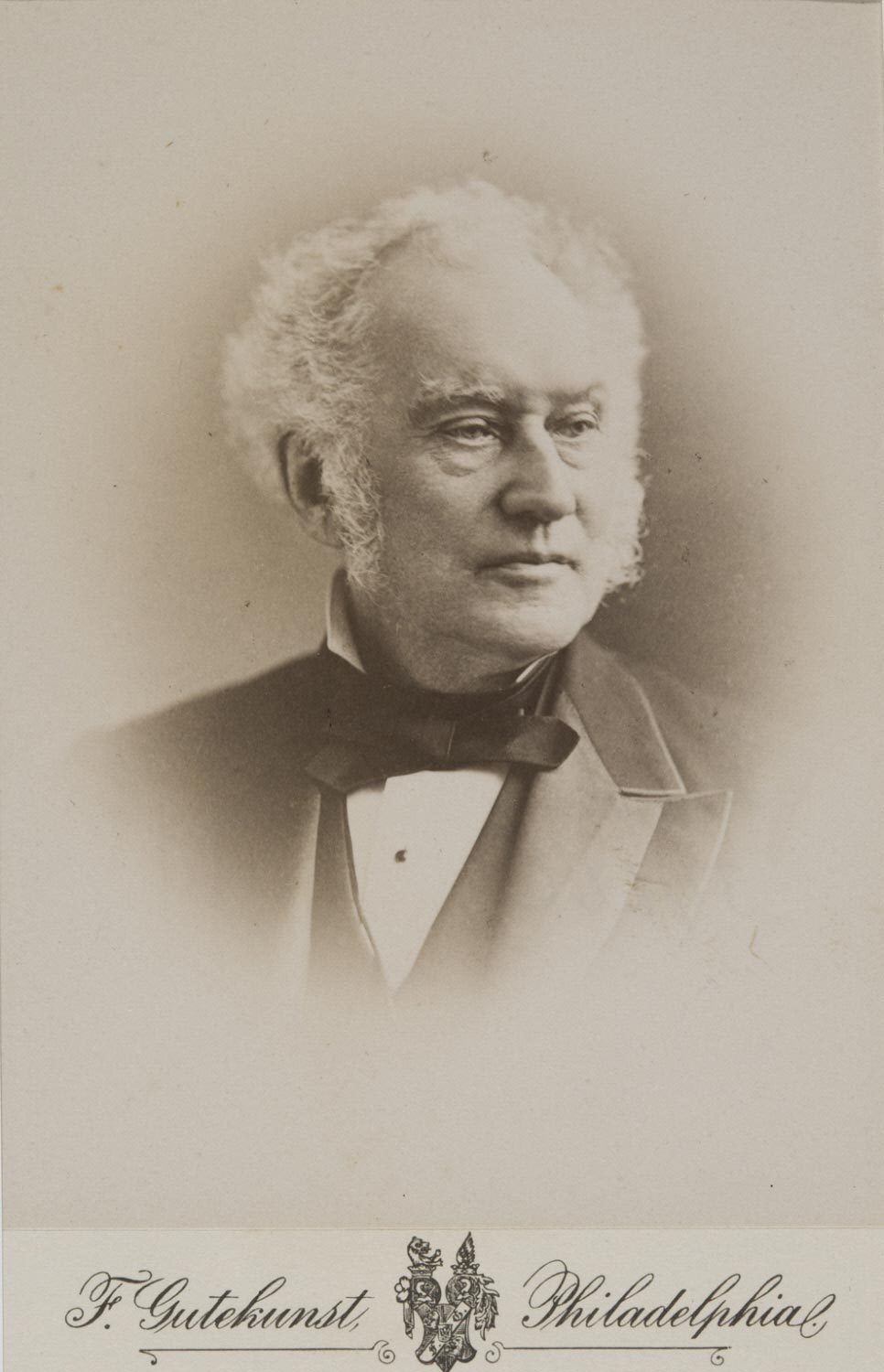
A profound intellect in 19th-century American surgery, Gross was both a surgical innovator and an outstanding author of numerous works that became classics. This massive treatise containing nearly 2500 pages was inten…
1863 CE
#5608
Die allgemeine chirurgische Pathologie und Therapie.
Billroth, professor of surgery at Zürich and Vienna, was the founder of the Vienna School of Surgery. He has also been called the founder of modern abdominal surgery, and he was one of the first to introduce anti…
1863 CE
#5609
On the influence of mechanical and physiological rest in the treatment of accidents and surgical diseases, and the diagnostic value of pain.
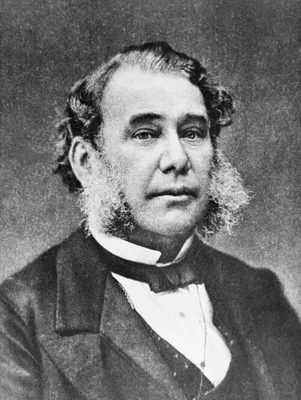
Hilton, surgeon to Guy’s Hospital, suggested that symptoms are disordered reflexes. He advocated complete rest in the treatment of surgical disorders of all parts of the body. Second and later editions were enti…
1869 CE
#5610
Collezione della memorie chirurgiche ed ostetriche. 2 vols.
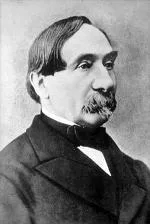
Rizzoli was Professor of Surgery at Bologna and an outstanding operative surgeon. He introduced a compressor for aneurysms, a tracheotome, cystotome, lithotrite, enterotome, osteoclast, and performed acupressure as ea…
1873 CE
#5611
Ueber künstliche Blutleere bei Operationen.
Esmarch bandage for surgical hemostasis. English translation New Sydenham Society, 1876.
1875 CE
#5612
De la forcipressure.
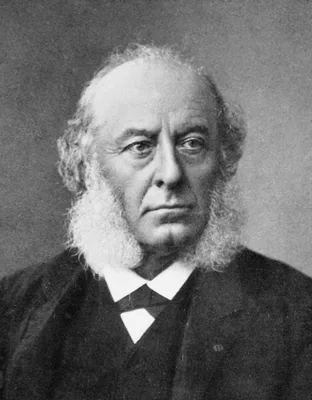
Introduction of forcipressure in the control of hemorrhage. Republished in book form, 1875.
1877 CE–1888 CE
#5613
Mémoires de chirurgie. 5 vols.
Verneuil, Paris surgeon, introduced forcipressure in hemorrhage (see No. 5612), dry bandaging, and iodoform in the treatment of abscesses. All his works are included in his Mémoires.
1877 CE
#5614
Du cautére Paquelin.
Paquelin introduced a thermocautery (“Paquelin’s cautery”).
1879 CE
#5615
Remarks on forcipressure and the use of pressure-forceps in surgery.
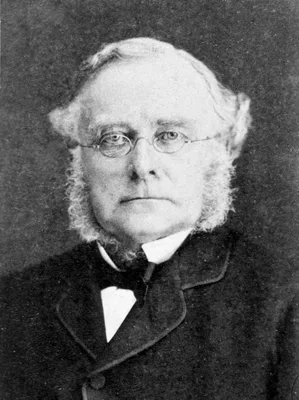
Spencer Wells forceps.
1881 CE
#5616
An address on the catgut ligature
1881 CE
#5617
Die ischaemischen Muskellähmungen und Kontrakturen.
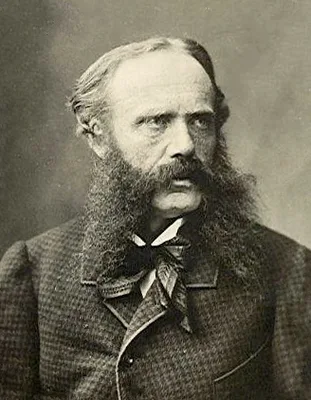
“Volkmann’s ischemic contracture” first described. English translation in Bick, Classics of orthopaedics.
1882 CE
#5618
Der Jodoform-Verband.
Introduction of iodoform dressing in surgery.
1884 CE
#5619
Mikro-Organismen bei den Wund-Infections-Krankheiten des Menschen.
Rosenbach proved that streptococci and staphylococci are distinct and differentiated two strains of staphylococci (“aureus” and “albus”). He cultured cocci from a considerable range of septic c…
1889 CE
#5620
Experimental surgery.
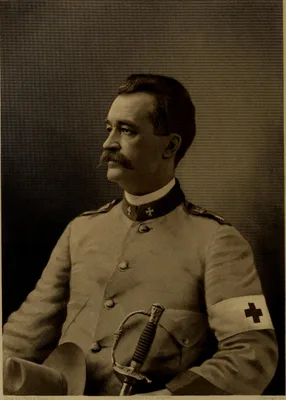
Senn made important experimental studies on air embolism, introduced a method of diagnosing intestinal perforation by means of insufflation of hydrogen (see No. 3494), and used X-rays in the treatment of leukemia. He …
1892 CE
#5621
Conditions underlying the infection of wounds.
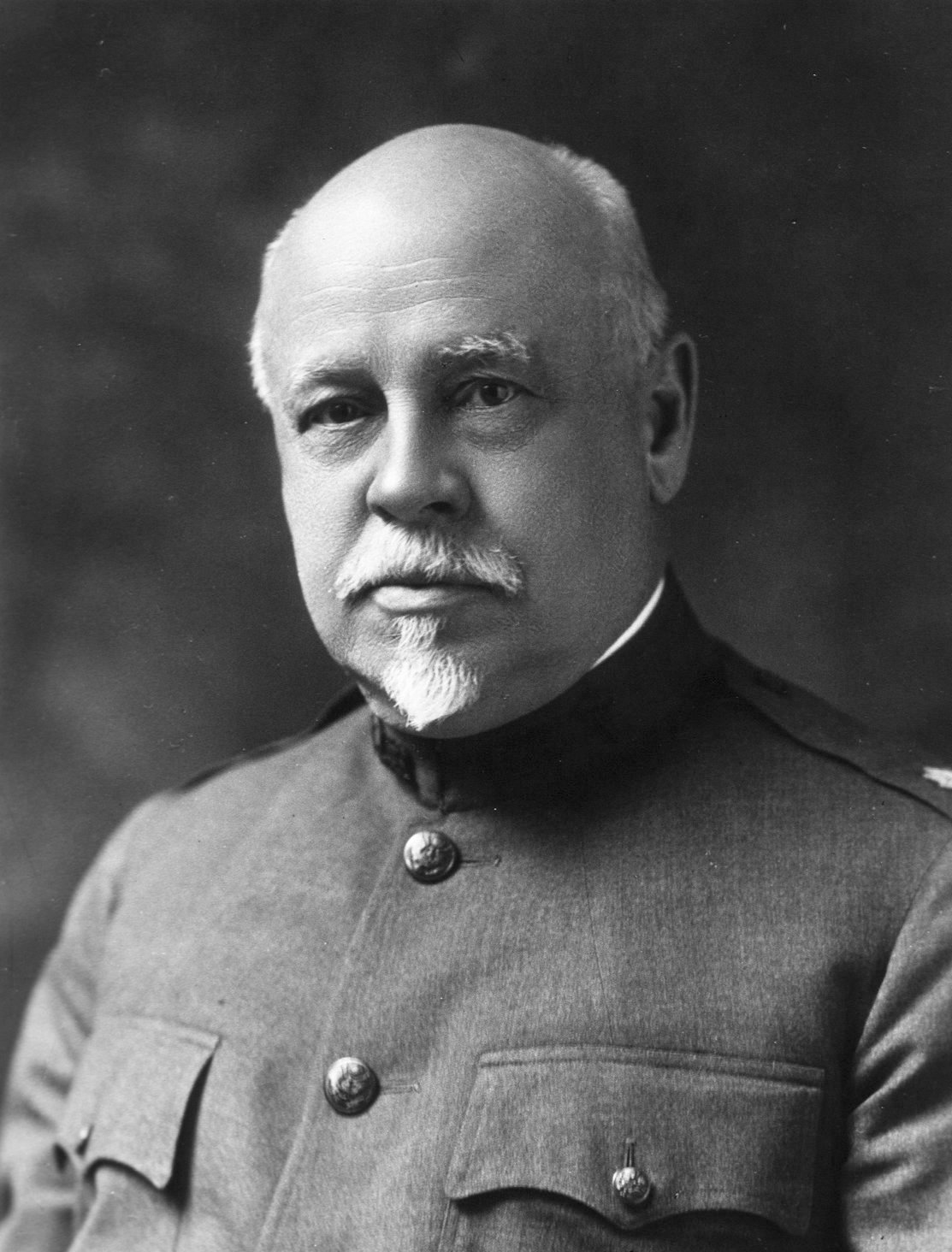
Discovery of Staph. epidermidis (albus) and its relation to the infection of wounds.
1899 CE
#5622
An experimental research into surgical shock.
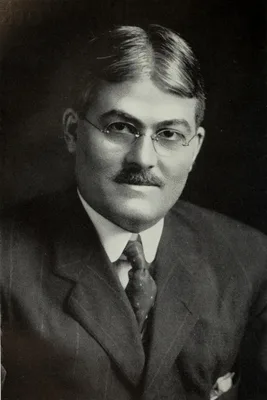
Crile saw and recorded elevations in systemic and portal venous pressures under experimental shock.
1900 CE
#5623
Diffuse septic peritonitis, with special reference to a new method of treatment, namely, the elevated head and trunk posture, to facilitate drainage into the pelvis, with a report of nine consecutive cases of recovery.
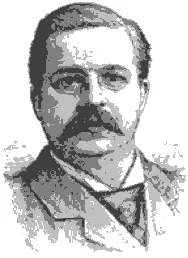
First description of the “Fowler position”. Reprinted in Med. Classics, 1940, 4, 551-80. Fowler was preceded in this innovation by Charles White. See No. 6270.
1901 CE
#5624
An experimental and clinical research into certain problems relating to surgical operations.
Crile made important contributions to knowledge regarding shock. He originated the theory that it is due to exhaustion of the vasomotor center. (See also No. 5629.) Chapter V: On the physiologic action of cocain and e…
1901 CE
#5625
The cause of diffuse peritonitis complicating appendicitis and its prevention.
Ochsner was professor of clinical surgery at the University of Illinois. The above is reprinted in Med. Classics, 1940, 4, 600-26.
1903 CE
#5626
Hyperaemie als Heilmittel.
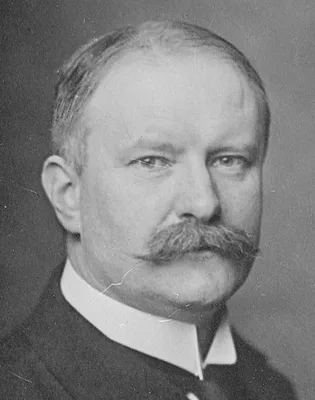
Bier introduced hyperemia, active and passive, as an adjuvant in surgical therapy. English translation, Chicago, A. Robertson, 1905. Digital facsimile of the English translation from the Internet Archive at this link.
1903 CE
#5627
Blood-pressure in surgery.
1909 CE
#5628
Hemorrhage and transfusion.
1913 CE
#5629
The kinetic theory of shock and its prevention through anoci-association (shockless operation).
Crile advanced the anoci-association concept in which local and general anesthesia are combined in a sequence to eliminate pre-operative fear and tension.
1919 CE
#5630
Histamine shock.
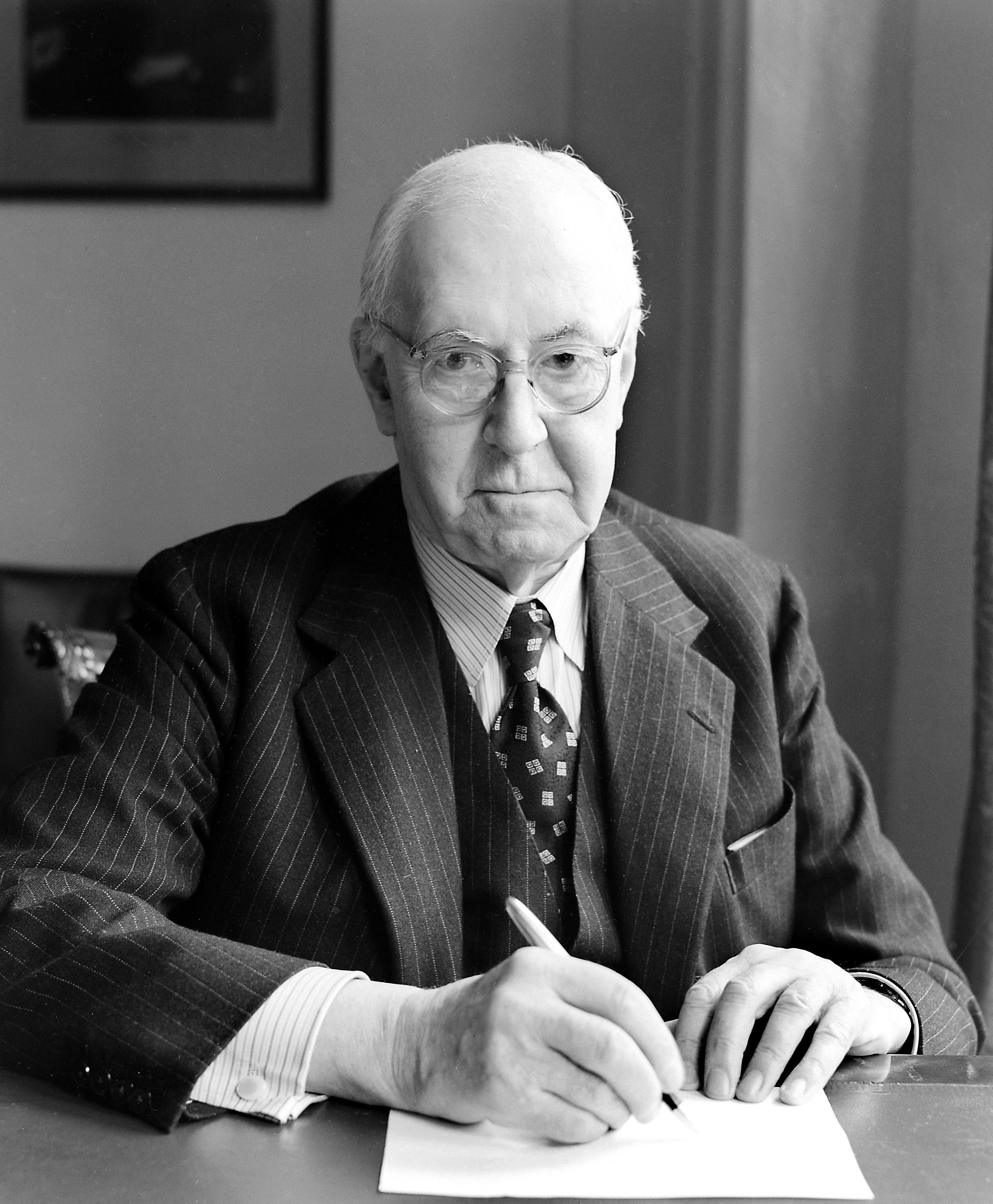
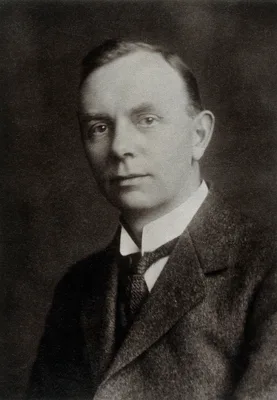
Experimental shock produced by histamine and shown to be similar to traumatic and surgical shock.
1937 CE
#5631
Künstliche Scheidenbildung mittels Eihäuten.
Introduction of amnioplastin.
1825 CE
#5633
De l’emploi des chlorures d’oxide de sodium et de chaux.
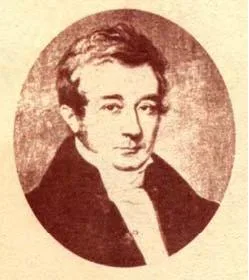
First chlorine solution for disinfecting purposes. English translation, 1826.
1867 CE
#5635
On the antiseptic principle in the practice of surgery.
Having realized the significance of Pasteur’s work on fermentation, Lister evolved the idea of the antiseptic prevention of wound infection. This and the preceding entry represent two of the most epoch-making co…
1876 CE
#5636
Chirurgie antiseptique.
Lucas-Championnière, eminent French surgeon, was one of the first to adopt the principles of Listerism. He wrote the first authoritative work on antiseptic surgery and introduced antisepsis into France. First e…
1883 CE
#5637
Anleitung zur Technik antiseptischen Wundbehandlung und des Dauerverbandes.
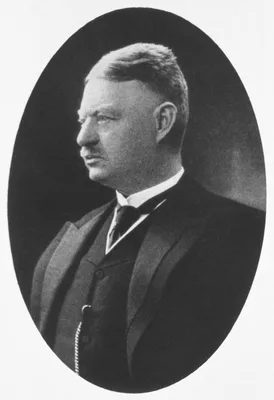
The first attempts at asepsis were made by Neuber. Digital facsimile from the Internet Archive at this link.
1887 CE
#5638
Zur Sublimatfrage.
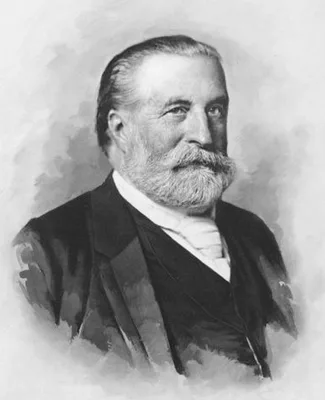
Bergmann was a pioneer in the evolution of asepsis. He gradually merged the corrosive sublimate method of antisepsis into steam sterilization of instruments and dressing material, demonstrating its superiority to chem…
1894 CE
#5639
De l’asepsie et antisepsie en obstétrique.
Tarnier was the first to adopt Listerism in obstetrics. In the discussion following a paper in Trans. int. med. Congr., London, 1881, 4, 390-391, he showed that he was the first to employ carbolic acid solution in obs…
1894 CE–1895 CE
#5640
The results of operations for the cure of cancer of the breast performed at the Johns Hopkins Hospital from June, 1889, to January, 1894.
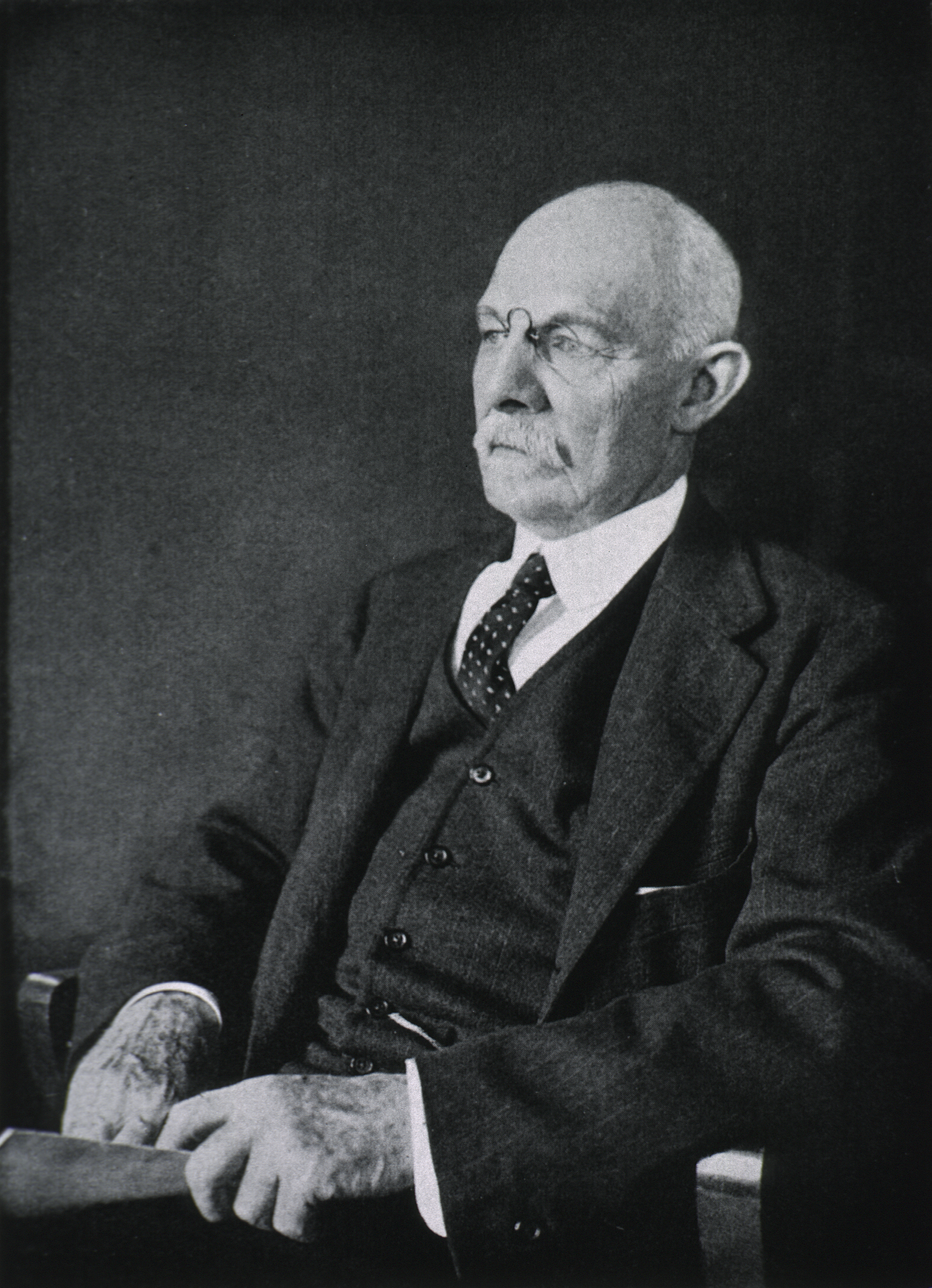
Halsted’s operation invariably excised the pectoralis major muscle in radical mastectomy. His operation, modified by the retention of the pectoral muscles, remains the cornerstone of surgical treatment of carcin…
1899 CE
#5641
De l’emploi du masque dans les opérations.
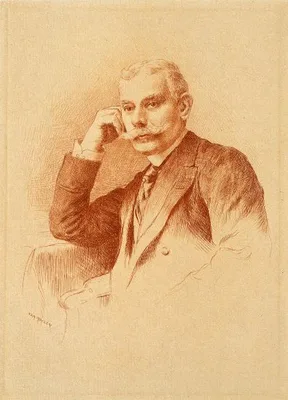
Introduction of the gauze face mask, October 1897.
1915 CE
#5642
Traitement abortif de l’infection des plaies.
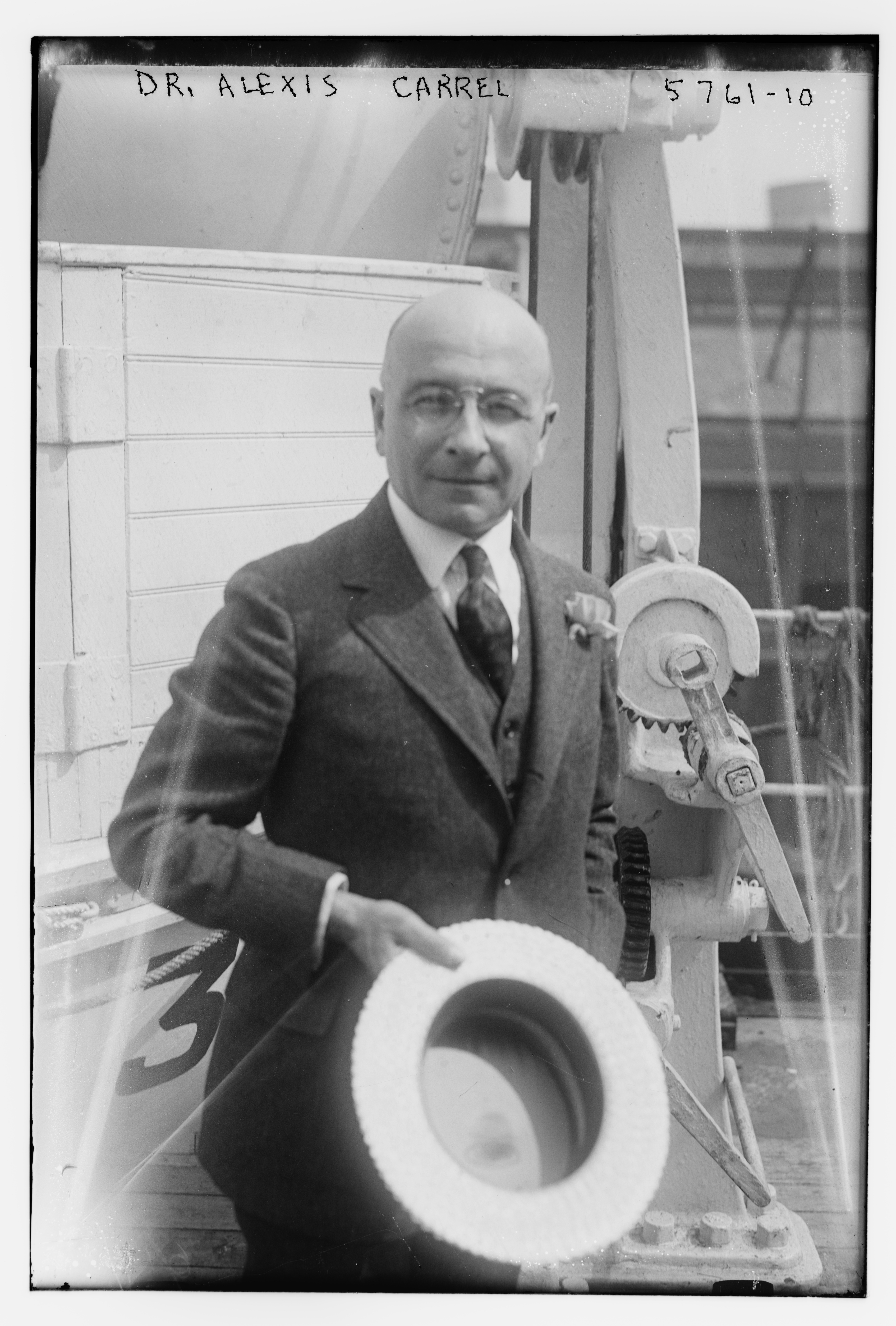
Carrel–Dakin treatment of wounds. With J. Daufresne and M. Dumas. Carrel & Dehelly expanded this into a monograph entitled Le traitement des plaies infectées. Paris: Masson et Cie, 1917. That was rapidly …
1916 CE
#5644
The treatment of infected suppurating war wounds.
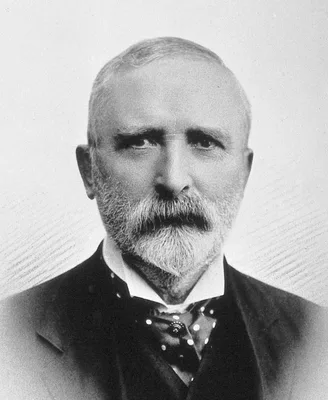
Introduction of “BIPP” in the treatment of wounds, an acronym for bismuth iodoform parafin paste.
1939 CE
#5645
The local implantation of sulfanilamide in compound fractures.
Sulphonamide dressing of wounds. With L. W. Johnsrud and M. C. Nelson.