
Entry Nos. 400–499
94 Garrison-Morton entries in this range.
1476 CE
#274
De animalibus. Translated by Theodorus Gaza. Edited by Ludovicus Podocarthus.
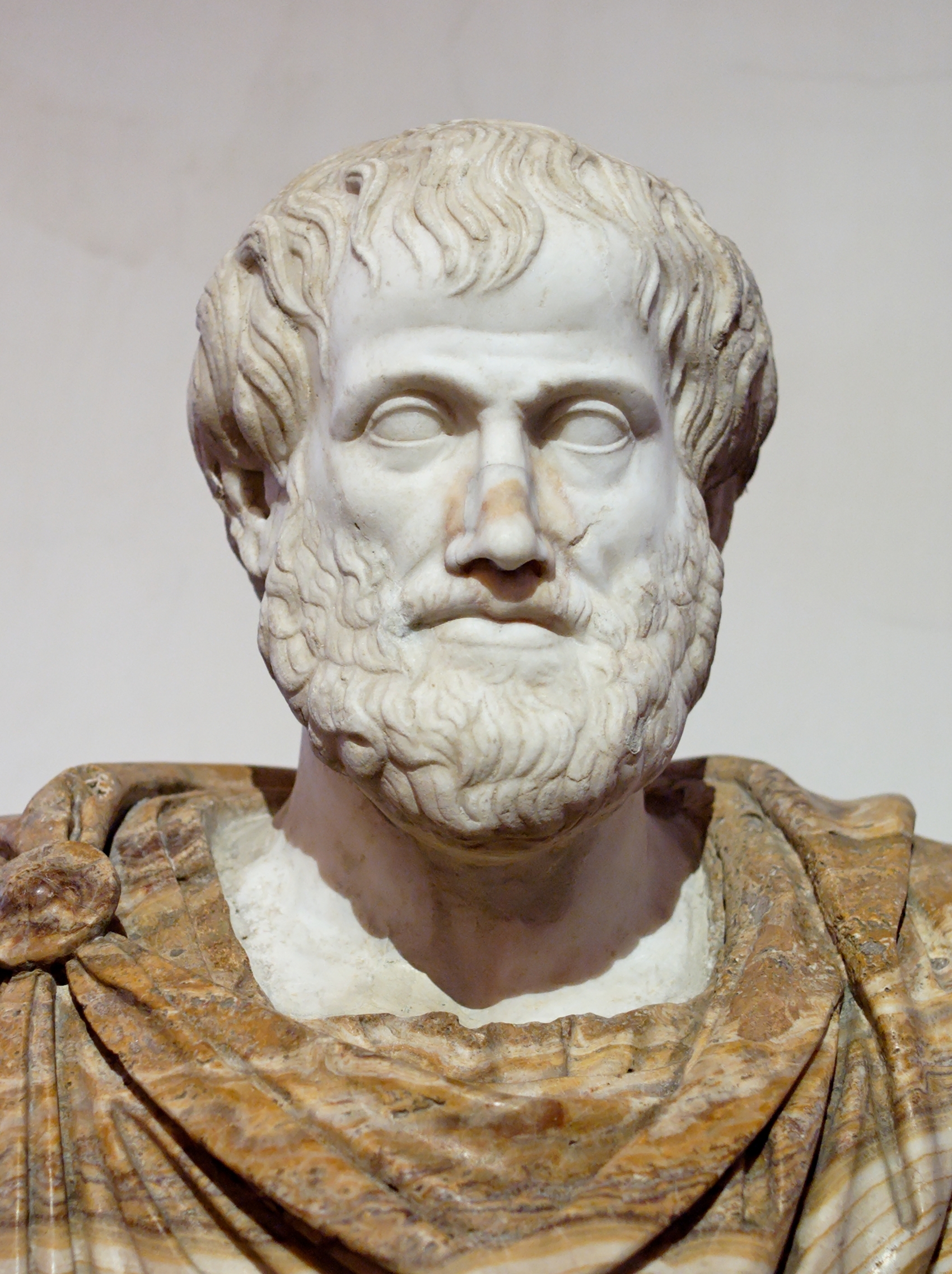
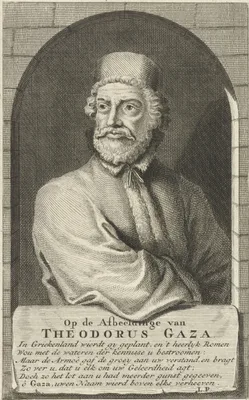
Includes Aristotle's De historia animalium, De partibus animalium, and De generatione animalium. Aristotle was the first scientist to gather empirical evidence about the biological world through observation. By his ca…
1791 CE–1796 CE
#400
Vom Baue des menschlichen Körpers. 5 pts.
Soemmerring’s text-book contained only facts actually observed by him. He departed from the usual practice of including physiology with anatomy. The book was very popular in German medical schools, and Meckel co…
1797 CE
#401
Tabula sceleti feminini juncta descriptione.
Soemmerring was noted for his accuracy in anatomical illustration, and the above work is a fine example of his artistic sense. For it he selected the skeleton of a well-built girl of 20 years. Great care was taken in …
1798 CE–1803 CE
#402
A system of dissections. 2 vols.
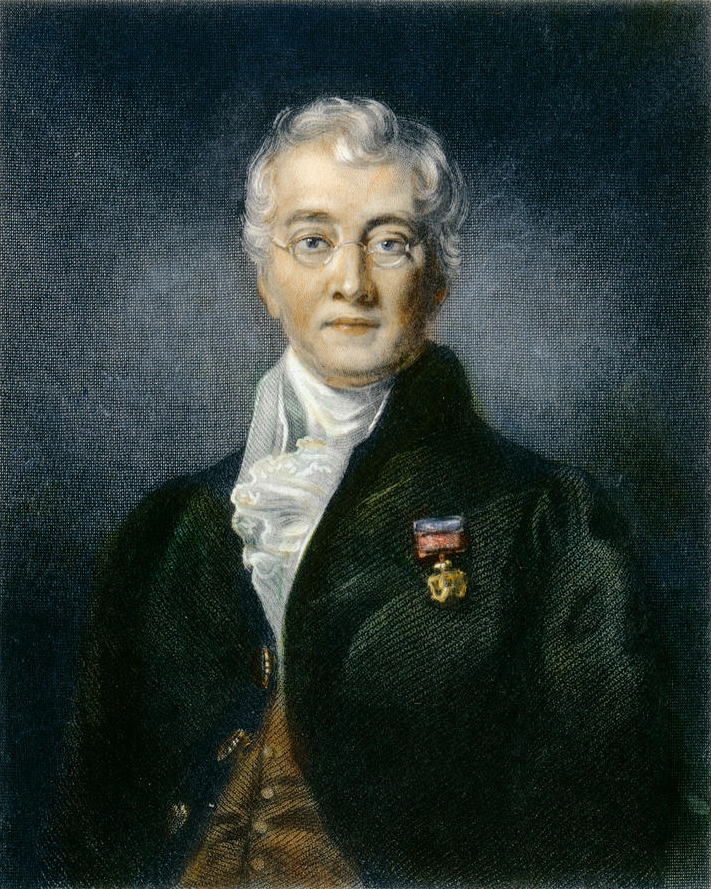
Published in 7 fascicules and appendix while Bell was still a student, this was Bell’s first independent venture as an author. The anatomical work of Charles Bell and his brother John was among the most signific…
1801 CE
#403
Anatomie générale, appliquée à la physiologie et à la médecine. 4 vols.
Bichat revolutionized descriptive anatomy. Where Morgagni and others had conceived of whole organs being diseased, Bichat showed how individual tissues could be separately affected. He covered tissue pathology, system…
1811 CE
#406
Anatomia per uso de’pittori e scultori.
This anatomy for artists and sculptors contains 38 good copperplates in black and red.
1815 CE–1820 CE
#407
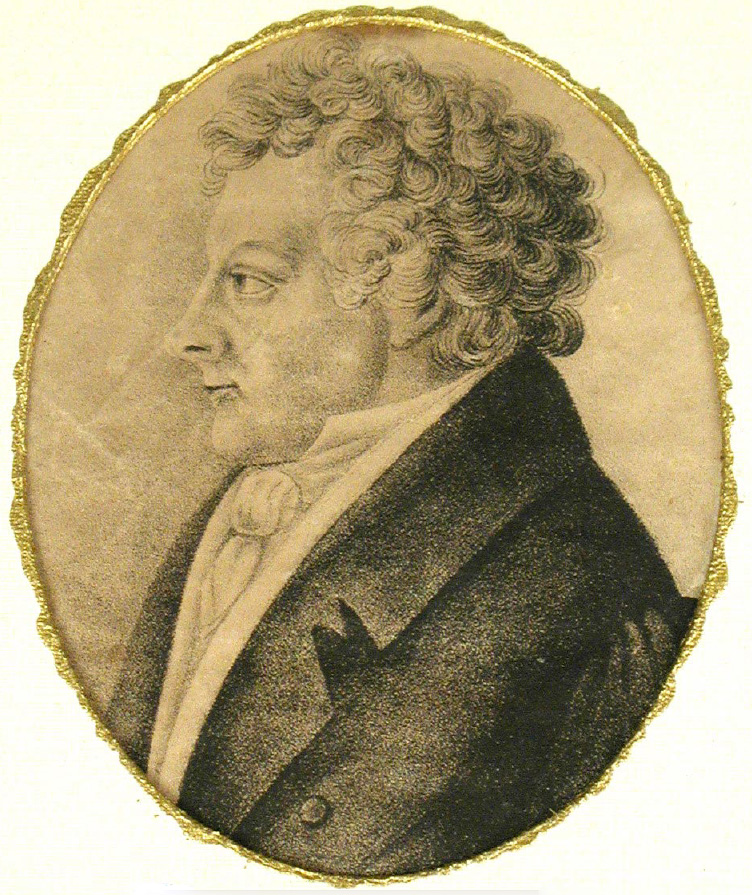
Handbuch der menschlichen Anatomie. 4 vols.
1818 CE
#408
Afbeeldingen van de juiste plaatsing der inwendige deelen van het menschelijk ligchaam.
First anatomical illustrations of frozen sections. De Riemer appears to have been the first to freeze tissues in order to permit fine sectioning for the purposes of diagnosing diseased tissue. Digital facsimile from U…
1821 CE–1831 CE
#409
Anatomie de l’homme, ou descriptions et figures lithographiées de toutes les parties du corps humain. 5 vols.
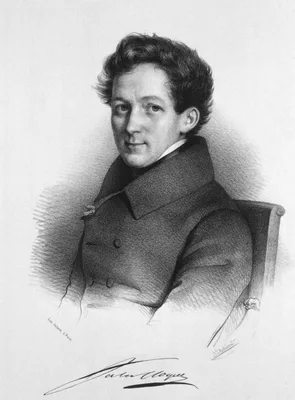
The first anatomical atlas illustrated by lithography, containing 300 plates in folio format. This was one of the most elaborate of the lithographic “incunabula” produced by Charles Philibert de Lasteyrie,…
1828 CE
#410
Elements of descriptive and practical anatomy.
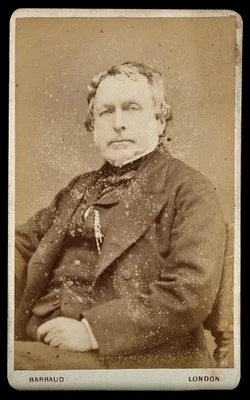
Among the most important of the English textbooks on anatomy. An eleventh edition was published in 1908-29.
1833 CE
#411
Anatomical studies of the bones and muscles, for the use of artists. From drawings by the late John Flaxman, Esq. R.A. Engraved by Henry Landseer. With two additional plates, and explanatory notes, by William Robertson.
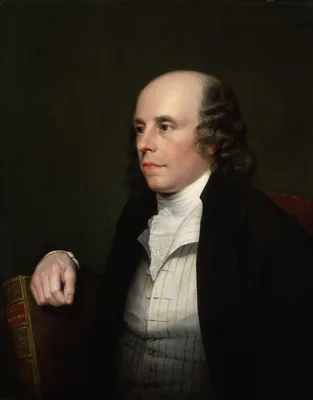
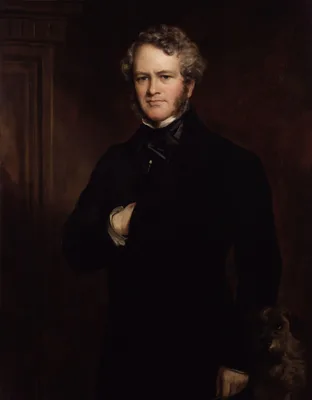
Digital facsimile from digitalcollections.nypl.org at this link.
1845 CE
#412
On a hitherto undescribed structure in the human hair sheath.
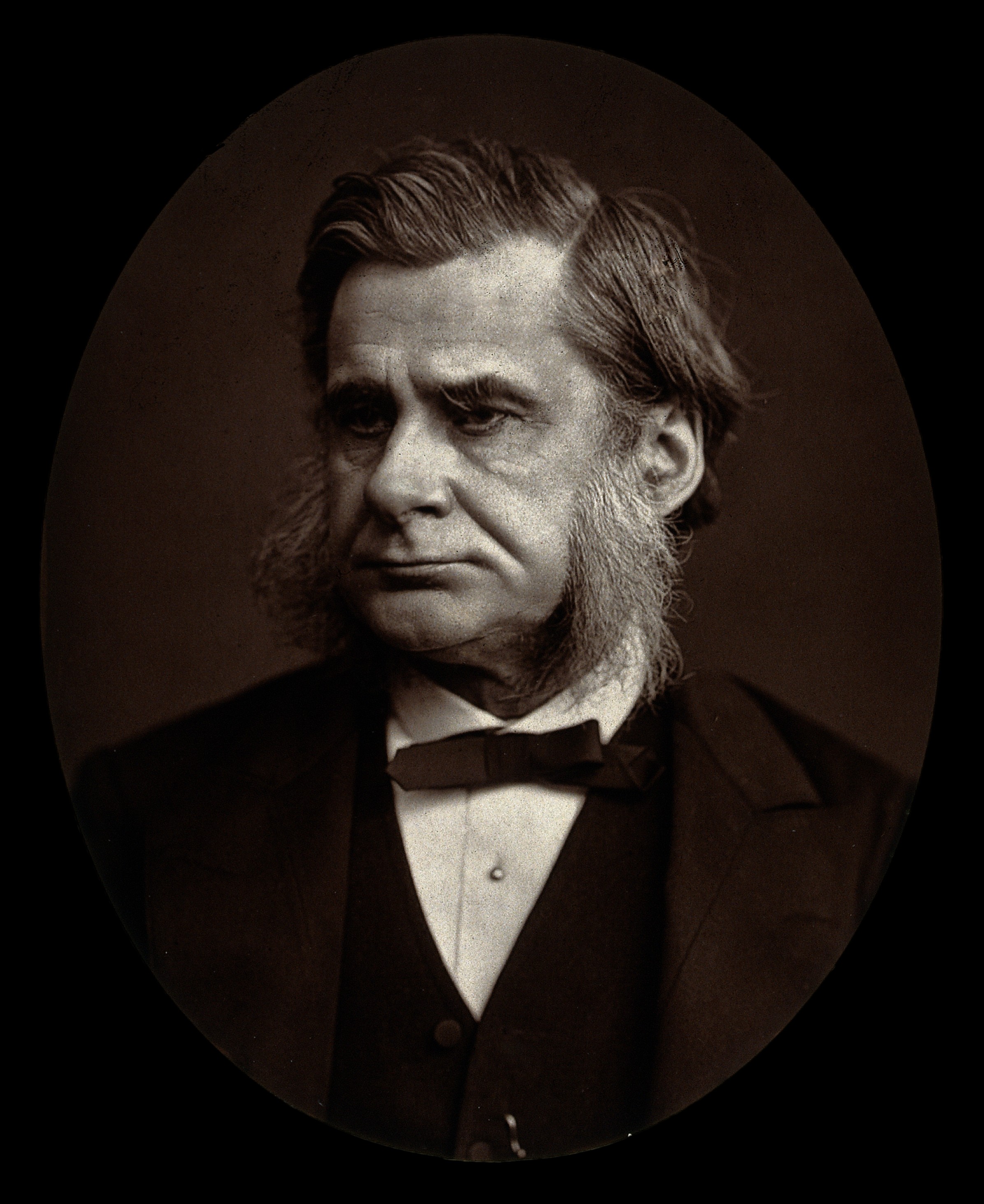
“Huxley’s layer” and “membrane” of the root sheath of hair follicles.
1846 CE
#413
Lehrbuch der Anatomie des Menschen.
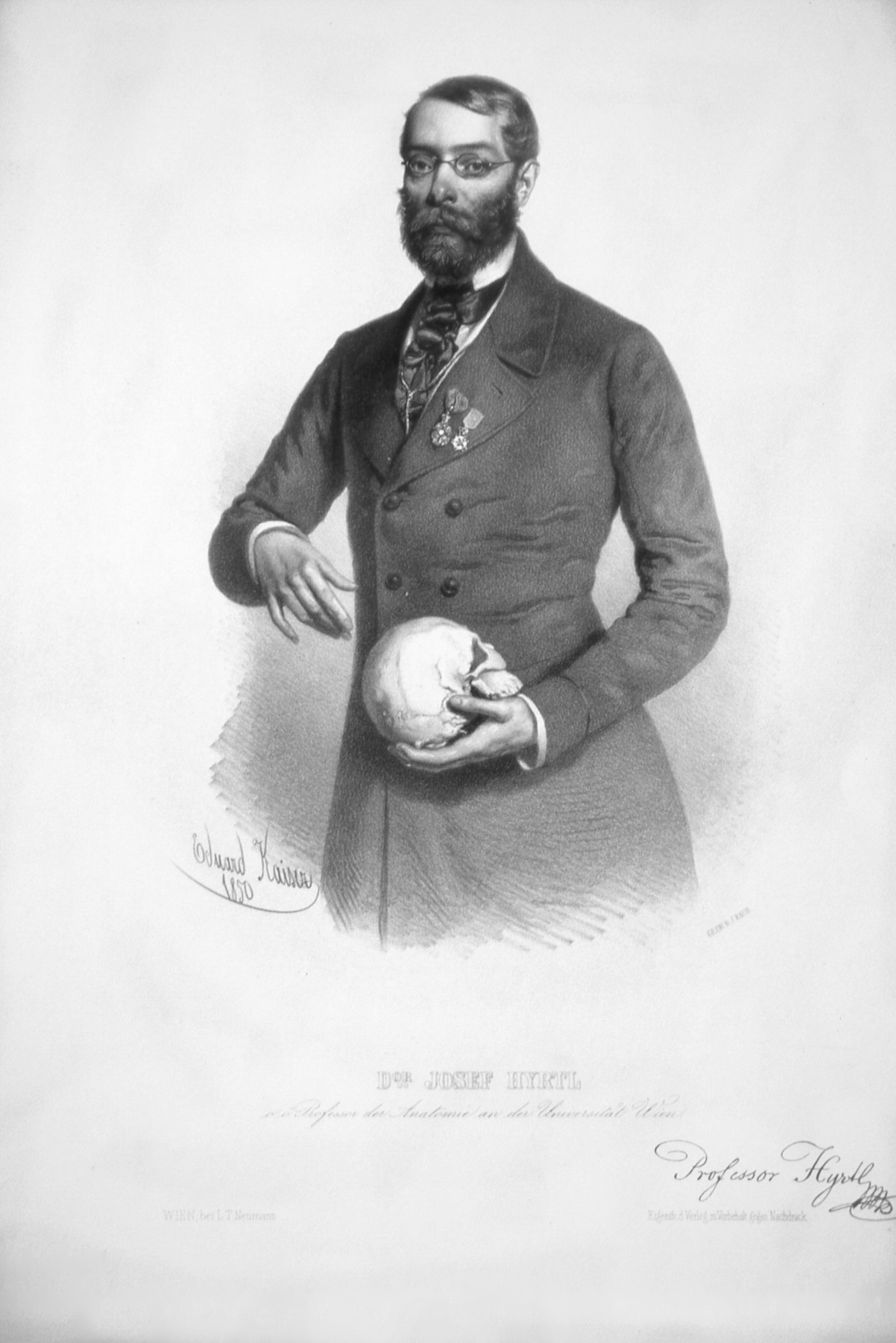
Hyrtl’s Lehrbuch passed through 22 editions and was translated into the principal modern languages.
1847 CE
#414
Handbuch der topographischen Anatomie. 2 vols.
Hyrtl, professor of anatomy at Vienna, published the first text on topographical anatomy in German. He was for 30 years the most popular lecturer on the subject in Europe, and ranks as one of the greatest of medical s…
1852 CE
#415
A manual of artistic anatomy.
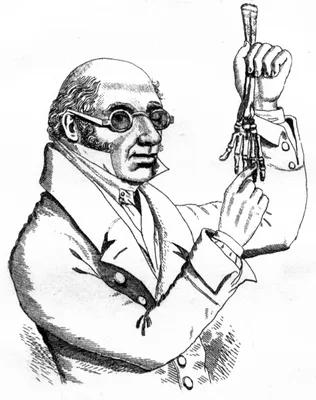
Knox, remembered because of his indiscreet association with the Edinburgh “resurrectionists”, was one of the best teachers of anatomy during the 19th century.
1852 CE–1859 CE
#416
Anatome topographica sectionibus per corpus humanum congelatum triplici directione ductis illustrata. 8 pts.
Pirogov was the greatest of Russian surgeons. He introduced the teaching of applied topographical anatomy in Russia. His atlas of 220 plates represents the first use on a grand scale of frozen sections in anatomical i…
1855 CE–1871 CE
#417
Handbuch der systematischen Anatomie des Menschen. 3 vols.
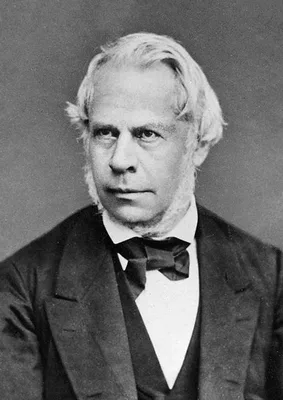
Considered by many authorities to be the greatest of the 19th-century systems of anatomy. Many structures are named after Henle, including the looped portion of the uriniferous tubules of the kidney, the layer of cell…
1858 CE
#418
Anatomy, descriptive and surgical
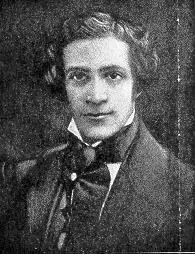
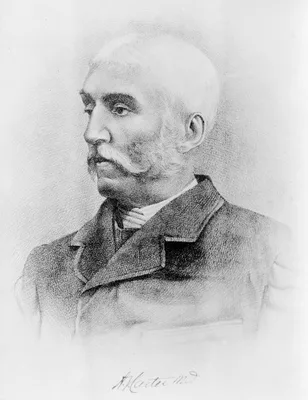
Gray’s textbook of anatomy remains today a standard work on the subject in the English-speaking world. The 37th edition appeared in 1989; the first American edition was published at Philadelphia, 1859. Digital f…
1858 CE
#419
A treatise on the human skeleton, including the joints.
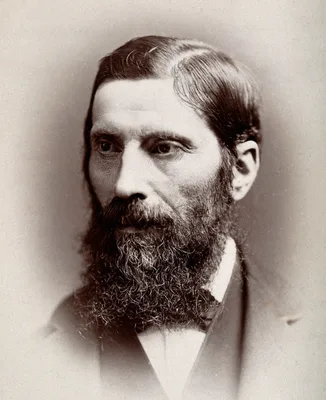
Humphry was professor of anatomy at Cambridge and became the first professor of surgery there. He founded the Journal of Anatomy and Physiology in 1867. “Humphry’s ligament” of the knee-joint is desc…
1858 CE
#420
Des moyens chirurgicaux de favoriser la reproduction des os après les résections.
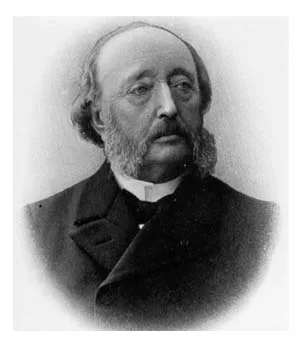
“Ollier’s layer”, the osteogenetic layer of the periosteum.
1861 CE
#421
An elementary treatise on human anatomy.
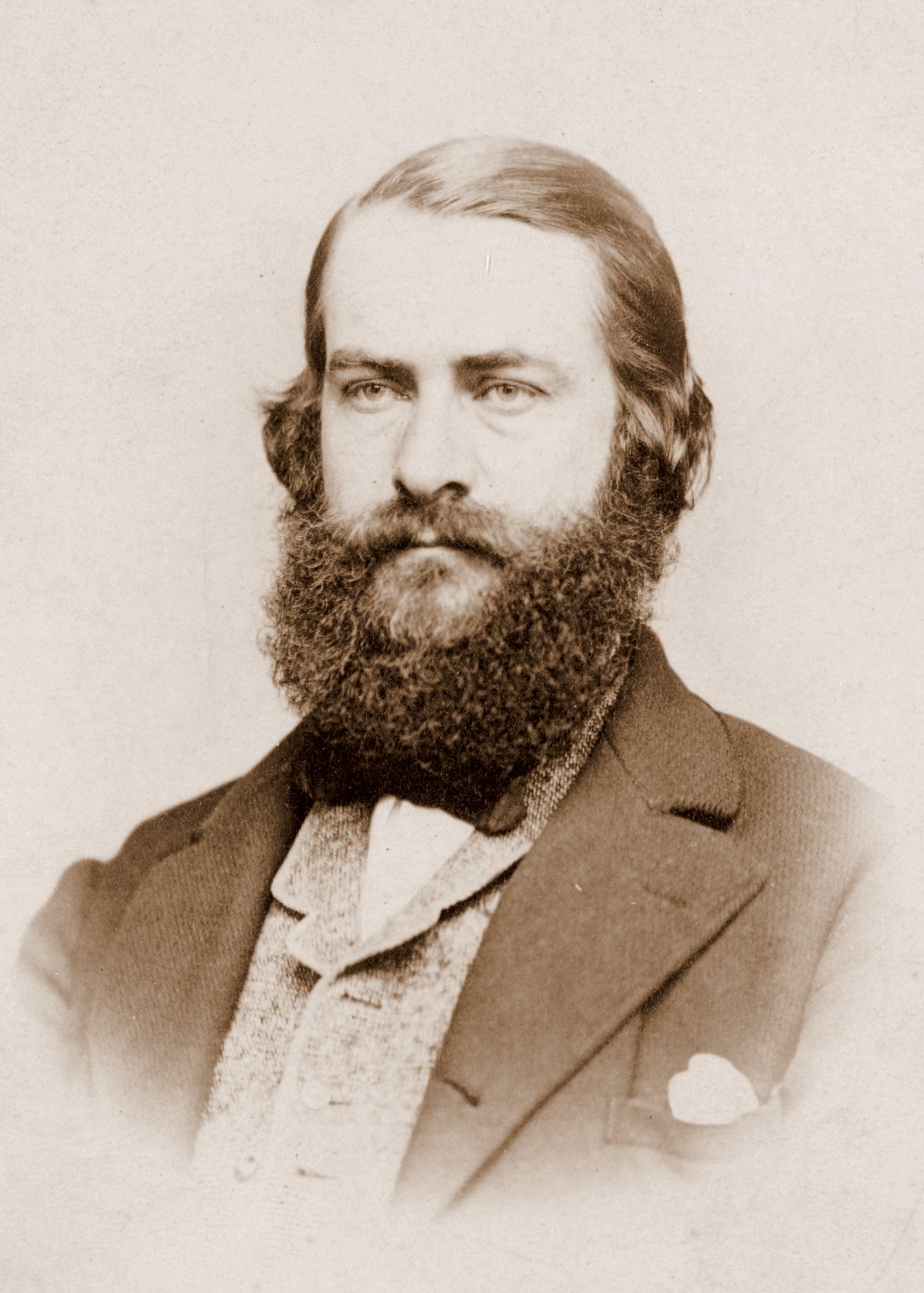
Leidy illustrated this book himself. He was professor of anatomy at Philadelphia and the leading American anatomist of his time.
1855 CE–1869 CE
#422
Medical anatomy: or, illustrations of the relative position and movements of the internal organs. 7 pts.
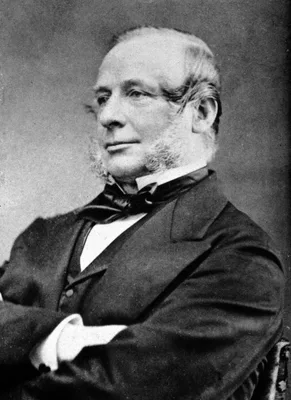
Sibson was professor of medicine at St. Mary’s Hospital. “Sibson’s fascia” and “muscle” are named after him. Plates 19-21 show movements, structure and sounds of the heart.
1870 CE
#423
Die descriptive und topographische Anatomie des Menschen.
1872 CE
#424
Topographisch-anatomischer Atlas. Nach Durchschnitten angefrornen Cadavern.
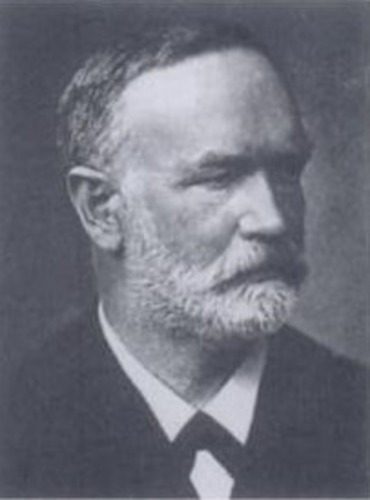
Fine illustrations of frozen sections. Translated into English by Edward Bellamy as An atlas of topographical anatomy after plane sections of frozen bodies. (Philadelphia: Lindsay and Blakiston, 1877).
1873 CE
#425
Die Corrosions-Anatomie und ihre Ergebnisse: mit 18 chromolithographirten Tafeln.
Hyrtl significantly enhanced the techniques of corrosion anatomy, a technique of preparing anatomical specimens invented by Frederik Ruysch. He built up a collection unsurpassed in Europe. In this work Hyrtl described…
1884 CE
#426
Observations on the relation of the principal fissures and convolutions of the cerebrum to the outer surface of the scalp.
Reid’s base line – the anthropometric base line on the skull.
1886 CE
#427
Plastische Anatomie des menschlichen Körpers.
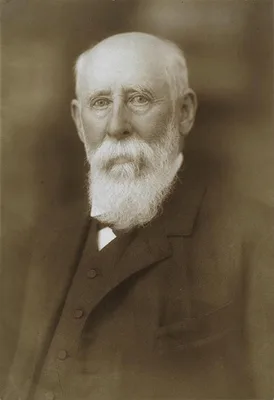
“Illustrated with lithographs from hand-drawings, photographs from the nude, ethnic studies of facial features…The text…is of unusual historic interest, and includes special chapters on the anatomy…
1889 CE–1892 CE
#428
Traité d’anatomie humaine. 3 vols.
7th edition, 1921-23.
1892 CE–1895 CE
#429
Dissections illustrated.
“Brodie’s ligament”, the transverse humoral ligament, described.
1895 CE–1903 CE
#430
Handatlas der Anatomie des Menschen. 3 vols.
16th edition in English, 1967.
1893 CE
#431
Atlas of head sections. Fifty-three engraved copperplates of frozen sections of the head, and fifty-three key plates with descriptive texts.
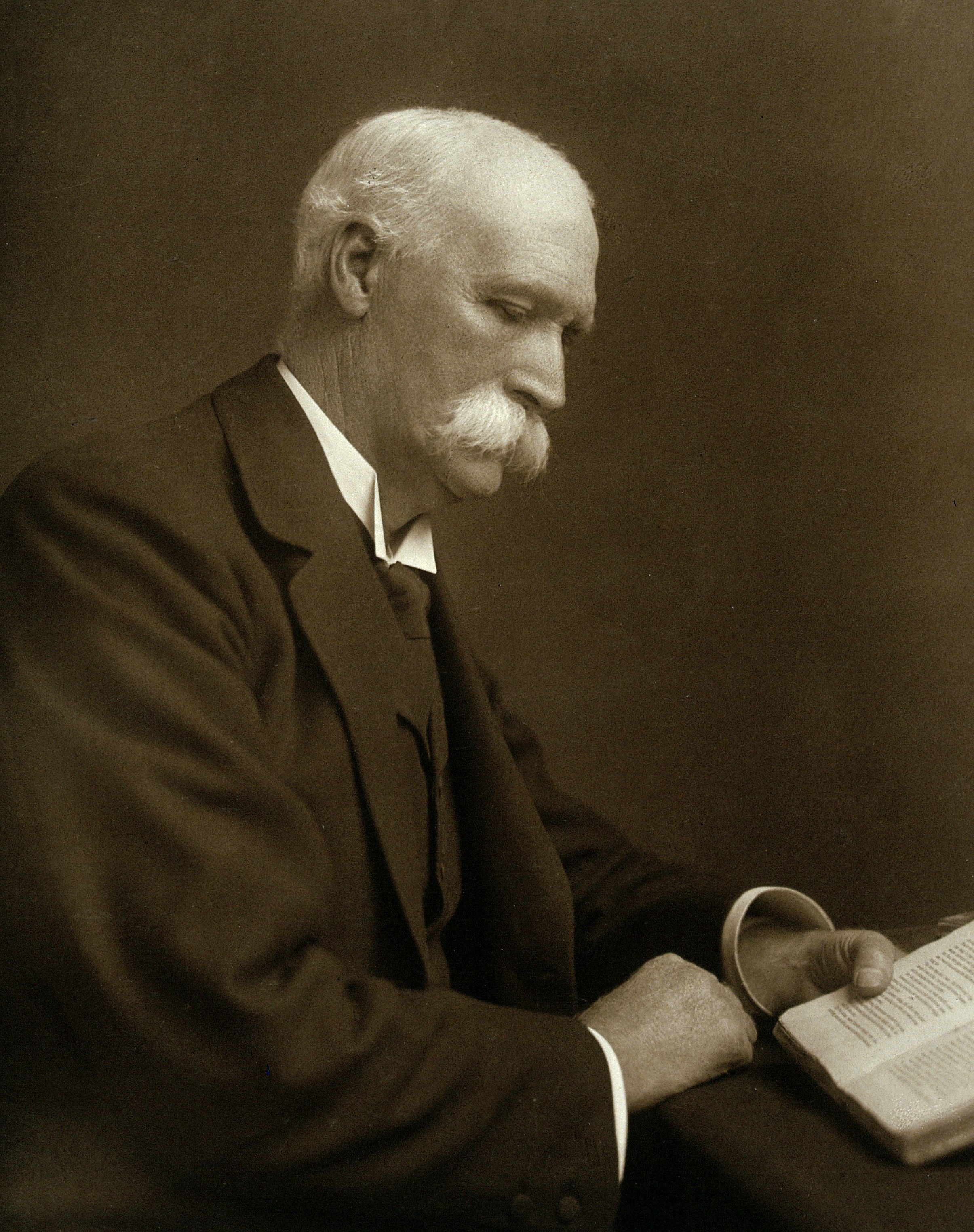
Intended to supplement and illustrate Macewen’s neurosurgical textbook published the same year (No. 4872). Includes coronal, sagittal and horizontal sections with commentary on each.
1895 CE
#432
Die anatomische Nomenclatur.
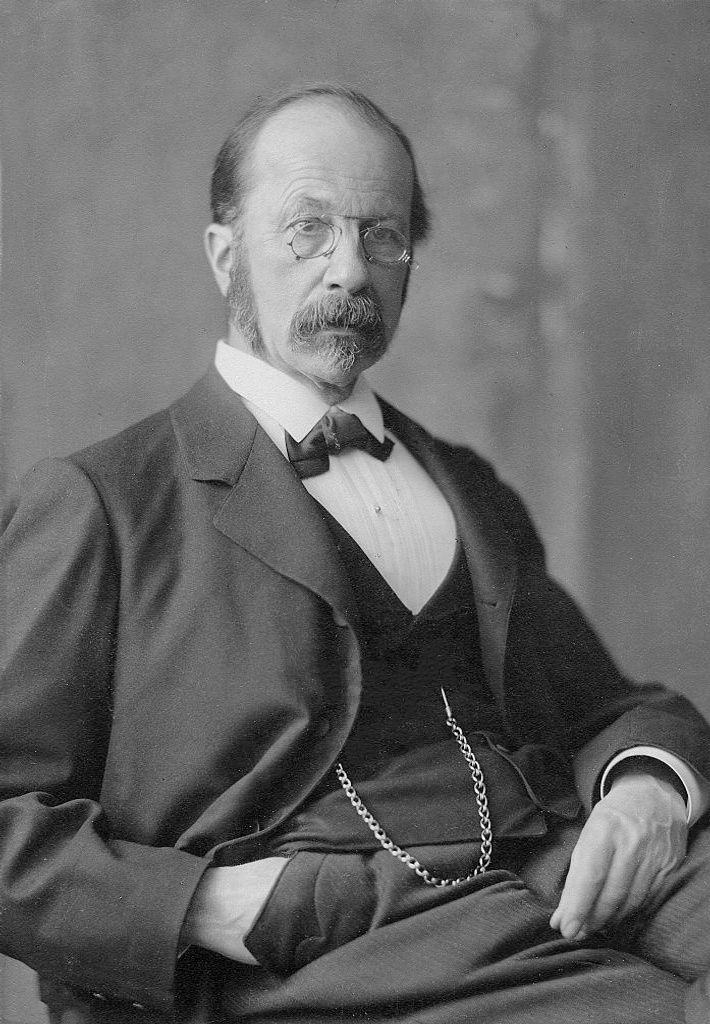
His was largely responsible for the Basle Nomina Anatomica, the first attempt to produce a standard anatomical nomenclature. English translation by L.F. Barker, 1907.
1896 CE–1934 CE
#433
Handbuch der Anatomie des Menschen. 32 parts.
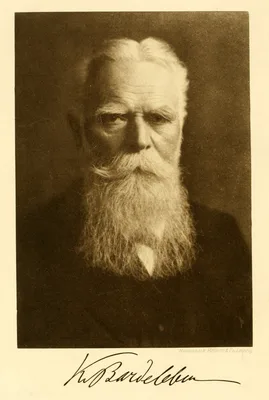
An important collective work.
1906 CE
#434
Lehrbuch der systematischen Anatomie des Menschen.
1913 CE–1914 CE
#435
Die Anatomie des Menschen. 3 pts.
1957 CE
#436
Nomina anatomica Parisiensia (1955) and B.N.A. (1895).
Includes historical sketch of the systems of anatomical nomenclature.
1597 CE
#437
Anatomica corporis virilis et muliebris historia.
1774 CE–1777 CE
#438
Bibliotheca anatomica. 2 vols.
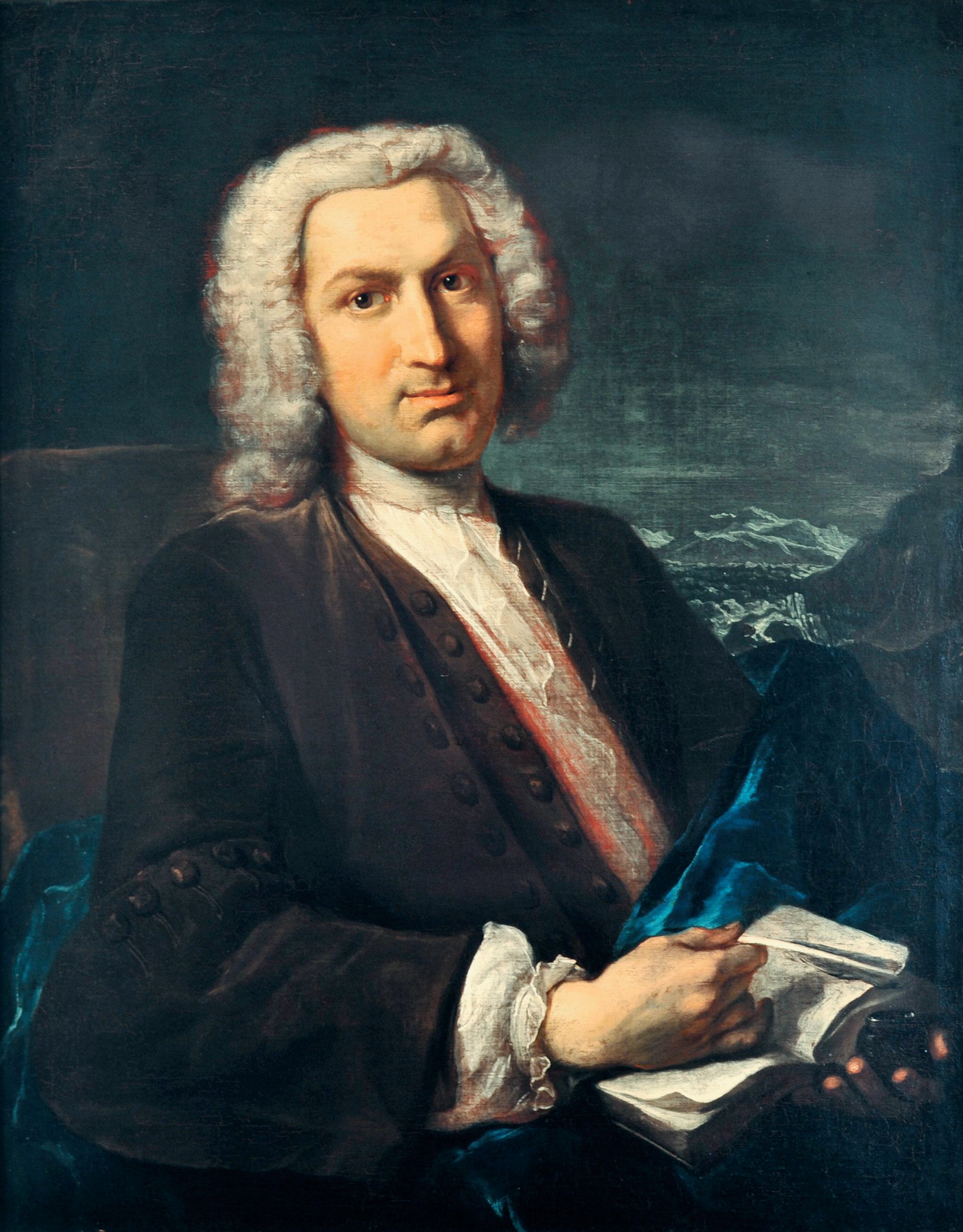
Haller is one of the greatest names in medical bibliography. While pursuing his monumental scientific career he found time to compile bibliographies of botany, anatomy, medicine and surgery which together form the mos…
1835 CE
#439
Antiquitates anatomicae rariores, quibus origo, incrementa et status anatomes, apud antiquissimae memoriae gentes, historica fide illustrantur.
Anatomical terms used in antiquity, representing to a certain, extent a survey of the literature of ancient medicine available to Hyrtl. Digital facsimile from The Medical Heritage Library, Internet Archive, at this l…
1852 CE
#440
Geschichte und Bibliographie der anatomischen Abbildung.
In this classic work Choulant traced the evolution of anatomical illustration from the early schematic plates up to his own time, including a valuable bibliography. Reprinted, Wiesbaden, 1974. An English translation b…
1870 CE
#442
A sketch of the early history of practical anatomy. The introductory address to the course of lectures on anatomy at the Philadelphia School of Anatomy.
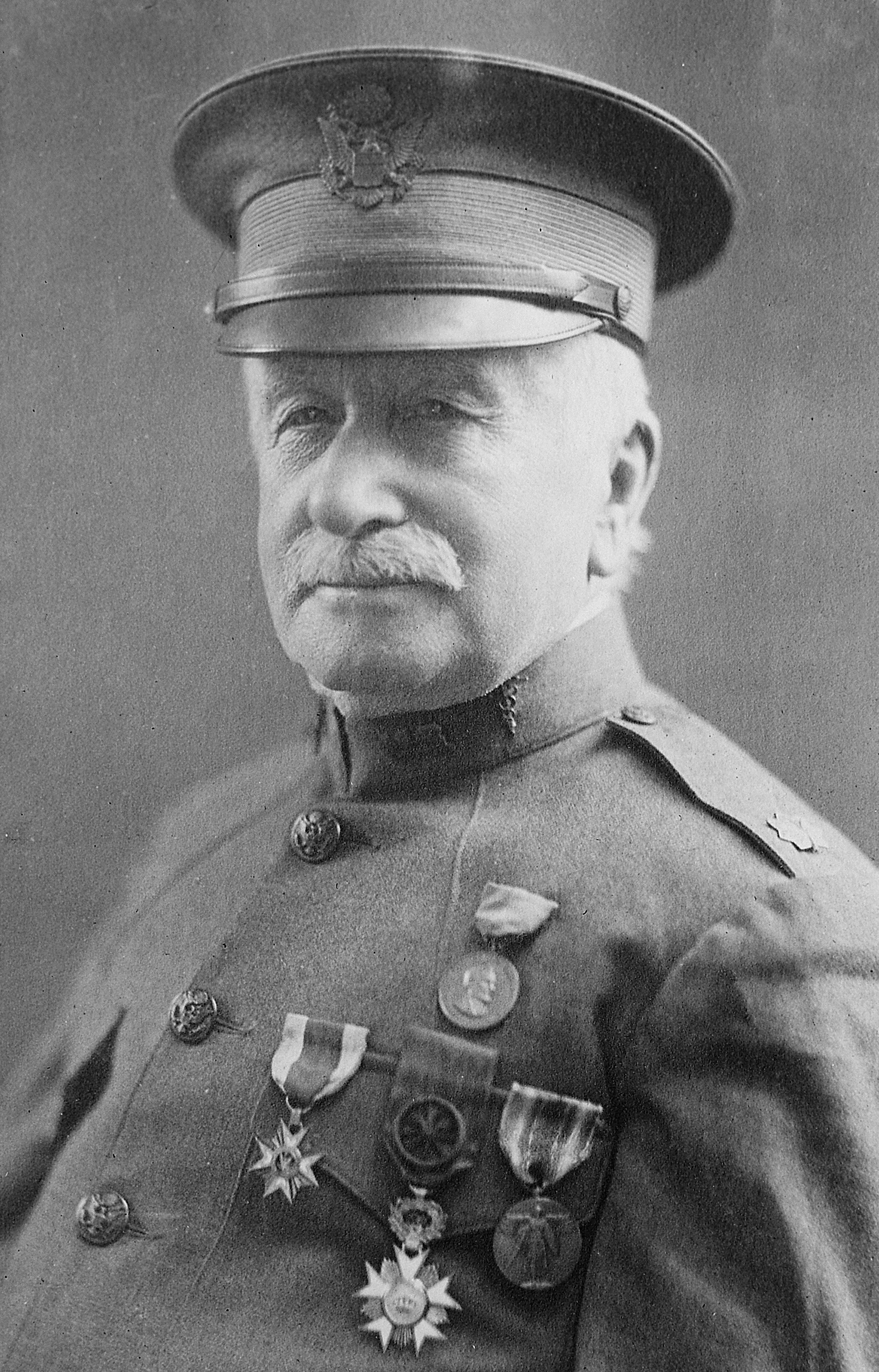
Reprinted in 1874 by Lippincott as a separate pamphlet, and in Keen’s Addresses and other papers, Philadelphia, 1905.
1879 CE
#443
Das Arabische un Hebräische in der Anatomie.
Hyrtl, professor of anatomy at Prague and Vienna, retired in 1874 and devoted his leisure to the writing of this and his Onomatologia anatomica. Garrison considered Hyrtl, along with Littré, among the greatest …
1880 CE
#444
Onomatologia anatomica. Geschichte und Kritik der anatomischen Sprache der Gegenwart, mit besonderer Berücksichtigung ihrer Barbarismen, Widersinnigkeiten, Tropen und grammatikalischen Fehler.
A classic work on anatomical terminology. Digital facsimile from Biodiversity Heritage Library at this link.
1898 CE
#446
Histoire d’anatomie plastique: Les maitres, les livres et les écorchés.
Digital facsimile from the Internet Archive at this link.
1898 CE
#447
Studien zur Geschichte der Anatomie im Mittelalter.
1903 CE
#448
Geschichte der Anatomie.
1904 CE
#449
Die Anfänge der Anatomie bei den alten Kulturvölkern.
Abhandlungen zur Geschichte der Medizin, Breslau, Heft 9.
1905 CE
#450
Anatomy in America.
1907 CE
#451
Tradition und Naturbeobachtung in den Illustrationen medicinischer Handschriften und Frühdrucke vornehmlich des 15. Jahrhunderts.
1908 CE
#452
Ein Beitrag zur Geschichte der Anatomie im Mittelalter, speziell der anatomischen Graphik nach Handschriften des 9. bis 15. Jahrhunderts.
Studien zur Geschichte der Medizin, Leipzig, Heft 4. Reprinted Hildesheim, 1964.