
Entry Nos. 13900–13999
98 Garrison-Morton entries in this range.
1707 CE
#13900
Myographiae comparatae specimen: or, a comparative description of all the muscles in a man and in a quadruped. Shewing their discoverer, origin, progress, insertion, use, and difference. To which is added, an account of the muscles peculiar to a woman. With an etymological table, and several useful index's.
"As for the comparative part of this treatise, or the interlacing the descriptions of the human muscles with these of the canine, that needs no apology. The many useful discoveries known from the dissection of quadrup…
1872 CE
#13901
Notice sur le musée d'histoire naturelle de Colmar et aperçu historique sur le musée des Unterlinden en général.
1981 CE
#13902
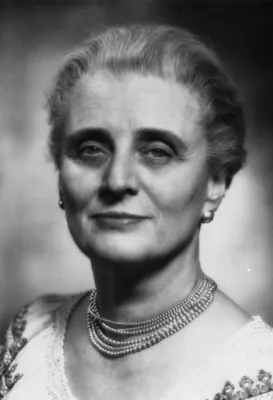
The family book about sexuality.

2022 CE
#13903
The transformation of American sex education: Mary Calderone and the fight for sexual health.

2022 CE
#13904
Women healers: Gender, authority, and medicine in early Philadelphia.
1918 CE
#13905
Die Stacheldraht-Krankheit: Beiträge zur Psychologie des Kriegsgefangenen. 2 vols.
Translated into English as Barbed wire disease: A psychological study of prisoners of war. Translated from the German, with additions. London: Bale & Danielson, 1919.
2011 CE
#13906
Barbed wire disease: British & German prisoners of war, 1914-19.
"By the time of the Armistice in 1918, around 6.5 million prisoners of war were held by the belligerents. Little has been written about these prisoners, possibly because the story is not one of unmitigated suffering a…
1885 CE
#13907
Untersuchungen über den Stoffwechsel isolirte Organe. I. Ein Respirationsapparat für isolirte Organe. II. Versuche über den Stoffwechsel des Muskels.
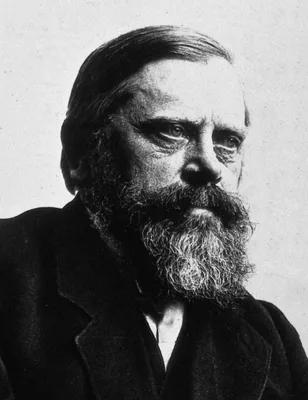
(Part 1 by Frey & Gruber; Part 2 by Frey.) Frey and Gruber developed the first heart-lung machine. Their machine "consisted of a double-acting pump in the form on an injection syringe with a capacity of 10 ml, which i…
1787 CE
#13908
Descripcion de diferentes piezas de historia natura, las mas del ramo maritimo.
The first scientific book printed in Cuba. The striking illustrations are by the author's son, and depict fish, turtles, and crustacieans observed along the Cuban shoreline. The final section contains three alarming i…
1830 CE
#13909
Recherches expérimentales sur le sang human considérè à l'état sain.
Denis discovered the presence of cholesterol (“cholestérine”) in the blood. This he announced on p. 110 of his Recherches expérimentales.
2017 CE
#13910
Syphilis in Victorian literature and culture: Medicine, knowledge and the spectacle of invisibility.
1821 CE–1824 CE
#13911
A sketch of the botany of South-Carolina and Georgia. 2 vols.
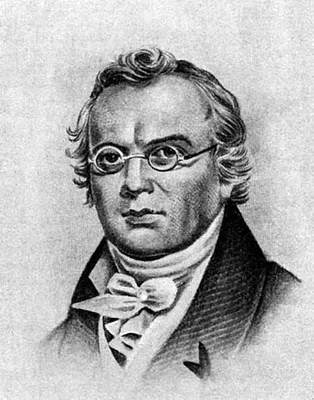
A founding work of botany of the American South, containing first botanical descriptions of many species. Initially published in parts from 1816 to 1824. Digital facsimile from Biodiversity Heritage Library at this link.
1950 CE
#13912
Catalogue of an exhibition illustrating prehistoric man in health and sickness. With an introduction by E. Ashworth Underwood.
#13913
Bibliotheca Bernardiana: Or, A catalogue of the library of the late Charles Bernard, Esq; Serjeant Surgeon to Her Majesty. Containing a curious collection of the best authors in physic, history, philology, antiquities ... With several MSS. Ancient and modern which will begin to be sold by auction on Thursday the 22nd of March, 1710-11. At the Black-Boy Coffee-House in Ave-Mary-Lane, near Ludgate-Street.
Catalogue compiled by Jacob Hooke. Digital facsimile from Google Books at this link.
1965 CE
#13914
Attempts to demonstrate a transmissible agent in Kuru, Amyotrophic Lateral Sclerosis, and other subacute and chronic progressive nervous system degenerations in man. Addendum p. 46 in: Slow, latent, and temperate virus infections. NINDB Monograph No. 2. Edited by D. Carleton Gajdusek, Clarence J. Gibbs, Jr., and Michael Alpers.
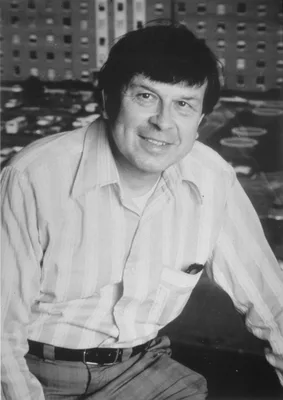
In their Addendum on p. 46 the authors stated that 20 and 21 months post innocculation in the brain with brain material from Kuru patients two chimpanzees showed symptoms of an illness suggestive of Kuru. Digital facs…
1919 CE
#13915
The physical basis of heredity.
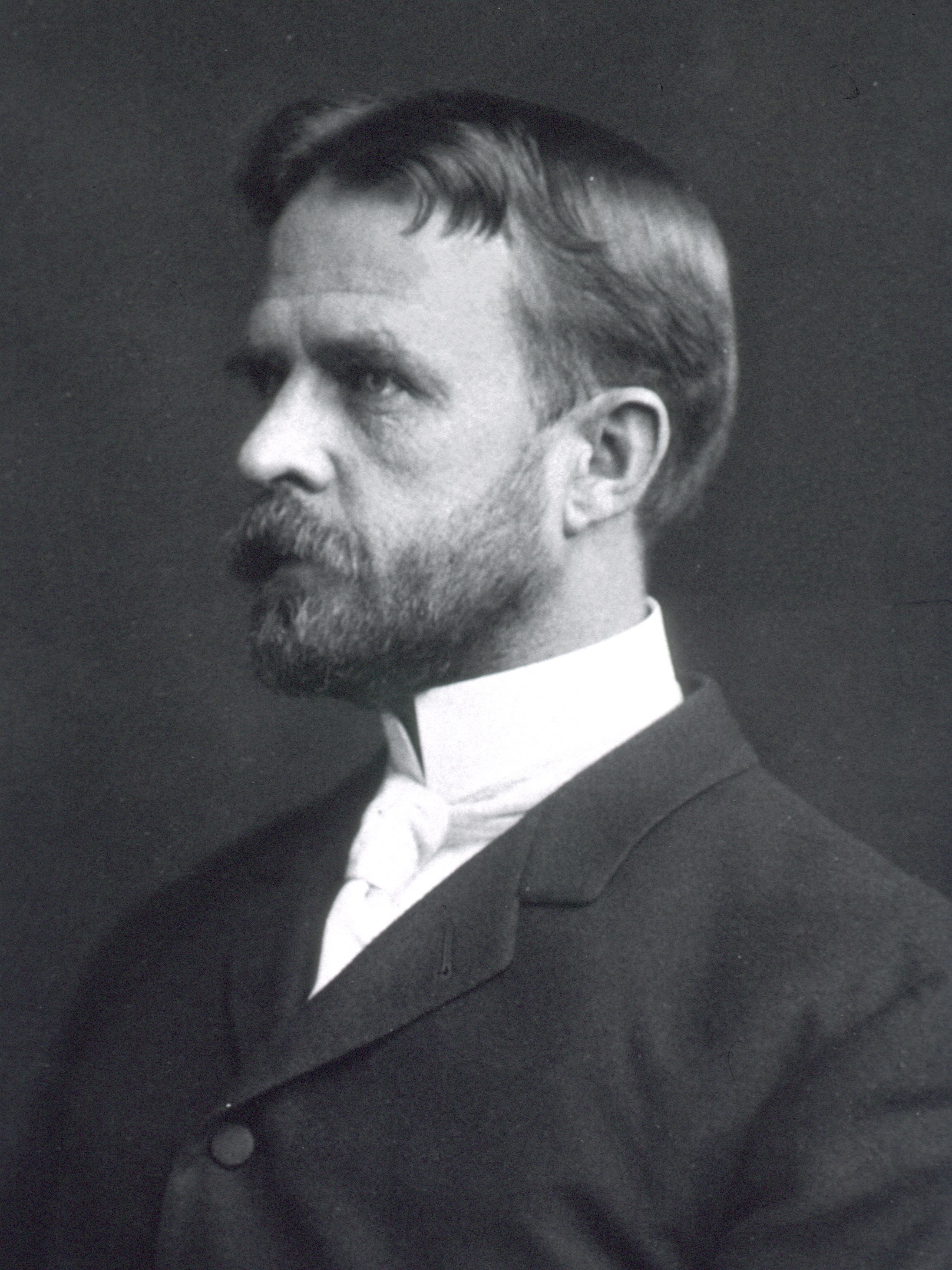
In this book Morgan first used the word gene. Previously he had used the term "Mendelian unit" or "factor." On the basis of genetic analysis Morgan presented a number of characteristics of genes: 1. A gene could have …
2021 CE
#13916
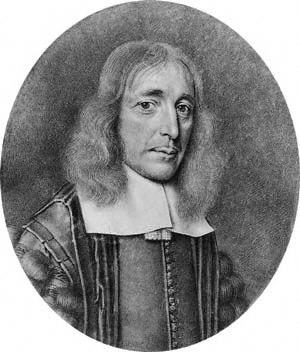
"All manner of ingenuity and industry." A bio-bibliography of Dr. Thomas Willis 1621-1675 by Alastair Compston.

2022 CE
#13917
Flesh and bones: The art of anatomy. By Monique Kornell. With contributions by Thisbe Gensler, Naoko Takahatake, Erin Travers.
Chapters by Monique Kornell are: 1. The Illustration of Anatomy, 2. The Living Dead: Animated Anatomy, 3. Arts and Anatomy Books, 4. Anatomy and the Antique, 5. "As Large as Nature": Life Size Anatomical Illustration,…
1980 CE
#13918
Gene transfer in intact animals.
Cline and colleagues were the first to successfully transfer a functioning gene into a living mouse, creating the first transgenic organism.
1664 CE
#13919
Musaeum Septalianum Manfredi Septalae.
"... description of the museum formed by Lodovico Settala, a physician of Milan, and his son, Manfredo, a Canon of the Cathedral. It describes their collections of both artifical and natural curiosities, including pla…
1678 CE
#13920
Romani Collegii Societatis Jesu Musaeum celeberrimum.
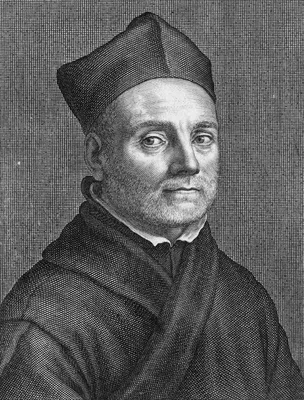
The first catalogue of Kircher's museum collected by Kircher at the Jesuit College in Rome between 1651 and 1680. Digital facsimile from the Internet Archive at this link.
1706 CE
#13921
Wondertooneel der nature, geopent in eene korte beschryvinge der hoofddeelen van de byzondere zeldsaamheden daar in begrepen; in orde gebragt en bewaart.
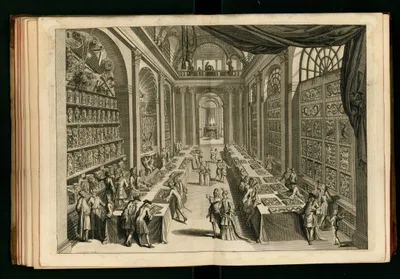
Catalogue of the collection of natural history commenced by Anthony Breda and considerably enriched and expanded by his brother-in-law Levinus Vincent, a merchant of luxurious textiles. Digital facsimile from the Biod…
1743 CE
#13922
Museum Richterianum continens fossilia animalia, vegetabilia marina.
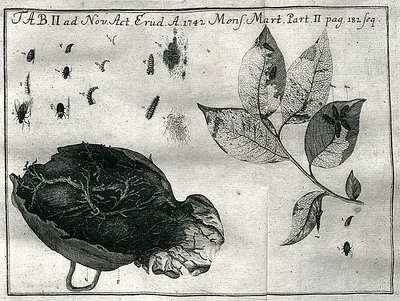
Catalogue of the cabinet of curiosities formed by the merchant and collector Johann Richter. Digital facsimile from Biodiversity Heritage Library at this link.
1903 CE
#13923
Notes on the treatment of yellow fever at Las Animas Hospital, the hospital of the Sanitary Department, during the epidemic of 1900 at Havana, Cuba.
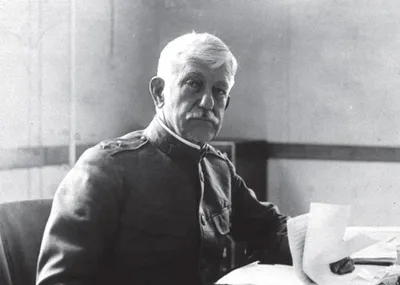
In 1901 Gorgas was sent to Havana to undertake a special campaign against the yellow fever mosquito Aëdes aegypti. His methods of sanitation were so successful that in three months yellow fever was practically er…
1912 CE
#13924
The cinematograph as an aid to medical education and research: A lecture illustrated by moving pictures of ultramicroscopic life in the blood and tissues, and of surgical operations.
2012 CE
#13925
The educated eye: Visual culture and pedagogy in the life sciences. Edited by Nancy Anderson and Michael R. Dietrich.
2012 CE
#13926
Learning with the lights off: Educational film in the United States. Edited by Devin Orgeron, Marsha Orgeron, Dan Streible.
1820 CE
#13927
Hamse-i-Sânizade.
Written in Ottoman Turkish, and printed in Istabul, this was the first illustrated medical book printed in the Muslim world. Digital facsimile from the Bayerische StaatsBibliothek at this link.
1975 CE
#13928
Darwinian evolution in the genealogy of haemoglobin.

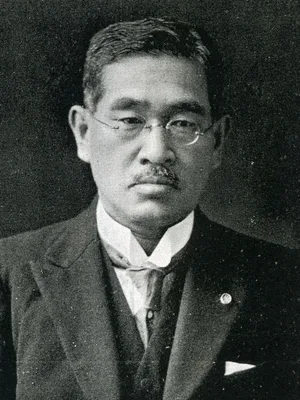
In 1975 Goodman and his collaborators used sequence data to reconstruct the evolutionary history of hemoglobin (including possible ancestral sequences) and analyze which sites on the hemoglobin complex had evolved at …
1979 CE
#13929
Transformation of mammalian cells with genes from procaryotes and eucaryotes.

Axel, along with microbiologist Saul J. Silverstein and geneticist Michael H. Wigler, discovered a technique of cotransformation via transfection. This process, which allows foreign DNA to be inserted into a host cell…
1991 CE
#13930
A novel multigene family may encode odorant receptors: A molecular basis for odor recognition.

"In their landmark paper published in 1991, Buck and Axel cloned olfactory receptors, showing that they belong to the family of G protein coupled receptors. By analyzing rat DNA, they estimated that there were approxi…
1987 CE
#13931
Site-directed mutagenesis by gene targeting in mouse embryo-derived stem cells.

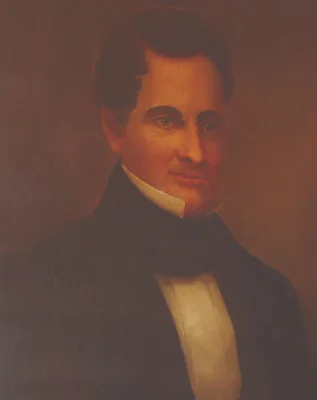
In 2007 Capecchi shared the 2007 Nobel Prize in Physiology or Medicine with Martin J. Evans and Oliver Smithies "for their discoveries of principles for introducing specific gene modifications in mice by the use of em…
1982 CE
#13932
Self-splicing RNA: Autoexcision and autocyclization of the ribosomal RNA intervening sequence of tetrahymena.


Discovery of ribozymes (ribonucleic acid enzymes). Cech discovered that RNA itself could cut strands of RNA, suggesting that life might have started as RNA. "In the 1970s, Cech had been studying the splicing of RNA in…
1970 CE
#13933
Genetic control of the cell-division cycle in yeast 1. Detection of mutants.

This was the first paper to describe cdc mutants. The authors also coined the term 'execution point' — the stage in the cell cycle when the gene function is required. In this paper, three cdc genes were describe…
1974 CE
#13934
Genetic control of the cell division cycle in yeast.
In 2001 Hartwell shared the Nobel Prize in Physiology or Medicine with Tim Hunt and Sir Paul M. Nurse "for their discoveries of key regulators of the cell cycle." See also No. 13933. In this paper the authors demonstr…
1968 CE
#13935
Reconstruction of three-dimensional structures from electron micrographs.
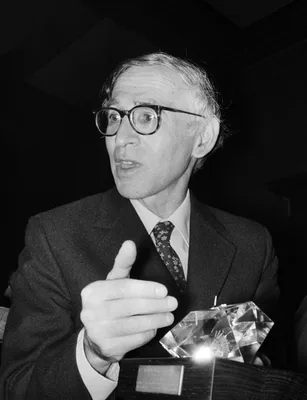
Klug and deRosier invented methods for two-dimensional and three-dimensional digital image processing of electron microscope images. The latter method provided the theory behind the development of computed tomography …
1985 CE
#13936
Repetitive zinc-binding domains in the protein transcription factor IIIA from Xenopus oocytes.


Discovery of Zinc fingers, a protein structural motif. "Zinc fingers were first identified in a study of transcription in the African clawed frog, Xenopus laevis in the laboratory of Aaron Klug. A study of the transcr…
1951 CE
#13937
Conditions de l'efficacité inductice du rayonnement ultra-violet chez une bactérie lysogène.
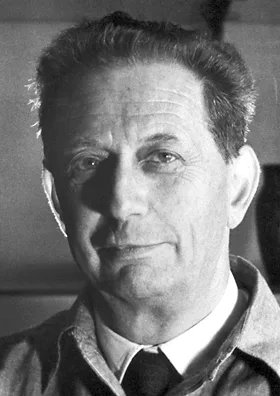
Lwoff successfully explained how the process of lysogeny works. The bacteriophage’s genes are incorporated into the bacteria’s genetic material, but remain latent until a trigger factor causes a new phage …
1952 CE
#13938
Rôle des cations bivalents dans l'induction du développement du prophage par les agents reducteurs.
Lwoff gave the name "prophage" to the form in which the genome of the bacteriophage is perpetuated in lysogenic bacteria. The bacteriophages produced by these bacteria, known as temperate bacteriophages, can therefore…
1966 CE
#13939
N-Formyl-methionyl-sRibonucleic acid and chain initiation in protein biosynthesis - polypeptide synthesis directed by a bacteriophage ribonucleic acid in a cell-free system.
Marcker discovered that the biosynthesis of proteins is always initiated by a tRNA molecule that carries the modified amino acid formyl-methionine.
1987 CE
#13940
Targeted correction of a mutant HPRT gene in mouse embryonic stem cells.
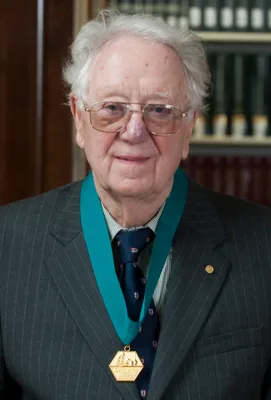
Smithies discovered, simultaneously with Mario Capecchi and Martin Evans, the technique of homologous recombination of transgenic DNA with genomic DNA, a much more reliable method of altering animal genomes than previ…
1952 CE
#13941
Mammalian chromosomes in vitro I: The karyotype of man.
Since the turn of the twentieth century, chromosomes prepared on microscope slides formed clumps that made it extremely difficult to distinguish them. Although the preparations made the identification of individual ch…
1959 CE
#13942
On the topology of the genetic fine structure.
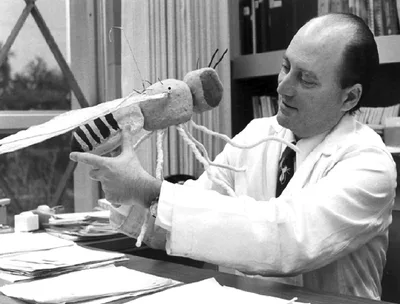
Benzer developed "the T4 rII system, a new genetic technique involving recombination in T4 bacteriophage rII mutants. After observing that a particular rII mutant, a mutation that caused the bacteriophage to eliminate…
2000 CE
#13943
Gene therapy of severe combined immunodeficiency (SCID)-XI disease.

In 1999, With Marina Cavazzana-Calvo and Salima Hacein-Bey, Fischer achieved the first clinical successes in the world of gene therapies for about ten bubble children,[8] two of whom unfortunately developed leukaemias…
1964 CE
#13944
On the colinearity of gene structure and protein structure.
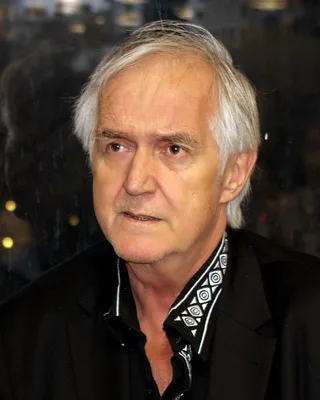
Yanofsky and colleagues established that gene sequences and protein sequences are colinear in bacteria. Order of authorship in the original publication: Yanofsky, Carlton, ... Henning. In genetics, coliniarity is a pr…
1967 CE
#13945
The complete amino acid sequence of the tryptophan synthesase a protein (α Subunit) and its colinear relationship with the genetic map of the gene.
Yanofsky showed that changes in DNA sequence can produce changes in protein sequence at corresponding positions. His work is considered the best evidence in favor of the one gene-one enzyme hypothesis. Order of author…
1953 CE
#13946
Evidence for 2-chain helix in crystalline structure of sodium deoxyribonucleate.
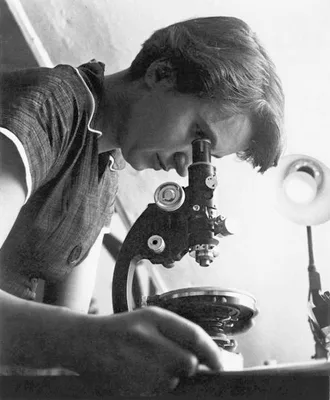
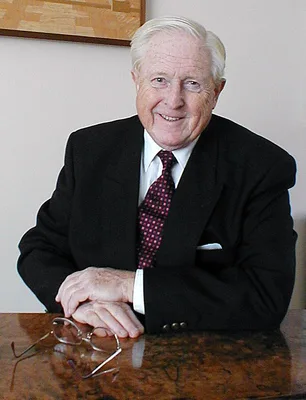
Franklin and Gosling's completed Patterson synthesis of the A-form of DNA, based on work begun in 1952, represents the first independent confirmation that the Watson-Crick double-helix model was correct. "We suggest t…
1968 CE
#13947
The integrated state of viral DNA in SV40-transformed cells.
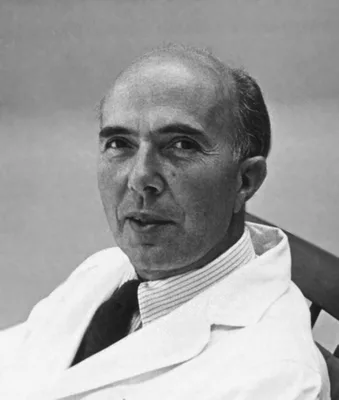
Dulbecco and his group demonstrated that the infection of normal cells with certain types of viruses (oncoviruses) led to the incorporation of virus-derived genes into the host-cell genome, and that this event lead to…
1974 CE
#13948
Chromatin structure: A repeating unit of histones and DNA.

While a postdoctoral fellow working with Aaron Klug and Francis Crick at the MRC in the 1970s, Kornberg discovered the nucleosome as the basic protein complex packaging chromosomal DNA in the nucleus of eukaryotic cel…
1990 CE
#13949
A novel mediator between activator proteins and the RNA polymerase II transcription apparatus.
Kornberg discovered that transmission of gene regulatory signals to the RNA polymerase machinery is accomplished by an additional protein complex dubbed the Mediator. As noted by the Nobel Prize committee, "the great …