
Entry Nos. 1800–1899
97 Garrison-Morton entries in this range.
1525 CE
#1800
Sumario de la natural historia de las Indias.
First known description of the medicinal plants of Central America. Oviedo first described chigoe (“jiggers”?) in this book. "The book is divided into 86 chapters, focused mostly on American flora and faun…
c. 1486 CE–1488 CE
#1801
Arbolayre... Le grant herbier en francois.
GRANT HERBIER
The “Grant herbier” or Arbolayre, the only medieval herbal printed in French, was probably derived from Platearius (No. 1790). Its authorship remains unknown. The “Grete Herball” (No. 1802) is …
1526 CE
#1802
The grete herball whiche geveth parfyt knowlege and understandyng of all maner of herbes and there gracyous vertues.
GRETE HERBAL
The first illustrated English herbal. It was mainly a translation of the French “Grant Herbier”.
1530 CE–1536 CE
#1803
Herbarum vivae eicones ad naturae imitationem, summa cum diligentia & artificio effigiatae, una cum effectibus earundem, in gratiam veteris illius, & jamjam renascentis herbariae medicinae ... Quibus adjecta ad calcem, appendix isagogica de usu & administratione simplicium. 3 vols.
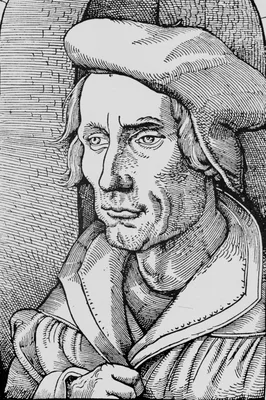
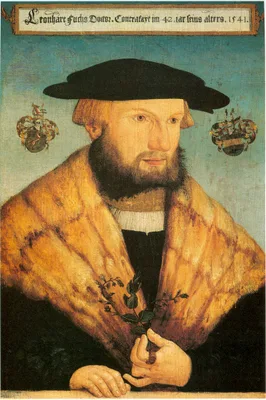
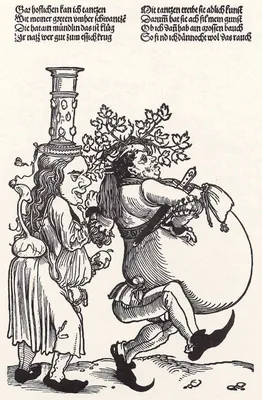
Brunfels published the first two volumes of Herbarum vivae eicones ad nature imitationem, sum[m]a cum diligentia et artificio effigiatae. . .. in 1530 and 1532; the third volume was edited by Michael Heer and publishe…
1536 CE
#1804
Examen omnium simplicium medicamentorum, quorum in officinis usus est.
Brasavola introduced some new drugs into the formulary. The book is written in the form of a dialogue. Digital facsimile from the Internet Archive at this link.
1538 CE
#1805
Libellus de re herbaria novus.
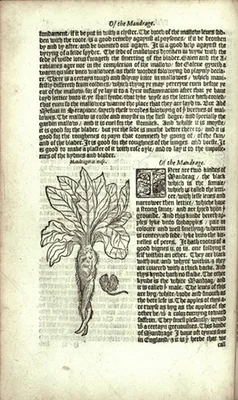
An alphabetical catalogue of plants and medicines made from them. Turner, the “Father of English Botany”, treated plants as simples, and did not attempt to show their relationships. He was a much travelled…
1539 CE
#1806
New Kreütter Buch.
Bock was the first to describe the local flora of Germany, discovering many new species. His work gave a fresh impetus to plant description, With Brunfels and Fuchs he was one of the three “German fathers of bot…
1541 CE
#1807
Historia plantarum et vires ex Dioscoride, Paulo Aegineta, Theophrasto, Plinio, & recentioribus Graecis, iuxta elementorum ordinem, per Conradum Gesnerum Tigurinum. Vna cum rerum & verborum locupletissimo indice.
A pocket dictionary of plants. Gesner, the “German Pliny”, produced the most encyclopedic bibliographies of his time. He attempted a Historia plantarum, which was unfinished at his death. See No. 1809.1. D…
1542 CE
#1808
De historia stirpium commentarii.
Illustrated with full-page woodcut illustrations drawn by Albrecht Meyer, copied onto the blocks by Heinrich Füllmaurer and cut by Veit Rudolf Speckle; the artists' self-portraits appear on the final leaf. Descri…
1543 CE
#1809
Enumeratio medicamentorum purgantium.
An index of purgatives.
1546 CE
#1810
Pharmacorum omnium, quae quidem in usu sunt, conficiendorum ratio: Vulgo vocant dispensatorium pharmacopolarum, ex omni genere bonorum authorum, cum veterum tum recentium collectum, & scholiis utilissimis illustratum, in quibus obiter, plurium simplicium, hactenus non cognitorum, vera noticia traditur. Authore Valerio Cordo. Item De collectione, repositione, & duratione simplicium. De adulterationibus quorundam simplicium. Simplici aliquo absolute scripto, quid sit accipiendum. Antiballomena, id est, succedanea, sive quid pro quo. Qualem virum pharmacopolam esse conveniat. Cum Indice copioso.
The first "real" pharmacopeia to be published. It was recognized as the official pharmacopeia of Nuremberg. Facsimile edition, 1934. Digital facsimile of the 1546 edition from Goethe Universität, Frankfurt am Mai…
1551 CE–1568 CE
#1811
A new herball. 3 vols.
The first original scientific herbal written by an Englishman, and the first scientific herbal published in the English language. The illustrations were taken from the blocks cut for the 8vo edition of Fuchs (1546). T…
1554 CE
#1812
Cruÿdeboeck.
Dodoens was the first Belgian botanist of international repute. Drawing on the illustrations of Fuchs, but preparing his own text, Dodoens improved on the alphabetical Fuchs organization scheme by grouping plants acco…
1561 CE
#1813
Semplici dell’eccellente … liquali in piu pareri à diversi nobili huomini scritti appaiono, et nuovamente da G. Marinello mandati in luce.
Anguillara was one of the best of many commentators on Dioscorides. Digital facsimile from Google Books at this link.
1561 CE
#1814
In hoc volumine continentur Valerii Cordi ... Annotationes in Pedacii Dioscoridis Anazarbei De medica materia libros V : longè aliae quàm ante hac sunt evulgatae. Ejusdem Val. Cordi Historiae stirpium Lib. IIII. posthumi, nunc primùm in lucem editi, adjectis etiam stirpium iconibus, & brevissimus annotatiunculis. Sylva, qua rerum fossilium in Germania plurimarum, metallorum, lapidum & stirpium aliquot rariorum notitiam brevissimè persequitur, nunquam hactenus visa. De artificiosis extractionibus liber. Compositiones medicinales aliquot, non vulgares. His accedunt Stocc-Hornii et Nessi in Bernatium Helvetiorum ditione montium, & nascentium in eis stirpium, descriptio Benedicti Aretii ... Item Conradi Gesneri De hortus Germaniae, liber recens, unà cum descriptione tulipae turcarum, chamaecerasi montani, chamaemespili, chamaenerii, & conozoidis ... Omnia summa studio atque industria ... Conr. Gesneri ... collecta, & praefationibus illustrata.
![DIOSCORIDES, Pedanius [Πεδάνιος Διοσκουρίδης] (40 – 90)](/media/portraits/2028)
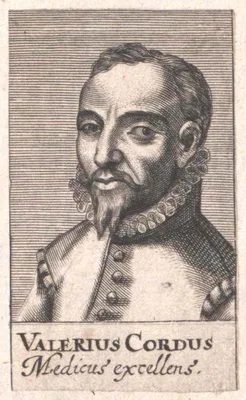
This work not only updated the species listed by Dioscorides, but also listed about 500 new species of plants. Published posthumously, the work was carefully edited by Conrad Gesner. Cordus was the inventor of phytogr…
1563 CE
#1815
Colóquios dos simples, e drogas he cousas mediçinais da Índia e assi dalgũas frutas achadas nella onde se tratam algũas cousas tocantes a medicina, pratica, e outras cousas boas pera saber.
![ORTA, Garcia de [Garcia d'Orta] (1501 – 1568)](/media/portraits/2236)
The first account of Indian materia medica and the first textbook on tropical medicine written by a European. It includes a classic account of Asiatic cholera, the first account of this disease by a European. This is …
1564 CE
#1816
Enchiridion, sive ut vulgo vocant dispensatorium, compositorum medicamentorum, pro Reipub. Augstburgensis pharmacopoeis.
One of the earliest pharmacopeias, and one which exerted a great influence on later pharmacopeias. Several new editions followed the first, and that of 1613 was adopted as the official pharmacopeia of Augsburg, the fa…
1565 CE
#1817
Dos libros. El uno trata de todas las cosas que traen de nuestras Indias Occidentales, que sirven al uso de medicina, y como se ha de usar dela rayz del Mechoacan, purga excelentissima. El otro libro, trata de dos medicinas maravillosas que son contra todo veneno, la piedra Bezaar, y la yerva Escuerçonera. Con la cura de los venenados. Do veran muchos secretos de naturaleza y de medicina, con grandes experiencias.
The first treatise on Central and South American medicinal plants, and for many years the most important work on the medicinal plants of the New World. Working from Seville, Spanish doctor Nicolás Monardes mana…
1562 CE
#1818
De gradibus, de compositionibus, et dosibus receptorum ac naturalium libri septem.
Paracelsus has been called by some “the pioneer of modern chemists” and by others “uncouth, boorish, vain, ignorant and pretentious”. His De gradibus contains most of his innovations in Chemica…
1578 CE
#1819
Tractado de las drogas, y medicinas de las Indias Orientales, con sus plantas debuxadas al bivo.
This is mainly a translation of Garcia d’Orta’s Coloquios (No. 1815) with the addition of some illustrations. Acosta, a Portuguese Jesuit physician and surgeon, travelled to India where he met Garcia d&rsq…
1597 CE
#1820
The herball or generall historie of plantes.
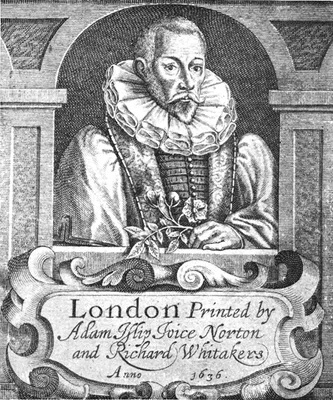
Gerard is perhaps the best remembered of ail the English herbalists. The most important edition of his book is the second, published by T. Johnson in 1633 (reprinted in facsimile, New York, Dover, 1975). Johnson great…
1618 CE
#1821
Pharmacopoeia Londinensis.
The first London pharmacopeia, issued by the (Royal) College of Physicians. The first edition was published on May 7, but contained many typographical errors; a corrected edition appeared on December 7, 1618. In the f…
1629 CE
#1822
Paradisi in sole paradisus terrestris. Or a garden of all sorts of pleasant flowers which our English ayre will permitt to be noursed vp: with a kitchen garden of all manner of herbes, rootes, & fruites, for meate or sause vsed with vs, and an orchard of all sorte of fruitbearing trees and shrubbes fit for our land together with the right orderinge planting & preseruing of them and their vses & vertues.
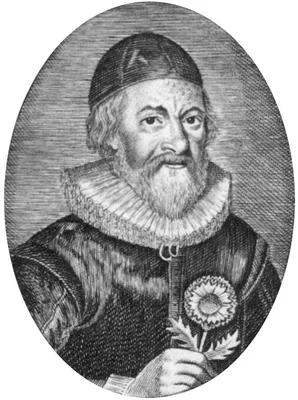
The title is a pun on the author’s name (park-in-sun). Digital facsimile from Biodiversity Heritage Library at this link.
1640 CE
#1823
Theatrum botanicum: The theater of plants: Or, An herball of large extent: containing therein a more ample and exact history and declaration of the physicall herbs and plants ... distributed into sundry classes or tribes, for the more easie knowledge of the many herbes of one nature and property ... / collected by the many yeares travaile, industry and experience in this subject.
Parkinson, the last of the old English herbalists, was Apothecary to James I. His massive herbal of 1,755 pages described nearly 3,800 plants, nearly double the number described in the first edition of Gerard. Parkins…
1638 CE
#1824
Codex medicamentarius seu pharmacopoeia Parisiensis .
PHARMACOPOEIA
First Paris pharmacopoeia. SEE J. Bergounioux, "Les éditions du Codex Medicamentarius de l'ancienne Faculté de Médecine de Paris," Rev. d'Hist. Pharm, 54 (1927) 376-389
1658 CE
#1825
De Indiae utriusque re naturali et medica libri quatuordecim.
This is an extensively revised and enlarged second edition of Piso’s Historia naturalis Brasiliae (1648). In this edition Piso reprinted Bontius's De medicina Indorum (1642) with two additional books on Asian fl…
1663 CE
#1826
Anastasis corticis Peruviae, seu chinae defensio
A defence of the virtues of Jesuit's bark or Peruvian bark (cinchona, chinchona), the most celebrated specific remedy for malaria. It was obtained from the bark of several species of the genus Cinchona, of the Rubiace…
1701 CE
#1828
Censura medicamentorum officinalium.
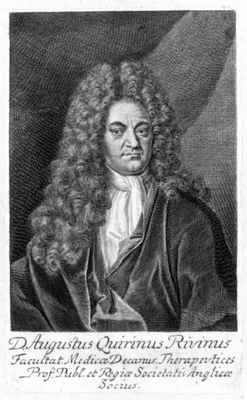
A list of officially recognized drugs, with a classification of useless and undesirable ones. Rivinus also noted incompatibles. Digital facsimile from Google Books at this link.
1737 CE
#1829
Genera plantarum.

Linnaeus’s botanical classification, the starting-point of modern systematic botany. The book is dedicated to Boerhaave. English translation by Erasmus Darwin, Lichfield, 1787.
1739 CE
#1830
Libellus de methodo concinnandi formulas medicamentorum.
A treatise on prescriptions. Gaub was professor of chemistry at Leiden.
1745 CE
#1831
Aνтιθηεριακά. An essay on mithridatium and theriaka.
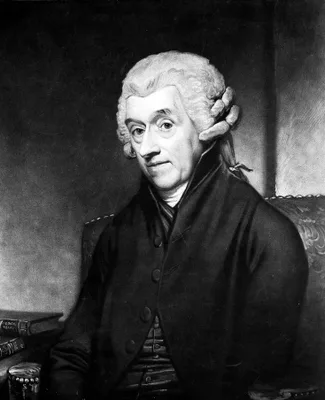
Heberden’s first printed work. His criticism of current superstitions conceming these two concoctions resulted ultimately in their removal from the pharmacopoeia. No publisher's name appears on the title page. D…
1751 CE
#1832
Descriptions, virtues, and uses of sundry plants of these northern parts of America, and particularly of the newly discovered Indian cure for the venereal disease.
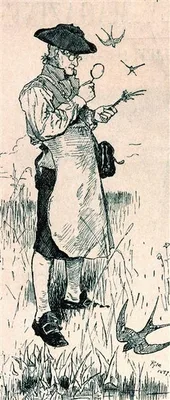
Bartram founded one of the first botanical gardens in America (at Kingsessing). Linnaeus referred to him as the “greatest natural botanist in the world”. A few copies of this 7-page work printed by Benjami…
1771 CE–1772 CE
#1833
Bibliotheca botanica. 2 vols.
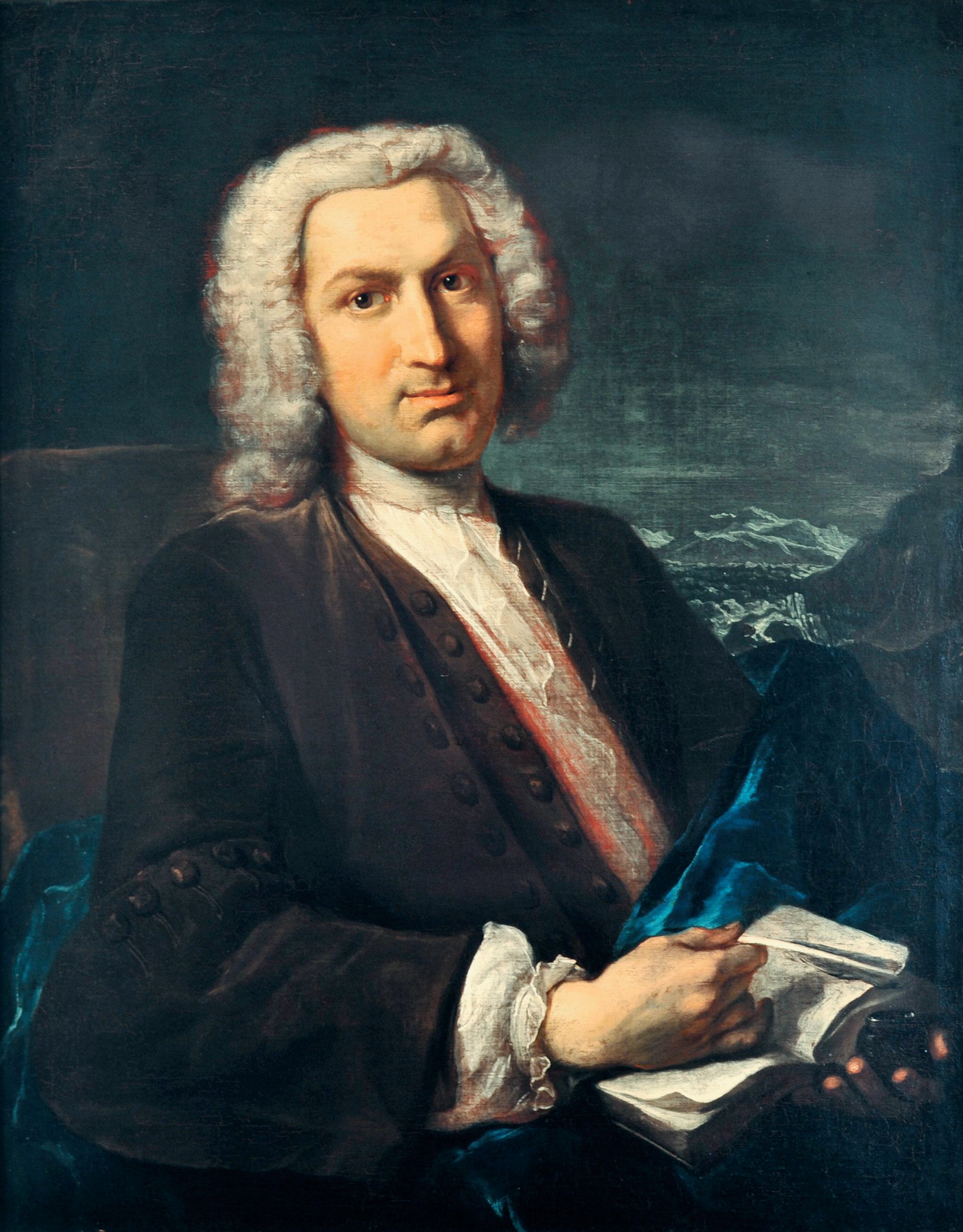
This was the first of the several bibliographies compiled by Haller, one of the greatest figures in the history of medicine. The work contains the most exhaustive and thorough information of the writings in the field …
1778 CE
#1834
Pharmacopoeia simpliciorum et efficaciorum.
The first original pharmacopeia published in the USA. Reproduced in facsimile, with translation, in The Badger Pharmacist, 1938. No. 22-25.
1782 CE
#1835
Observations on the medical uses of the oleum jecoris aselli, or cod liver oil, in the chronic rheumatism, and other painful disorders.
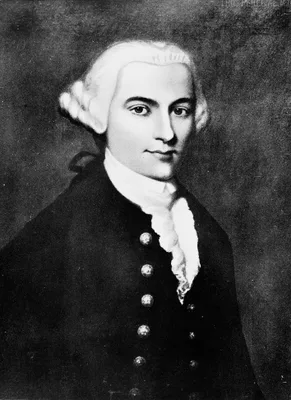
First record of the clinical use of cod liver oil in England.
1785 CE
#1836
An account of the foxglove, and some of its medical uses.
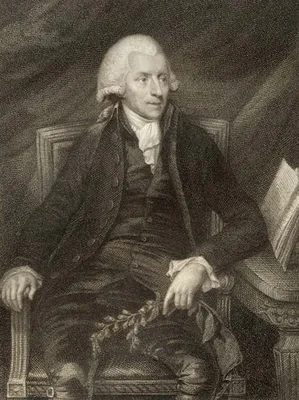
Before publication of Withering's book digitalis was a widely used folk remedy, occasionally mentioned in the literature. Withering established the correct dosages, and the action of digitalis in edema and on the hear…
1787 CE
#1837
Materia medica Americana, potissimum regni vegetabilis.
Schoepff came to America in 1777 as a surgeon with the Hessian troops employed by the British Forces. He returned to Germany in 1784 and compiled the first full American materia medica, describing about 400 plants, in…
1789 CE
#1838
A treatise of the materia medica. 2 vols.
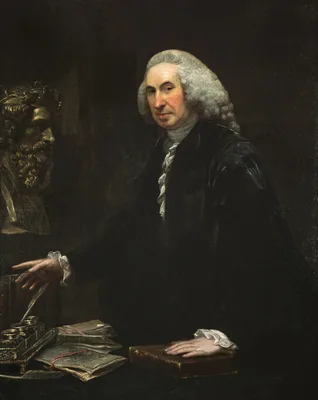
An expansion of Cullen’s “Lectures on materia medica”, 1773.
1805 CE
#1839
Darstellung der reinen Mohnsäure (Opiumsäure); nebst einer chemischen Untersuchung des Opiums, mit vorzüglicher Hinsicht auf einen darin neu entdeckten Stoff.
Isolation of morphine from opium. This was the first isolation of an active ingredient from a plant.
1810 CE
#1840
Ensaio sobre o cinchonino, e sobre sua influencia em a virtude da quina, e de outras cascas.
Gomes obtained a substance, which he named cinchonino, from cinchona bark. That it contained the active principle of cinchona was later proved by Pelletier and Caventou. For an English translation of the paper, see Ed…
1817 CE–1819 CE
#1841
Vegetable materia medica of the United States. 2 vols.
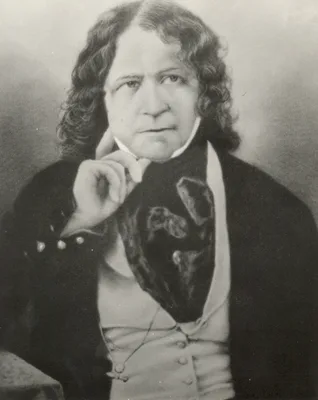
Barton served as a naval surgeon and, in 1815, became Professor of Botany at Philadelphia. Along with Bigelow (No. 1842) Barton’s work is one of the first two botanical works with colored plates issued in the Un…
1817 CE–1820 CE
#1842
American medical botany, being a collection of the native medicinal plants of the United States, containing their botanical history and chemical analysis, and properties and uses in medicine, diet and the arts. 3 vols.
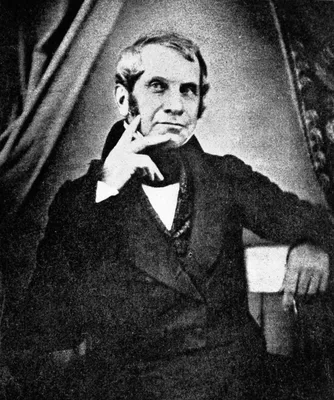
Bigelow was professor of materia medica and botany at Harvard. This work included native American remedies. It was the first book printed in the United States to include color plates printed in color. See R.J. Wolfe, …
1817 CE
#1843
Mémoire sur l’émétine, et sur les trois espèces d’ipecacuanha.
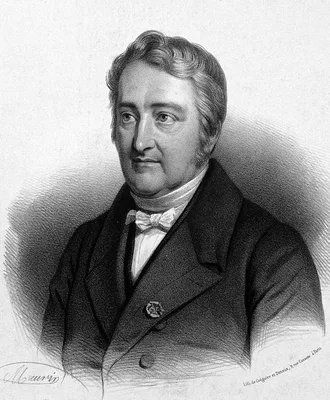
Isolation of emetine. It was not until a century later that Vedder demonstrated its value in the treatment of amoebiasis. Also during 1817 Magendie and Pelletier published "Recherches chimiques et physiologiques sur l…
1819 CE
#1844
Mémoire sur un nouvel alcali végétal (la strychnine) trouvé dans la fève de Saint-Ignace, la noix vomique, etc.
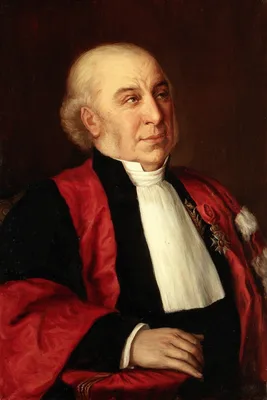
Isolation of strychnine.
1820 CE
#1845
Pharmacopoeia of the United States of America. 1820
The first official US pharmacopoeia. Spalding began campaigning for a national pharmacopeia in 1815. His efforts finally bore fruit in a national convention that met in 1820 and adopted a pharmacopeia based mainly on …
1821 CE
#1846
Formulaire pour la préparation et l’emploi de plusieurs nouveaux médicamens, tels que la noix vomique, la morphine, etc.
Magendie was the pioneer of experimental physiology in France. His Formulaire introduced into medical practice several of the newly discovered alkaloids, notably morphine, veratrine, brucine, piperine, emetine, as wel…
1822 CE
#1847
Erfahrungen über die grossen Heilkräfte des Leberthrans gegen chronische Rheumatismen und besonders gegen das Hüft- und Lendenweh.
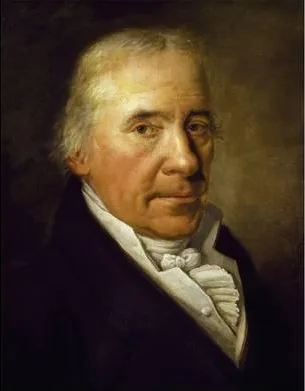
Schenk’s account of his experience with cod liver oil led to its general use on the continent of Europe. Author’s name incorrectly given as Scherer in original.
1822 CE
#1848
Mémoire sur l’iodure de potassium, l’acide hydriodique et sur un composé nouveau de carbone, d’iode et d’hydrogène.
Iodoform discovered. See also Sérrulas' Notes sur l'Hydriodate de potasse et l'Acide hydriodique. – Hydriodure de carbone; moyen d'obtenir, à l'instant, ce composé triple (1822), of which a …
1828 CE–1830 CE
#1849
Medical flora; or, manual of the medical botany of the United States of North America. Containing a selection of above 100 figures and descriptions of medical plants, with their names, qualities, properties, history &c; and notes or remarks on nearly 500 equivalent substitutes. 2 vols.
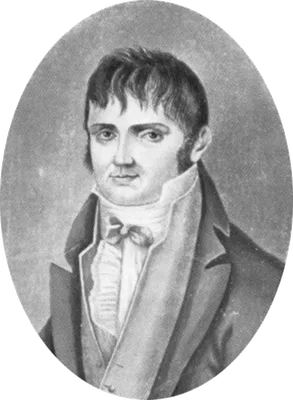
Rafinesque was a great botanist, conchologist, archaeologist, and economist. Born in a suburb of Istanbul, he was also a world citizen and a prolific writer with 939 works to his credit. He died in extreme poverty in …
1832 CE
#1850
New mode of preparing a spirituous solution of chloric ether.
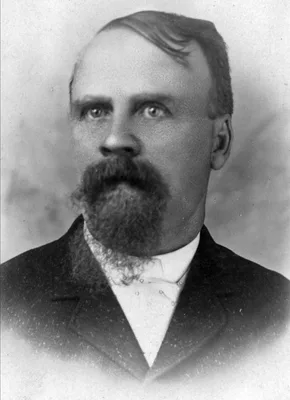
Guthrie in America, Liebig in Germany, and Soubeiran in France discovered chloroform independently of one another. Guthrie discovered the modern method of making chloroform by distilling alcohol with chlorinated lime.…