
Entry Nos. 2200–2299
92 Garrison-Morton entries in this range.
1742 CE–1776 CE
#2200
Commentaria in Hermanni Boerhaave aphorismos, de cognoscendis et curandis morbis. 6 vols.
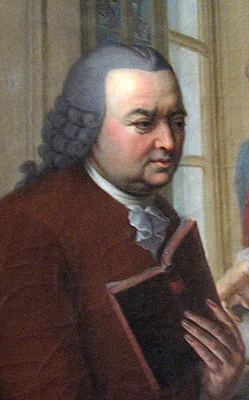
A pupil of Boerhaave, van Swieten transplanted the latter’s method of teaching to Vienna and founded the Vienna School of Medicine. He spent many years on the preparation of his great Commentaria. English transl…
1750 CE
#2201
An essay on fevers.
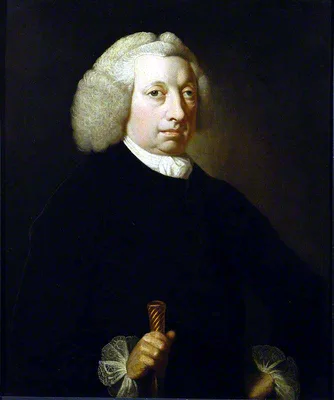
Huxham’s best work. He was well known in the west of England and wrote important monographs on diphtheria and on Devonshire colic. Huxham seemed to appreciate that a difference existed between typhus and typhoid…
1763 CE
#2202
Nosologia methodica sistens morborum classes, genera et species juxtà Sydenhami mentem & botanicorum ordinem. 5 vols.
Sauvages de Lacroix, a friend of Linnaeus, adopted the botanical system of Linnaeus for the classification of diseases. His classification system listed 10 major classes of disease, which were further broken down into…
1769 CE
#2204
Synopsis nosologiae methodicae.
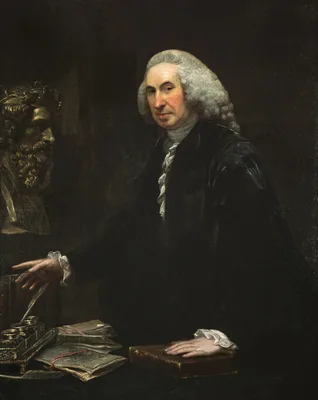
This work made Cullen’s reputation. In it he divided diseases into fevers, neurosis, cachexias and local disorders. Cullen was the foremost British clinical teacher of his time, one of the first to give clinical…
1780 CE
#2205
Observations on fevers, especially those of the continued type, and on the scarlet fever attended with ulcerated sore-throat, as it appeared at Newcastle upon Tyne in the year 1778: Together with a comparative view of that epidemic with the scarlet fever as described by authors, and the angina maligna.
Digital facsimile from the Intenet Archive at this link.
1802 CE
#2207
Commentarii de morborum historia et curatione.
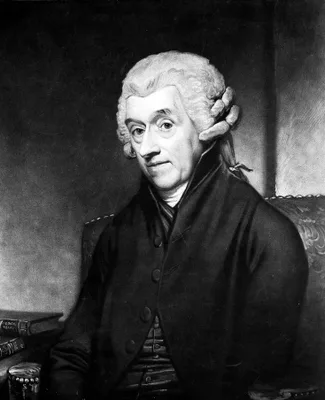
Samuel Johnson called Heberden “the last of our learned physicians”. The above work included all his important papers, which had earned him his great reputation, and which are dealt with elsewhere in this …
1812 CE–1822 CE
#2208
Dictionnaire des sciences médicales par un Société de médecins et de chirurgiens. 60 vols.
1813 CE
#2209
Observations on the nature and cure of dropsies.
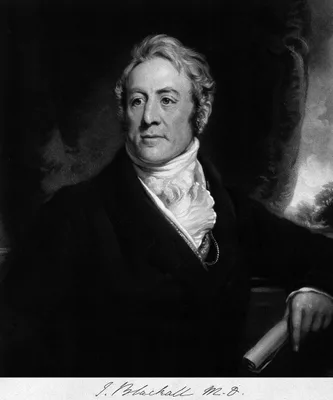
Blackall predated Bright in detecting albuminuria in association with edema. His book, of which the second edition is more important than the first, includes reports on cases of angina pectoris.
1825 CE
#2210
Collections from the unpublished writings of the late Caleb Hillier Parry. 3 vols.
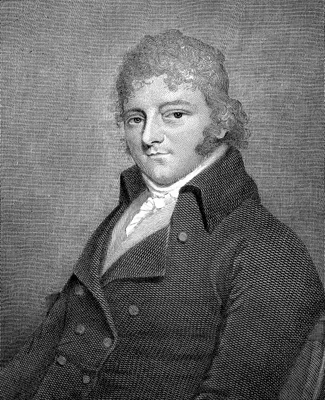
Includes Parry’s interesting description of eight cases of exophthalmic goitre, the first of which was observed in 1786, and his notes on four cases of angina pectoris. Parry's paper, "Enlargement of the thyroid…
1830 CE
#2211
A treatise on fever.
Both a doctor and a minister, Smith, physician to the London Fever Hospital, called himself, “physician to body and soul.” He argued that the poor are impoverished by fever and that fever was preventable. …
1835 CE
#2212
A discourse on self-limited diseases.
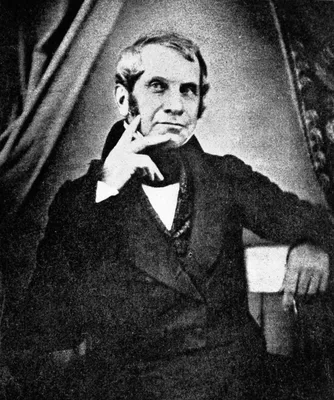
Bigelow was attached to the Massachusetts General Hospital. The above “did more than any other work or essay in our own language to rescue the practice of medicine from the slavery of the drugging system which w…
1837 CE
#2213
A treatise on the diagnosis and treatment of diseases of the chest.
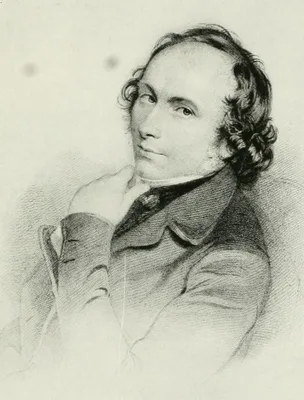
Stokes, most prominent of the Irish school of medicine, established his reputation by his book on diseases of the chest. Important among its contents are his discovery of a stage of pneumonia prior to that described b…
1839 CE
#2215
Elements of the practice of medicine. Vol. 1. (All Published.)
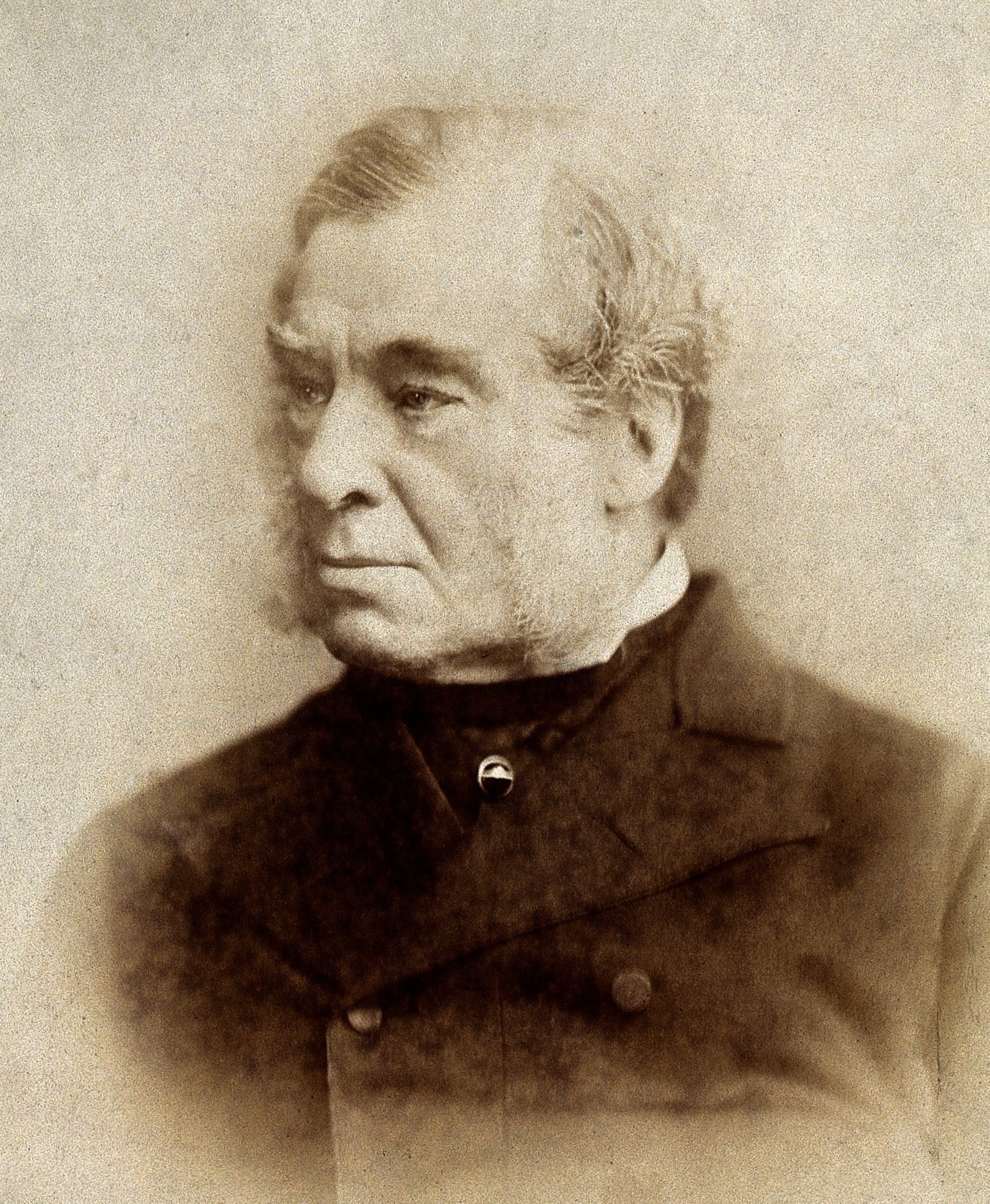
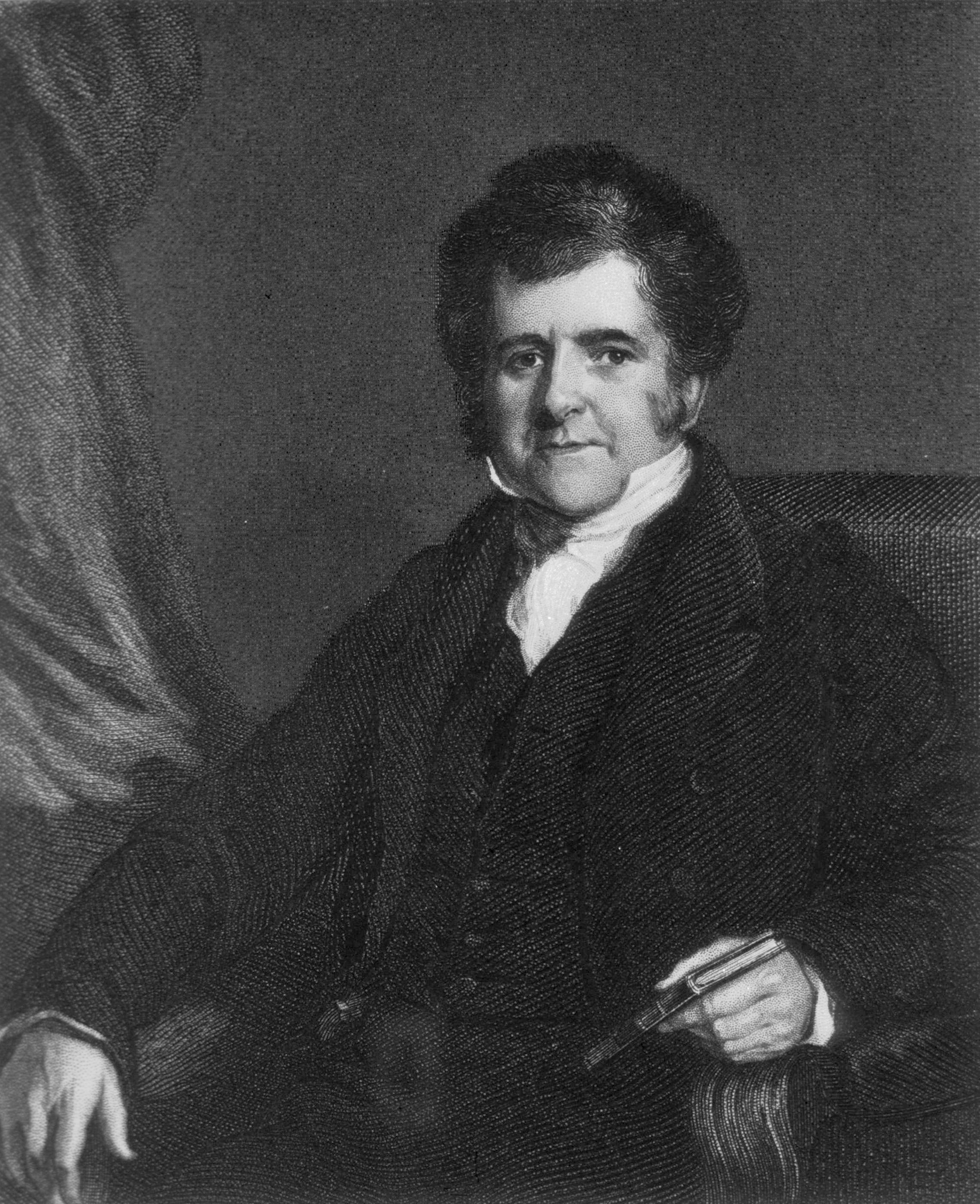
Originally issued in three parts from 1836 to 1839 when the authors were joint lecturers on medicine at Guy’s Hospital.
1836 CE–1838 CE
#2217
Leçons sur les phénomènes physiques de la vie. 4 vols.
Magendie, pioneer experimental physiologist, regarded pathology as only a modification of physiology, “medicine the physiology of the sick man”. By him clinical medicine was reconstructed on physiological …
1843 CE
#2218
A system of clinical medicine.
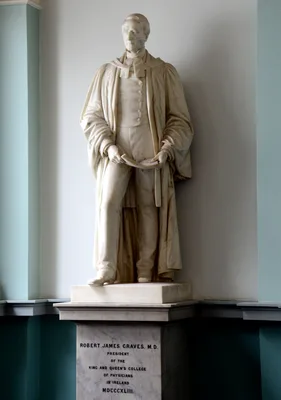
Graves was one of the founders of the Irish school of medicine and one of the most important figures in Irish medicine at the middle of the 19th century. Second edition of the book (as Clinical lectures on the practic…
1843 CE
#2219
Lectures on the principles and practice of physic. 2 vols.
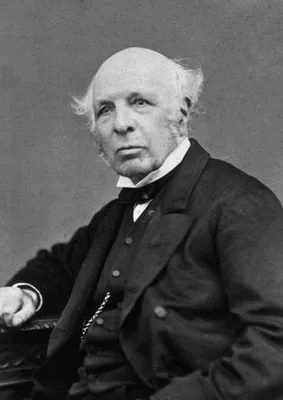
First published in the Medical Times & Gazette, 1840-42, Watson’s famous lectures appeared in book form and formed the most important treatise of medicine for a quarter-century. Watson wrote in a fine style, and…
1862 CE
#2220
A treatise on the continued fevers of Great Britain.
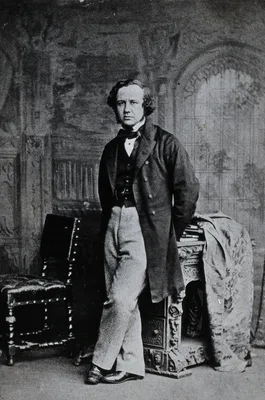
Murchison was one of the greatest clinical teachers London has ever known; of his many writings his book on continued fever is probably the most important. Digital facsimile from the Internet Archive at this link.
1861 CE
#2221
Clinique médicale de l’Hôtel Dieu de Paris. 2 vols.
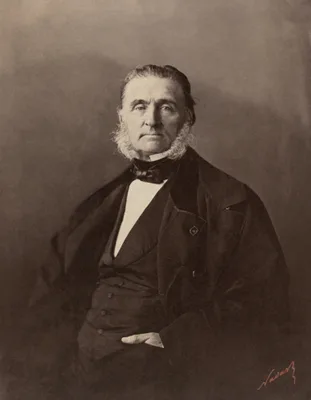
Trousseau, clinician of the Hôtel-Dieu, made important advances in the treatment of diphtheria, typhoid, scarlet fever and other conditions. In his book he emphasized the value of bedside observation. He support…
1867 CE
#2222
Leçons sur les maladies des vieillards et les maladies chroniques.
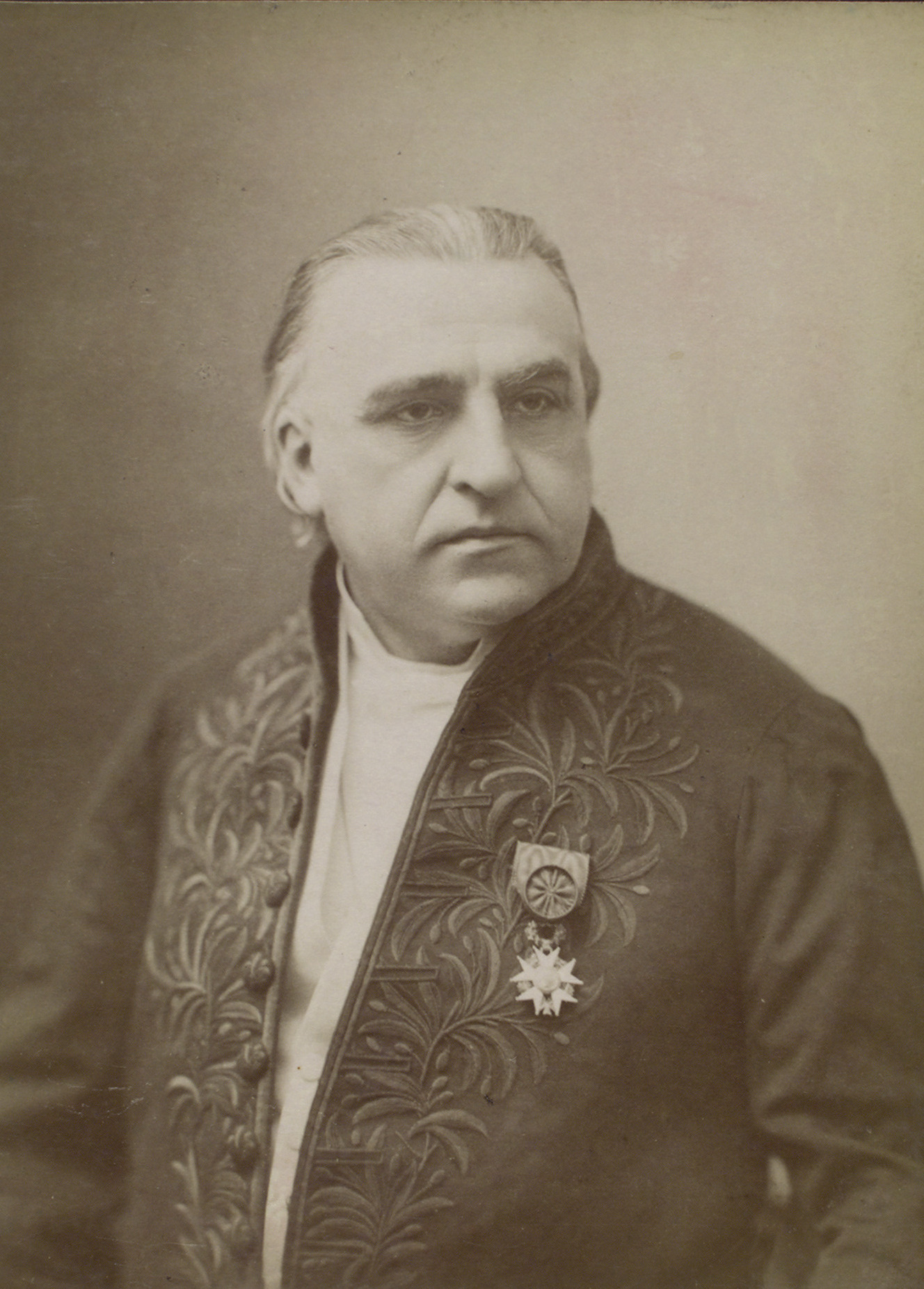
Charcot inaugurated a course of study of geriatrics, at the Salpêtrière, in 1866; his lectures are embodied in the above work. English translation, 1881.
1868 CE
#2223
A collection of the published writings.
Addison was a contemporary of Bright at Guy’s Hospital and a fine lecturer.
1871 CE–1878 CE
#2224
Zur Fieberlehre. In his: Gesammelte Beiträge zur Pathologie und Physiologie, 2 (1871) pt. 1, 624-56, 679-83; 3 (1878) 503-05, 582-87.
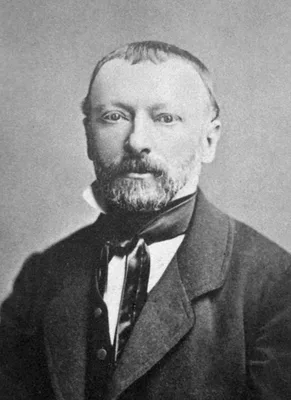
Digital facsimile of Vol. 2, pt. 1 from the Internet Archive at this link, of Vol. 3 at this link.
1873 CE
#2225
Untersuchungen über den fieberhaften Process und seine Behandlung.
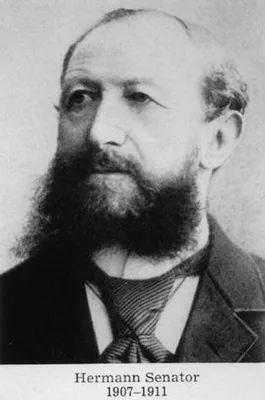
Senator was a director of the Charité Hospital in Berlin and later at the university polyclinic. His study of fever represents his best work.
1875 CE
#2226
Handbuch der Pathologie und Therapie des Fiebers.
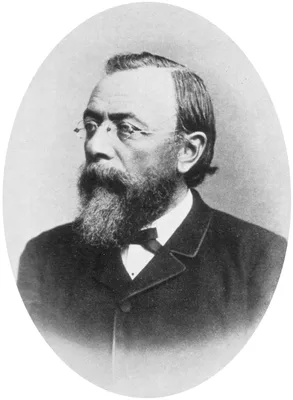
1876 CE–1878 CE
#2227
The collected works. 2 vols.
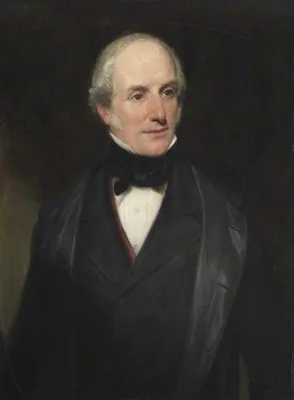
Latham, successively physician to Middlesex and St. Bartholomew’s hospitals, was an authority on cardiac disease and among the earliest in England to advocate auscultation. He held progressive views on medical e…
1883 CE–1884 CE
#2229
Lehrbuch der speciellen Pathologie und Therapie der inneren Krankheiten. 2 vols.
Strümpell gave an excellent description of ankylosing spondylitis (“Strümpell’s disease”, the “spondylose rhizomélique” of Pierre Marie, No. 4368) on p. 152 of his Lehrbu…
1886 CE
#2230
The principles and practice of medicine. 2 vols.
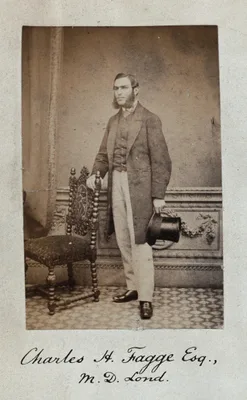
Fagge was physician to Guy’s hospital and editor of Guy’s Hospital Reports. His important textbook was published posthumously.
1892 CE
#2231
The principles and practice of medicine.
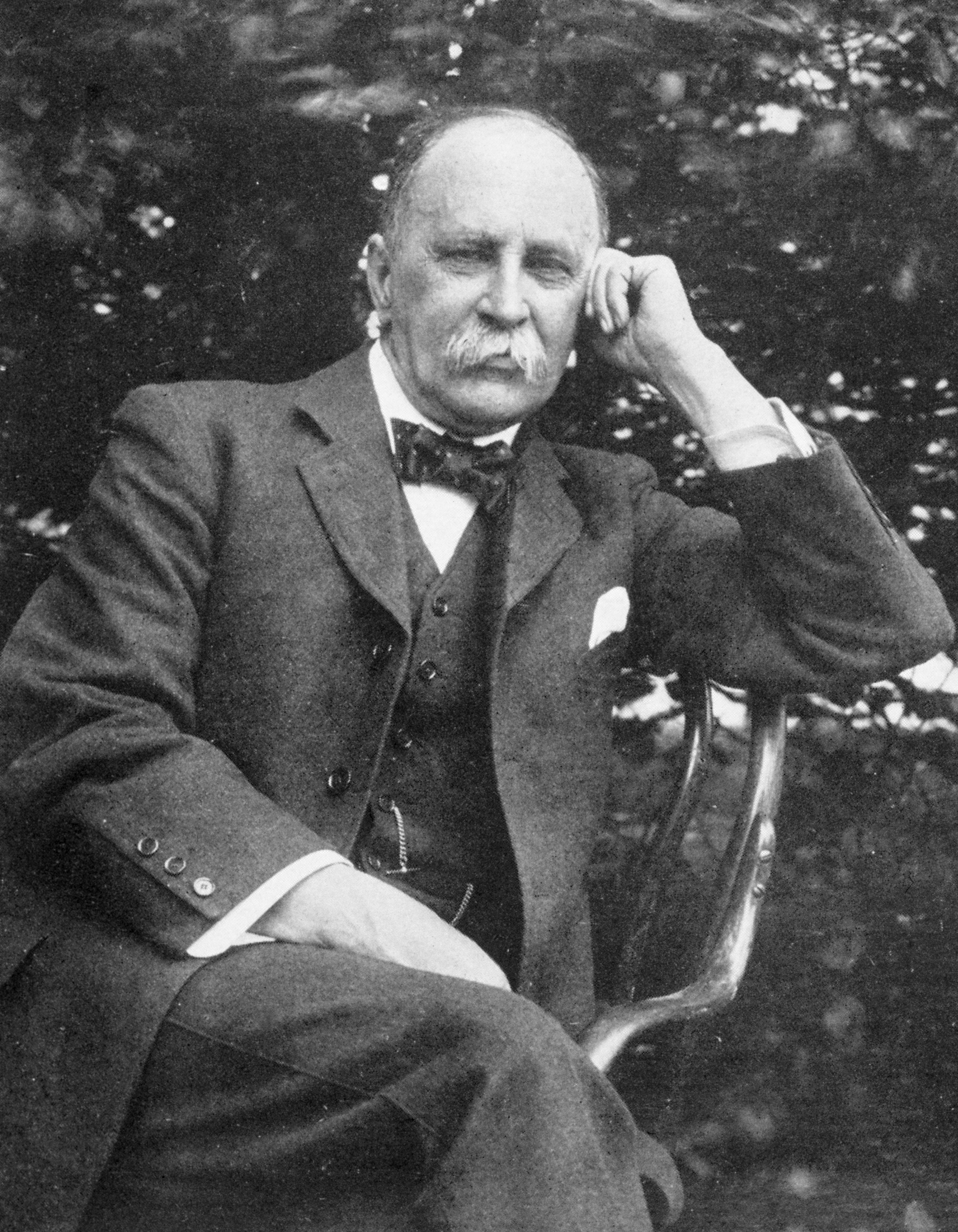
Osler’s textbook was the best English work on medicine of its time. He became Regius Professor of Medicine at Oxford in 1904. Besides being one of the greatest of all clinicians, he was possessed of a fine liter…
1894 CE–1896 CE
#2232
A collection of the published writings. 2 vols.
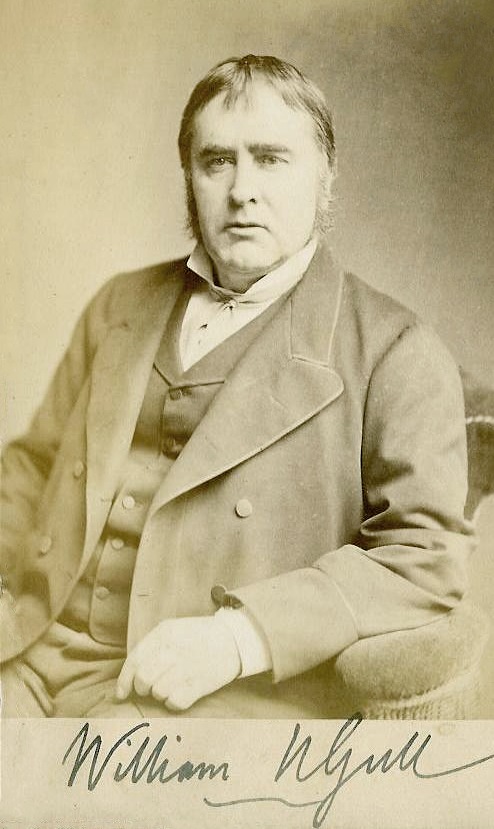
Gull, one of the best clinicians of his time, spent most of his working life at Guy’s Hospital. He described the spinal lesion of tabes and left an important account of aneurysm. His best works are his descripti…
1907 CE
#2233
Die asthenische Konstitutionskrankheit.
“Stiller’s disease” – habitus asthenicus.
1910 CE
#2234
Vagotonie: klinische Studie.
English translation, 1915.
1911 CE
#2235
Vicious circles in disease.
1935 CE
#2236
A diffuse disease of the peripheral circulation (usually associated with lupus erythematosus and endocarditis).
See No. 2237. With P. Klemperer and A. Schifrin.
1942 CE
#2237
Diffuse collagen disease; acute disseminated lupus erythematosus and diffuse scleroderma.
P. Klemperer, A. D. Pollack, and G. Baehr combined a number of diseases, hitherto regarded as unrelated, into an entity which they termed diffuse collagen disease.
1950 CE
#2238
The physiology and pathology of exposure to stress.
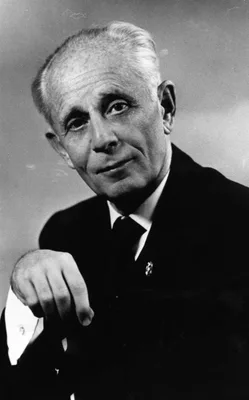
In his study of the etiology of the collagen disease Selye developed the idea that animals react to stress or injury by a certain sequence of physiological reactions – the “general adaptation syndrome”.
1930 CE
#2239
Nosography, the evolution of clinical medicine in modern times. 2nd ed.
A well-illustrated and reliable account.
1932 CE
#2241
Classic descriptions of disease.
A collection of classic descriptions of disease by 179 different writers, from ancient times to the present. Foreign papers are translated into English. A second edition of this most interesting and useful book appear…
1960 CE
#2243
The history of internal medicine. Selected diseases.
Attempts to list and annotate every reference of fundamental importance in the development of 21 selected diseases.
1590 CE
#2244
Historia natural y moral de las Indias.
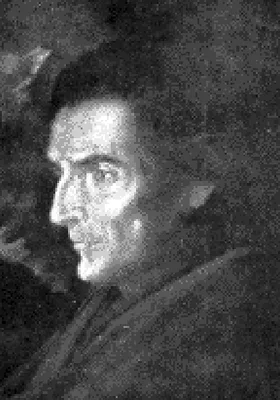
One of the earliest detailed and realistic descriptions of the New World. Acosta hypothesized that the indigenous peoples of Latin America had migrated from Asia. He also divided the native peoples into three barbaria…
1607 CE
#2245
De combustionibus.
First book devoted entirely to burns. Fabry was the first to classify burns. Translated into English by John Steer as: Gulielm, Fabricius Hildamus, his experiments in chyrurgerie concerning combustions or burnings mad…
1665 CE
#2246
De siriasi.
A treatise on sunstroke.
1832 CE–1834 CE
#2247
Leçons orales de clinique chirurgicale. 4 vols.
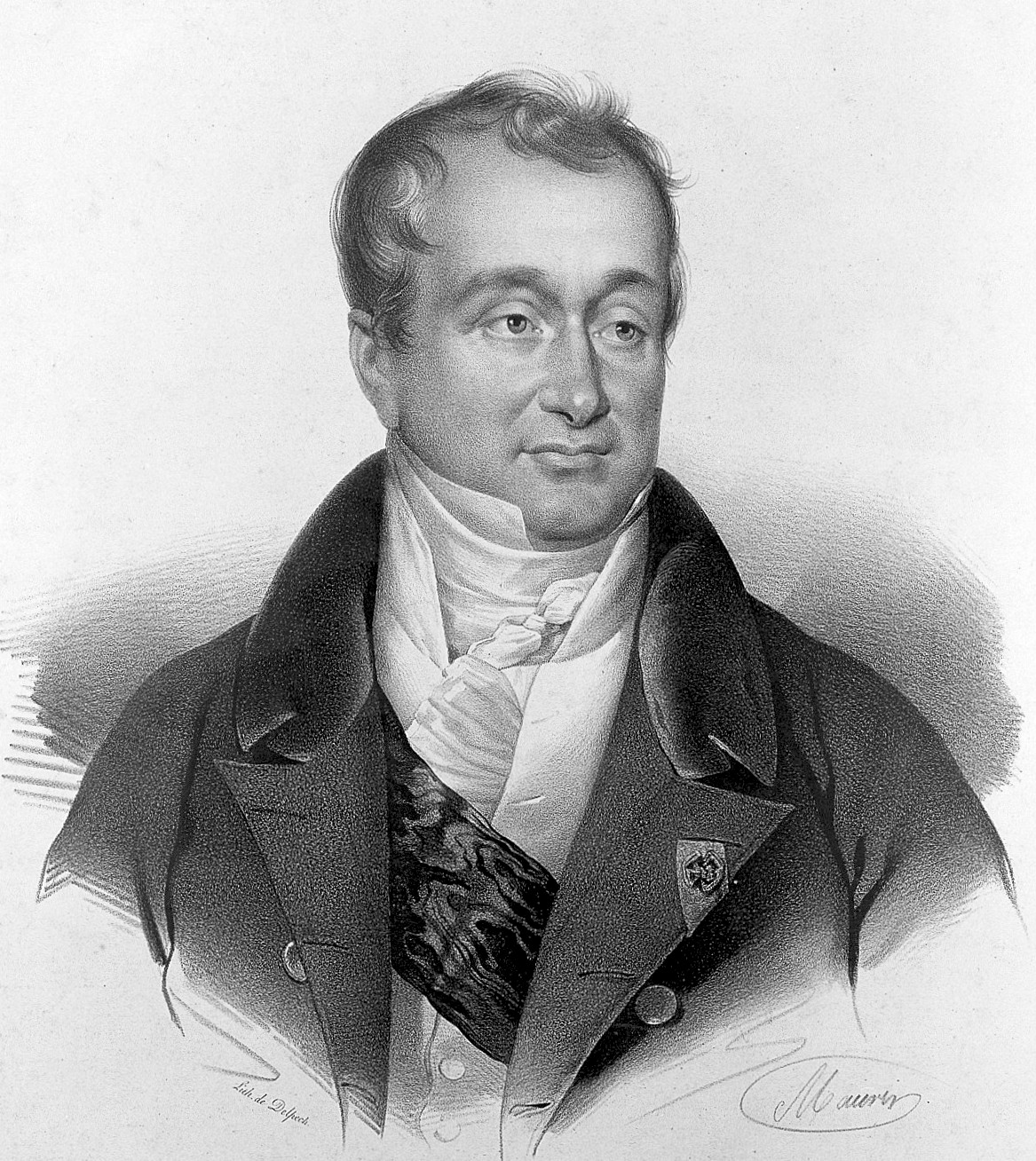
Dupuytren was born in poverty and died a millionaire. He became the best surgeon of his time in France. He was a “shrewd diagnostician, an operator of unrivaled aplomb, a wonderful clinical teacher, and a good e…
1859 CE
#2248
Remarks upon a tabular return (No. 1), or synopsis of sixteen cases of heat-apoplexy.
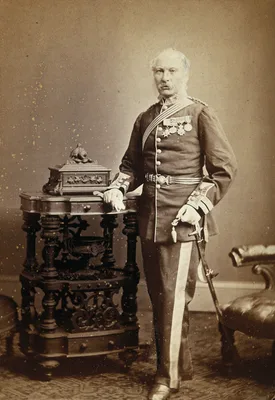
Longmore was an army surgeon in India; he gave an excellent account of heat-stroke.
1860 CE
#2249
Contributions to the natural history of insolatio.
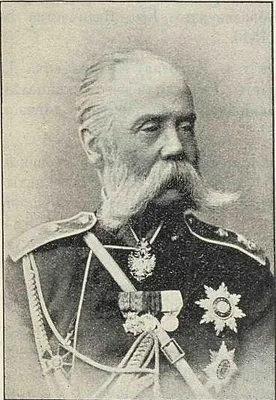
Barclay, an army surgeon in India, wrote an important paper on heat-stroke.
1872 CE
#2250
Thermic fever, or sunstroke.
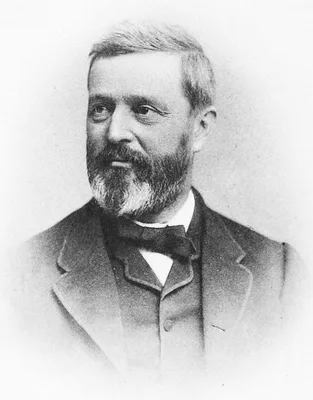
A study of the pathology of sunstroke. Wood held the chairs of botany, therapeutics, and neurology at the University of Pennsylvania.
1913 CE
#2251
La kérithérapie (nouvelle balnéation thermocireuse).
Treatment of burns with ambrine (paraffin-resin solution); keritherapy.
1923 CE
#2252
Blood concentration changes in extensive superficial burns, and their significance for systemic treatment.
F. P. Underhill, G. L. Carrington, R. Kapsinow, and G. T. Pack made important studies on the blood concentration following burns.
1925 CE
#2253
Tannic acid in the treatment of burns.
Introduction of tannic acid in the treatment of burns.
1925 CE
#2254
Zur Therapie schwerer Verbrennungen.
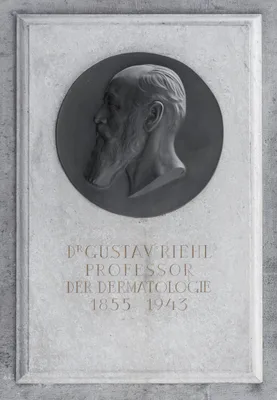
Riehl was an early advocate of blood transfusion in the treatment of shock after burns.
1927 CE
#2255
Contribution to the study of burns, their classification and treatment.
Goldblatt’s classification of burns.
1930 CE
#2256