
Entry Nos. 4800–4899
100 Garrison-Morton entries in this range.
1856 CE
#22
Тα ∑ωζομενα. The extant works of Aretaeus, the Cappadocian. Edited and translated by Francis Adams.
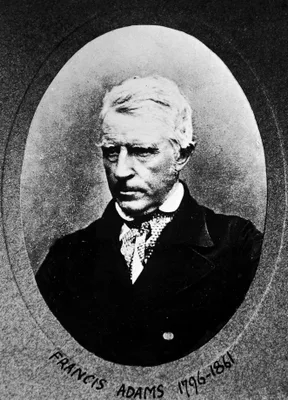
Aretaeus left many fine descriptions of disease; in fact Garrison ranks him second only to Hippocrates in this respect. In the printed editions of this bibliography, before the present online version, the Adams editio…
1861 CE
#2221
Clinique médicale de l’Hôtel Dieu de Paris. 2 vols.
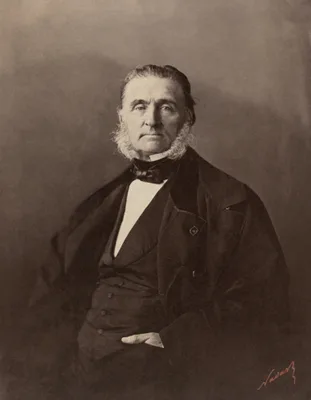
Trousseau, clinician of the Hôtel-Dieu, made important advances in the treatment of diphtheria, typhoid, scarlet fever and other conditions. In his book he emphasized the value of bedside observation. He support…
1925 CE
#3862
A case of tetany treated with parathyrin.
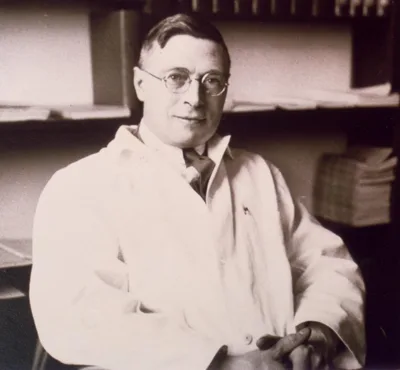
First use of parathyroid hormone in the treatment of tetany.
1894 CE
#4800
Les affections parasyphilitiques.
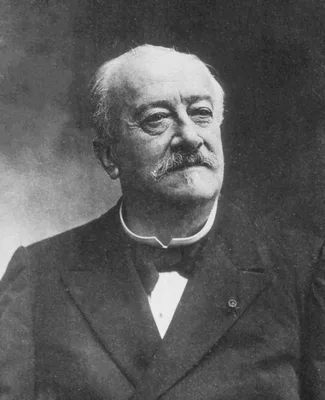
Fournier, great French venereologist, introduced the concept of “parasyphilis”. He showed statistically the causal relationship of syphilis to paresis and tabes.
1899 CE
#4801
Paralyse und Tabes bei Eheleuten. Ein Beitrag zur Aetiologie beider Krankheiten.
1901 CE
#4802
Ueber einige Fälle atypischer progressiver Paralyse. Nach einem hinterlassenen Manuscript Dr. H. Lissauer’s.
“Lissauer’s atypical general paralysis” first described. Heinrich Lissauer was bom in 1861 and died in 1891.
1904 CE
#4803
Histologische und histopathologische Arbeiten über die Grosshirnrinde. Vol. 1.
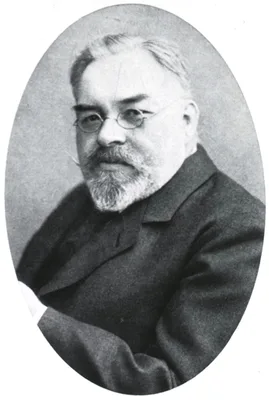
Pages 315-494 contain Nissl’s classic account of the histopathology of general paresis.
1906 CE
#4804
Ueber das Vorhandensein syphilitischer Antistoffe in der Cerebrospinalflüssigkeit von Paralytikem.
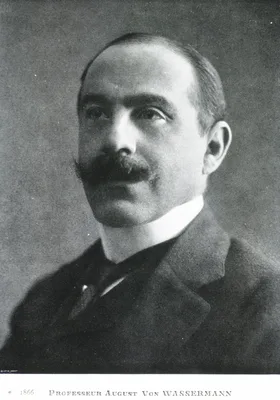
Wassermann applied his test (No. 2402) to the cerebrospinal fluid and, in paretics, obtained positive results in over 90 per cent of cases. The test greatly facilitated the diagnosis of general paralysis.
1913 CE
#4805
A demonstration of Treponema pallidum in the brain in cases of general paralysis.
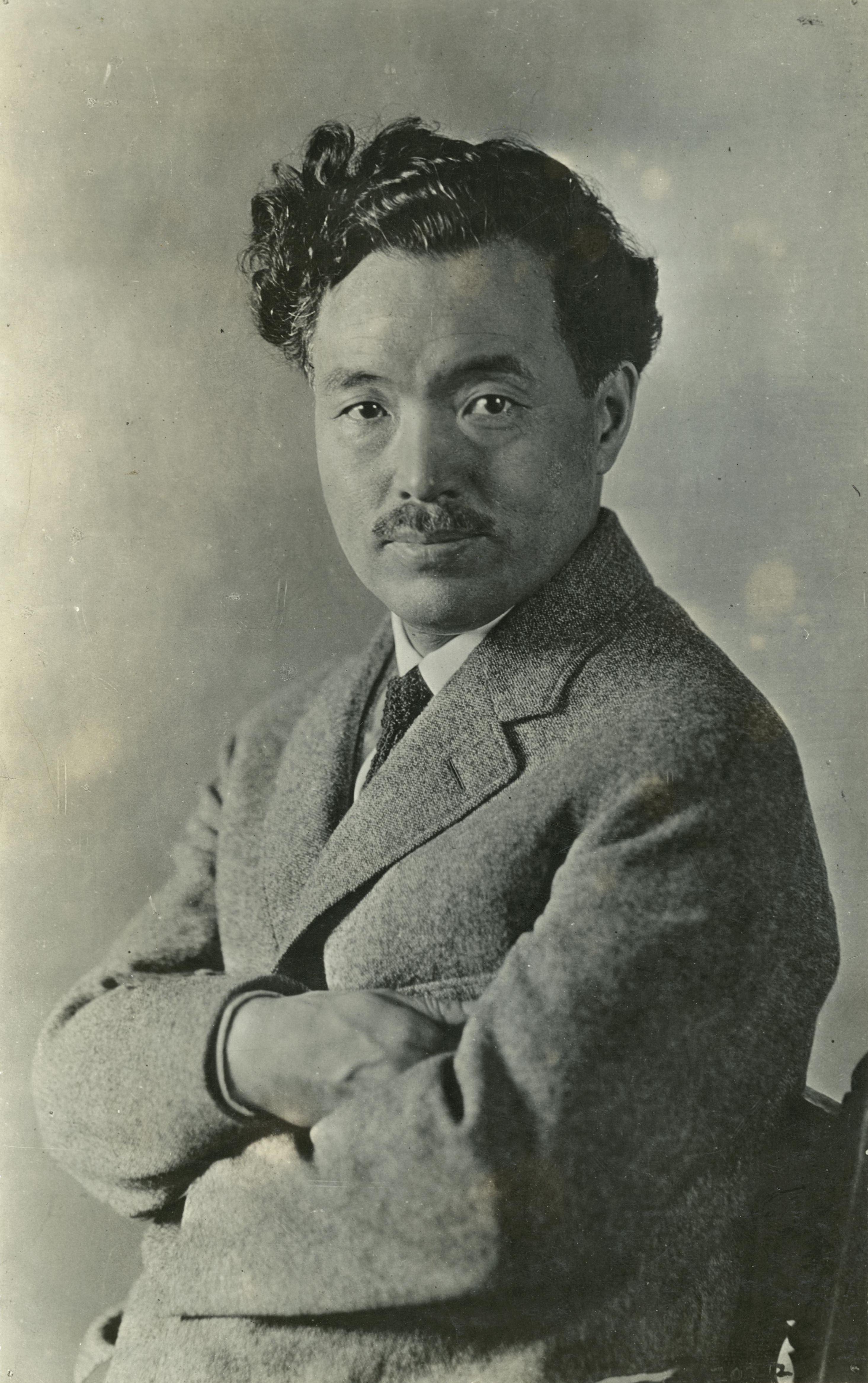
A pure culture of Trep. pallidum was obtained from a case of dementia paralytica.
1918 CE–1919 CE
#4806
Ueber die Einwirkung der Malaria auf die progressive Paralyse.
In 1917 Wagner von Jauregg returned to the idea of the inoculation of paretics with malaria to induce pyrexia, first proposed by him in 1887 (Ueber die Einwirkung fieberhafter Erkrankungen auf Psychosen, Jb. Psychiat.…
1923 CE
#4807
The sacred disease. In [Works]…edited with an English translation by W.H.S. Jones. 2, 127-83
![HIPPOCRATES, [Ἱπποκράτης; Hippocrates of Kos] (-460 – -370)](/media/portraits/50)
This includes the first mention of epilepsy in children. Hippocrates grouped all convulsive attacks together as ερα νο̂σος, the sacred disease. He did not employ the w…
1822 CE
#4809
A treatise on diseases of the nervous system.
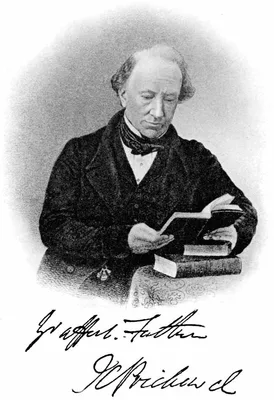
Includes the best early account of epilepsy after Willis.
1827 CE
#4810
Recherches sur les symptômes et le traitement de l’épilepsie hémiplégique. Thèse [pour le doctorat en médecin] No. 118
First description of hemiplegic epilepsy so well depicted by Jackson (No. 4816), and referred to by Charcot as “Bravais–Jacksonian épilepsie”. Digital facsimile from the Internet Archive at th…
1836 CE
#4811
Fatal epilepsy, from suppuration between the dura mater and arachnoid, in consequence of blood having been effused in that situation.
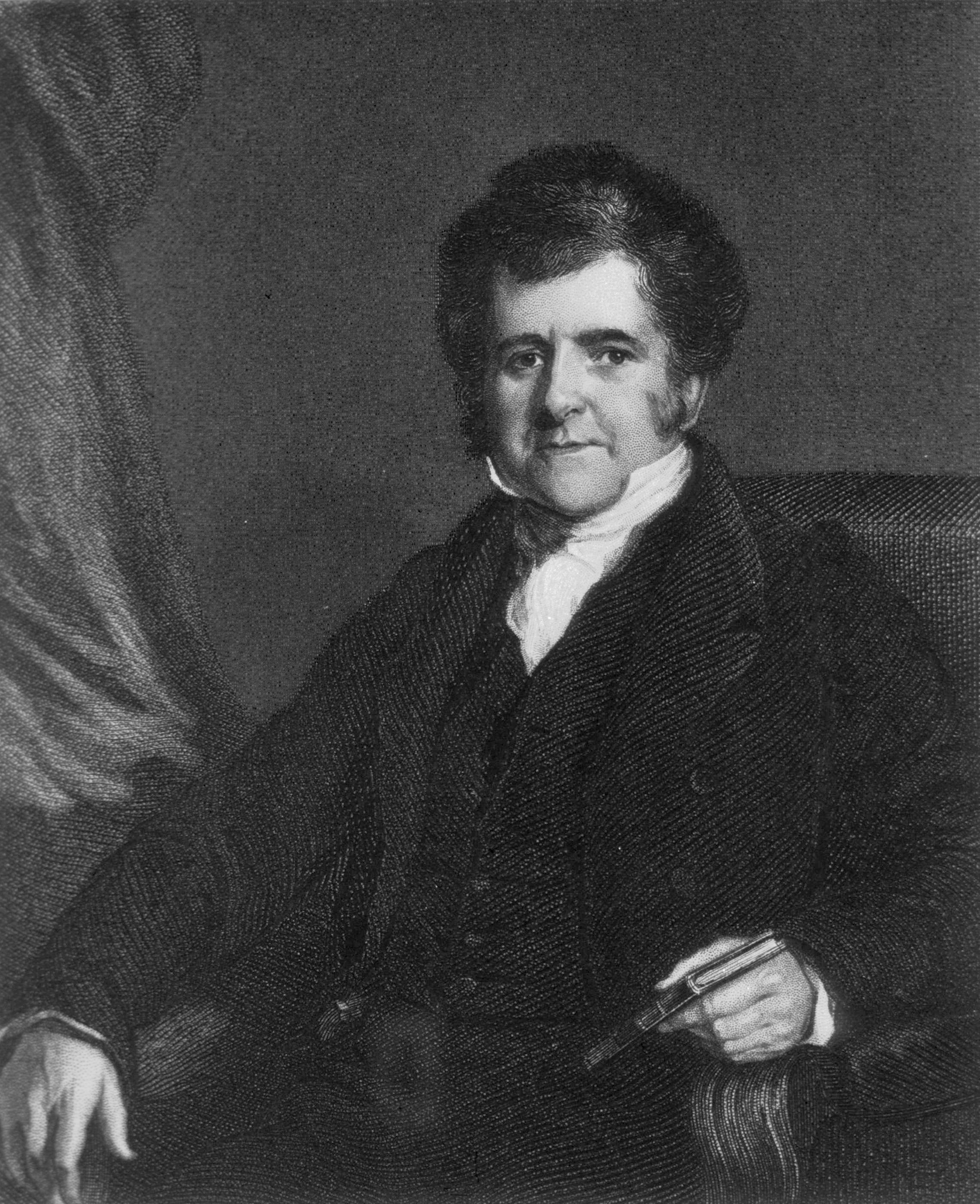
Bright was the first to describe unilateral (“Jacksonian”) epilepsy.
1851 CE
#4812
Synopsis of cerebral and spinal seizures of inorganic origin and of paroxysmal form as a class; and of their pathology as involved in the structures and actions of the neck.
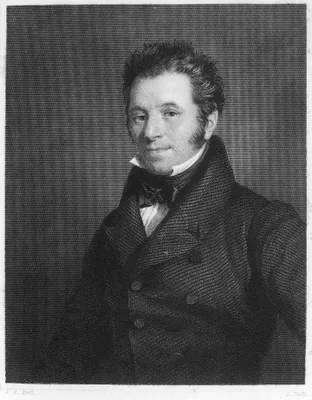
Hall was the first to suggest that the paroxysmal nervous discharges in epilepsy were produced by the spinal nervous system, first to notice the connection of anemia with epilepsy, and first to deduce that epilepsy wa…
1856 CE
#4813
Recherches expérimentales sur la production d’une affection convulsive épileptiforme, à la suite de lésions de la moëlle épiniére.
Experimental epilepsy (section of sciatic nerve). See also Arch. Physiol. norm. path., 1869, 2, 211-20, 422-38, 496-503; 1870, 3, 153-60.
1857 CE
#4814
Cases of epilepsy, associated with amenorrhoea and vicarious menstruation, successfully treated with the iodide of potassium.
O’Connor was apparently the first to use potassium bromide for the treatment of epilepsy.
1859 CE
#4815
Bau und Functionen der Medulla spinalis und oblongata, und nächste Ursache und rationelle Behandlung der Epilepsie.
The work of Schroeder van der Kolk brought histological examination to the forefront in connection with theories on the localization of function. His careful microscopical studies confirmed the medulla as being the ul…
1863 CE
#4816
Unilateral epileptiform seizures, attended by temporary defect of sight.
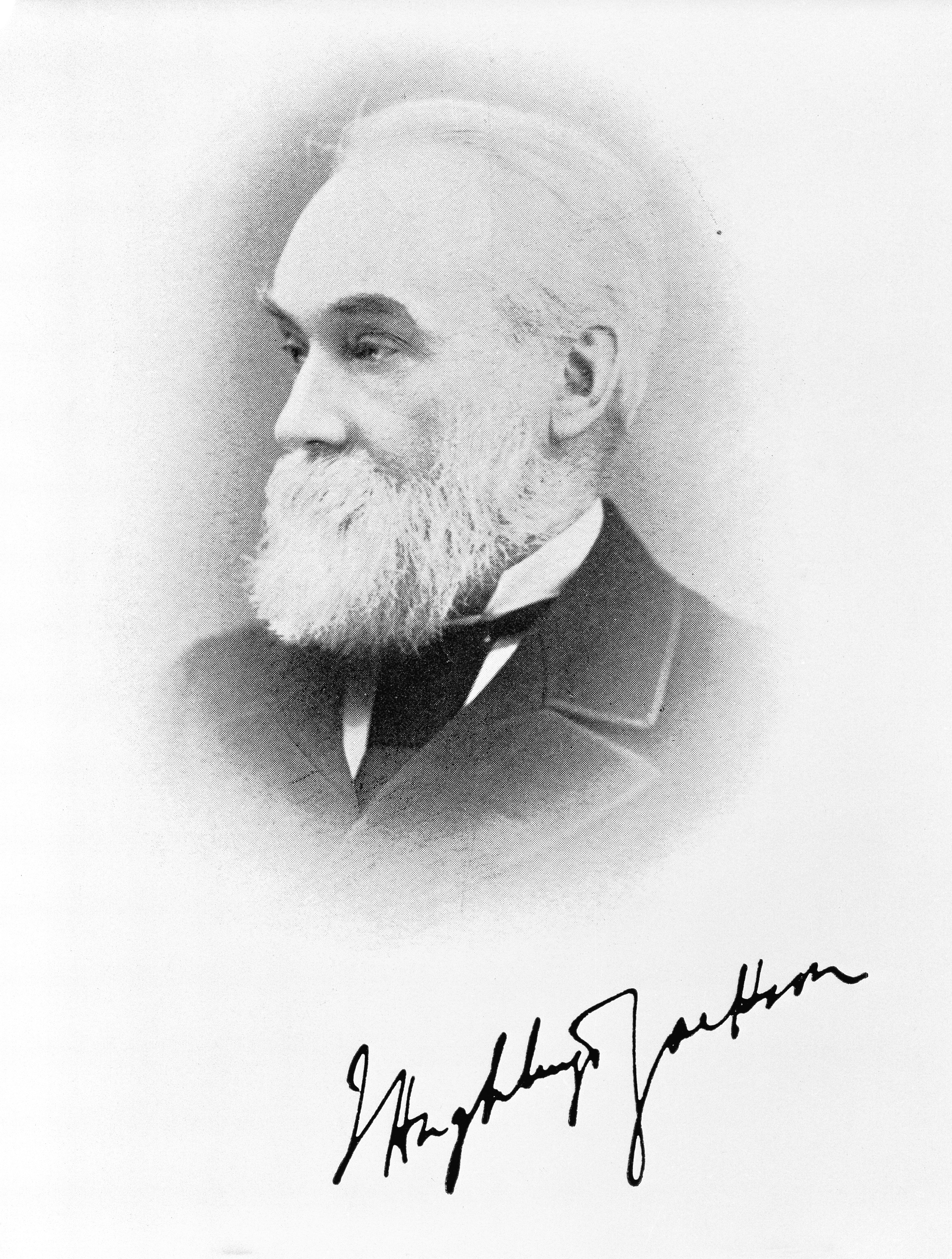
“Jacksonian epilepsy” is so called from the excellent account of unilateral epilepsy with spasm given by Jackson. Actually, Bravais (No. 4810) was first to note the condition.
1875 CE
#4817
Case of hemikinesis.
1881 CE
#4818
Epilepsy and other chronic convulsive diseases.
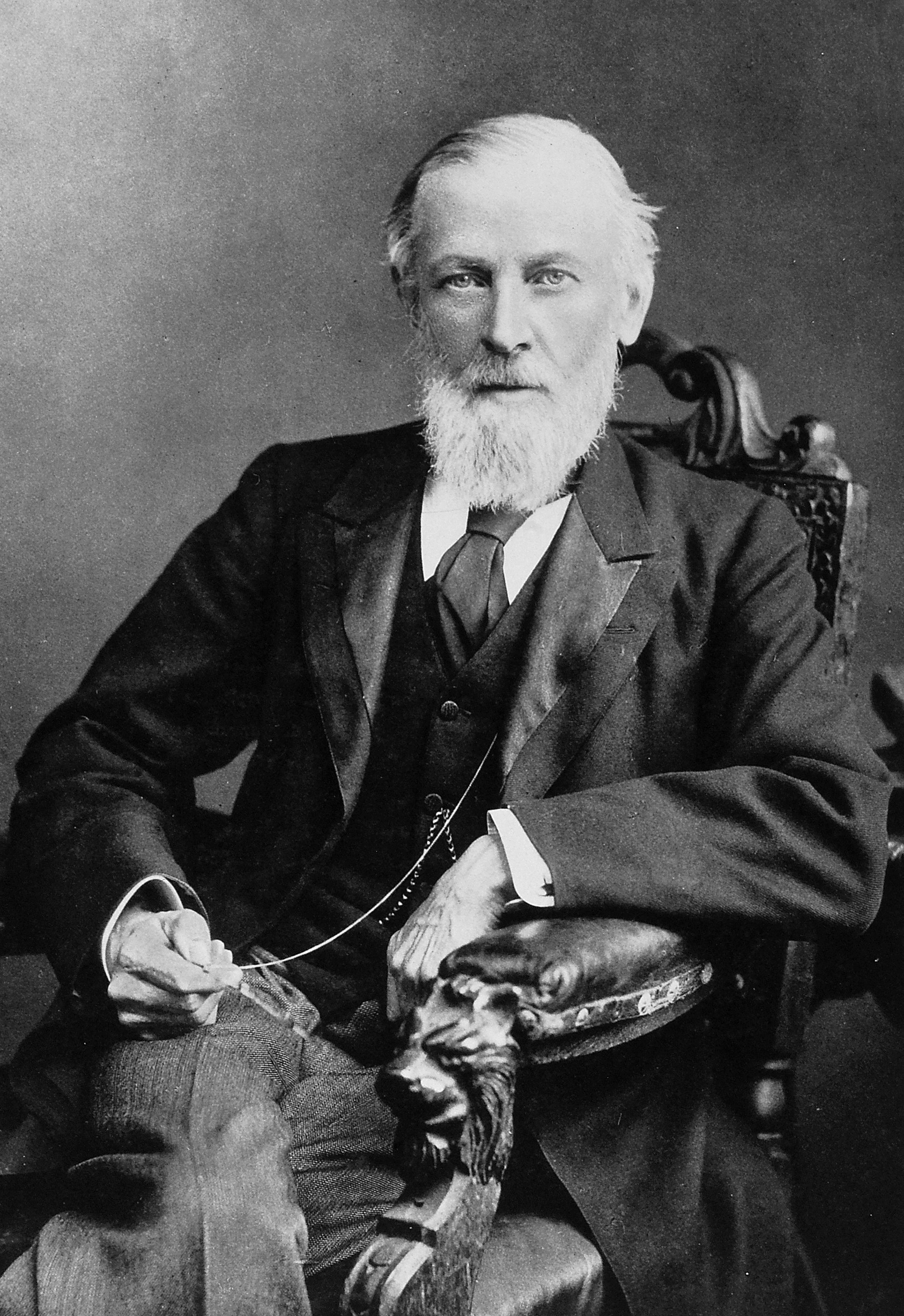
Gowers left a classic account of epilepsy, a book which today is still one of the most important on the subject. He was first to note the tetanic nature of the epileptic convulsion.
1891 CE
#4819
Die Myoclonie.
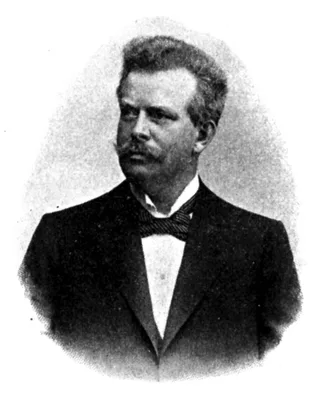
First description of “Unverricht’s disease” – familial myoclonus epilepsy.
1894 CE
#4820
Osobyj vid kortikal’noj epilepsii.
“Koževnikov’s epilepsy”, an atypical form of cortical origin. German translation by H. Heintel and H. Müller-Dietz, Hamburg, 1974.
1907 CE
#4821
The border-land of epilepsy. Faints, vagal attacks, vertigo, migraine, sleep symptoms, and their treatment.
1911 CE
#4822
A first study of inheritance of epilepsy.
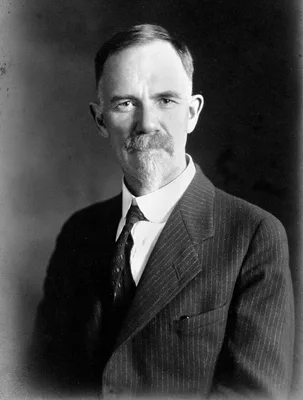
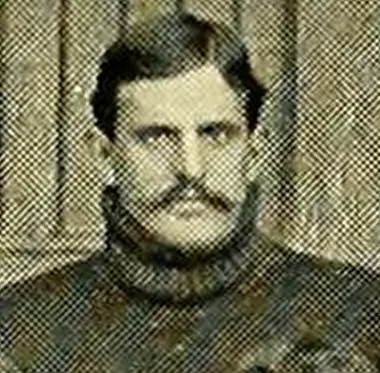
Davenport and Weeks produced strong evidence in support of the hereditary origin of epilepsy.
1912 CE
#4823
Luminal bei Epilepsie.
Introduction of phenobarbitone in the treatment of epilepsy.
1937 CE
#4824
The electro-encephalogram in epilepsy.
Demonstration of the changes in the electro-encephalogram in epilepsy. With S. Graham and W. Grey Walter.
1815 CE
#4825
Commentaries on some of the most important diseases of children. Part the first.
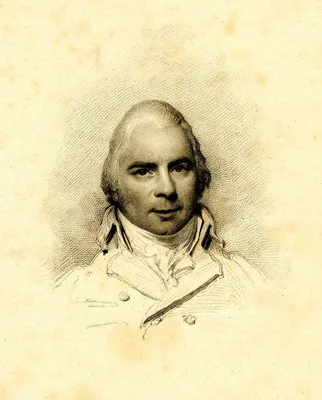
First account of infantile tetany is given on pp. 86-97. Clarke died before this work was published. In it he also gave a clear description of laryngismus stridulus. This disease, which consists in a sudden onset of d…
1816 CE
#4826
Notes on the swelling of the tops of the hands and feet, and on a spasmodic affection of the thumbs and toes, which very commonly attends it.
In his early account of chronic tetany, Kellie referred to carpo-pedal spasm and spasms of the glottis as part of the syndrome.
1830 CE
#4827
Zwei seltene Formen von hitzigem Rheumatismus.
German writers usually credit Steinheim with the first description of parathyroid tetany.
1831 CE
#4828
Observations sur une espèce de tétanos intermittent.
Dance’s important early description of parathyroid tetany followed closely on that of Steinheim.
1852 CE
#4829
De la contracture des extrémités ou tétanie. Thèse pour le doctorat en médecine. No. 223
In his graduation thesis, Lucien Corvisart, nephew of the more famous Baron Corvisart (No. 2737), introduced the term “tétanie”. Digital facsimile from BnF Gallica at this link.
1872 CE
#4831
Zur Lehre von der Tetanie.
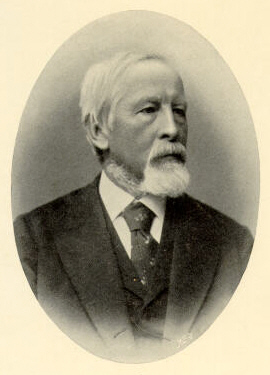
Important observations on gastric tetany were made by Kussmaul. He called attention to the convulsions sometimes accompanying dilatation of the stomach. He first mentioned “gastric tetany” in 1869 in his p…
1873 CE–1874 CE
#4832
Zur Lehre von der Tetanie nebst Bemerkungen über die Prufung der electrischen Erregbarkeit motorischer Nerven.
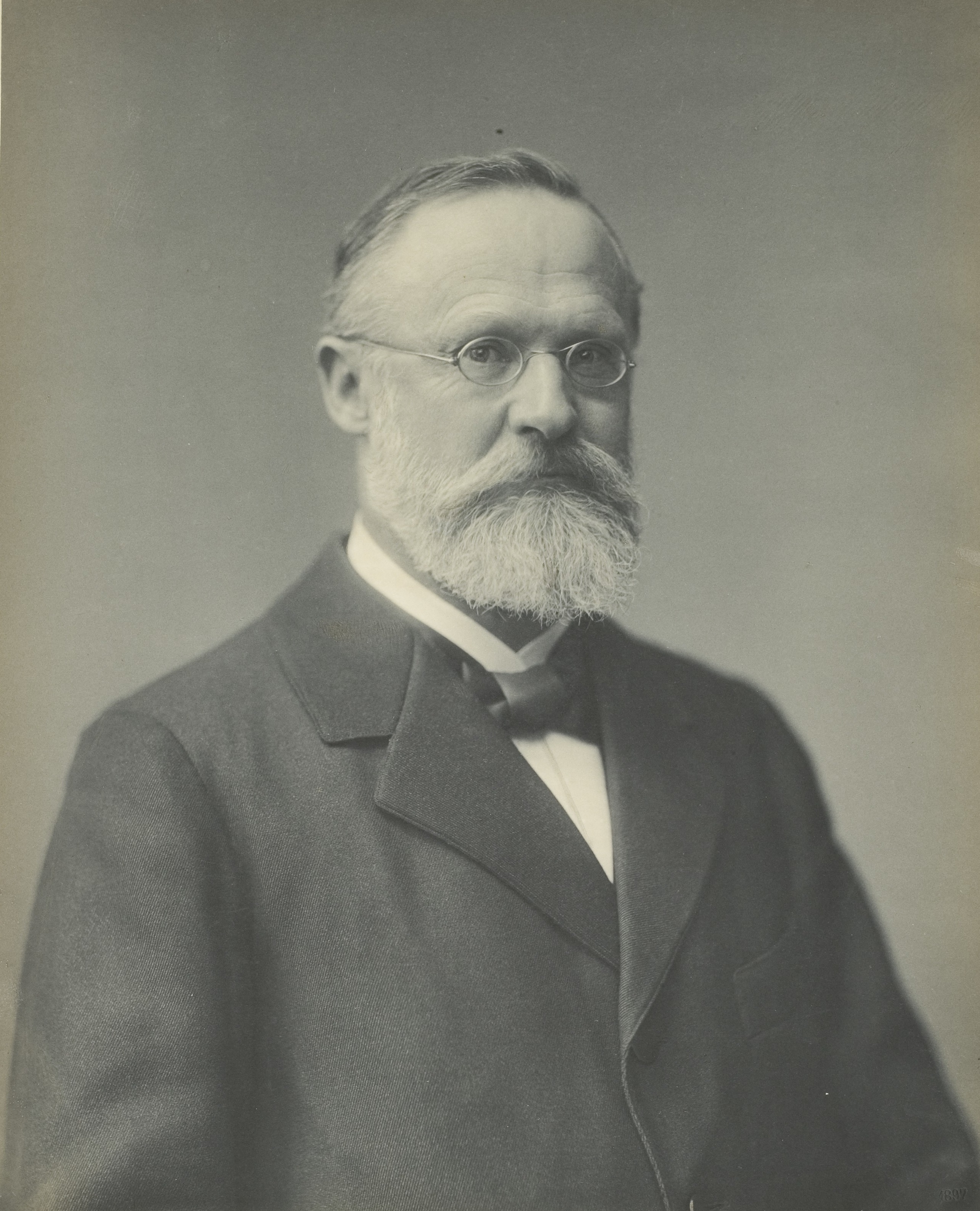
“Erb’s sign”.
1876 CE
#4833
Beitrag zur Tetanie.
“Chvostek’s sign”, a reliable diagnostic sign in latent tetany in small children.
1891 CE
#4834
Die Tetanie.
1909 CE
#4835
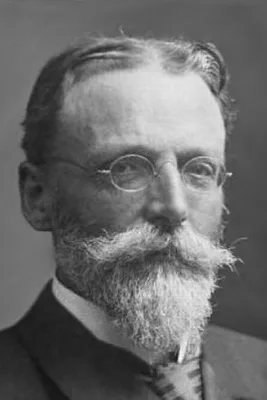
Die Tetanie der Kinder.
1920 CE
#4836
Die Beeinflussung der Tetanie durch Ultraviolettlicht.
Treatment of tetany with ultraviolet light.
1933 CE
#4838
Die Behandlung der postoperativen Tetanie.
Introduction of A.T. 10 (“Antitetanisches Praparat Nr. 10”), dihydrotachysterol, in the treatment of tetany.
1670 CE
#4839
Affectionum quae dicuntur hystericae e hypochondriacae pathologia spasmodica vindicata…
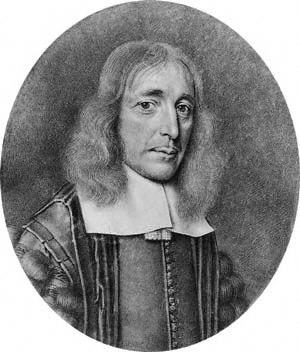
In this treatise on hysteria and hypochondria, Willis showed that hysteria was a nervous disease and not a uterine disorder as had been traditionally believed. He compared hysteria in women to hypochondria in men. He …
1733 CE
#4840
The English malady; or, a treatise of nervous diseases of all kinds.
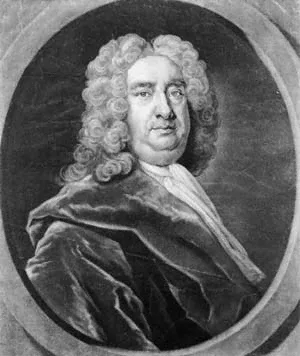
Cheyne attributed hypochondria (“Cheyne’s disease”) to the moisture of the air and variability of the weather in the British Isles. Cheyne himself suffered from this disease and the work includes a c…
1765 CE
#4841
Observations on the nature, causes, and cure of those disorders which have been commonly called nervous hypochondriac, or hysteric, to which are prefixed some remarks on the sympathy of the nerves.
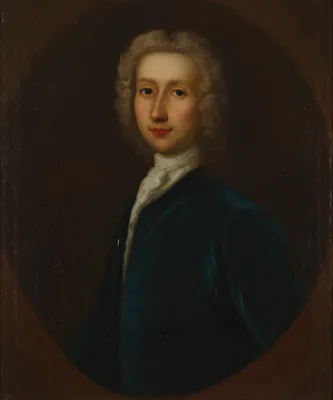
“First important English work on neurology after Willis” (Garrison).
1859 CE
#4842
Traité clinique et thérapeutique de l’hystérie.
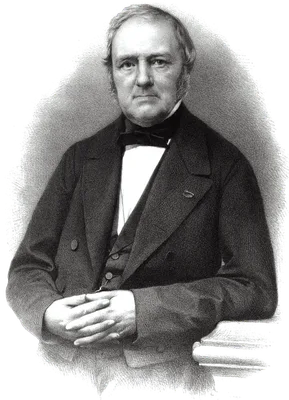
Includes, p. 297, first description of ataxia analgica hysterica (“Briquet’s ataxia”), and p. 475, hysterical paralysis of the diaphragm with dyspnoea and aphonia (“Briquet’s syndrome&rdq…
1869 CE
#4843
Neurasthenia, or nervous exhaustion.
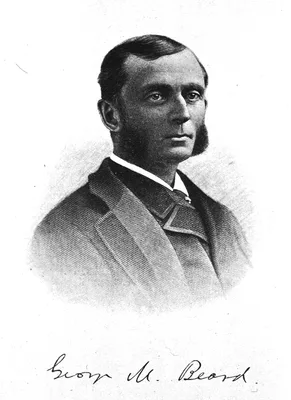
“Beard’s disease” (neurasthenia) first described. See also No. 4846.
1871 CE–1872 CE
#4844
Die Agoraphobie, eine neuropathische Erscheinung.
First description of agoraphobia
1874 CE
#4845
Anorexia nervosa (apepsia hysterica, anorexia hysterica).
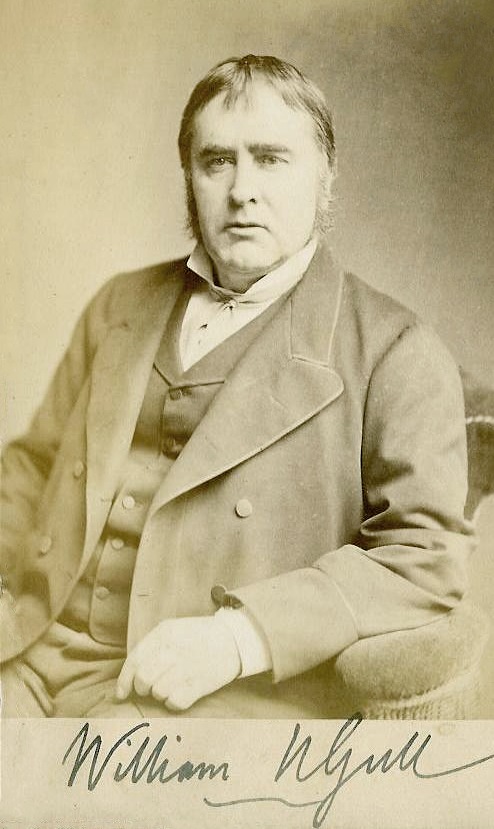
Classic description of anorexia nervosa.
1880 CE
#4846
A practical treatise on nervous exhaustion (neurasthenia).
1884 CE
#4847
On visceral neuroses.
Gulstonian Lectures.
1884 CE
#4848
Jumping, latah, myriachit.
Latah, motor incoordination associated with echolalia and coprolalia, is named “Gilles de la Tourette’s disease” after his classic description of it.
1898 CE
#4849
Ueber einen eigenartigen hysterischen Dämmerzustand.
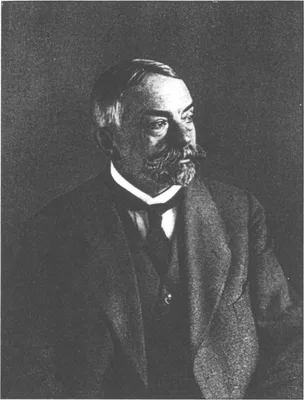
“Ganser’s syndrome” – an acute hallucinatory mania.