
Entry Nos. 2600–2699
99 Garrison-Morton entries in this range.
1775 CE
#2122
Chirurgical observations relative to the cataract, the polypus of the nose, the cancer of the scrotum, etc.
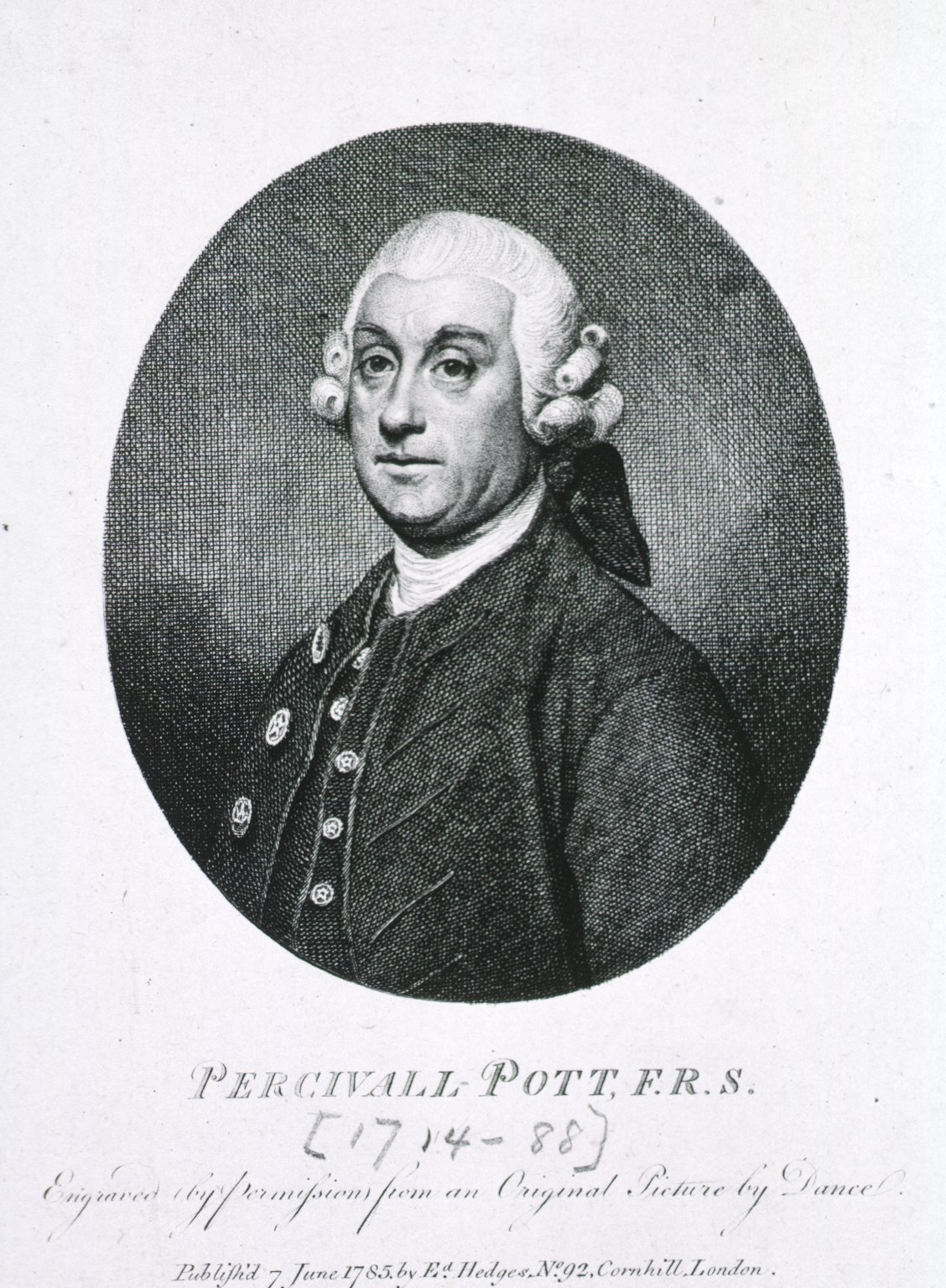
Includes the first description of occupational cancer. By describing chimney sweeps” cancer of the scrotum, Pott was the first to trace the origin of a type of cancer to a specific external cause. The above work…
1910 CE
#2600
The physiology of the immediate reaction of anaphylaxis in the guinea-pig.
First adequate account of the physiological reactions leading to fatal anaphylactic shock.
1917 CE
#2601
Anaphylaxie et antianaphylaxie.
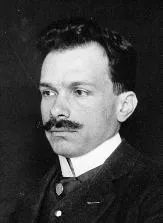
English translation, 1919.
1924 CE
#2602
Vascular reactions of the skin to injury. II. The liberation of a histamine-like substance in injured skin; the underlying cause of factitious urticaria and of wheals produced by burning; and observations upon the nervous control of certain skin reactions.
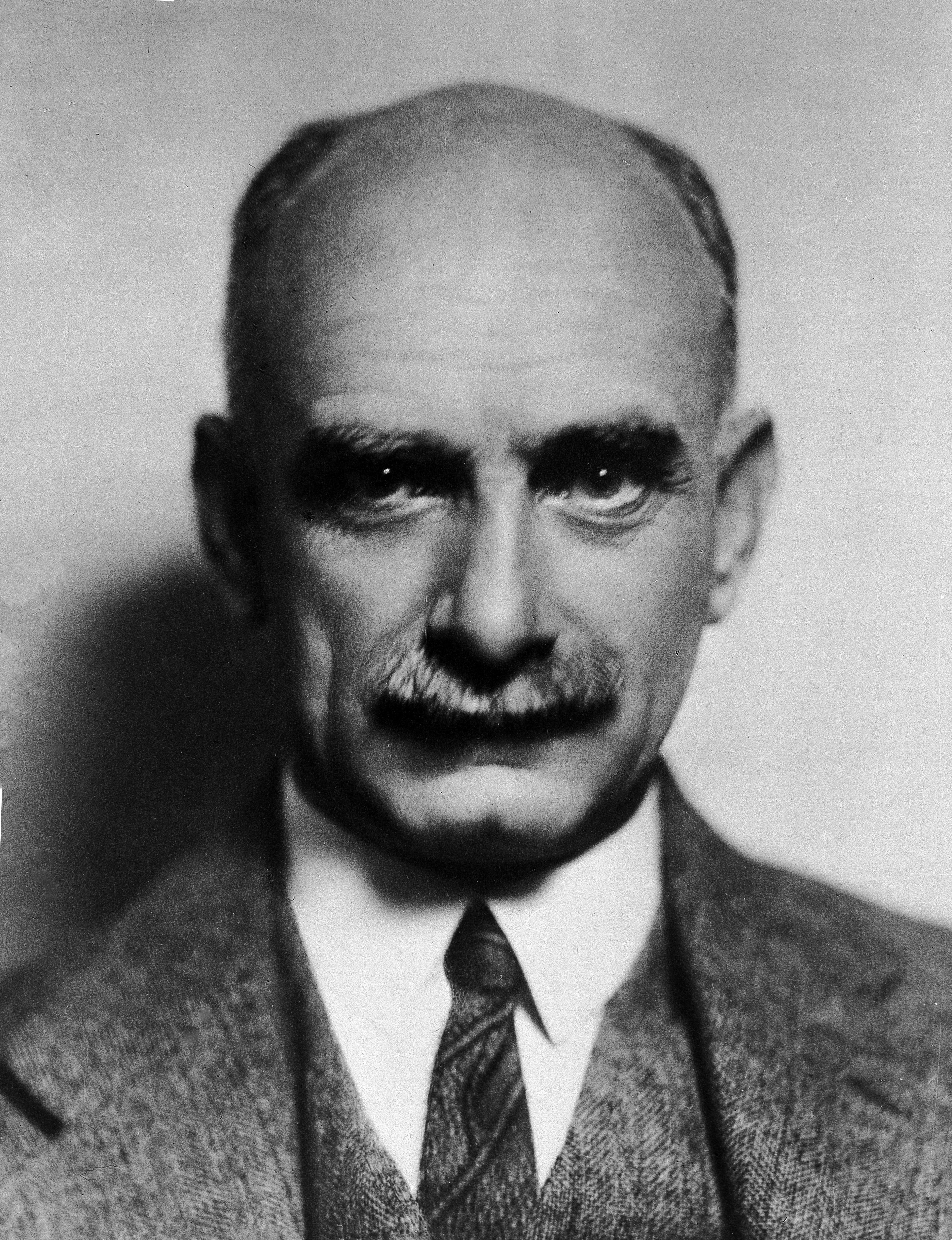
Lewis postulated that a histamine-like substance (“H-substance”) was responsible for the anaphylaxis symptom-complex. See also The blood-vessels of the human skin and their responses, 1927 (No. 797).
1925 CE
#2603
Allergic diseases; diagnosis and treatment of bronchial asthma, hay fever, and other allergic diseases.
In his important studies of asthma, Storm van Leeuwen demonstrated that in the great majority of patients allergens are the cause of the condition and also that patients are sensitive to mold spores. He experimented w…
1931 CE
#2604
Treatment of hay fever by intranasal zinc ionization.

Introduction of the method.
1932 CE
#2605
Studies in anaphylaxis.
Detection of the release of histamines into the circulation during anaphylactic reaction. Thereafter histamine was identified as Lewis’s “H-substance.”
1824 CE
#2606
De tumoribus praeter naturam. In his Opera omnia, ed. cur. C.G. Kühn. 7, 705-32.
![GALEN, [Κλαύδιος Γαληνός; Galen of Pergamon] (129 – 216)](/media/portraits/21)
Galen’s classification of tumors persisted for more than 1,000 years. He considered neoplasms to be due to an excess of black bile, which solidified in certain sites. He advocated purges to dissolve the black bi…
1757 CE
#2607
Mémoire avec un précis de plusieurs observations sur le cancer.
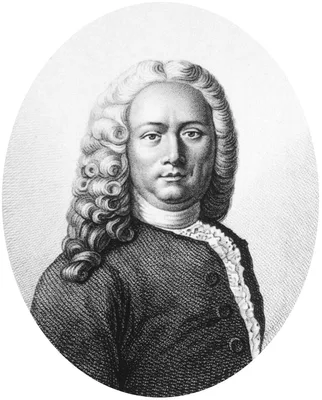
Le Dran discarded the humoral conception of cancer for the first time. He regarded cancer as a local disease in its early stage and knew that it spread via the lymphatics to regional nodes, and from there into the gen…
1774 CE
#2608
Dissertatio academica de cancro.
Peyrilhe was the first to attempt an experimental study to determine the nature of cancer. He injected fluid from human mammary cancer into a dog; however, the dog howled and aggravated his housekeeper, who drowned it…
1829 CE
#2610
Recherches sur le traitement du cancer par la compression méthodique. 2 vols.
Récamier was the first to recognize the process of metastasis. He also described for the first time invasion of veins by cancer.
1830 CE
#2611
A short tract on the formation of tumours, and the peculiarities that are met with in the structure of those that have become cancerous; with their mode of treatment.
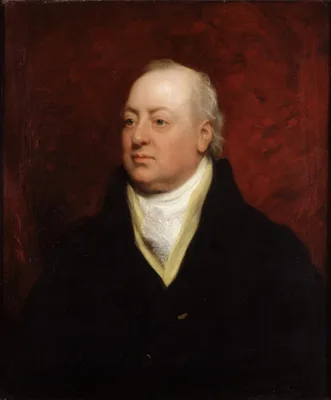
Contains the first illustrations of microscopic sections of cancer; however, Home drew no worthwhile conclusion from his microscopic studies. Digital facsimile from the Internet Archive at this link.
1838 CE
#2612
Ueber den feinern Bau und die Formen der krankhaften Geschwülste. Lief. 1.
This classic work showed that Müller realized the necessity of the cell theory for the comprehension of the nature of cancer. He recognized cells, their nuclei and nucleoli, and could distinguish various types of…
1847 CE
#2613
Zur Entwickelungsgeschichte des Krebses.
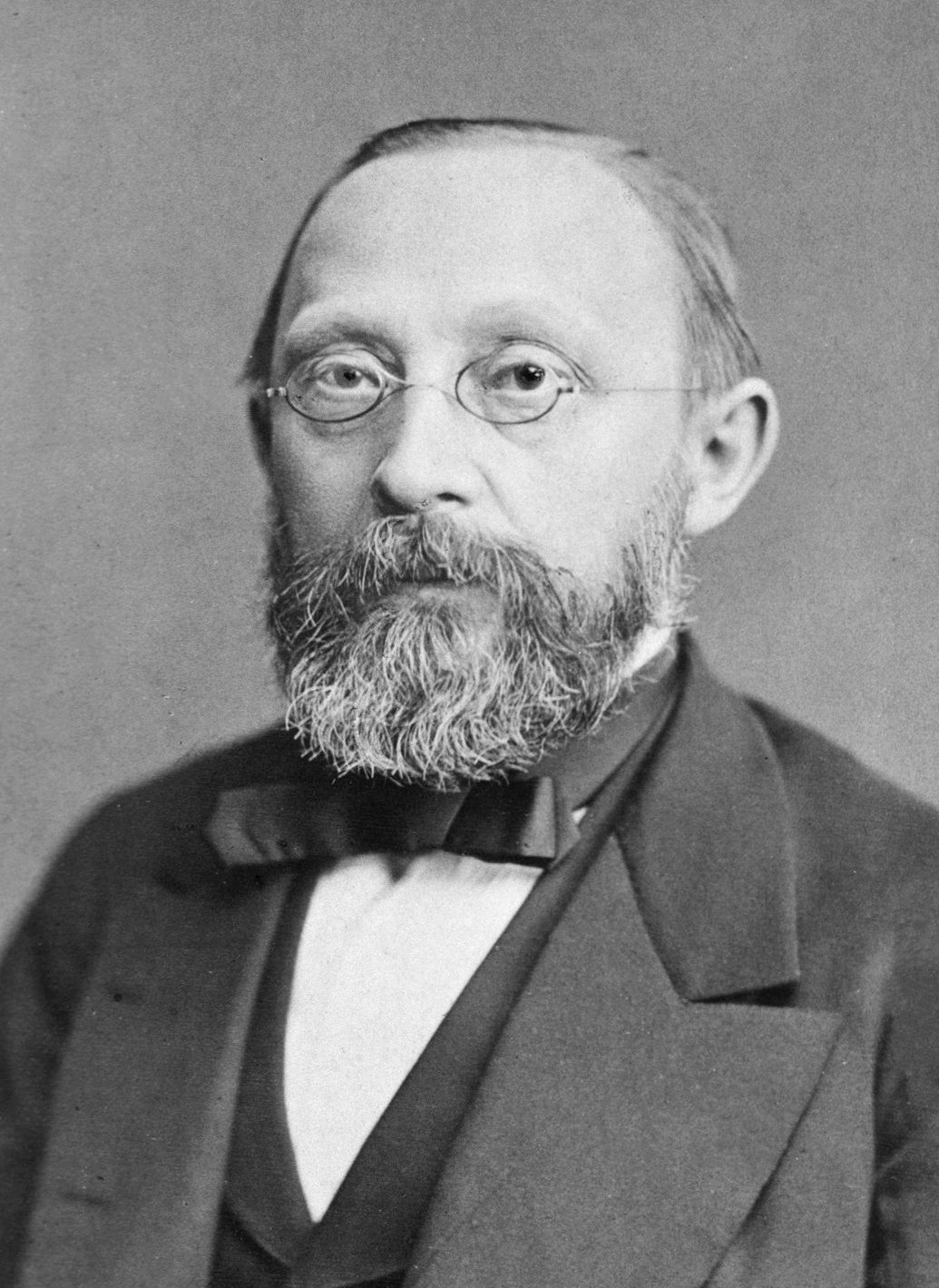
While still a young man Virchow founded the above journal. He wrote a fine paper on cancer and suggested that the exciting cause is local irritation.
1851 CE
#2614
Transplantation of malignant tumors.
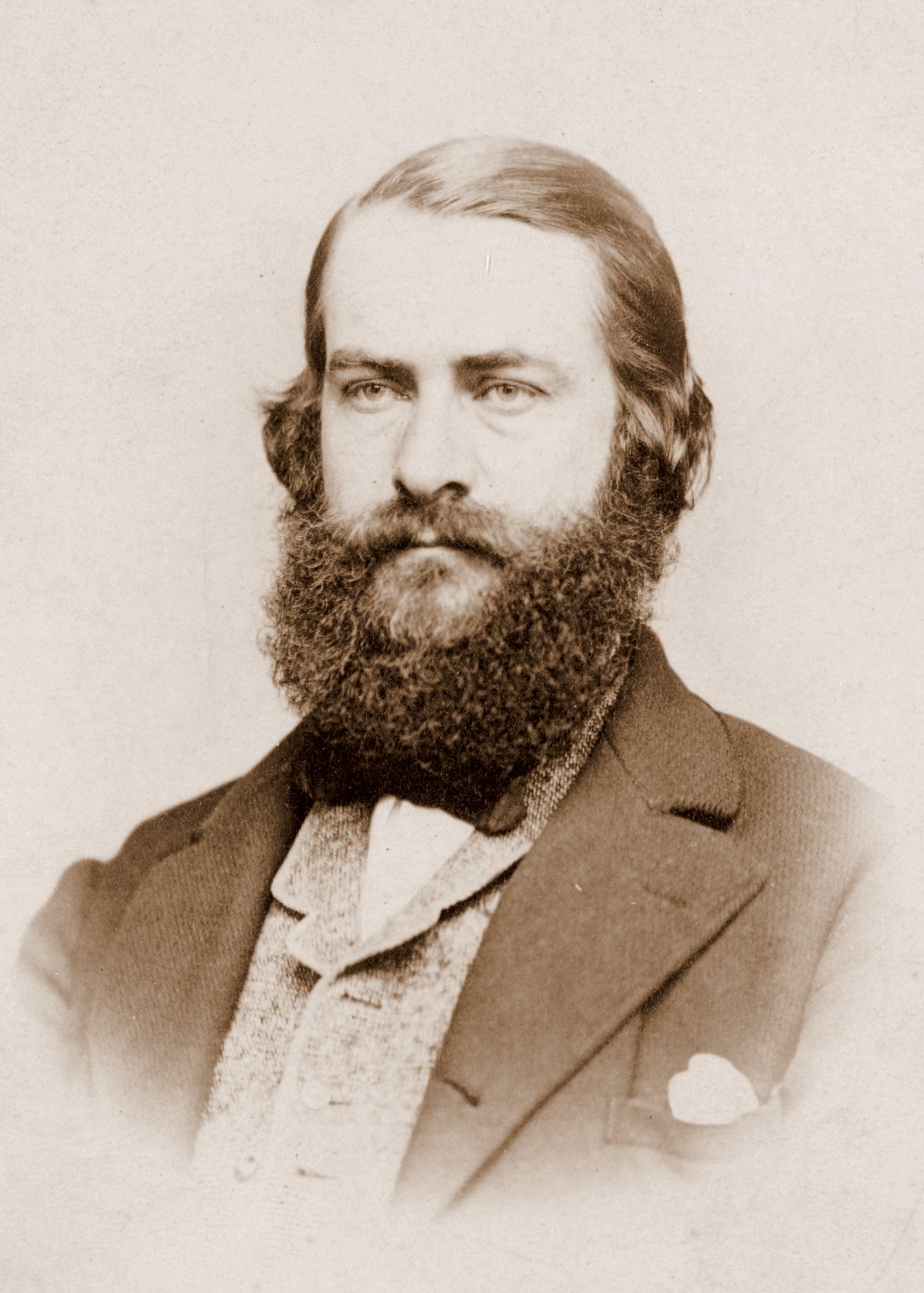
First experimental transplantation of tumors.
1852 CE
#2615
Om epithelioma, en særegen Svulst, som man hidtil i Almindelighed har anseet for Kræft.
Hannover coined the word “epithelioma.” He did not recognize its malignant character but maintained that metastases were produced by cancer cells arriving by way of the blood stream. Translated into German…
1860 CE
#2616
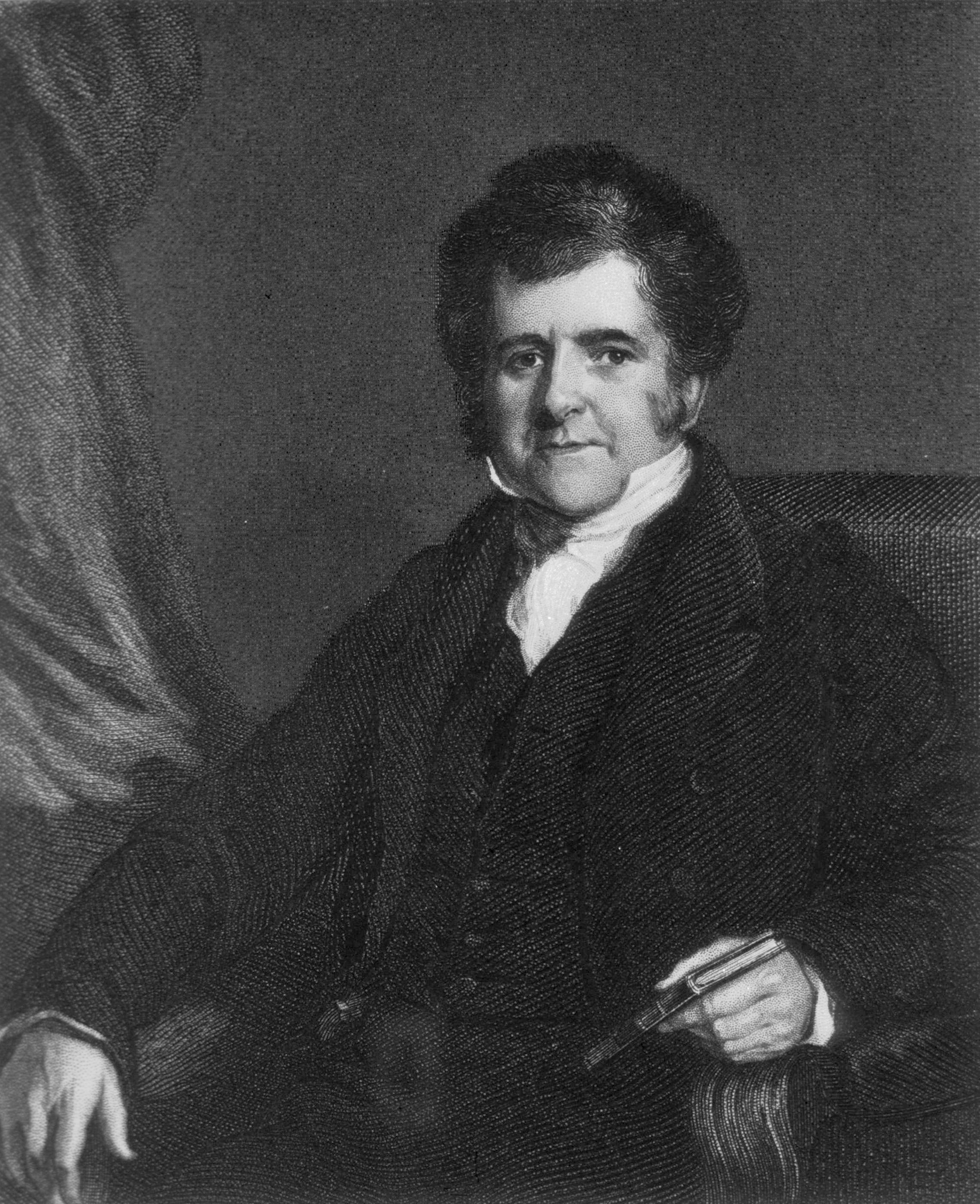
Clinical memoirs on abdominal tumours and intumescence.
1863 CE–1867 CE
#2617
Die krankhaften Geschwülste. Vol. 1-3, Heft 1.
Although tumours were perhaps his greatest interest, Virchow never completed this work which was intended to have 30 lectures. Instead he stopped with the 25th lecture, on carcinoma, probably because of the vigorous a…
1865 CE
#2618
Der Epithelialkrebs namentlich der Haut. 1 vol. and atlas.
Thiersch, Professor of Surgery at Erlangen, and inventor of the method of skin grafting which bears his name, also made an important contribution to the knowledge of the histogenesis of cancer. He disproved Virchow&rs…
1867 CE
#2619
On the influence of inadequate operations on the theory of cancer.
Modern surgical treatment of cancer is based upon principles laid down by Moore. For cancer of the breast he showed that recurrence was not due to the development of an entirely new tumor because of constitutional sus…
1867 CE
#2620
Die Entwicklung der Carcinome.
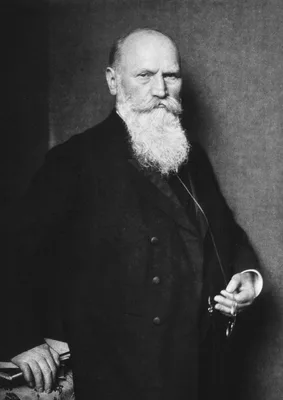
Waldeyer confirmed the work of Thiersch (No. 2618) on the epithelial origin of cancer, disproving Virchow’s theory (No. 2617). So great was the authority of the latter that it was not until the appearance of the…
1889 CE
#2621
Erfolgreiche experimentelle Uebertragung von Carcinom.
Hanau successfully transplanted cancer in mammals.
1890 CE
#2622
An address on a characteristic organism of cancer.
“Russell’s bodies.”
1893 CE
#2623
Ueber Lympho-Sarkomatosis.
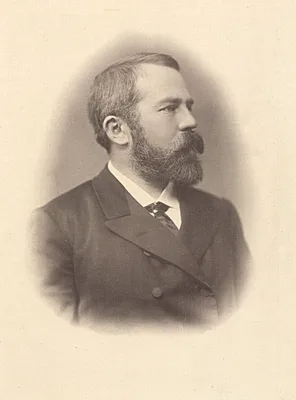
Kundrat separated lymphosarcoma (“Kundrat’s disease”) from other malignant tumors involving the lymphatic system.
1899 CE
#2624
Fall af epiteliom behandladt med Roentgenstraler.
In June 1899 Sjögren was the first successfully to use Roentgen rays in the treatment of cancer.
1902 CE
#2625
Die Lehre von den Geschwülsten. 2 vols.
“With this book the microscopical epoch in the evolution of the knowledge of cancer may be said to have been brought to a close” (Haagensen).
1902 CE
#2626
Die mikroskopische Diagnose der bösartigen Geschwülste. 2te. Aufl.
Hansemann originated the theory of anaplasia.
1903 CE
#2627
Zur Frage der Beziehungen zwischen Becquerelstrahlen und Hautaffectionen.

Records the first successful employment of radium in the treatment of cancer.
1903 CE
#2628
Experimentelle Untersuchungen über Krebs bei Mäusen.
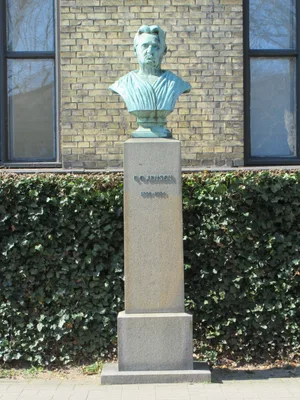
Jensen carried rat sarcoma through as many as 40 generations of rodents without change in microscopic structure. His classic study discredited the theory of the infectivity of cancer, and established its inoculability…
1903 CE
#2629
Die Verbreitungswege der Karzinome und die Beziehung generalisierter Sarkome zu den leukämischen Neubildungen.
Schmidt supported the theory of the hematogenous origin of carcinoma metastases.
1904 CE
#2630
Om Röntgenbehandling af sarkom.
1904 CE–1905 CE
#2631
Om Röntgenbehandling af maligna svulster.
SeeNo. 2624.
1905 CE
#2632
Die Entstehung des Carcinoms.
Ribbert was the modern protagonist of the theory of the embryonal origin of cancer.
1907 CE–1908 CE
#2633
A study of heredity in relation to the development of tumours in mice.
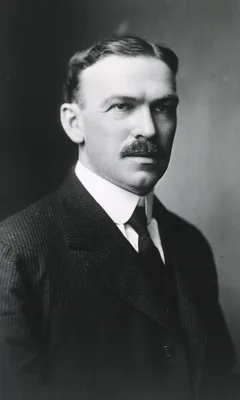
First experimental study of the heredity of mouse cancer.
1908 CE
#2634
Chronisch entzündliche Bauchdeckengeschwülste nach Bruchoperationen.
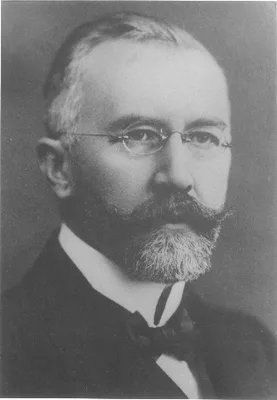
“Schloffer’s tumor” – a rare inflammatory pseudotumor of the abdomen. It usually appears several years after abdominal surgery, including herniotomy, or trauma.
1909 CE
#2635
The Croonian Lectures on radioactivity and carcinoma.
1910 CE
#2636
Cultures de sarcome en dehors de l’organisme.
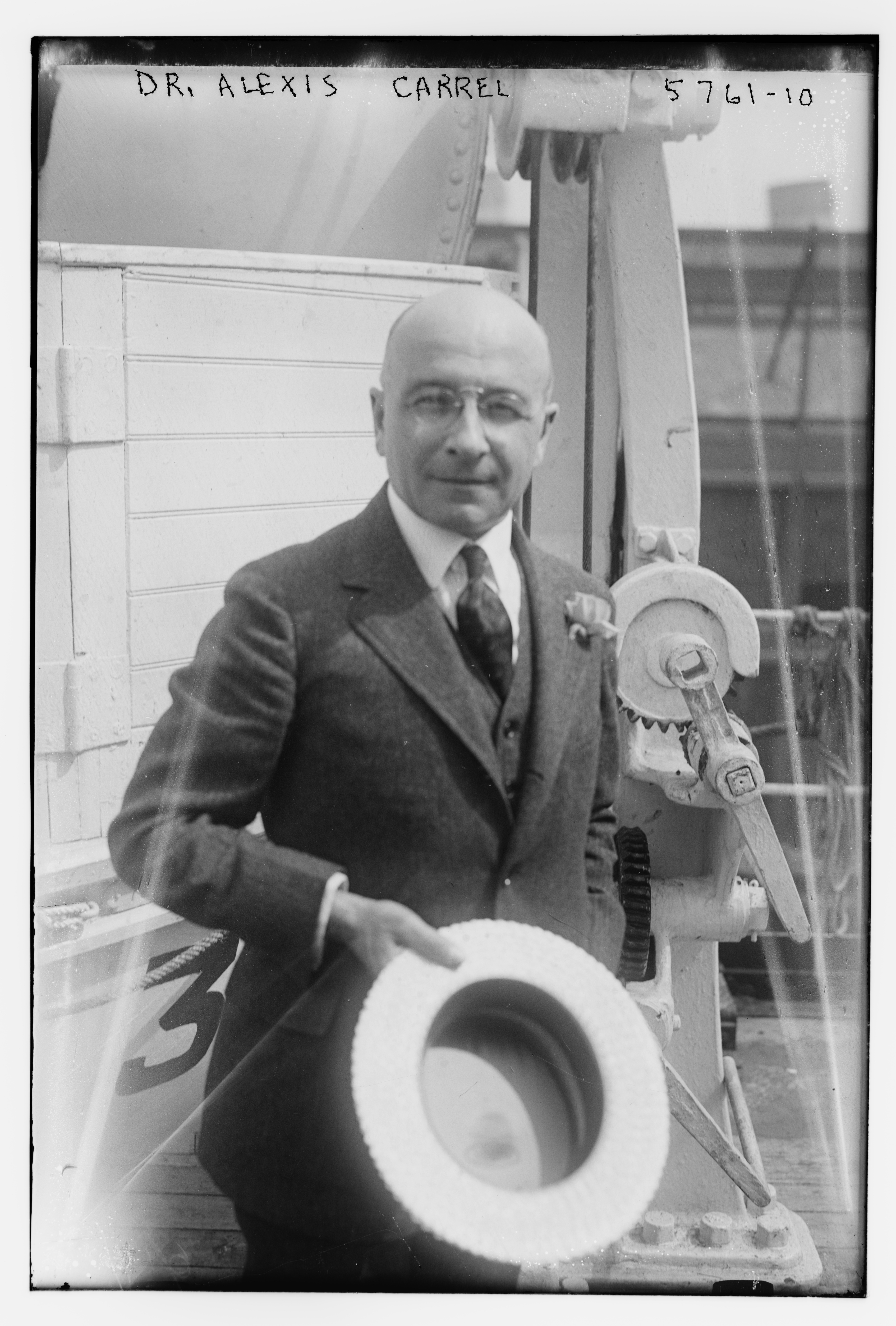
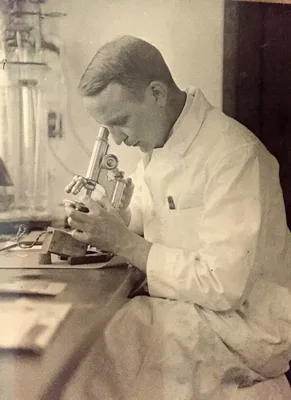
Using the Rous chicken sarcoma, Carrel and Burrows were the first to grow tumor tissue in vitro.
1910 CE
#2637
A transmissible avian neoplasm (sarcoma of the common fowl).
Original description of the chicken sarcoma (Rous sarcoma). Rous demonstrated that sarcomatous tumors in hens could be transmitted to normal hens by the injection of cell-free filtrates (virus) of the original tumor. …
1911 CE
#2638
Zur Diagnose des Karzinoms.
A serum reaction, employed by Freund and Kaminer in 1910 for the diagnosis of cancer.
1912 CE
#2639
Epithelial proliferation induced by the injection of gasworks tar.
Experimental production of cancer by the injection of tar as a byproduct of the manufacture of coal gas.
1913 CE
#2640
Untersuchungen über eine Nematode (Spiroptera sp. n.) und deren Fähigkeit papillomatöse und carcinomatose Geschwulstbildungen im Magen der Ratte hervorzurufen.
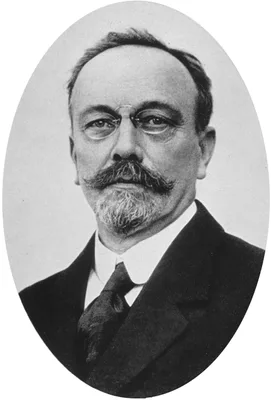
Fibiger demonstrated that the roundworm, which he called Spiroptera carcinoma (but is correctly named Gongylonema neoplasticum), could cause stomach cancer (squamous cell carcinoma) in rats and mice. His experimental …
1915 CE
#2641
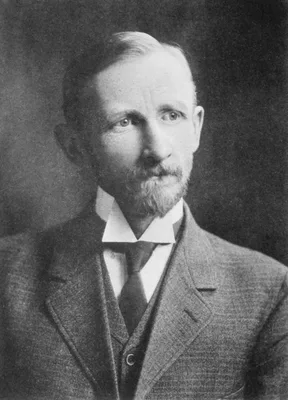
The mortality from cancer throughout the world.
1916 CE
#2642
Further investigations on the origin of tumours in mice. III. On the part played by internal secretion in the spontaneous development of tumours.
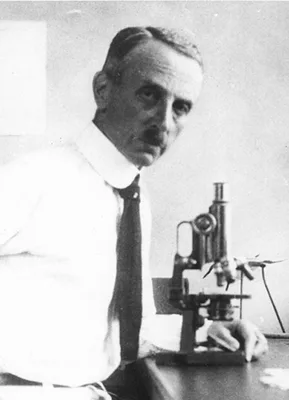
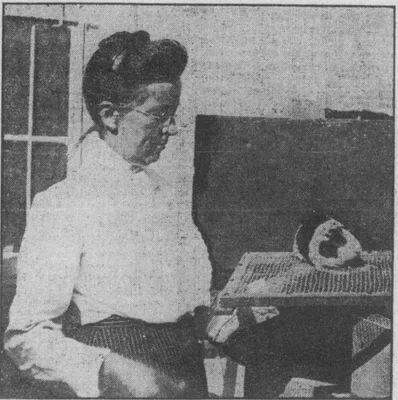
Demonstration of the influence of an internal secretion on the development of spontaneous cancer. Castration of female mice of a strain in which mammary cancer was frequent reduced its incidence and delayed its growth.
1916 CE
#2643
Ueber die künstliche Erzeugung von Karzinom.
First experimental production of tar cancer in rabbits by painting with tar products. This was the first proof of chemical carcinogenesis.
1919 CE
#2644
Neoplastic diseases.
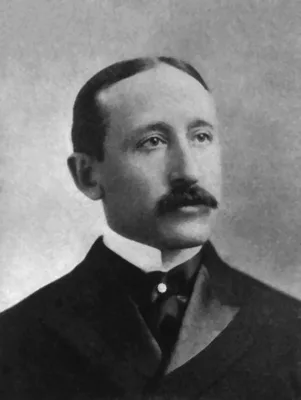
Fourth edition, 1940.
1920 CE
#2645
Squamous-cell epithelioma of the lip. A study of five hundred and thirty-seven cases.
Broders’s classification of tumors, an index of malignancy.
1924 CE
#2646
The formation of a cancer-producing substance from isoprene (2-methyl-butadiene).
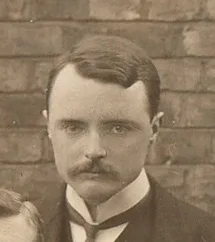
Kennaway produced carcinogenic tars by submitting acetylene or isoprene to high temperatures in an atmosphere of hydrogen, thus proving that some carcinogens are pure hydrocarbons.
1925 CE
#2647
The aetiology of malignant new growths.
Gye advanced the theory that an ultramicroscopic virus combined with an intrinsic chemical factor were concerned in the production of the Rous sarcoma.
1925 CE
#2648
The microscopical examination of filterable viruses associated with malignant new growths.
Barnard supported, with photomicrographs, Gye’s theory concerning the origin of cancer.
1925 CE
#2649
The melanomata, their morphology and histogenesis. A study of cell origins and transformations, with a critical discussion on aspects of tumour growth, and a clinical review.
The first exhaustive monograph on the pathology of melanoma. Also issued as a separate monograph (Edinburgh: Oliver & Boyd, 1925).