
Entry Nos. 4500–4599
100 Garrison-Morton entries in this range.
1856 CE
#22
Тα ∑ωζομενα. The extant works of Aretaeus, the Cappadocian. Edited and translated by Francis Adams.
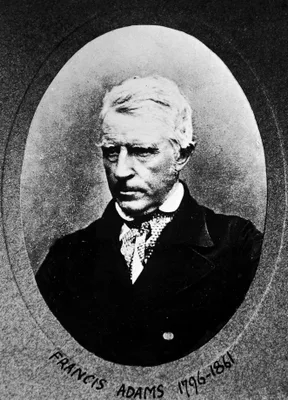
Aretaeus left many fine descriptions of disease; in fact Garrison ranks him second only to Hippocrates in this respect. In the printed editions of this bibliography, before the present online version, the Adams editio…
1821 CE
#1255
On the nerves; giving an account of some experiments on their structure and functions, which lead to a new arrangement of the system.
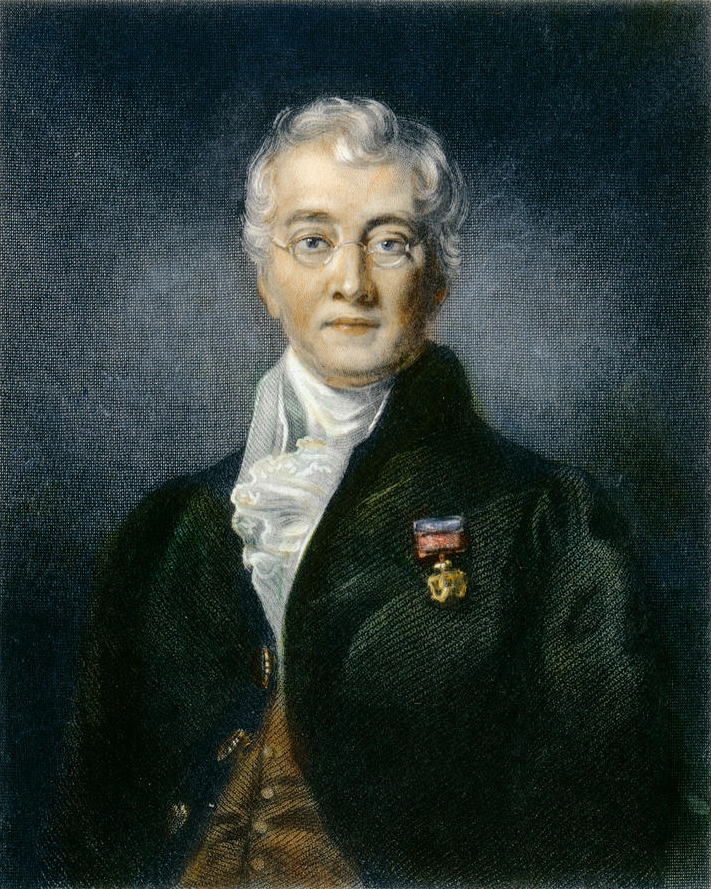
“Bell’s palsy”. The facial paralysis ensuing upon lesion of the motor nerve of the face is described here for the first time. See also his later paper, with more detailed description, in the same jou…
1764 CE
#1382
De ischiade nervosa commentarius.
Cotugno published a classic description of sciatica, which is useful even today. He recognized two types – arthritic and nervous; the latter has been called “Cotugno’s disease”, and his book is…
1672 CE
#1544
De anima brutorum
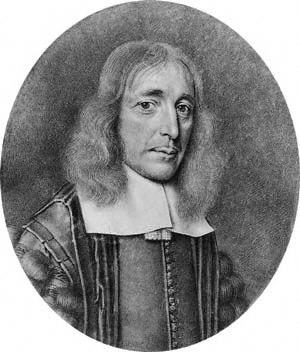
Chap. XIV is devoted to the sense of hearing; in it Willis described the “paracusis of Willis” (p. 73). English translation, 1683. A probable description of myasthenia gravis is given in Pars. 2, Cap. IX. …
1858 CE
#1996.1
Galvanotherapie der Nerven- und Muskelkrankheiten.
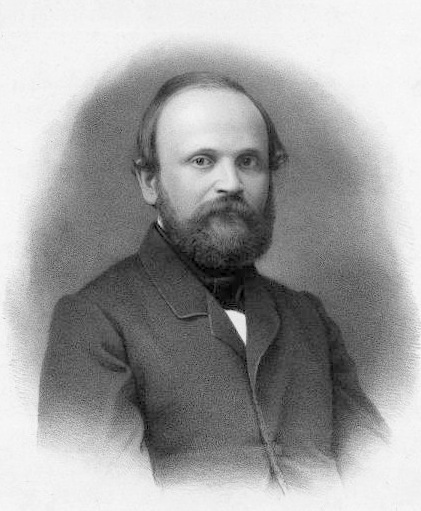
Remak was a pioneer of galvanotherapy. Having treated some 700 patients with galvanic current, he believed that it was superior to faradic current for electrotherapy.
1864 CE
#2167
Gunshot wounds and other injuries of nerves.
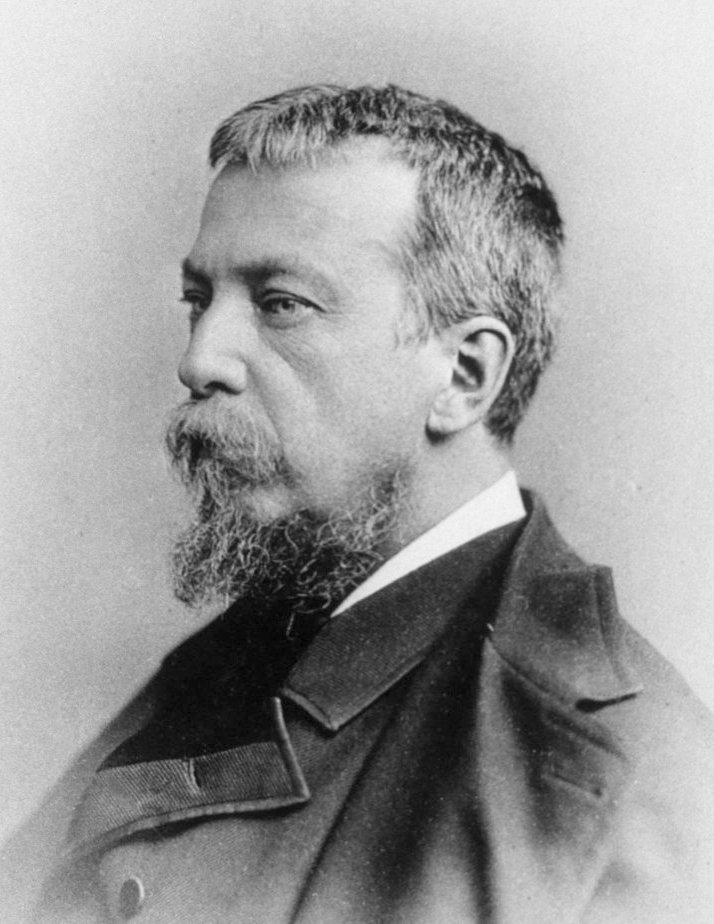
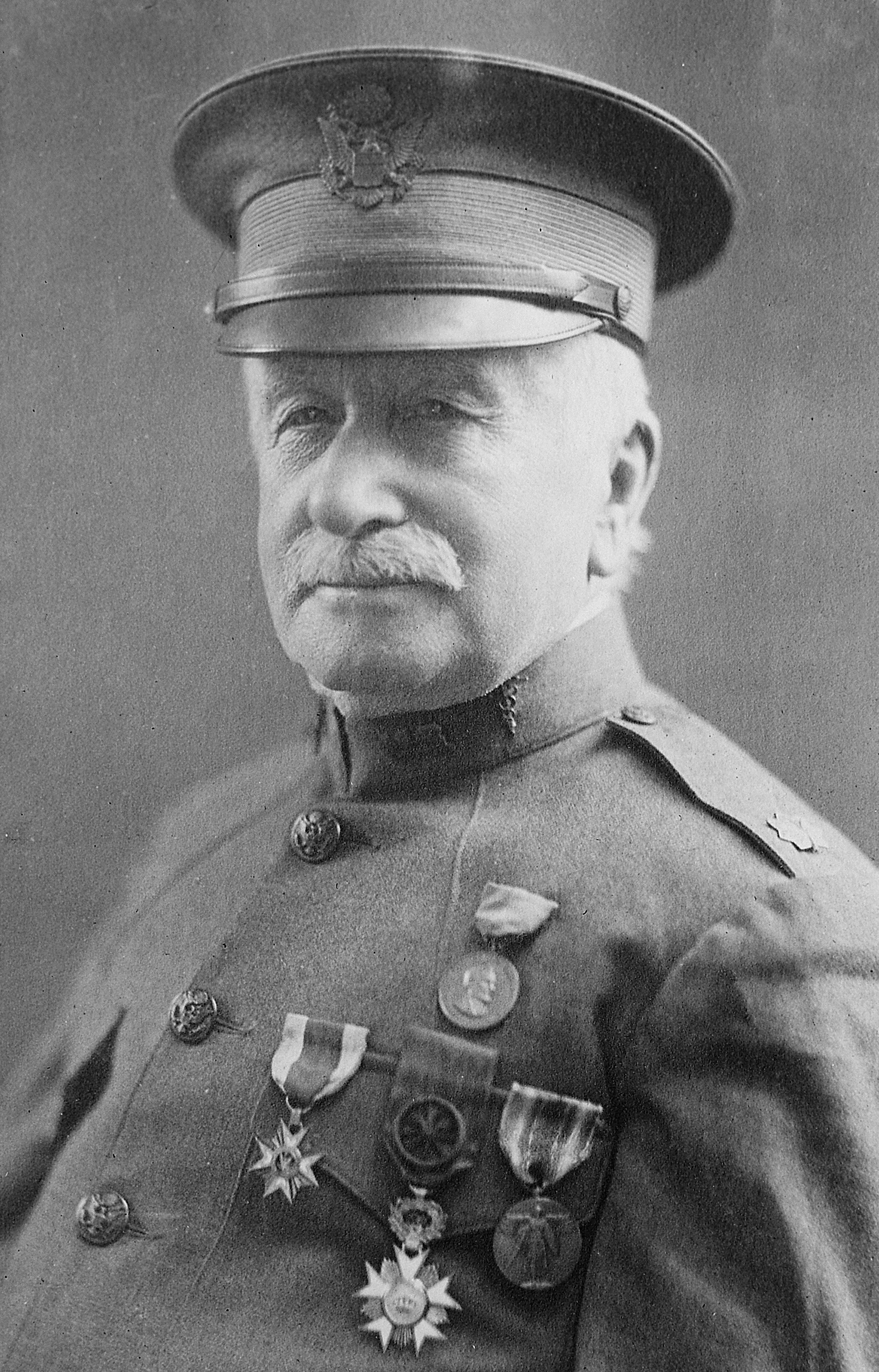
Mitchell, Morehouse, and Keen were army surgeons during the American Civil War; their book was the first exhaustive study of the traumatic neuroses. Includes the first description of ascending neuritis, and also of th…
1825 CE
#2210
Collections from the unpublished writings of the late Caleb Hillier Parry. 3 vols.
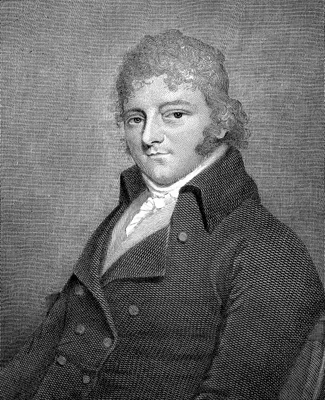
Includes Parry’s interesting description of eight cases of exophthalmic goitre, the first of which was observed in 1786, and his notes on four cases of angina pectoris. Parry's paper, "Enlargement of the thyroid…
1873 CE
#2587
On megrim, sick-headache, and some allied disorders.
Liveing’s classic account of migraine showed the close association of this condition with tetany, asthma, and false angina pectoris, with epilepsy, and the alternation of all these conditions in the same subject…
1872 CE
#2706
Clinical lecture on certain painful affections of the feet.
Mitchell suggested the name “erythromelalgia” for this condition, which is also known as “Weir Mitchell’s disease”. He records four earlier writers on the subject, the first being Graves …
1882 CE
#4082
Ueber die multiplen Fibrome der Haut und ihre Beziehung zu den multiplen Neuromen
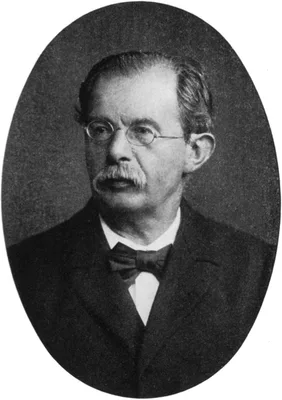
One of Virchow’s distinguished pupils, von Recklinghausen gave a classic description of neurofibromatosis, adding much to the knowledge of the condition, which later became known as “Recklinghausen’s…
1876 CE
#4500
Rhumatisme.
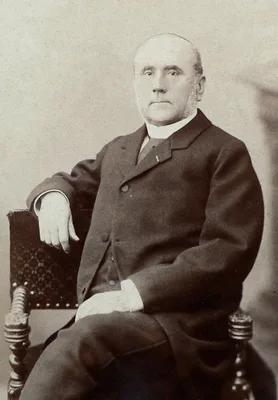
Besnier wrote an important description of rheumatism.
1876 CE
#4501
The treatment of acute rheumatism by salicin.
Introduction of salicylates in the treatment of rheumatism.
1885 CE
#4502
Das Regimen bei der Gicht.
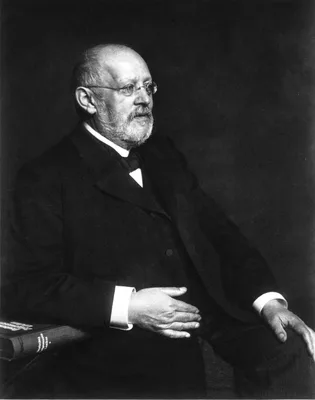
A pupil of Frerichs, Virchow, and Romberg, Ebstein became Professor of Medicine at Göttingen.
1896 CE–1897 CE
#4503
On a form of chronic joint disease in children.
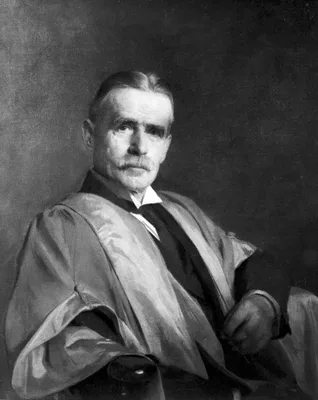
“Still’s disease”, chronic articular rheumatism in children. See also Nos. 4499 and 6356.
1897 CE
#4504
Polyarthrite tuberculeuse simulant des lésions rhumatismales chroniques déformantes.
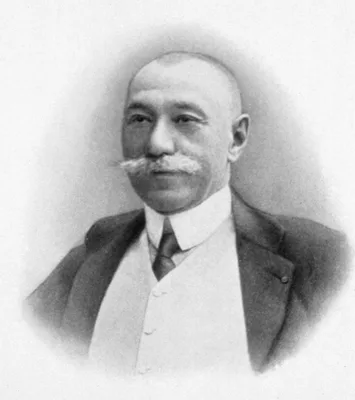
Tuberculous rheumatism (“Poncet’s disease”). See also his later paper in Bull. Acad. Méd. (Paris), 1902, 3 sér., 48, 97-114.
1900 CE
#4505
The etiology of rheumatic fever.
After extensive bacteriological researches, Poynton and Paine considered that a diplococcus was the cause of rheumatic fever.
1924 CE
#4506
Chronic arthritis in the adult, associated with splenomegaly and leucopenia.
“Felty syndrome”.
1930 CE
#4507
The relationship of throat infection to acute rheumatism in childhood.
Schlesinger showed that hemolytic streptococcal infection was a cause of acute rheumatism in children.
1949 CE
#4508
The effects of a hormone of the adrenal cortex (17-hydroxy-11-dehydrocorticosterone: compound E) and of pituitary adrenocorticotropic hormone on rheumatoid arthritis.
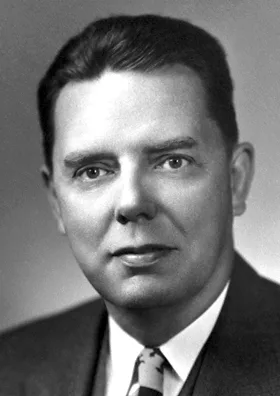
Introduction of cortisone and A.C.T.H. in treatment of rheumatoid arthritis. With C. H. Slocumb, and H. F. Polley. In 1950 Hench and Kendall shared the Nobel Prize in Physiology or Medicine with Tadeusz Reichstein (No…
1949 CE
#4509
The effects of the adrenal cortical hormone 17-hydroxy-11-dehydrocorticosterone (compound E) on the acute phase of rheumatic fever: preliminary report.
Compound E (cortisone) introduced in the treatment of rheumatic fever. With C. H. Slocumb, A. R. Barnes, H. L. Smith, H. F. Polley.
1824 CE
#4511
De tremore, palpitatione, convulsione, et rigore. IN: Opera omnia ed. cur. C.G. Kühn, cur 7, 584-642.
![GALEN, [Κλαύδιος Γαληνός; Galen of Pergamon] (129 – 216)](/media/portraits/21)
Complete English translation by D. Sider and M. McVaugh in Trans. stud. Coll. Phys. Phila., 1979, 1, 183-210.
1671 CE
#4512
Naturae genius, medicorum Celsus, Jason Argonautarum, Bauschius occubuit.
First authentic case of trigeminal neuralgia. It concerned J. L. Bausch, who died from the condition in 1665. The account is to be found in the unpaged part of the volume, starting at sig. d 3 and occupying the two fo…
1686 CE
#4514
Schedula monitoria de novae febris ingressu.
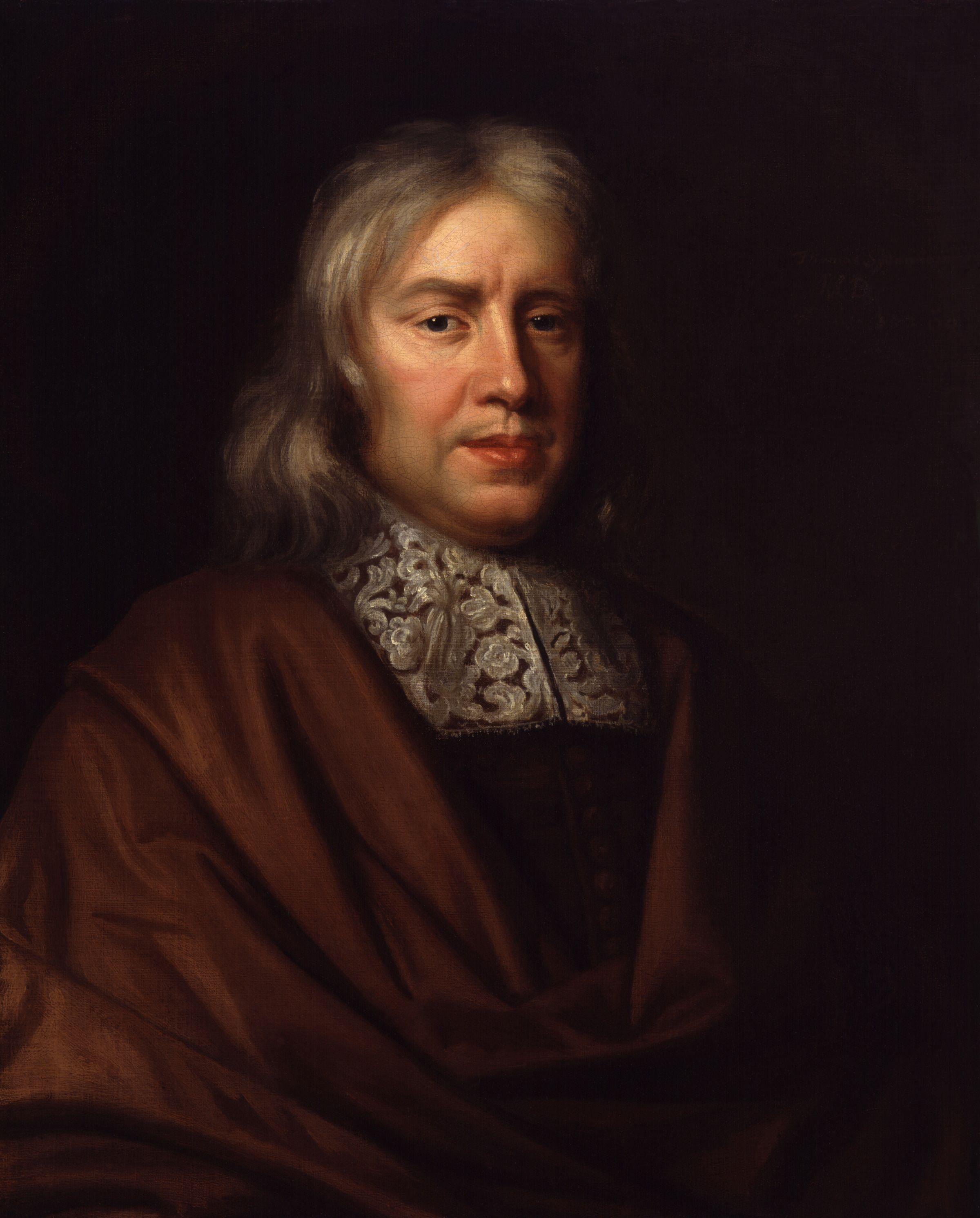
Includes (pp. 25-28) his classic description of chorea minor (“Sydenham’s chorea”). Reprinted in Med. Classics, 1939, 4, 327-53. In the Sydenham Society translation (see No. 64) the passage occurs in…
1776 CE
#4516
Of a painful affection of the face.
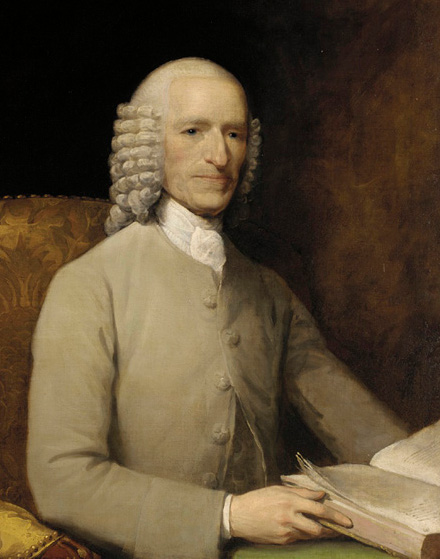
Original description of facial neuralgia. Reprinted in Med. Classics, 1940, 5, 100-06.
1777 CE–1784 CE
#4517
Remarks on that complaint commonly known under the name of the sick head-ach.
First accurate description of migraine.
1792 CE
#4518
De vertebralis columnae in morbis dignitate. In his Delectus opusculorum medicorum, 11, 1-50
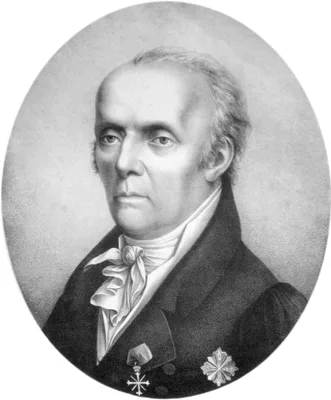
Frank, best remembered for his great services to public health, was the first physician to emphasize the gravity of diseases of the spinal cord.
1797 CE
#4519
De paralysi musculorum faciei rheumatici.
Facial paralysis first described.
1822 CE
#4521
On a peculiar disease resulting from the use of ardent spirits.
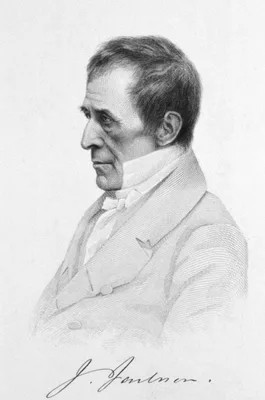
Jackson drew attention to alcoholic neuritis – arthrodynia a potu. Jackson was professor at Boston Medical School.
1828 CE–1829 CE
#4523
Observations on neuroma.
Neuroma first described.
1837 CE
#4524
On the influence of electricity, as a remedy in certain convulsive and spasmodic diseases.
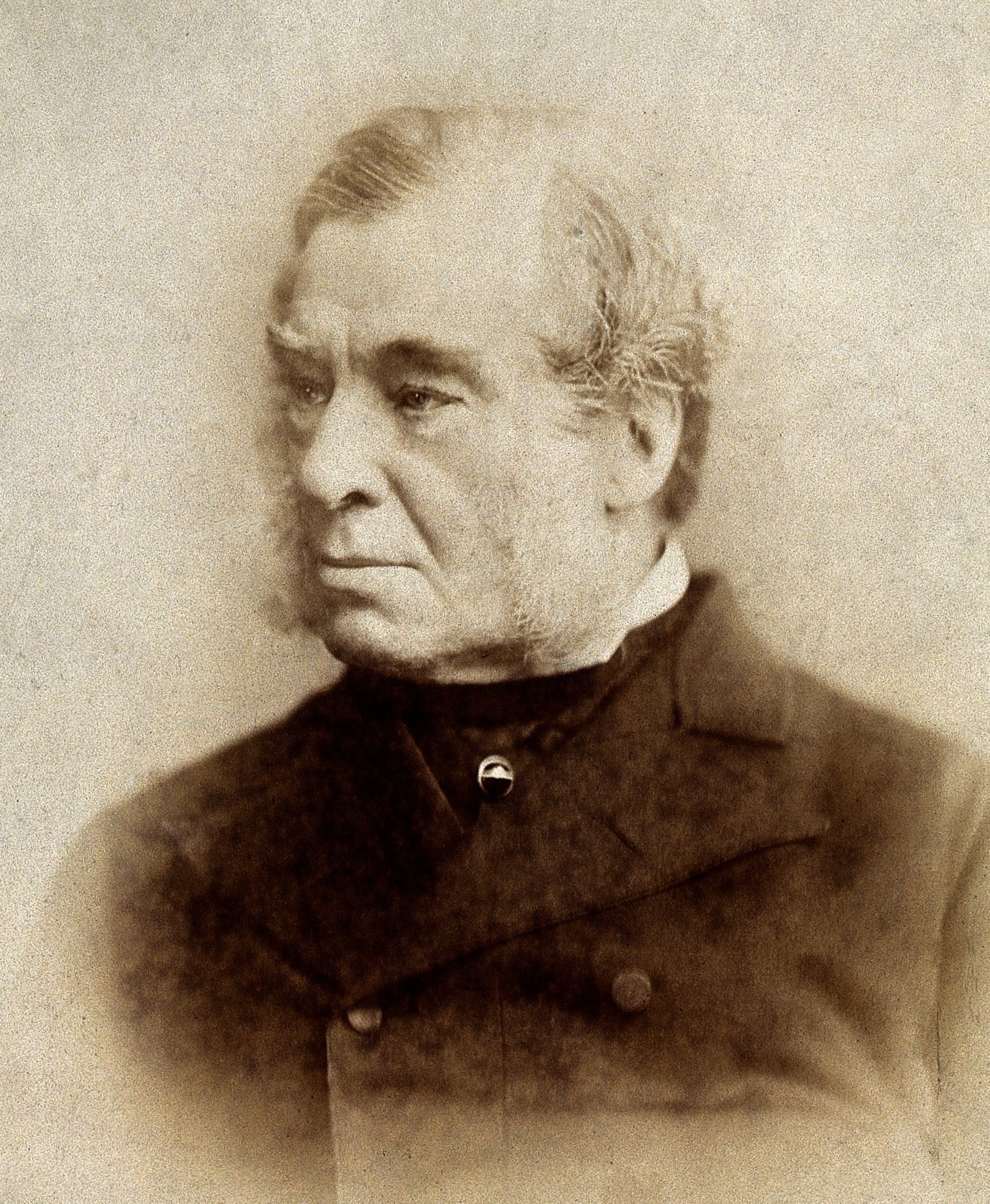
First therapeutic employment of static electricity.
1839 CE–1840 CE
#4525
A case of disease in the posterior columns of the spinal cord.
Stanley was the first to describe disease of the posterior columns of the spinal cord.
1841 CE
#4526
Traité des néuralgies ou affections douloureuses des nerfs.
Includes (p. 40 et seq.) description of ”Valleix’s points”, tender points on the course of certain nerves in neuralgia.
1846 CE
#4527
Klinische Ergebnisse.
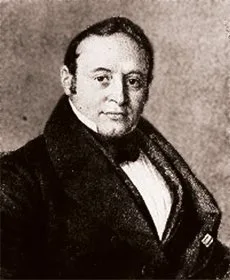
Includes (p. 75) a classic description of facial hemiatrophy – “Romberg’s disease”.
1846 CE
#4528
Lehrbuch der Nervenkrankheiten des Menschen. Bd. 1.
Romberg inaugurated the modern era in the study of diseases of the nervous system. His Lehrbuch is the first formal treatise in this field. On p. 795 is to be found the original description of “Romberg’s s…
1849 CE
#4529
A treatise on the pathology, diagnosis, and treatment of neuroma.
Smith’s large and beautifully illustrated atlas contains the first clear description and illustration of neurofibromatosis, published 33 years before von Recklinghausen’s account of the disorder (see No. 4…
1851 CE
#4530
De la transmission croisée des impressions sensitives par la moëlle épinière.
“Brown-Séquard’s paralysis”. Lesion of one lateral half of the spinal cord causes paralysis of motion on one side and of sensation on the other. See also the writer’s later paper on pp. …
1856 CE
#4531
De l’hémiplégie alterne envisagée comme signe de lésion de la protrubérance annulaire et comme preuve de la décussation des nerfs faciaux.
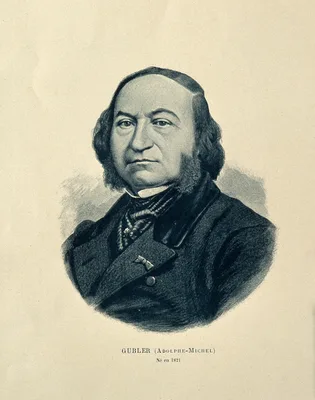
“Gubler’s paralysis” – crossed hemiplegia. English translation in Wolf, The classical brain stem syndromes, Springfield: Charles C Thomas, 1971.
1856 CE
#4532
Cases of paraplegia [with autopsies of ataxic cases, showing lesions in the posterior columns of the spinal cord].
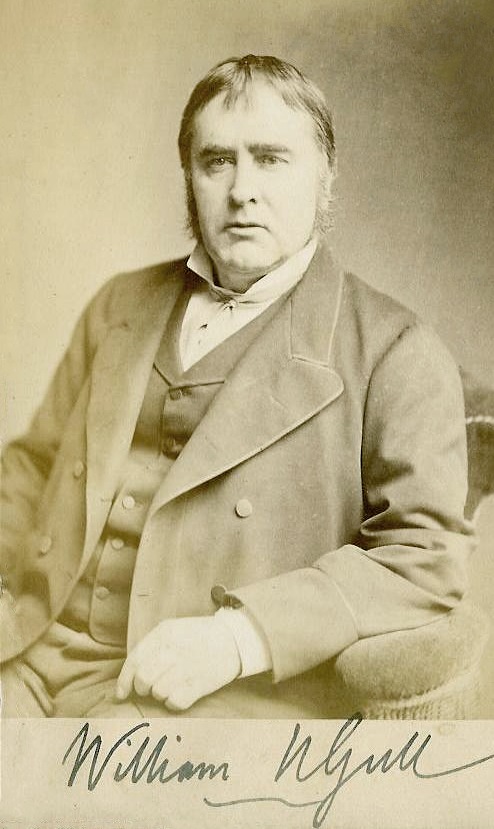
Gull showed the lesions of tabes dorsalis to be located in the posterior columns of the spinal cord.
1858 CE
#4533
Note sur une paralysie peu connue de certains muscles de l’oeil, et sa liaison avec quelques points de l’anatomie et la physiologie de la protubérance annulaire.
“Foville’s syndrome”– crossed paralysis of the limbs on one side of the body and of the face on the other side, together with loss of ability to rotate the eyes to that side. English translatio…
1860 CE
#4535
De l’état nerveue aigu et chronique ou nervosisme.
First adequate description of neurasthenia.
1860 CE
#4536
Ueber Complication von Sehnervenentzündung mit Gehimkrankheiten
Graefe showed that most cases of blindness and impaired vision connected with cerebral disorders can be traced to optic neuritis rather than paralysis of the optic nerve.
1863 CE–1865 CE
#4537
Observations on defects of sight in brain disease.
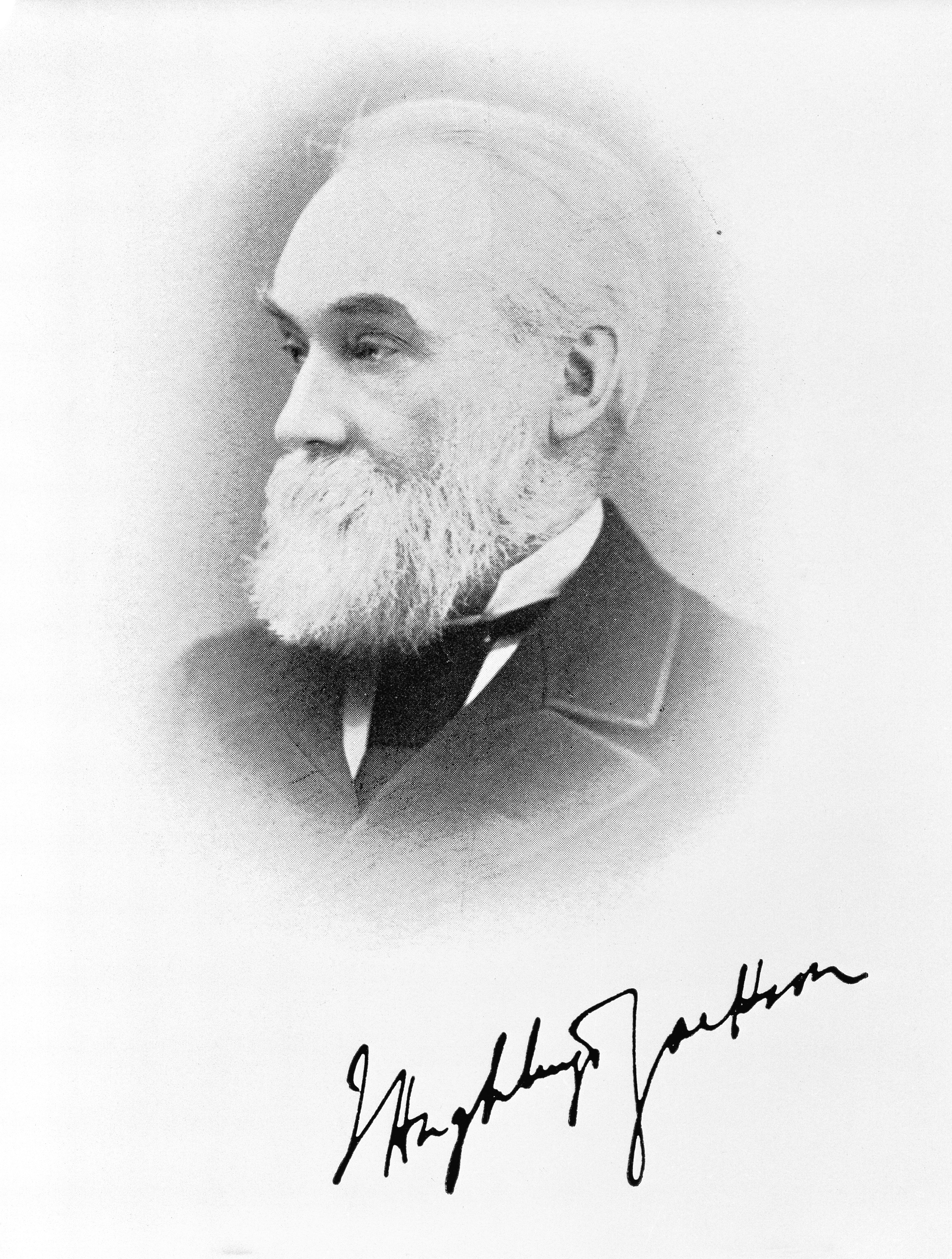
In this work Jackson showed the importance of the ophthalmoscope in the investigation of diseases of the nervous system. Reprinted in Med. Classics, 1939, 3, 918-26.
1863 CE
#4538
A contribution to the pathology of the crura cerebri.
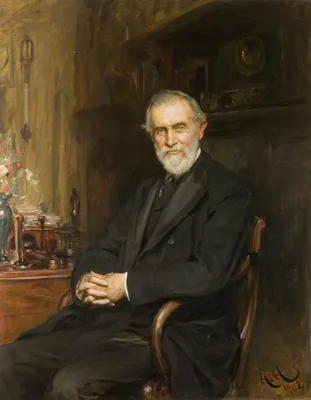
“Weber’s syndrome”or “Weber–Gubler syndrome” – hemiplegia associated with disease of the crura cerebri; first described by Gubler (No. 4531).
1868 CE
#4539
Drunkard’s or alcoholic paraplegia.
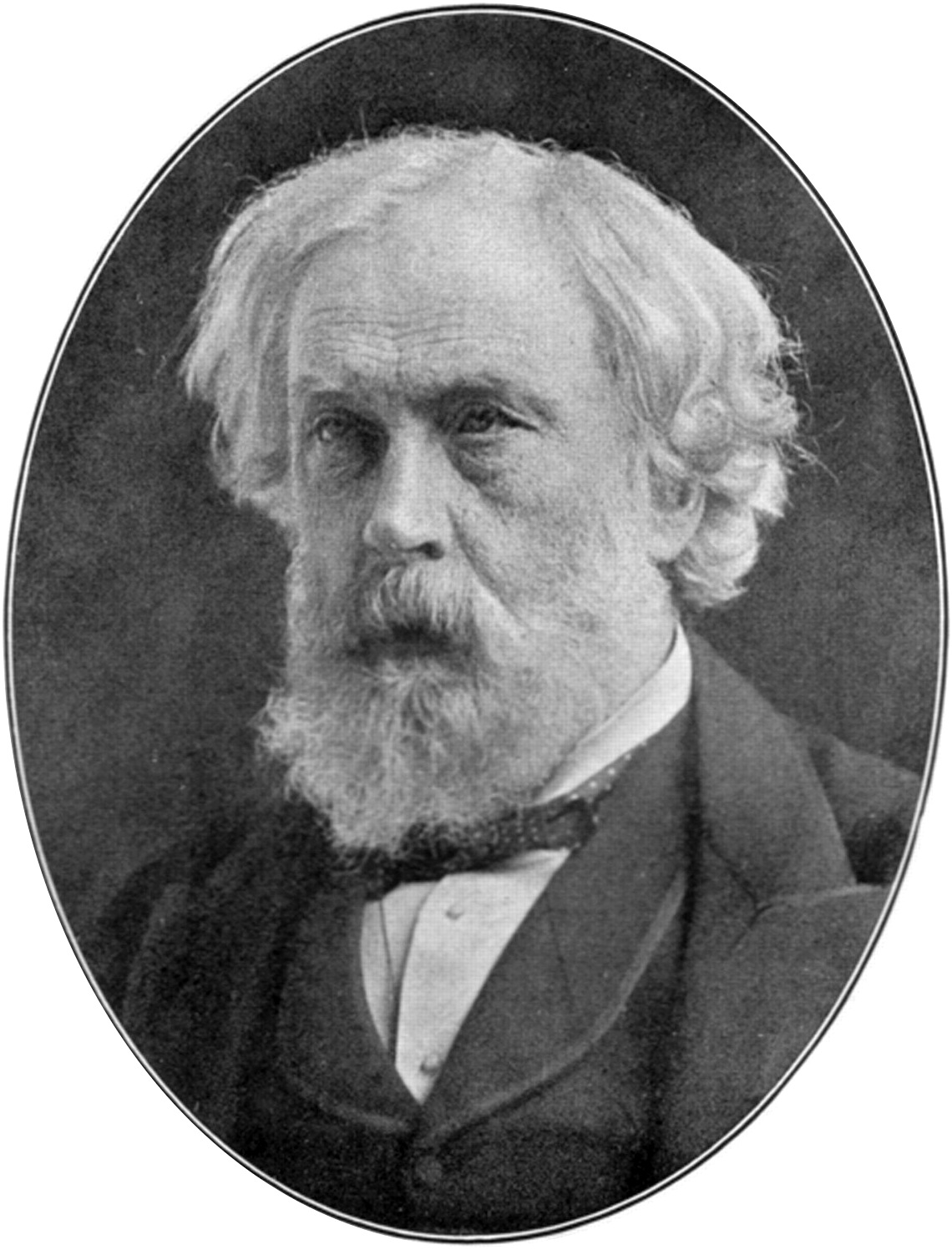
Classic account of alcoholic paraplegia.
1869 CE
#4540
On an interesting series of eye symptoms in a case of spinal disease, with remarks on the action of belladonna on the iris.
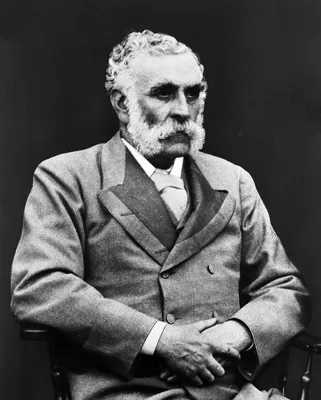
“Argyll Robertson pupil” first described. See also his later paper in the same journal, 1869, 15, 487-93. Reprinted in Med. Classics, 1937, 1, 851-76.
1870 CE
#4541
Das Rankenneurom.
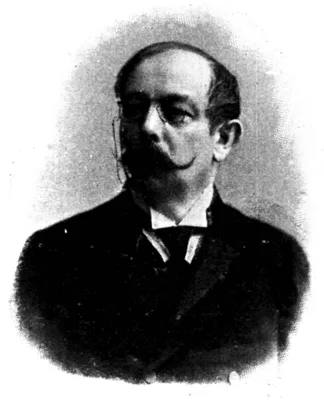
Original description of plexiform neurofibroma.
1871 CE
#4542
Treatise on diseases of the nervous system.
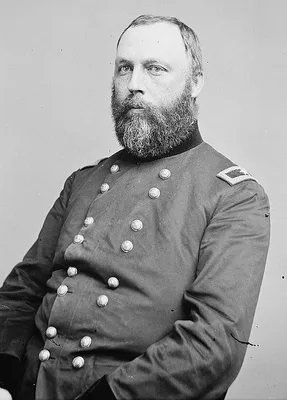
The first American treatise on neurology. The original description of athetosis, sometimes called “Hammond’s disease”, appears on pp. 654-62. During his tenure as Surgeon General of the Army during t…
1872 CE
#4543
De l’électrisation localisée et de son application à la pathologie et à la thérapeutique. 3me. éd.
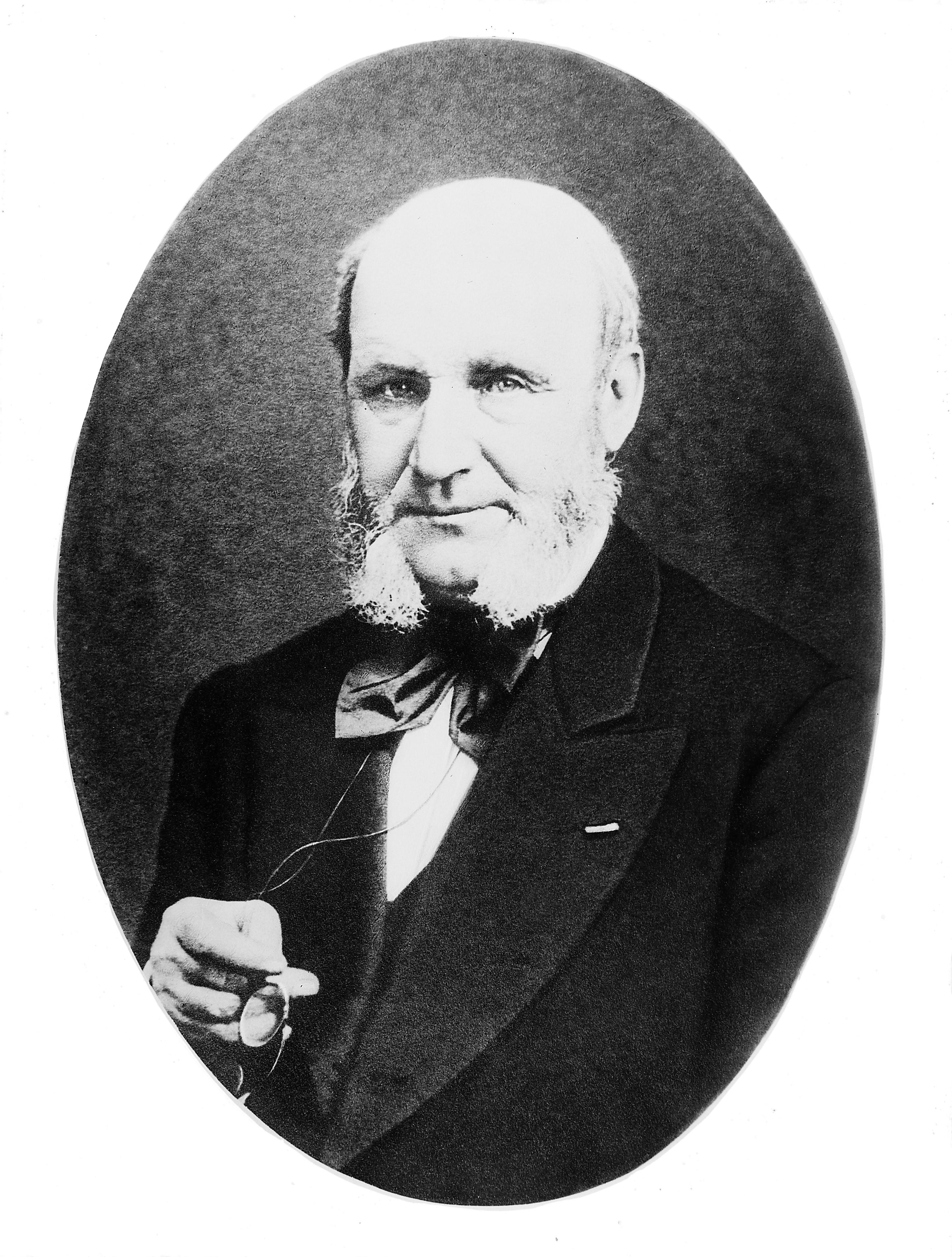
Early description, page 357, of partial brachial plexus paralysis, upper type (“Duchenne-Erb palsy”: see No. 4548). An English translation of the 3rd ed., by H. Tibbitts, actually appeared London in 1871, …
1872 CE–1887 CE
#4546
Leçons sur les maladies du système nerveux faites à La Salpêtrière.
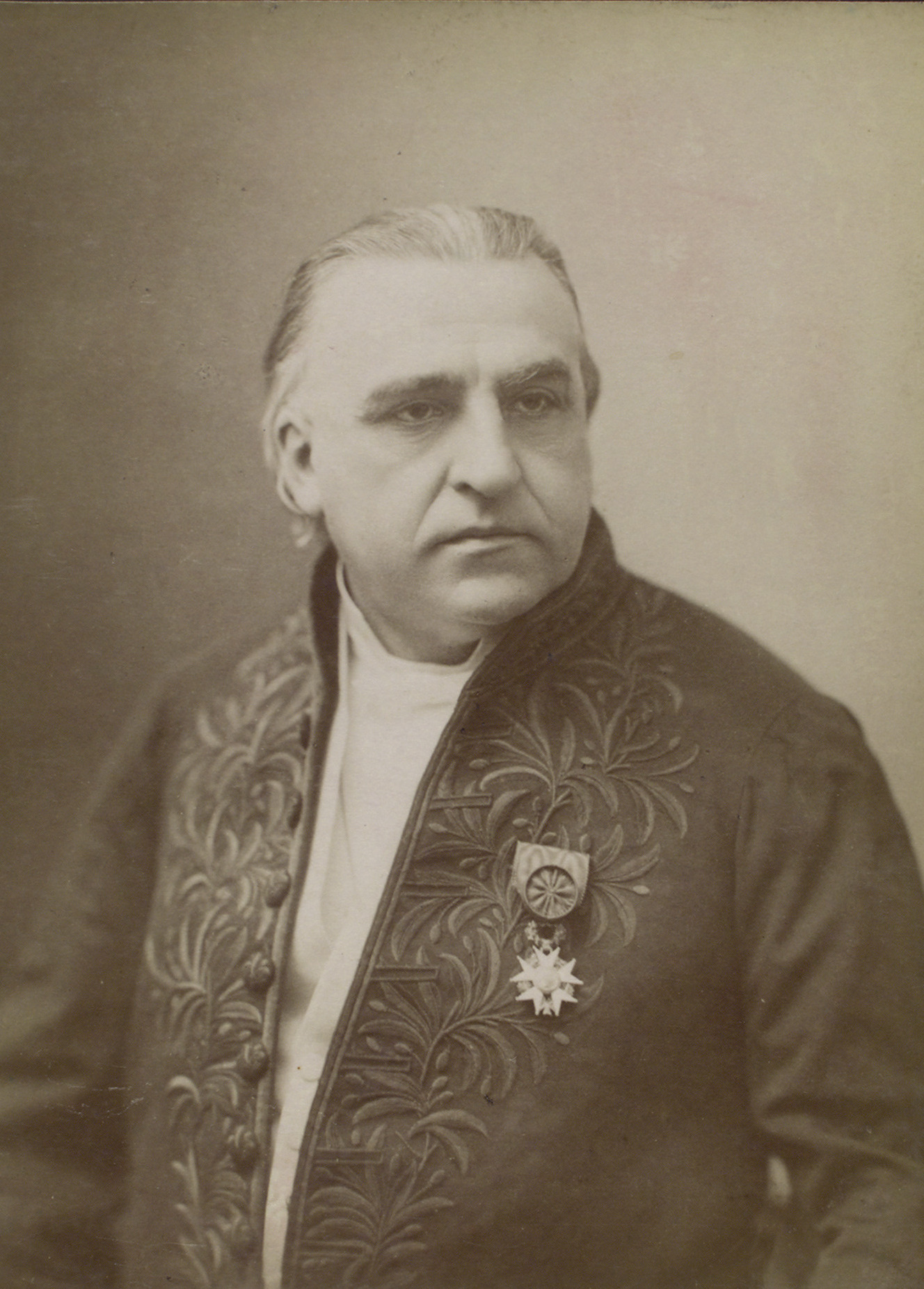
An excellent idea of Charcot’s work is gained by perusal of his Leçons, dealing with his teaching on nervous disorders. In the second volume, pp. 1-72, is a classic account of the anomalies of tabes dorsa…
1872 CE
#4547
On a case of paralysis of the tongue from haemorrhage in the medulla oblongata.
Jackson here described the syndrome consisting of paralysis of half the tongue, the same half of the palate, and of one vocal cord – “Jackson’s syndrome”.