
Entry Nos. 5400–5499
98 Garrison-Morton entries in this range.
1947 CE
#1940
Chloromycetin, an antibiotic with chemotherapeutic activity in experimental rickettsial and viral infections.
Introduction of chloramphenicol, used in treatment of typhus.
1766 CE
#2527.99
De variolis et morbillis commentarius.
The first medical description of smallpox was written by Rhazes, about the year 910… The above work is the first edition of the Arabic text with a parallel Latin translation by the English pharmacist and schola…
1798 CE
#2529.3
An inquiry into the causes and effects of the variolae vaccinae.
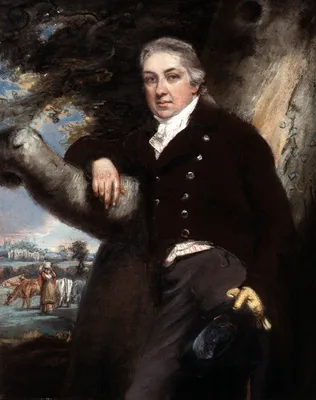
Jenner established the fact that a “vaccination” or inoculation with vaccinia (cowpox) lymph matter protects against smallpox. He performed his first vaccination on May 14, 1796. The above work, describing…
1885 CE
#2541
Méthode pour prévenir la rage après morsure.
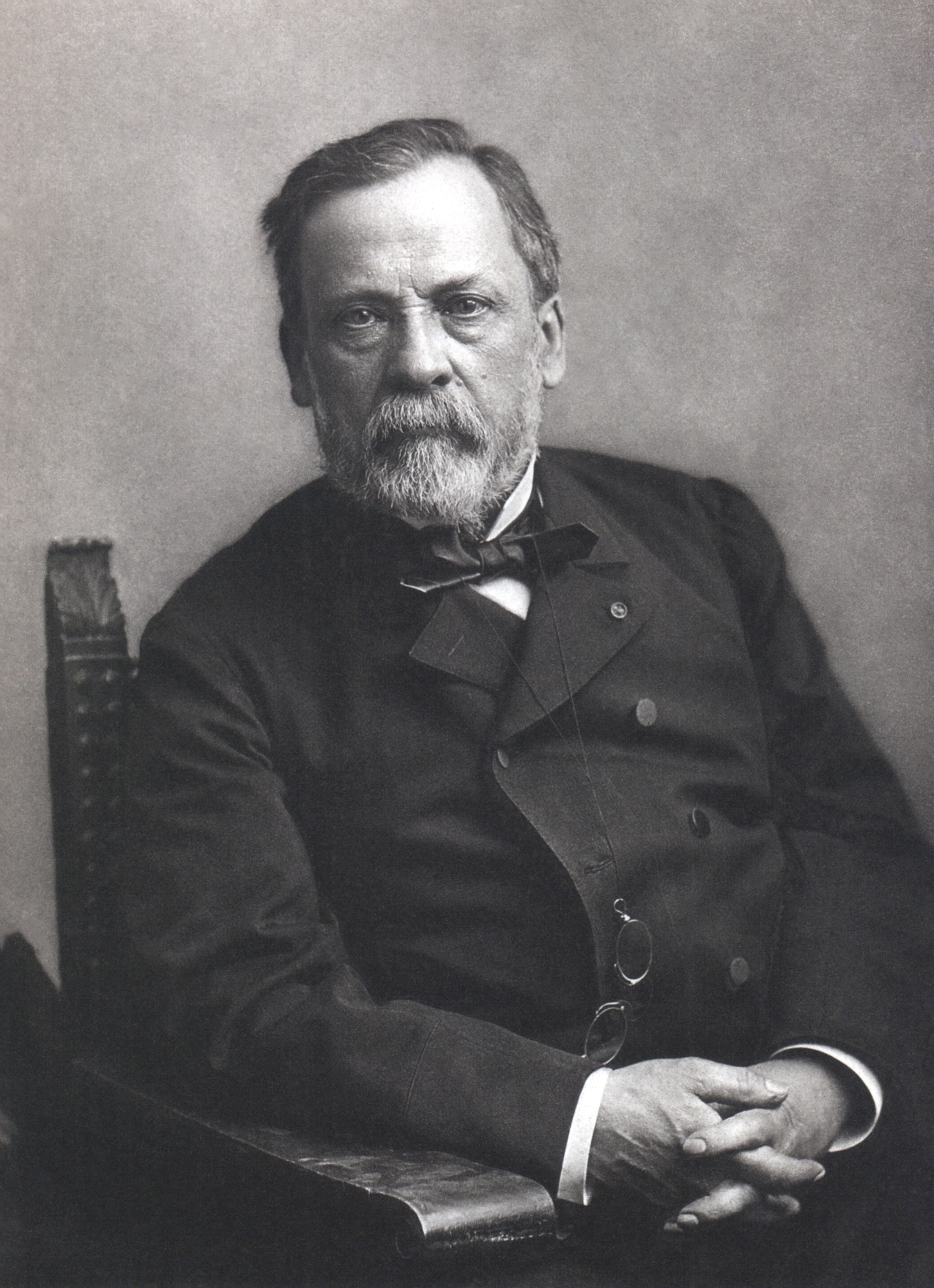
Pasteur’s papers describing his rabies vaccine, and the results he attained with it gave further proof of the value of attenuated virus as a protective inoculum against infective diseases in man and animals. Thi…
1553 CE
#5073
De tumoribus praeter naturam.
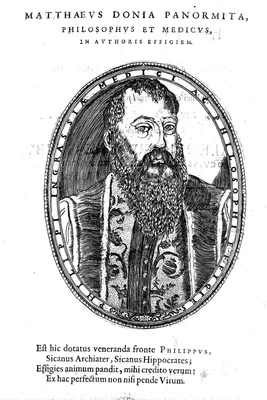
This treatise on tumors includes (p. 194) the first known description of an epidemic disease resembling scarlet fever. This was a malady prevalent in Italy, and was commonly called rossania or rossalia. Ingrassia was …
1946 CE
#5400
Rickettsialpox. A newly recognized rickettsial disease. IV. Isolation of a rickettsia apparently identical with the causative agent of rickettsialpox from Allodermanyssus sanguineus, a rodent mite.
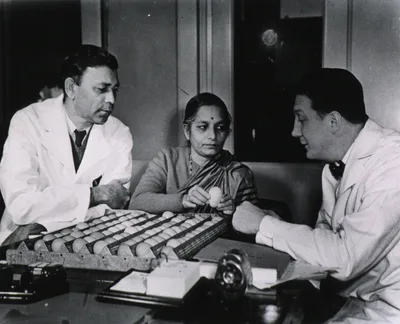
Isolation of Rickettsia akari, aetiologic agent of rickettsialpox. With W. L. Jellison and C. Pomerantz.
1946 CE
#5401
Kew Gardens spotted fever.
Rickettsialpox described.
1935 CE
#5403
Rats, lice and history: being a study in biography, which, after 12 preliminary chapters indispensable for the preparation of the lay reader, deals with the life history of typhus fever.
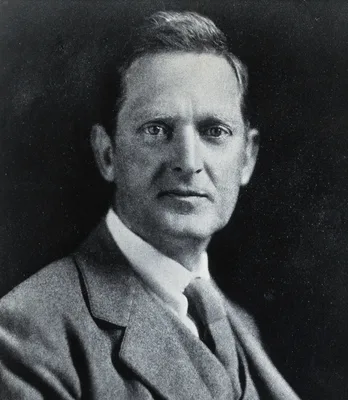
1671 CE
#5405
Globus vitulinus.
First authentic report on variolation.
1677 CE
#5406
A brief rule to guide the common-people of New-England how to order themselves and theirs in the small pocks, or measels.
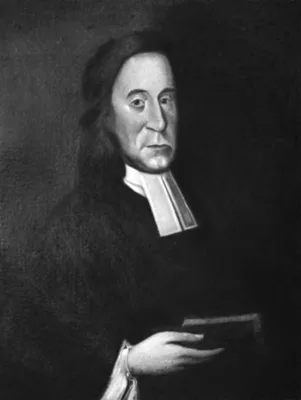
The first medical publication of North America and the only one to appear in the 17th century. Only one copy of the original printing of this broadside survived, written by Thacher, a Boston minister. The sheet was re…
1685 CE
#5407
Observationes medicae circa morborum acutorum historiam et curationem. Ed. quarta.
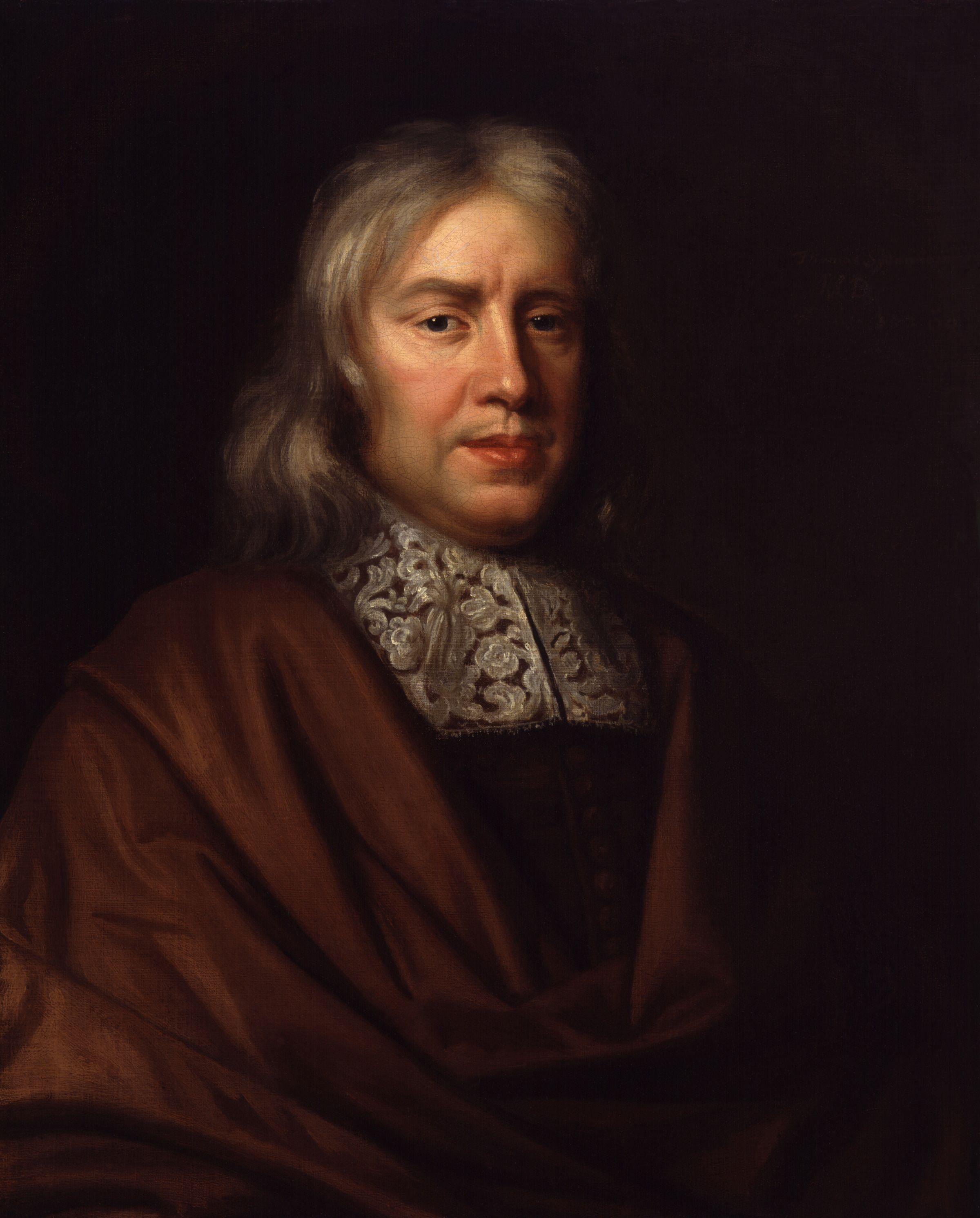
Contains (Book 3, Cap. 2; Book 5, Cap. 4) an important account of smallpox, particularly the epidemics of 1667-69 and 1674-75. Sydenham attributed smallpox to a specific inflammation of the blood; he clearly distingui…
1714 CE–1716 CE
#5409
An account, or history, of the procuring of the smallpox by incision or inoculation, as it has for some time been practised at Constantinople.
A letter dated December, 1713 from Timoni of Constantinople to John Woodward, and read to the Royal Society in May, 1714, described the practice in that city of inoculation against smallpox. The letter aroused interes…
1714 CE–1716 CE
#5410
Nova & tuta variolas excitandi per transplantationem methodus, nuper inventa & in usum tracta.
This reprint of No. 5409.1 appeared in the same volume as Timoni’s paper. Both were republished in Latin: Tractatus bini de nova variolas per transplantationem excitandi methodo, Leyden, 1721. Digital facsimile …
1721 CE
#5411
Some observations on the new method of receiving the smallpox by ingrafting or inoculating.
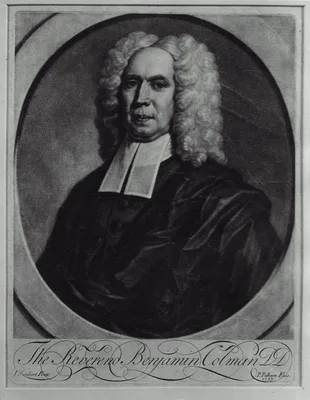
This work offers general support for the practice of Zabdiel Boylston, detailing some of Boylston’s cases, including accounts of occasions when patients died. Reprinted with additional material by Daniel Neal, a…
1722 CE
#5412
Inoculation of the smallpox as practised in Boston.
1722 CE
#5413
The abuses and scandals of some late pamphlets in favour of inoculation of the small-pox.
Douglass at first opposed inoculation for smallpox, but by 1730 he had changed his views and had become an advocate of inoculation.
1722 CE
#5414
An account of the method and success of inoculating the small pox in Boston in New England.
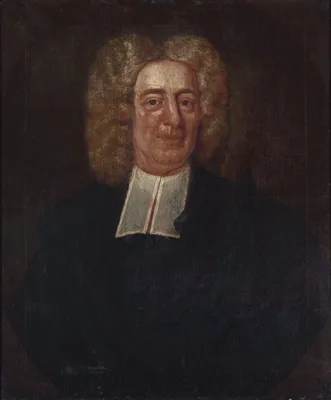
Mather republished reports of earlier writers on inoculation. He persuaded Boylston to adopt the practice in June 1721, and he supported Boylston during a period of great opposition to inoculation.
1726 CE
#5415
An historical account of the small-pox inoculated in New-England, upon all sorts of persons, whites, blacks, and of all ages and constitutions: With some account of the nature of the infection in the natural and inoculated way, and their different effects on human bodies; with some short directions to the unexperienced in this method of practice .
Boylston was the first in America to inoculate for smallpox, at Boston on 26 June 1721. "During a smallpox outbreak in 1721 in Boston, he inoculated about 248 people[5] by applying pus from a smallpox sore to a small …
1743 CE
#5416
An essay on inoculation, occasioned by the small-pox being brought into South Carolina in the year 1738.
After its initial popularity, inoculation fell into disuse in England. Kirkpatrick, who became a prominent inoculator in England after experience in America, helped considerably in reviving its popularity. He attempte…
1747 CE
#5417
De variolis et morbillis liber.
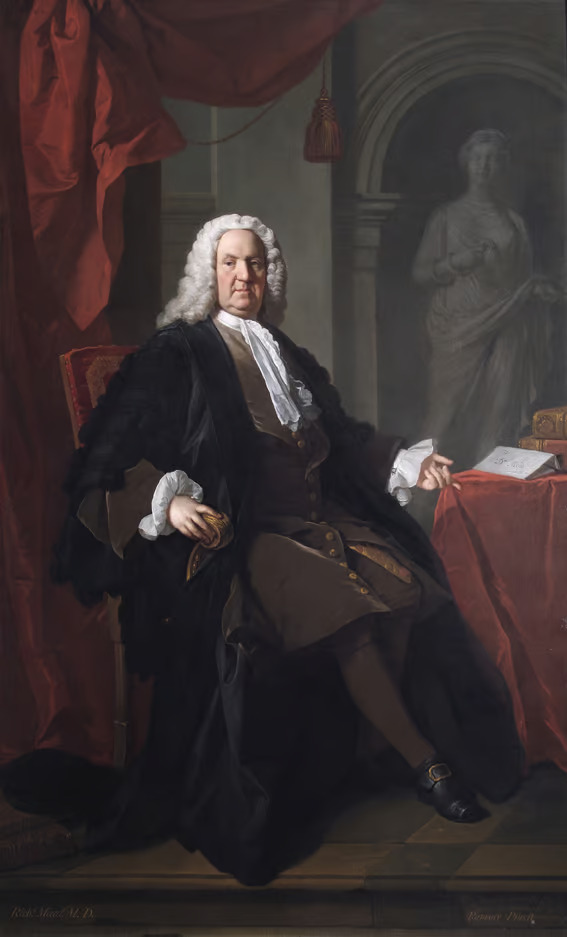
Includes a Latin translation of Rhazes’s commentary on smallpox. Mead favored inoculation, and his great authority and influence contributed to a more general acceptance of this measure. English translation enti…
1750 CE
#5418
A discourse on the preparation of the body for the small-pox; and the manner of receiving the infection.
Thomson, a physician in Philadelphia, was the originator of the American method of inoculation against smallpox. Printed by Benjamin Franklin. Digital facsimile from dla.library.upenn.edu at this link.
1759 CE
#5419
Some account of the success of inoculation for the small-pox in England and America. Together with plain instructions, by which any person may be enabled to perform the operation.
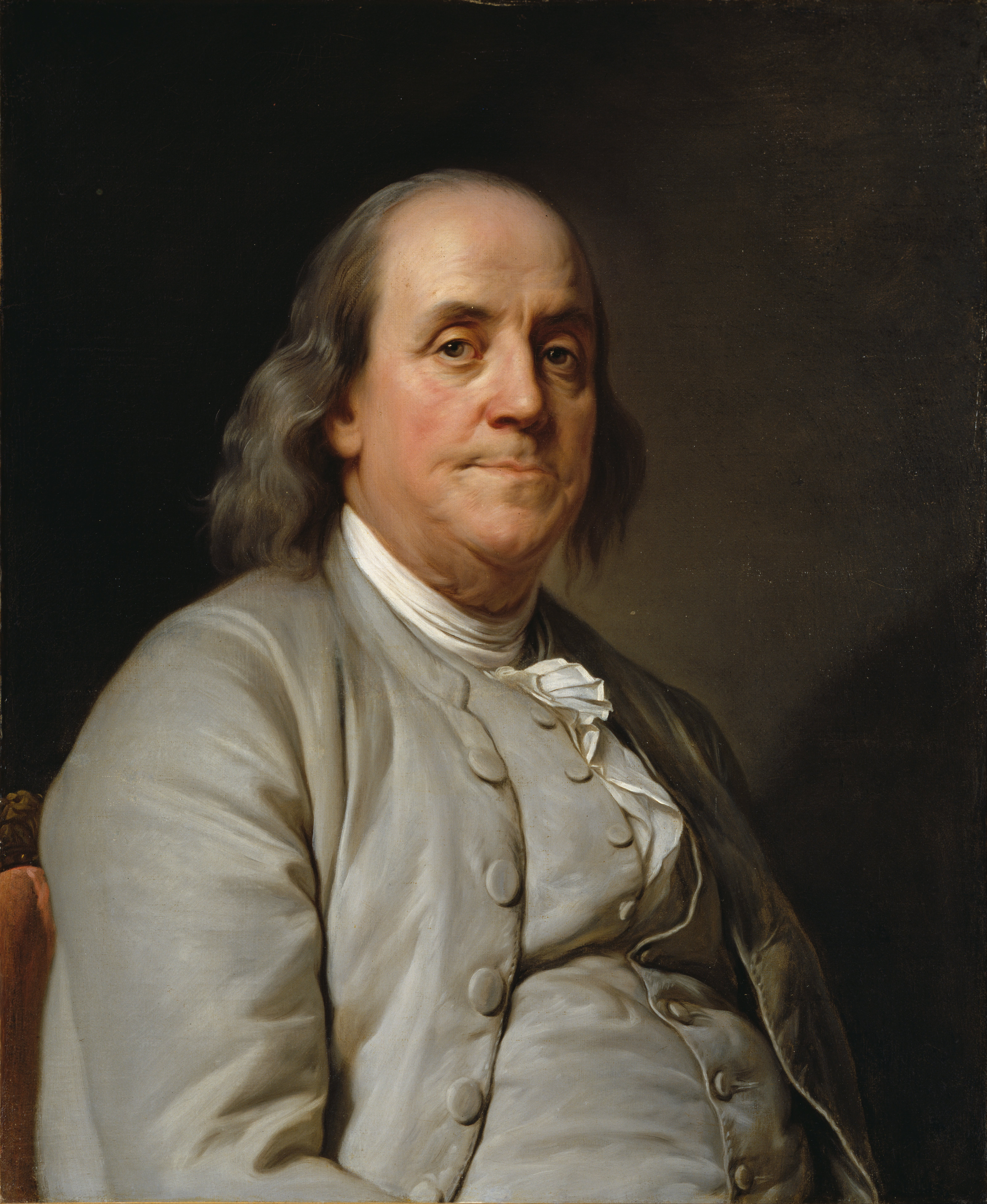
Franklin’s statistical account of smallpox inoculation in Boston during the epidemic of 1753-54, showing the beneficial effects of the practice, was written for William Heberden, who contributed the “Plain…
1767 CE
#5420
The present method of inoculating for the small-pox.
Dimsdale is notable as having inoculated Catherine of Russia and her son. For this he received a fee of £10,000 and a life pension. His reputation and the exalted rank of his patient helped in popularizing the m…
1780 CE
#5421
Account of a woman who had the smallpox during pregnancy, and who seemed to have communicated the same disease to the foetus.
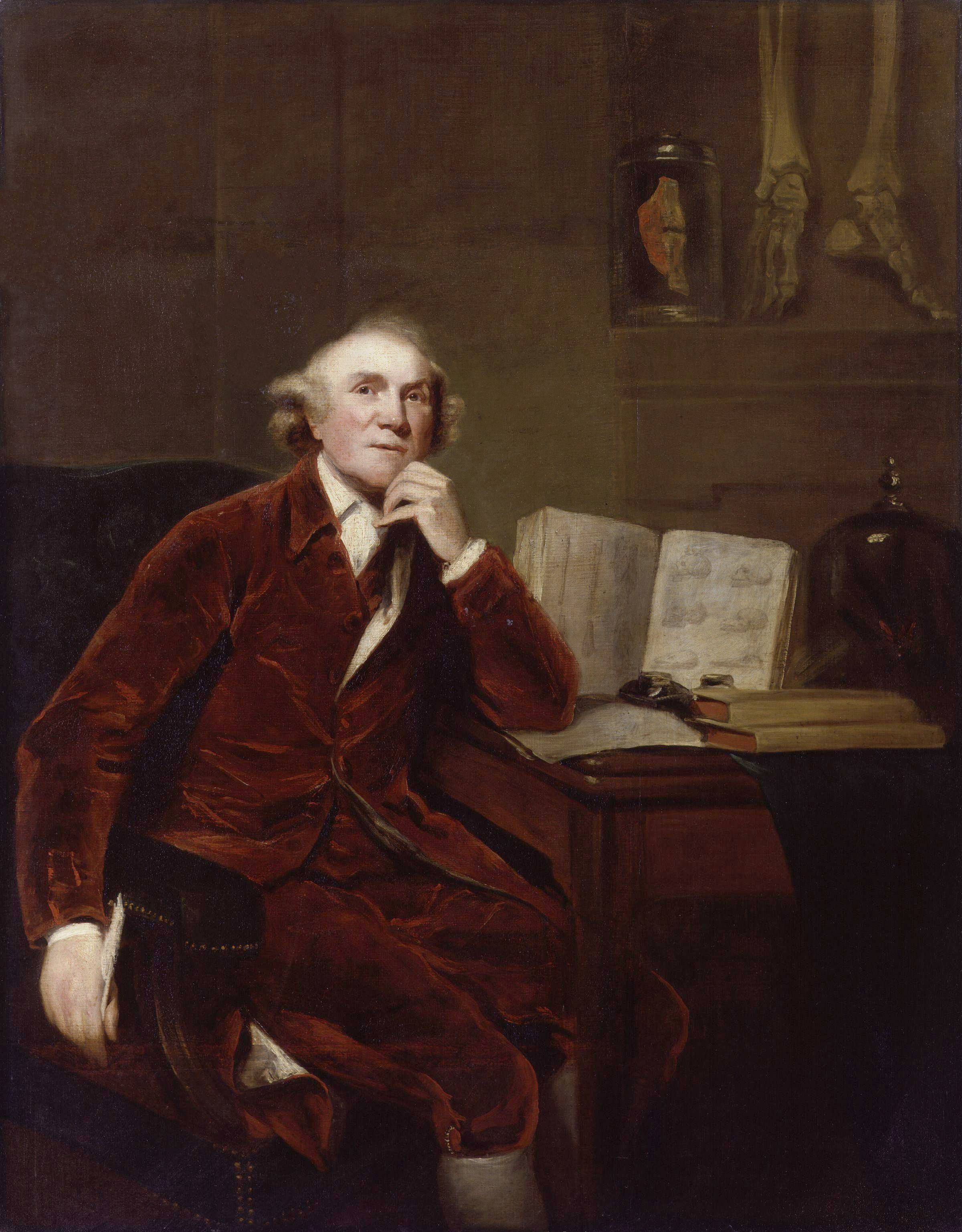
1781 CE
#5422
The new method in inoculating for the small pox.
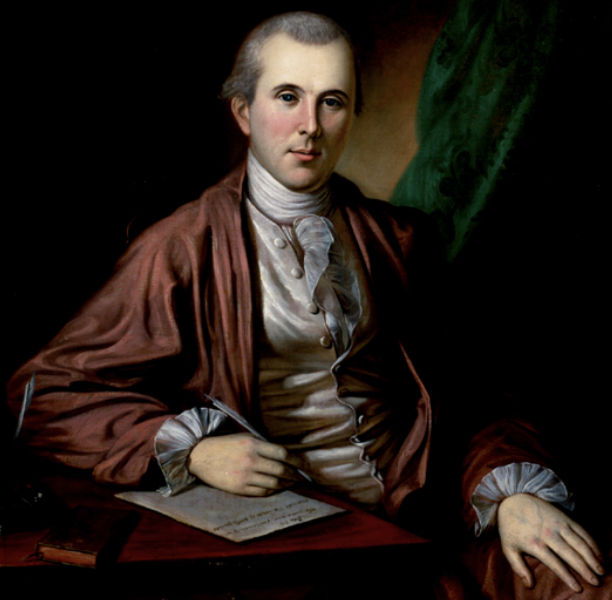
1800 CE–1802 CE
#5424
A prospect of exterminating the small-pox, being the history of the variolae vaccinae, or kine-pox, commonly called the cow-pox; as it has appeared in England: With an account of a series of inoculations performed for the kine-pox in Massachusetts. [Part II:] A prospect of exterminating the small pox part II, being a continuation of a narrative of facts concerning the progress of the new inoculation in America; together with practical observations on the local appearance, symptoms, and mode of treating the variola vaccina, or kine pock; including some letters to the author, from distinguished characters, on the subject of this benign remedy, now passing with a rapid step through all ranks of society in Europe and America.
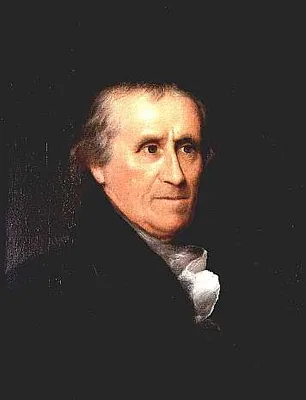
Waterhouse introduced Jennerian vaccination into the U.S.A. He vaccinated his own child as his first case. See J. B. Blake, Benjamin Waterhouse and the introduction of vaccination. A reappraisal. Philadelphia, 1957. D…
1802 CE
#5425
Practical observations on vaccination: or inoculation for the cow pock.

Coxe did much to destroy ignorant prejudice against vaccination; he was the first in Philadelphia to practice it. Like Waterhouse, he inoculated his own child as his first case.
1874 CE–1875 CE
#5426
Anatomische Beiträge zur Lehre von den Pocken. 2 pts.
In the course of his important studies on smallpox, Weigert carried out the first successful staining of bacteria (see No. 2482). His fine description of the destructive effects of the smallpox virus on the skin led t…
1886 CE
#5427
The life-history of the micro-organisms associated with variola and vaccinia. An abstract of results obtained from a study of smallpox and vaccination in the surgical laboratory of the University of Edinburgh.
The “Paschen elementary bodies” (No. 5430) were first recognized and demonstrated by Buist. Republished as an appendix to his Vaccinia and variola, London, 1887.
1893 CE
#5428
Ricerche sulla patogenesi ed etiologia dell’ infezione vaccinica e vaiolosa.
Guamieri described bodies found in the specific lesions of smallpox. Cytorrhyctes variolae guarnieri, which he believed to be the causative organism of the disease. Guarnieri bodies are found in all poxvirus infection…
1899 CE
#5429
Vaccination, its natural history and pathology.
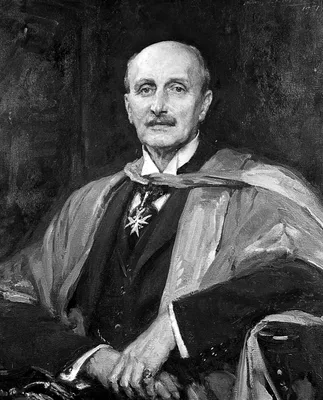
Milroy Lectures, Royal College of Physicians, 1898. Copeman’s bacteriological studies permanently determined the validity of vaccination as a preventive of smallpox.
1906 CE
#5430
Was wissen wir über den Vakzineerreger?
“Paschen elementary bodies”; see also No. 5427.
1915 CE
#5431
Zur Differentialdiagnose der Variola und der Varicellen. Die Erscheinungen an der variolierten Hornhaut des Kaninchens und ihre frühzeitige Erkennung.
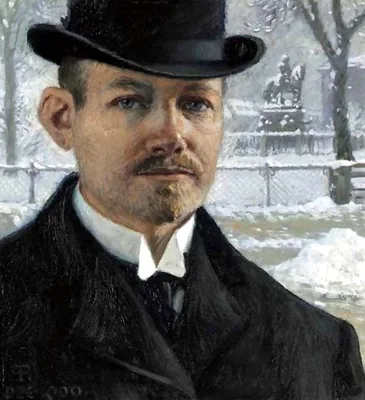
Paul’s test for the diagnosis of smallpox.
1925 CE
#5432
Studies of the viruses of vaccinia and variola.
Medical Research Council Special Report No. 98; a summary of the more important additions to the knowledge of the subject.
1926 CE
#5433
Studies on variola, vaccinia, and avian molluscum.
Ledingham’s diagnostic test.
1928 CE
#5434
The reaction of the skin of the normal rabbit following intradermal injection of material from smallpox lesions: the specificity of this reaction and its application as a diagnostic test.
McKinnon’s diagnostic test.
1889 CE
#5435
History and pathology of vaccination. 2 vols.
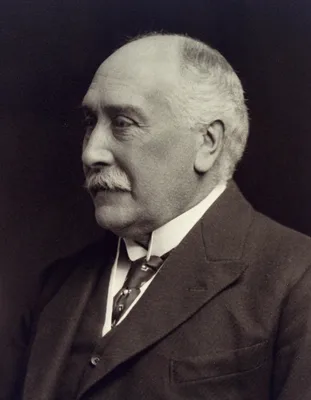
This very full history of the subject caused a good deal of controversy; see the review of it in Lancet, 1890, 1, 470-72. Crookshank was an opponent of vaccination.
1913 CE
#5436
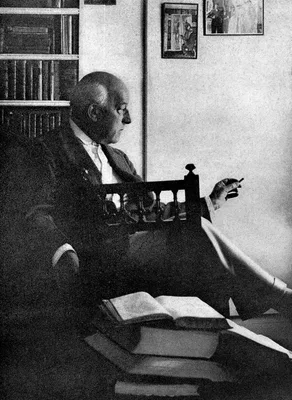
The historic evolution of variolation.
1768 CE
#5438
On the chickenpox.
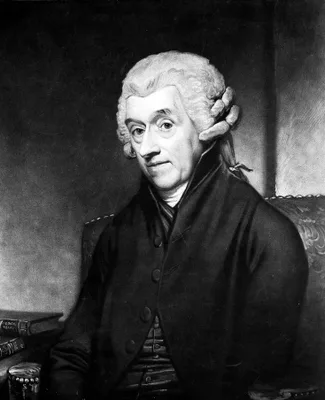
In a paper read before the (Royal) College of Physicians on 11 August 1767, Heberden first definitely differentiated chickenpox from smallpox.
1882 CE
#5439
On gangrenous eruptions in connection with vaccination and chickenpox.
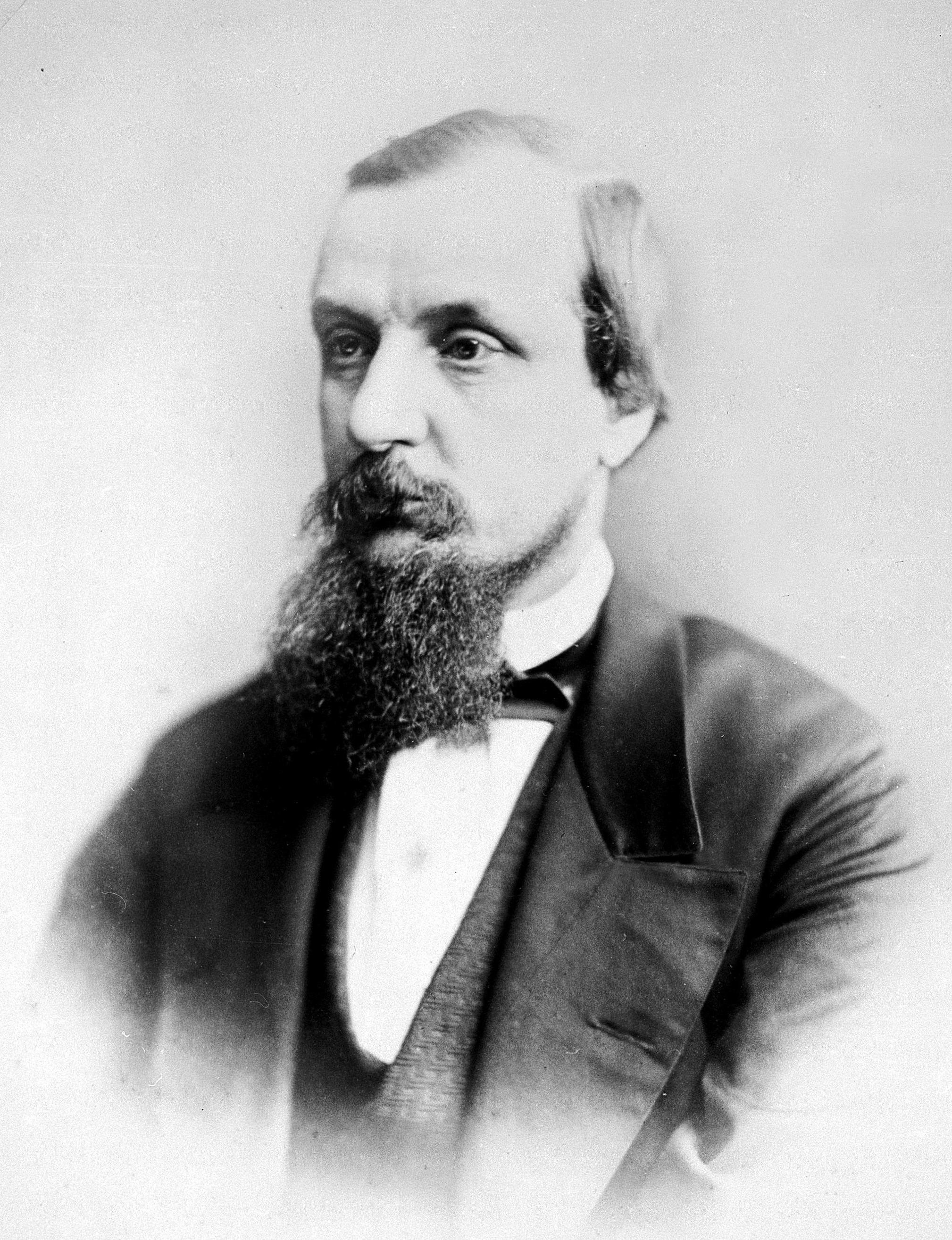
Original description of varicella gangrenosa.
1905 CE–1906 CE
#5440
The histology of the skin lesions in varicella.
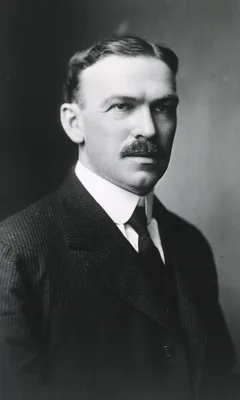
Tyzzer was first to recognize inclusion bodies in varicella.
1848 CE
#5441
A treatise on the smallpox and measles. Translated from the Arabic by William Alexander Greenhill.
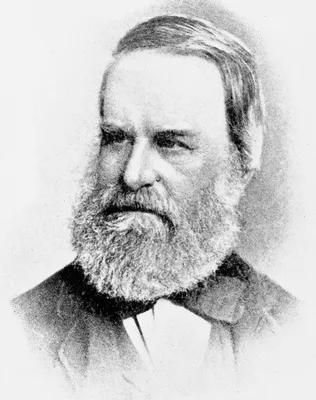
Rhazes differentiated measles from smallpox. Reprinted in Med. Classics, 1939, 4, 22-84. For original publication see No. 5404. The first English translation appeared in No. 5417. Digital facsimile from the Internet A…
1759 CE
#5442
Medical facts and experiments.
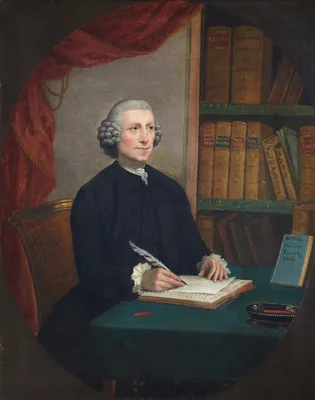
Experimental human transmission of measles (pp. 266-88). Digital facsimile from Google Books at this link.
1847 CE
#5443
Iagttagelser, anstillede under Maeslinge-Epidemien paa Faerøerne i Aaret 1846.
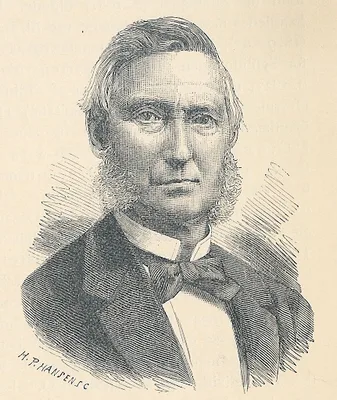
When only 26 years of age, Panum was sent by the Danish Government to investigate the epidemic of measles then raging in the Faroe Islands. His report on the subject was a valuable contribution to medical literature. …
1896 CE
#5444
The diagnosis of the invasion of measles from a study of the exanthema as it appears on the buccal mucous membrane.
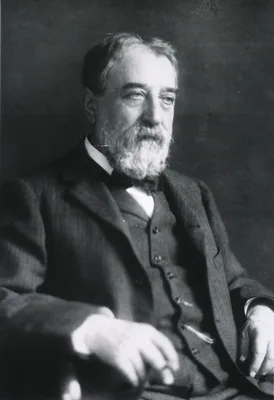
Koplik, American pediatrician, was the first to note and report on “Koplik’s spots”, the buccal spots which are an important early diagnostic sign in measles.
1898 CE
#5445
Recherches expérimentales sur la transmissibilité de la rougeole animaux.
Measles transmitted to animals.
1905 CE
#5446
Experimental measles.
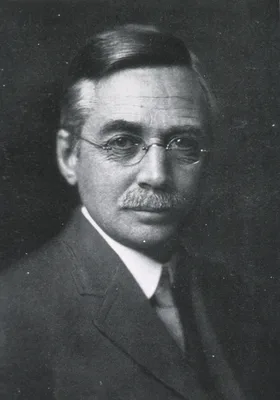
Experimental human transmission of measles.
1907 CE
#5447
Alcune esperienze di sieroimmunizzazione e sieroterapia nel morbillo.
First use of convalescent serum in prophylaxis against measles.
1911 CE
#5448
Experimental measles in the monkey.
Measles transmitted to monkeys.
1938 CE
#5449
Culture “in vitro” du virus de la rougeole.
Successful cultivation of measles virus.