
Entry Nos. 300–399
92 Garrison-Morton entries in this range.
1699 CE
#153
Orang-outang, sive homo sylvestris: Or, the anatomy of a pygmie compared with that of a monkey, an ape, and a man.
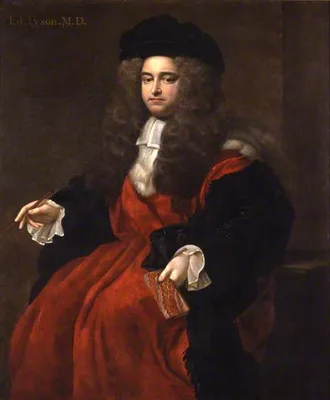
The earliest work of importance in comparative morphology. Tyson compared the anatomy of man and monkeys and between the two he placed the chimpanzee, which he regarded as the typical pygmy. This was the origin of the…
1712 CE
#301
Sur les diverses reproductions qui se font dans les écrevisses, les omars, les crabes....
Réaumur showed that crustaceans replace their lost limbs, a fact until then disputed.
1715 CE
#302
Istoria del camaleonte Affricano e di varj animali d’Italia.
Digital facsimile from Google Books at this link.
1720 CE
#303
Amphitheatrum zootomicum.
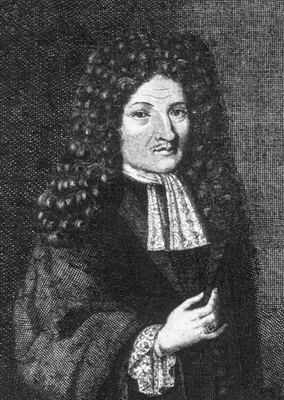
“First extensive work on the comparative anatomy of vertebrates” (Casey Wood).
1734 CE–1742 CE
#304
Mémoires pour servir à l’histoire des insectes. 6 vols.
Réaumur’s greatest work describes the appearance, habits and locality of all the known insects except the beetles, and includes 267 plates. Posthumously published: Tome VII: Histoire des fourmis, (Paris: …
1762 CE
#305
Traité anatomique de la chénille, qui ronge le bois de saule. Augmenté d'une explication abrégée des planches, et d'une description de l'instrument et des outils dont l'auteur s'est servi pour anatomiser à la loupe et au microscope, & pour déterminer la forcer de ses verres, suivant les règles de l'optique, & méchaniquement.
Lyonet’s monograph on the goat moth caterpillar remains a famous example of anatomical examination. It is also a thorough treatise on the microscope and lenses that Lyonet used. Digital facsimile from Biodiversi…
1743 CE
#306
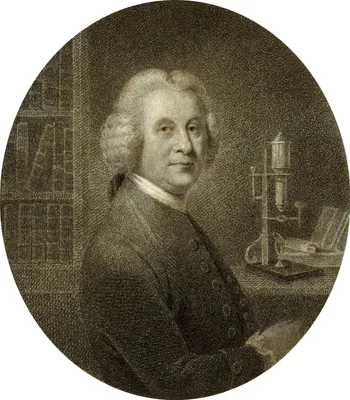
An attempt towards a natural history of the polype.
1744 CE
#307
Mémoires, pour servir à l’histoire d’un genre de polypes d’eau douce, à bras en forme de cornes.
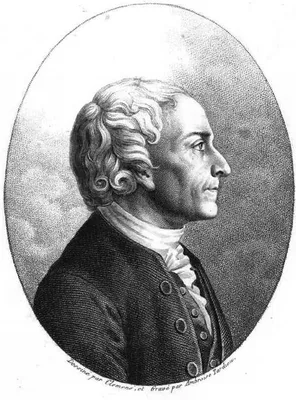
Trembley discovered the hydra and was the first to observe in it asexual reproduction, regeneration, and photosensitivity in an animal without eyes. His experiments were of great importance in the study of regeneratio…
1745 CE
#308
Traité d’insectologie.
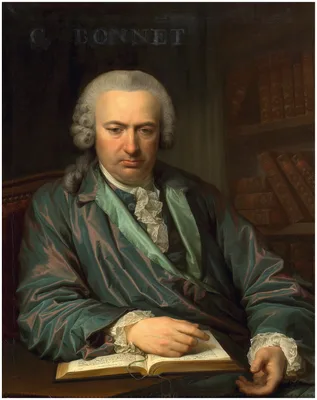
This pioneering work on experimental entomology incorporates Bonnet’s most important discovery–parthenogenetic reproduction–based on his study of aphids. Bonnet used the result of this and other disc…
1786 CE
#309
Observations on certain parts of the animal oeconomy.
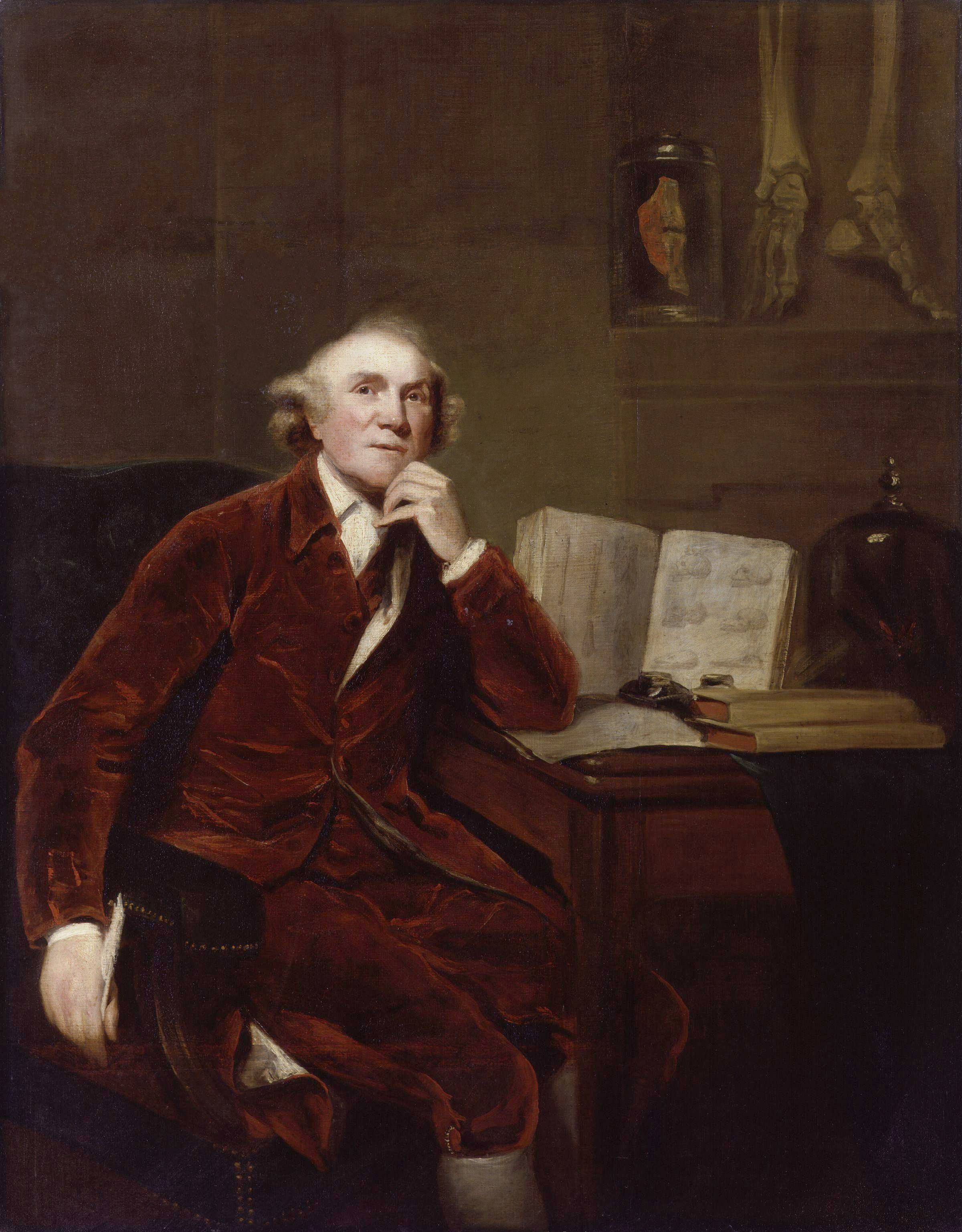
Includes John Hunter’s observations on the secondary sexual characteristics in birds, on the descent of the testis, on the air sac in birds, on the structure of the placenta, etc., together with the original des…
1796 CE
#310
An account of Indian serpents collected on the coast of Coromandel: containing descriptions and drawings of each species, together with experiments and remarks on their several poisons.
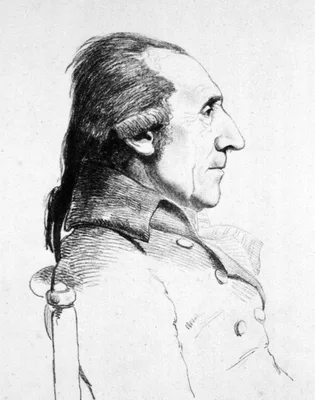
First attempt at a description of Indian serpents and serpent venoms. Includes the original description of Russell’s viper, Daboia russellii. Digital facsimile from the Linda Hall LIbrary at this link.
1800 CE–1805 CE
#311
Leçons d’anatomie comparée. 5 vols.
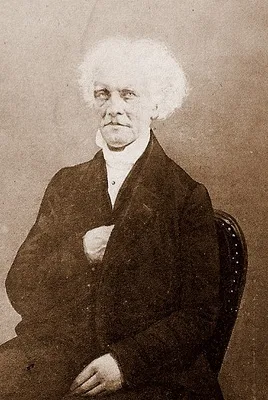
Cuvier played a leading part in the development of paleontology and stimulated the study of comparative anatomy. He ranks with von Baer as one of the founders of modern morphology. Vols. 1-2 ed. by C. Duméril, …
1805 CE
#312
Handbuch der vergleichenden Anatomie.
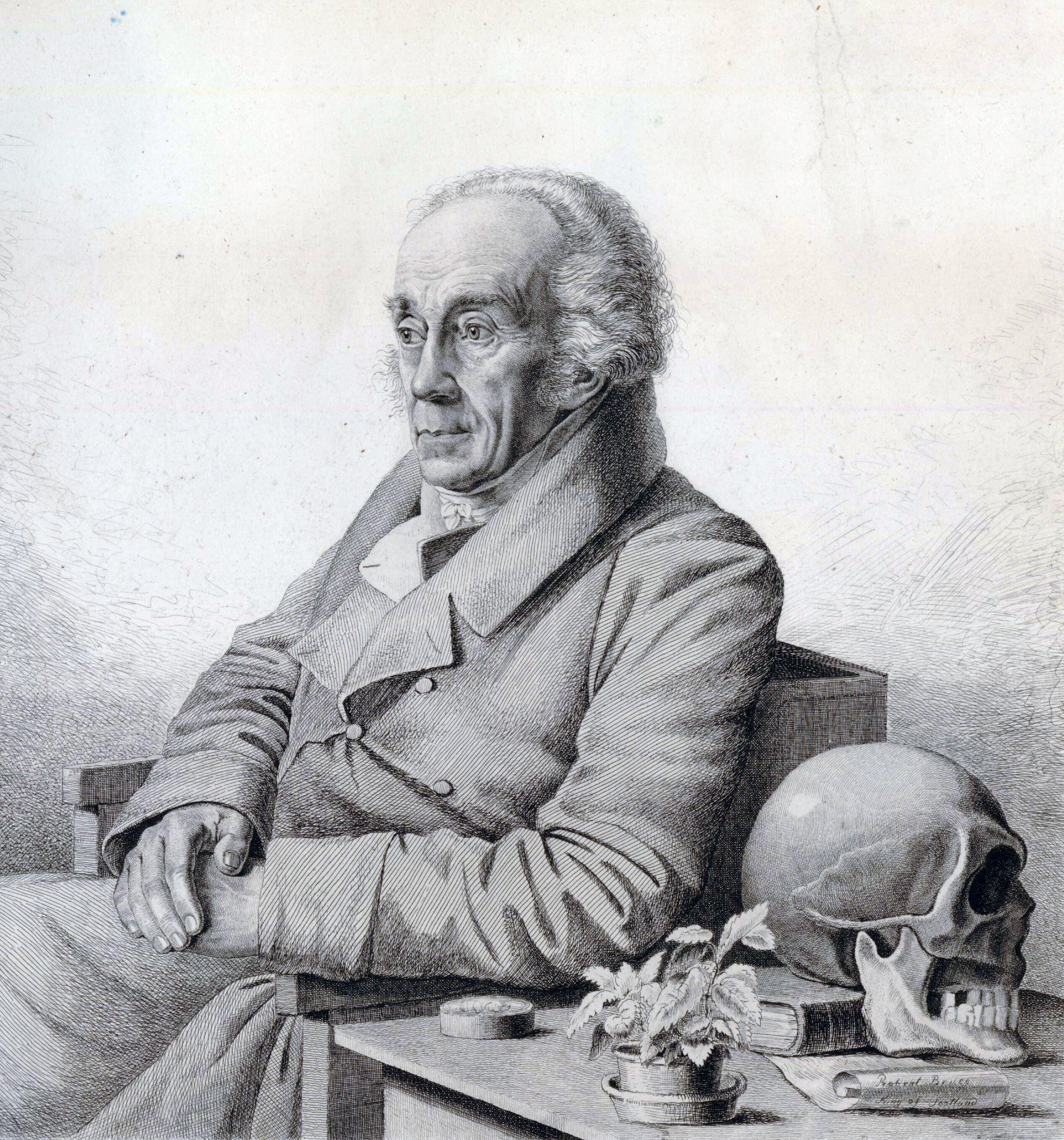
Blumenbach, physiologist and anthropologist, was Professor of Medicine at Göttingen. He was the first to show the value of comparative anatomy in the study of anthropology; his classic text went through many edit…
1805 CE
#313
Oeuvres de Vicq-d'Azyr recueillie et publiées avec des notes et un discours sur sa vie et ses ouvrages par Jacq[ues] L[ouis]- Moreau [de la Sarthe]. 6 vols. and atlas.
Vicq d’Azyr has been called the greatest comparative anatomist of the 18th century. The mammillo-thalamic tract is named the “bundle of Vicq d’Azyr”. See No. 401.2. Digital facsimile of from th…
1808 CE–1812 CE
#314
Beyträge zur vergleichenden Anatomie. 2 vols. in 3.
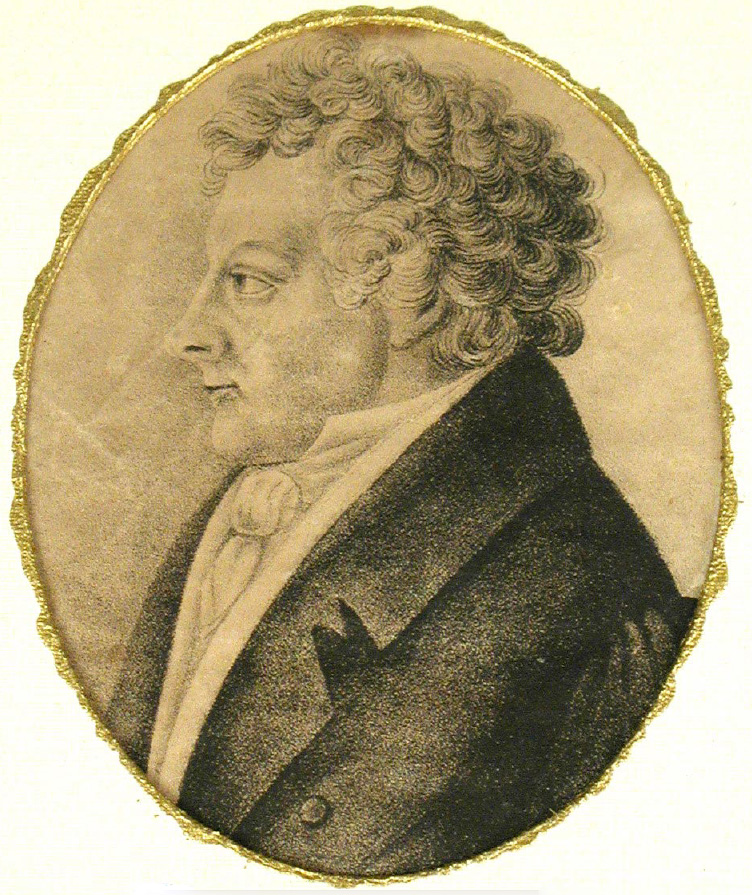
Digital facsimile facsimile from the Hathi Trust at this link.
1814 CE–1828 CE
#315
Lectures on comparative anatomy, in which are explained the preparations in the Hunterian collection
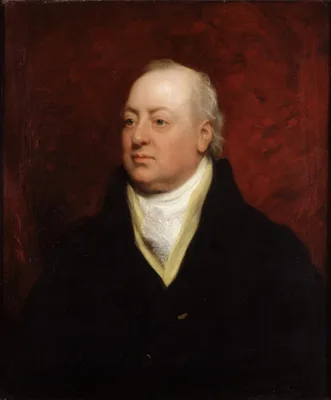
Home plagiarized this large work from the manuscripts of John Hunter, his late father-in-law, and, as a result, of immense importance for publication of Hunter’s researches, and for aspects of Hunter's collectio…
1815 CE–1822 CE
#316
Histoire naturelle des animaux sans vertèbres ... précédée d'une introduction offrant la détermination des caractères essentiels de l'animal, sa distinction du végétal et des autres corps naturels, enfin, l'exposition des principes fondamentaux de la zoologie. 7 vols in 8.
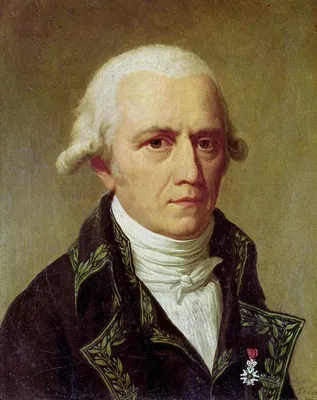
An elaborate expansion of Lamarck’s one-volume work with the same title published in Paris, 1801 (No.215.5). As a systematist Lamarck made important contributions to biology. He separated spiders and crustaceans…
1819 CE
#317
De animalibus quibusdam e classe vermium Linneana in circumnavigator terra auspicante Comite N. Romanzoff duce Ottone de Kotzebue annis 1815, 1816, 1817, 1818. Fasciculus primus. De Salpa.
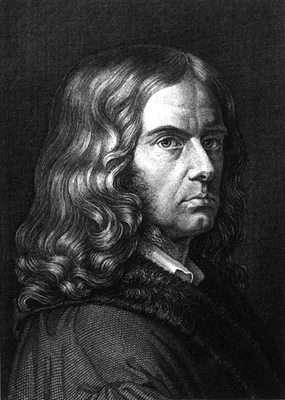
Chamisso was naturalist on the Kotzebue voyage of 1815-1818. This monograph on certain Vermes included the first description of several of the tunicates and the earliest use of the expression “alternation of gen…
1821 CE–1833 CE
#318
System der vergleichenden Anatomie. 6 vols.
Meckel is considered the greatest comparative anatomist before Johannes Müller. Digital facsimile from the Hathi Trust Digital Library at this link.
1824 CE–1842 CE
#319
Histoire naturelle des mammifères. 4 vols.
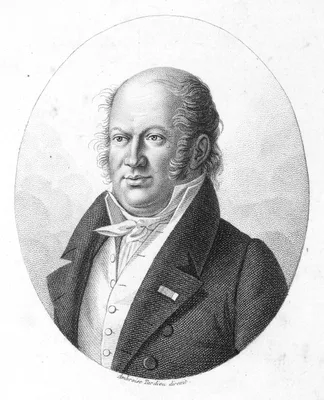
Digital facsimile from Biodiversity Heritage Library at this link.
1827 CE–1838 CE
#322
The birds of America. From original drawings by John James Audubon. 4 vols.
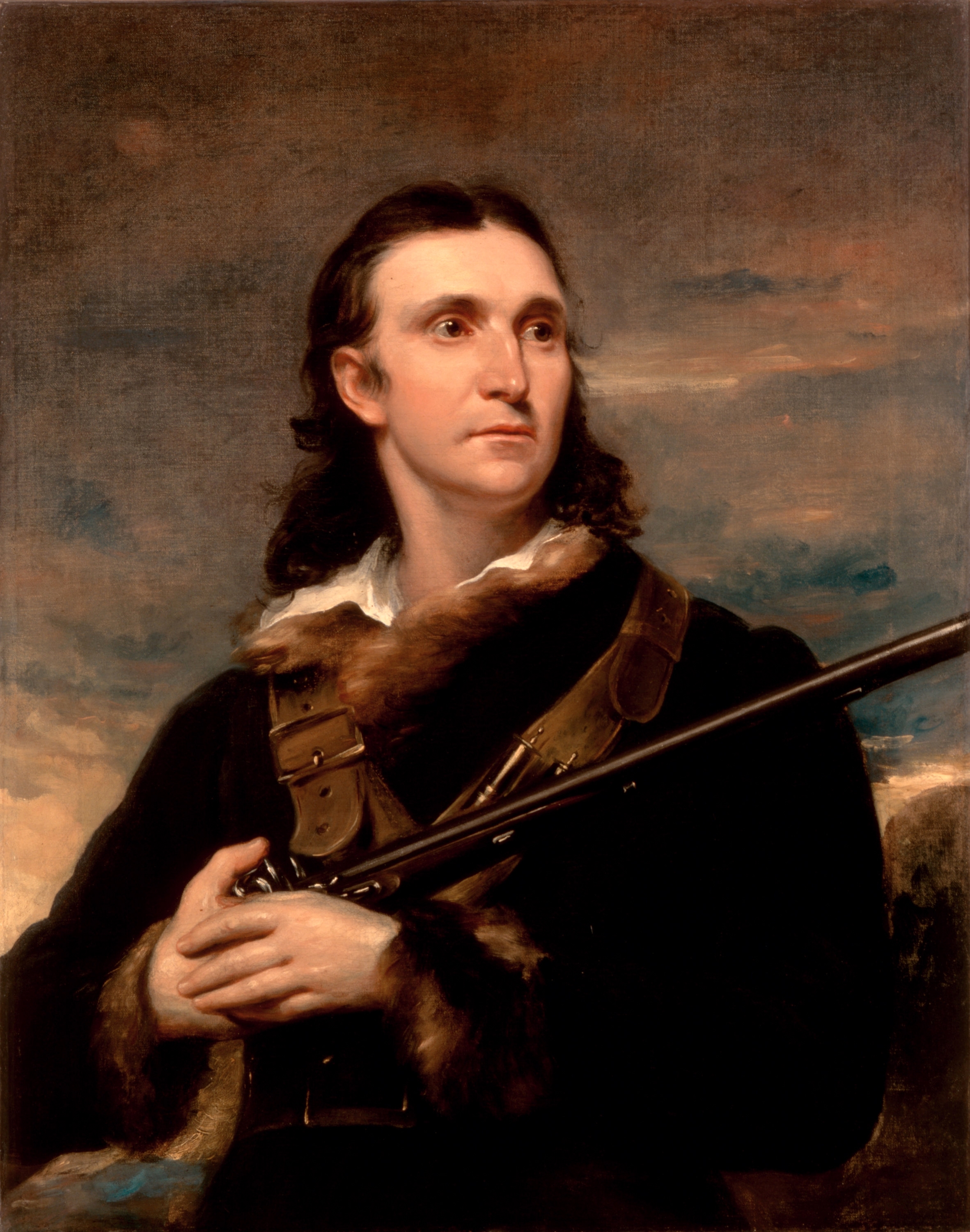
Contains 435 hand-colored plates in double elephant folio format, originally issued in 87 parts. The birds of America is widely regarded as the greatest illustrated ornithological work ever published, and one of the g…
1749 CE–1789 CE
#324
Histoire naturelle générale et particulière…. 44 vols., plus atlas.
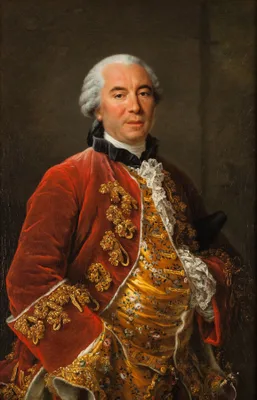
This vast work is divided into seven parts. I: Histoire naturelle générale et particulière…15 vols., by Buffon and L.J.M. Daubenton (1749-67). II: Histoire naturelle des oiseaux. 9 vols., b…
1832 CE
#325
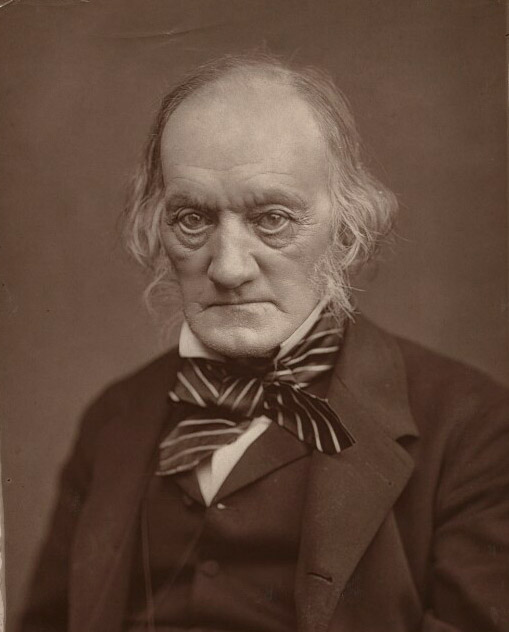
Memoir on the pearly nautilus (Nautilus pompilius, Linn.).
1833 CE–1840 CE
#326
Descriptive and illustrated catalogue of the physiological series of comparative anatomy contained in the Museum [of the Royal College of Surgeons of England]. 5 vols.
I. Organs of motion and digestion. 1833.--II. Absorbent, circulating, respiratory, and urinary systems. 1834.--III. pt. I. Nervous system and organs of sense. pt. II. Connective and tegumentary systems and peculiariti…
1817 CE
#327
Le règne animal. 4 vols.
Second edition in five vols., 1829–1830. After Cuvier's death 12 "disciples" of Cuvier brought out a third edition in 22 vols. from 1836 to 1849. The 12 "disciples" were Jean Victor Audouin (insects), Gerard Pau…
1840 CE
#328
Ueber die Lymphherzen der Schildkröten.
1840 CE–1845 CE
#329
Odontography, or, a treatise on the comparative anatomy of the teeth. 2 vols.
Owen’s first large-scale original work covered the whole range of the toothed vertebrates, living and fossil, and discussed in detail the micrsocopic structure of the teeth and the physiology of dentition. Inclu…
1848 CE
#330
On the archetype and homologies of the vertebrate skeleton.
Owen’s vertebral theory of the origin of the skull, later refuted by Thomas Huxley and others. "Owen began working systematically on problems of transcendental morphology in 1841, as part of his curatorial task …
1846 CE–1848 CE
#331
Lehrbuch der vergleichenden Anatomie. 2 vols.
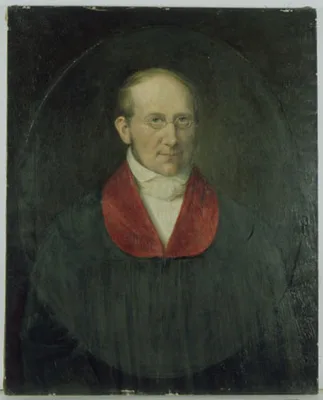
![SIEBOLD, Carl Theodor Ernst von [Karl] (1804 – 1885)](/media/portraits/231)
Vol. 2 was published in 1846; Vol. 1 in 1848. Digital facsimiles of both vols. from Biodiversity Heritage Library at this link. Siebold was the author of Vol. 1, on invertebrates; he introduced the taxa Arthropoda and…
1857 CE–1877 CE
#333
Contributions to the natural history of the United States. 5 vols.
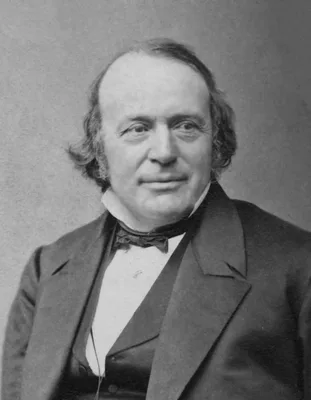
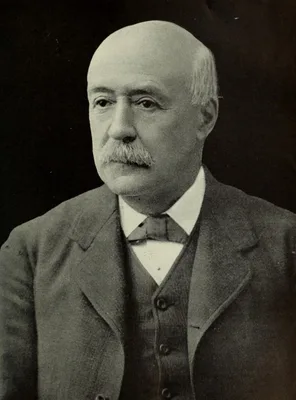
Vols. 1-4 by Louis Agassiz were published from 1857-1862; Vol. 5, North American starfishes by Alexander Agassiz, appeared in 1877. Louis Agassiz was, for his time, the leading comparative anatomist in America and a v…
1859 CE–1969 CE
#334
Die Klassen und Ordnungen des Thier-Reichs, wissenschaftlich dargestellt in Wort und Bild.
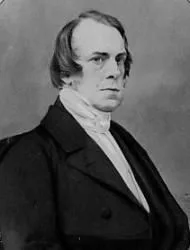
This great systematic work, begun by Bronn, was continued by other naturalists. It deals with both recent and fossil zoology. Bronn wrote the volumes dealing with Amorphozoa, Actinozoa, and Malacozoa, published 1859-1…
1864 CE–1865 CE
#335
A history of the fishes of the British Islands. 4 vols.
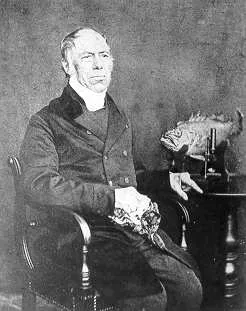
Couch, a general practitioner at Polperro, Cornwall, became one of the greatest authorities on British fishes. The work, a monument of industry and patience, includes 252 hand-colored plates, also by Couch. Digital fa…
1866 CE–1868 CE
#336
On the anatomy and physiology of the vertebrates. 3 vols.
Vol. 1. Fishes and reptiles; Vol. 2. Birds; Vol. 3. Mammals. The most important work on the subject after Cuvier, based entirely on personal observations. Owen entitled his 40th and concluding chapter "Derivative hypo…
1870 CE
#337
Grundzüge der vergleichenden Anatomie der Wirbelthiere.
Gegenbaur’s best work. He stressed the value of comparative anatomy as the basis of the study of descent, considering that knowledge of the relations of corresponding parts in different animals was more importan…
1871 CE
#338
A manual of the anatomy of vertebrated animals.
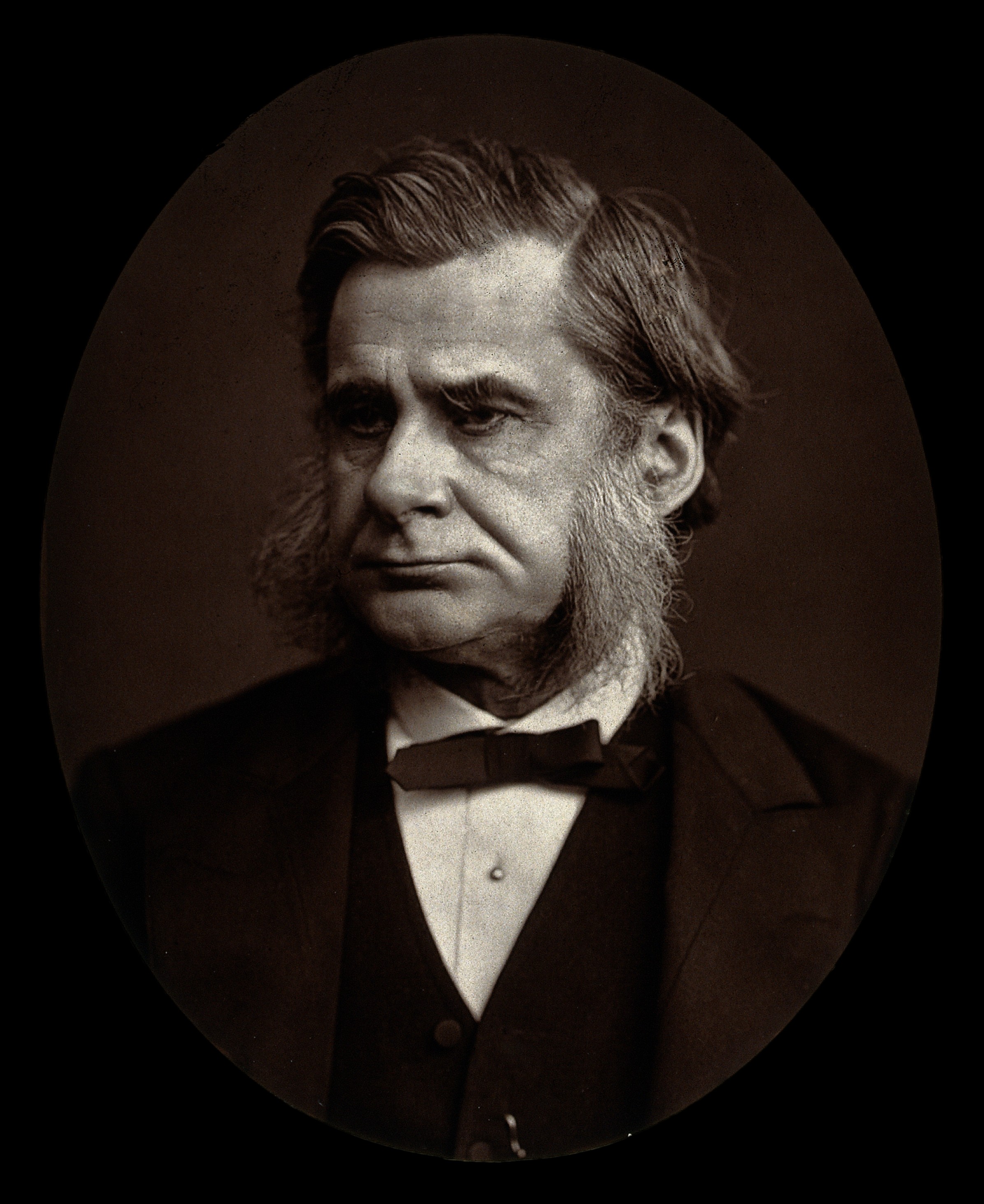
Huxley was among those who refuted Owen’s theory of the vertebral skull.
1875 CE
#339
Der Ursprung der Wirbelthiere und das Princip des Functionswechsels.
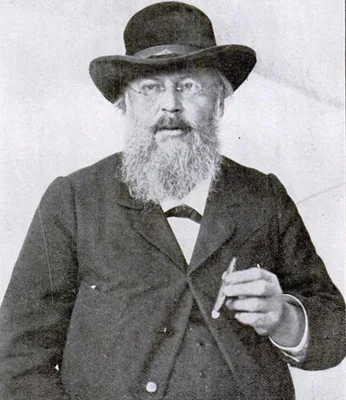
Dohrn’s theory of change of function as the origin of evolutionary novelties.
1883 CE
#343
Lehrbuch der vergleichenden Anatomie der Wirbelthiere.
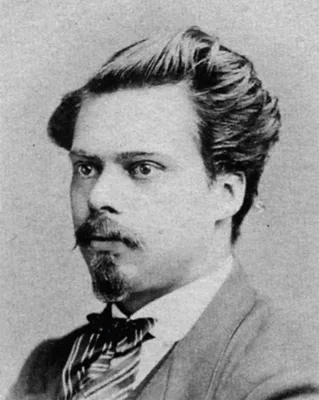
English translation, London, 1886. Digital facsimile of the 1883 edition from the Biodiversity Heritage Library, Internet Archive, at this link.
1888 CE
#344
Mémoires sur le cerveau de l’homme et des primates publiés avec un introduction et des notes par Le docteur S. Pozzi.
Digital facsimile from the Biodiversity Heritage Library at this link.
1900 CE–1909 CE
#345
A treatise on zoology. Edited by Sir Ray Lankester. 9 vols.
Digital facsimiles from the Internet Archive at this link.
1901 CE–1910 CE
#346
A monograph of the Culicidae, or mosquitoes. Mainly compiled from the collections received at the British Museum from various parts of the world in connection with the cause of malaria conducted by the Colonial Office and the Royal Society. 4 vols. and atlas.
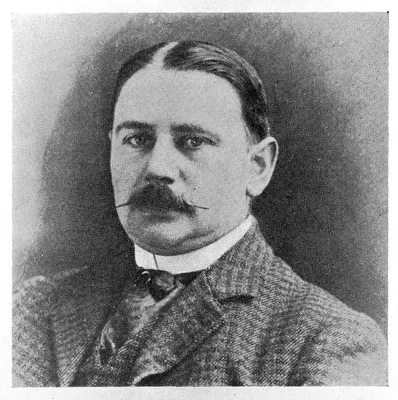
Digital facsimile from the Internet Archive at this link.
1904 CE
#347
Morphology and anthropology. A handbook for students.
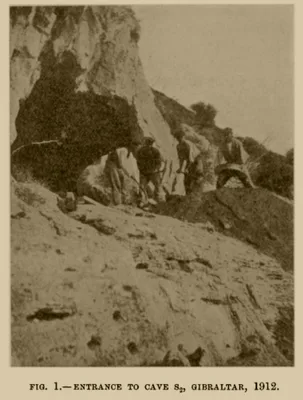
Digital facsimile from Google Books at this link.
1913 CE
#349
A textbook of medical entomology.
Digital facsimile from Biodiversity Heritage Library at this link.
1928 CE
#350
The brain from ape to man: A contribution to the study of the evolution and development of the human brain by Frederick Tilney. With chapters on the reconstruction of the gray matter in the primate brain stem by Henry Alsop Riley. 2 vols.
Classic study of the evolution of the central nervous system in the higher mammals. Digital facsimile from the Internet Archive at this link.
1932 CE
#351
The social life of monkeys and apes.

A study of the relationship of Man to the other primates, from the physiological and biochemical standpoint. Zuckerman’s work is considered the first adequate interpretation of simian society. 2nd ed., 1980.
1949 CE
#352
History of the primates.
1872 CE
#353
Geschichte der Zoologie bis auf Joh. Müller und Charl. Darwin.
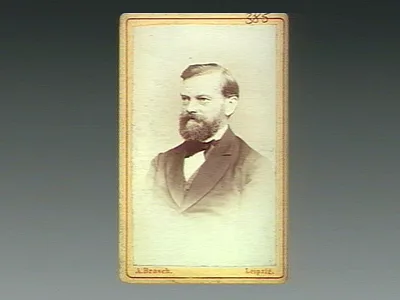
French edition, 1880. Digital facsimile of the German edition from Biodiversity Heritage Library at this link; of the French edition from Google Books at this link.
1931 CE
#354
An introduction to the literature of vertebrate zoology. Based chiefly on the titles in the Blacker Library of Zoology, the Emma Shearer Wood Library of Ornithology, the Bibliotheca Osleriana and other libraries of McGill University, Montreal.
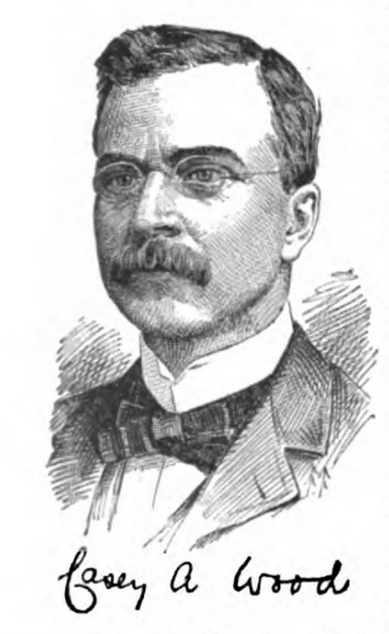
A comprehensive summary and bibliography of the literature on vertebrate zoology. The first 170 pages are a narrative divided into 19 chapters, plus an index. The remainder is a "partially annotated catalogue" arrange…
1892 CE–1982 CE
#355
Index-catalogue of medical and veterinary zoology.
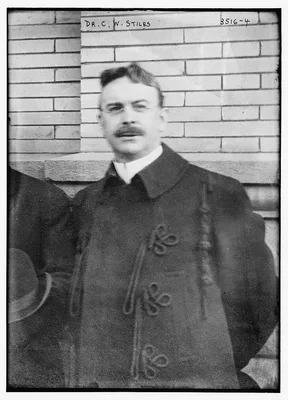
An index to the world's literature on parasites and parasitisms of man, of domestic animals, and of wild animals whose parasites may be transmitted to man and domestic animals. It also contains references to fur-beari…
1944 CE
#356
A history of comparative anatomy: From Aristotle to the eighteenth century.
Reprinted, Dover Publications, 1978.
1962 CE
#357