
Entry Nos. 4000–4099
98 Garrison-Morton entries in this range.
1687 CE
#2529.1
Osservazioni intorno a’ pellicelli del corpo umano.
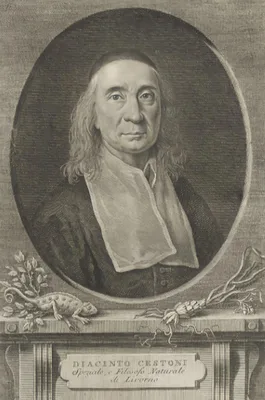
First clinical and experimental proof of infection by a microparasite. Bonomo observed Sarcoptes scabiei, the scabies mite. This gave researchers grounds to think in terms of objective, exogenous pathogenic agents as …
1784 CE
#2734.4
A treatise on the diseases of children.
Underwood laid the foundation of modern pediatrics. His work was superior to anything that had previously appeared and remained the most important book on the subject for sixty years, passing through many editions. Th…
1796 CE–1808 CE
#3985
On cutaneous diseases. Vol. 1 [All published].
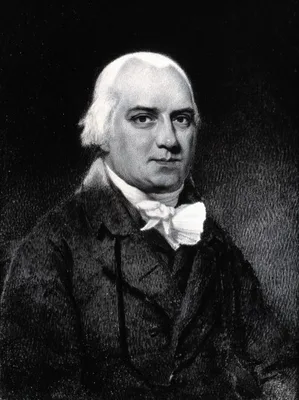
Modern dermatology may be said to start with Willan. His classification of skin diseases gained him the Fothergillian Medal of the Medical Society of London in 1790. He established a standard nomenclature which is sti…
1806 CE
#3986
Description des maladies de la peau observées à l’hôpital Saint Louis.
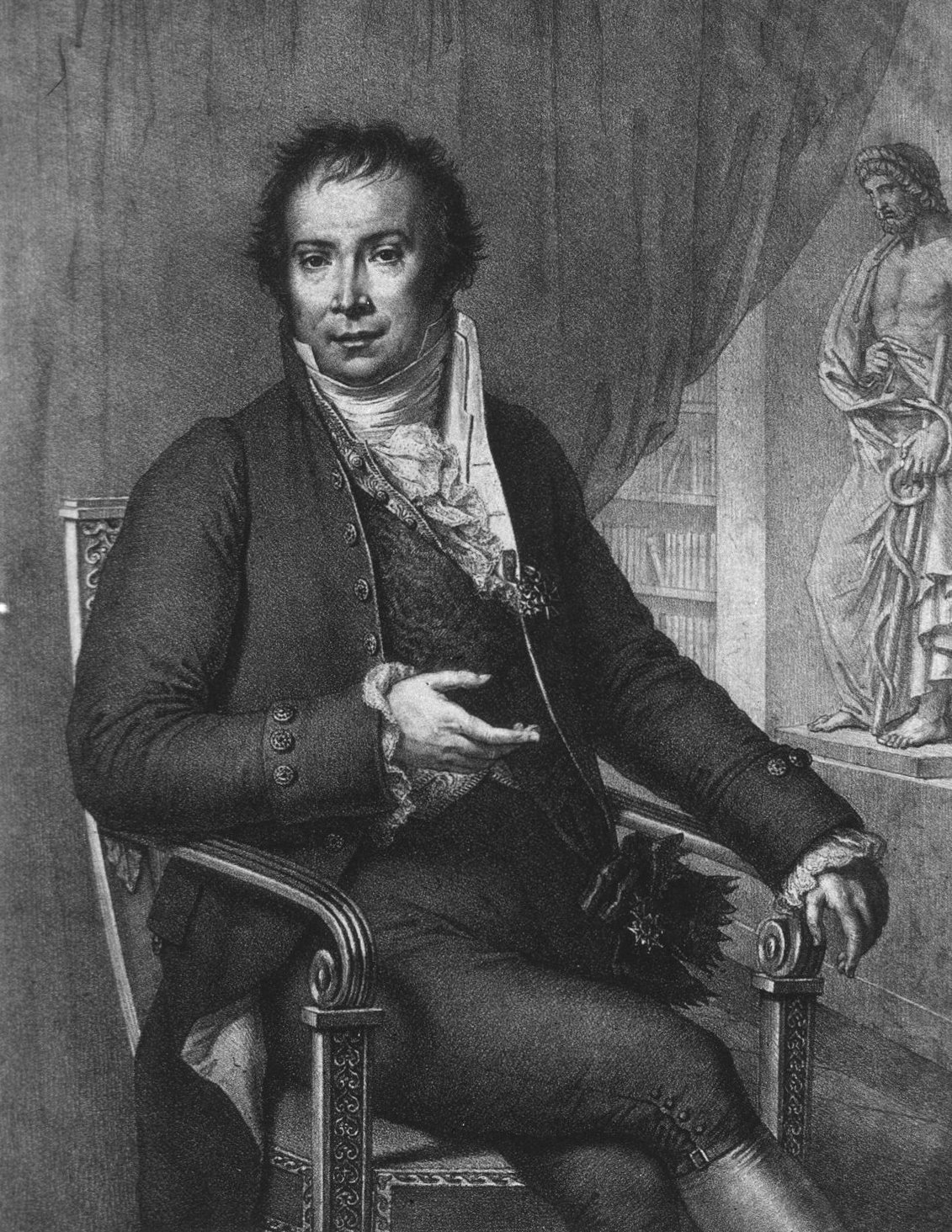
The largest and most spectacular of the early classics of dermatology, with hand-colored illustrations unsurpassed for their quality of execution. The illustrations are also the first on the subject in a French book. …
1817 CE
#3988
Delineations of cutaneous diseases exhibiting the characteristic appearances of the principal genera and species comprised in the classification of the late Dr. Willan; and completing the series of engravings begun by that author.
Bateman, the pupil of Willan, continued his teacher’s classification of skin diseases. The above work is notable for its 72 colored plates. Strictly speaking it is the first atlas of dermatology, as Willan&rsquo…
1894 CE
#4000
Die Histopathologie der Hautkrankheiten.
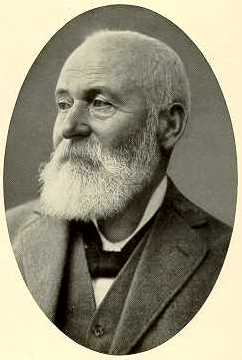
This monumental work is a landmark in dermatological history. Sir Norman Walker translated it into English in 1896. Unna, short in stature but a giant among dermatologists, initiated the study of the skin by means of …
1898 CE–1900 CE
#4001
Handatlas der Hautkrankheiten fur Studirende und Arzte. 3 pts.
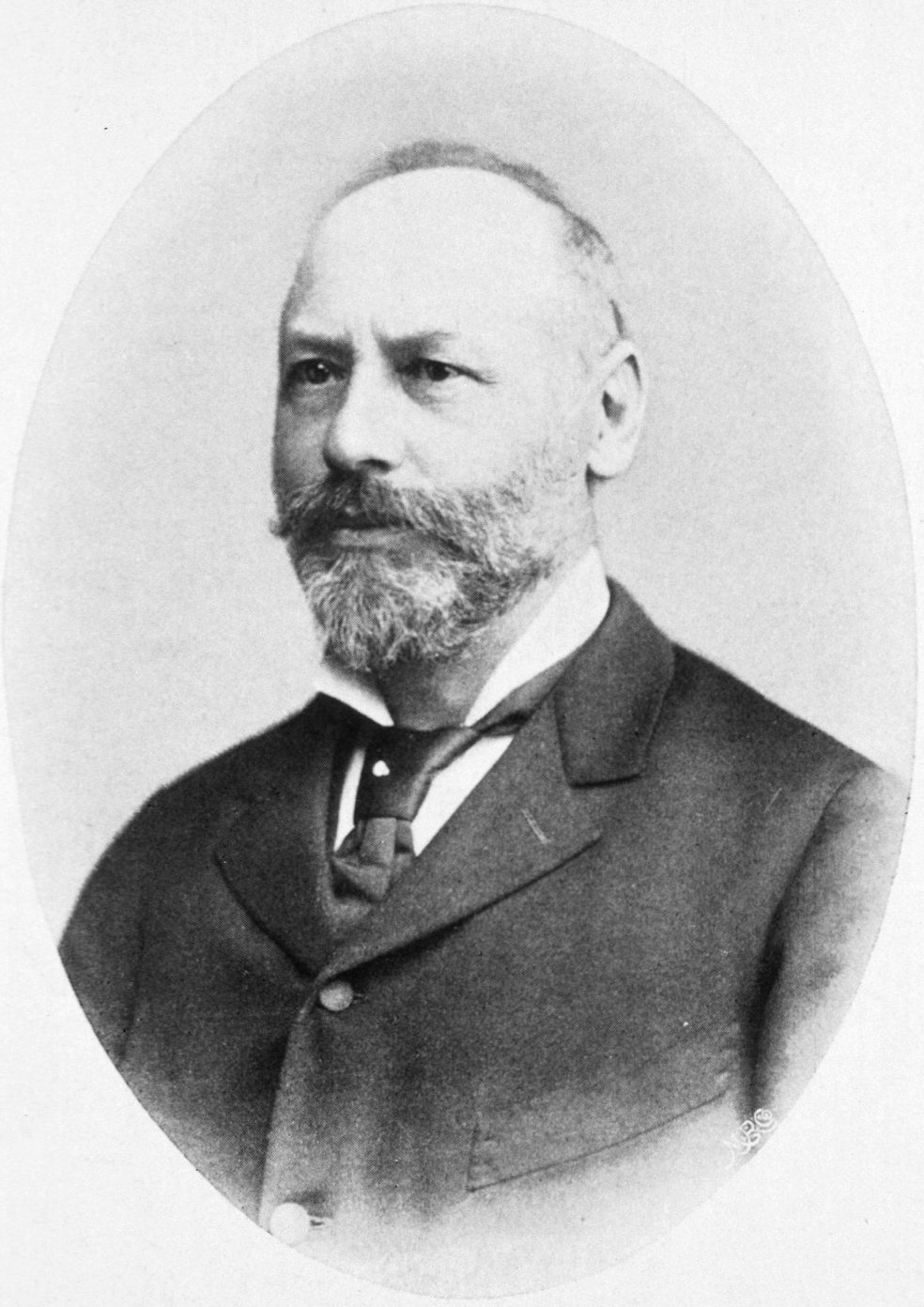
An extensive and valuable collection of illustrations in dermatology. Includes 377 chromolithographs. "In publishing this hand atlas of skin diseases, I wish to provide students with an aid to their studies and genera…
1899 CE
#4002
La photothérapie. Les rayons chimiques et la variole. La lumière comme agent d’excitabilité. Traitement du lupus vulgaire par des rayons chimiques concentrés.
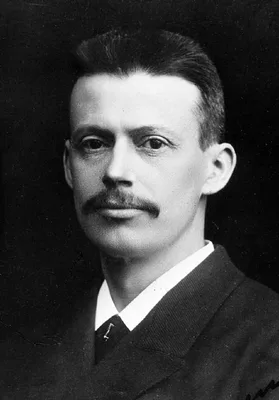
Finsen was a pioneer in the treatment of lupus by means of light. English translation, 1901.
1901 CE
#4003
Note sur le traitement du lupus érythémateux par des applications de radium.
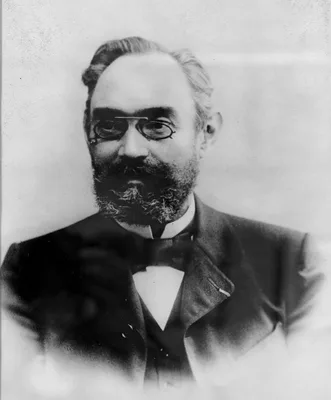
First application of radium in the treatment of lupus.
1904 CE
#4004
Surla radiothérapie des teignes.
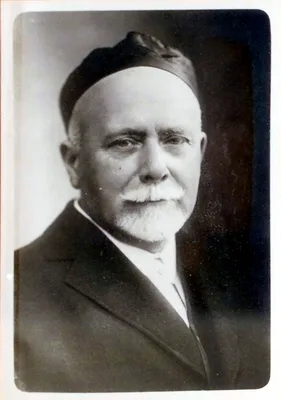
Sabouraud’s method of radiological treatment of ringworm.
1909 CE
#4005
Précis de dermatologie.
1927 CE–1937 CE
#4006
Handbuch der Haut-und Geschlechtskrankheiten. Hrsg…von J. JADASSOHN. 24 vols.
1933 CE
#4007
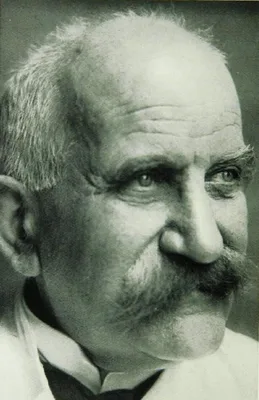
Die Röntgen-Nahbestrahlung maligner Tumoren.
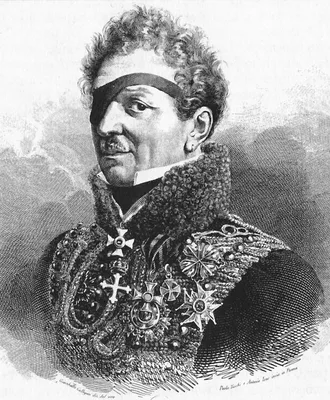
Chaoul therapy.
1933 CE
#4008
Inherited abnormalities of the skin and its appendages.
1936 CE
#4009
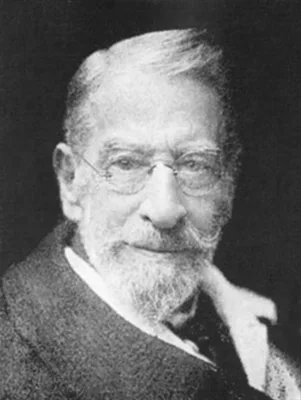
Nouvelle pratique dermatologique. 8 vols.
1943 CE
#4010
Technique de traitement du lupus tuberculeux.
Introduction of calciferol in the treatment of lupus. A more extensive report, “Le traitement des tuberculoses cutanées par la vitamine D2 à hautes doses”, appeared in the same journal, 1946,…
1945 CE
#4011
Lupus vulgaris treated with calciferol.
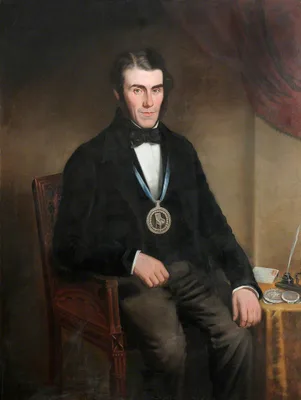
Dowling and Prosser Thomas introduced calciferol in the treatment of lupus independently of Charpy (no. 4010) whose work was unknown to them owing to the wartime isolation of France.
1731 CE
#4013
An extract from the minutes of the Royal Society, March 16, 1731, containing an uncommon case of a distempered skin.
First known description of Ichthyosis hystrix, a group of rare skin disorders in the ichthyosis family of skin disorders characterized by massive hyperkeratosis with an appearance like spiny scales. Digital facsimile …
1754 CE
#4014
An account of an extraordinary disease of the skin and its cure. Extracted from the Italian of Carlo Crusio, with a letter of the Abbé Nollet to Mr. William Watson by Robert Watson.
The early history of scleroderma is confused with that of leprosy, ichthyosis, and keloid. Crusio appears to be the first to differentiate it. Gintrac in 1847 coined the term “scleroderma”. It is now inclu…
1786 CE
#4016
Aetiologie der Krätze.
Wichmann definitely established the parasitic aetiology of scabies.
1791 CE
#4017
Observations on certain horny excrescences of the human body.
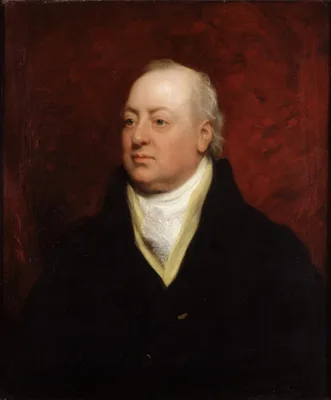
Original description of cornu cutaneum.
1807 CE–1808 CE
#4020
On an eruptive disease of children.
First description of ecthyma terebrans, “pemphigus gangrenosa”.
1813 CE
#4021
A practical synopsis of cutaneous diseases according to the arrangement of Dr. Willan.
This was the most influential textbook of dermatology of the 19th century, and the work which conveyed Willan’s system to most of the medical world. Included in the book was material by Willan which remained unp…
1816 CE
#4023
Note sur la keloide.
First accurate description of keloid (“Alibert’s keloid”), although it was mentioned by Retz in 1790.
1825 CE
#4024
Description des maladies de la peau. 2me. édition. 2 vols.
Contains (vol. 2, p. 214) first description of sycosis barbae (“Alibert’s mentagra”).
1827 CE
#4025
Observations respecting an ulcer of peculiar character, which attacks the eyelids and other parts of the face.
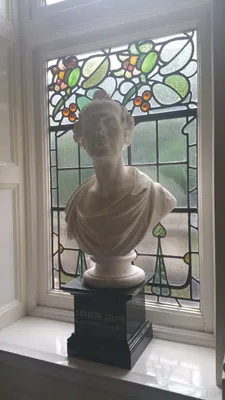
Arthur Jacob, Professor of Anatomy and physiology in Dublin, described “Jacob’s ulcer”, rodent ulcer attacking the face, especially the eyelid.
1835 CE
#4027
Thèse inaugurale sur la découverte de l’insecte qui produit la contagion de la gale, du prurigo et du phlyzacia.
Demonstration of the human itch-mite, Sarcoptes scabiei. It was due to Renucci that the Sarcoptes was recognized as the one cause of scabies and its parasitic nature finally accepted.
1838 CE
#4028
Abrégé pratique des maladies de la peau. 3me. éd.
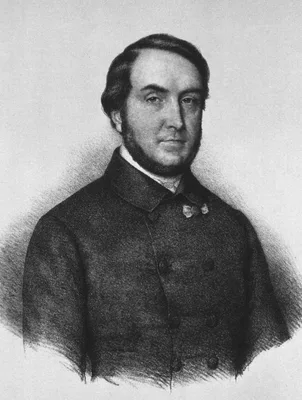
Laurent Théodore Biett (1781-1840), was a pupil of Alibert, Willan, and Bateman. His classic description of lupus erythematoides migrans (“Biett’s disease”) occurs on pp. 11 and 415 of the abo…
1839 CE
#4029
Zur Pathogenie der Impetigines.
The discovery of a fungus as the cause of favus (Achorion schönleinii). Schönlein communicated this important discovery in a letter of less than 200 words and one illustration. It represents the first conspi…
1841 CE
#4030
Mémoire sur une végétation qui constitue la vraie teigne.
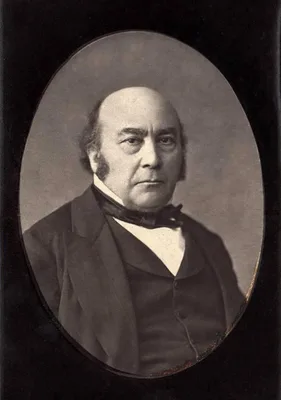
Independently of Schönlein (No. 4029) Gruby discovered the achorion of favus, describing it definitely as the cause of the disease, a point about which Schönlein was in doubt.
1841 CE
#4031
Notice of the molluscum contagiosum.
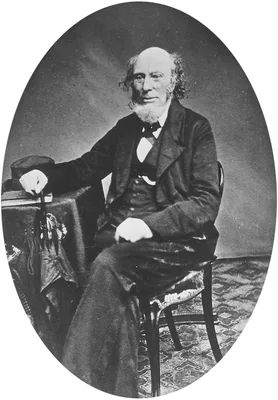
See No. 4032.
1841 CE
#4032
Cases and observations on the molluscum contagiosum of Bateman, with an account of the minute structure of the tumours.
Henderson and Paterson described the inclusion body of molluscum contagiosum, “Henderson–Paterson body”.
1842 CE
#4033
Om den spedalske sygdom. Elephantiasis graecorum.
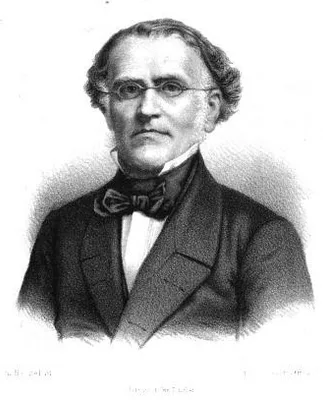
Boeck, eminent Norwegian dermatologist and syphilologist, was the first to describe Norwegian itch, scabies crustosa (“Boeck’s scabies”).
1842 CE
#4034
Sur une espèce de mentagre contagieuse résultant du développement d’un nouveau cryptogame dans la racine des poils de la barbe de l’homme.
First accurate description of Trichophyton mentagrophytes, the fungus responsible for sycosis barbae. English translation of this and Gruby’s other five papers read to l’Académie des Sciences in Zak…
1843 CE
#4035
Recherches sur la nature, le siège et le développement du Porrigo decalvans ou phytoalopécie.
First accurate description of Microsporon audouini, the fungus of Willan’s porrigo decalvans, tinea tonsurans, “Gruby’s disease”.
1844 CE
#4036
Recherches surles cryptogames qui constituent la maladie contagieuse du cuir chevelu décrite sous le nom de Teigne tondante (Mahon). Herpes tonsurans (Cazenave).
Gruby discovered a fungus, Trichophyton tonsurans, in ringworm of the scalp.
1844 CE
#4037
Pemphigus chronique, générale; forme rare de pemphigus foliacé; mort: autopsie; altération du foie.
First description of pemphigus foliaceus, “Cazenave’s disease”. The article is unsigned.
1846 CE
#4038
Ueber die Krätzmilben des Menschen, ihre Entwicklung und ihr Verhältniss zur Krätze.
1846 CE
#4039
Pilzbildung in der Pityriasis versicolor.
Eichstedt discovered Pityrosporum orbiculare, fungus of pityriasis versicolor (“Eichstedt’s disease”).
1850 CE
#4040
Des principales formes du lupus et de son traitement.
Lupus erythematosus – “Cazenave’s disease”.
1851 CE
#4041
On a certain affection of the skin, vitiligoidea: α Plana, β tuberosa.
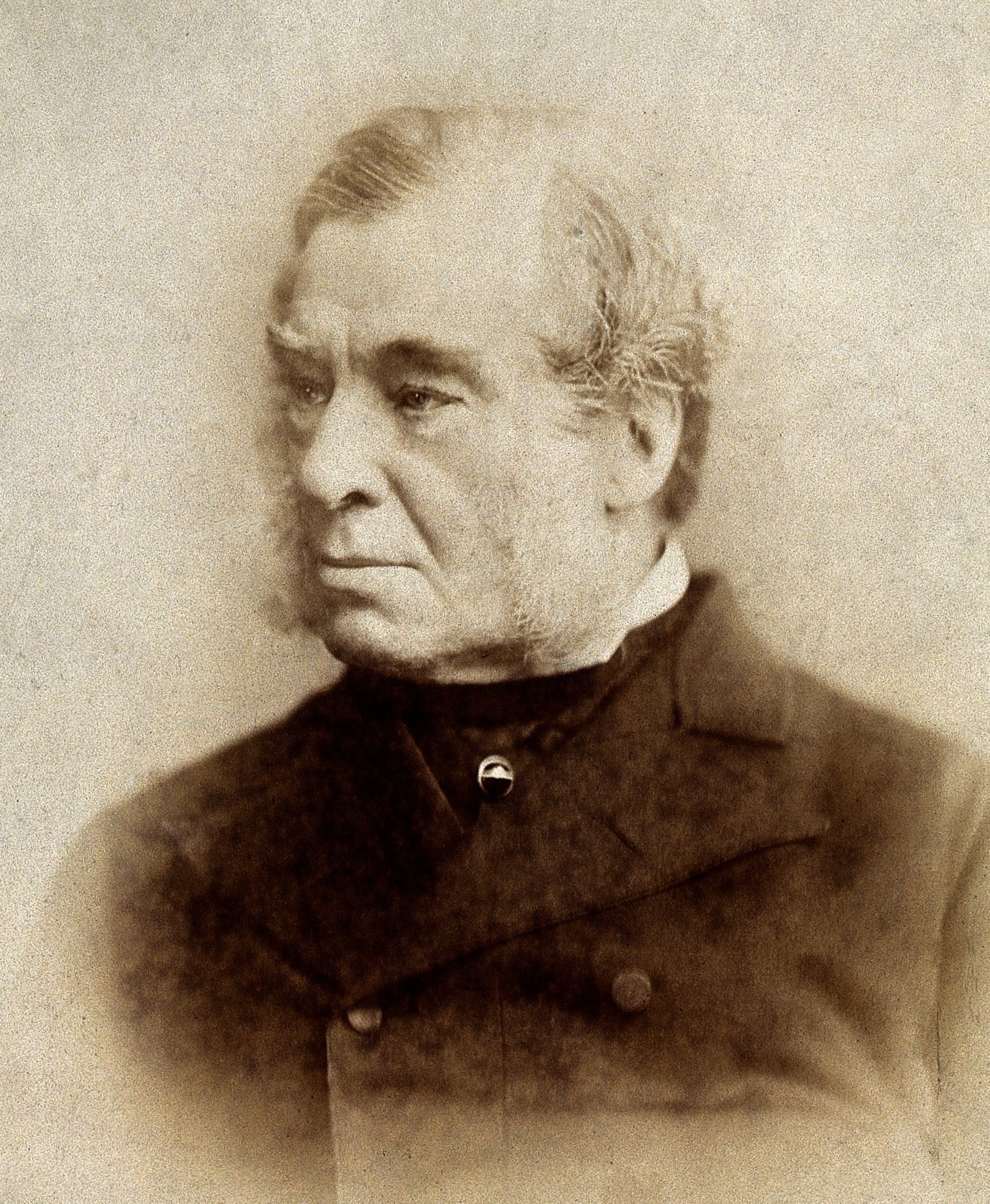
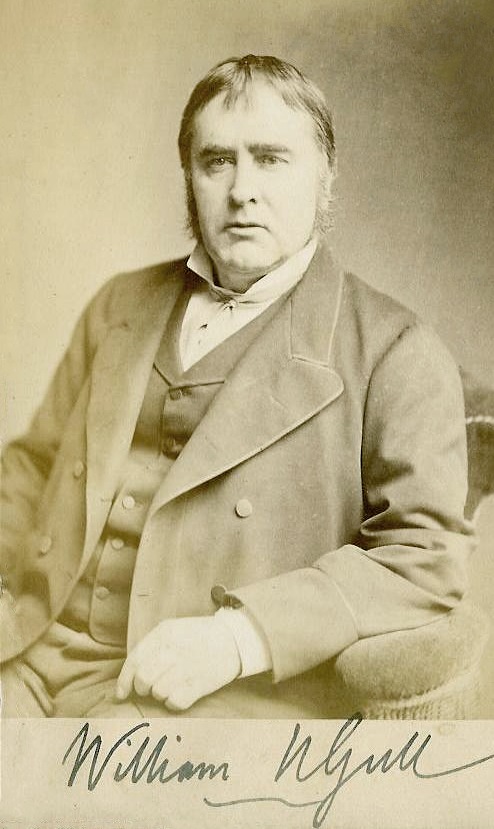
In their classic account of xanthoma multiplex, Addison and Gull believed they were describing a new disease, but Rayer had been the first to mention it. (See No. 3989; see also the later paper by Gull, Guy’s Ho…
1854 CE
#4042
On the keloid of Alibert, and on true keloid.
Addison described two forms of keloid, that described by Alibert, and the “true keloid” (the skin disease morphoea, “Addison’s keloid”).
1854 CE
#4043
Ueber die Folge und den Verlauf epidermischer Krankheiten.
First description of tinea cruris (eczema marginatum, “Bärensprung’s disease”).
1856 CE
#4044
Pityriasis pilaris, maladie de peau non décrite par les dermatologistes.
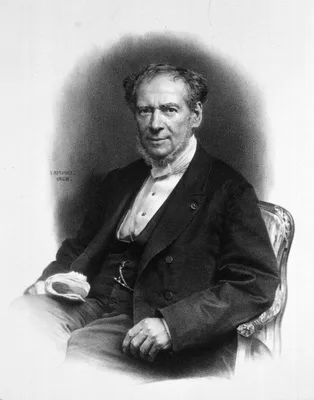
Devergie is remembered for his clear description of pityriasis rubra pilaris, (“Devergie’s disease”). He was the first to demonstrate the presence of a fungus in eczema marginatum.
1857 CE
#4045
Lichen exsudativus ruber.
First description of this condition (“Hebra’s pityriasis”).
1857 CE–1858 CE
#4046
Sur la coloration partielle en noir ou en bleu de la peau chez les femmes.
Chromidrosis first described.
1861 CE
#4047
On a new and striking form of fungus disease, principally affecting the foot, and prevailing endemically in many parts of India.
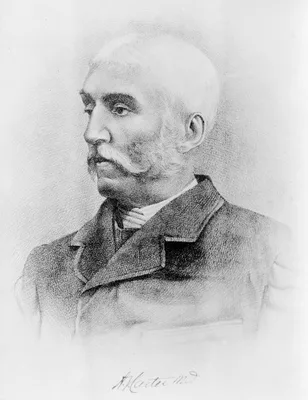
First modern description of mycetoma of the foot – “Madura foot”, “Carter’s mycetoma”. It was mentioned by E. Kaempfer in his Amoenitates exoticae, Lemgo, 1712, p. 561. Colebrook at…
1860 CE
#4048
Traité pratique des maladies de la peau. 3 éd., 2 vols.
Gibert’s name is associated with pityriasis rosea, which he first established as a definite clinical entity. His complete and accurate description of this condition is on page 402 of vol. 1 of the above work.
1860 CE
#4049
Das umschriebene Eczem. Eczema marginatum. In Virchow’s Handbuch der spec. Path. u. Therap., 3, 1 Abt., 361-63.
Complete description of tinea cruris (eczema marginatum), first described by Bärensprung in 1854.
1860 CE
#4050
De l’hypertrophie générale du système sébacé.
First description of keratosis follicularis.