
Entry Nos. 5200–5299
97 Garrison-Morton entries in this range.
1734 CE
#2148
The navy-surgeon, or a practical system of surgery.
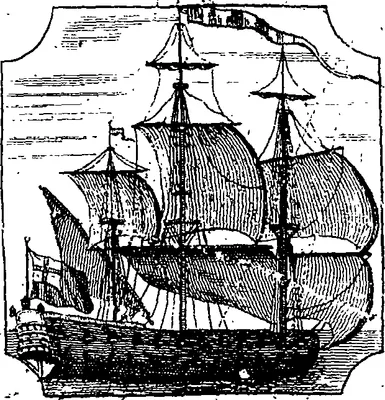
Atkins was an English naval surgeon. His book includes some useful case reports and contains the first English description of African trypanosomiasis.
1793 CE
#2378
A treatise on gonorrhoea virulenta, and lues venerea. 2 vols.
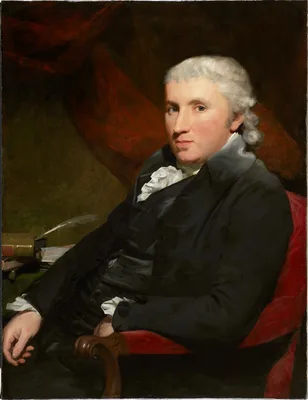
Bell was the first to differentiate between gonorrhoea and syphilis.
1837 CE
#2380
Practical observations on the venereal disease, and on the use of mercury.
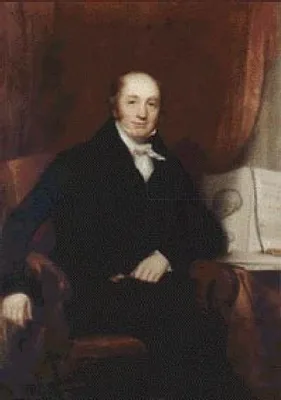
“Colles’s law” is stated on. p. 304. Colles introduced small doses of mercury in the treatment of syphilis. He was Professor of Surgery at Dublin.
1838 CE
#2381
Traité pratique des maladies vénériennes.
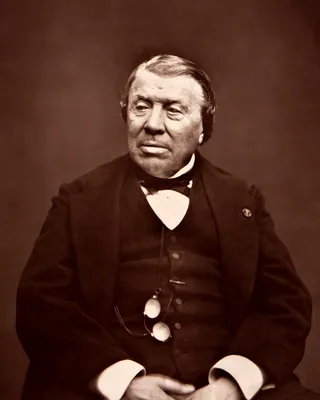
Includes the description of “Ricord’s chancre”, the initial lesion in syphilis. Ricord re-demonstrated the specific character of syphilis and divided it into the three stages, primary, secondary, and…
1927 CE–1937 CE
#4006
Handbuch der Haut-und Geschlechtskrankheiten. Hrsg…von J. JADASSOHN. 24 vols.
1852 CE
#5203
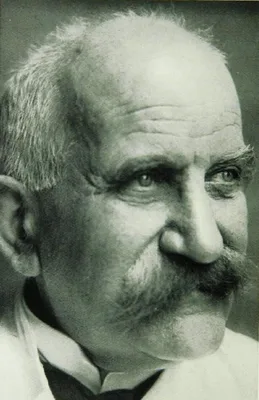
Traité des affections de la peau symptomatiques de la syphilis.
Bassereau defined chancroid clearly for the first time.
1866 CE
#5204
Coincidence du chancre syphilitique primitif avec la gale, la blénorrhagie, le chancre simple et la vaccine.
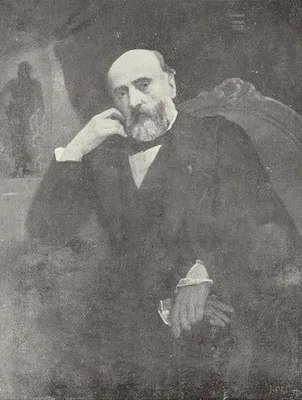
Rollet recognized the possibility of mixed infection of one sore with syphilis and chancroid, thus establishing the dualist theory of venereal infection. The mixed chancre is named “Rollet’s disease”.
1889 CE
#5205
Il virus dell’ ulcera venerea.
Announcement of the discovery of Haemophilus ducreyi (Ducrey’s bacillus), causal organism in chancroid.
1836 CE
#5207
Animalcules observés dans les matières purulentes et le produit des sécrétions des organes génitaux de l’homme et de la femme.
First description of Trichomonas vaginalis, which Donné at first believed to be the pernicious agent in gonorrhoea. He later recognized that the organism is a normal inhabitant of the female genital tract. By t…
1879 CE
#5208
Ueber eine der Gonorrhoe eigentümliche Micrococcusform.
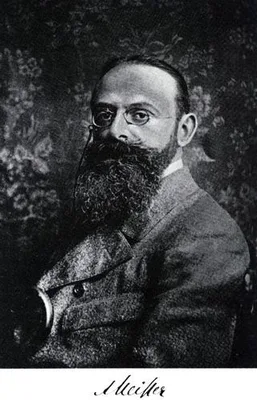
Discovery of the gonococcus – causal organism in gonorrhoea.
1885 CE
#5209
Der Mikro-Organismus der gonorrhöischen Schleimhaut-Erkrankungen, Gonococcus-Neisser.
Bumm cultured the gonococcus. By human inoculations he demonstrated its pathogenicity in pure culture.
1880 CE
#5209
Ueber Bacterien bei den venerischen Krankheiten.
Leistikow was first to report the cultivation of the gonococcus.
1888 CE
#5211
Die Blenorrhöe der Sexualorgane und ihre Complicationen.
1896 CE
#5212
Ulcerative endocarditis due to the gonococcus; gonorrheal septicemia.
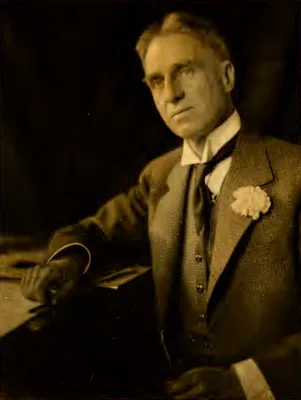
Thayer and Blumer found the gonococcus in cases of gonorrheal endocarditis.
1906 CE
#5213
Ueber den Nachweis von Antikörpern im Serum eines an Arthritis gonorrhoica Erkrankten mittels Komplementablenkung.
“Müller–Oppenheim reaction” – a complement fixation test for the diagnosis of gonorrhoea.
1833 CE
#5215
A treatise on the venereal disease and its varieties.
On p. 371 commences the first description of lymphogranuloma venereum, which Wallace called “indolent primary syphilitic bubo”.
1849 CE
#5216
Mémoire sur l’esthioméne, ou dartre rongeante de la région vulvo-anale.
Huguier gave the name esthiomène to the characteristic induration and discoloration of the affected parts in lymphogranuloma venereum.
1913 CE
#5217
Lymphogranulomatose inguinale subaiguë d’origine génitale probable, peut-être vénérienne.
First important description. Sometimes called “Nicolas–Favre disease” and “Nicolas–Durand–Favre disease”.
1925 CE
#5218
Eine neue Hautreaktion bei “Lymphogranuloma inguinale”.
The Frei skin test for the diagnosis of lymphogranuloma venereum.
1927 CE
#5219
Contribución al estudio de la linfogranulomatosis inguinal subaguda o ulcera venérea adenógena de Nicolás y Favre.
Gay Prieto was the first actually to see the infective agent of lymphogranuloma venereum.
1930 CE
#5220
Meningo-enzephalitische Veränderungen bei Affen nach intra-cerebraler Impfung mit Lymphogranuloma inquinale.
The authors transmitted lymphogranuloma venereum to animals and attributed it to a virus. See also C. R. Soc. Biol. (Paris), 1931, 106, 802-03.
1933 CE
#5221
A sixth venereal disease. Climatic bubo, lymphogranuloma inguinale, esthioméne, chronic ulcer and elephantiasis of the genito-ano-rectal region, inflammatory stricture of the rectum.
In this exhaustive review of the literature, Stannus considered all the conditions he discussed to be different manifestations of infection by the same organisms – the agent causing lymphogranuloma venereum. Inc…
1934 CE
#5222
Cultivation of the virus of lymphogranuloma inguinale and its use in therapeutic inoculation. Preliminary report.
1940 CE
#5224
Complement-fixation test in lymphogranuloma venereum.
Diagnosis of lymphogranuloma venereum by complement-fixation test. With G. W. Rake and M. F. Shaffer.
1949 CE
#5225
The laboratory diagnosis of lymphogranuloma venereum.
Skin-test antigen. With C. F. Barwell, E. J. King, and L. W. J. Bishop.
1889 CE–1900 CE
#5226
Die Litteratur über die venerischen Krankheiten von der ersten Schriften über Syphilis aus dem Ende des fünfzehnten Jahrhunderts bis zum Jahre 1889. (Supplement Band I. Enthält die Litteratur von 1889-99 und Nachträge aus früherer Zeit.) 5 vols.
Reprinted Nieuwkoop, De Graaf 1966.
1895 CE
#5227
Die Geschichte der venerischen Krankheiten. 2 vols.
Vol. 1. Alterthum und Mittelalter. Vol. 2. Neuzeit.
1923 CE
#5228
Epidemics I and III. In [Works] with English translation by W.H.S. Jones, 1, 139-287
![HIPPOCRATES, [Ἱπποκράτης; Hippocrates of Kos] (-460 – -370)](/media/portraits/50)
Hippocrates may be regarded as the first malariologist; he clearly and fully described the intermittent fevers; he was acquainted with seasonal and topographical variations in the distribution of malaria; and he recog…
1624 CE
#5229
De semitertiana libri quatuor.
First extensive account of malaria.
1712 CE
#5231
Therapeutice specialis ad febres quasdam pemiciosas, inopinato, ac repente lethales, una vera china china, peculiare methodo ministrata, sanabiles
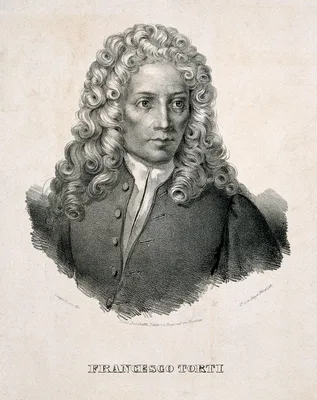
Torti’s work finally established the specific nature of cinchona bark. His demonstration of its effectiveness in periodic over continuous fevers finally overthrew the doctrine of the common origin of all fevers.…
1717 CE
#5232
De noxiis paludum effluviis, eorumque remediis.
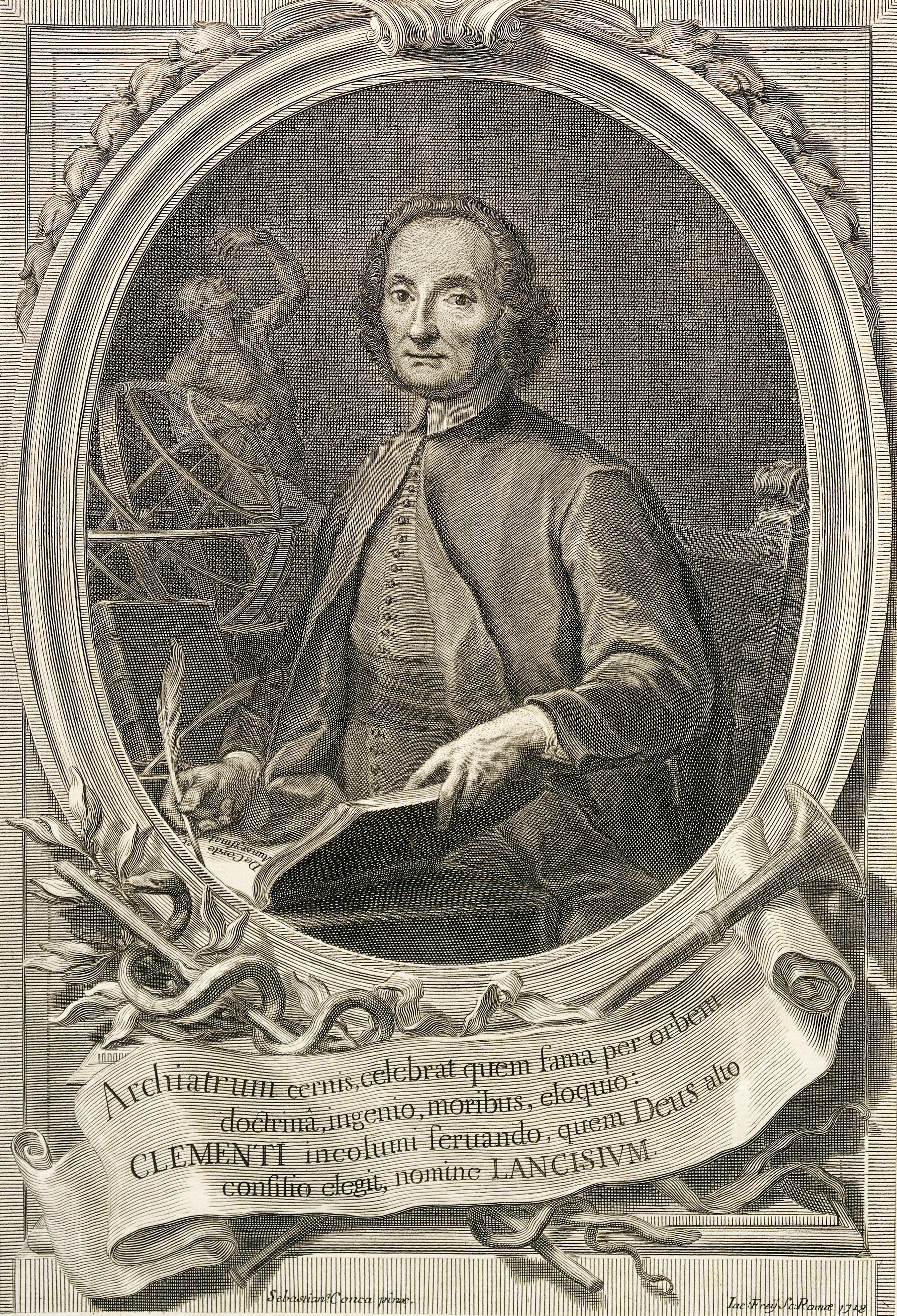
Lancisi suggested that since malaria disappears after drainage it was due to some sort of poison emanating from marshes and possibly transmitted by mosquitoes. He planned a drainage scheme for marshy regions. His work…
1820 CE
#5233
Recherches chimique sur les quinquinas.
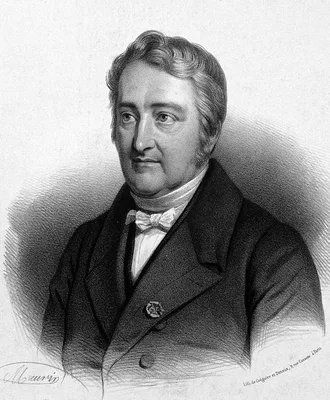
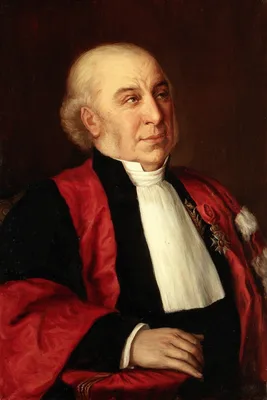
Isolation of quinine.
1849 CE
#5234
On the cryptogamous origin of malarious and epidemic fevers.
Although Hensinger in 1844 had suggested a parasite as the cause of malaria, Mitchell was the first to approach this theory in a scientific spirit. He was Professor of Medicine at Jefferson College, and the father of …
1874 CE
#5235
De la fièvre bilieuse mélanurique des pays chauds comparée avec la fièvre jaune.
An important description of blackwater fever. Berenger-Féraud had experience with the disease in French West Africa.
1881 CE
#5236
Un nouveau parasite trouvé dans le sang plusieurs malades atteints de fièvre palustre.
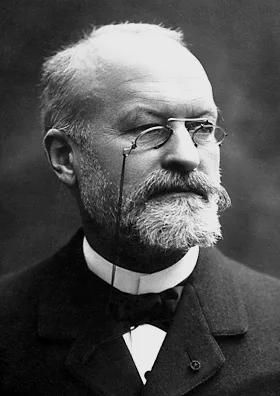
Laveran first saw the malaria parasite on 20 October 1880; he at once recognized its significance. He named it Oscillaria malariae. English translation in Kean (No. 2268.1). Laveran also published a monograph on the d…
1883 CE
#5237
Insects and disease - mosquitoes and malaria.
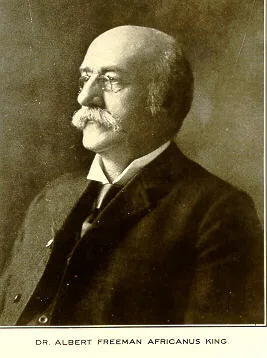
The first reasoned argument in support of the belief of transmission of malaria by mosquitoes. King was an English-born American physician who witnessed the assassination of Abraham Lincoln in April, 1865, and as a by…
1885 CE
#5238
Weitere Untersuchungen über die Malariainfection.
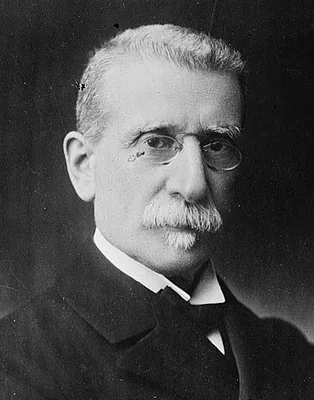
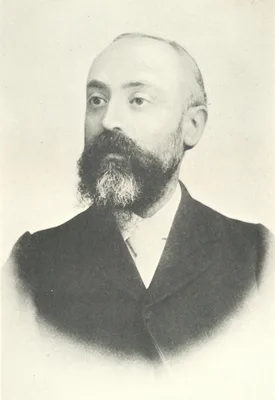
First accurate description of the malaria Plasmodium, discovered by Laveran in 1880. These writers were the first to adopt the name P. malariae.
1886 CE
#5239
Sull infezione malarica.
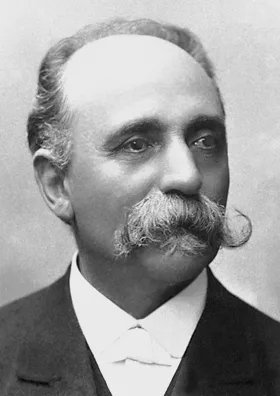
Description of the development of the parasite of quartan malaria. Golgi differentiated the tertian and quartan parasites by the periods of their respective developments.
1889 CE
#5240
Sul ciclo evolutivo dei parassiti malarica nella febbre terzana.
Golgi showed that the parasite of quartan differs from that of tertian malarial fever. English translation in Kean (No. 2268.1).
1891 CE
#5241
Malariaparasiten in den Vögeln.
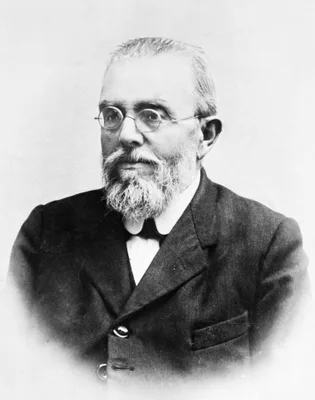
Confirmation of the work of Laveran.
1891 CE
#5242
K voprosu o parazitologii i terapii bolotnoi likhoradki. [Parasitology and treatment of malarial fever.]
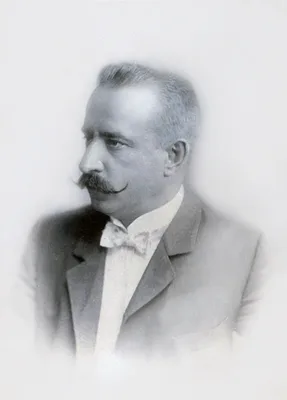
Romanovsky made important studies of the malaria parasite and introduced a special stain for its demonstration. German version in St. Petersburger med. Wschr., 1891, 8, 297-302, 306-15. English translation in Kean (No…
1892 CE
#5243
Azione della chinina sui parasite malarici e sui corrispondente accessi febbrili.
French translation in Arch. ital. Biol., 1892, 17, 456-71.
1892 CE
#5244
Sulle febbre malariche estivo-autumnali.
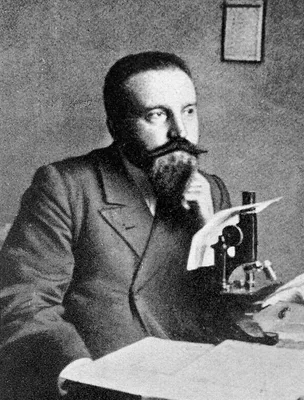
A summary of the Italian work on malaria. English translation, 1894.
1894 CE
#5245
On the nature and significance of the crescentic and flagellated bodies in malarial blood.
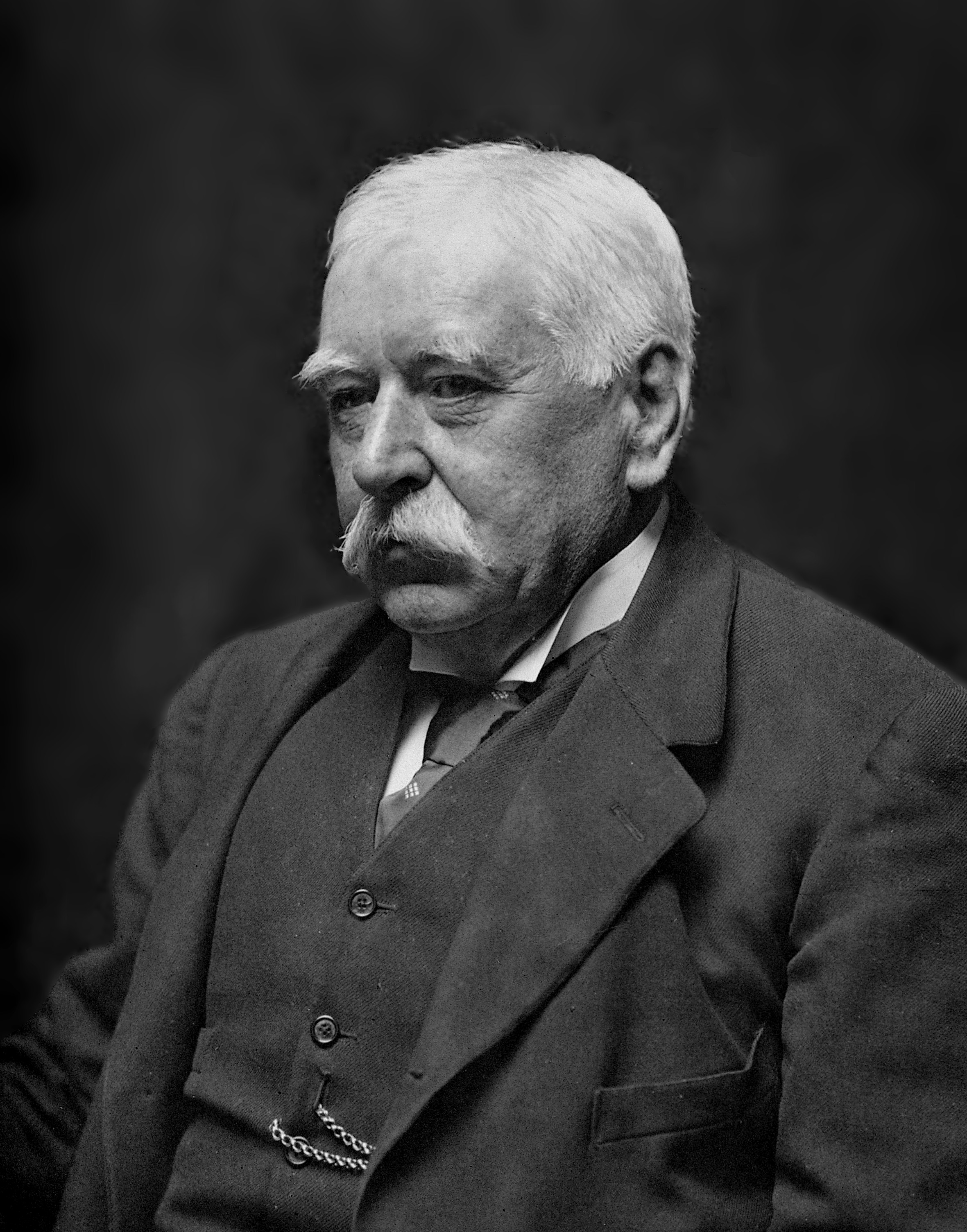
Manson’s mosquito–malaria hypothesis. See also his Gulstonian Lectures in Lancet, 1896, 1, 695-98, 751-55, 831-33.
1897 CE
#5246
On the flagellated form of the malarial parasite.
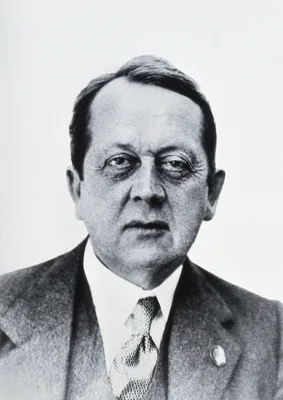
MacCallum reported at a meeting of the British Association his observation of the mode of fertilization of the malarial parasite of birds; two months later he announced that he had found the same to hold good for the …
1897 CE
#5247
On some peculiar pigmented cells found in two mosquitoes fed on malarial blood.
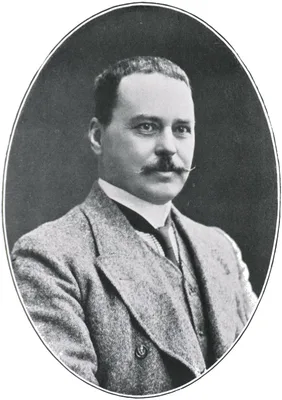
Ross proved that the mosquito was responsible for the transmission of malaria. On 20 August 1897, he found Laveran’s Plasmodium in the stomach of the Anopheles mosquito after it had fed on the blood of malaria p…
1898 CE
#5248
Traité du paludisme.
1898 CE
#5249
On the haemocytozoa of birds.
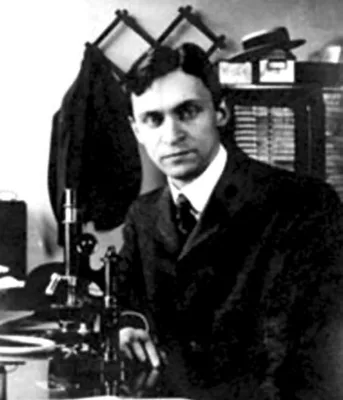
Demonstration of sexual conjugation in the malaria parasite. See also No. 5250.
1898 CE
#5250
Notes on the pathological changes in the organs of birds infected with haemocytozoa.
MacCallum and Opie discovered the sexual phase of malaria parasites.
1898 CE
#5251
The rôle of the mosquito in the evolution of the malarial parasite.
Ross provided the last link in the chain demonstrating the complete life-cycle of the parasite of bird malaria. He found that mosquitoes which had fed on malaria-infected birds, and which had allowed the parasites to …