
Entry Nos. 4400–4499
99 Garrison-Morton entries in this range.
1856 CE
#22
Тα ∑ωζομενα. The extant works of Aretaeus, the Cappadocian. Edited and translated by Francis Adams.
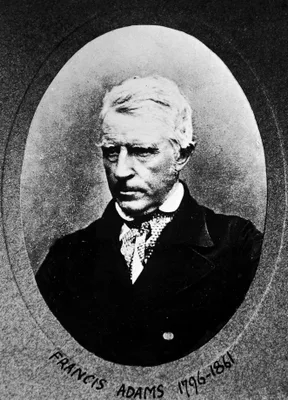
Aretaeus left many fine descriptions of disease; in fact Garrison ranks him second only to Hippocrates in this respect. In the printed editions of this bibliography, before the present online version, the Adams editio…
1812 CE–1817 CE
#2160
Mémoires de chirurgie militaire, et campagnes. (Vol. 5 entitled Relation médicale de campagnes et voyages.) 5 vols.
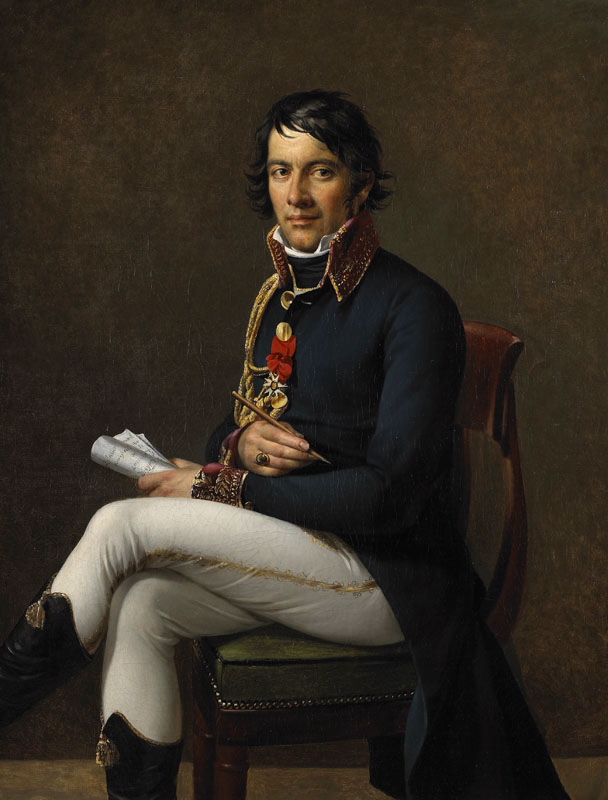
Larrey was the greatest military surgeon in history. Of him Napoleon said: “C’est l’homme le plus vertueux que j’ai connu”. He was present at all Napoleon’s great battles and one of…
1802 CE
#2207
Commentarii de morborum historia et curatione.
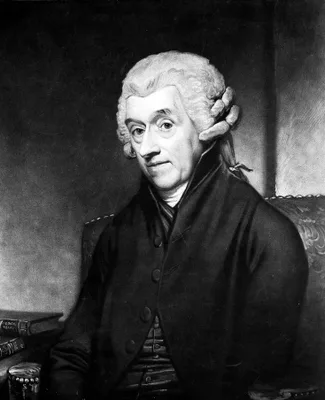
Samuel Johnson called Heberden “the last of our learned physicians”. The above work included all his important papers, which had earned him his great reputation, and which are dealt with elsewhere in this …
1891 CE
#4359
Die angeborene Verschiebung des Schulterblattes nach oben.
Classic description of “Sprengel’s deformity”, a congenital upward displacement of the scapula.
1931 CE
#4400
Tumors of bone.
1937 CE
#4401
Syndrome characterized by osteitis fibrosa disseminata, areas of pigmentation and endocrine dysfunction, with precocious puberty in females. Report of five cases.
“Albright’s syndrome”. With A. M. Butler, A. O. Hampton, and P. Smith.
1937 CE
#4402
The effects on bone of the presence of metals; based upon electrolysis. An experimental study.
Introduction of vitallium. With W. Stuck and A. Beach.
1939 CE
#4403
Arthroplasty of the hip. A new method.
Vitallium cup arthroplasty.
1941 CE
#4404
Chondrodystrophic dwarfs in Denmark (supplemented with investigations from Sweden and Norway) with special reference to the inheritance of chondrodystrophy.
Morch established the fact that chondrodystrophy may be inherited.
1950 CE
#4405
The use of an artificial femoral head for arthroplasty of the hip joint.
Judet acrylic prosthesis.
1927 CE
#4406
Fractures, joints, instruments of reduction. In [Works] with an English translation by E.T. Withington, 3, 83-449.
![HIPPOCRATES, [Ἱπποκράτης; Hippocrates of Kos] (-460 – -370)](/media/portraits/50)
1762 CE
#4407
An account of a new method of reducing shoulders (without the use of an ambe) which have been several months dislocated, in cases where the common methods have proved inefficient.
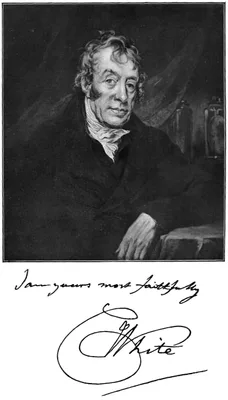
White’s method of reducing shoulder dislocations by means of suspending the patient from the affected arm. This method either reduced the dislocation entirely, or moved the head of the humerus into a position wh…
1768 CE
#4408
Some few general remarks on fractures and dislocations.
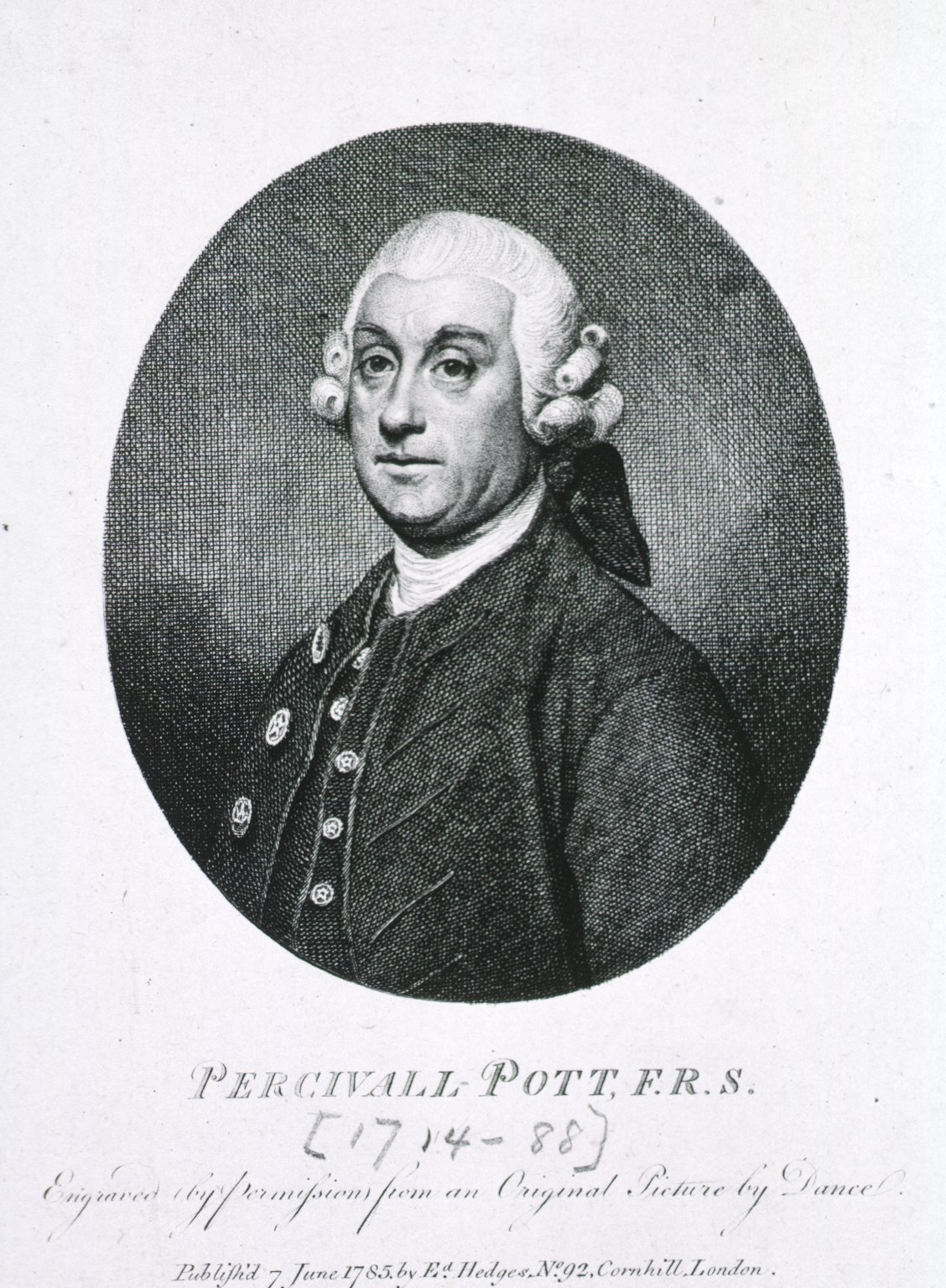
The methods outlined by Pott in his classic work on fractures and dislocations were eventually adopted all over the world. He described (pp. 57-64) “Pott’s fracture” in this book, and he stressed the…
1789 CE
#4409
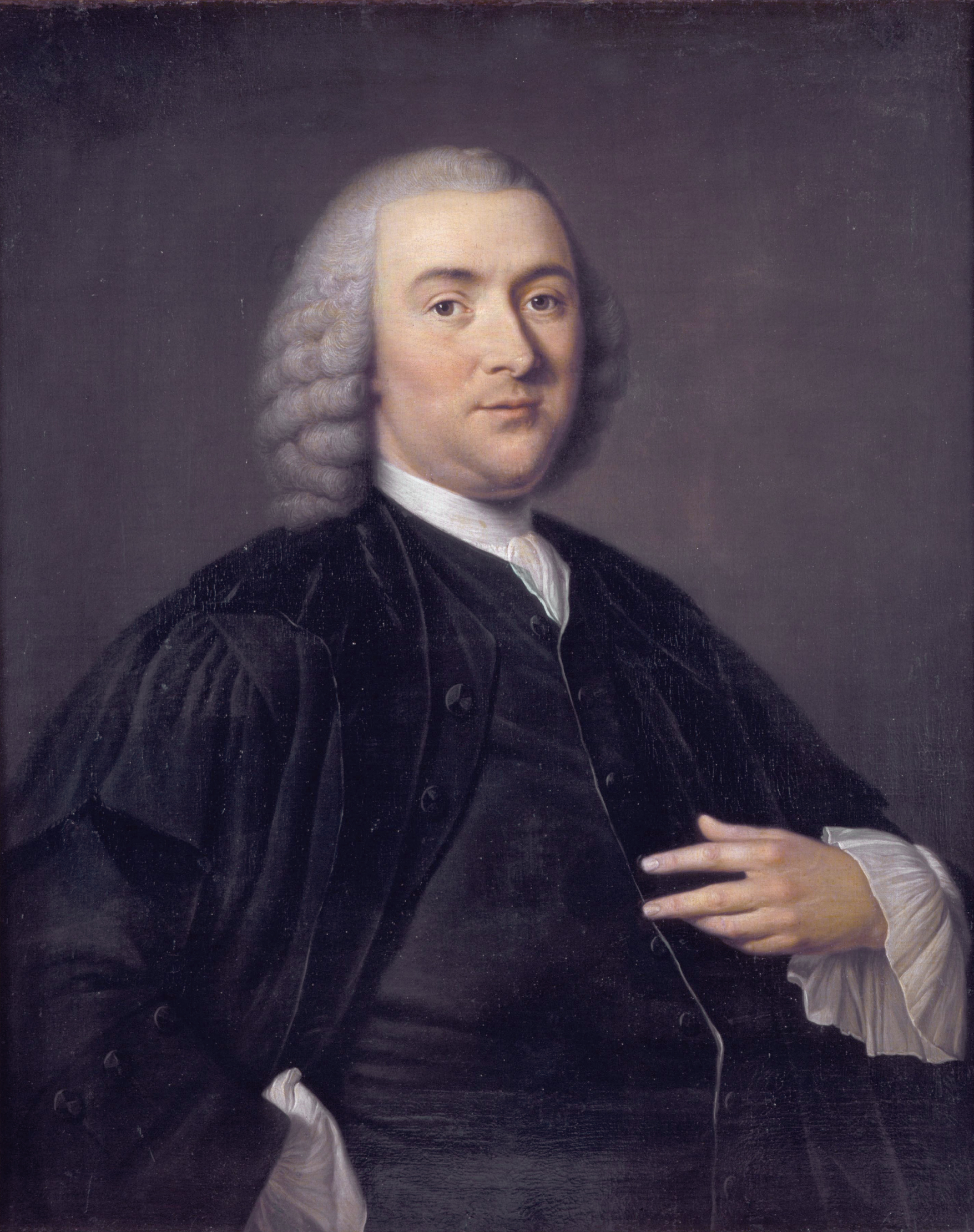
Dissertatio de fractura patellae et olecrani.
1814 CE
#4410
On the fracture of the carpal extremity of the radius.
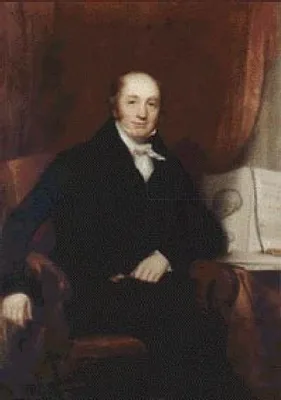
Colles’s description of fracture of the carpal end of the radius led that type of fracture to be named “Colles’s fracture”. He was Professor of Surgery at Dublin for more than 30 years. Reprint…
1819 CE
#4411
Mémoire sur la fracture de l’extrémité inférieure du péroné, les luxations et les accidens qui en sont la suite.
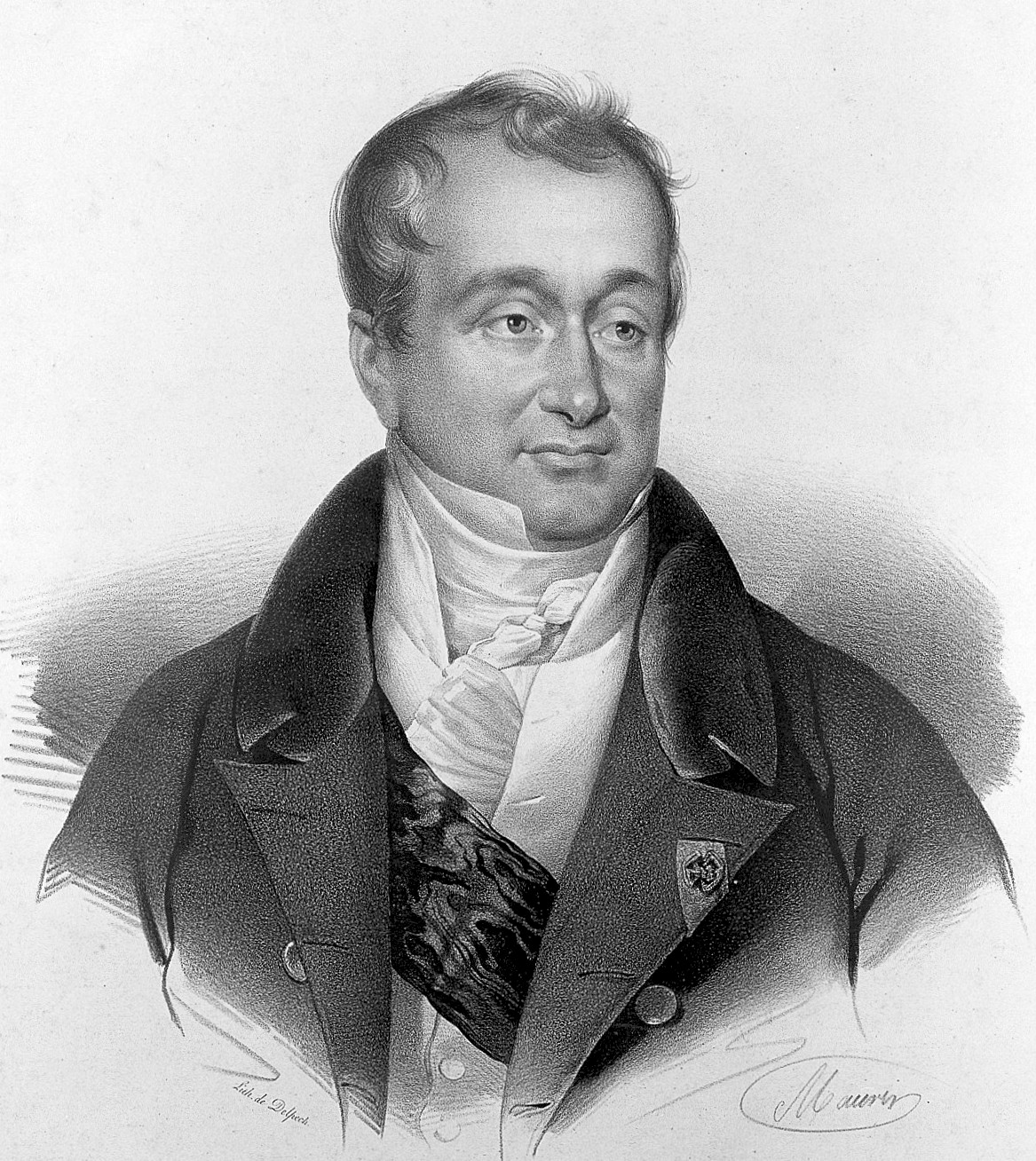
“Dupuytren’s fracture”, of the ankle, described in a learned 212-page review of ankle fractures, and of the normal anatomy and function of the ankle joint. “Of especial interest is the descript…
1826 CE
#4413
Mémoire sur un déplacement originel ou congénital de la tête des fémurs.
First clear pathological description of congenital dislocation of the hip-joint. Dupuytren distinguished this syndrome caused by failure of fetal development of the acetabulum from deformities due to tuberculosis and …
1827 CE
#4414
Case of un-united fracture of the os brachii, successfully treated.
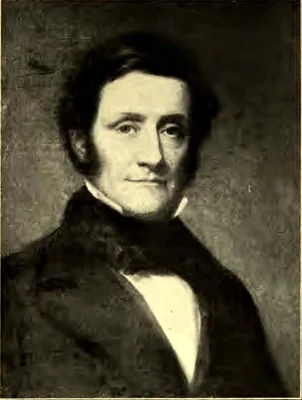
Successful wiring of ununited fracture of humerus.
1838 CE
#4415
Views and treatment of an important injury of the wrist.
“Barton’s fracture” of the radius.
1842 CE
#4416
Ueber spontane und congenitale Luxationen.
1847 CE–1855 CE
#4417
Traité des fractures et des luxations. 2 vols. and atlas.
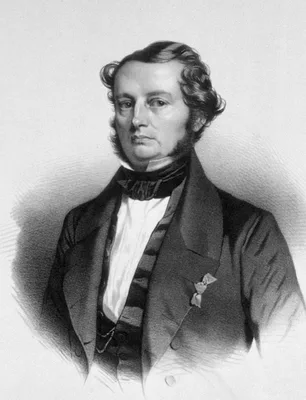
This was Malgaigne’s greatest work. His description of bilateral vertical fracture of the pelvis (“Malgaigne’s fracture”) is in vol. 1, pp. 650-56. English translation of the first volume on fr…
1851 CE–1852 CE
#4418
Dislocation of the femur on the dorsum ilii, reducible without pulleys, or any other mechanical power, three cases.
Reduction of dislocation without manipulation. Reid demonstrated the futility of attempting to reduce a dorsal dislocation of the hip by forcible longitudinal traction with pulleys.
1860 CE–1862 CE
#4419
New treatment for fractures of the femur.
Buck’s extension apparatus, an improved method of treating fractures of the femur. Reprinted in Med. Classics, 1939, 3, 764-82.
1860 CE
#4420
A practical treatise on fractures and dislocations.
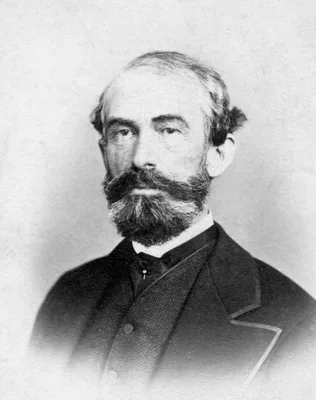
The first comprehensive treatise in English on the treatment of fractures and dislocations. See No. 1742.
1860 CE
#4421
Luxation traumatique suivie de luxation volontaire du fémur droit.
“Perrin–Ferraton disease” of the hip, later more fully dealt with by L. Ferraton, Rev. Orthop. (Paris), 1905, 2 sér., 6, 45-51.
1860 CE
#4422
A new instrument for the treatment of fractures of the lower extremity.
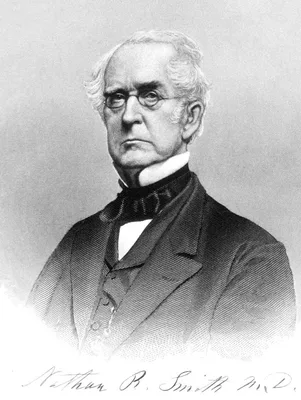
Smith devised an anterior or suspensatory splint for use in the treatment of fractures of the femur. The apparatus was heavily used during the U.S. Civil War and was especially valuable in treating compound fractures.
1867 CE
#4423
Treatment of fractures of the lower extremity, by use of the anterior suspensory apparatus.
1869 CE
#4424
The mechanism of dislocation and fracture of the hip. With the reduction of the dislocations by the flexion method.
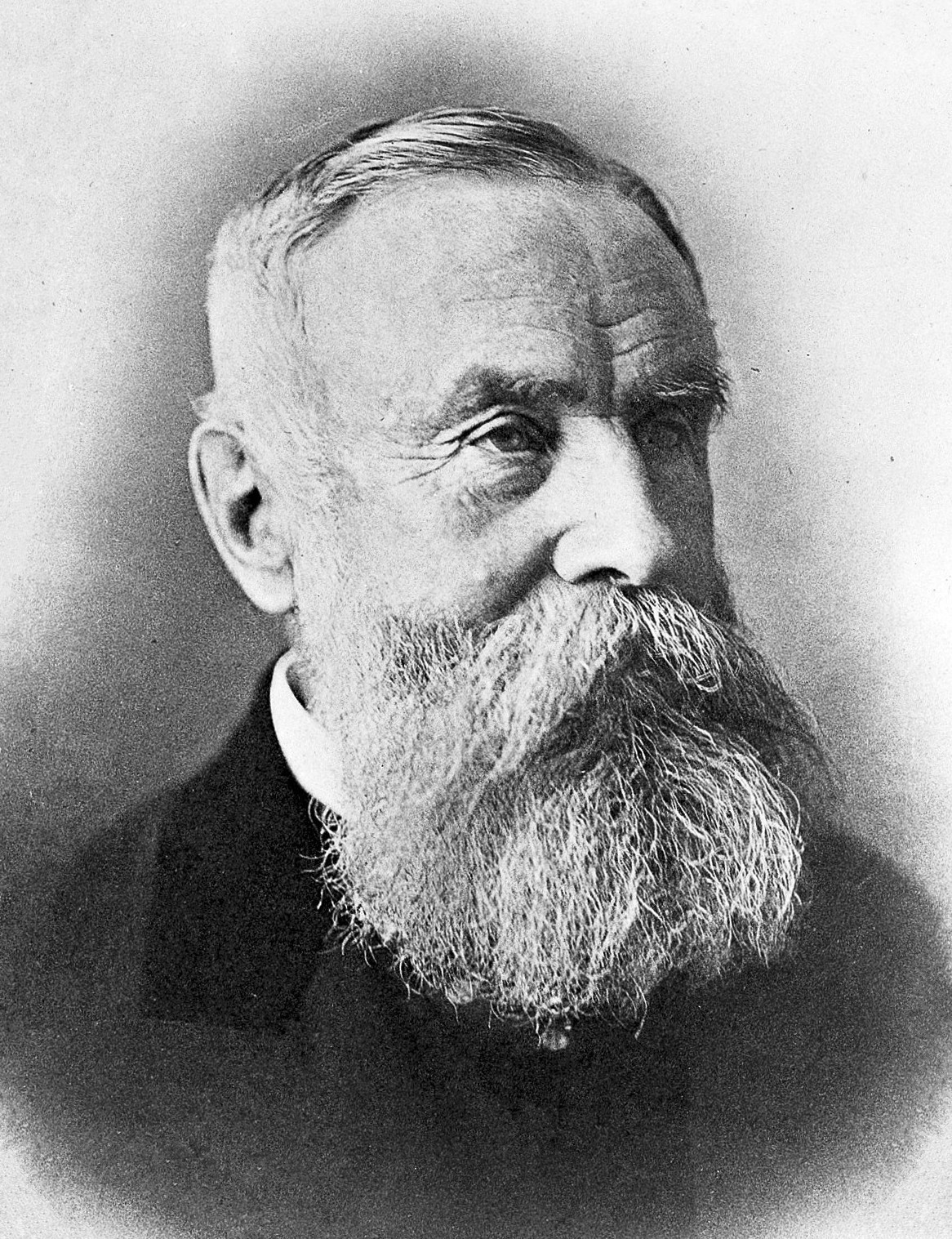
Bigelow was the first to describe in detail the mechanism of the iliofemoral (Bigelow’s) ligament, and to show its importance in the reduction of dislocation by the flexion method.
1870 CE
#4425
Eine neue Reductionsmethode für Schulterverrenkung.
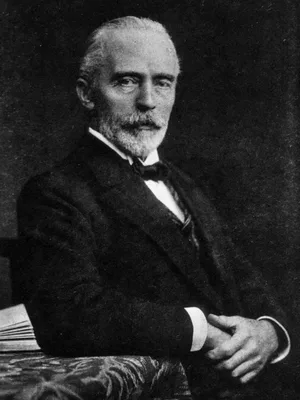
Kocher was Professor of Surgery at Berne, and among the greatest surgeons of his day. He is remembered, among other things, for his method of reduction of subluxation of the shoulder-joint.
1882 CE
#4426
Fractures of the metacarpal bones.
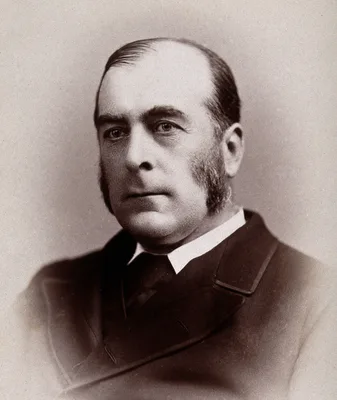
“Bennett’s fracture” of the first metacarpal. He was Professor of Surgery at Trinity College, Dublin.
1895 CE
#4428
Ueber den Gang bei angeborener Hüftgelenksluxation.
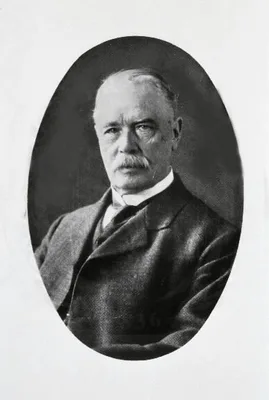
“Trendelenburg’s sign” of congenital dislocation of the hip-joint.
1894 CE
#4429
A method of treating simple oblique fractures of the tibia and fibula more efficient than those in common use.
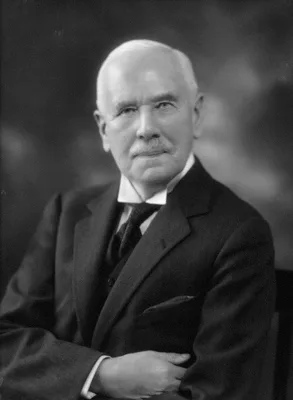
Lane’s method of “osteo-synthesis” in the treatment of fractures – the perfect re-apposition of the affected parts by means of operative intervention.
1907 CE
#4430
Clinical remarks on the operative treatment of fractures.
Lane’s plates and screws for union of fractures.
1907 CE
#4431
Eine neue Extensionsmethode in der Frakturenbehandlung.
Steinmann nail or pin, for insertion through a distal fragment and controlled by direct skeletal traction. English translation in Bick, Classics of orthopaedics.
1923 CE
#4432
Recurrent or habitual dislocation of the shoulder-joint.
Blundell Bankart’s operation.
1929 CE
#4433
Technik der Knochenbruchbehandlung.
Böhler introduced several new methods and devised new apparatus for the treatment of fractures. His clinic in Vienna became world-famous. 12-13th ed., 1951.
1931 CE
#4434
Intracapsular fractures of the neck of the femur. Treatment by internal fixation.
Smith-Petersen nail, a three-flanged nail which prevented rotation of the femoral head. With E.F. Cave and G. W. Van Gorder.
1934 CE
#4435
Rupture of the intervertebral disc with involvement of the spinal canal.
Demonstration of the causal role of intervertebral disc herniation in sciatica.
1679 CE
#4436
Currus triumphalis, è terebinthô. Or an account of the many admirable vertues of oleum terebinthinae. More particularly, of the good effects produced by its application to recent wounds, especially with respect to the hemorrhagies of the veins, and arteries, and the no less pernicious weepings of the nerves, and lymphaducts. Where also, the common methods, and medicaments, used to restrain hemorrhagies, are examined, and divers of them censured. And lastly, A new way of amputation, and a speedier convenient method of curing stumps, than that commonly practised, is with divers other useful matters recommended to the military surgeon.…
Describes how Yonge used turpentine to arrest hemorrhage, and presents the first account of a flap amputation. It also shows that Yonge was familiar with tourniquets. Digital facsimile from Google Books at this link.
1770 CE
#4437
An account of a case in which the upper head of the os humeri was sawed off, a large portion of the bone afterwards exfoliated, and yet the entire motion of the limb was preserved.
First recorded excision of the head of the humerus.
1733 CE
#4438
An account of a new method of treating diseases of the joints of the knee and elbow.
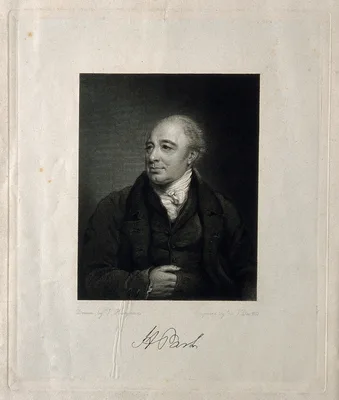
This was originally a letter to Pott. Park became famous for his operation of excision and arthrodesis as a treatment for destructive joint disease. The title page is misprinted “MDCCXXXIII”; the letter is…
1791 CE–1792 CE
#4439
La médecine éclairée par les sciences physiques. 4 vols.
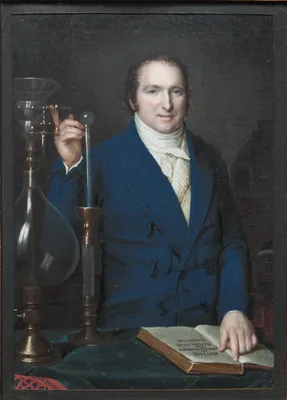
This work edited by Fourcroy contains in vol. 4 (pp. 85-88) the first description of Chopart’s method of partial amputation of the foot. This is in the form of a note by Lafiteau: “Observation sur une ampu…
1803 CE
#4440
Observations pratiques relatives à la résection des articulations affectées de carie.
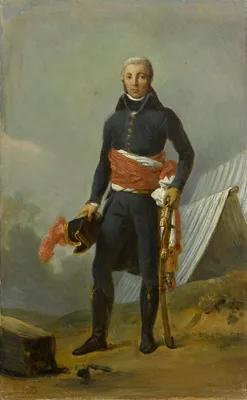
Excision and arthrodesis in joint disease. Moreau was the first to excise the elbow. English translation, Glasgow, 1806. See No. 4438.
1810 CE
#4441
Diss. de articulis exstirpandis, imprimis de genu exstirpato.
1815 CE
#4443
Nouvelle méthode opératoire pour l’amputation partielle du pied dans son articulation tarso-métatarsienne.
“Lisfranc’s amputation” of the foot.
1820 CE
#4444
Observation sur une résection de la mâchoire inférieure.
Dupuytren was the first successfully to excise the lower jaw, in 1812, as recorded in his Leçons orales, 1829, 2, 421-53. The above paper deals with a later operation of the same type.
1820 CE
#4445
A treatise on gun-shot wounds. 2nd. ed.
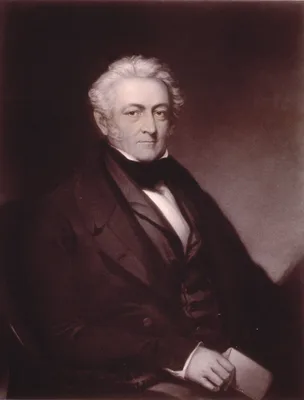
Successful amputation at the hip-joint, after the battle of Waterloo, 7 July, 1815.
1821 CE
#4446
Case of tumour of the superior jaw.
First excision of the superior maxilla, 11 Nov, 1820.
1822 CE
#4447
Case of osteo-sarcoma in which the right side of the lower jaw was removed successfully after tying the carotid artery.
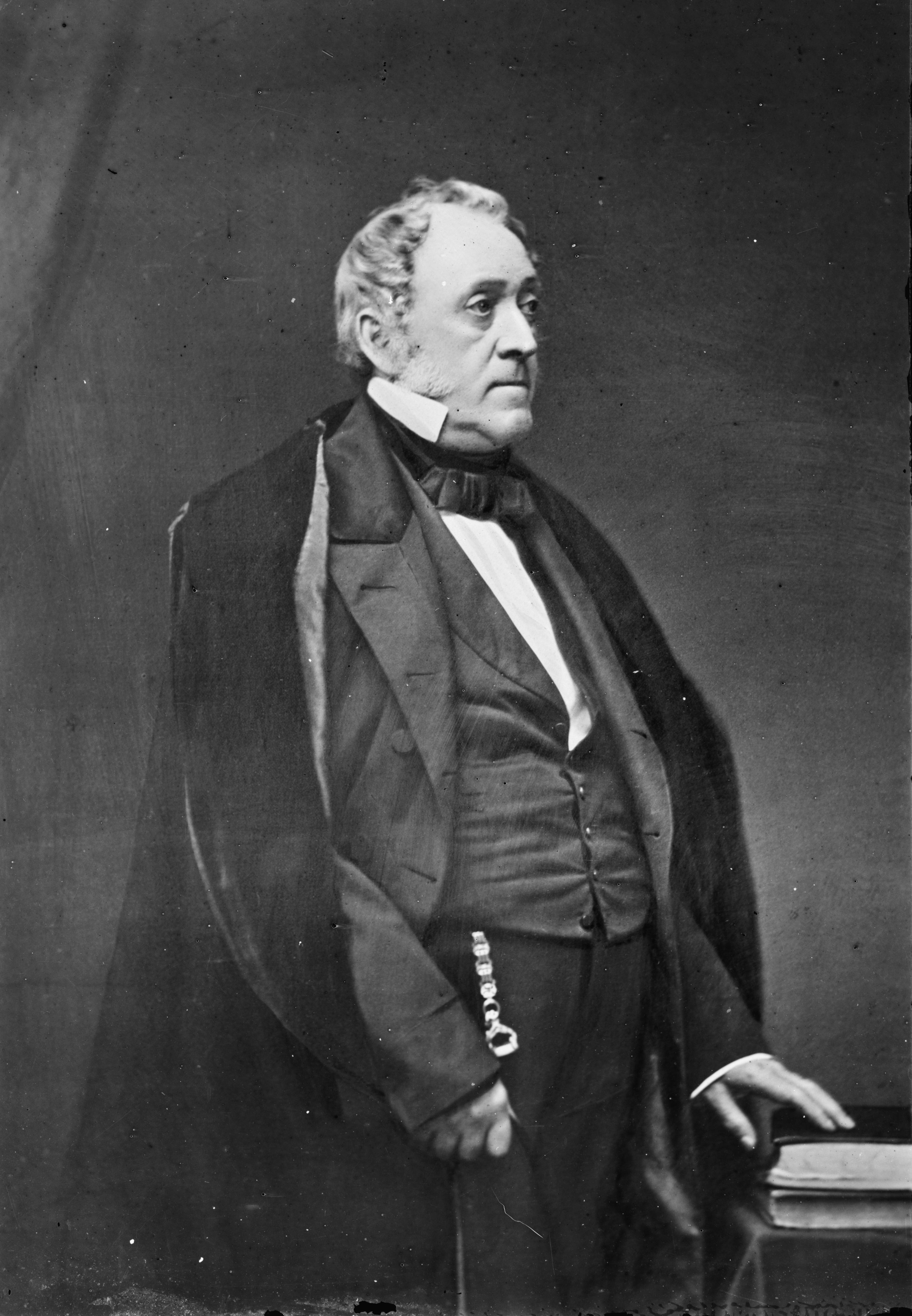
Mott resected the entire half of the bone, necessitating a disarticulation at the temporo-mandibular joint.
1823 CE
#4448
Case of removal of a portion of the lower maxillary bone.
Deaderick resected a portion of the jaw in 1810. He wrote this paper to obtain priority over Mott (No. 4447).