
Entry Nos. 1200–1299
98 Garrison-Morton entries in this range.
1869 CE
#1009
Beiträge zur mikroskopischen Anatomie der Bauchspeicheldrüse. Inaugural-Dissertation.
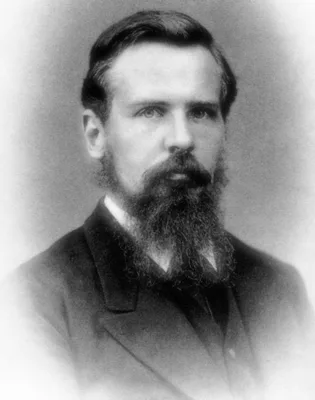
First account of the islets of Langerhans. In 1893 Édouard Laguesse attached the name of Langerhans to the structures. Langerhans did not suggest any function for them. The book was reprinted with an English tr…
1563 CE–1564 CE
#1093
Opuscula anatomica.
Eustachius is credited with several anatomical discoveries, among them the tensor tympani muscle and the Eustachian tube, published in his chapter entitled De auditus organis. In the last respect, however, he was anti…
1934 CE
#1200
Neuere Ergebnisse auf dem Gebiet der Sexualhormone.
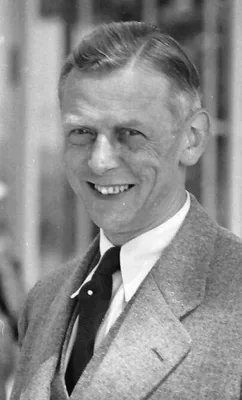
Progesterone obtained in crystalline form.
1934 CE
#1201
Über die Synthese des Testikelhormons (Androsteron) und Stereoisomerer desselben durch Abbau hydrierter Sterine.
First complete synthesis of a sex hormone (androsterone). With M. W. Goldberg, J. Meyer, H. Brüngger, and E. Eichenberger. In 1939 Ruzicka shared the 1939 Nobel Prize in Chemistry with Butenandt (No. 1195) "for h…
1936 CE
#1202
The isolation of the principal estrogenic substance of liquor folliculi.
Isolation of oestradiol. With S. A. Thayer and E. A. Doisy.
1909 CE
#1204
Action de la sécrétion interne du pancréas sur différent organes et en particulier sur la sécrétion rénale.
De Meyer was apparently the first to suggest the name “insuline” for the substance then believed to be secreted by the pancreas.
1921 CE–1922 CE
#1205
The internal secretion of the pancreas.
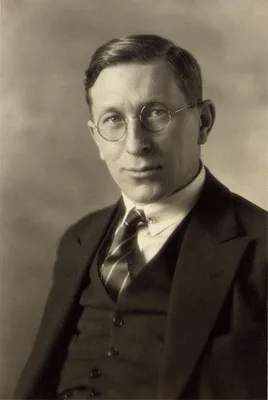
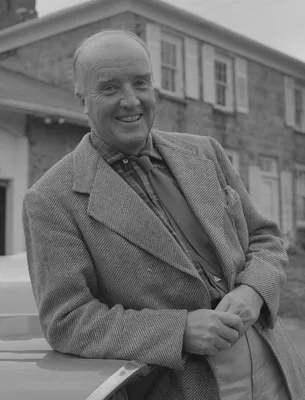
This paper reports the isolation of insulin. An extract from the pancreas of a dog, removed after ligation of the excretory duct, was found to exercise a reducing influence on the percentage of sugar in the blood. Dig…
1926 CE
#1206
Crystalline insulin.
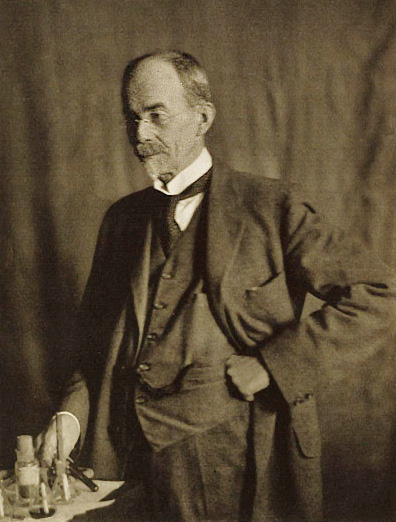
Crystalline insulin first obtained. See also J. Pharmacol., 1927, 31, 65-85.
1955 CE
#1207
The disulphide bonds of insulin.
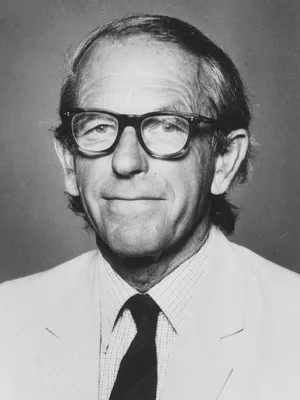
Sanger sequenced the amino acids of insulin, the first of any protein. His work “revealed that a protein has a definite constant, genetically determined sequence—and yet a sequence with no general rule for…
1561 CE
#1208
Observationes anatomicae.
Observationes anatomicae, a work of 232 leaves printed in the comparatively small octavo format, with no illustrations, was the only work Fallopio published before his death from tuberculosis at age thirty-nine, and i…
1672 CE
#1209
De mulierum organis generationi inservientibus.
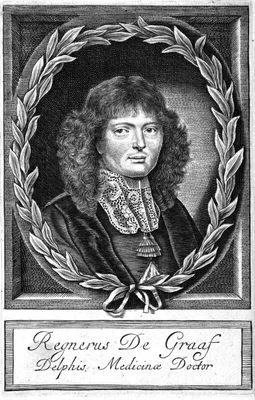
De Graaf demonstrated ovulation anatomically, pathologically and experimentally. In the above work he included the first account of the “Graafian follicle”. Translation of Chapter XII, dealing with the ova…
1668 CE
#1210
De virorum organis generationi inservientibus, de clysteribus et de usu siphonis in anatomia.
Exact and detailed account of the male reproductive system. This work and No. 1209 were translated into English and published as Suppl. 17 to J. Reprod. Fertil, 1972. Facsimile of originals, Nieuwkoop, De Graaf, 1965.
1672 CE
#1211
Miraculum naturae, sive uteri muliebris fabrica.
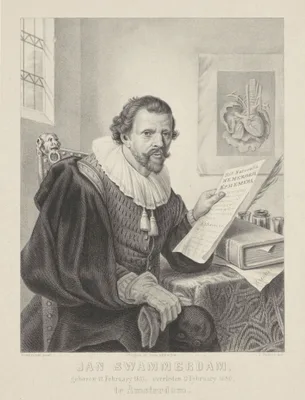
After de Graaf published his work on ovulation (No. 1209), Swammerdam asserted his priority in the above work, noting that his researches had been acknowledged in 1668 by van Horne.
1684 CE
#1212
Observations anatomiques.
Includes a brief description of “Cowper’s glands”.
1691 CE
#1213
Adenographia curiosa et uteri foeminei anatome nova.
Description of the “canal of Nuck”.
1699 CE
#1214
An account of two new glands and their excretory ducts, lately discovered in human bodies.
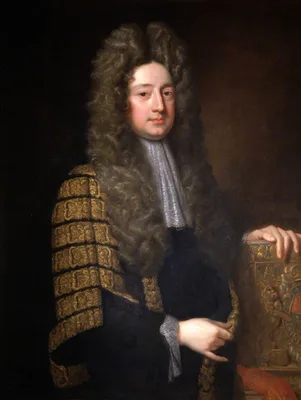
Cowper’s description of the glands which bear his name. He was forestalled in their discovery by Jean Méry.
1719 CE
#1215
Description de l’urèthre de l’homme.
“Littre’s glands” described.
1707 CE
#1216
De sterilitate mulierum.
The Nabothian cysts and glands of the cervix uteri first described (sect. xv).
1730 CE
#1217
A description of the peritonaeum, and of that part of the membrane cellularis which lies on its outside. With an account of the true situation of all the abdominal viscera, in respect of these two membranes.
Douglas described the peritoneum in detail; his name is perpetuated in the “pouch”, “line”, and “fold of Douglas”. He was a friend of John Hunter and brother of John Douglas, the li…
1797 CE
#1218
Experiments in which, on the third day after impregnation, the ova of rabbits were found in the Fallopian tubes, and on the fourth day after impregnation in the uterus itself, with the first appearances of the foetus.
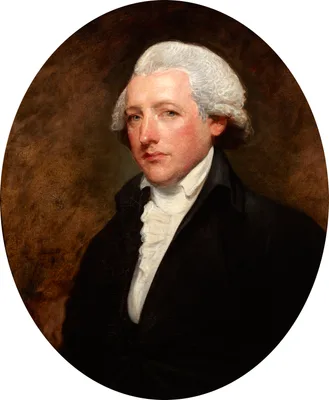
Cruikshank showed that the impregnated ovum stayed in the Fallopian tube for a period before implantation in the uterus.
1841 CE
#1219
Beiträge zur Kenntniss der Geschlechtsverhältnisse und der Samenflüssigkeit wirbelloser Thiere.
1841 CE
#1220
Ueber das Wesen der sogenannten Saamenthiere.
Demonstration of the cellular origin of spermatozoa.
1849 CE
#1221
Ueber das Ligamentum pelvoprostaticum oder den Apparat, durch welchen die Harnblase, die Prostata und die Harnröhre an den untern Beckenöffnung befestigt sind.
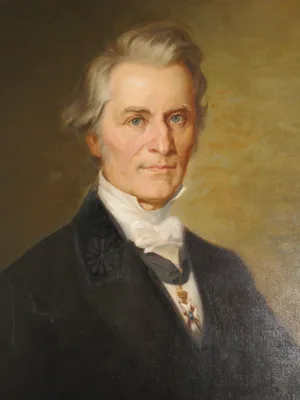
The “cave of Retzius” described.
1850 CE
#1222
Zur Anatomie der männlichen Geschlechtsorgane un Analdrüsen der Säugethiere.
Leydig was the first to describe the interstitial cells of the testis (“Leydig cells”).
1863 CE
#1223
Untersuchungen über die Erection des Penis beim Hunde.
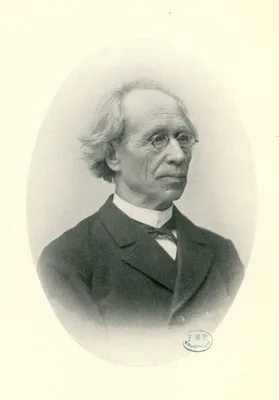
Important studies of the erector mechanism.
1865 CE
#1224
Ueber die Samenkörperchen und ihre Entwicklung.
Proof that the spermatozöon possesses a nucleus and cytoplasm.
1880 CE
#1225
The anatomy and pathology of two important glands of the female urethra.
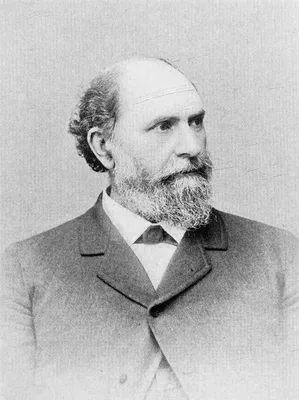
“Skene’s glands” described.
1895 CE
#1226
Ueber die Ursachen der normalen und pathologischen Lagen des Uterus.
“Mackenrodt’s ligaments”, the uterosacral ligaments.
1926 CE
#1227
Die Unfruchtbarkeit als Folge unnatürlicher Lebensweise.
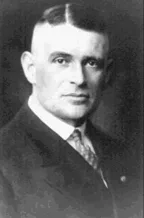
Investigation of the effect of starvation and overfeeding on the gonads and on sexual capacity.
1662 CE
#1229
Exercitatio anatomica de structura et usu renum.
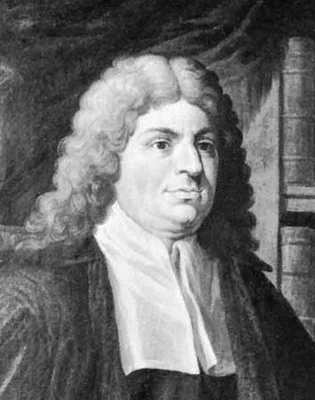
Classic description of the gross anatomy of the kidney. Bellini discovered the renal excretory ducts (“Bellini’s ducts”) and advanced a physical theory of the secretion of the urine. A translation of…
1666 CE
#1230
De viscerum structura exercitatio anatomica.
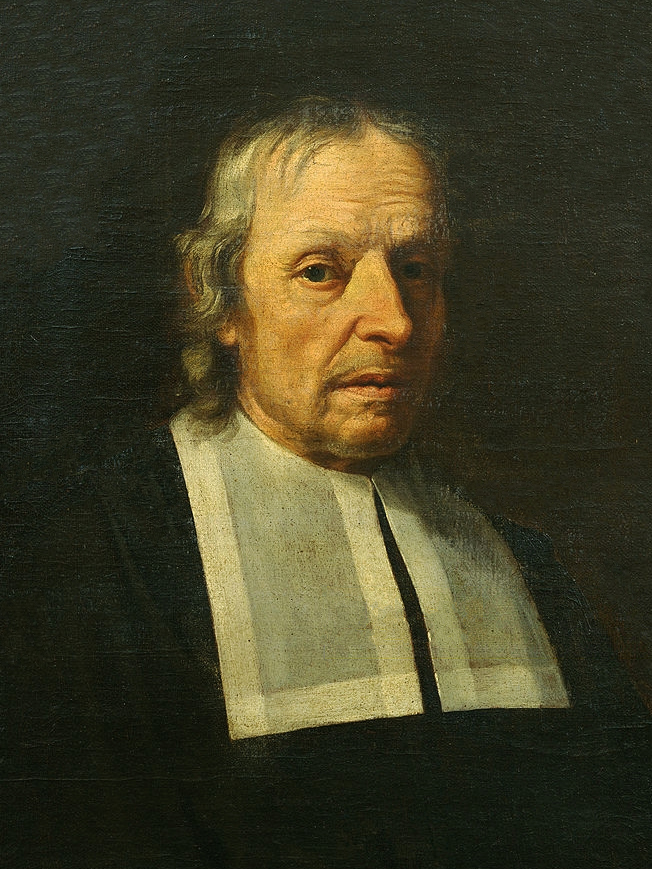
Includes (pp. 71-100) his essay, De renibus, in which he described the uriniferous tubules and the “Malpighian bodies”. The great detail and clarity of Malpighi’s description was unsurpassed until Bo…
1842 CE
#1231
On the structure and use of the Malpighian bodies of the kidney with observations on the circulation through that gland.
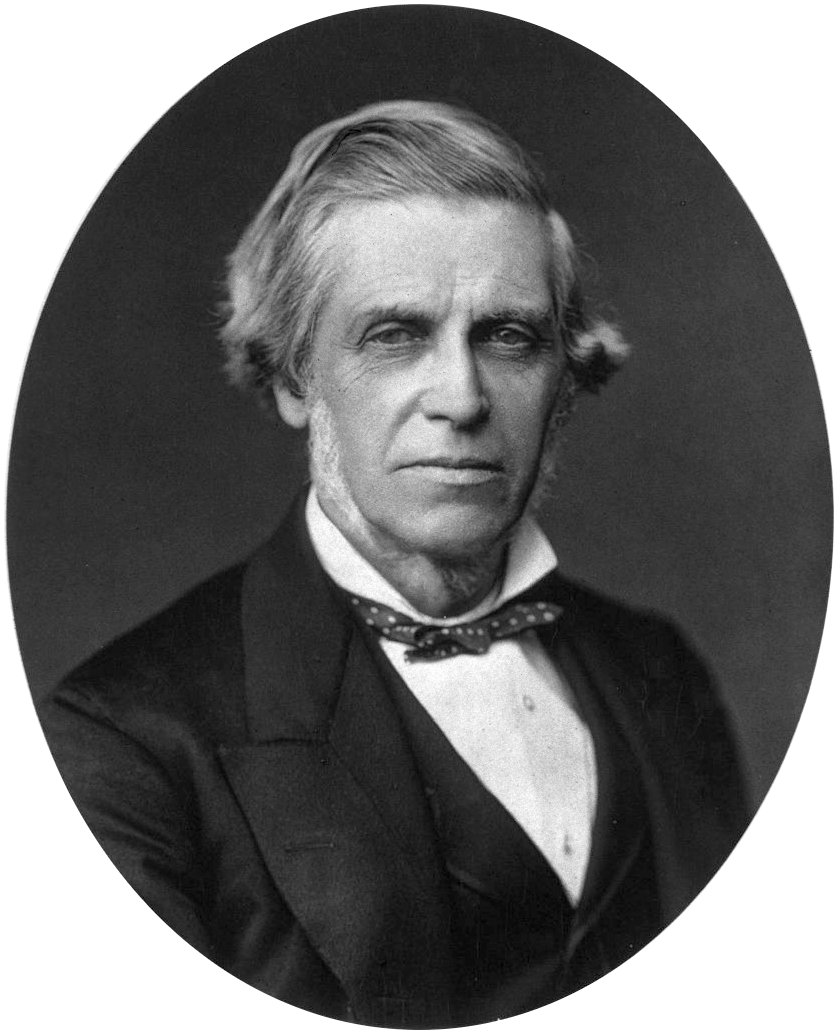
“Bowman’s capsule”. Bowman provided convincing evidence that the glomerular corpuscle is continuous with the renal tubule and gave the first adequate description of the vascular supply of the nephron…
1843 CE
#1232
Beiträge zur Lehre vom Mechanismus der Harnsecretion.
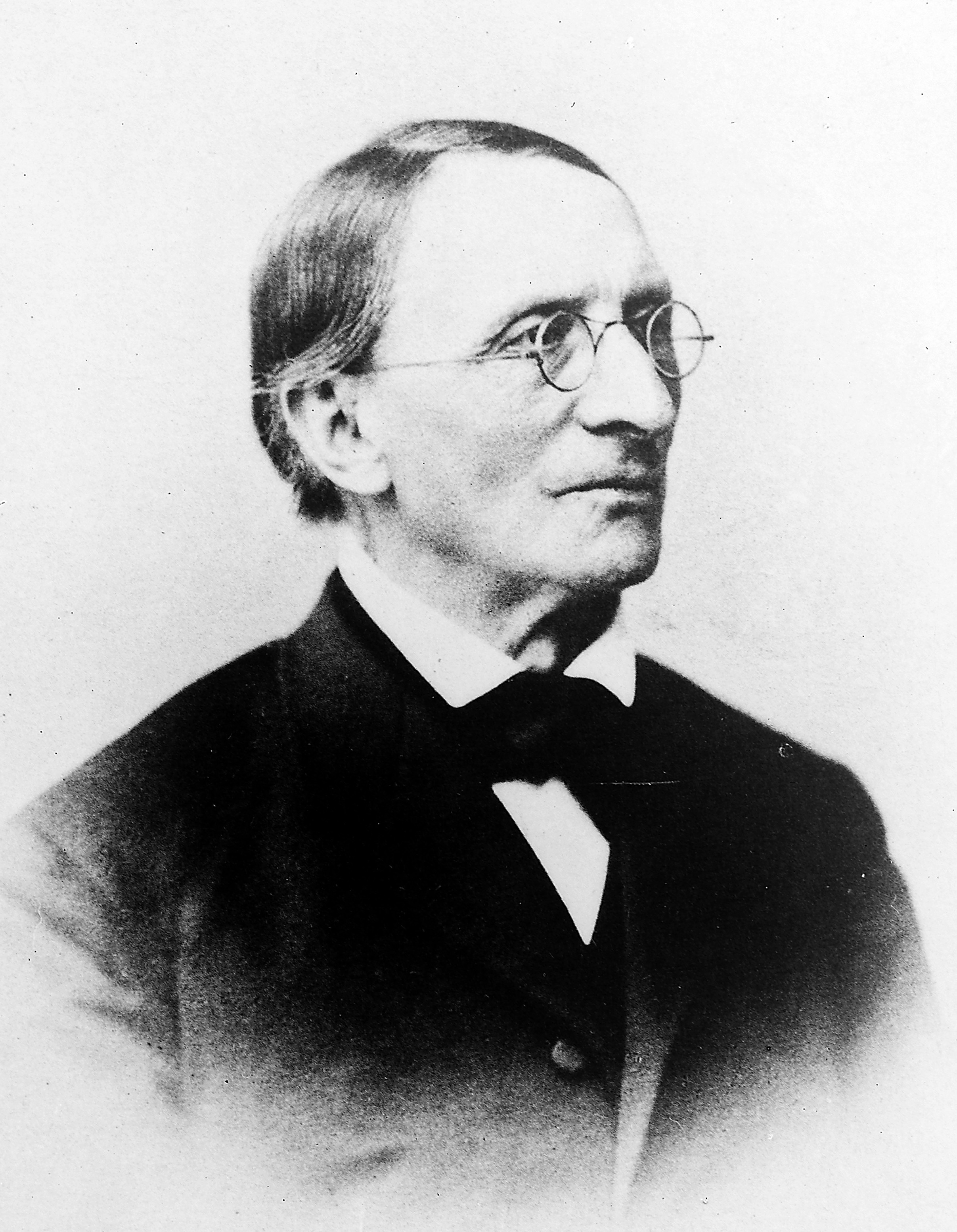
Ludwig wrote a classic monograph on renal secretion. He theorized that urine formation could be explained purely in terms of the laws of physics and chemistry, and that under the hydrostatic pressure of the blood in t…
1857 CE
#1233
Researches into the structure and physiology of the kidney.
1857 CE
#1234
On the function of the Malpighian bodies of the kidney.
Isaacs confirmed and corrected the findings of Bowman; he introduced dye experiments in the study of the kidney, from which he drew the important conclusion that the Malpighian bodies are the most important agency in …
1874 CE
#1235
Versuche über den Vorgang der Harnabsonderung.
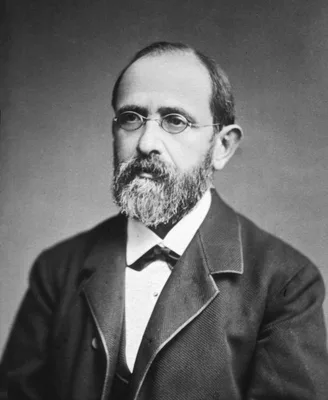
Heidenhain’s “secretion” theory of renal function.
1898 CE
#1236
Niere und Kreislauf.
Discovery that a pressor substance (renin) is produced by the kidneys and enters the circulation by the renal veins. Abridged English translation in No. 3160.1.
1917 CE
#1237
The secretion of the urine.
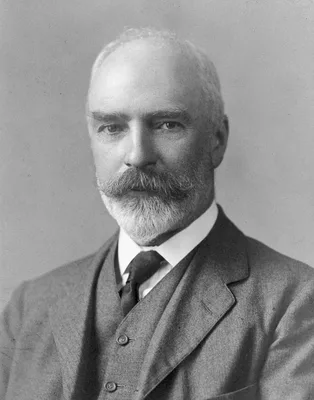
Cushny’s theory of urinary secretion was similar to that of Ludwig, with some modifications. Subsequent work of Richards and his co-workers confirmed his theory.
1924 CE
#1238
A description of the glomerular circulation in the frog’s kidney and observations concerning the action of adrenalin and various other substances upon it.
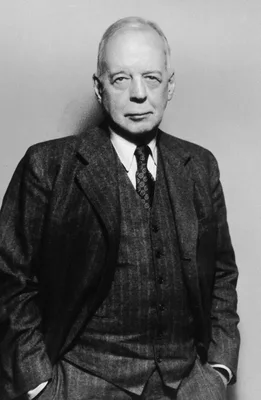
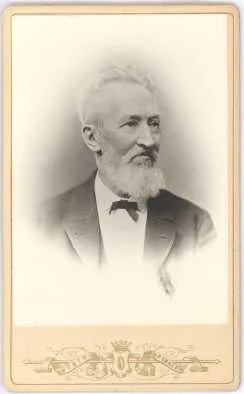
Richards made many experiments concerning the secretion of urine. Among other things he collected and analysed the fluid from a single glomerulus; his work confirmed the theories of Ludwig and Cushny.
1924 CE
#1239
Observations on the composition of glomerular urine with particular reference to the problem of reabsorption in the renal tubules.
Experimental proof that the initial step in urine production is the formation in Bowman’s space of a protein-free ultrafiltrate of plasma and that reabsorption of certain substances must occur in the tubules sin…
1924 CE–1925 CE
#1240
The secretion of urine as studied on the isolated kidney.
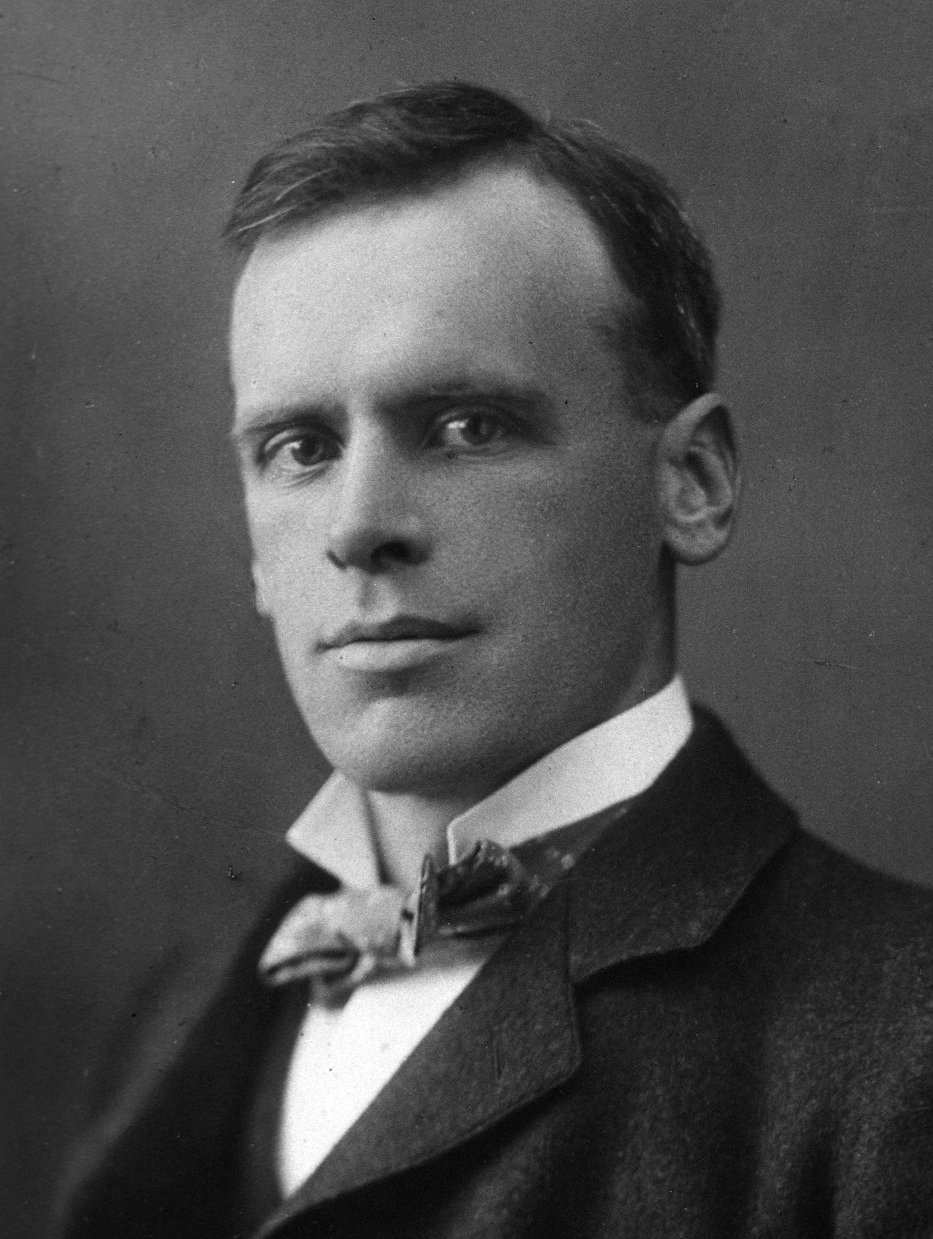
Demonstration that the anti-diuretic action of vasopressin is exerted directly on the kidney, and that tubules of the kidney reabsorb water.
1926 CE
#1241
Studies on kidney function.
First attempt to determine the glomerular filtration rate in man.
1927 CE
#1242
Estimation of afferent arteriole and glomerular capillary pressures in the frog kidney.
1929 CE
#1243
The aglomerular kidney of the toadfish (Opsanus tau).
Proof that the tubules of the kidney of a vertebrate could secrete foreign substances.
1934 CE
#1244
A method for explantation of the kidney.
1947 CE
#1245
Studies of the renal circulation.
With A. E. Barclay, P. M. Daniel, K. J. Franklin, and M. M. L. Prichard. In studying the anurias which follow injury, especially crushing injuries and burns, Trueta’s team demonstrated that both the processes of…
1951 CE
#1246
The kidney: structure and function in health and disease.
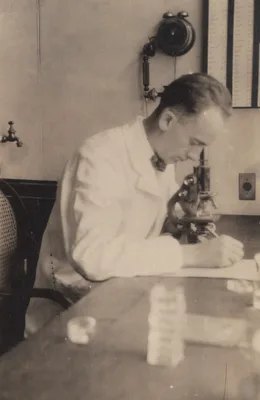
An encyclopaedic presentation of kidney physiology, including the many contributions of the author.
1920 CE–1921 CE
#1247
Die vergleichende Anatomie des Nervensystems der Wirbeltiere und des Menschen. 2 vols.
Ariëns Kappers was Professor of Neuroanatomy at Amsterdam. See also No. 14229.
1938 CE
#1248
Physiology of the nervous system.
Includes excellent bibliography.
1748 CE
#1249
Tractatus anatomico-physiologicus de quinto pare nervorum cerebri.
Meckel’s graduation thesis contains the first really detailed account of the trigeminal nerve’s distribution (along with a meticulous treatment of the earlier literature), and in it he describes for the fi…