
Entry Nos. 2800–2899
96 Garrison-Morton entries in this range.
1761 CE
#2276
De sedibus, et causis morborum per anatomen indagatis libri quinque. 2 vols.
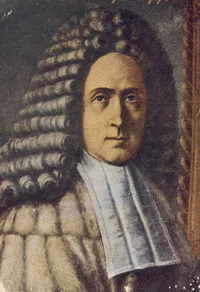
Morgagni was the founder of modern pathological anatomy. The work was completed in Morgagni’s 79th year and consists of a series of 70 letters reporting about 700 cases and necropsies. As best he could, he corre…
1809 CE
#2738
Observations on some of the most frequent and important diseases of the heart.
Burns described endocarditis and reported three cases of mitral stenosis. He recognized the thrill present in the latter condition and seems to have understood the mechanism of a cardiac murmur. He also described unil…
1895 CE
#2800
An unpublished physical sign.
“Broadbent’s sign” – recession of the intercostal spaces as a sign of adherent pericardium.
1895 CE
#2801
Sphygmomanomètre pour mésurer la pression du sang chez l’homme.
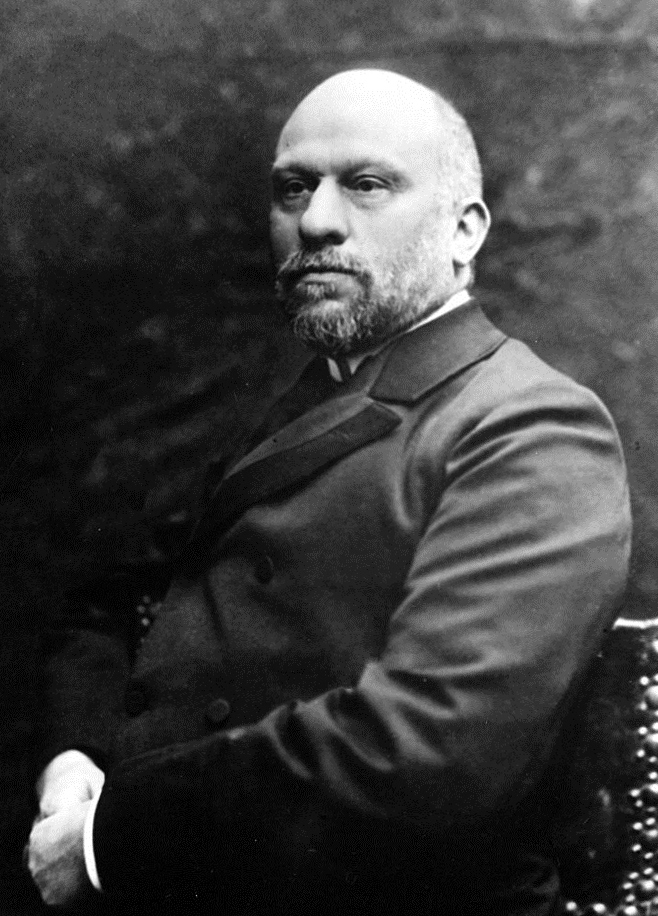
A sphygmomanometer for registering the blood-pressure in the finger was invented by Mosso.
1896 CE
#2802
Practical aids in the diagnosis of pericardial effusion, in connection with the question as to surgical treatment.
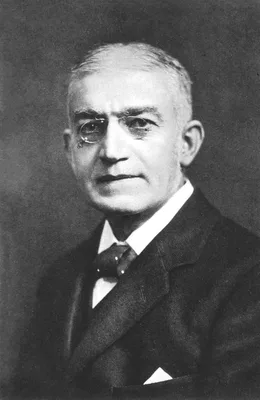
Pulmonary collapse at the left base in pericardial effusion – “Ewart’s sign”.
1896 CE
#2803
Ueber chronische unter dem Bilde der Leberzirrhose verlaufende Perikarditis (perikarditische Pseudoleberzirrhose) nebst Bemerkungen über die Zuckergussleber.
“Pick’s disease” – pericardial pseudocirrhosis of the liver.
1896 CE
#2804
Un nuovo sfigmomanometro.
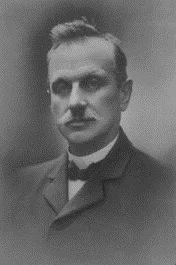
Riva-Rocci’s sphygmomanometer marked the end of the search for a simple clinical method of estimating the blood-pressure. Abridged English translation in Ruskin (No. 3160.1).
1897 CE
#2805
Heart disease.
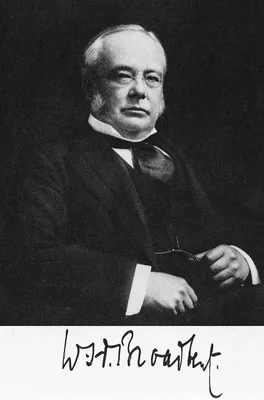
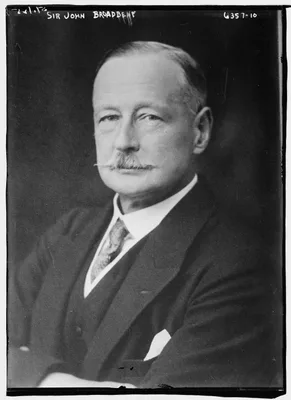
Chapter 17 includes J. Broadbent’s classic description of adherent pericardium. See Willius & Keys, Cardiac classics, 1941, pp. 712-15, for reproduction of part of this chapter.
1897 CE
#2806
Die angeborenen Defecte der Kammerscheidewand des Herzens.
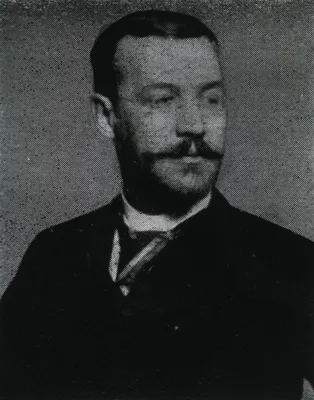
“Riding aorta”, patent interventricular septum and right ventricular enlargement – the “Eisenmenger syndrome”.
1897 CE
#2807
A simple and accurate form of sphygmomanometer or arterial pressure gauge contrived for clinical use.
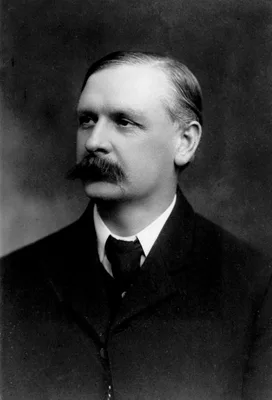
Hill and Barnard made an important modification to the Riva-Rocci sphygmomanometer when they substituted a pressure gauge in place of the mercury manometer used for pressure readings.
1898 CE
#2808
Diseases of the heart and the aorta.
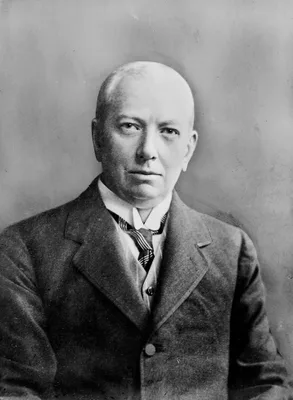
Includes among many other valuable descriptions, the description of the "Gibson murmur" also called the "machinery murmur"
1898 CE
#2809
Sulla cardioptosi; primo abbozzo anatomo-clinico.
Rummo drew attention to a downward displacement of the heart – “Rummo’s disease”.
1899 CE
#2810
Ueber einen neuen Blutdruckmesser (Tonometer).
Gaertner, an Austrian physician, invented an instrument for measuring blood-pressure by means of a compressing ring applied to the finger.
1899 CE–1903 CE
#2811
Traité cliniques des maladies du coeur et de l’aorte. 3 vols.
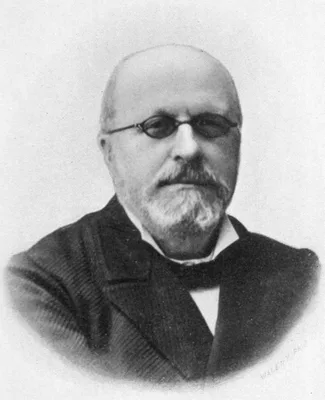
Third and best edition. "Huchard, physician to the Necker Hospital was a foremost teacher in Paris at the end of the 19th century, and a great authority on angina pectoris and arteriosclerosis. He was a powerful advoc…
1902 CE
#2812
The study of the pulse.
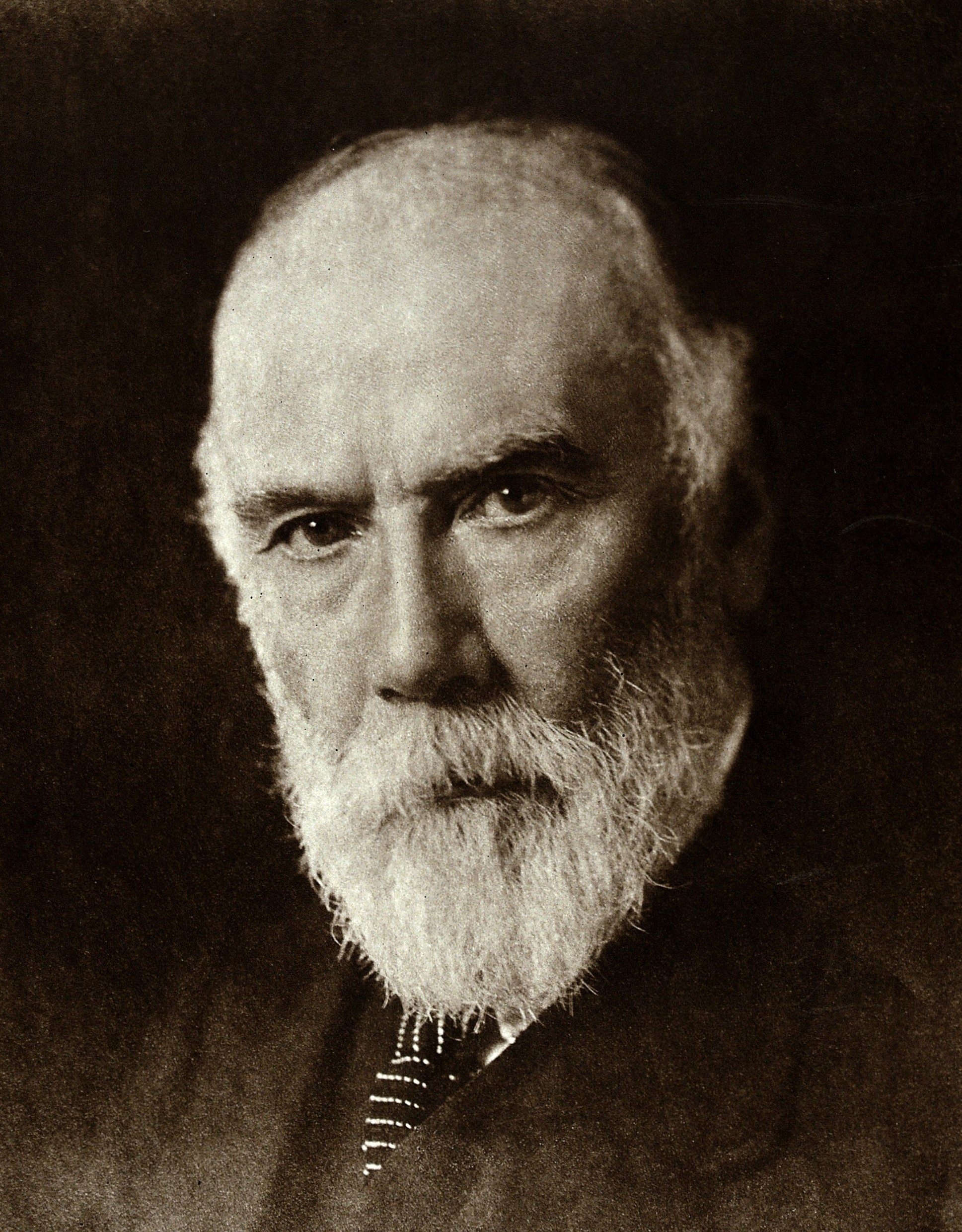
In his classic monograph Mackenzie included (p. 10) a description and illustration of his polygraph, with which he made simultaneous tracings of the pulse, apex beat, etc.
1902 CE
#2813
Ueber orthodiagraphische Untersuchungen am Herzen.
Orthodiagraphy of the heart.
1903 CE
#2814
Sur la lésion dite sténose congénitale de l’aorte dans la région de l’isthme.

Distinction of infantile and adult types of coarctation of the aorta.
1904 CE
#2815
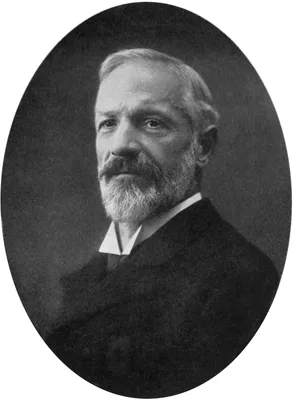
Ueber die syphilitischen Aortenerkrankungen.
1904 CE
#2816
Zur Myocarditisfrage.
In his work on rheumatic myocarditis, Aschoff described the characteristic lesion (Aschoff body or nodule) and presented a histopathological picture of myocarditis that was to exert a great influence on the classifica…
1905 CE
#2817
Technik der Herstellung fast orthodiagraphischer Herzphotogramme vermittelst Röntgeninstrumentarien mit kleiner Elektrizitätsquelle.
Introduction of teleradiography of the heart.
1905 CE
#2818
On methods of studying blood pressure.
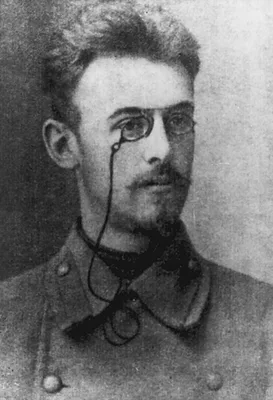
Korotkov introduced the modern method of applying the stethoscope to the brachial artery during blood-pressure examination with Riva-Rocci’s sphygmomanometer, for the purpose of investigating the sounds made by …
1905 CE
#2819
New methods of studying affections of the heart.
Mackenzie established the remarkable action of digitalis in auricular fibrillation.
1905 CE
#2820
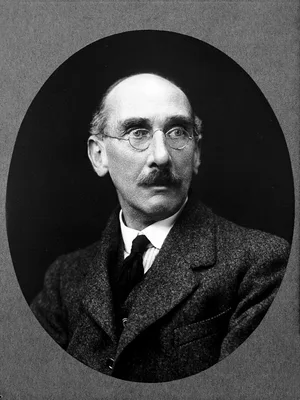
Remarks on the determination of arterial blood-pressure in clinical practice.
1905 CE–1906 CE
#2821
Complete heart-block, with dissociation of the action of the auricles and ventricles.
Auricular flutter in man first recognized.
1906 CE
#2822
Paroxysmal irregularity of the heart and auricular fibrillation.
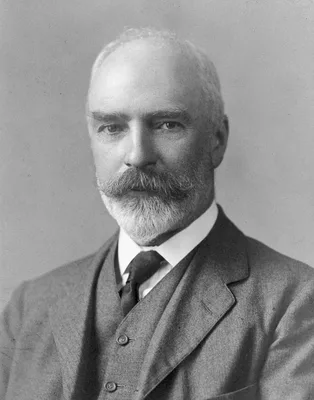
First recognition of auricular fibrillation in man. Cushny and Edmunds had a case under their care in 1901. Hering described the condition in man in Prag. med. Wschr.,1903, 28, 377. The Cushing & Edmunds paper was als…
1906 CE
#2823
[In Russian:] Estimation of blood-pressure by Korotkov’s auditory method.
Kriloff made extensive observations on the sounds which Korotkov had shown to be emitted by the blood after removal of the Riva-Rocci air-pressure cuff during the blood-pressure measurement.
1906 CE
#2824
Ueber Spirochaeta pallida in der Aortenwand bei Hellerscher Aortitis.
Treponema pallidum first discovered in the diseased aorta.
1907 CE
#2825
Neuerung zur Messung des systolischen und diastolischen Druckes.
Fellner suggested the use of the stethoscope in the measurement of systolic and diastolic pressure.
1908 CE
#2826
Diseases of the heart.
Chapter 30 of the third edition (1914) includes Mackenzie’s classic description of the clinical picture of “nodal rhythm” (auricular fibrillation). Reprinted in Willius & Keys, Cardiac classics, 1941…
1908 CE–1909 CE
#2827
Chronic infectious endocarditis.
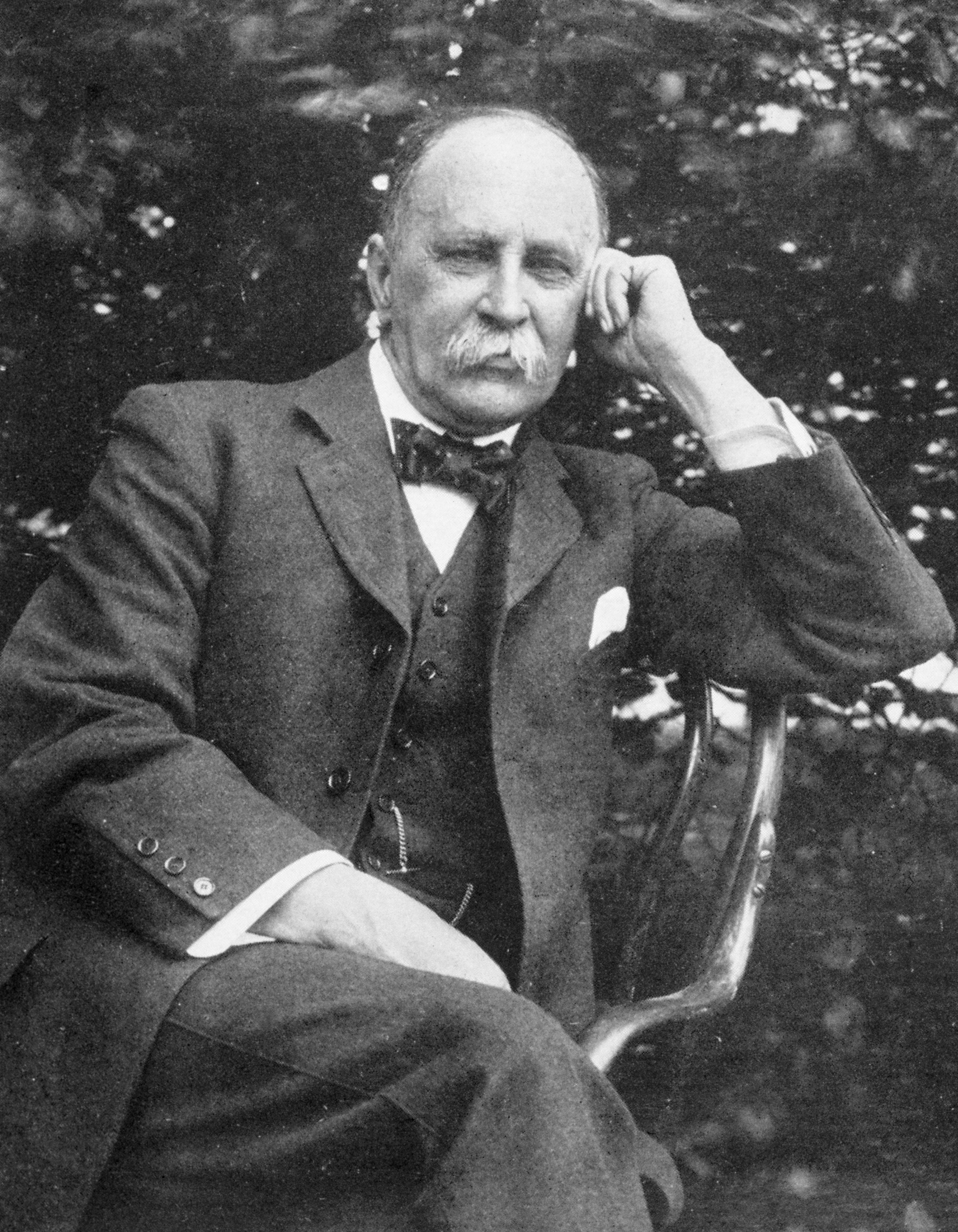
The tender subcutaneous nodes in subacute bacterial endocarditis (“Osler’s nodes”) were first observed by Osler in 1888, and reported in 1909. This paper is the first definite clinical description of…
1909 CE
#2828
Beitrag zur Aetiologie und pathologischen Anatomie der Myokarditis rheumatica.
“Bracht–Wächter bodies” in the myocardium in bacterial endocarditis.
1909 CE
#2829
Infective endocarditis, with an analysis of 150 cases.
Classic description of subacute bacterial endocarditis.
1909 CE
#2830
Auricular fibrillation; a common clinical condition.
First description of auricular fibrillation as a cause of clinical perpetual arrhythmia. See also the paper in Heart, London, 1909-10, 1,306-72.
1909 CE
#2831
Vorhofflimmern und Arhythmia perpetua.
Independently of Lewis (No. 2830) these workers claimed auricular fibrillation to be the cause of perpetual arrhythmia.
1910 CE
#2832
Zur Klinik des Elektrokardiogramms.
First clinical and pathological description of bundle-branch block.
1910 CE
#2833
Auricular flutter and fibrillation.
Auricular flutter first described.
1910 CE
#2834
The etiology of subacute infective endocarditis.
Libman and Celler found Strep. endocarditis to be the most common cause of subacute bacterial endocarditis.
1910 CE
#2835
Zur kenntniss der Thrombose der Koronararterien des Herzens.
First complete description of coronary thrombosis, diagnosed before death and confirmed at necropsy. Reprinted in Klin. Med. (Mosk.), 1949, 27,No. 11, 15-25.
1910 CE
#2836
Endocarditis lenta. Zugleich ein Beitrag zur Artunterscheidung der pathogenen Streptokokken.
First to isolate Strep viridans in cases of bacterial endocarditis, Schottmüller named the condition Endocarditis lenta.
1911 CE
#2837
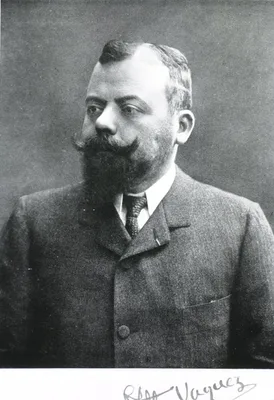
Les arythmies.
1912 CE
#2838
Glomerular lesions of subacute bacterial endocarditis.
Baehr drew attention to the renal lesions in subacute bacterial endocarditis.
1912 CE
#2839
Clinical features of sudden obstruction of the coronary arteries.
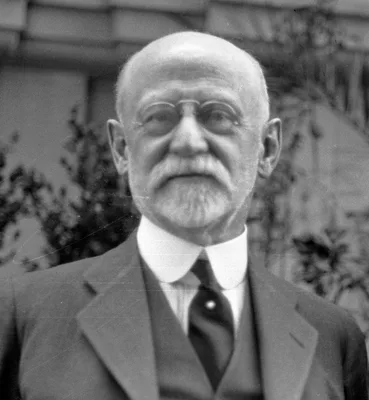
Outstanding description of coronary thrombosis. Herrick was the first to describe and diagnose coronary thrombosis in a living person; he showed that sudden coronary occlusion is not necessarily fatal. Reprint in Will…
1912 CE
#2840
Electro-cardiography and its importance in the clinical examination of heart affections.
1912 CE
#2841
A study of the endocardial lesions of subacute bacterial endocarditis.
1913 CE
#2842
Der Ersatz des Orthiodiagraphen durch der Teleröntgen.
Instantaneous radiography of the heart.
1914 CE
#2843
Auricular flutter.
1914 CE
#2844
Die unregelmässige Herztätigkeit und ihre klinische Bedeutung.
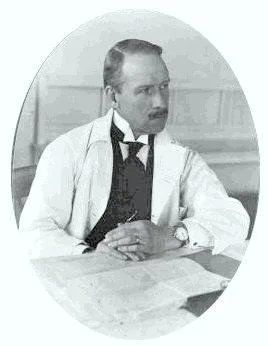
Wenckebach was the first to demonstrate (pp. 173-75) the value of quinine (“Wenckebach’s pills”) in the treatment of paroxysmal fibrillation. The same work contains a number of excellent descriptions…
1916 CE
#2845
Roentgenology of the heart.
Introduction of kymography in clinical cardiology.
1916 CE
#2846
De la sténose mitrale avec communication interauriculaire.
“Lutembacher syndrome”.
1917 CE
#2847
Report upon soldiers returned as cases of “disordered action of the heart” (D.A.H.) or “valvular disease of the heart” (V.D.H.).
Medical Research Committee Special Rept. No. 8. Sir Thomas Lewis described as “effort syndrome” the condition of disordered action of the heart known as “Da Costa’s syndrome”.