
Entry Nos. 200–299
88 Garrison-Morton entries in this range.
1871 CE
#170
The descent of man, and selection in relation to sex. 2 vols.
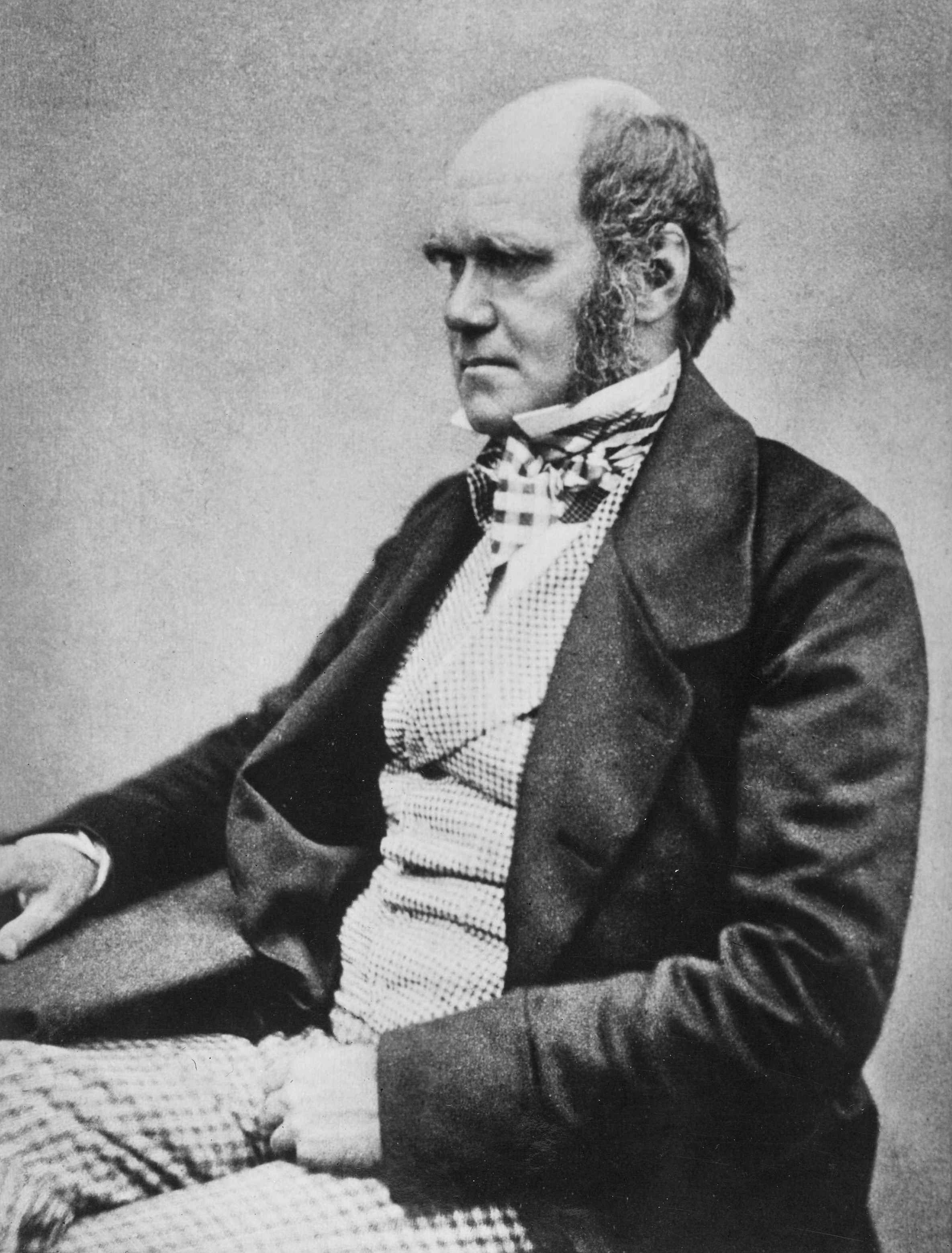
This is really two works. The first demolished the theory that the universe was created for humans while in the second Darwin presented a mass of evidence in support of his earlier hypothesis regarding sexual selectio…
1831 CE
#200
Über den Zwischenkiefer des Menschen und der Thiere von Goethe. Jena, 1786. Mit 5 Kupfertafeln.
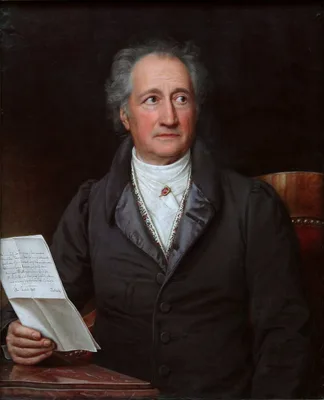
Goethe believed that in 1784 he demonstrated the presence of the intermaxillary (premaxillary) bone in man, proving an anatomical connection between man and the lower animals, and certifying to Goethe that there is no…
1839 CE
#201
Crania Americana; or, A comparative view of the skulls of various aboriginal nations of North and South America. To which is prefixed an essay on the varieties of the human species.
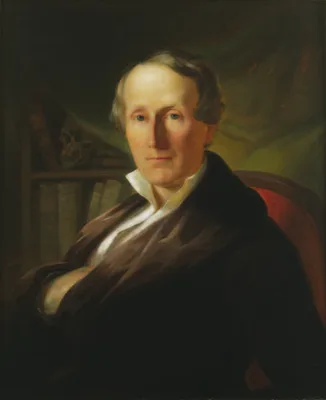
In his day Morton was the most eminent craniologist in the United States. He had a collection of nearly 1,000 skulls. In this work, which described both modern and fossil skulls, Morton described fractures and anthrop…
1842 CE
#202
Om formen af nordboernes cranier.
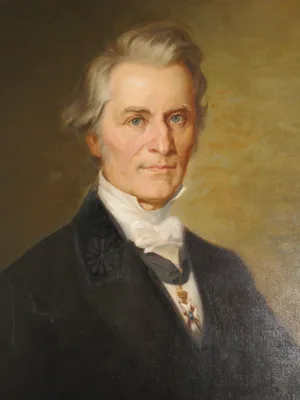
Retzius introduced the method of classifying races according to the cranial or cephalic index. A German translation of his paper is available in the Arch. Anat. Physiol. wiss. Med., 1845, 84-129.
1856 CE–1865 CE
#203
Crania Britannica. Delineations and descriptions of the skulls of the aboriginal and early inhabitants of the British Islands: With notices of their other remains. 6 "Decades" in 2 vols.
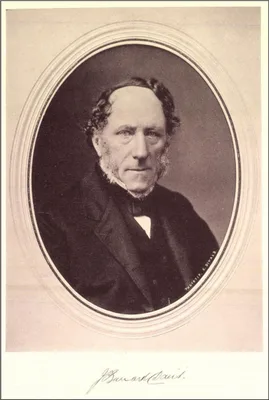
Digital facsimile from Google Books at this link.
1858 CE
#204
Zur Kenntniss der ältesten Rassenschädel.
The first comprehensive description of the Neanderthal skull, following Schaaffhausen’s and Fuhlrott’s preliminary announcements of the discovery in the Verhandlungen des naturhistorischen Vereines der pre…
1894 CE
#210
Pithecanthropus erectus. Eine menschenähnliche Uebergangsform aus Java.
Privately issued first report on Homo erectus. In 1891 Dubois discovered remains of what he described as "a species in between humans and apes" at Trinil, Java. He called his finds Pithecanthropus erectus ("ape-human …
1913 CE
#211
On the discovery of a palaeolithic skull and mandible in a flint-bearing gravel overlying the Wealden (Hastings Beds) at Piltdown, Fletching (Sussex). With appendix by Grafton Elliot Smith.
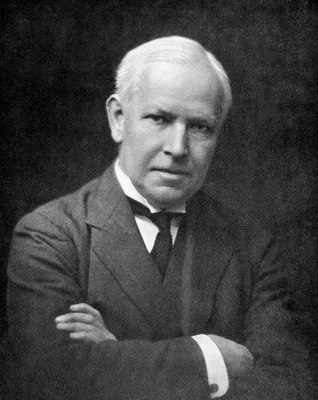
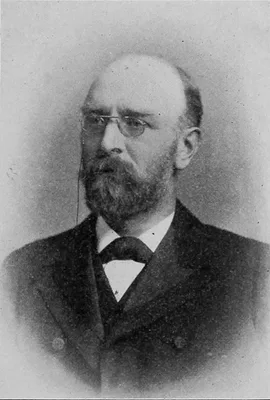
Order of authorship in the original publication: Dawson, Woodward. The first "scientific" report on “Piltdown man” (Eoanthropus dawsoni,) one of the longest-lasting and most influential hoaxes ever perpetr…
1922 CE
#212
The Rhodesian skull.
Description of the skull found at Broken Hill, Rhodesia, in 1921.
1931 CE
#213
Sinanthropus – Peking Man, its discovery and significance.
Elliot Smith visited Peking to view the skull of Sinanthropus pekinensis, discovered by W. C. Pei on December 2, 1929. A preliminary description by Pei is to be found in Bull. geol. Soc. China, 1929, 8, 3.
1943 CE
#214
The skull of Sinanthropus pekinensis: A comparative study on a primitive hominid skull.
Digital facsimile from the Internet Archive at this link.
1677 CE
#215
The primitive organization of mankind considered and examined according to the light of nature.
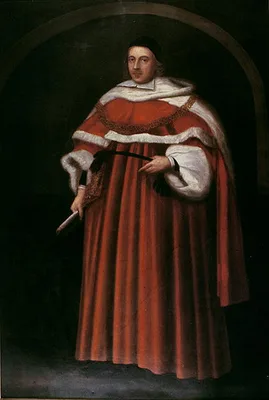
In response to Isaac de la Peyrere‘s theory of polygenesis, Hale, Chief Justice of the King’s Bench, advanced his own theory that the earth was not eternal, but rather had a spontaneous “beginning,&r…
1809 CE
#216
Philosophie zoologique. 2 vols.
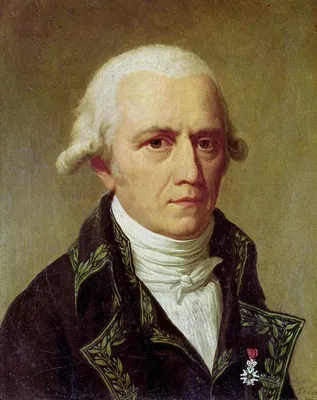
Lamarck was one of the greatest of the comparative anatomists. This work is considered the greatest exposition of his argument that evolution occurred by the inheritance of characteristics acquired by animals as a res…
1842 CE
#217
Om Fortplantning og Udvikling gjennem vexlende Generations-raekker.
Steenstrup is responsible for the theory of the “alternation of generations”. He showed that certain animals produce offspring which never resemble them but which, on the other hand, bring forth progeny wh…
1844 CE–1845 CE
#218
Vestiges of the natural history of creation. And: Explanations: A sequel to “Vestiges….” 2 vols.
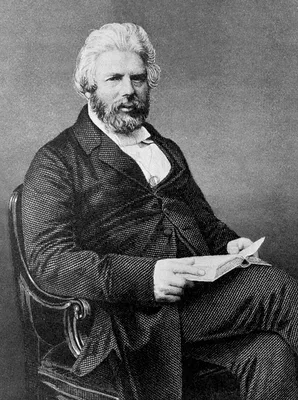
This outspoken statement of a belief in evolution, published anonymously to protect Chambers’s reputation as a publisher, anticipated Darwin’s Origin by 16 years and generally prepared the public for Darwi…
1859 CE
#219
On the tendency of species to form varieties: and on the perpetuation of varieties and species by natural means of selection.
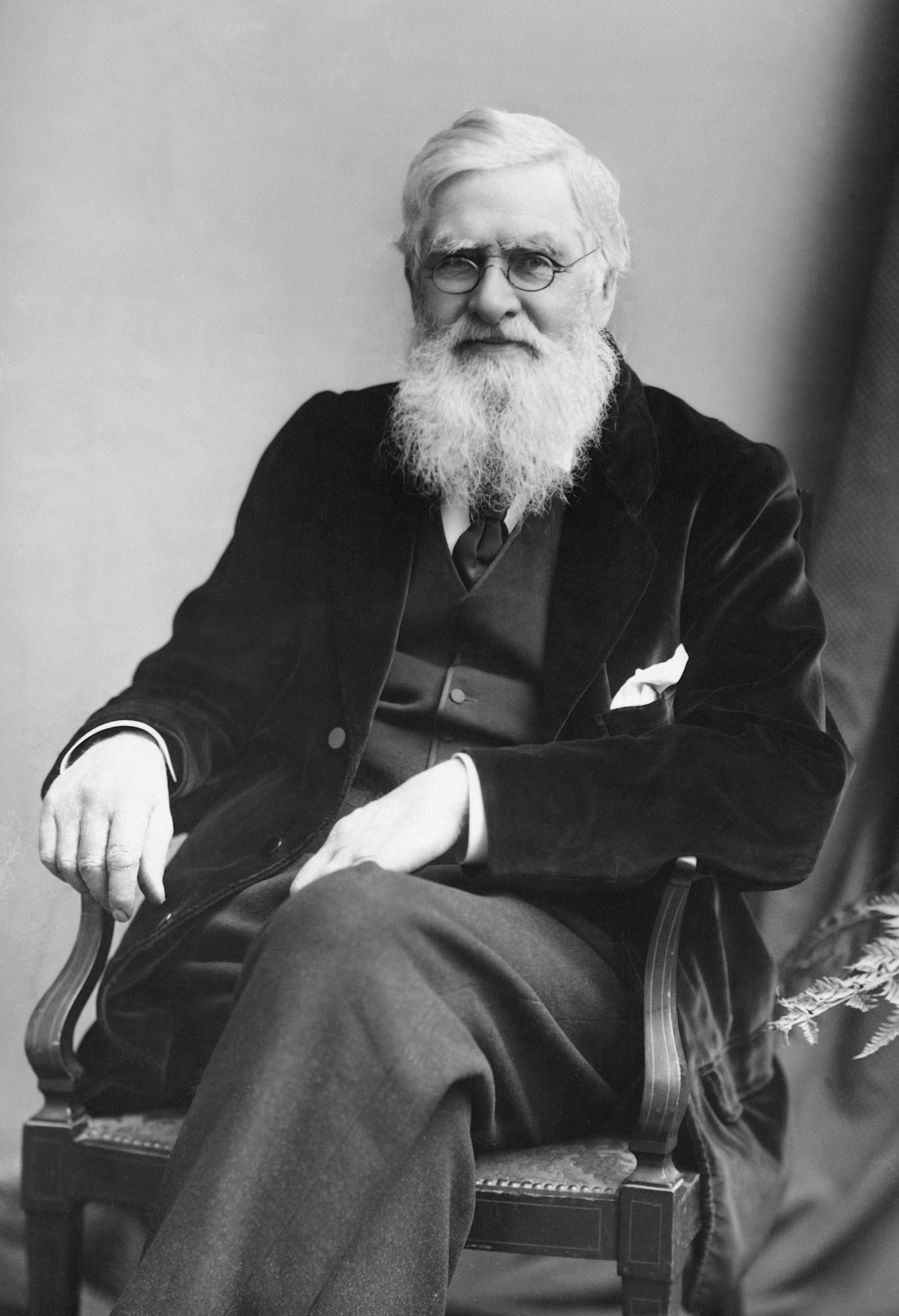
The first printed exposition of the “Darwinian” theory of evolution by natural selection. Had not Wallace independently discovered the theory of natural selection, it is possible that the extremely cautiou…
1859 CE
#220
On the origin of species by means of natural selection, or the preservation of favoured races in the struggle for life.
Prepared under the advice of Lyell and Hooker, and brought to press soon after publication of the joint paper by Darwin and Wallace (No. 219), this was Darwin’s greatest work and one of the most important books …
1864 CE
#221
Für Darwin.
Müller, the first German to support Darwin, studied the development of the Crustacea in Brazil and published some of his results in the above little book, which contains much original information. He realized the…
1866 CE
#222
Versuche über Pflanzen-Hybriden.
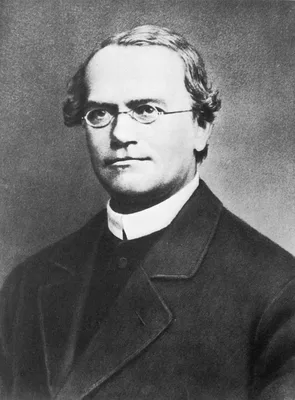
Discovery of the Mendelian ratios, the most significant single achievement in the history of genetics. The story of how Mendel published his paper in this relatively obscure journal only to have his discovery ignored …
1866 CE
#223
Generelle Morphologie der Organismen. 2 vols.
Haeckel accepted the general principles of Darwinism, disagreeing on some points. He was the first to promote Darwin’s theories in Germany. This work contains the first statement of his theory that “ontoge…
1868 CE
#224
Natürliche Schöpfungsgeschichte. Gemeinverständlich wissenschaftliche Vorträge über die Entwickelungslehre im Allgemeinen und diejenige von Darwin, Goethe und Lamarck im Besonderen, über die Anwendung derselben auf den Ursprung des Menschen . . .
Haeckel constructed the first of the now commonplace ancestral trees, depicting the evolution of life from the simplest organisms through 21 stages of development to modern man – the 22nd and final stage. Within…
1869 CE
#226
Hereditary genius.
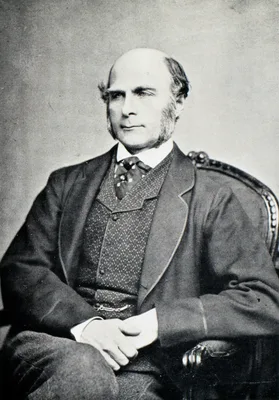
Galton investigated the families of great men and suggested that genius was hereditary, and thus founded the science of Eugenics, although he did not coin the word until 1883 (see No. 230). Karl Pearson’s, The l…
1870 CE
#228
Contributions to the theory of natural selection.
Reprints, with important revisions and additions, nine important papers concerning natural selection, which had previously appeared in journals, and publishes for the first time a major paper on The limits of natural …
1883 CE
#229
Überdie Bedeutungder Kerntheilungsfiguren.
Roux investigated why the nucleus undergoes the precise division of mitosis while the rest of the cell undergoes a rather crude division when one cell splits into two. He argued that mitosis ensures a precise halving …
1883 CE
#230
Inquiries into human faculty and its development.
Galton, cousin of Charles Darwin, founded the science of Eugenics. In his important Inquiries he showed mathematically “the results of his experiments on the relations between the powers of visual imagery and of…
1885 CE
#231
Die Bedeutung der Zellenkerne für die Vorgänge der Vererbung.
Along with Roux, Kölliker stated that hereditary characters were transmitted by the cell nucleus.
1889 CE
#233
Natural inheritance.
By the employment of statistical methods Galton propounded a “law of filial regression”. This book represents the first statistical study of biological variation and inheritance.
1891 CE
#234
Amphimixis, oder die Vermischung der Individuen.
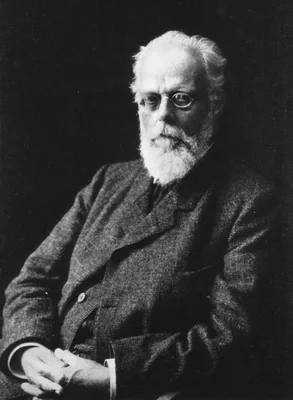
By “amphimixis” Weismann meant the union of the two parent germs, which he considered the principal source of heritable variation in evolution by natural selection. English translation in Weismann’s …
1892 CE
#235
Aufsätze über Vererbung und verwandte biologische Fragen.
Weismann produced experimental evidence that acquired characters are not transmitted.
1892 CE
#236
Das Keimplasma.
Weismann elaborated the theory of the continuity of the germ plasm. English edition, 1893.
1894 CE
#237
Materials for the study of variation treated with especial regard to discontinuity in the origin of species.
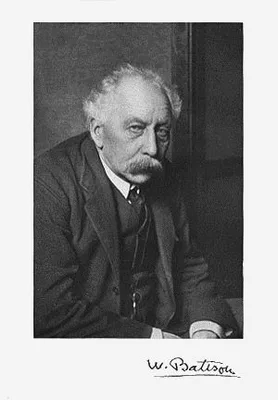
Bateson was convinced that discontinuity was the more important type of variation among animals and plants “in some unknown way a part of their nature and not directly dependent upon natural selection at all&rdq…
1896 CE
#238
The cell in development and inheritance.
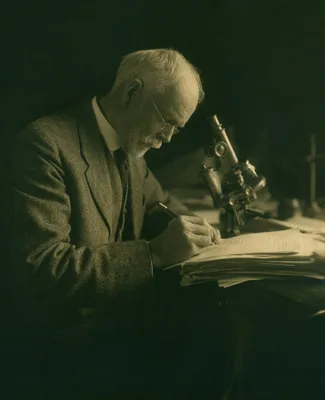
Wilson emphasized the function of cytology in the study of embryology, heredity, evolution and general physiology. The above work has been called the single most influential treatise on cytology of the 20th century. T…
1897 CE
#239
The average contribution of each several ancestor to the total heritage of the offspring.
Galton’s “law of ancestral heredity”.
1901 CE–1903 CE
#240
Die Mutationstheorie. 2 vols.
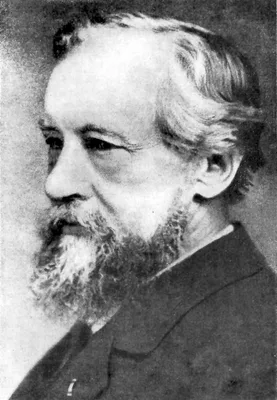
The theory of mutation was first advanced by de Vries. English translation, 2 vols., Chicago, 1909-10.
1902 CE
#241
Mendel’s principles of heredity: A defence.
The first book on Mendelism in English, and the first English textbook of genetics. It contains a reprint of the first English translation of Mendel’s “Versuch über Pflanzen-Hybriden” from the J…
1903 CE
#242
Ueber Erblichkeit in Populationen und in reinen Linien.
More support for the Mendelian law of inheritance was provided by Johannsen, a Danish botanist, who showed that in certain self-fertilizing plants a pure line of descendants can be maintained indefinitely, in which ca…
1908 CE
#243
Mendelian proportions in a mixed population.
Hardy–Weinberg equilibrium.
1908 CE
#244
Überden Nachweis der Vererbung beim Menschen.
Weinberg, a general practitioner and obstetrician in Stuttgart, was also a founder of population genetics. He co-discovered the Hardy–Weinberg equilibrium.
1909 CE
#245
Kreuzungsuntersuchungen an Hafer und Weizen.
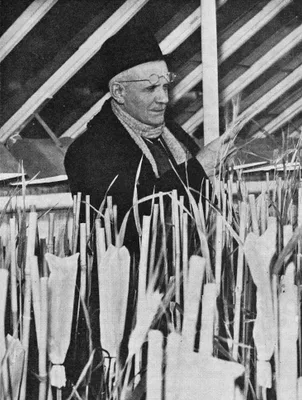
The “multiple factor” theory advanced by Nilsson-Ehle brought under the Mendelian law cases which, by their extreme variability of inheritance, might be considered exceptions to it.
1915 CE
#246
The mechanism of Mendelian heredity.
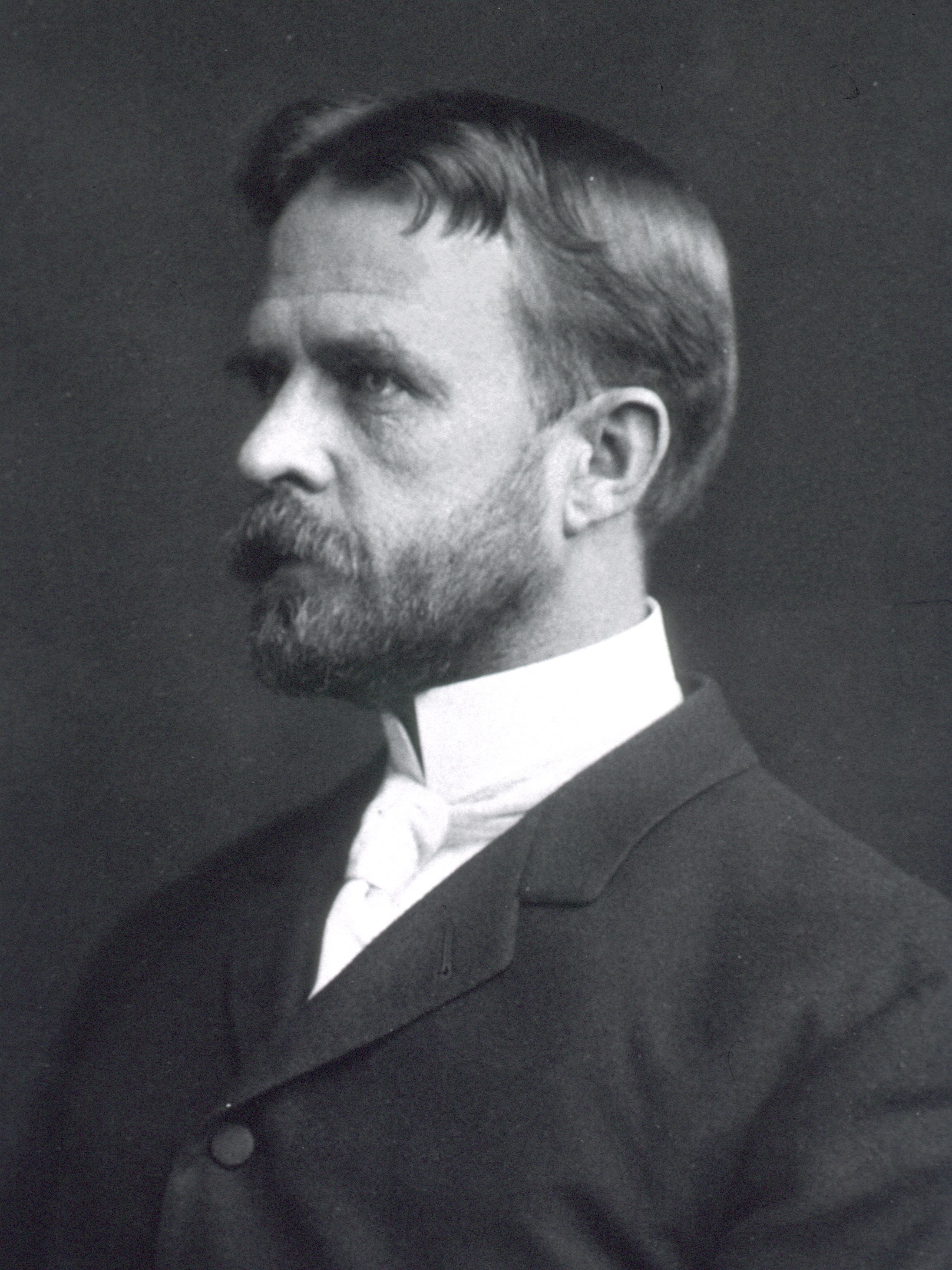
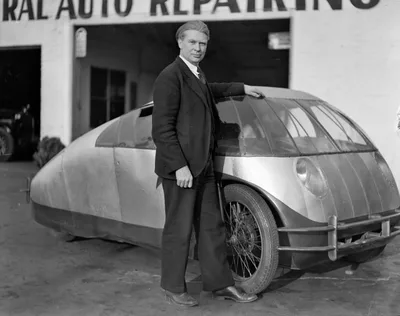
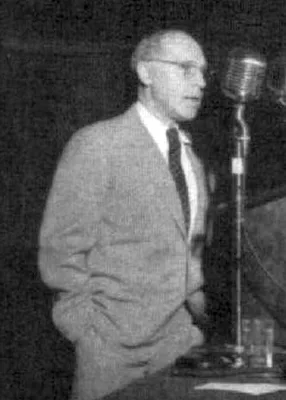
Summarizes the major early findings of Morgan’s Drosophila research group, which based its research on the rapidly reproducing small vinegar fly, Drosophila melanogaster, often called the fruit fly. This epoch-m…
1918 CE
#248
The correlation between relatives on the supposition of Mendelian inheritance.
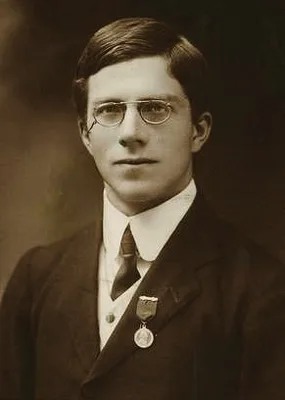
"Fisher put forward a genetics conceptual model that shows that continuous variation amongst phenotypic traits could be the result of Mendelian inheritance. The paper also contains the first use of the statistical ter…
1926 CE
#251
The theory of the gene.
1930 CE
#253
The genetical theory of natural selection.
The first coherent general algebraic analysis of Mendelian population behavior. The work contains Fisher’s rigorous development of his “fundamental theorem of natural selection”–”the rate…
1932 CE
#254
The causes of evolution.
Haldane’s summary of his mathematical theory of natural selection. The detailed mathematical theory appeared as Mathematical theory of natural and artificial selection, first published (Pt. I) in Trans. Camb. ph…
1942 CE
#255
Evolution: The modern synthesis.
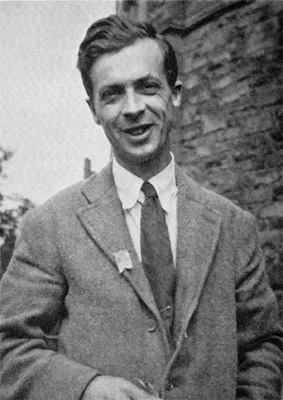
The work which defined the modern synthesis of evolutionary biology of the early 20th century.
1952 CE
#256
Independent functions of viral protein and nucleic acid in growth of bacteriophage.
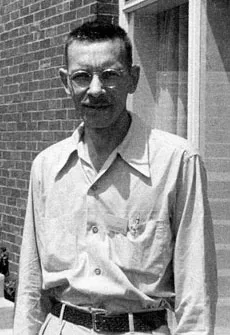
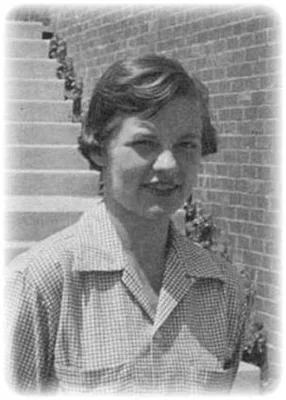
DNA shown to be the carrier of genetic information in virus reproduction. In 1969 Hershey shared the Nobel Prize in Physiology or Medicine with S. E. Luria and M. Delbrück for "for their discoveries concerning th…
1964 CE
#257
Synthetic deoxyribopolynucleotides as templates for ribonucleic acid polymerase: The formation and characterization of a ribopolynucleotide with a repeating trinucleotide sequence.
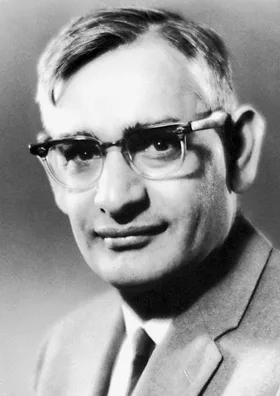

Order of authorship in the original publication: Nishimura, Jacob, Khorana. Digital facsimile from PubMedCentral at this link.
1936 CE
#258
The great chain of being: A study of the history of an idea.
1630 CE
#259
Persio tradotto.
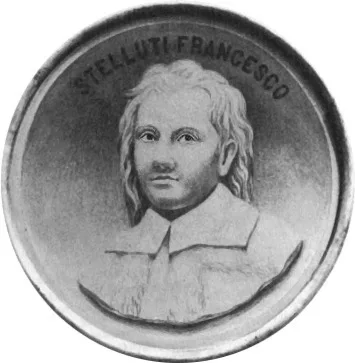
The first book to contain illustrations of natural objects as seen through the microscope— specifically an engraving of the exterior surface of bees. The work includes the Latin text of the Satyrae VI of Aulus P…
1653 CE
#260
Historiarum et observationum medico-physicarum centuria prima (-secunda).
The first work to apply microscopy to medicine. Borel described 200 observations and applications; he probably saw the blood corpuscles and Sarcoptes scabiei.