
Entry Nos. 900–999
99 Garrison-Morton entries in this range.
1661 CE
#760
De pulmonibus observations anatomicae.
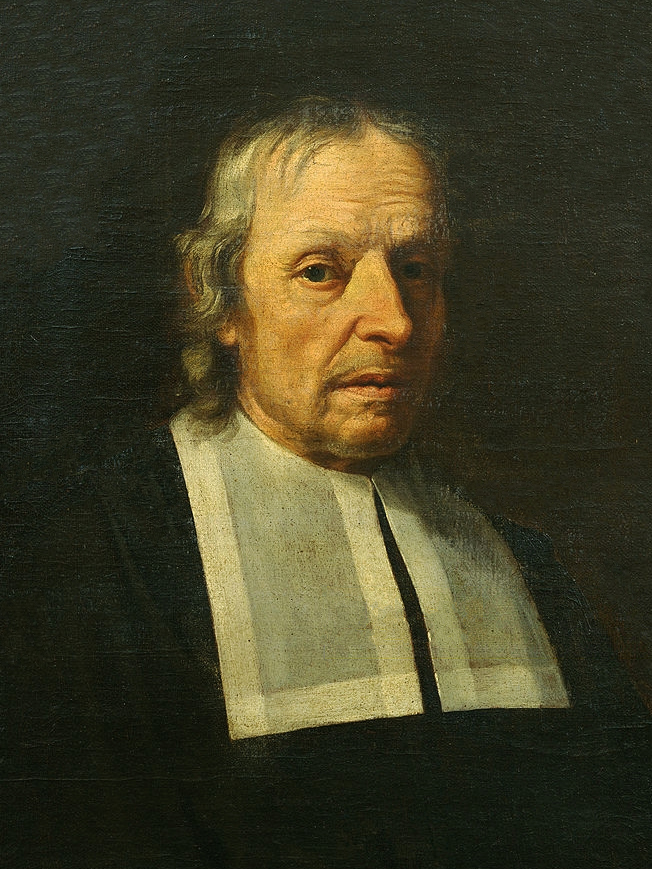
Discovery of the capillary circulation. Malpighi demonstrated that the pulmonary tissues are vesicular in nature and showed that the trachea ends in bronchial filaments. His De pulmonibus includes his demonstration of…
1910 CE
#900
Studies on isoagglutinins and isohemolysins.
Moss showed that the blood of all individuals could be placed into one of four groups. His classification has been the one most commonly used until recently. The work was similar to that of Janský and completed…
1910 CE
#901
The variation in the sizes of red blood cells.
Price-Jones described a method for the direct measurement of red blood cells, which led to the term, “Price-Jones curve”. See also his book, Red blood cell diameters, London, 1933.
1911 CE–1912 CE
#902
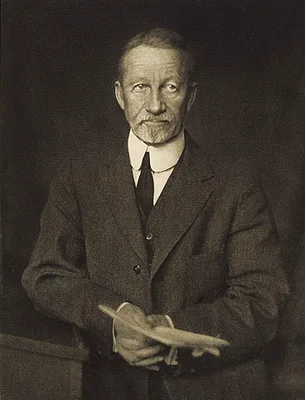
The role of antithrombin and thromboplastin (thromboplastic substance) in the coagulation of blood.
1915 CE
#903
A method for the determination of plasma and blood volume.
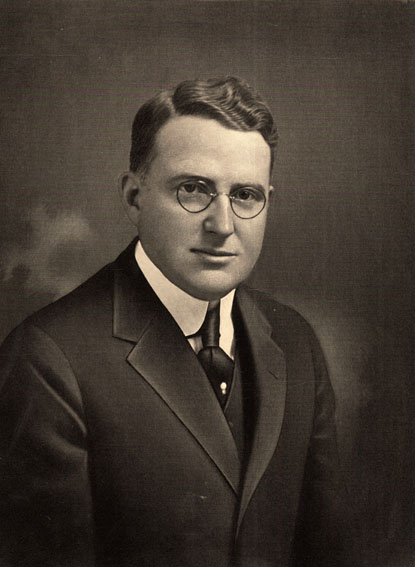
Keith, Rowntree, and Geraghty devised a method for determination of plasma and blood volume, which includes the injection of a dye.
1916 CE
#904
The thromboplastic action of cephalin.
McLean extracted from dog liver a substance which retarded blood coagulation in vitro and which, after further work by Howell and Holt (No.905), was named heparin.
1918 CE–1919 CE
#905
Two new factors in blood coagulation — heparin and pro-antithrombin.
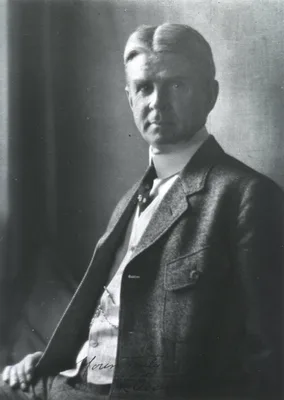
Isolation of heparin.
1919 CE
#906
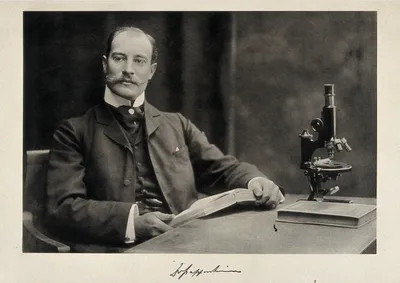
Morphologische Hämatologie. Vol. 1.
1923 CE
#907
L’hématoblaste, troisiéme élement du sang.
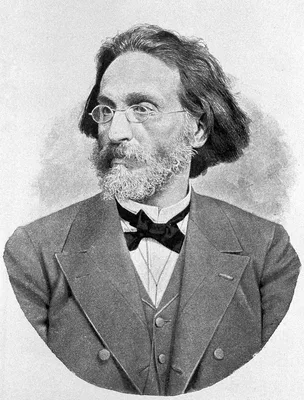
Hayem first named the hematoblasts in 1877 (Mém. Soc. Biol. (Paris), 1877, 29, 97). His view, reiterated in 1923, was that they were the early stages of red blood cells and regenerated the blood.
1924 CE
#908
Relation of blood cells to connective tissues and endothelium.
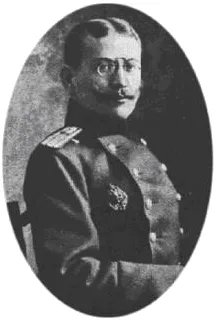
Maximow’s blood regeneration theory.
1925 CE
#909
Experimental studies on the origin and maturation of avian and mammalian red blood-cells.
1927 CE
#910
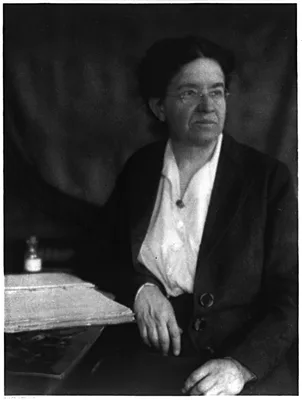
A new agglutinable factor differentiating individual human bloods.
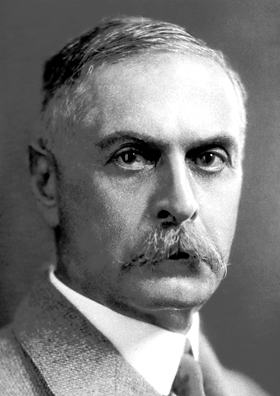
Discovery of M and N agglutinogens. See also the same journal, pp. 941-42.
1936 CE
#911
Über spontane Hämolysinbildung im Blut, unter besonderer Berücksichtigung der Physiologie der Milz.
Lysolechtin found in normal blood.
1939 CE
#912
Blood groups.
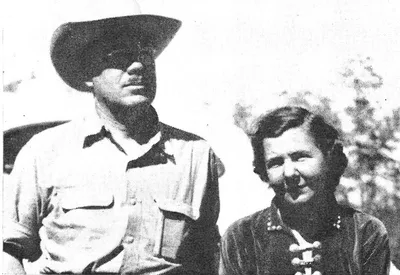
Boyd showed that blood groups are inherited and not changed by environment.
1947 CE
#913
A new human iso-agglutinin subdividing the MN blood groups.
S blood-group antigen.
1660 CE
#914
New experiments physico-mechanical touching the spring of the air.
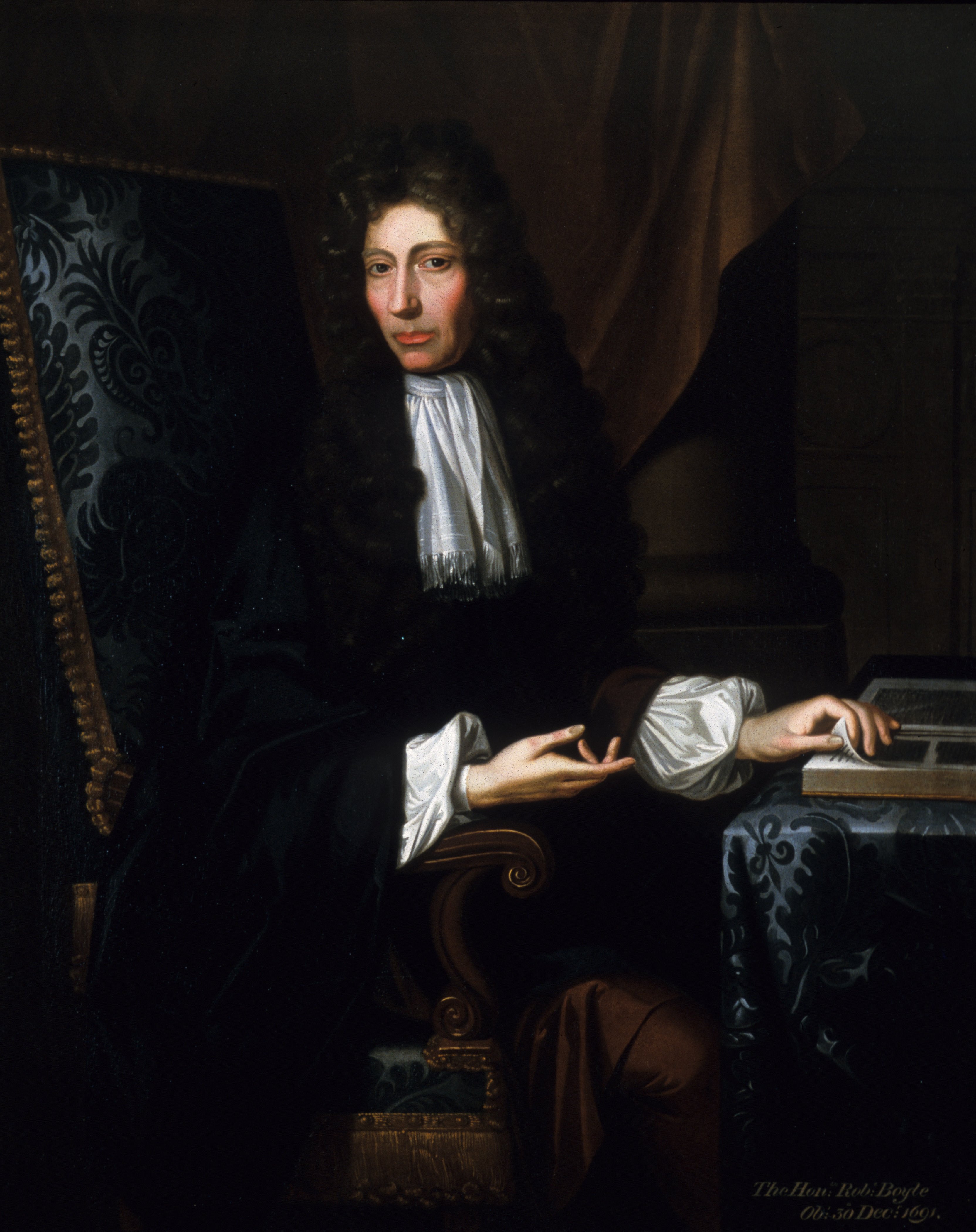
Boyle showed the effects of the elasticity, compressibility, and weight of air. He investigated the function of air in respiration, combustion, and conveyance of sound. Most significantly Boyle demonstrated that air i…
1667 CE
#916
An account of an experiment of preserving animals alive by blowing through their lungs with bellows.
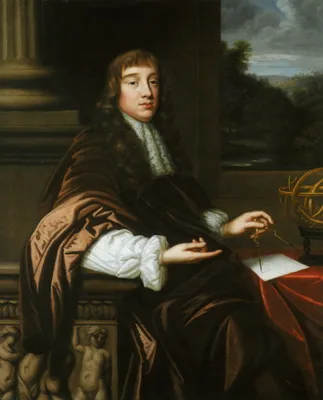
By blowing air from a bellows over the exposed lungs of a dog, Hooke proved that respiratory motion is not necessary to maintain life, but that the essential feature of respiration lies in certain blood changes in the…
1746 CE–1747 CE
#917
De respiratione experimenta anatomica, quibus aëris inter pulmonem etpleuram absentia demonstratur et musculorum intercostalium internorum officium adseritur. 2 pts.
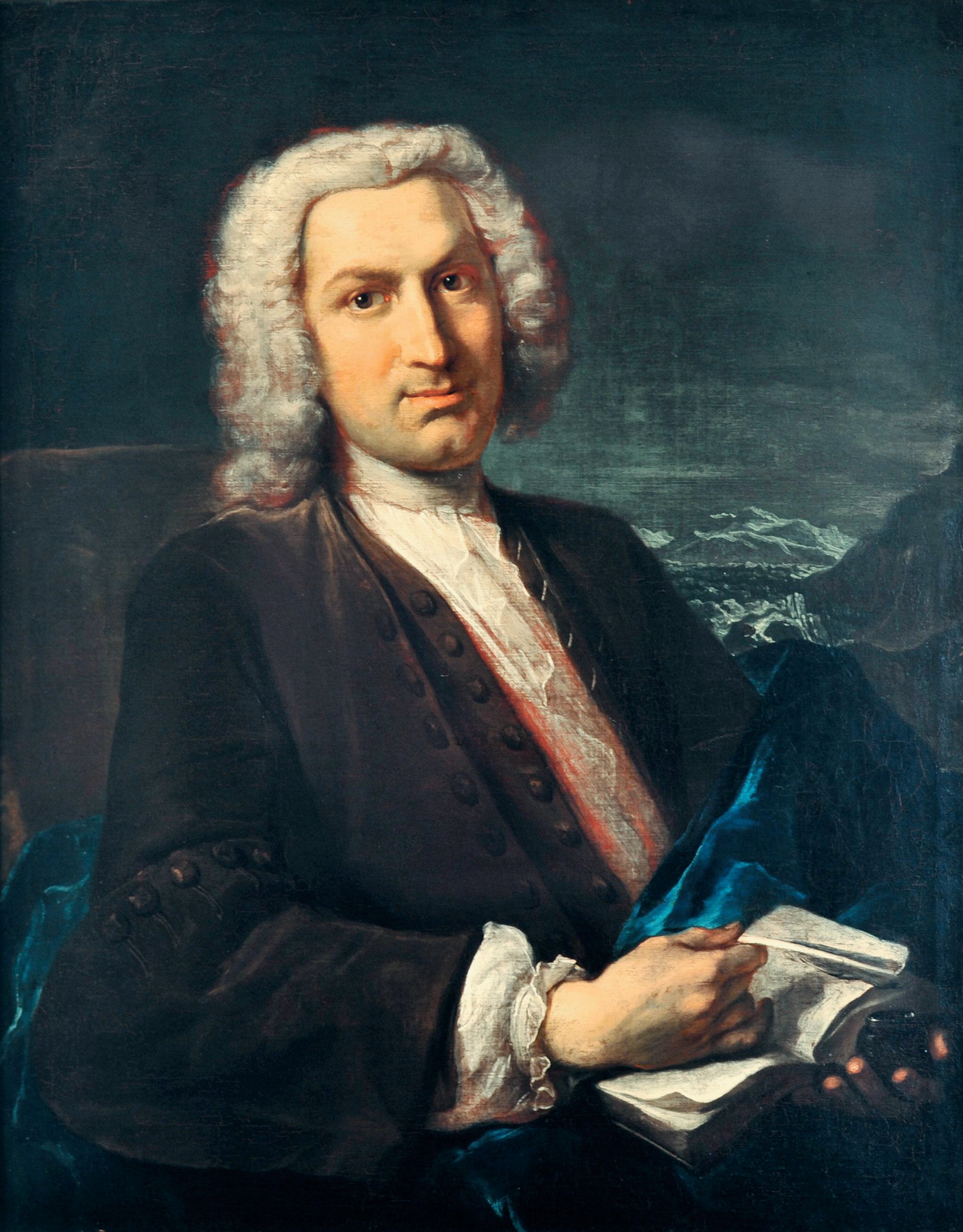
First investigation of the action of the intercostal muscles in respiration.
1727 CE
#918
De respirationis mechanismo atque usu genuino. [Praeses:] Georgius Erh. Hamberger. [Defendet:] Justinus Gerhardus Duising.
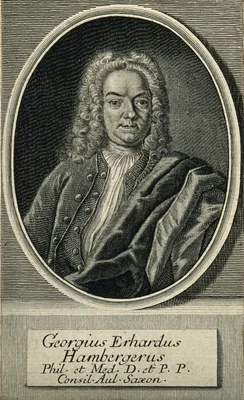
"Recent data on intercostal muscle function, largely electromyographic, tend to confirm the ideas of Hamberger, who, in 1748 (recte 1727), proposed a theory of intercostals muscle action upon the rib cage. Hamberger's…
1754 CE
#919
Dissertatio medica inauguralis de humore acido a cibis orto, et magnesia alba.
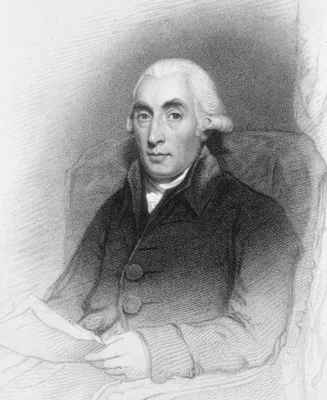
Isolation of carbon dioxide. English translation, Minneapolis, 1973.
1772 CE
#920
Observations on the different kinds of air.
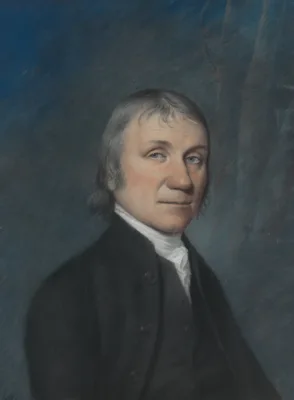
The isolation of oxygen was first achieved by Priestley. He also demonstrated that plants immersed in water give off oxygen and that this gas is essential for animal life.
1772 CE
#921
De aëre fixo dicto, aut mephitico.
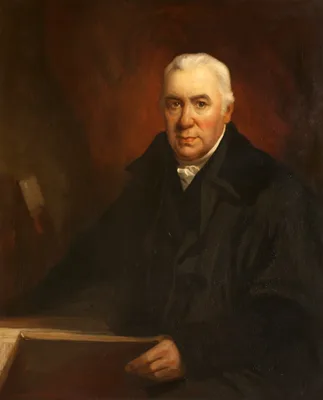
Discovery of nitrogen.
1778 CE
#922
Mémoire sur la nature du principe qui se combine avec les métaux pendantleur calcination, et qui en augmente le poids.
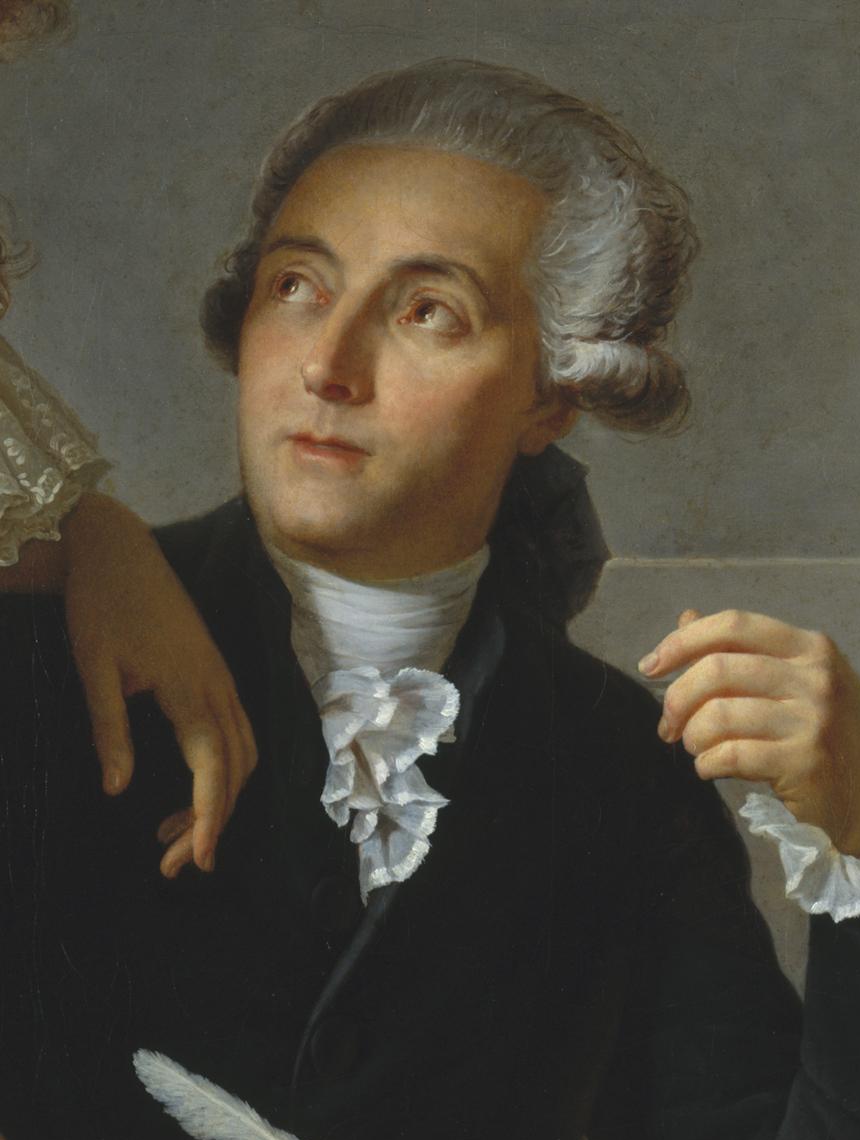
Although Priestley isolated oxygen, it was Lavoisier who discovered its real significance. He showed the true nature of the interchange of gases in the lungs and exploded Stahl’s phlogiston theory. Lavoisier was…
1784 CE
#923
Mémoire sur la formation de l’acide, nommé air fixe ou acide crayeux, et que je désignerai désormais sous le nom d’acid du charbon.
1785 CE
#924
Mémoire sur l’affinité du principe oxygine avec les différentes substances auxquelles il est susceptible de s’unir.
1784 CE
#925
Experiments on air.
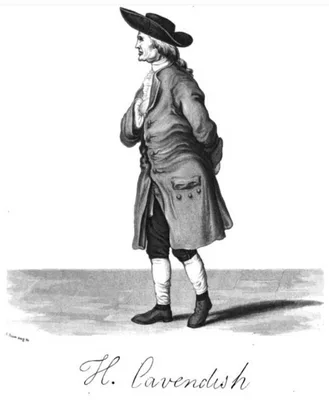
Cavendish isolated hydrogen in 1766, and later demonstrated the composition of air.
1791 CE
#926
Mémoire sur la combinaison de l’oxigéne avec le carbone et l’hydrogéne du sang, sur la dissolution de l’oxigéne dans le sang, et sur la maniére dont le calorique se dégage.
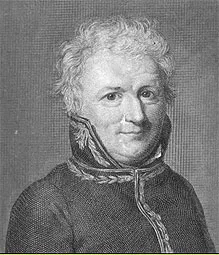
Hassenfratz, a pupil of Lagrange, maintained that the oxidation of carbon and hydrogen took place in the blood, and not in the lungs as taught by others.
1808 CE
#927
Über den Bau der Lungen.
In 1804 the Berlin Akademie der Naturwissenschaften offered a prize for the best essay on the structure and function of the lungs. The prize was won by Reisseisen, while Soemmerring received honorable mention. The tex…
1837 CE
#929
Ueber die im Blute enthaltenen Gase, Sauerstoffe, Stickstoff, und Kohlensäure.
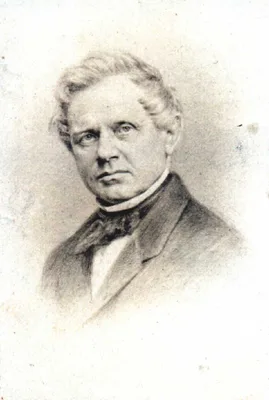
First quantitative analysis of the blood gases. Magnus proved that the arterial blood contains a higher concentration of oxygen than venous blood and that the latter had a higher carbon dioxide content.
1846 CE
#930
On the capacity of the lungs, and on the respiratory functions, with a view of establishing a precise and easy method of detecting disease by the spirometer.
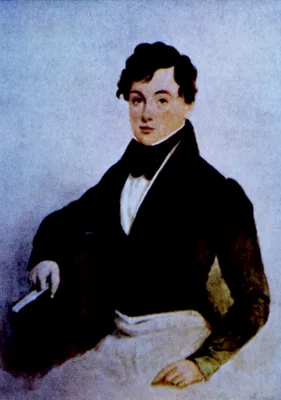
Invention of the spirometer, making possible the determination of the vital capacity of the lungs. Hutchinson used the spirometer while evaluating candidates for life insurance as a physician for Brittania Life. Parti…
1847 CE
#931
Die Ursache der Lungenveränderung nach Durchschneidung der pneumogastrischen Nerven.
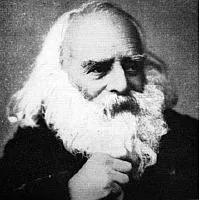
Study of the effect of section of the vagus on respiration. See also No. 933.
1849 CE
#932
Recherches chimiques sur la respiration des animaux des diverses classes.
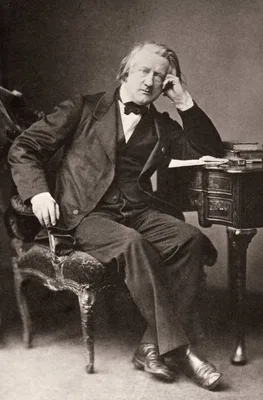
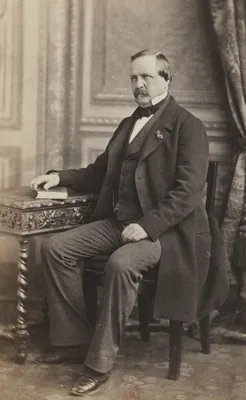
First determination of the respiratory quotient.
1850 CE
#933
Ueber den Einfluss der Vagusdurchschneidung auf das Lungengewebe.
See No. 931.
1857 CE
#934
Die Gase des Blutes.
Meyer showed that the oxygen in the blood was not held in simple solution but came off in quantity only when the air pressure was reduced to one fiftieth of an atmosphere.
1858 CE
#935
De sanguine oxydo carbonico infesto.
Investigation of the blood gases.
1862 CE
#936
Untersuchungen über den Bau der Nasenschleimhaut, namentlich die Structur und Endigungsweise der Geruchsnerven bei dem Menschen und den Wirbelthieren.
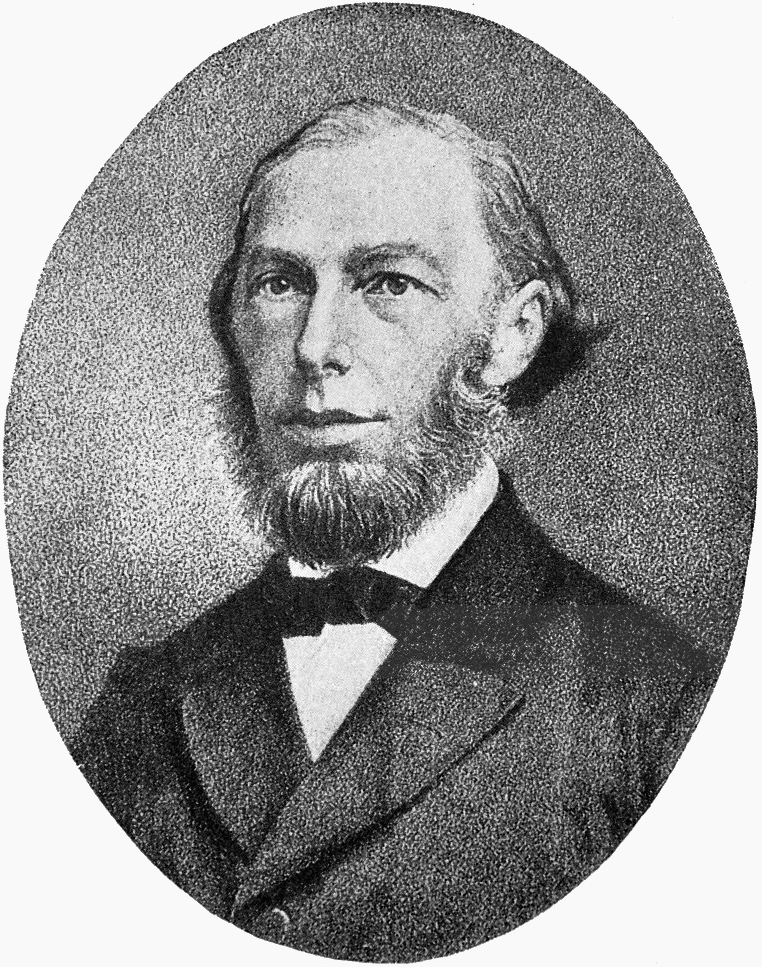
Schultze’s classic paper on the nerves to the neuro-epithelium in the special sense organs marks an epoch in histology. He described the cells of the olfactory muccous membrane, “Schultze’s cells&rdq…
1862 CE–1863 CE
#937
Ueber die Respiration.
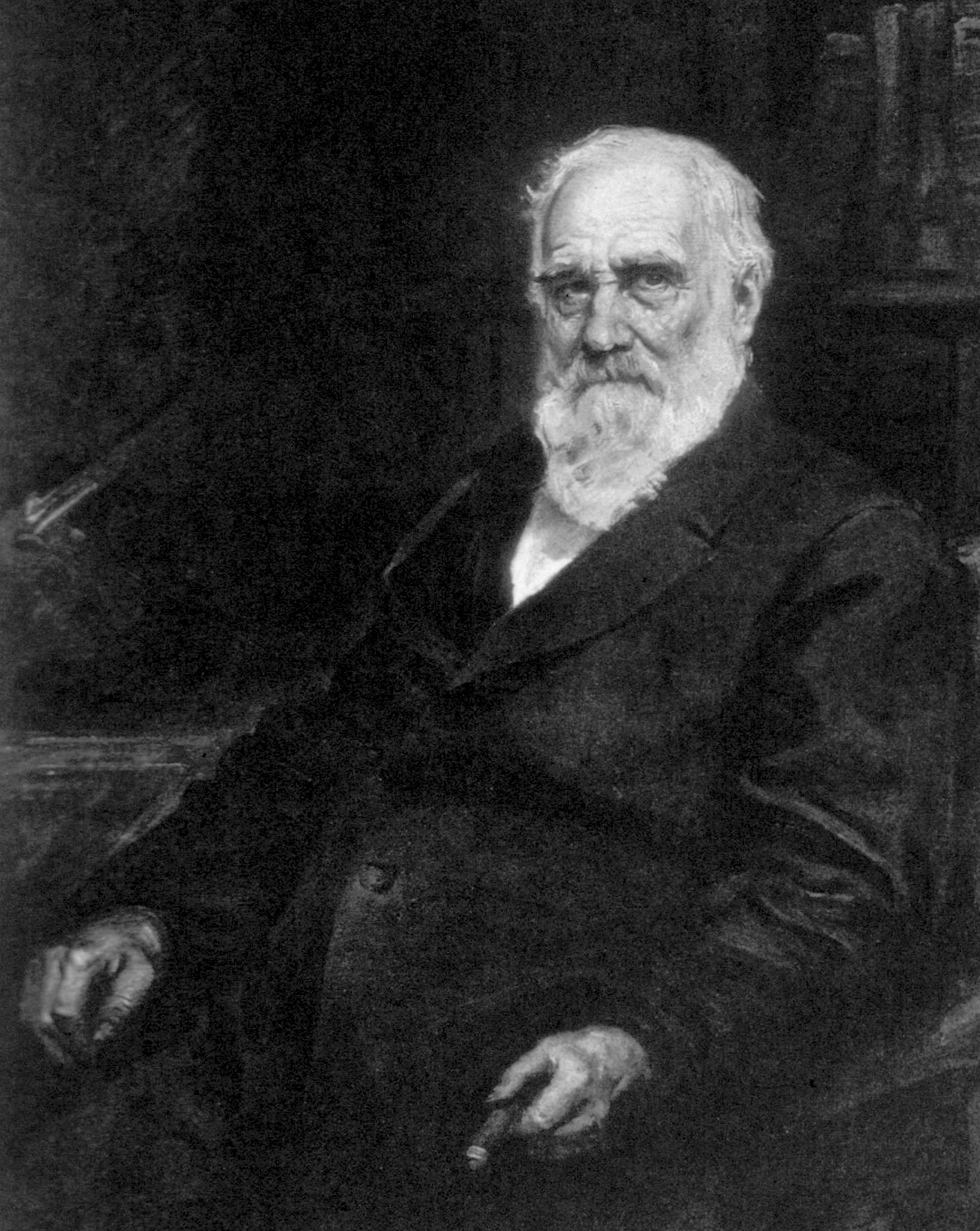
1862 CE–1863 CE
#938
Untersuchungen über die Respiration.
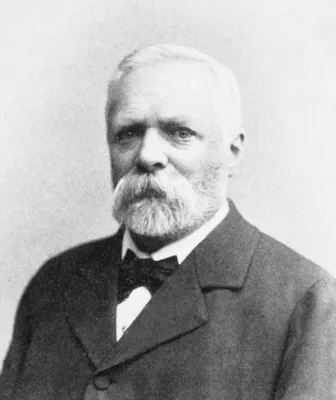
The first combined feeding–respiration experiments. Pettenkofer and Voit devised an apparatus for their important experiments on respiration and metabolism. They were first to estimate the amounts of protein, fa…
1866 CE
#939
Zur Gasometrie des Blutes.
Pflüger showed that respiratory changes take place in the tissues.
1868 CE
#940
Ueber die Ursache der Athembewegungen, sowie der Dyspnoë und Apnoë.
Pflüger investigated the cause of the initiation of respiration in newborn animals. English translation in No. 1588.16.
1868 CE
#941
Die Selbststeuerung der Athmung durch den Nervus vagus.
1868 CE
#942
Die Selbststeuerung der Athmung durch den Nervus vagus.
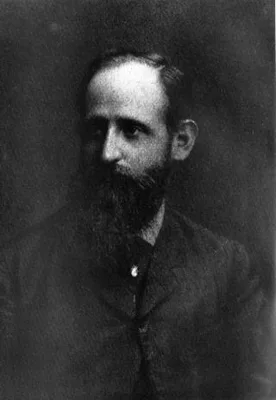
“Hering-Breuer reflex”; see also the previous entry. English translation of both papers in R. Porter (ed.), Hering–Breuer Centenary Symposium, London, Churchill, 1970. Digital facsimile of the 1868 e…
1871 CE
#943
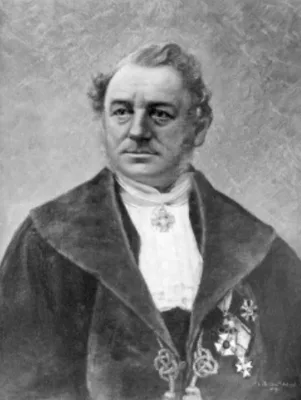
Der Kehlkopf des Menschen.
1878 CE
#944
La pression barométrique. Recherches de physiologie expérimentale.
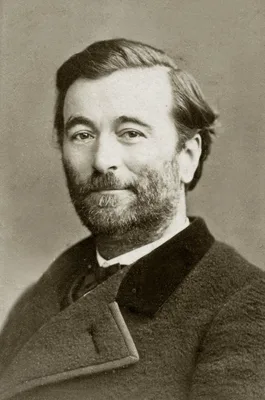
The most famous work in the history of altitude physiology, in which Bert proved that the principal symptoms of altitude sickness arise from reduced partial pressure of oxygen and not from diminution of total pressure…
1879 CE–1880 CE
#945
On the respiratory function of the internal intercostal muscles.
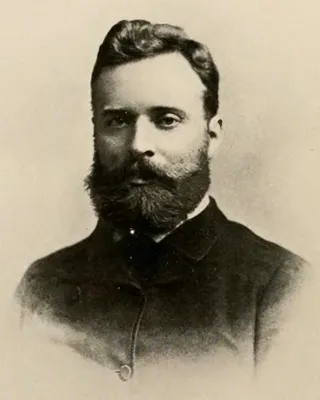
The important work of Martin and Hartwell on the intercostal muscles settled the controversy regarding their function.
1882 CE–1892 CE
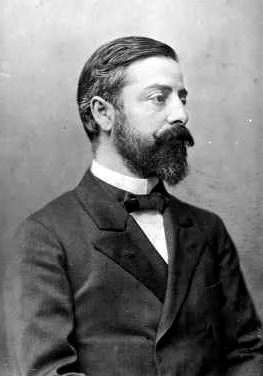
#946
Normale und pathologische Anatomie der Nasenhöhle und ihrer pneumatischen Anhänge.
1889 CE
#947
On the regulation of respiration.
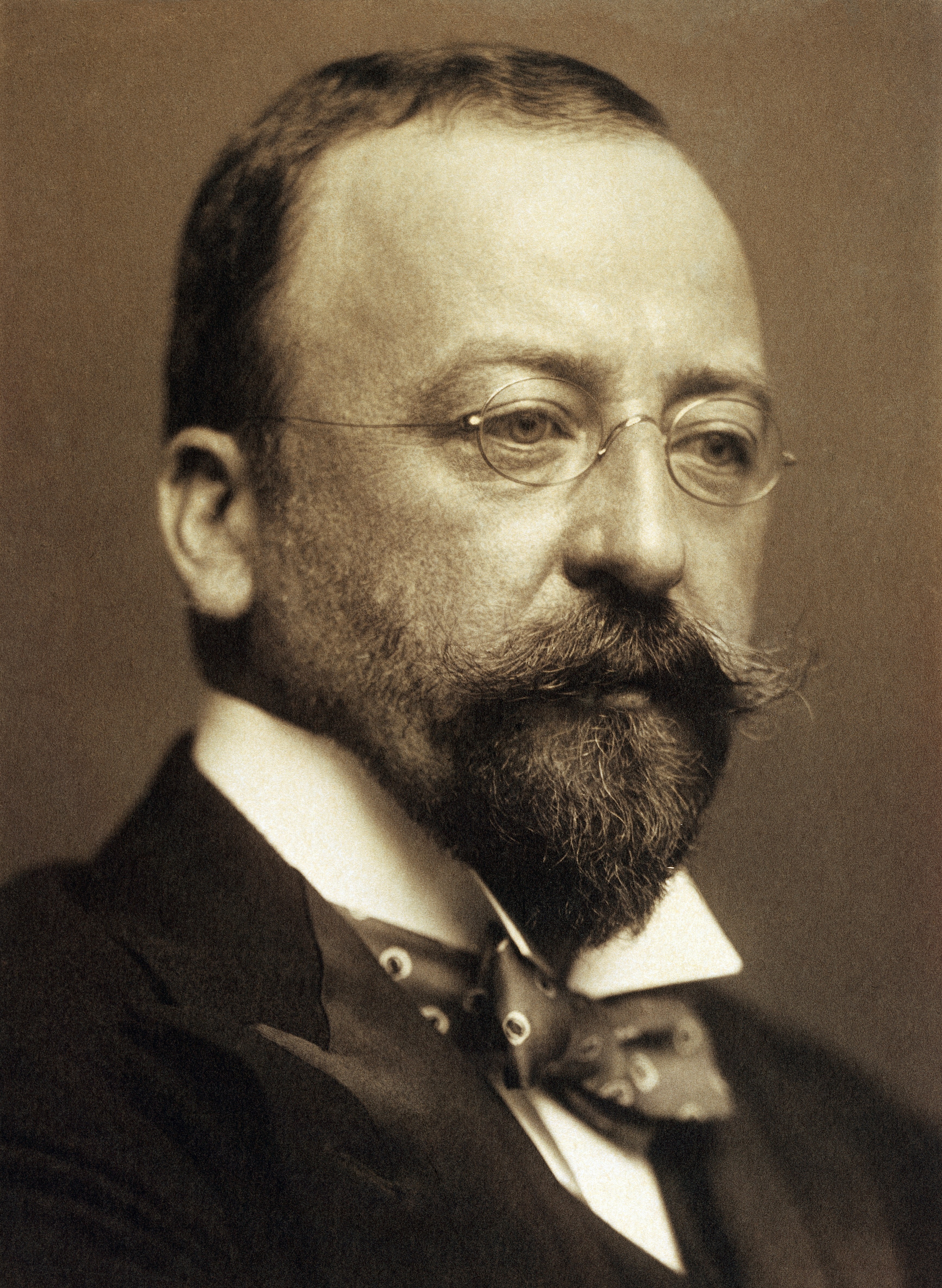
Demonstration of the action of the vagus in respiration.
1894 CE
#949
Neue Versuche zur Bestimmung der Sauerstoffcapacität des Blutfarbstoffs.
Hüfner showed that 1 gm. hemoglobin combines with 1.34 cc oxygen.
1897 CE
#950
Fisiologia dell’uomo sulle Alpi. Studii fatti sul Monte Rosa.
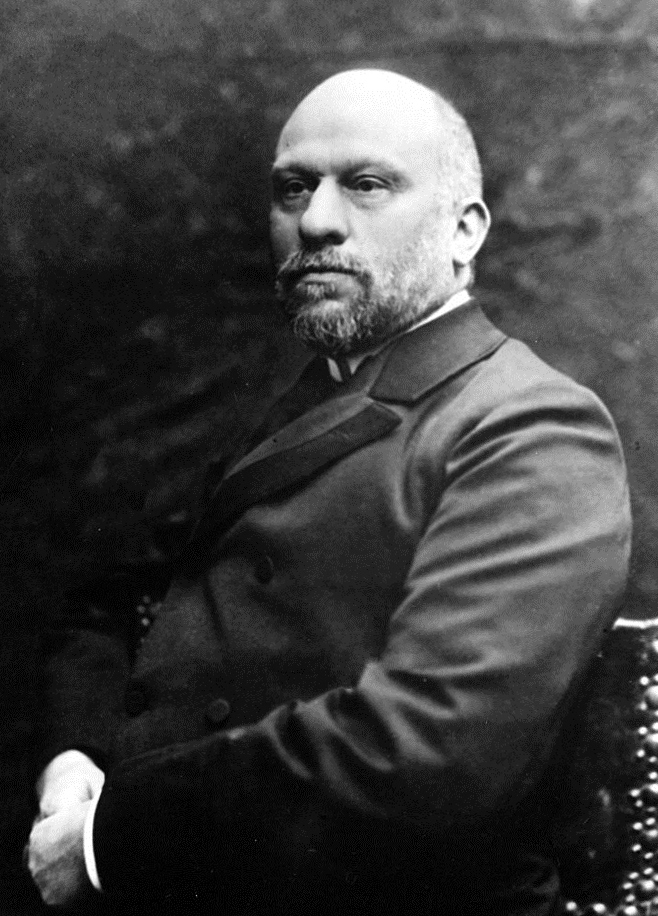
Mosso made important investigations on respiration at high altitudes. He considered that the respiratory symptoms produced at high altitudes were due to lack of carbon dioxide. English translation, London, 1898.
1898 CE
#951
A contribution to the chemistry of haemoglobin and its immediate derivatives.
Potassium ferricyanide method for the determination of oxygen in oxyhemoglobin.