
Entry Nos. 4300–4399
100 Garrison-Morton entries in this range.
1883 CE–1884 CE
#2229
Lehrbuch der speciellen Pathologie und Therapie der inneren Krankheiten. 2 vols.
Strümpell gave an excellent description of ankylosing spondylitis (“Strümpell’s disease”, the “spondylose rhizomélique” of Pierre Marie, No. 4368) on p. 152 of his Lehrbu…
1829 CE–1833 CE
#2288
Traité d’anatomie pathologique. 2 vols. and atlas.
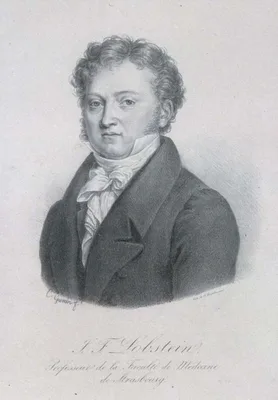
Includes a historical review of the subject from the time of the Ancient Egyptians to Corvisart, and a summary of the advances in pathology during the preceding 50 years. Vol. 2, pp. 553-600 deals with diseases of the…
1705 CE
#4300
L’art de guérir les maladies des os. Ou l'on traite des luxations & des fractures, avec les instrumens necessaires & une machine de nouvelle invention pour les reduire: ensemble des exostoses & des caries, des anchyloses, des maladies des dents, & de la charte ou rachitis, maladie ordinaire aux enfans.
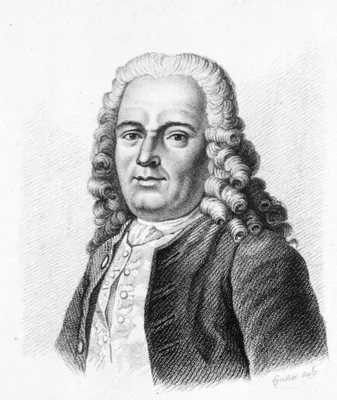
Petit was the first director of the Académie de Chirurgie, Paris. He is particularly remembered for his work on bone diseases. He invented the screw tourniquet, gave the first account of osteomalacia, and was f…
1741 CE
#4301
L’orthopédie ou l’art de prévenir et de corriger dans les enfans, les difformités du corps. 2 vols.
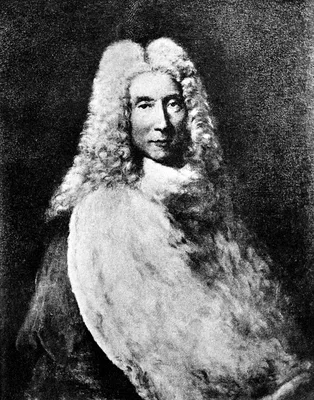
The first book specifically on orthopedics, which term Andry himself introduced. He advised attention to proper posture in the prevention and correction of spinal curvature; he had a practical knowledge of body mechan…
1744 CE
#4302
De iis, qui ex tuberculis gibberosi fiunt.
Platner affirmed the tuberculous nature of humpback, which had earlier been surmised by Hippocrates and confirmed by Galen.
1779 CE
#4303
Dissertation sur les effets du mouvement et du repos dans les maladies chirurgicales.
Includes a description of Pott’s disease, with post-mortem findings, better than Pott’s own account. This is an important early work on the effect of movement and of rest in the treatment of joint conditio…
1779 CE
#4304
Remarks on that kind of palsy of the lower limbs, which is frequently found to accompany a curvature of the spine.
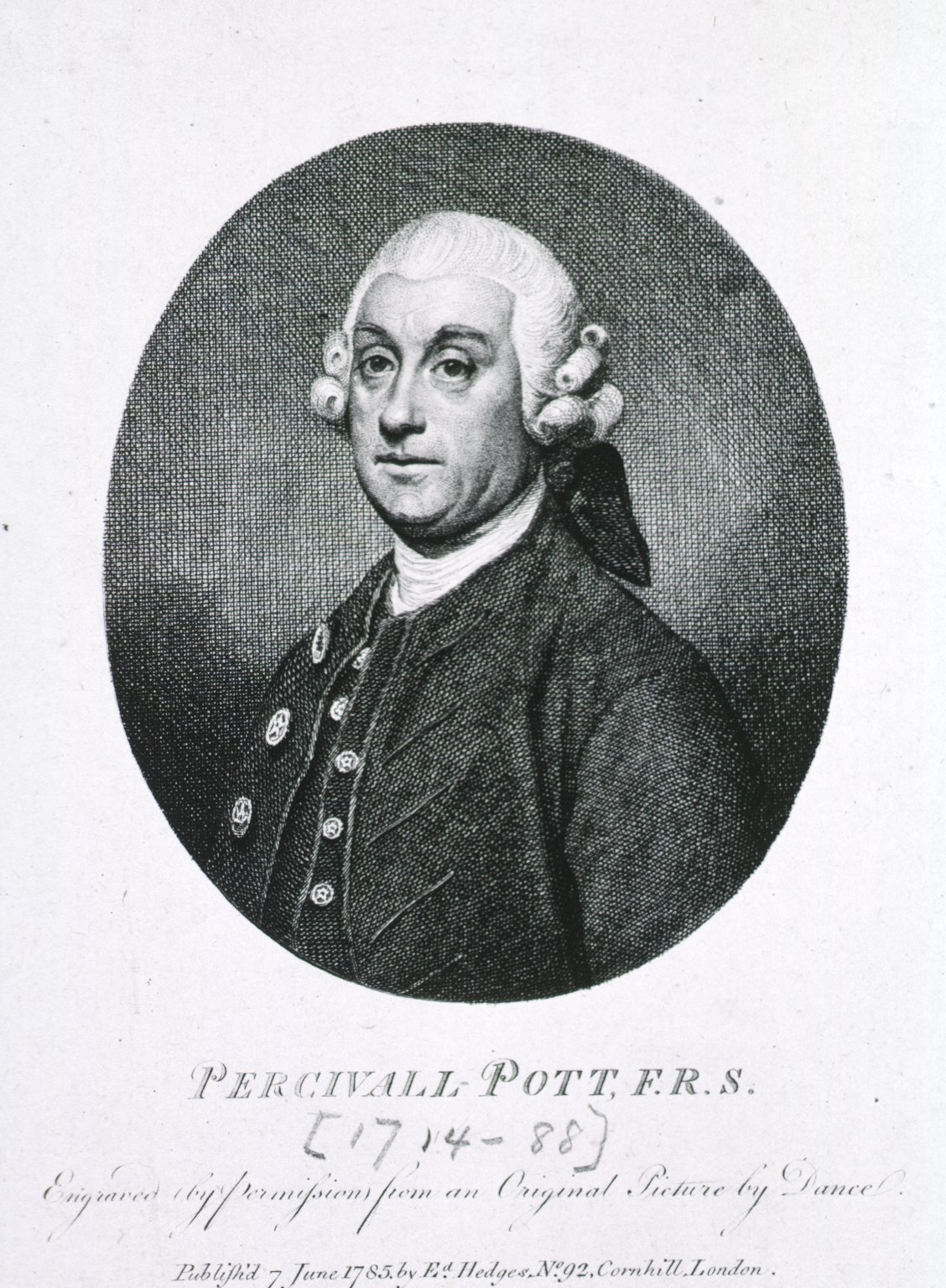
“Pott’s disease”. Percival Pott, surgeon to St. Bartholomew’s Hospital for more than 40 years, left a classic description of spinal curvature due to tuberculous caries and causing paralysis of …
1788 CE
#4305
Description de plusieurs nouveaux moyens mécaniques propres à prevénir, borner et même corriger dans certains cas les courbures latérales et la torsion de l’épine du dos.
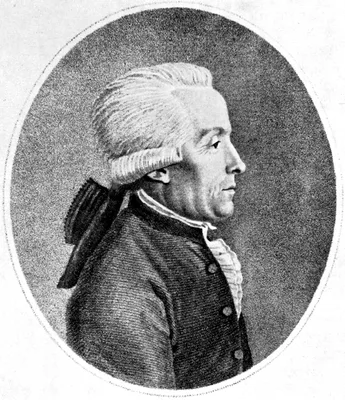
Venel stressed the necessity for prolonged periods of recumbency, rather than exercise, in the correction of spinal curvature. He invented a corset and extension bed for treating spinal deformities. His extension bed …
1791 CE
#4306
Abbildungen und Beschreibungen einiger Misgeburten.
Achondroplasia is first described on page 30 and pictured on plate 11. English translation in No. 2241.
1794 CE
#4307
A practical essay on a certain disease of the bones termed necrosis.
One of the first attempts at a complete and detailed description of necrosis. Russell was the first Professor of Clinical Surgery at Edinburgh.
1803 CE
#4308
Memoria chirurgica sui piedi torti congenita dei fanciulli.
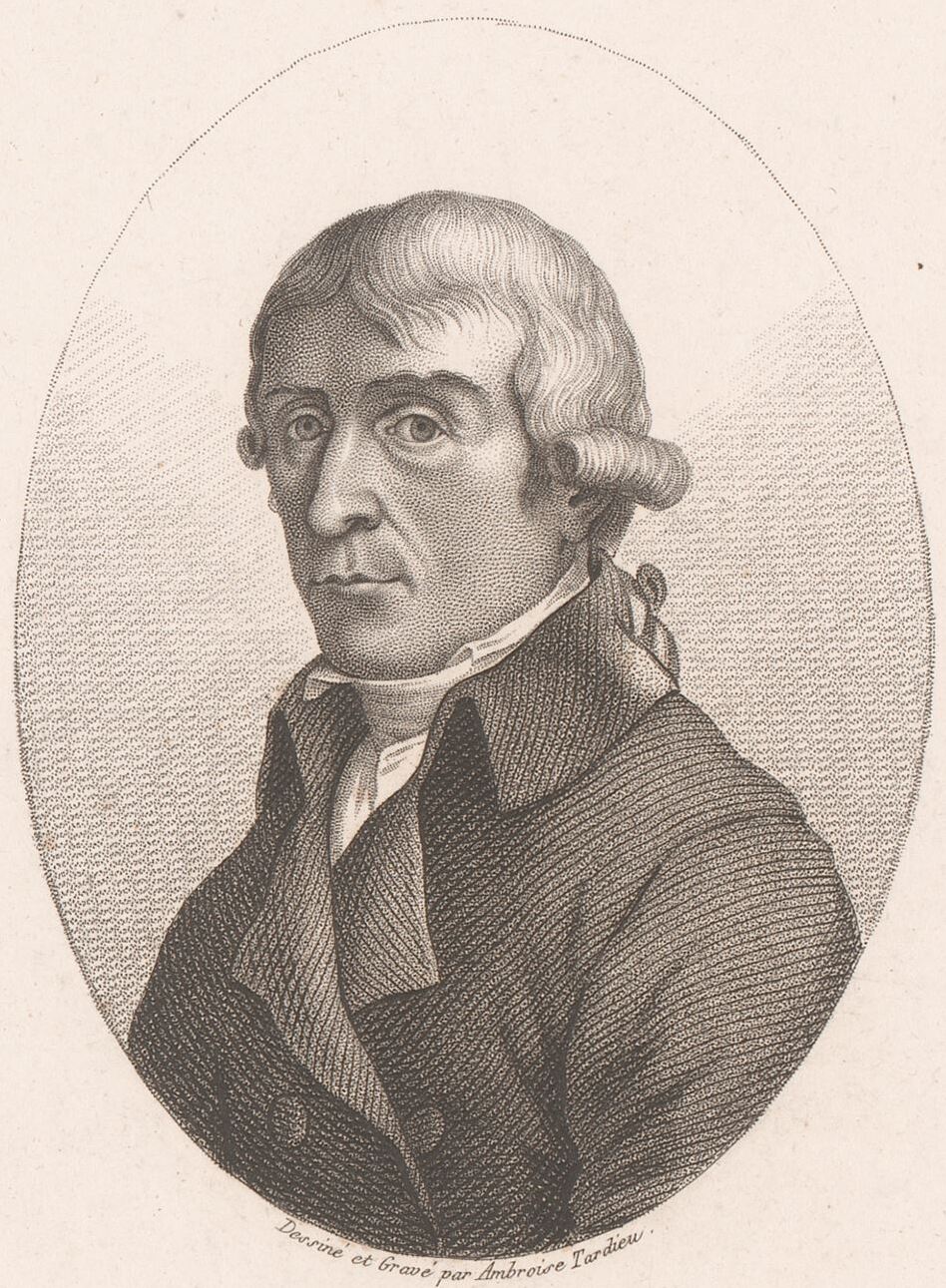
First accurate description of the pathological anatomy of congenital club-foot. English translation, Edinburgh, 1818.
1813 CE
#4309
An account of a successful method of treating diseases of the spine.
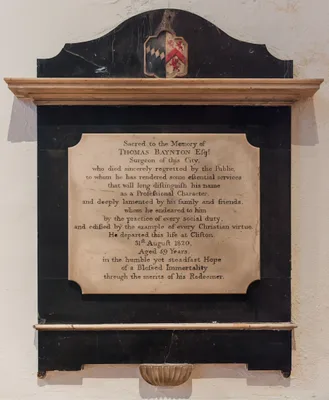
By his advocacy of absolute rest in the horizontal position without the aid of caustics and setons, Baynton can be said to have introduced the modern treatment of spinal caries in England. The book is dedicated to Edw…
1817 CE
#4310
De rachitide congenita.
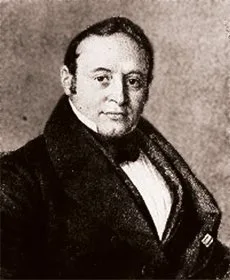
Classic description of achondroplasia. Romberg’s graduation thesis. English translation (Sydenham Society), 1853.
1818 CE
#4311
Pathological and surgical observations on the diseases of the joints.
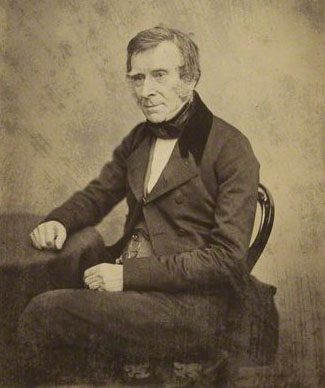
Brodie’s best work. It includes his description of hysterical pseudo-fracture of the spine and the first clinical description of ankylosing spondylitis. The fifth edition, 1850, gives (p. 77) a description of &l…
1823 CE–1828 CE
#4312
Chirurgie clinique de Montpellier. 2 vols.
Delpech's work includes the first account of rhinoplasty in France. On 4 June 1823, Delpech performed the first of six cases of rhinoplasty by the Indian forehead flap method, and one (unsuccessful) with a flap from t…
1827 CE
#4313
Observations on the pathology and treatment of necrosis.
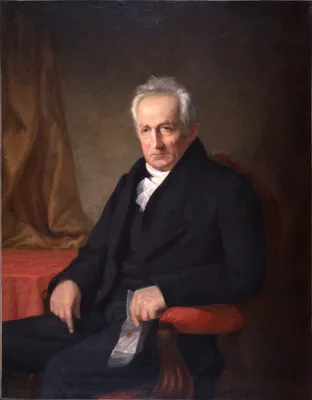
Classic early account of osteomyelitis. Smith trephined for bone necrosis. Reproduced in Med. Classics, 1937, 1, 820-38.
1828 CE
#4314
On trephining the tibia.
“Brodie’s abscess”. The patient was first seen in 1824. Brodie published an account of some further cases in Med.-chir. Trans., 1832, 17, 239-49, which paper is reprinted in Med. Classics, 1938, 2, 9…
1828 CE
#4315
De l’orthomorphie. 2 vols. and atlas.
Delpech, Professor of Surgery at Montpellier, published a comprehensive treatise on deformities of the bones and joints. He established the tuberculous nature of Pott’s disease. Delpech did more than any other m…
1830 CE
#4316
Some remarks on morbus coxarius, with an account of Dr. P. S. Physick’s method of treating this disease.
Randolph was the son-in-law of Philip Syng Physick. Physick’s method “consisted in the application of a carved splint, which would keep the limb strictly at rest, and prevent the least possible motion of t…
1831 CE
#4317
De la rétraction des doigts par suite d’une affection de l’aponévrose palmaire, opération chirurgicale qui convient dans ce cas.
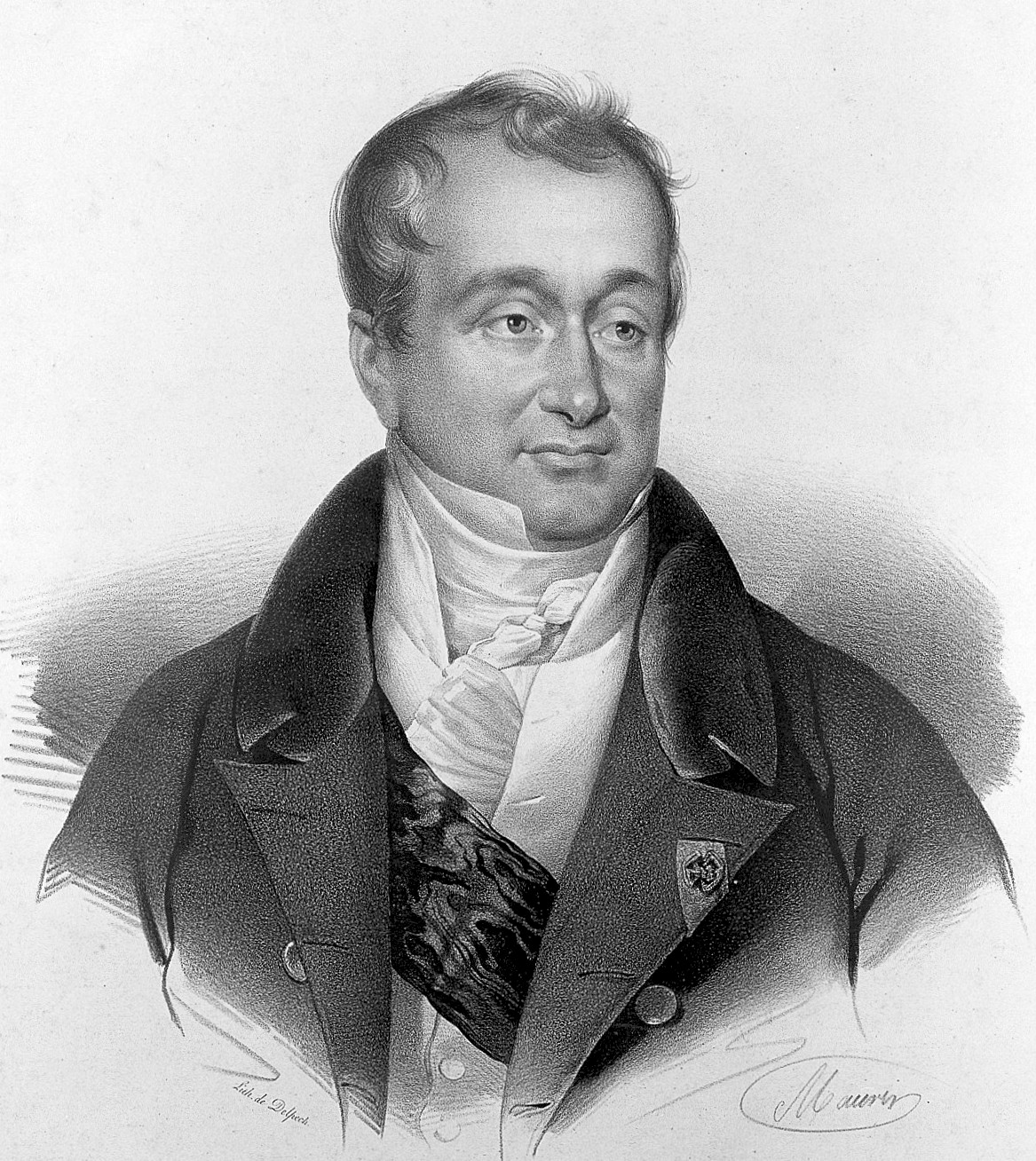
Dupuytren devised an operation for the treatment of contracture of the palmar fascia (“Dupuytren’s contracture”). Reprinted, with translation, in Med. Classics, 1939, 4, 127-50. The condition was fir…
1834 CE
#4319
Aufsätze und Abhandlungen aus dem Gebiete der Medizin, Chirurgie und Staatsarzneikunde. 1, 196.
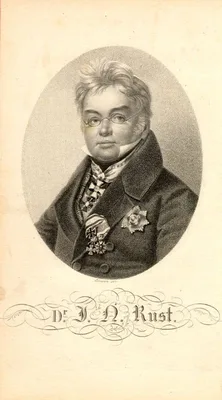
First description of “Rust’s disease” – tuberculous spondylitis of the cervical vertebrae.
1833 CE
#4320
Die Durchschneidung der Achillessehne, als Heilmethode des Klumpfusses, durch zwei Fälle erläutert.
Successful tenotomy for clubfoot established the reputation of Stromeyer as an orthopedic surgeon.
1838 CE
#4321
Beiträge zur operativen Orthopädik.
Stromeyer is the founder of modern surgery of the locomotor system. He advocated and practised subcutaneous tenotomy for all deformities of the body arising from muscular defects.
1839 CE
#4322
Leçons orales de clinique chirurgicale. 2me. éd. Tom. 3.
Pp. 455-61: Dupuytren was the first to treat wry neck by subcutaneous section of the sternomastoid muscle. This he did on 16 Jan, 1822. The operation was first reported in C. Averill: Short treatise on operative surge…
1841 CE
#4323
Ueber die Durchschneidung der Sehnen und Muskeln.
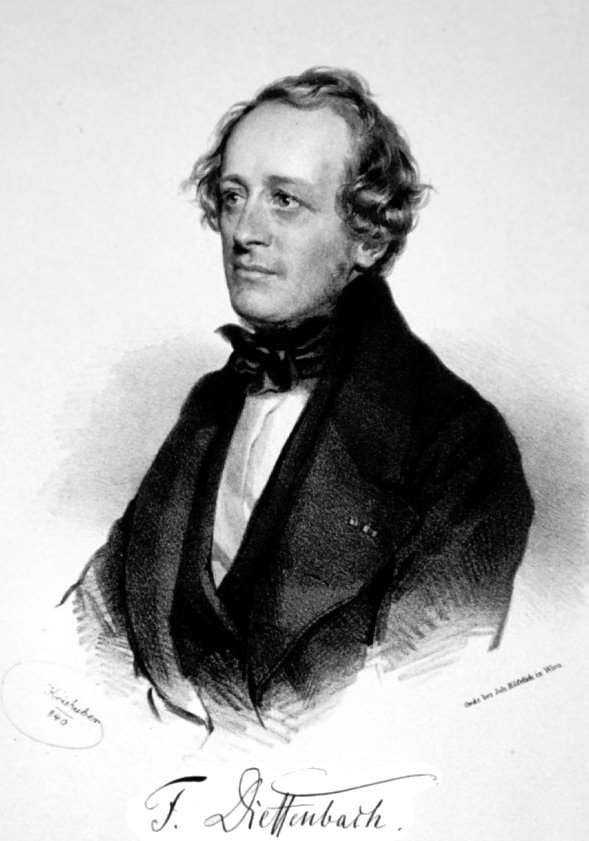
Report on 140 cases of tenotomy for treatment of club-foot.
1845 CE
#4324
The knee-joint anchylosed at a right angle – restored nearly to a straight position after the excision of a wedge-shaped portion of bone, consisting of the patella, condyles and articular surface of the tibia.
Buck’s operation, “one of the more spectacular surgical feats by an American surgeon in the first half of the nineteenth century” (Rutkow). The paper is reprinted in Med. Classics, 1939, 3, 791-99.
1845 CE
#4325
A treatise on corns, bunions, the diseases of nails, and the general management of the feet.
Durlacher, surgeon chiropodist to Queen Victoria, gave the first description of anterior metatarsalgia (p. 52), to which the name “Morton’s metatarsalgia” has been given (see No. 4341). Digital facsi…
1848 CE
#4326
On a new substance occurring in the urine of a patient with mollities ossium.
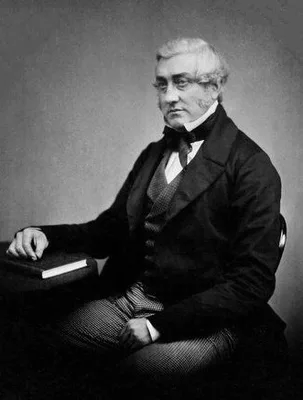
Bence Jones described the myelopathic albumosuria (Bence Jones proteinuria) seen in Macintyre’s patient (No. 4327). Preliminary notes in Lancet, 1847, 2, 88, and Proc. roy. Soc. Lond., 1847, 5, 673.
1850 CE
#4327
Case of mollities and fragilitas ossium.
Multiple myeloma first described.
1852 CE
#4328
Nieuwe wijze van aanwending van het gips-verband bij beenbreuken. Eene bijdrage tot de militaire chirurgie.
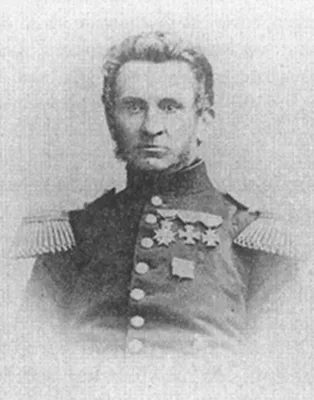
Introduction of the modern plaster of Paris bandage. Two different French translations of the above work were published in journals in 1852-53. In 1854 Mathijsen published two separate expanded French versions, of whi…
1853 CE
#4329
On the nature and treatment of the deformities of the human frame.
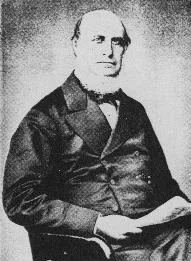
Little was the first eminent orthopedic surgeon in the British Isles. He studied under Stromeyer and, in 1838, he founded the Orthopaedic Institution, now the (Royal) National Orthopaedic Hospital, London. The above w…
1855 CE
#4330
Zur Pathologie des menschlichen Fusses.

First description of osteoperiostitis of the metatarsal bones, named “Busquet’s disease” after the latter’s description of it in Rev. Chir. (Paris), 1897, 17, 1065.
1855 CE
#4331
Exsection of the head of the femur and removal of the upper rim of the acetabulum, for morbus coxarius, with perfect recovery.
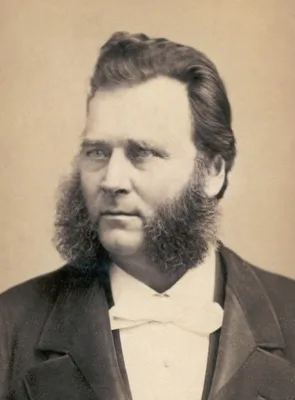
Resection of the hip for ankylosis.
1863 CE
#4332
Hochgradige Dislocation der Scapula.
First description of congenital high-scapula “Sprengel’s deformity”; see also No. 4359.
1863 CE
#4333
Contractur des Metatarsus.
Congenital metatarsus varus described.
1864 CE
#4334
Lectures on orthopaedic surgery.
Before emigrating to America, Bauer studied under Stromeyer. Hugh Owen Thomas considered him “the first exponent of American orthopaedics”. This is the first comprehensive American textbook of orthopedics.…
1864 CE
#4335
Ueber einen Fall von cystoider Entartung des ganzen Skelettes.
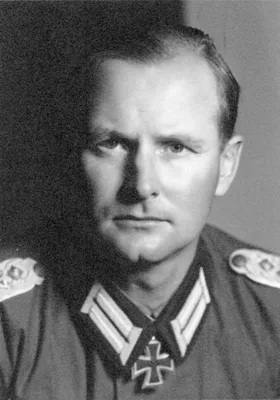
First description of osteitis fibrosa cystica – hyperparathyroid bone disease, also known as “von Recklinghausen’s disease of bone”.
1865 CE
#4336
A description of the diseased conditions of the knee-joint which require amputation of the limb, and those conditions which are favourable to excision of the joint.
A valuable contribution to the knowledge and surgical treatment of diseases of the knee-joint.
1868 CE
#4337
Sur quelques arthropathies qui paraissent dépendre d’une lésion du cerveau ou de la moëlle épinière.
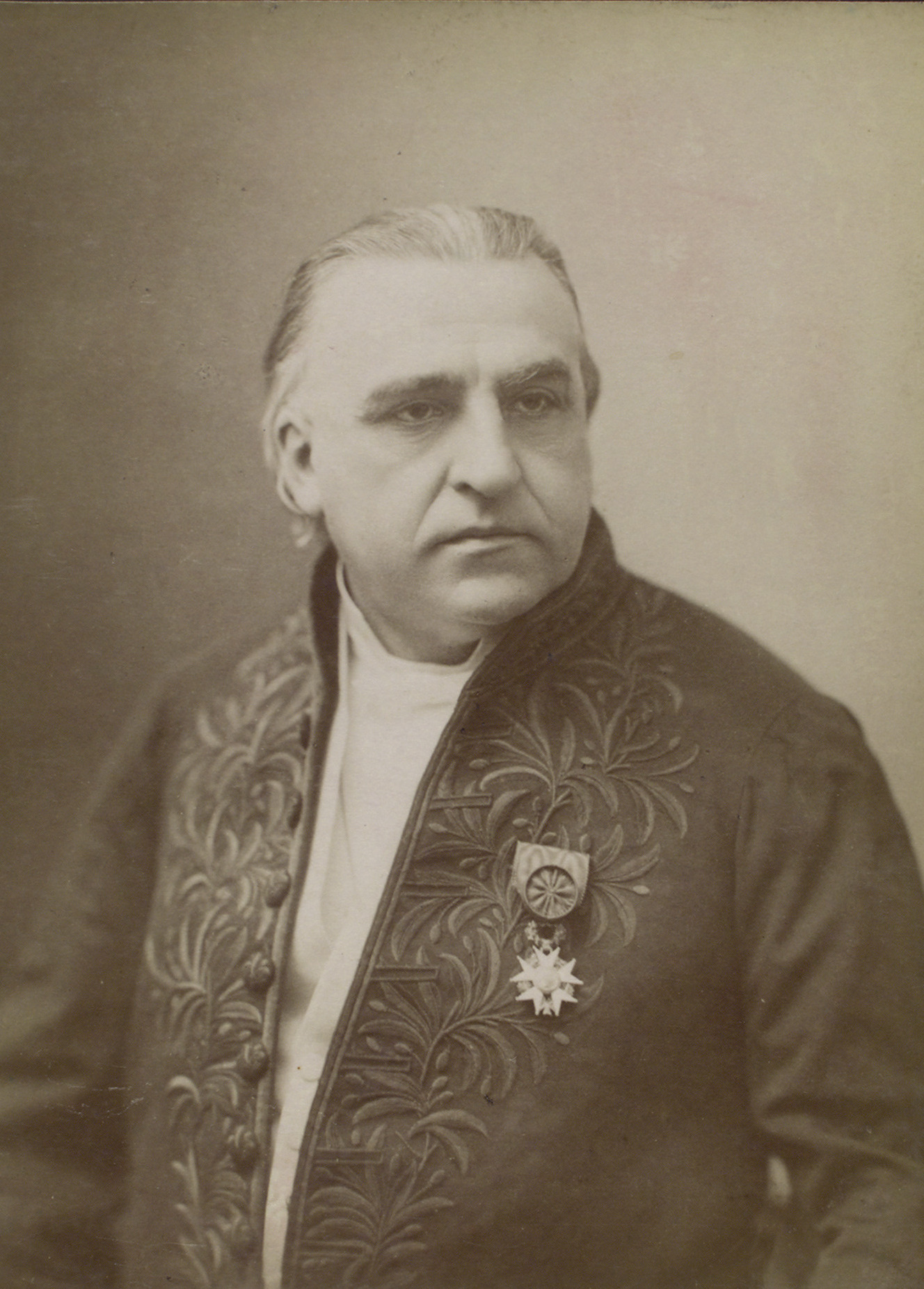
Charcot called attention to tabetic arthropathy, a condition which has since borne his name, while the tabetic joints he so well described are now known as “Charcot’s joints”.
1868 CE–1869 CE
#4338
Case of osteoporosis, or spongy hypertrophy of the bones (calvaria, clavicle, os femoris, and rib).
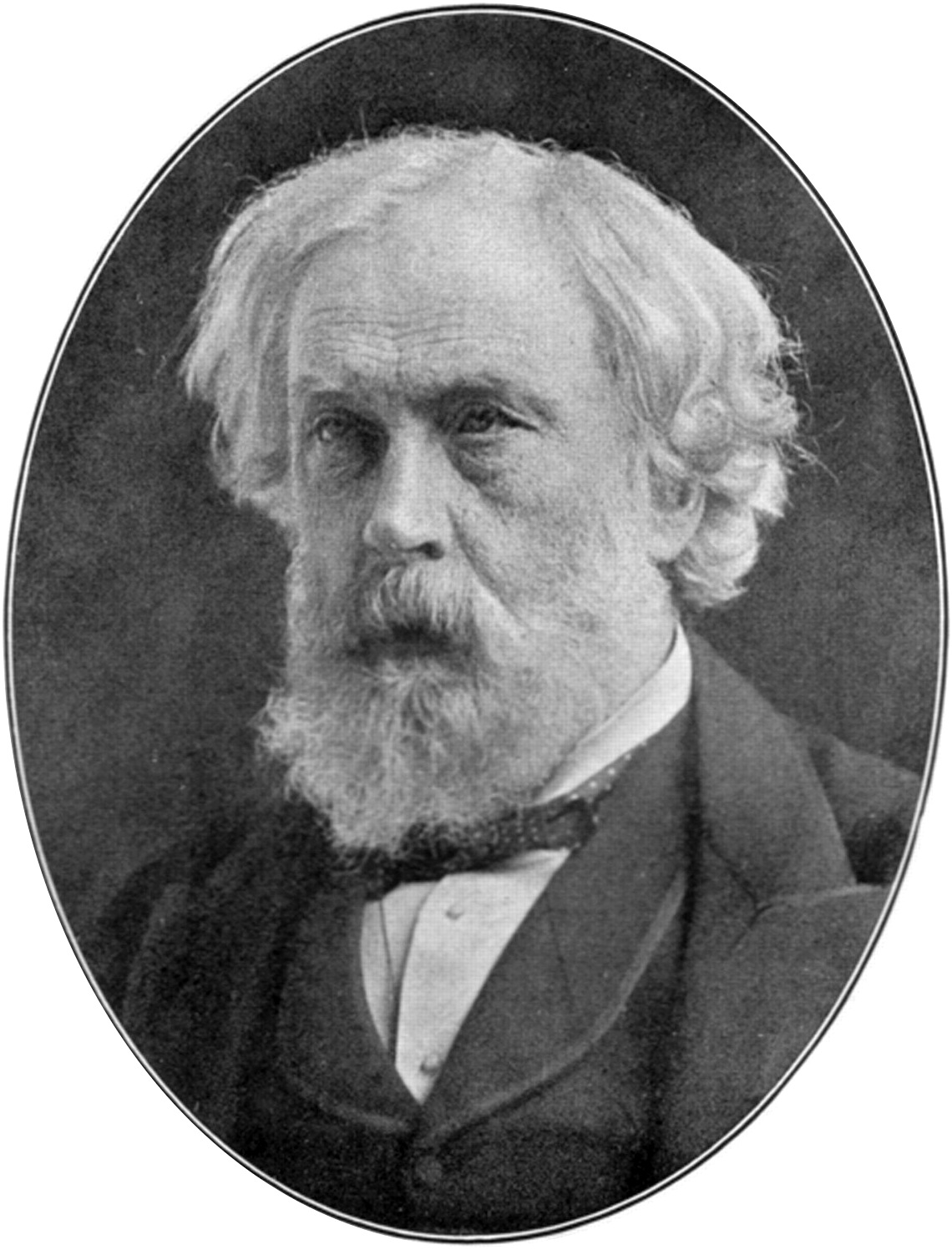
A classic account of osteitis deformans. Wilks was associated with Guy’s Hospital all his life. A kindly, charming man, he was described by Osler as one of the handsomest men in London in his time, even until th…
1870 CE
#4339
Ueber hereditäre Knochensyphilis bei jungen Kindern.
“Wegner’s disease” – osteochondritic separation of the epiphyses in congenital syphilis.
1875 CE
#4340
Diseases of the hip, knee and ankle joints, with their deformities, treated by a new and efficient method.
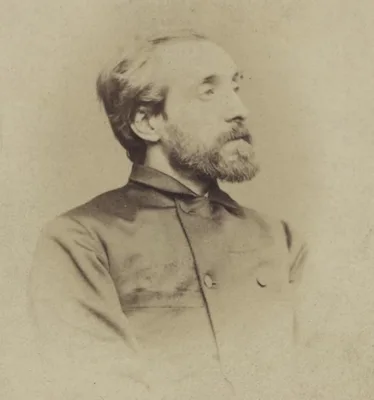
Thomas splint. Enlarged second edition, 1876. See No. 4348.
1876 CE
#4341
A peculiar and painful affection of the fourth metatarso-phalangeal articulation.
First complete description of anterior metatarsalgia (“Morton’s disease”). See also No. 4325.
1877 CE
#4342
On the formation of synovial cysts in the leg in connection with disease of the knee joint.
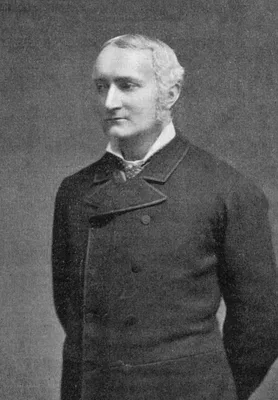
“Baker’s cysts” of the knee-joint. Reprinted in Med. Classics, 1941, 5, 785-820.
1877 CE
#4343
On a form of chronic inflammation of bones (osteitis deformans).
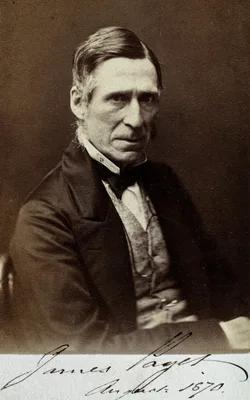
Paget was at one time Sergeant Surgeon to Queen Victoria. His classic description of osteitis deformans led that condition to be called “Paget’s disease”. Reprinted in Med. Classics, 1936, 1, 29-71.
1876 CE
#4344
Report on Pott’s disease, or caries of the spine; treated by extension, and the plaster of Paris bandage.
Sayre was the first to use plaster of Paris as a support for the spinal column in scoliosis and Pott’s disease. His name is eponymically linked with Sayre’s jacket, a plaster of Paris jacket applied while …
1878 CE
#4345
Die spontane Subluxation der Hand nach vorne.
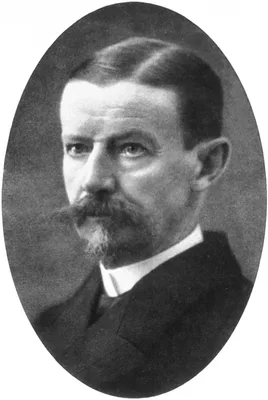
“Madelung’s deformity” of the wrist. Madelung regarded the condition as a defect of growth of the wrist joint.
1879 CE
#4346
Sarcoma of the long bones; based upon a study of one hundred and sixty-five cases.
First comprehensive work on bone sarcoma.
1882 CE
#4347
Einige Fälle von kunstlicher Ankylosenbildung an paralytischen Gliedmassen.
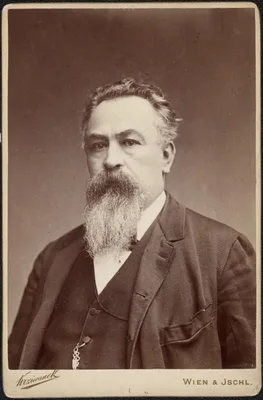
Albert introduced the concept of joint arthrodesis into orthopedic surgery. This is the first description of arthrodesis of an ankle for paralytic foot. English translation in Bick, Classics of orthopaedics, 52-54.
1883 CE–1890 CE
#4348
Contributions to surgery and medicine. 8 pts.
Thomas was the veritable founder of modern orthopedics in the British Isles. The conservative methods introduced by him were developed by Sir Robert Jones. Thomas is remembered eponymically by the “Thomas splint…