
Entry Nos. 500–599
95 Garrison-Morton entries in this range.
1908 CE–1952 CE
#18
The works of Aristotle translated into English. Edited by J.A. Smith and W.D. Ross. 12 vols.
De motu animalium. De incessu animalium. In his Works, edited by J.A. Smith and W.D. Ross, 5, 698a-714b., Oxford, 1912. De Anima. In his Works… translated into English. Edited by J. A. Smith and W. D. Ross. 3, …
1880 CE–1881 CE
#500
A treatise on comparative embryology. 2 vols.
This work sums up all the previous knowledge on the subject, and includes Balfour’s own significant contributions. Balfour, a pupil of Michael Foster, became professor of animal morphology in 1882; in the same y…
1880 CE–1885 CE
#501
Anatomie menschlicher Embryonen. 3 pts. and atlas.
A systematic account of early human embryology that stimulated further investigation in a field in which His stood highest among his contemporaries. He was the first to study the human embryo as a whole.
1881 CE
#502
Die Coelomtheorie. Versuch einer Erklärung des mittleren Keimblattes.
The Hertwig brothers formulated the “coelom” theory to account for the classification and phylogeny of metazoan animals. Digital facsimile from the Internet Archive at this link.
1883 CE
#503
Untersuchungen über Bastardirung der anuren Batrachier und die Principien der Zeugung.

Pflüger was one of the earliest workers in the field of experimental embryology. Above, his first work on the subject, deals with the cross fertilization of different species of frog.
1886 CE
#504
Lehrbuch der Entwicklungsgeschichte des Menschen und der Wirbelthiere.
1888 CE
#505
Beiträge zur Entwickelungsmechanik des Embryo. Ueber die künstliche Hervorbringung halber Embryonen durch Zerstörung einer der beiden ersten Furchungskugeln, sowie über die Nachentwickelung (Postgeneration) der fehlenden Körperhalfte.
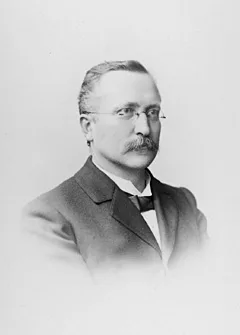
Roux is regarded as the founder of developmental mechanics (“Entwicklungsmechanik” as he named it). His work on the production of half-embryos initiated a turning point by shifting emphasis from descriptiv…
1889 CE
#506
Uterus and embryo.
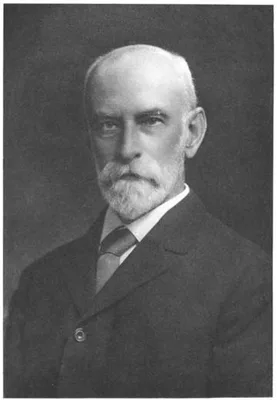
1891 CE
#507
A theory of the structure of the placenta.
1892 CE
#509
Entwicklungsmechanische Studien. I. Der Werth der beiden ersten Furchungszellen in der Echinodermentwicklung. Experimentelle Erzeugen von Theil-und Doppelbildung. II. Ueber die Beziehungen des Lichtes zur ersten Etappe der thierischen Formbildung.
In the spring of 1891 Driesch succeeded in separating the blastomeres of the cleaving sea urchin egg. English translation in No. 534.3.
1892 CE
#510
The cell-lineage of Nereis.
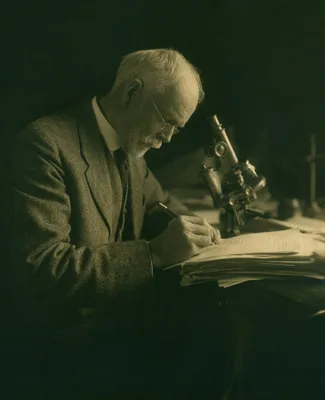
Wilson traced the development of Nereis in minute detail from fertilized egg to the free-swimming larval stage, a pioneer study of cell-lineage.
1894 CE–1895 CE
#511
Ueber die Grenzen der Theilbarkeit der Eisubstanz.
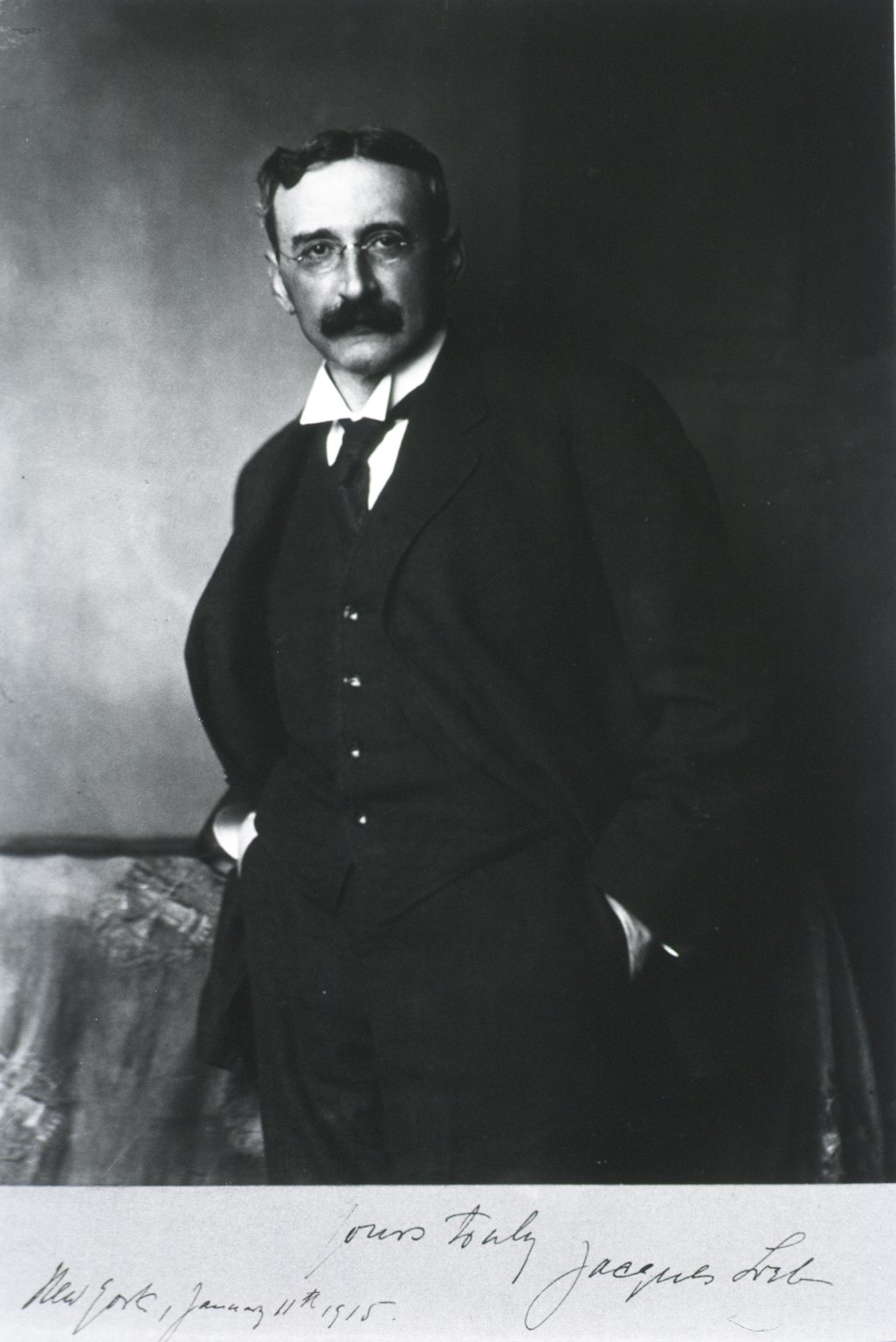
English translation in Loeb’s Studies in general physiology, Vol.l., Chicago, 1905.
1895 CE
#512
The embryology of the Unionidae. A study in cell-lineage.
1897 CE–1938 CE
#513
Normentafeln zur Entwicklungsgeschichte der Wirbelthiere. 16 pts.
1897 CE
#514
The development of the frog's egg; an introduction to experimental embryology.
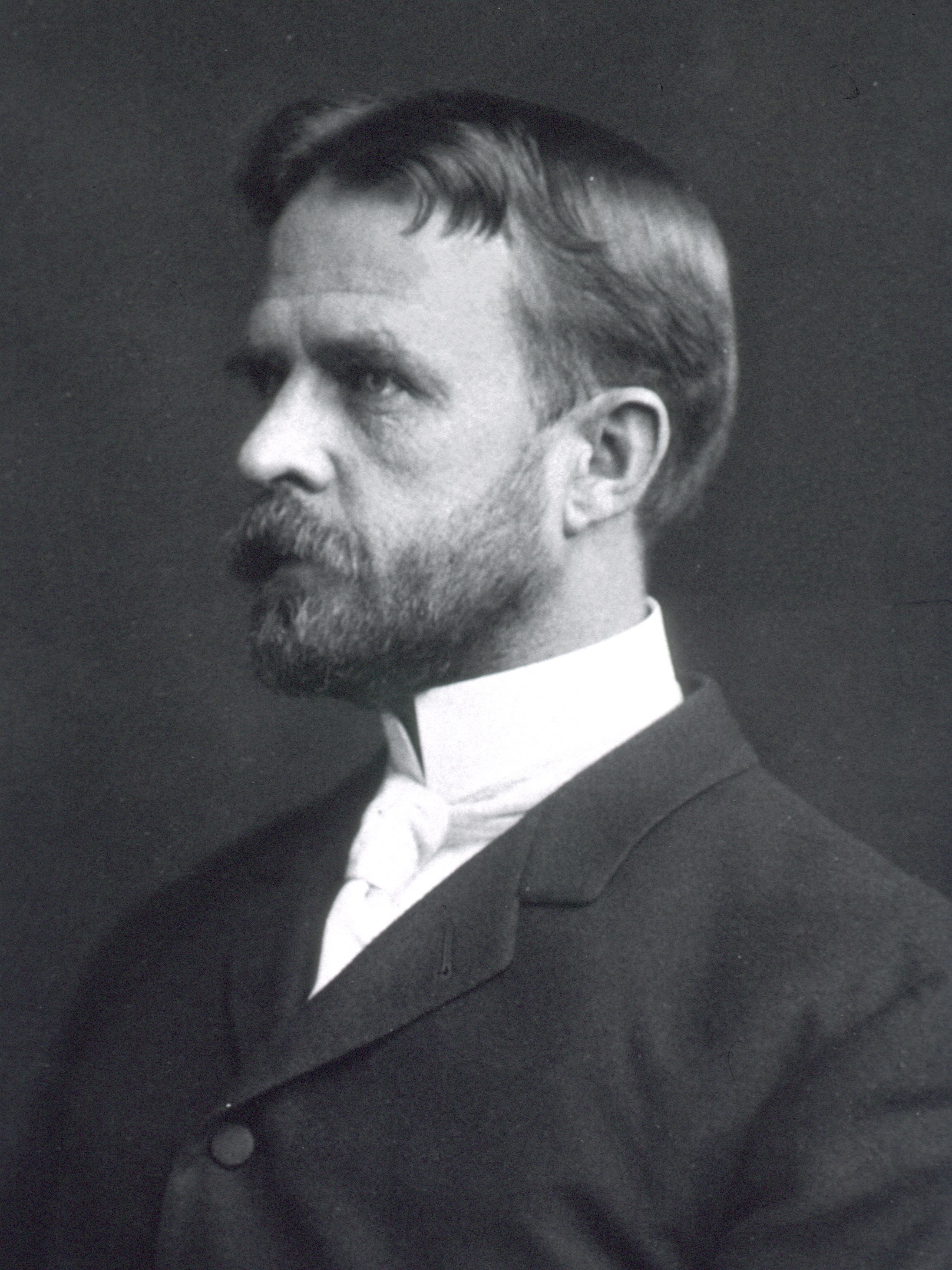
First work in English on experimental embryology.
1897 CE
#515
Die frühesten Differenzirungsvorgänge in Centralnervensystem.
1900 CE–1908 CE
#516
Contributions to the study of the pathology of early human embryos. 3 pts. : (1). A contribution to the study of the pathology of early human embryos. Welch Festschrift, Johns Hopkins Hospital Reports, IX (1900). (2). Second contribution to the study of the pathology of early human embryos. Contributions to medical research. Dedicated to Victor C. Vaughan. Ann Arbor (1903). (3). A study of the causes underlying the origin of human monsters. Third contribution to the study of the pathology of human embryos. Reprinted from Journal of morphology, 29, No. 1 (1908).
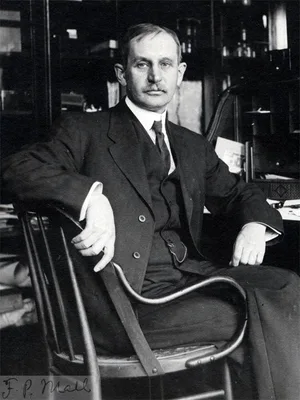
Part 3, with 365 pages and illustrations was the main work of this series. Mall began the introduction to the third part as follows: "The present communication is the outcome of a study of 163 pathological human embry…
1902 CE–1909 CE
#517
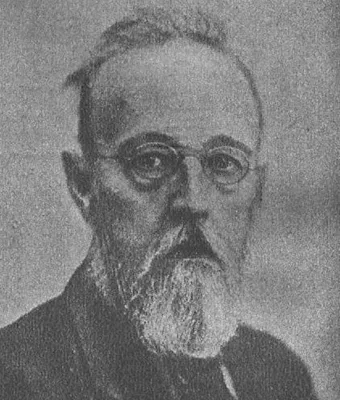
Lehrbuch der vergleichenden Entwicklungsgeschichte der wirbellosen Thiere.
1902 CE
#518
The accessory chromosome; sex determination.
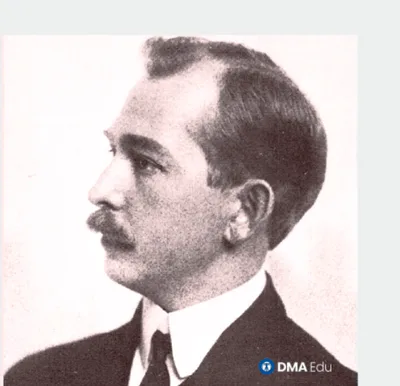
McClung showed that the accessory chromosomes are the determinants of sex.
1904 CE
#519
Experimental studies on germinal localisation.
1906 CE
#520
Handbuch der vergleichenden und experimentellen Entwicklungslehre der Wirbelthiere. 3 vols.
1907 CE
#521
Observations on the living developing nerve fiber.
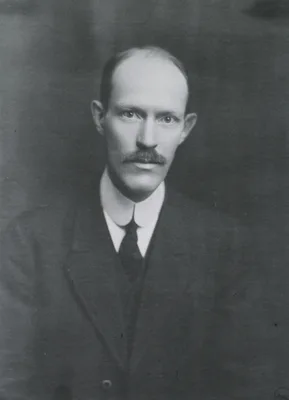
Harrison demonstrated the development of nerve fibres by independent growth from cells outside the organism.
1907 CE–1908 CE
#522
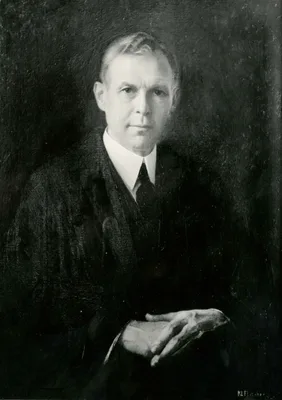
Experiments on the origin and differentiation of the optic vesicle in amphibia.
1908 CE
#523
Contributions to the study of the early development and imbedding of the human ovum. An early ovum imbedded in the decidua.
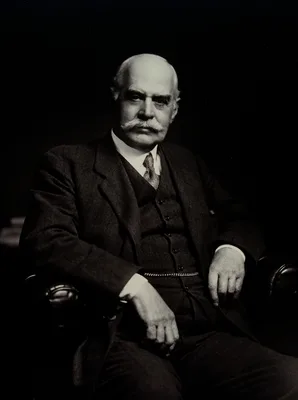
The “Bryce-Teacher ovum”, age estimated at 13-14 days.
1908 CE
#524
Ueber den chemischen Character des Befruchtungvorgangs.
1909 CE
#525
Die chemische Entwicklungserregung des tierischen Eies; künstiiche Parthenogenese.
Artificial parthenogenesis. For Loeb’s first paper on this subject see No. 515.1. Translated and revised in Loeb’s Artificial parthenogenesis and fertilization, 1913.
1910 CE–1912 CE
#526
Manual of human embryology. Written by Charles R. Bardeen, Madison, Wis.; Herbert M. Evans, Baltimore, Md.; Walter Felix, Zurich; Otto Grosser, Prague; Franz Keibel, Freiburg i. Br.; Frederic T. Lewis, Boston, Mass.; Warren H. Lewis, Baltimore, Md.; J. Playfair McMurrich, Toronto; Franklin P. Mall, Baltimore, Md.; Charles S. Minot, Boston, Mass.; Felix Pinkus, Berlin; Florence R. Sabin, Baltimore, Md; George L. Streeter, Ann Arbor, Mich.; Julius Tandler, Vienna; Emil Zuckerkandl, Vienna. Edited by Franz Keibel and Franklin P. Mall. 2 vols.
The important studies on human embryos, originated by His, were carried on by his pupils, Keibel and Mall. This classic work written by American and German experts “has not yet been superseded” (D.S.B., la…
1912 CE
#527
Terminologie der Entwicklungsmechanik.
1919 CE
#528
The elementary nervous system.
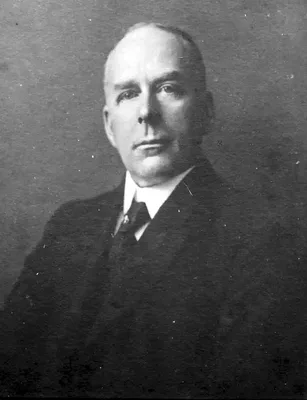
Important studies on the survival of primitive types of neuromuscular mechanism in some of the higher vertebrates.
1920 CE
#529
Mechanismus und Physiologie der Geschlechtsbestimmung.
Translated into English William J. Dakin as The Mechanism and Physiology of Sex Determination (London: Methuen & Co., 1923). Digital facsimile of the 1920 edition from Google Books at this link. Digital facsimile of t…
1924 CE
#530
Über Induktion von Embryonalanlagen durch Implantation artfremder Organisatoren.
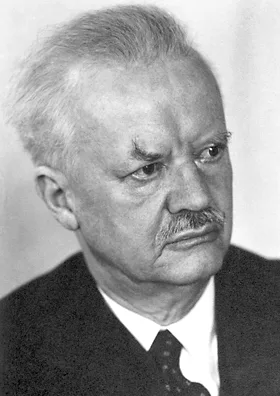
This was Hilde Mangold's thesis. Spemann designed the experiment, and Mangold performed the work, and was the co-discoverer of the "organizer," the chemical that directs the embryonic development of tissues and organs…
1931 CE
#531
Chemical embryology. 3 vols.
1942 CE
#532
Some aspects of early human development.
Report of the youngest normal implanted fertilized human ovum, fertilization age about 7 1/2 days. Hertig and Rock published a more detailed study in Contr. Embryol. Carneg. Instn. 1945, 31, 65-84.
1934 CE
#533
A history of embryology.
An exhaustive history of the subject. Deals with embryology from the earliest times to the beginning of the 19th century and includes a valuable bibliography and many illustrations. Second edition, with the assistance…
1939 CE
#534
The rise of embryology.
Includes a fine bibliography.
1675 CE–1679 CE
#536
Anatome plantarum.
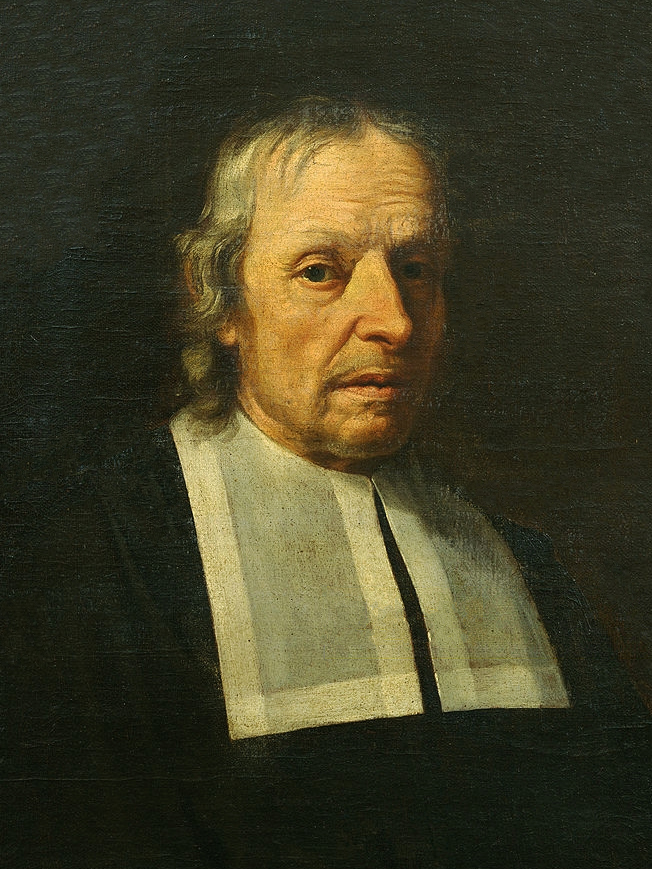
Malpighi was the founder of microscopic anatomy and a pioneer in the study of plant development. He approached the subject through the study of plant tissues. His Appendix adds to the work on chick embryology Malpighi…
1800 CE
#537
Traité des membranes en général et diverses membranes en particulier.
Bichat conceived the idea of a science of anatomy and pathology based upon an accurate classification of the various tissues of the body, their distribution in the various organs and parts, and their particular suscep…
1830 CE
#538
De glandularum secernentium structura penitiori.
Müller’s most important histological work. In it he described the microscopic anatomy of a large series of secreting glands. Müller’s greatest influence was not so much through his own work as th…
1837 CE
#539
Symbolae ad anatomiam villorum intestinalium, imprimis eorum epithelii et vasorum lacteorum.
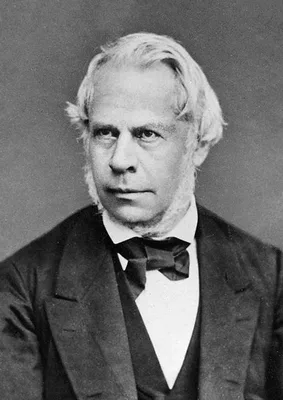
Henle first described the epithelia of the skin and intestines, and defined the structure and function of columnar and ciliated epithelium. He applied the term “epithelium” to all mucous membranes in the b…
1838 CE
#540
Ueber die Ausbreitung des Epithelium im menschlichen Korper.
Henle broadened the scope of his study of epithelium (No. 539) to include the covering layers of the true body cavities.
1839 CE
#541
De formatione granulosa in nervis aliisque partibus organismi animalis.
In 1839 Purkynĕ was the first to use the term protoplasma, by which he described the embryonic ground substance. This fact is recorded in the inaugural dissertation of one of his students, J. Rosenthal.
1840 CE
#542
On the minute structure and movements of voluntary muscle.
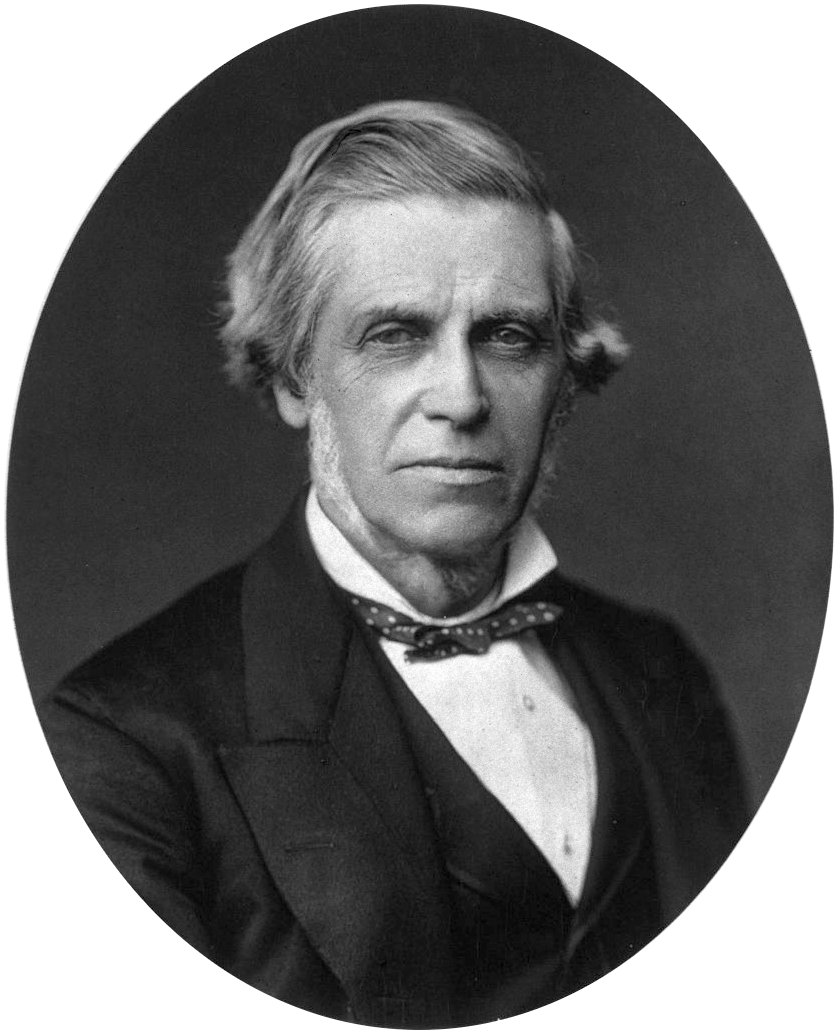
Classical description of striated muscle
1841 CE
#543
Allgemeine Anatomie. Lehre von den Mischungs- und Formbestandtheilen des menschlichen Körpers.
Many of the histological discoveries of Henle are described in the above. He classified tissues histologically. In the section on Gefässnerven (pp. 510, 690) Henle demonstrated the presence of smooth muscle in th…
1846 CE–1849 CE
#544
The microscopic anatomy of the human body, in health and disease.
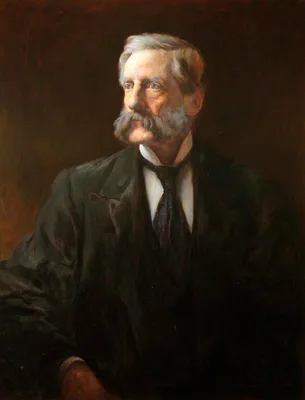
First English textbook on microscopical anatomy. His description of the concentric corpuscles of the thymus (p. 9) led to the term “Hassall’s corpuscles”.
1848 CE
#545
Bone or osseous tissue.
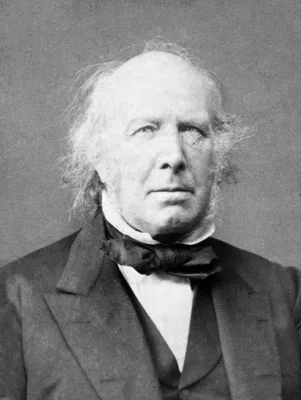
The discovery of the “fibers of Sharpey” is reported on pp. cxlii-cxliii.
1852 CE
#546
Handbuch der Gewebelehre des Menschen.
Isolation of smooth muscle.
1858 CE
#548
Mikroskopische Studien aus dem Gebiete der menschlichen Morphologie.
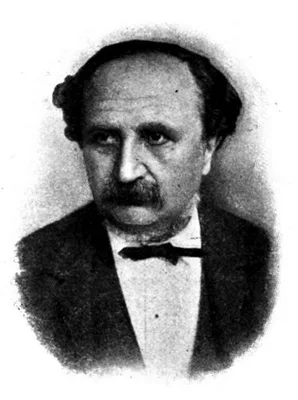
Gerlach introduced several staining methods, the most important of which (a transparent solution of ammonia carmine and gelatin) is called “Gerlach’s stain”; it was the first satisfactory histologica…
1869 CE
#549
Die Einschmelzungs-Methode, ein Beitrag zur mikroskopischen Technik.
Introduction of paraffin embedding
1869 CE–1872 CE
#550
Handbuch der Lehre von den Geweben des Menschen und der Thiere. Edited by Salomon Stricker. 2 vols.
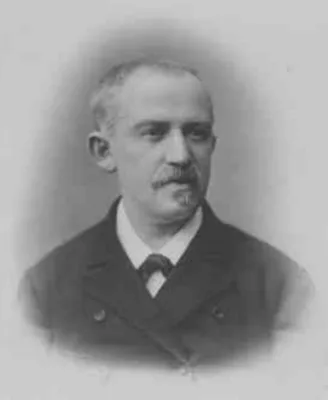
Digital facsimile from the Internet Archive at this link. Translated into English by Henry Power as Manual of human and comparative histology. Edited by S. Stricker. 3 vols. London: New Sydenham Society, 1870-73. Digi…
1876 CE
#551
Ueber den Bau der Meissner’schen Tastkörperchen.
Includes first account of the demonstration of nerve endings by means of the gold chloride method.