
Entry Nos. 500–599
95 Garrison-Morton entries in this range.
1876 CE
#552
Ueber Stemzellen der Leber.
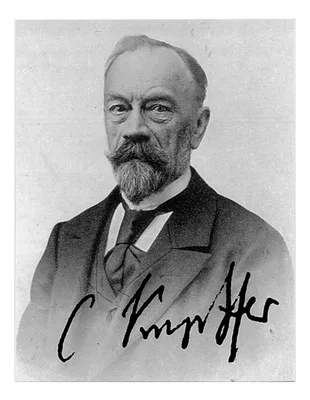
“Kupffer cells” – macrophage stellate cells in the lining of the blood channels in the liver. Confocal microscopy picture showing the steady-state location and interactions between Kupffer cells (Red…
1879 CE
#553
Technique de l’emploi du collodion humide pour la pratique des coupes microscopiques.
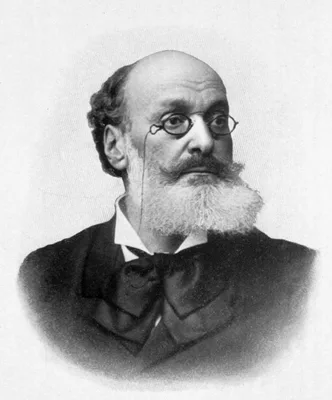
Introduction of collodion for embedding.
1886 CE
#554
Ueber die Methylenblaureaction der lebenden Nervensubstanz.
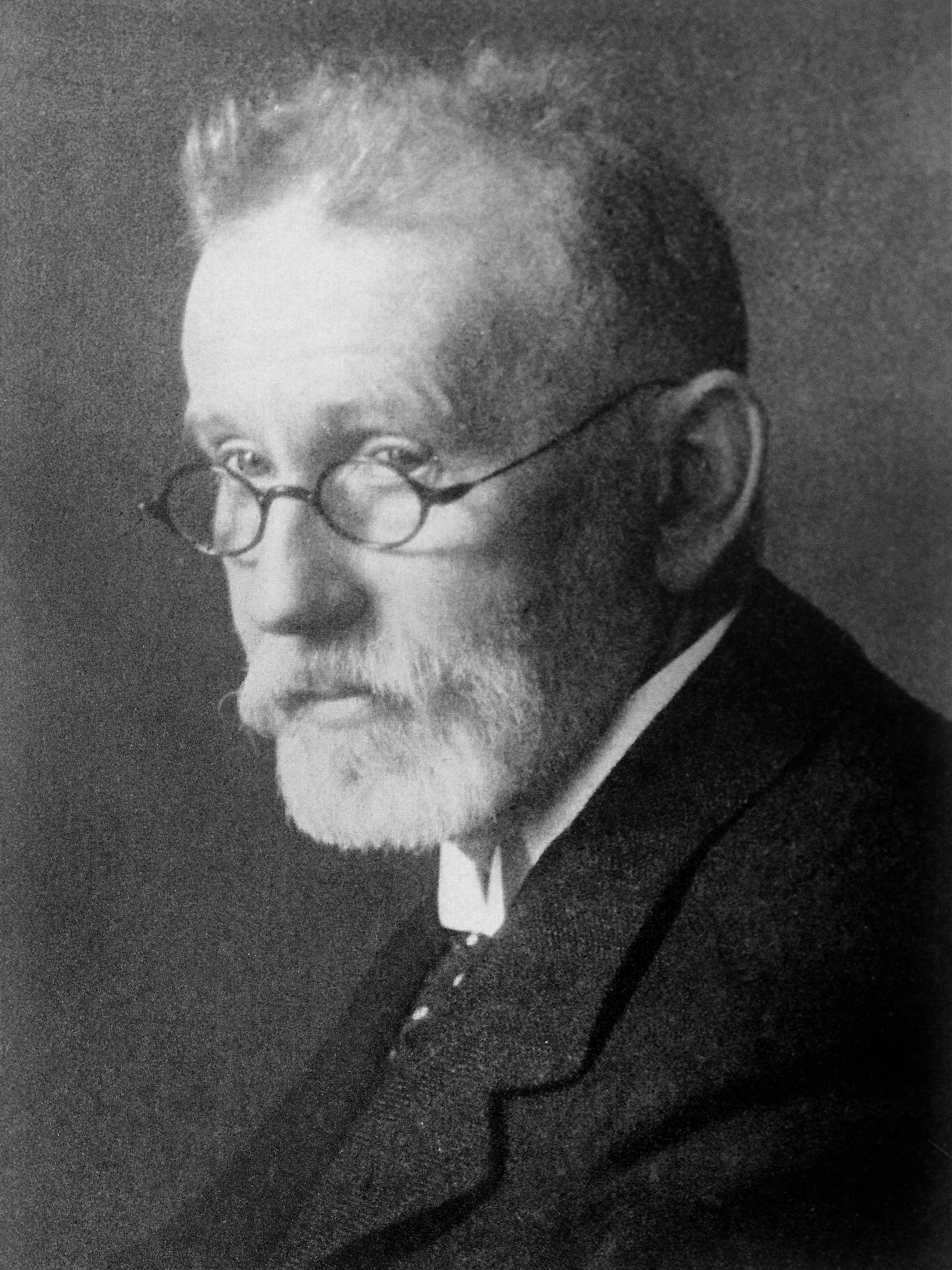
Ehrlich’s method of intravital staining.
1884 CE–1890 CE
#555
Untersuchungen zur Morphologie und Physiologie der Zelle.
1893 CE–1898 CE
#556
Die Zelle und die Gewebe.
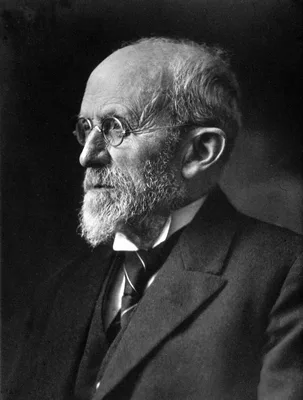
Part 1 was translated as The cell: outlines of general anatomy and physiology, London, 1895.
1893 CE
#557
Der Formaldehyd als Härtungsmittel. Vorläufige Mittheilung.
Formalin first used for tissue fixation.
1910 CE
#558
The outgrowth of the nerve fibre as a mode of protoplasmic movement.
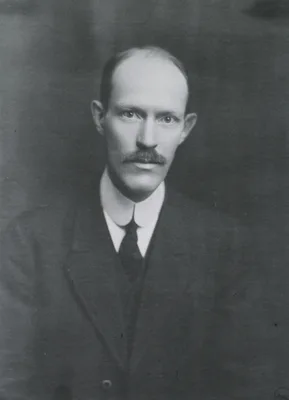
Tissue culture was made possible by Harrison’s proof of the outgrowth of nerve-fibers from ganglion cells.
1911 CE
#559
Rejuvenation of cultures of tissues.
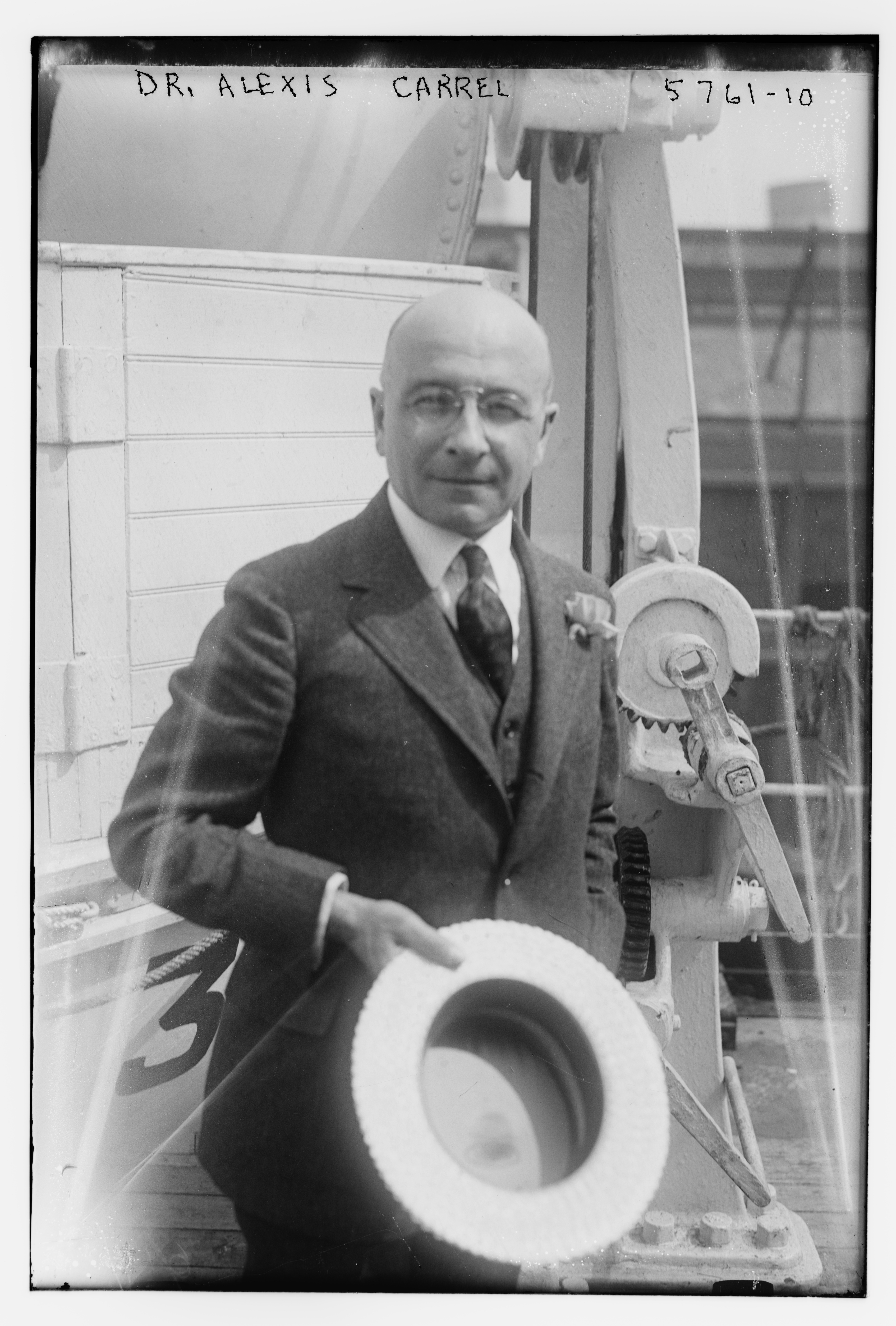
Extra-vital cultivation and rejuvenation of tissue.
1911 CE
#560
Cultivation of tissues in vitro and its technique.
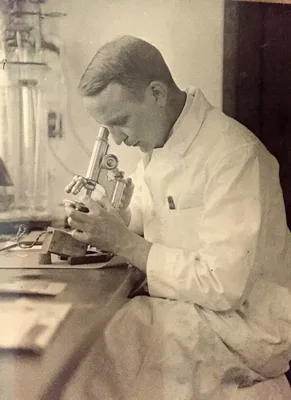
Carrel demonstrated the potential immortality of mammalian tissue. He was able to keep the excised viscera of an animal alive and functioning physiologically in vitro. For his later work see the same journal, 1911, 14…
1914 CE–1915 CE
#561
Mitochondria and other cytoplasmic structures in tissue cultures.
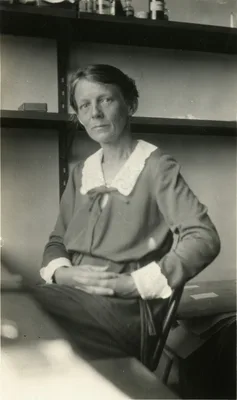
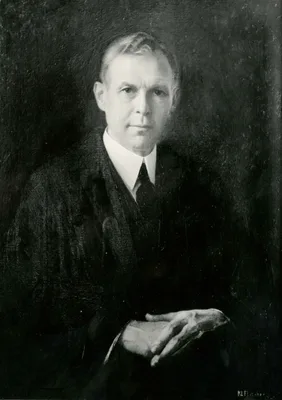
Original investigations upon the visible mitochondria.
1924 CE
#562
Das reticulo-endotheliale System.
In an earlier paper on this subject (Münch, med. Wschr., 1922, 69, 1352-56) Aschoff introduced the term “reticulo-endothelial system”; as early as 1914 he grouped certain phagocytic cells into his sys…
1927 CE–1943 CE
#563
Handbuch der mikroskopischen Anatomie des Menschen. 7 vols. [in 17.]
1943 CE
#567
The discovery of the uses of colouring agents in biological microtechnique.
1916 CE
#569
On the natural faculties. With an English translation by Arthur John Brock.
![GALEN, [Κλαύδιος Γαληνός; Galen of Pergamon] (129 – 216)](/media/portraits/21)
Greek-English edition in the Loeb Classical Library. This was one of the first, if not the actual first, modern English translations of Galen. Digital facsimile from the Internet Archive at this link.
1907 CE–1909 CE
#570
De usu partium libri XVII ad codicum fidem recensuit Georgius Helmreich. 2 vols.
First separate edition, edited from the prior printed editions and the surviving early manuscripts, of Galen's treatise on the function, use and purpose of the individual parts of the body. In this treatise Galen expl…
1512 CE
#571
Divini Gregorii Nyssae episcopi qui fuit frater Basilii Magni libri octo. I. De homine. II. De anima. III. De elementis. IIII. De viribus animae. V. De voltario etinuoltario. VI. De fato. VII. De libero arbitrio. VIII. De prouidentia.
Nemesius’ De natura hominis, a physiological and psychological study of man, was highly esteemed during the Middle Ages. Nemesius, who wrote in the 4th century CE, was one of the first to propose that mental pro…
1542 CE
#572
De naturali parte medicinae libri septem.
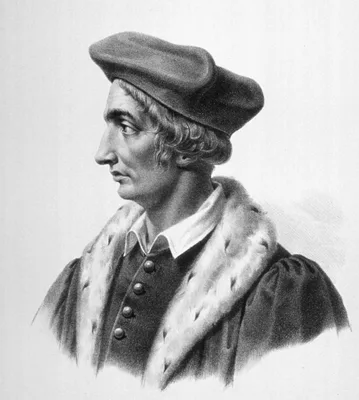
The earliest work devoted exclusively to physiology and the first to call the subject by that name. It was re-issued in 1554 as part of Fernel’s Medicina (No. 2271). Femel suggested that physicians should study …
1614 CE
#573
Ars…de statica medicina aphorismorum sectionibus septem comprehensa.
This collection of aphorisms is the work by which Santorio’s ideas became widely known. Santorio used a beam balance to measure metabolism. See also nos. 572.1 & 572.2. For description of his experiments, see No…
1662 CE
#574
De homine figuris et latinitate donatus a Florentio Schuyl.
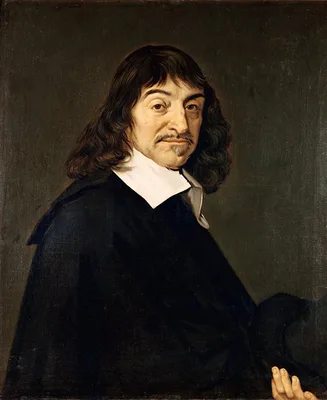
Descartes considered the human body a material machine, directed by a rational soul located in the pineal body. This book was the first attempt to cover the whole field of “animal physiology”. The work is …
1664 CE
#575
De ratione motus musculorum.
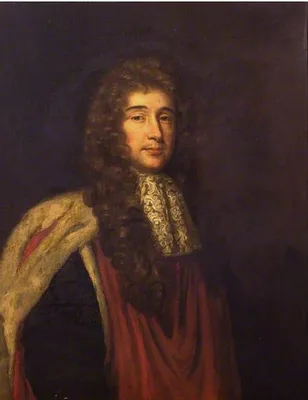
Croone accumulated a large fortune from his practice; with it his widow endowed the Croonian Lectures at the Royal College of Physicians, London. He believed muscular contraction to be brought about by the action of a…
1664 CE
#576
De musculis et glandulis observationum specimen.
Stensen described the structure of muscles, the fibra motrix, confirming that contraction actually occurs in the muscle fibres, not in the tendon as Galen had thought. He attempted a geometrical description of muscle …
1667 CE
#577
Elementorum myologiae specimen.
In this work Stensen, in collaboration with the mathematician Vincenzio Viviani (1622-1703), a pupil of Galileo, developed a geometrical description of muscular contraction, and attempted to show theoretically that mu…
1677 CE
#579
Tractatus de ventriculo et intestinis.
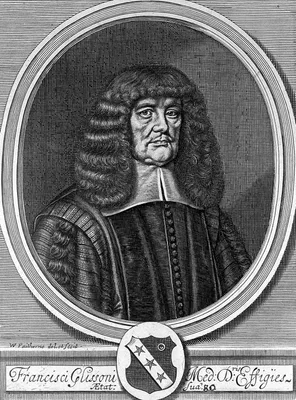
Glisson introduced the idea of irritability as a specific property of all human tissue, a hypothesis which had no effect upon contemporary physiology, but which was later demonstrated experimentally by Haller (No. 587).
1680 CE
#580
Physiologia Kircheriana experimentalis.
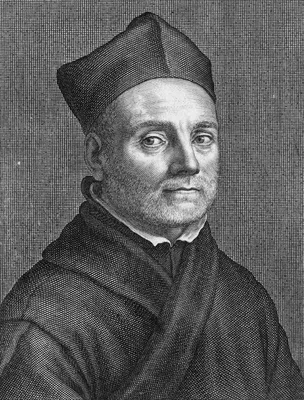
Includes the first recorded experiment in hypnotism in animals.
1708 CE
#581
Institutiones medicae in usus annuae exercitationis domesticos digestae.
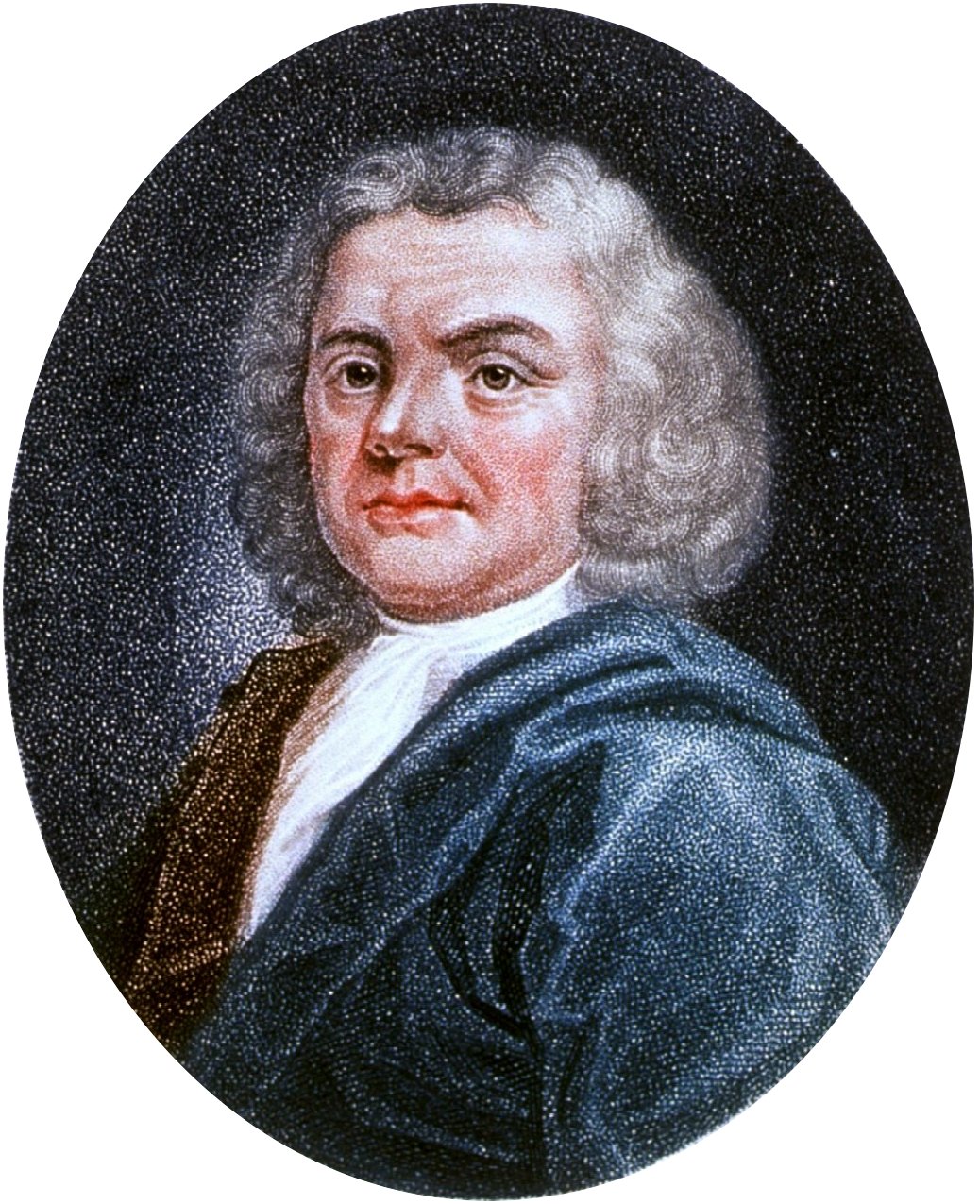
Institutiones medicae, Boerhaave’s first book, represented lectures given by Boerhaave on June 23, 1701; it was soon being used in virtually every medical school in Europe, going though numerous authorized and u…
1708 CE
#582
Theoria medica vera.
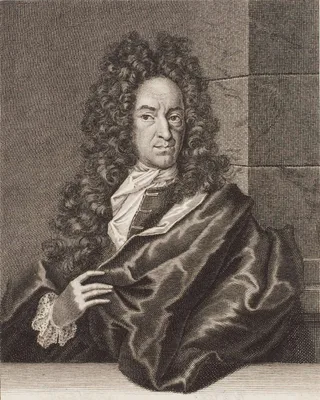
Stahl tried to explain vital phenomena by mystical means. He was the head of the so-called Animistic School which explained disease as caused by misdirected activities on the part of the soul. A three-volume German tr…
1718 CE
#583
Fundamenta physiologiae.
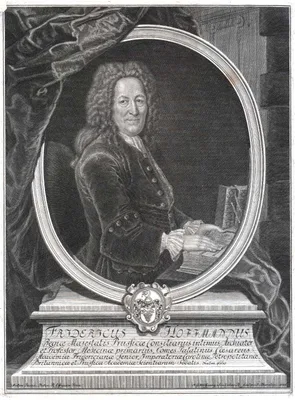
Hoffmann was the first to perceive pathology as an aspect of physiology. His Fundamenta is an outstanding treatise on physiology. English translation with introduction by Lester S. King, London, 1971.
1738 CE
#584
An account of the bones of animals being changed to a red colour by aliment only.
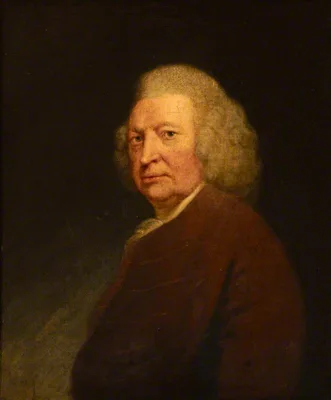
Belchier fed animals with madder, noting that new bone formed subsequent to its ingestion was stained red. This was the earliest attempt at vital staining, and is also important as making possible the study of osteoge…
1747 CE
#585
Primae lineae physiologiae in usum praelectionum academicarum.
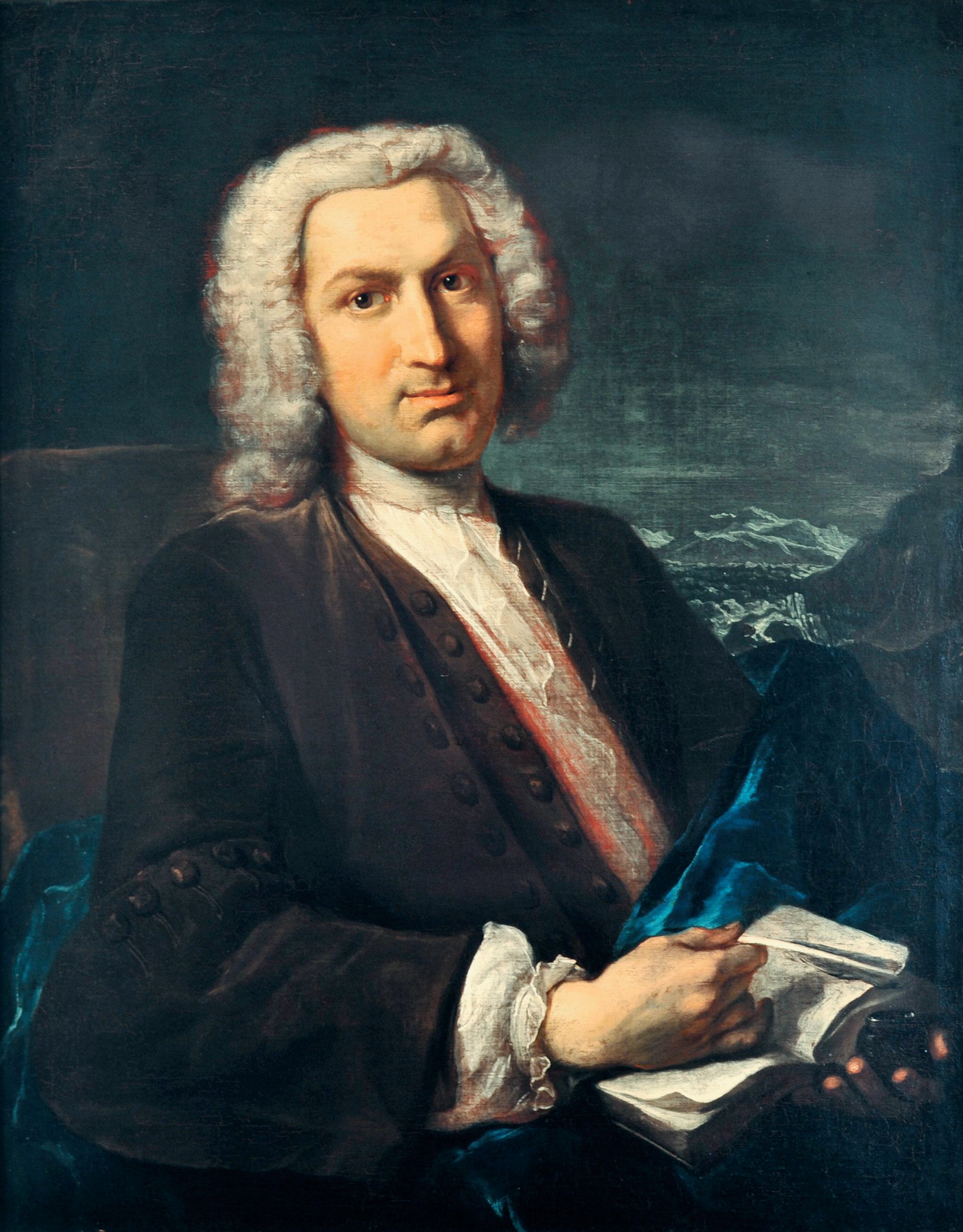
Haller was one of the most imposing figures in the whole of medicine, besides being a superb bibliographer and the founder of medical bibliography. As a physiologist he was the greatest of his time. Many apparently &l…
1748 CE
#586
L’homme machine.
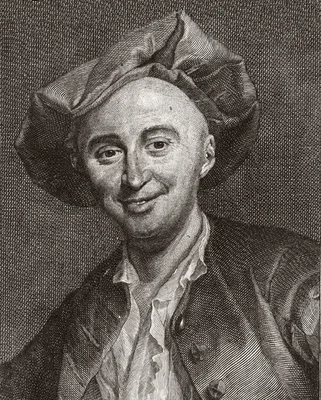
La Mettrie attempted among other things to prove the materialism of the soul. Because of his blatant and aggressive atheism, all of La Mettrie’s writings were placed on the Index and systematically burned. Owing…
1753 CE
#587
De partibus corporis humani sensibilibus et irritabilibus.
Glisson in 1677 had introduced the concept of “irritability” as a specific property of all tissues. Haller, in the above work, recorded his experimental proof of this, and distinguished between nerve impul…
1757 CE–1766 CE
#588
Elementa physiologiae corporis humani. 8 vols.
Haller synthesized the whole physiological knowledge of his time. In the above, probably his greatest work, Haller included some anatomical descriptions which were most valuable. He is said to have written more than 1…
1773 CE
#589
Of the electric property of the torpedo.
The first accurate study of the electrical organs of the torpedo fish were made by Walsh, who was given the Copley Medal of the Royal Society for his work on the subject. Walsh proved that the shock of the torpedo was…
1775 CE
#590
Experiments and observations in an heated room.
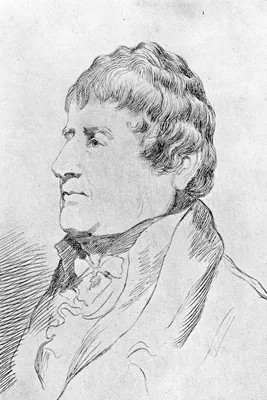
First demonstration of the importance of perspiration in the maintenance of constant body temperature.
1779 CE
#591
Experiments and observations on animal heat.
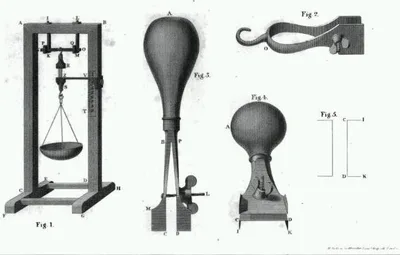
Earliest experiments upon animal calorimetry.
1784 CE
#592
Mémoire sur la chaleur.
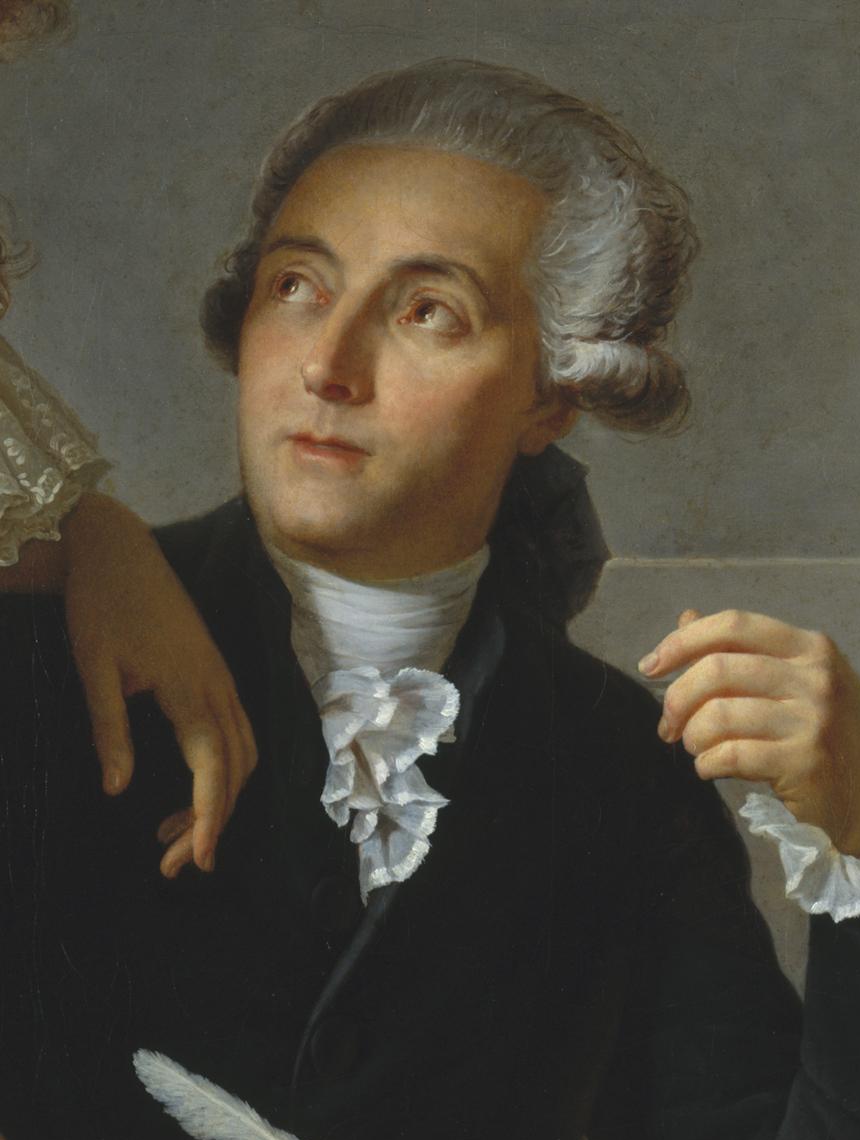
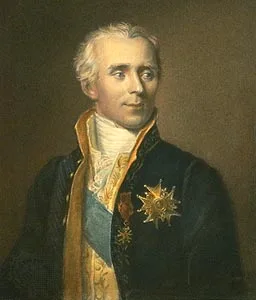
These workers invented an ice calorimeter, with it measured the respiratory quotient of a pig, and demonstrated the analogy between respiration and combustion.
1791 CE
#593
De viribus electricitatis in motu musculari commentarius.
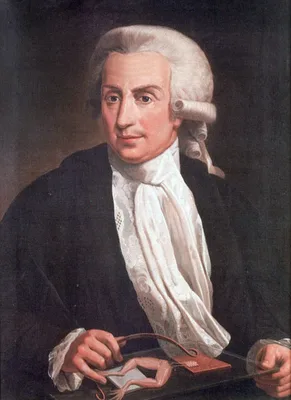
In the course of his experiments on irritable responses caused by static electricity applied to frog muscles, Galvani produced electric current from the contact of two different metals in a moist environment. Galvani …
1793 CE
#594
Premier mémoire sur la respiration des animaux.
Séguin and Lavoisier measured the metabolism of a man (Séguin himself). They made three observations of fundamental importance in this respect; that the intensity of oxidation in man is dependent upon (1…
1795 CE
#595
Experiments on the insensible perspiration of the human body.
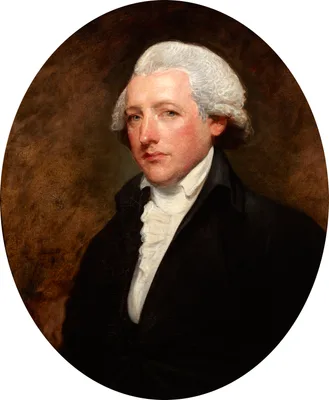
Demonstration that carbon dioxide is given off by the skin. This book was first privately printed in 1779; above is the corrected edition.
1796 CE
#596
Von der Lebenskraft.
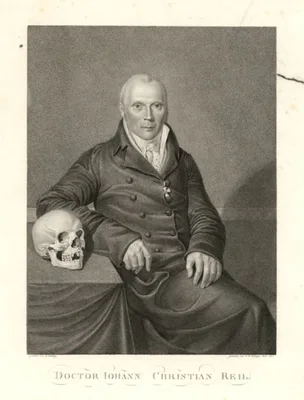
Reil advanced the doctrine of the life-force as the chemical expression of physiological function. Like Glisson and Hunter, he recognized irritability as a specific property of tissue. He founded the Archiv für d…
1800 CE
#597
Recherches physiologiques sur la vie et la mort.
When Volta questioned the validity of experiments claiming to show responsiveness of an ex vivo heart, devoid of blood flow and nervous connections, Bichat obtained permission to experiment upon the freshly killed bod…
1821 CE
#598
Mémoires sur le mécanisme de l’absorption chez les animaux à sang rouge et chaud.
Magendie, the pioneer of experimental physiology in France, demonstrated the absorption of fluids and semisolids to be a function of the blood-vessels, as well as of the lymphatics. He was the founder, in 1821, of the…
1826 CE–1840 CE
#599
Die Physiologie als Erfahrungswissenschaft. Edited by Karl Friedrich Burdach. 6 vols.
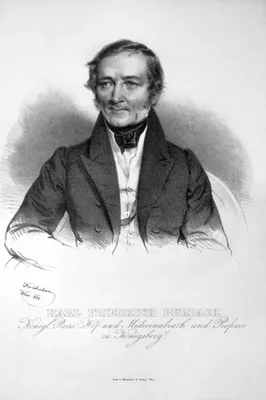
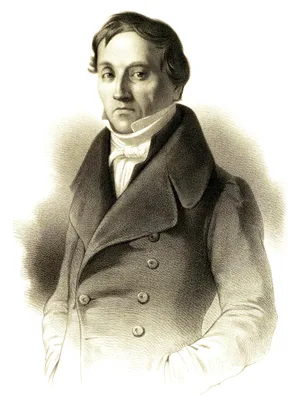
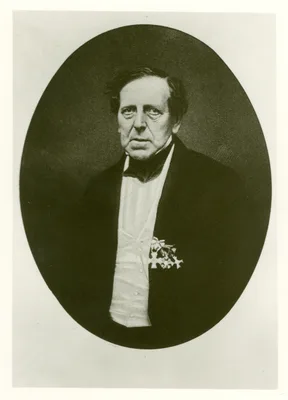
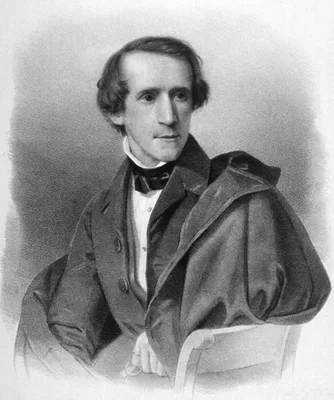
Burdach’s great textbook of physiology was planned to run to 10 vols., but the death of his wife quenched his enthusiasm for the task. Parts of the text were written by von Baer, Rathke, Johannes Müller, R.…
1666 CE
#1230
De viscerum structura exercitatio anatomica.
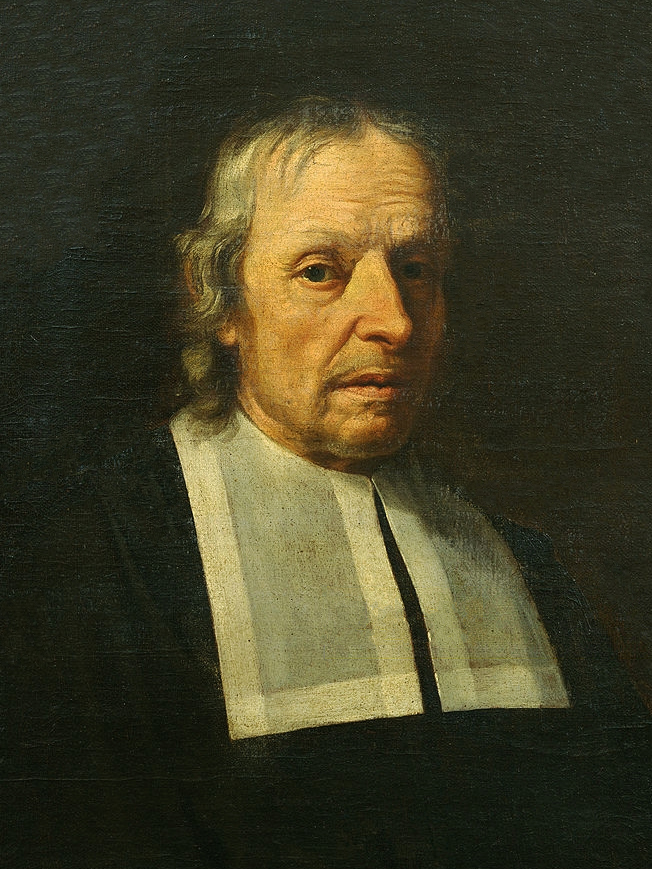
Includes (pp. 71-100) his essay, De renibus, in which he described the uriniferous tubules and the “Malpighian bodies”. The great detail and clarity of Malpighi’s description was unsurpassed until Bo…
1674 CE
#2726.2
Tractatus quinque medico-physici.
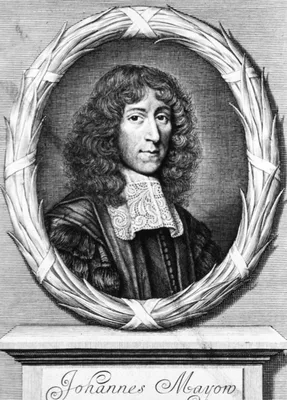
Mayow was the first to locate the seat of animal heat in the muscles; he discovered the double articulation of the ribs with the spine and came near to discovering oxygen in his suggestion that the object of breathing…