
Entry Nos. 13900–13999
98 Garrison-Morton entries in this range.
1987 CE
#13950
Nucleosomes inhibit the initiation of transcription but allow chain elongation with the displacement of histones.

Within the nucleosome Kornberg found that roughly 200 bp of DNA are wrapped around an octamer of histone proteins. With Yahli Lorch, Kornberg showed that a nucleosome on a promoter prevents the initiation of transcrip…
1966 CE
#13951
Isolation of the LAC repressor.

With his Ph.D. student Benno Müller-Hill, Gilbert was the first to purify the lac repressor, just beating out Mark Ptashne for purifying the first gene regulatory protein.
2000 CE
#13952
Structure of the 30S ribosomal subunit.
Ramakrishnan and colleagues determined the complete molecular structure of the 30S subunit of the ribosome and its complexes with several antibiotics. " The Abstract: "Genetic information encoded in messenger RNA is t…
2000 CE
#13953
The structural basis of ribosome activity in peptide bond synthesis.
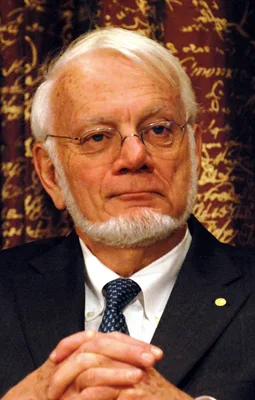
With Poul Nissen, Jeffrey Hansen, Nenad Ban, Peter B. Moore. Steitz shared the 2009 Nobel Prize in Chemistry with Venkatraman Ramakrishnan and Ada Yonath "for studies of the structure and function of the ribosome."
1955 CE
#13954
The structure of collagen.
Rich and Crick solved the structure of collagen, the main structural protein in the extracellular matrix found in the body's various connective tissues. As the main component of connective tissue, it is the most abund…
1963 CE
#13955
A multiple ribosomal structure in protein synthesis.

Alexander Rich discovered polysomes, clusters of ribosomes which read one strand of mRNA simultaneously. Order of authorship in the original publication: Warner, Knopf, Rich. Digital facsimile from PubMedCentral at th…
1973 CE
#13956
Double helix at atomic resolution.
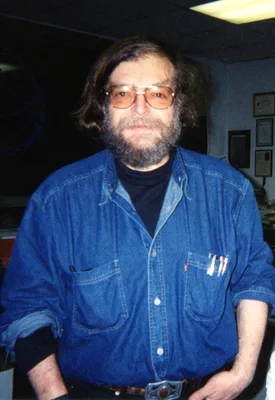
Order of authorship in the original publication: Rosenberg, Seeman,...Rich. This paper was the first confirmation of the double-helix structure at atomic resolution. See also: Roberta Ogilvie Day, Nadrian C. Seeman,..…
1998 CE
#13957
Potent and specific genetic interference by double-stranded RNA in Caenorhabditis elegans.

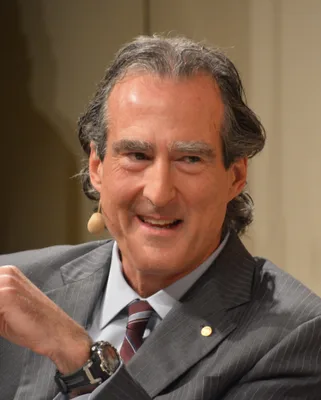
The authors reported that tiny snippets of double-stranded RNA (dsRNA) effectively shut down specific genes, driving the destruction of messenger RNA (mRNA) with sequences matching the dsRNA. As a result, the mRNA can…
1971 CE
#13958
Inhibition of prostaglandin synthesis as a mechanism of action for aspirin-like drugs.
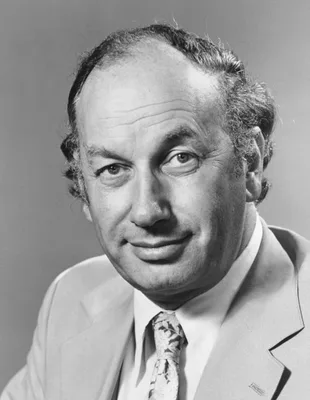
In 1982 Vane shared the Nobel Prize in Physiology or Medicine with Sune Bergström and Bengt Samuelsson for "their discoveries concerning prostaglandins and related biologically active substances."
1981 CE
#13960
A complete nucleotide sequence of an infectious clone of cauliflower mosaic virus by M13mp7 shotgun sequencing.
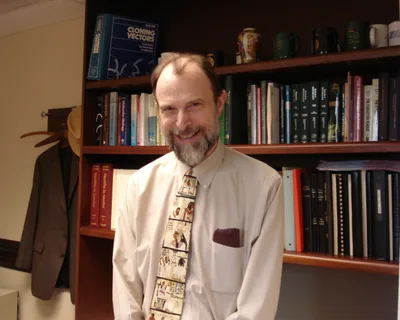

Messing and colleagues employed shotgun sequencing to sequence the genome of cauliflower mosaic virus, the first genome sequenced by the shotgun method. They developed the shotgun DNA sequencing method with single and…
1981 CE
#13961
Isolation of a pluripotent cell line from early mouse embryos cultured in medium conditioned by teratocarcinoma stem cells (embryonic stem cells/inner cell masses/differentiation in vitro/embryonal carcinoma cells/growth factors) .

Martin used a different approach that avoided in vivo alteration. She reasoned that an ES cell line might be obtained by culturing cells isolated from blastocysts in a medium that had previously been conditioned by an…
1960 CE
#13962
Strand separation and specific recombination in deoxyribonucleic acids: Biological studies: Physical chemical studies.
While working in the laboratory of Paul Doty at Harvard University, Marmur discovered that the denaturation of DNA was reversible (DNA hybridization) and depended on salt- and GC-content. Marmur and Doty accurately de…
1965 CE
#13963
The twisted circular form of polyoma viral DNA.
Discovery of DNA supercoiling. DNA supercoiling refers to the amount of twist in a particular DNA strand, which determines the amount of strain on it. A given strand may be "positively supercoiled" or "negatively supe…
1971 CE
#13964
Mutation and cancer: Statistical study of retinoblastoma.
In this paper Knudson first described his "two-hit hypothesis," also known as the "Knudson hypothesis," which explains the incidence of hereditary cancers, such as retinoblastoma. "Humans inherit two copies of every g…
1953 CE
#13965
The transplantability of nuclei of arrested hybrid blastulae (R. pipiens female X R. catesbeiana male).
King and Briggs cloned a frog by nuclear transfer of embryonic cells. Their experiment was the first successful nuclear transplanation performed in metazoans. The same cloning technique, using somatic cells, was later…
1990 CE
#13966
Linkage of early-onset familial breast cancer to Chromosome 17q21.
King showed that breast cancer can be inherited due to mutations in the Breast cancer type 1 susceptibility protein, a protein that in humans is encoded by the BRAC1 gene. BRCA1 is a human tumor suppressor gene (also …
1966 CE
#13967
Codon-anticodon pairing: The wobble hypothesis.
"In the genetic code, there are 43 = 64 possible codons (3 nucleotide sequences). For translation, each of these codons requires a tRNA molecule with an anticodon with which it can stably complement. If each tRNA mole…
1964 CE
#13968
Co-linearity of the gene with the polypeptide chain.



Order of authorship in the original publication: Sarabhai, Stretton, Brenner, Bolle. Brenner (Nobel Prize 2002) and colleagues performed the first study to show co-linearity; i.e., that there is a simple congruence be…
1978 CE
#13969
Inhibition of Rous sarcoma virus replication and cell transformation by a specific oligodeoxynucleotide (tridecamer deoxyribonucleotide/hybridization competitor/hybridon).
Zamecnick and Stephenson reported the first example of specific inhibition of gene expression by an oligonucleotide when they demonstrated that a short oligonucleotide inhibited Rous sarcoma virus replication in cell …
1952 CE
#13970
Genetic exchange in salmonella.
Working as a graduate student with Lederberg, Zinder discovered that a bacteriophage can carry genes from one bacterium to another. Initial experiments were carried out using Salmonella. Zinder and Lederberg named thi…
1969 CE
#13971
Isolation of pure lac operon DNA.

Order of authorship in the original publication: Shapiro, MacHattie, Eron, Ihler, Ippen, Beckwith. Beckwith led the research group that in 1969 isolated the first gene from an organism, specifically a gene from a bact…
1976 CE
#13972
A colony bank containing synthetic Col El hybrid plasmids representative of the entire E. coli genome.
First description of a "complete" genomic library. This paper includes the Carbon-Clarke equation used for calculating the number of clones required when constructing a clone library to ensure a given probability (usu…
1971 CE
#13973
Polyadenylic acid sequences in the heterogeneous nuclear RNA and rapidly-labeled polyribosomal RNA of HeLa cells: Possible evidence for a precursor relationship.
Edmonds discovered the poly-A tails on eukaryotic mRNA. The addition of a poly(A) tail to an RNA transcript, typically a messenger RNA (mRNA), is called polyadenylation. Poly(A)polymerase was first identified in 1960 …
1986 CE
#13974
A human DNA segment with properties of the gene that predisposes to retinoblastoma and osteosarcoma.

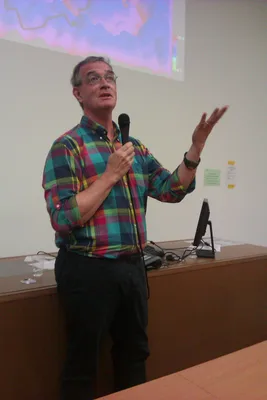

Isolation of the first human tumor suppressor gene. Order of authorship in the original publication: Friend, Bernards, Rogeli, Weinberg, Rapaport, Albert, Dryja.
1983 CE
#13975
Metallothionein - human GH fusion genes stimulate growth of mice.
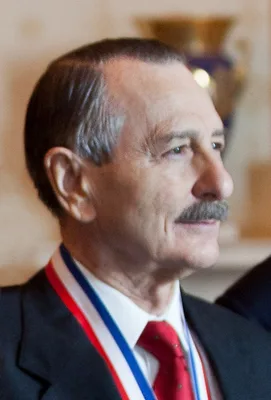
Brinster and Palmiter created the first "transgenic" animals, transferring non-native genes into mice through genetic engineering techniques. The cover of the issue of Science magazine in which this paper was publishe…
1976 CE
#13976
Reovirus messenger RNA contains a methylated, blocked 5'-terminal structure: m7G(5')ppp(5')GmpCp.
Furuichi, working in Shatkin's laboratory, discovered that the viral mRNAs synthesized in vitro by the virion-associated RNA polymerase of reovirus contain a unique 5′-terminal structure m7GpppNm or cap. The pre…
1998 CE
#13977
Derivation of pluripotent stem cells from cultured human primordial germ cells.
Order of authorship in the original publication: Shamblott, Axelman,... Gearheart. Gearheart led the team that successfully developed human embryonic germ cells, pluripotent stem cells derived from primordial germ cel…
1976 CE
#13978
DNA gyrase: An enzyme that introduces superhelical turns into DNA (Escherichia coli / ATP-dependent reaction / superhelix density).

Order of authorship in the original publication: Gellert, Mizuuchi, O'Dea, Nash. Discovery of DNA gyrase, the first type II topoisomerase to be discovered. "It is the only type II enzyme to retain its historical name.…
2001 CE
#13979
Deutsche Medizin im Dritten Reich: Karrieren vor und nach 1945.
1979 CE
#13980
Expression in Escherichia coli of chemically synthesized genes for human insulin (plasmid construction / lac operon / fused proteins / radioimmunoassay / peptide purification).
Working at Genentech, Kleid and Goeddel and colleagues were the first scientists to apply genetic engineering techniques, incorporating chemically synthesized DNA encoding human insulin into E. coli, that expressed, a…
2000 CE
#13982
Architecture of RNA polymerase II and implications for the transcription mechanism.
Kornberg devoted two decades to the development of methods to visualize the atomic structure of RNA polymerase and its associated protein components. Initially, Kornberg took advantage of expertise with lipid membrane…
1952 CE
#13983
Recombination in Bact. coli K 12: Unidirectional transfer of genetic material.
Hayes "developed the concept of a donor–recipient partnership with uni-directional transfer of genetic material. The importance of this discovery was quickly emphasised and widely recognised when he found that o…
1964 CE
#13984
A mechanism for gene conversion in fungi.
Holliday described a mechanism of DNA-strand exchange that attempted to explain gene-conversion events that occur during meiosis in fungi. That model became known as the Holliday Junction. "A Holliday junction is a br…
1980 CE
#13985
Transforming gene product of Rous sarcoma virus phosphorylates tyrosine.
Tony Hunter discovered that tyrosine phosphorylation is a fundamental mechanism for transmembrane-signal transduction in response to growth factor stimulation, and that disregulation of such tyrosine phosphorylation, …
1978 CE
#13986
Mutagenesis at a specific position in a DNA sequence.
Smith and Hutchison introduced site-directed mutagenesis, or oligonucleotide-directed mutagenesis, into molecular biology, resolving the problem of how to determine the effect of a single mutant gene with efficiency. …
1968 CE
#13987
Mechanism of DNA chain growth, I. Possible discontinuity and unusual secondary structure of newly synthesized chains.

The Okazakis discovered what became known as Okazaki fragments, short sequences of DNA nucleotides (approximately 150 to 200 base pairs long in eukaryotes) which are synthesized discontinuously and later linked togeth…
1967 CE
#13988
Specific binding of the λ phage repressor to λ DNA.
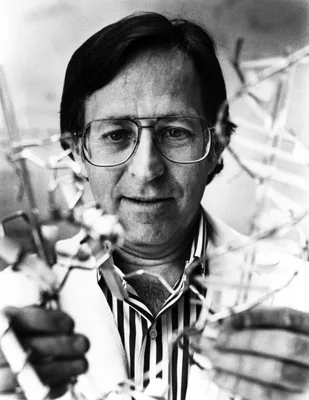
Ptashne was the first to demonstrate specific binding between protein and DNA. Abstract for the paper: "Genetic experiments show that a group of genes may be switched off by the product of a regulator gene, called a r…
1983 CE
#13989
Expression of chimaeric genes transferred into plant cells using a Ti-plasmid-derived vector.
Schell and Montagu discovered the gene transfer mechanism between Agrobacterium and plants, which resulted in the development of methods to alter Agrobacterium into an efficient delivery system for gene engineering in…
1986 CE
#13990
Fluorescence detection in automated DNA sequence analysis.


Invention of the first semi-automated DNA sequencing machine by Leroy H. Hood, Lloyd M. Smith and colleagues. Abstract of the paper: "We have developed a method for the partial automation of DNA sequence analysis. Flu…
1984 CE
#13991
Completion of mouse embryogenesis requires both the maternal and paternal genomes.

Solter discovered mammalian genomic imprinting that causes parent-of-origin specific gene expression, with consequences for development and disease. "Genomic imprinting is an epigenetic phenomenon that causes genes to…
1965 CE
#13992
The synthesis of a self-propagating and infectious nucleic acid with a purified enzyme.
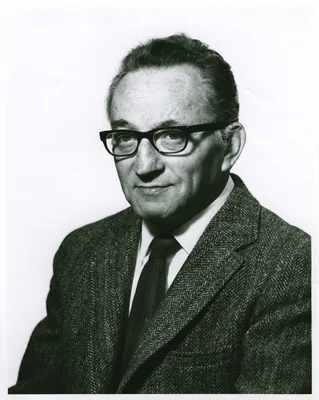
Spiegelman's Monster, the name given to an RNA chain of only 218 nucleotides that can be reproduced by the RNA replication enzyme RNA-dependent RNA polymerase, also called RNA replicase. Spiegelman achieved the first …
1980 CE
#13993
Are snRNPs involved in splicing?
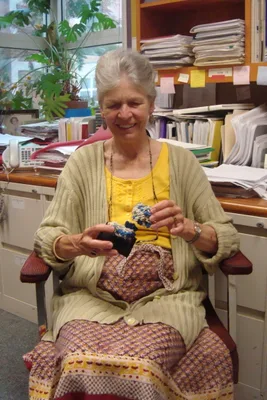
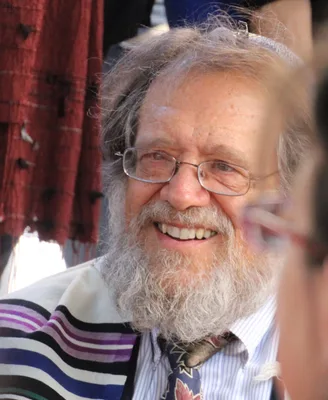

Steitz and Lerner used immunoprecipitation with human antibodies from patients with autoimmunity to isolate and identify the novel entities snRNPs (pronounced "snurps") and detect their role in splicing. A snRNP is a …
1954 CE
#13994
Induction spontanée du développement du bactériophage lambda au cours de la recombinaison génétique, chez Escherichia coli K 12.
Wollman and Jacob discovered zygotic induction. This occurs when a bacterial cell carrying the silenced DNA of a bacteriophage transfers the viral DNA along with its own DNA in its chromosome to another bacterial cell…
1960 CE
#13995
L'opéron: Groupe de gènes à expression coordonnée par un opérateur.
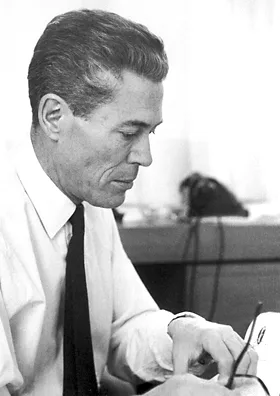
Jacob and Monod received their share of the Nobel Prize in 1965 for their discoveries concerning the operon and viral synthesis. The first operon they described was the lac operon in E. coli. Their operon theory sugge…
1927 CE
#13996
Metatarsus atavicus: The identification of a distinct type of foot disorder.
"Morton's toe," the condition of having a first metatarsal which is short in relation to the second metatarsal. It is a type of brachymetatarsia. See also Morton, The human foot: Its evolutionary development, physiolo…
1968 CE
#13997
Los Médicos y las Enfermedades de Monterrey [1881]. Memorias de Gonzalitos que se publican con una introducción sobre su vida y su obra por Francisco Guerra.
Edition by Francisco Guerra and first publication of a manuscript by Eleuterio in the Wellcome Library. According to the catalogue of the Wellcome archives the contents are as follows: "Los médicos y las enferm…
1952 CE
#13998
The structure of synthetic polypeptides. 1. The transform of atoms on a helix.
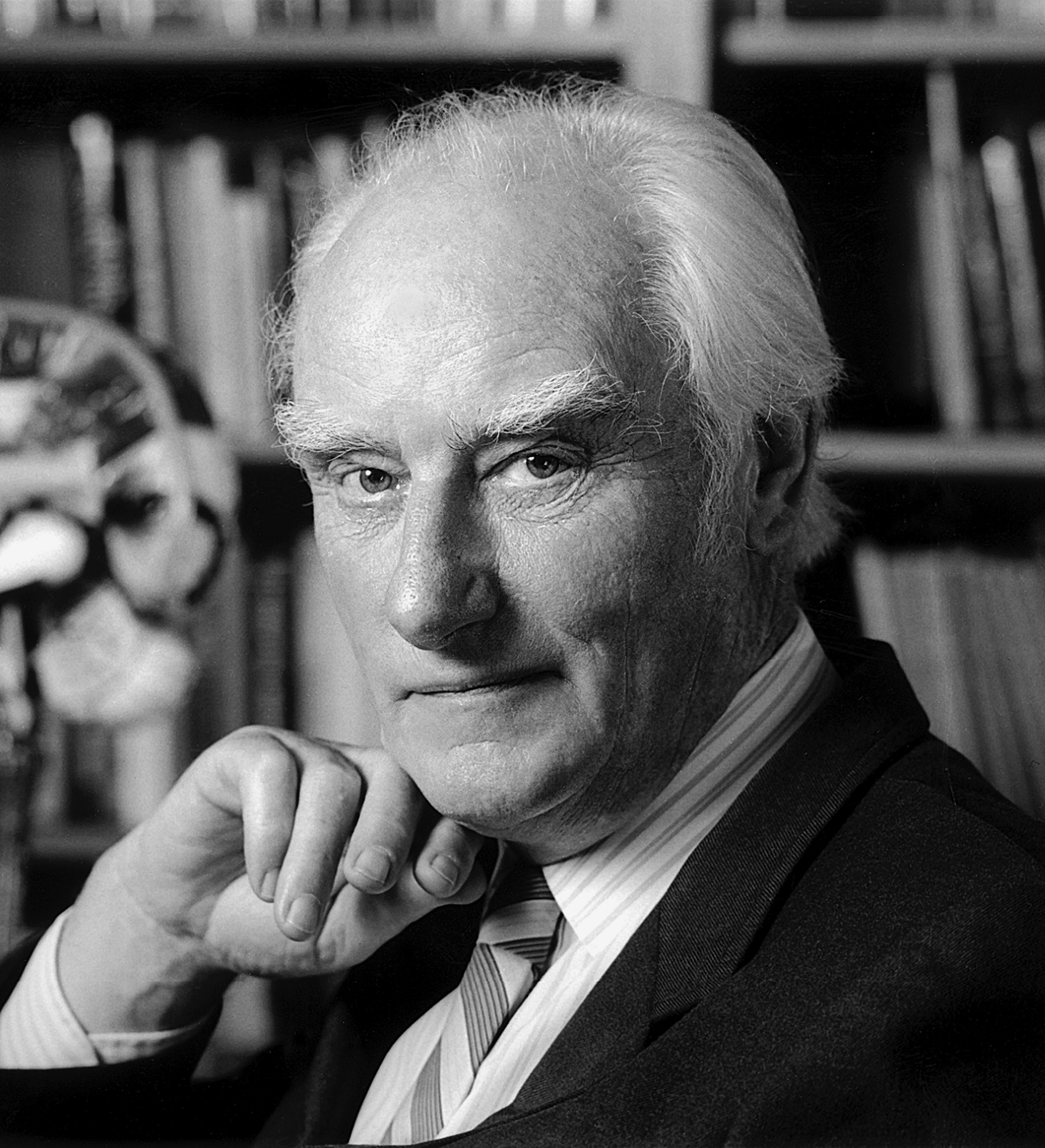
This paper gives the formulae for the Fourier transforms of a number of helical structures, and provides evidence that the structure of a synthetic polypeptide was based on the alpha helix of Pauling and Corey. "It wa…
1952 CE
#13999
Production of plaques in monolayer tissue cultures by single particles of an animal virus.
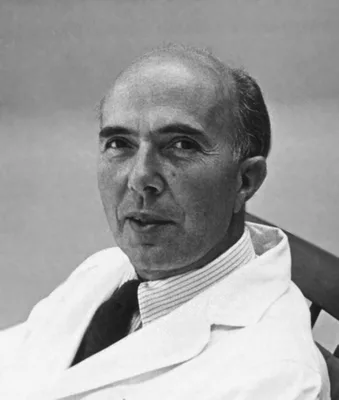
Following Max Delbruck's advice, Dulbecco visited the major centers of animal virus work in the US in order to discover a way to quantitatively assay animal viruses by a plaque technique, similar to the technique that…