
Entry Nos. 900–999
99 Garrison-Morton entries in this range.
1903 CE–1904 CE
#952
La physiologie de l’apnée étudiée chez l’homme.
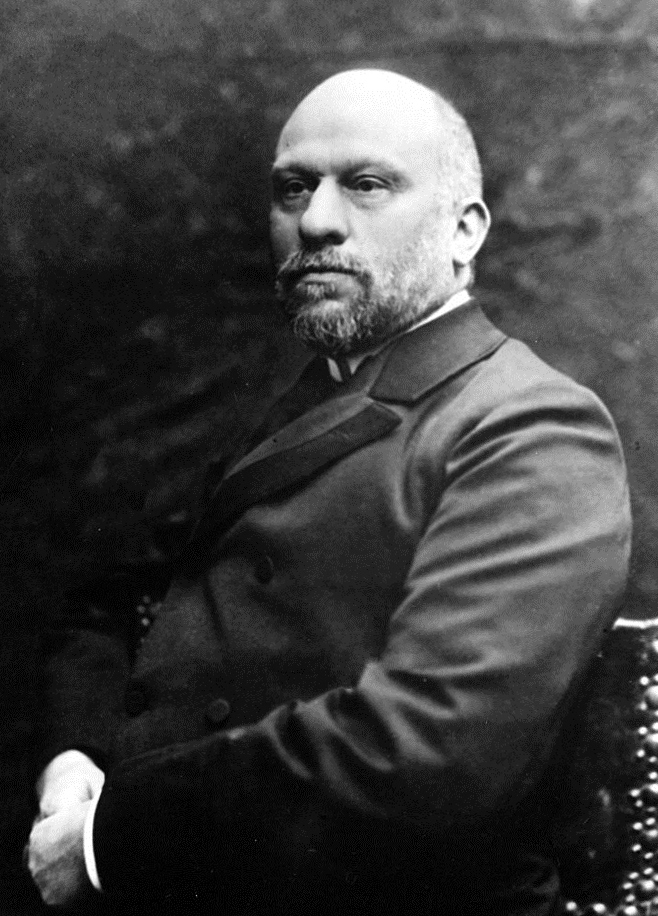
First studies of the physiology of apnea in man.
1904 CE
#953
Nouvelle méthode de mesure et d’inscription du débit et des mouvements respiratoires de l’homme et des animaux.
Tissot spirometer.
1905 CE
#954
The regulation of the lung-ventilation.
Proof of the regulation of respiration by CO2 concentration of the alveolar air
1911 CE
#955
A method for determining the total respiratory exchange in man.
Douglas bag.
1912 CE
#956
Chemical nature of specific oxygen capacity in haemoglobin.
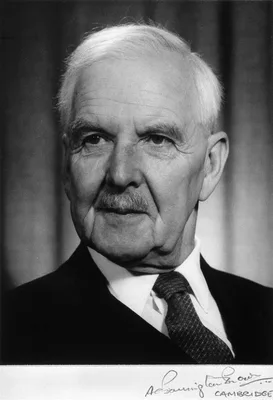
Peters made accurate determinations of the ratio of iron to oxygen in the blood.
1913 CE
#957
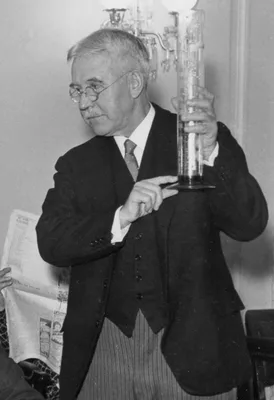
Physiological observations made on Pike’s Peak, Colorado, with special reference to adaptation to low barometric pressures.
1914 CE
#958
The absorption and dissociation of carbon dioxide by human blood.
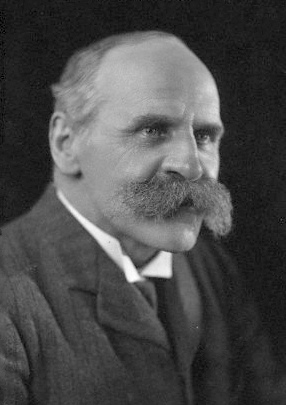
CO2 dissociation curves. These workers discovered that hemoglobin indirectly greatly assists the transport of CO2 by the blood.
1918 CE
#959
Ueber das Vorkommen des Coferments des alcoholischen Hefegärung im Muskelgewebe und seine muttmassliche Bedeutung im Atmungsmechanismus.
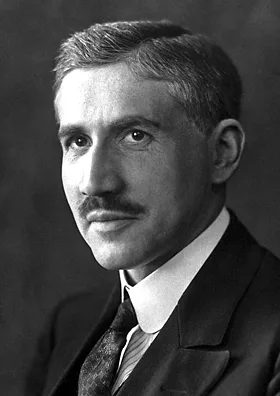
In 1922 Meyerhof was awarded half of the Nobel Prize in Pysiology or Medicine "for his discovery of the fixed relationship between the consumption of oxygen and the metabolism of lactic acid in the muscle." The other …
1920 CE–1921 CE
#960
The partition of CO2, between plasma and corpuscles in oxygenated and reduced blood.
1922 CE
#961
Respiration.
An account of the work of the Oxford School of Physiology, in particular the Pike’s Peak expedition (No. 957). Second edition, 1935, with J. G. Priestley.
1923 CE
#962
The velocity with which carbon monoxide displaces oxygen from combination with haemoglobin.
1923 CE
#963
The regulation of respiration.
Lumsden introduced the concept of subsidiary respiratory centers in the brain stem.
1914 CE
#964
The respiratory function of the blood.
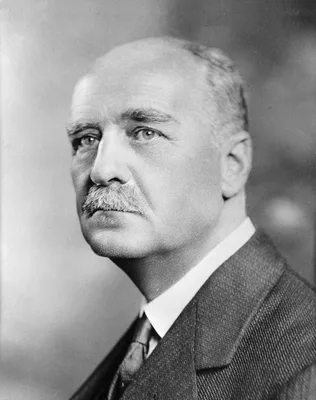
Barcroft’s studies of the oxygen-carrying capacity of the blood are recorded in the above monograph. He particularly concentrated on elucidation of the oxygen dissociation curve. The second edition, 2 vols., Cam…
1925 CE
#965
The chemical regulation of respiration.
1928 CE
#966
Die Bindungsweise des Kohlendioxyds im Blute.
Carbamino reaction.
1929 CE
#967
Le sinus carotidienet la zone homologue cardio-aortique.
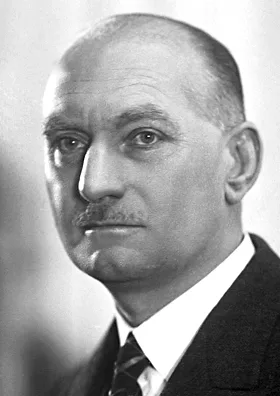
In 1938 Heymans was awarded the Nobel Prize in Physiology or Medicine "for the discovery of the role played by the sinus and aortic mechanisms in the regulation of respiration."
1929 CE
#968
Cytochrome and respiratory enzymes.
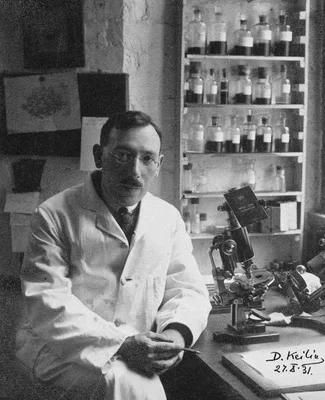
Keilin discovered cytochrome and laid the foundations of the modern concept of cellular respiration. See No. 1588.3.
1929 CE
#969
Ueberden Absorptionsspektrum des Atmungsferments.
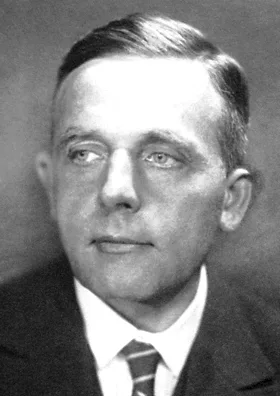
Warburg discovered the nature and function of the respiratory ferment. In 1931 Warburg was awarded the Nobel Prize in Physiology or Medicine "for discovery of the nature and mode of action of the respiratory enzyme."
1932 CE
#970
Ueber ein neues Oxydationsferment und sein Absorptionsspektrum.
1933 CE
#971
Carbonic anhydrase: Its preparation and properties.
Isolation of carbonic anhydrase.
1654 CE
#972
Anatomia hepatis.
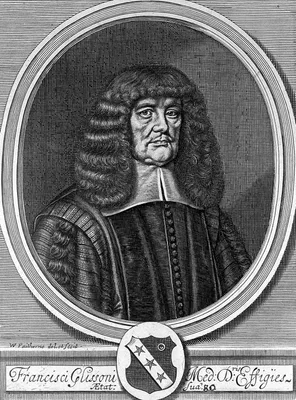
First accurate description of the capsule of the liver (Glisson’s capsule) and its blood-supply. He also described the sphincter of the bile duct (“Glisson’s sphincter”, the sphincter of Oddi).…
1664 CE
#974
De succi pancreatici natura et usu exercitatio anatomico-medica.
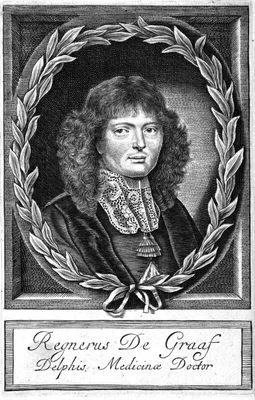
De Graaf was an early investigator of the pancreatic secretion. He collected the pancreatic juice of dogs by means of artificial pancreatic fistulae, commenting on the small quantity of juice secreted and on its alkal…
1687 CE
#975
De glandulis in intestino duodeno hominis detectis.
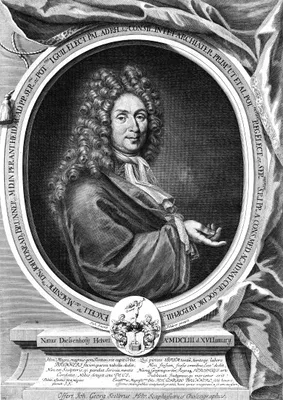
“Brunner’s glands”, earlier described by Wepfer (No. 974.1).
1720 CE
#976
Dissertatio anatomica qua novum bilis diverticulum circa orificium ductus choledochi ut et valvulosam colli vesicae felleae constructionem ad disceptandum proponit.
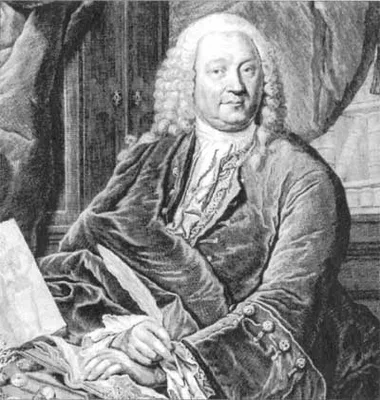
Following Vater’s classic description of the ampulla of the bile duct, it was named the “ampulla of Vater”.
1730 CE
#977
Suspenseurs de l’abdomen.
“Poupart’s ligament”, the inguinal ligament.
1745 CE
#978
De fabrica et actione villorum intestinorum tenuium hominis.
“Lieberkühn’s glands” or “crypts” described. They were discovered by Malpighi in 1688.
1756 CE
#979
Sur la digestion des oiseaux.
Using a pet buzzard, de Réaumur succeeded in isolating the gastric juice and demonstrating its solvent effect on foods.
1777 CE
#980
Dissertatio physiologica inauguralis de alimentorum concoctione.
First isolation of human gastric juice. Stevens was also the first successfully to perform an in vitro digestion, proving the presence in the gastric juice of the active principle necessary for the assimilation of foo…
1780 CE
#981
Dissertazioni di fisica animale e vegetable. 2 vols.
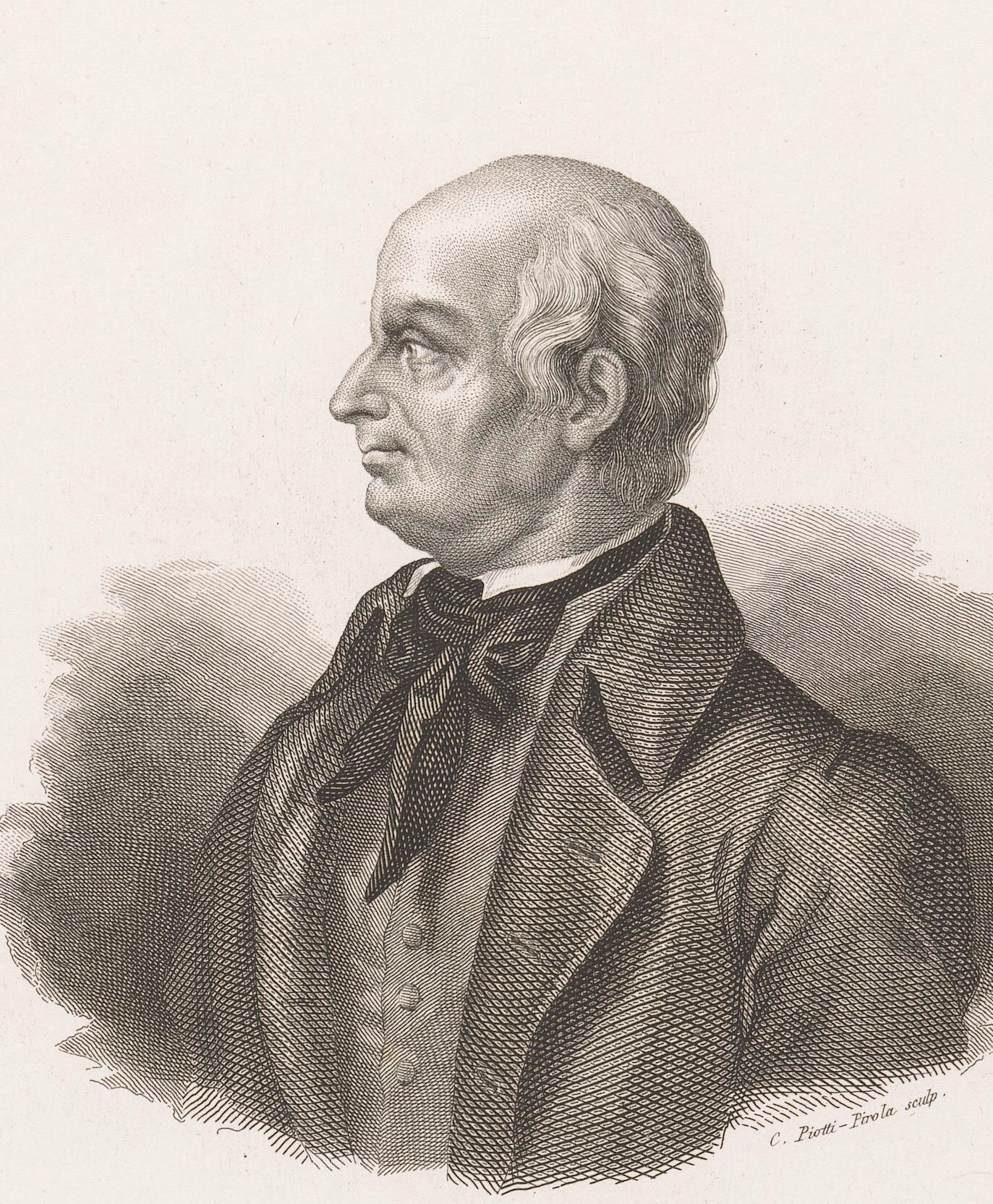
In the first patrt of this work, Della digestione dissertazione prima Spallanzani confirmed earlier doctrines of the solvent property of the gastric juice and discovered the action of the saliva in digestion. He state…
1803 CE
#982
An experimental inquiry into the principles of nutrition, and the digestive process.
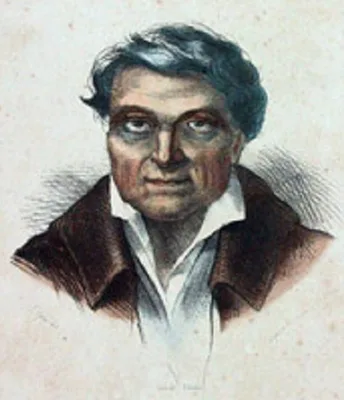
Young, one of the first American experimental physiologists, showed the solvent principle in the gastric juice to be an acid, but wrongly inferred that it was phosphoric acid. He also deduced the association and synch…
1809 CE
#984
Ueber die Divertikel am Darmkanal.
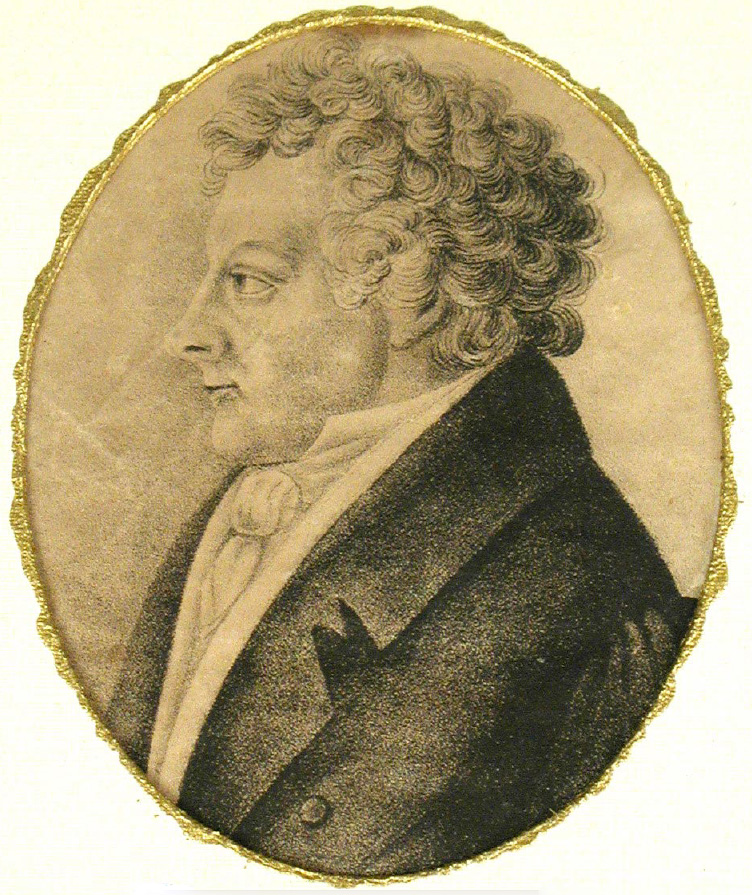
“Meckel’s diverticulum”.
1813 CE
#985
Mémoire sur le vomissement.
Physiologists still consult Magendie’s classic description of the physiology of deglutition and vomiting. Magendie proved, against the current theory of Haller, that the stomach was passive rather than active in…
1814 CE
#986
Experiments and observations on the influence of the nerves of the eighth pair on the secretions of the stomach.
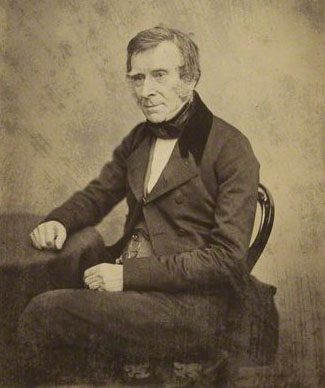
Before turning to surgery, Brodie did important work in physiology. Above is his study of the influence of the pneumogastric nerve on gastric secretion.
1824 CE
#987
On the nature of the acid and saline matters usually existing in the stomachs of animals.
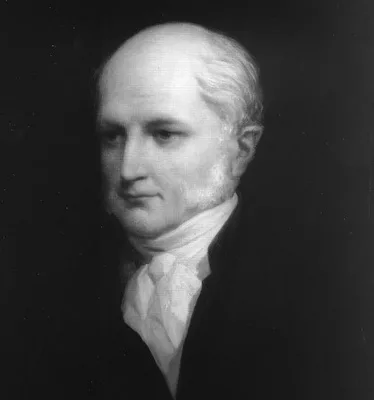
Proof that the gastric juice contains free hydrochloric acid.
1826 CE–1827 CE
#988
Die Verdauung nach Versuchen. 2 vols.
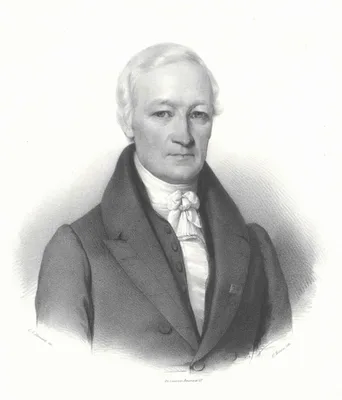
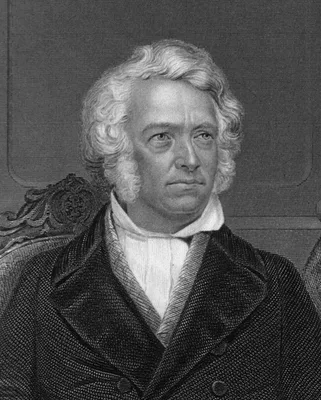
Confirmation of the work of Prout.
1833 CE
#989
Experiments and observations on the gastric juice, and the physiology of digestion.
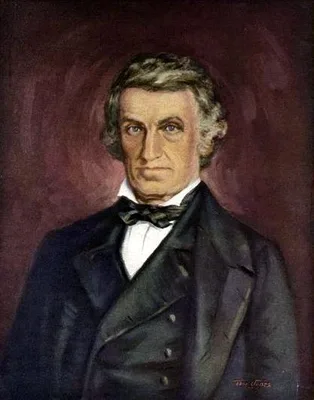
Alexis St. Martin, a Canadian half-breed who had sustained a gastric fistula, was treated and investigated by Beaumont. With his human medium, Beaumont as the first to study digestion and the movements of the stomach …
1836 CE
#990
Versuche über die künstliche Verdauung des geronnenen Eiweisses.
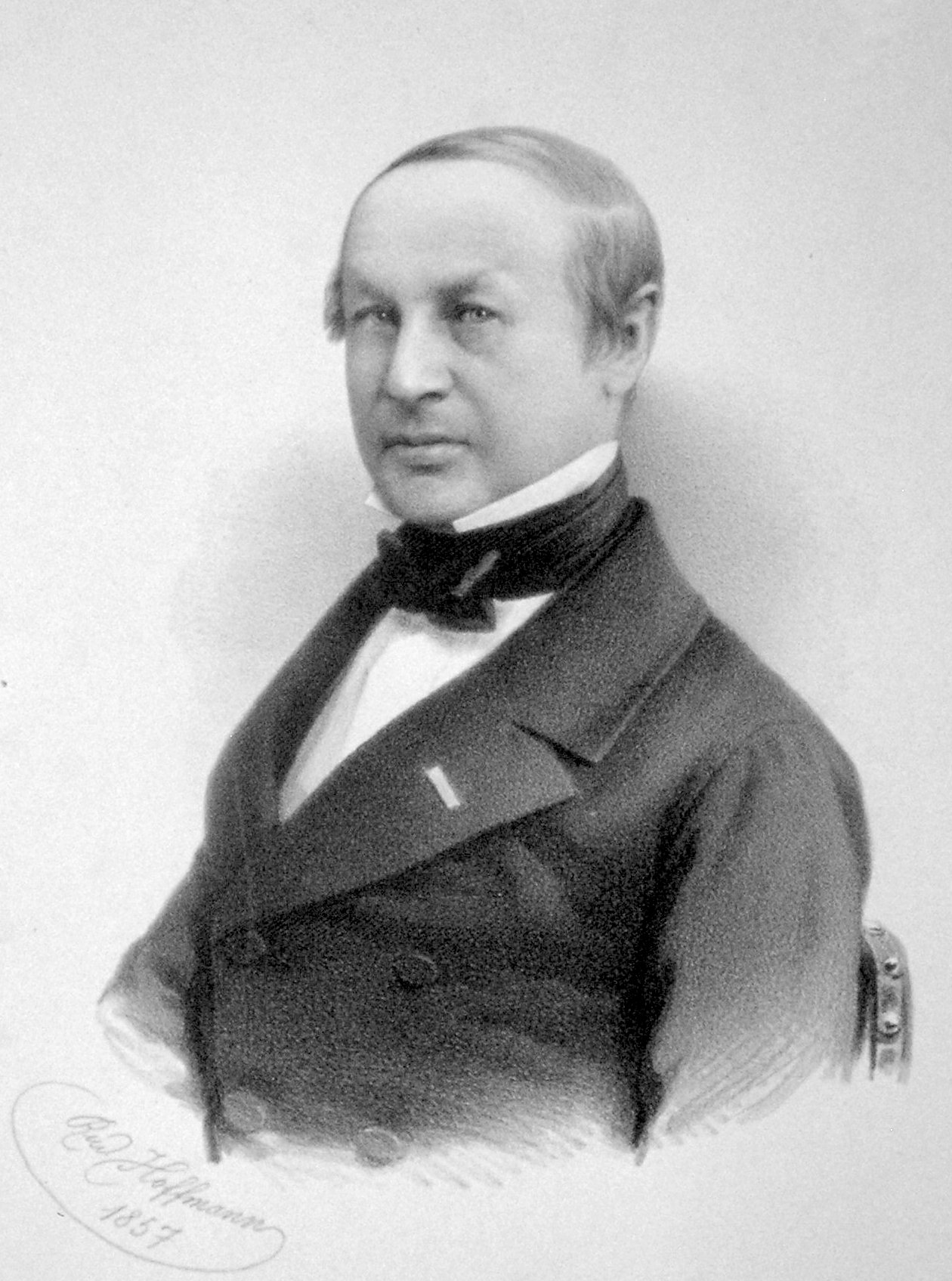
Digital facsimile from Google Books at this link.
1836 CE
#991
Ueber das Wesen des Verdauungsprocesses.
William Beaumont recognized that the gastric juice contained some other active chemical substance besides hydrochloric acid. Schwann proved this to be pepsin. Digital facsimile from Google Books at this link.
1839 CE
#992
Analyses comparées des alimens consommés et des produits rendus par une vache laitière.
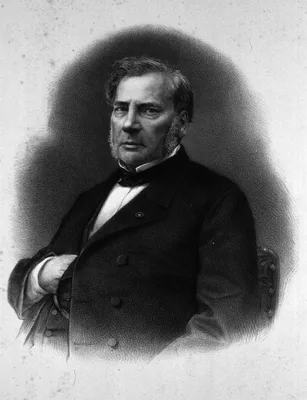
The first analysis of foodstuffs and fertilizers. Boussingault made a balance of intake and outgo of nutrients in food and excreta.
1844 CE
#993
Versuche um auszumitteln, ob die Galle im Organismus eine für das Leben wesentliche Rolle spielt.
Proof of the indispensability of bile to digestion.
1847 CE
#994
Beobachtung einer tödlichen Peritonitis, als Folge einer Perforation des Wurmfortsatzes.
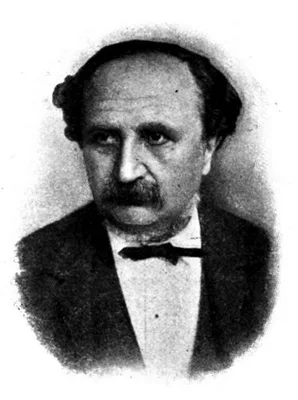
Description of “Gerlach’s valve”, sometimes seen at the orifice of the appendix.
1848 CE
#995
De l’origine du sucre dans l’économie animale.
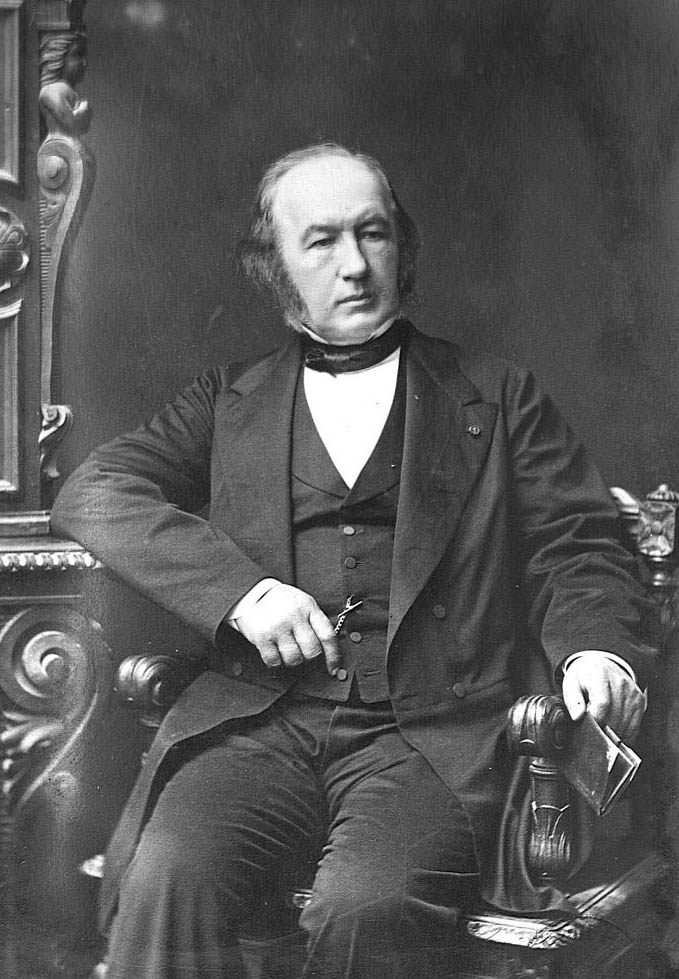
Bernard’s first communication regarding his investigation of the glycogenic function of the liver. Reprinted, with translation, in Med. Classics, 1939, 3, 552-80.
1849 CE
#996
Du sue pancréatique et de son rôle dans les phénomenès de la digestion.
Discovery of the digestive action of the pancreatic juice, especially its role in the digestion and absorption of fats. Reprinted, with translation, in Med. Classics, 1939, 3, 581-617.
1850 CE
#997
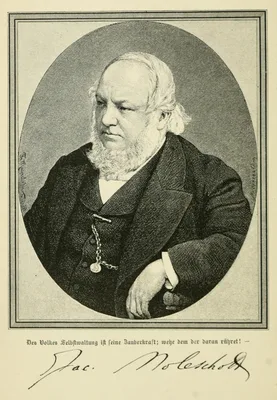
Die Physiologie der Nahrungsmittel.
1851 CE
#998
Neue Versuche über die Beihilfe der Nerven zur Speichelabsonderung.
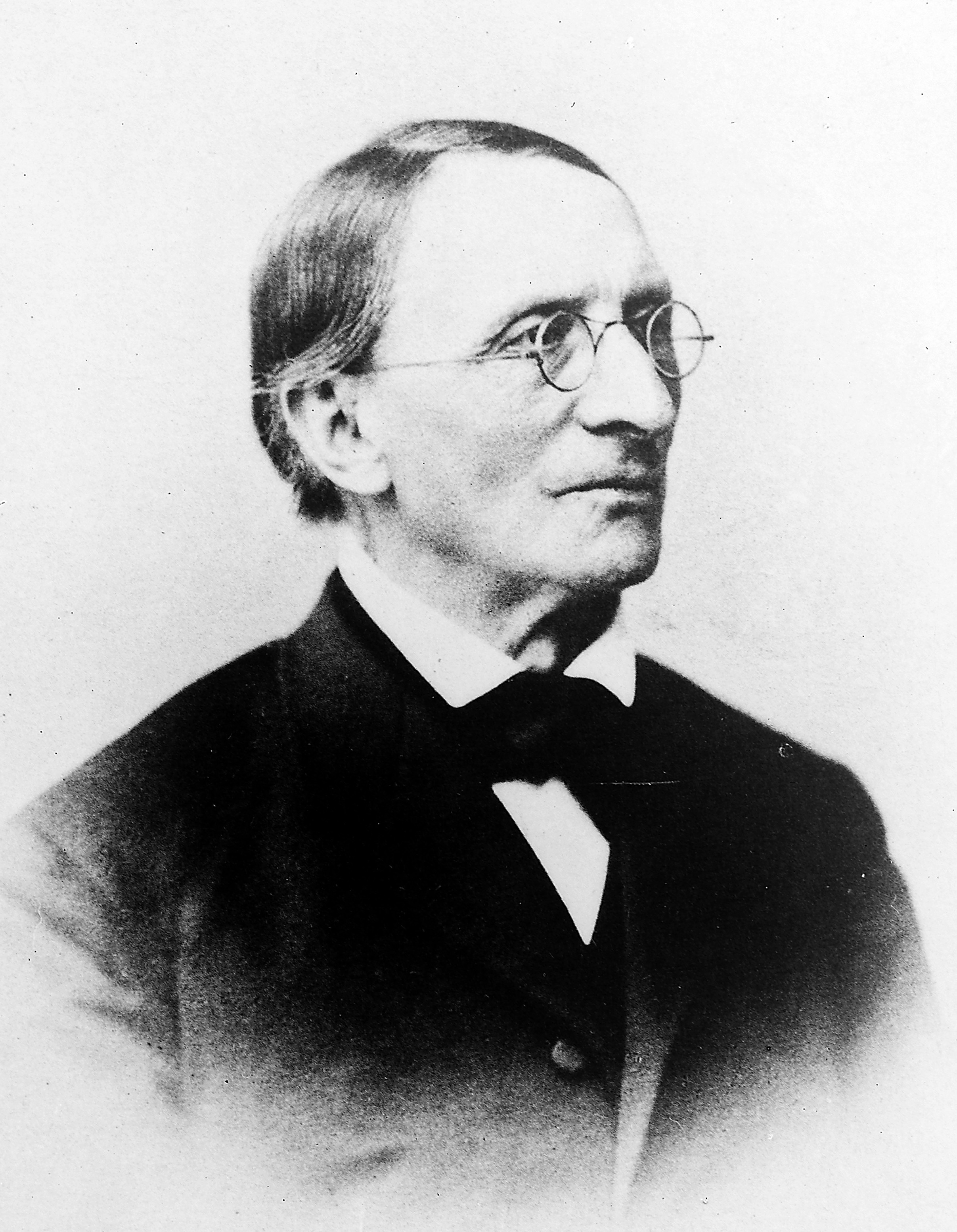
The innervation of the salivary glands first elucidated.
1852 CE
#999
Die Verdauungssäfte und der Stoffwechsel.
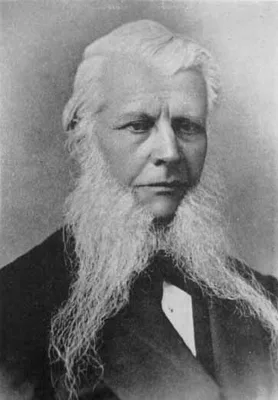
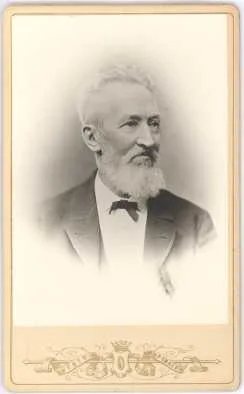
Even after the work of Prout and Beaumont, some physiologists thought that the free acid of the gastric juice was lactic acid; Bidder and Schmidt finally proved that normally the gastric juice always contains HCl in e…
1812 CE
#1389.2
Expériences sur le principe de la vie.
Le Gallois described the action of the vagus nerve on respiration. He showed that bilateral section of the vagus can produce fatal bronchopneumonia. The above work includes (p. 37) his location of the respiratory cent…
1662 CE
#1543
Observationes anatomicae, quibus varia oris, oculorum & narium vas describuntur novique salivae, lacrymarum & muci fontes deteguntur.
Includes the first account of the excretory duct of the parotid gland (“Stensen’s duct”), discovered by Stensen. He first reported his discovery in a letter to his teacher, Thomas Bartholin, dated Ap…
1806 CE
#3582
Anatomisch-chirurgische Abhandlung über den Ursprung der Leistenbrüche
Includes description of “Hesselbach’s hernia” and “triangle”. He wrote a further volume on the subject in 1814.