
Entry Nos. 400–499
94 Garrison-Morton entries in this range.
1925 CE
#454
The evolution of anatomy. A short history of anatomical and physiological discovery to Harvey.
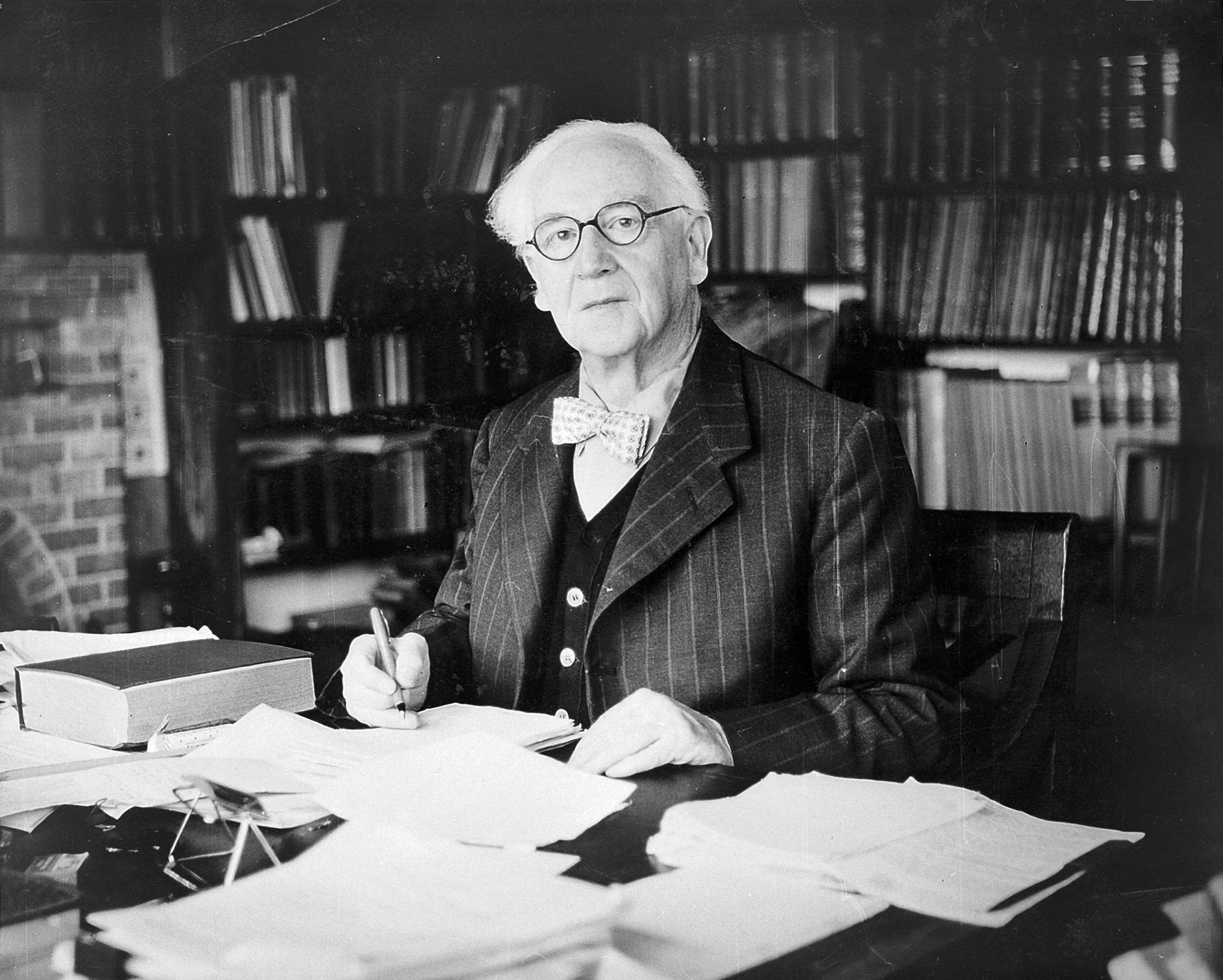
This invaluable reference book was reprinted under the title A short history of anatomy and physiology from the Greeks to Harvey, Dover, 1957.
1927 CE
#456
Anatomical texts of the earlier Middle Ages: A study in the transmission of culture, with a revised Latin text of Anatomia Cophonis and translations of four texts.
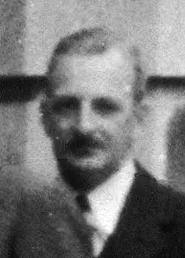
Digital facsimile from the Hathi Trust at this link.
1939 CE
#459
Das Anatomenbildnis. Seine Entwicklung im Zusammenhang mit der anatomischen Abbildung.
1962 CE
#460
Anatomical eponyms: being a biographical dictionary of those anatomists whose names have become incorporated into anatomical nomenclature, with definitions of the structures to which their names have been attached and references to the works in which they are described. 2nd ed.
1987 CE
#461
British anatomy 1525-1800; a bibliography of works published in Britain, America, and on the Continent. 2nd edition.
Full descriptions, frequently annotated, of 901 items.
1554 CE
#463
Ein schön lustig Trostbüchle von den Empfengknussen und Geburten der Menschen…
An improved version of Rösslin’s Swangern frawen. This contains the first true anatomical pictures in an obstetrics book. Rueff described smooth-edged forceps for delivery of a live baby, preceding Chamberl…
1564 CE
#464
De humano foetu.
According to Charles Singer, Aranzi gave the first adequate printed account of the gravid uterus, and finally dispelled the idea of a human cotyledonous placenta. He gave by far the best description of fetal anatomy u…
1604 CE
#465
De formato foetu.
Fabricius wrote at great length on embryology, inventing many theories, some of which were false. His illustrations marked a great advance on previous work. Fabricius recorded for the first time the dissection of seve…
1621 CE
#466
De formatione ovi et pulli.
1651 CE
#467
Exercitationes de generatione animalium.
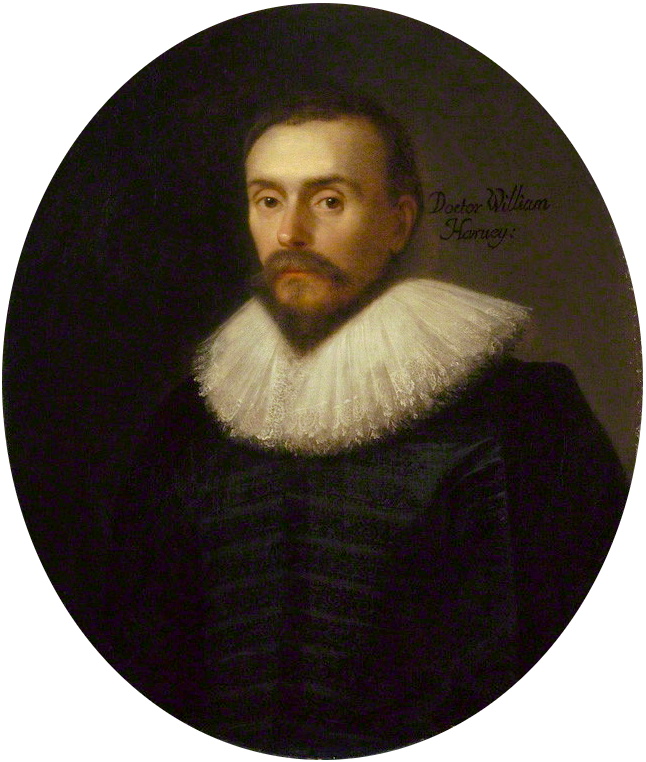
Harvey was among the first to disbelieve the erroneous doctrine of the “preformation” of the fetus; he maintained that the organism derives from the ovum by the gradual building up and aggregation of its p…
1673 CE
#468
De ovo incubato observationes.
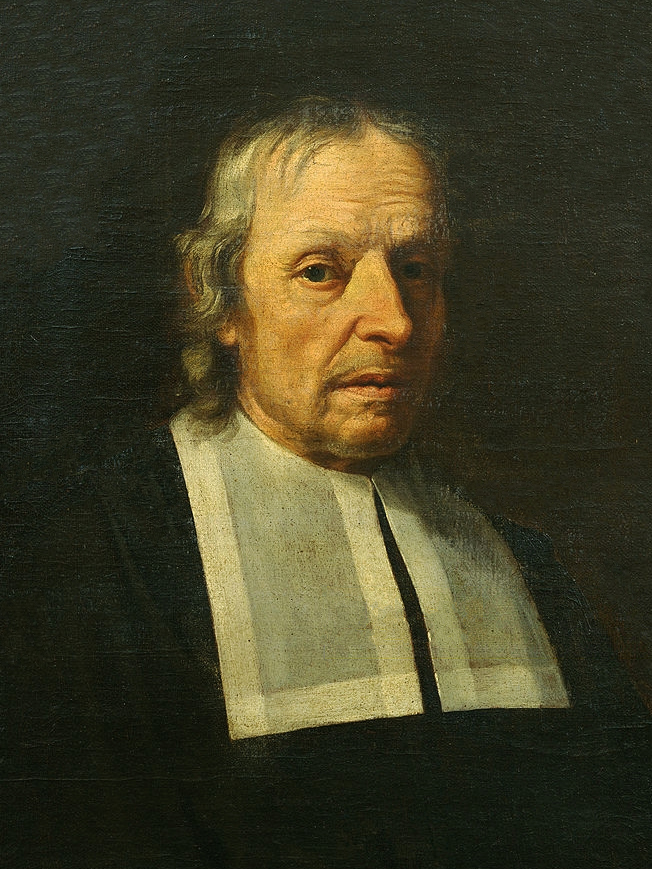
First accurate description, from the microscopical point of view, of the chick embryo. See No. 467.1. English translation in No. 534.1
1673 CE
#469
Dissertatio epistolica de formatione pulli in ovo.
This and the De ovo incubato (No. 468) placed the study of embryology on a sound basis, surpassing in accuracy all other contemporary work on the subject and foreshadowing some of the more important general lines of r…
1759 CE
#470
Theoria generationis.
Wolff observed in great detail the early processes of embryonic differentiation. He disposed of the “preformation” theory, substituting his view that the organs are formed from leaf-like (blastodermic) lay…
1768 CE
#471
De formatione intestinorum praecipue.
One of the acknowledged classics of embryology. Wolff’s description of the formation of the chick’s intestine by the rolling inwards of a leaf-like layer of the blastoderm was important as proving his theo…
1762 CE
#472
Considérations sur les corps organisés. 2 vols.
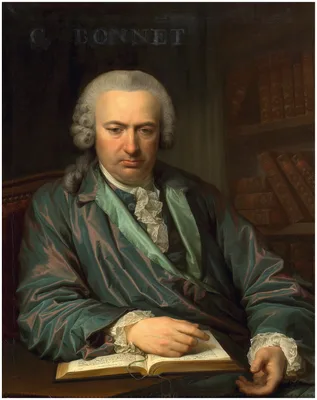
Bonnet’s theory of generation offered the best synthesis of 18th century ideas of development and remained a leading authority until von Baer. Bonnet believed in the preformation of the embryo. He used many of H…
1799 CE
#473
Icones embryonum humanorum.
Soemmerring met William Hunter during a visit to London in 1778. The latter’s classic work on the pregnant uterus (No. 6157) dealt only with the latter half of pregnancy. Soemmerring therefore decided, in a supp…
1817 CE
#474
Dissertatio sistens historiam metamorphoseos, quam ovum incubatum prioribus quinque diebus subit.
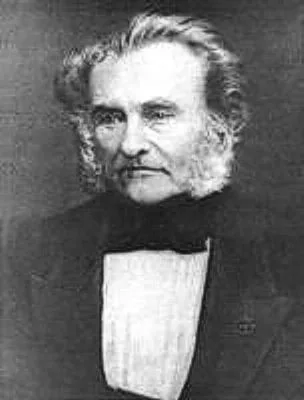
Pander’s doctoral thesis (unillustrated) in which he announced his discovery of the trilaminar structure of the chick blastoderm, a term that he coined. Pander's discovery stimulated von Baer’s research. A…
1825 CE
#475
Ueber die Entwickelung der Eier im Eierstock bei den Gespenst-heuschrecken.
Discovery of the Müllerian duct.
1825 CE
#476
Symbolae ad ovi ovium historiam ante incubationem.
First description of the germinal vesicle in the embryo, “Purkynĕ’s vesicle” This is located on the spot of the yolk where the embryo develops. Later identified with the cell nucleus, this formed a b…
1827 CE
#477
De ovi mammalium et hominis genesi.
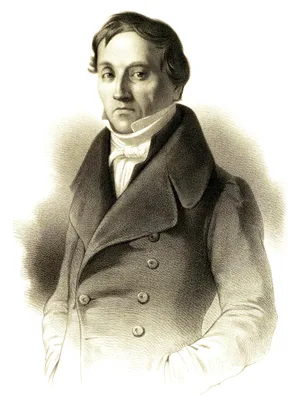
Announces Baer’s discovery of the mammalian ovum, the culmination of a search begun by scientists at least as early as the work of de Graaf in the 17th century (No. 1209). The pamphlet was reprinted in facsimile…
1827 CE
#478
Mémoire sur le développement du poulet dans l’oeuf.
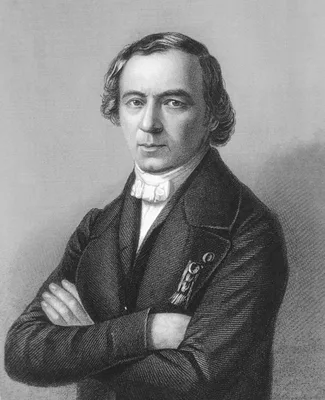
First description of the segmentation of the frog’s egg.
1828 CE–1888 CE
#479
Ueber Entwicklungsgeschichte der Thiere. 2 vols.
Baer, the founder of modern embryology, definitely established the “germ-layer theory”, discovered the notochord and the human ovum, and postulated the law of corresponding stages in embryonic development.…
1832 CE–1833 CE
#480
Abhandlungen zur Bildungs-und Entwicklungs-Geschichte der Menschen und der Thiere. 2 pts.
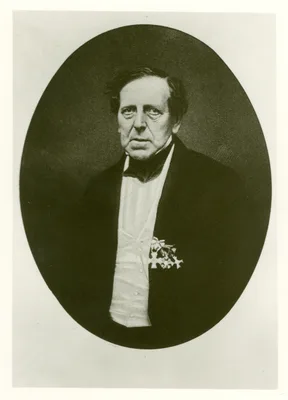
Rathke’s most notable discovery was of structures homologous with gill slits in bird and mammalian embryos. He discredited the vertebral theory of the skull.
1834 CE
#481
De necessitate aëris atmosphaerici ad evolutionem pulli in ovo incubito. Dissertatio inauguralis physiologica....
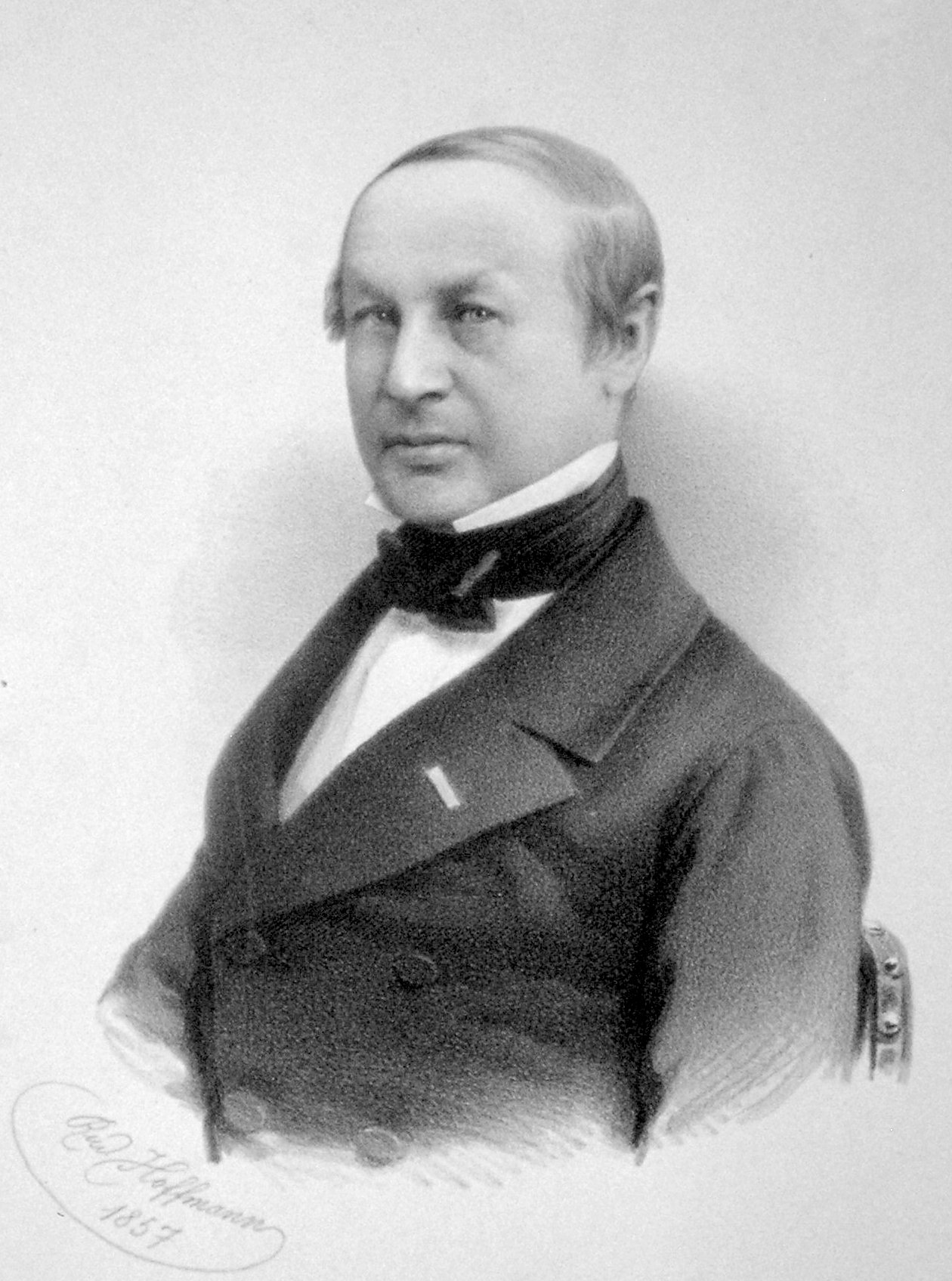
Proof that air is necessary in the development of the embryo. Digital facsimile from Google Books at this link.
1837 CE
#482
Ueber die Visceralbogen der Wirbelthiere.
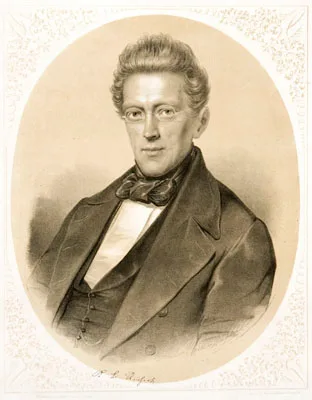
First description of the visceral arches in vertebrates.
1839 CE
#483
Entwicklungsgeschichte der Natter (Coluber natrix).
“Rathke’s pouch”, a diverticulum from the embryonic buccal cavity.
1842 CE
#484
Entwickelungsgeschichte des Kaninchen-Eies.
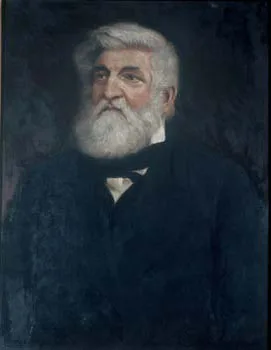
Bischoff contributed important original work on the development of the rabbit.
1855 CE
#485
Untersuchungen überdie Entwickelungder Wirbelthiere.
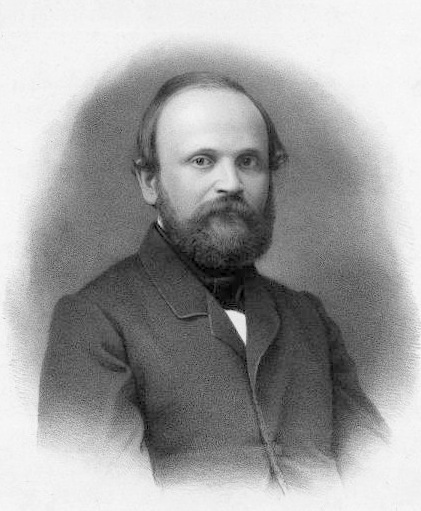
Simplification of von Baer’s classification of the germ-layers.
1861 CE
#486
Ueber den Bau und die Entwickelung der Wirbelthier-Eier mit partieller Dottertheilung.
Proof that the ovum is unicellular in all vertebrates.
1861 CE
#487
Entwicklungsgeschichte des Menschen und der höheren Thiere.
First book on comparative embryology.
1863 CE
#488
Observationes nonnulae de ovorum ranarum segmentatione, quae “Furchungsprocess” dicitur.
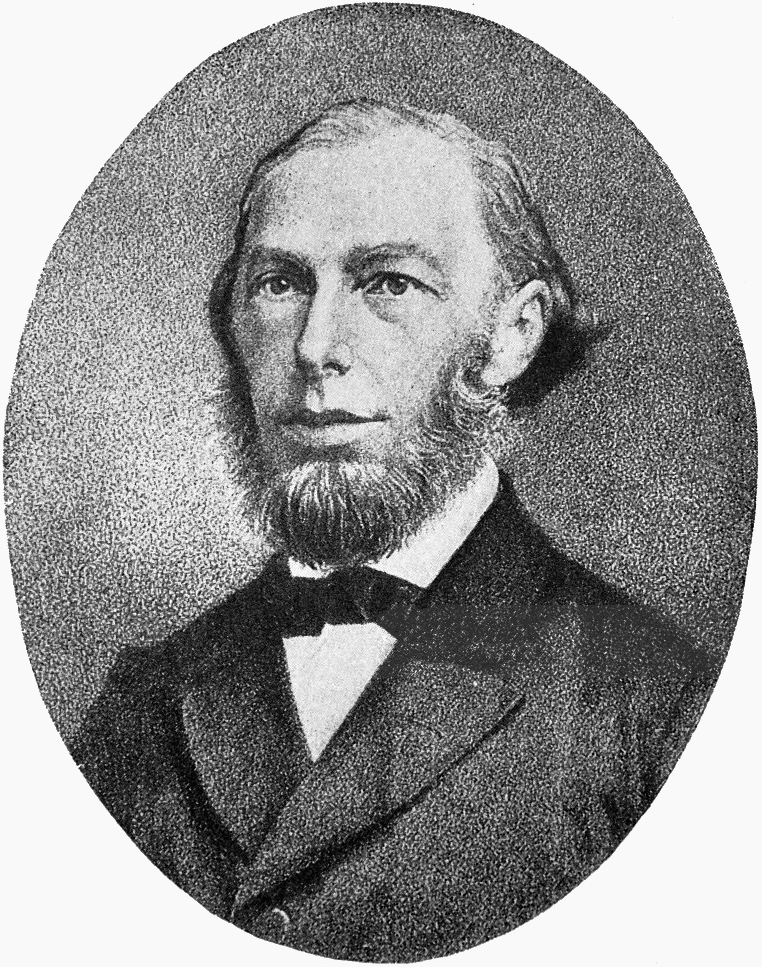
Best contemporary description of the segmentation furrowing of the egg.
1865 CE
#489
Beobachtungen über den Bau des Säugethier-Eierstockes.
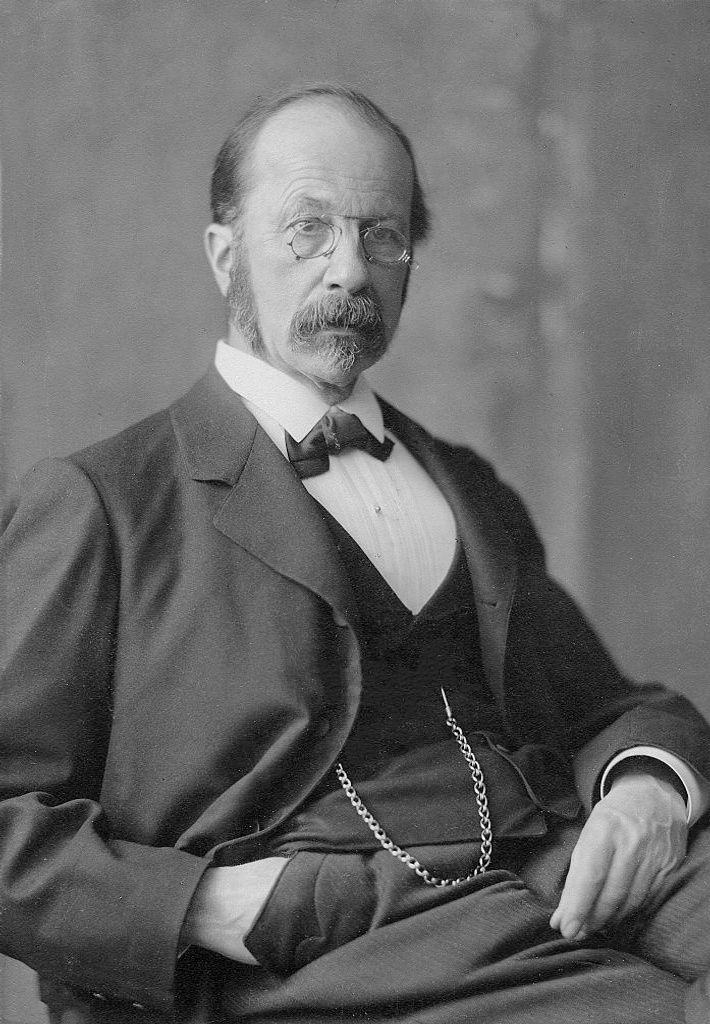
.
1865 CE
#490
Die Häute und Höhlen des Körpers.
A new classification of tissues based on histogenesis.
1870 CE
#491
Zur Kenntnis der menschlichen Placenta.
“Langhans’s layer”—the cytotrophoblast, the individual cells of which are termed “Langhans’s cells”.
1870 CE
#492
Eierstock und Ei.
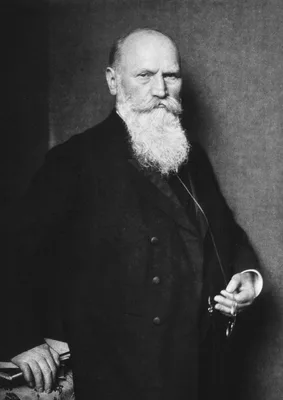
Waldeyer discovered the germinal epithelium.
1874 CE
#493
Anthropogenie oder Entwicklungsgeschichte des Menschen.
1874 CE
#494
Unsere Körperform und das physiologische Problem ihrer Entstehung.
In this work His compared the various layers and organs of the embryo to a series of elastic tubes and plates. He thought that the local inequalities of growth and the differences in the consistency of the tissues mig…
1876 CE
#495
Beiträge zur Kenntnis der Bildung, Befruchtung und Theilung des thierischen Eies.
Demonstration that the spermatozoon enters the ovum and that fertilization occurs by the union of the nuclei of the male and female sex cells. Hertwig also established that the transfer of hereditary material is part …
1875 CE
#496
Le maturation de l’oeuf, la fécondation et les premières phases du développement embryonnaire des mammifères.
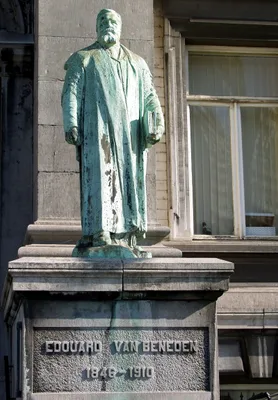
First detailed description of the segmentation of the mammalian ovum.
1876 CE
#497
Contributions à l’histoire de la vésicule germinative et du premier noyau embryonnaire.
Independently of Flemming, van Beneden discovered the centrosome.
1877 CE
#498
Beobachtungen über die Beschaffenheit des Zellkerns.
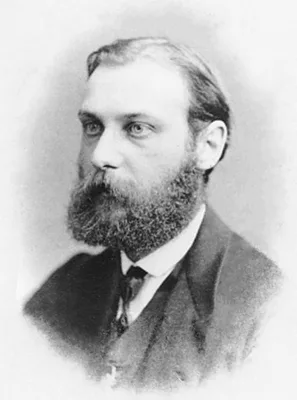
Discovery of the centrosome.
1878 CE
#499
The embryology of Clepsine.
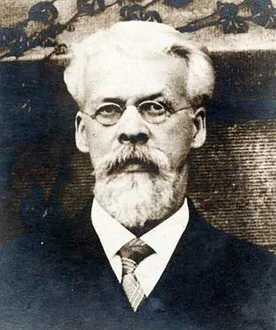
The study of cell-lineage was initiated by Whitman’s paper on Clepsine.
1801 CE–1803 CE
#1315
Traité d’anatomie descriptive. 5 vols.
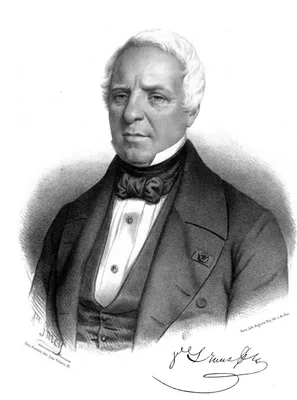
Bichat was the creator of descriptive anatomy. He introduced the terms “animal” and “vegetative” system. This was his last work, unfinished at his death. Vol. 4 was prepared by Bichat's student…
1811 CE
#3055
Observations on the surgical anatomy of the head and neck.
Burns was the first to suggest (p. 31) ligature of the innominate artery. His book describes “Burns’s space”, the fascial space at the suprasternal notch. The first recorded case of chloroma (myeloid…