
Entry Nos. 2600–2699
99 Garrison-Morton entries in this range.
1926 CE
#2650
Haemagglutinegehalte van het bloedserum bij carcinoompatiënten.
Bendien test for the diagnosis of cancer. He published books in German and English on this subject in 1931. Modification by E. C. Lowe, Brit. med. J., 1932, 2, 1060.
1926 CE
#2651
Ueber den Stoffwechsel der Tumoren.
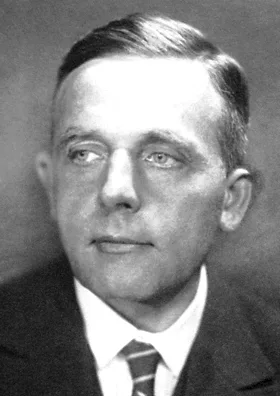
In his important studies of the metabolism of tumors, Warburg was first to observe that malignant tissue utilizes glucose by glycolysis, whether or not oxygen is available (aerobic glycolysis). English translation, 1930.
1928 CE
#2652
Cancer and heredity.
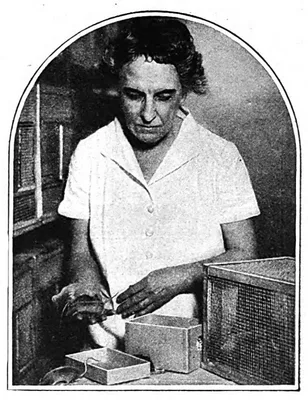
By selective breeding over a period of 15 years, Slye produced generations of mice absolutely resistant to, or particularly susceptible to, cancer. She demonstrated that resistance is a Mendelian dominant and suscepti…
1930 CE
#2653
Allergie des Lebensalters, die bösartigen Geschwülste.
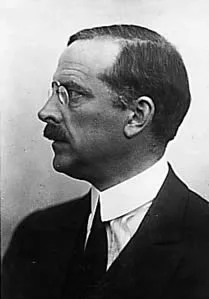
Important study of the age and sex incidence of cancer.
1932 CE
#2654
The production of cancer by pure hydrocarbons.
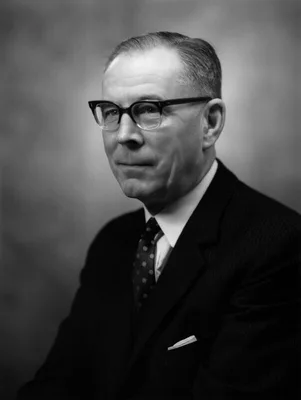
Discovery of the carcinogenic properties of dibenzanthracene compounds. With I. Hieger, E. L. Kennaway, and W. V. Mayneord.
1932 CE
#2655
Superior pulmonary sulcus tumor. Tumor characterized by pain. Horner’s syndrome, destruction of bone and atrophy of hand muscles.
“Pancoast’s tumor.”
1932 CE
#2656
A transmissible tumor-like condition in rabbits.
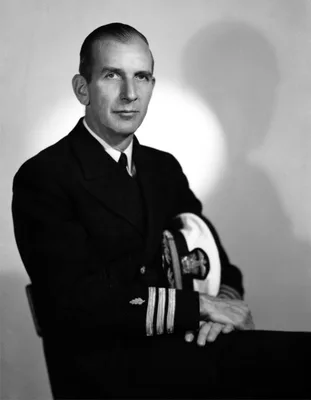
Shope papilloma virus (SPV), a benign infectious tumor due to a virus. This was the first mammalian tumor virus discovered. Full text from PubMedCentral at this link. See also Shope, "Infectious Papillomatosis of Rabb…
1932 CE
#2657
Apparition de cancers de la mamelle chez la souris mâle, soumise à des injections de folliculine.
Demonstration of the carcinogenic effect of ovarian hormone.
1936 CE
#2658
Some possible effects of nursing on the mammary gland tumor incidence in mice.
Bittner’s “milk factor,” the murine mammary tumor involved in the transmission of cancer in mice. See also Amer. J. clin. Path., 1937, 7, 430-35.
1937 CE
#2659
The carcinogenic action of oestrone: induction of mammary carcinoma in female mice of a strain refractory to the spontaneous development of mammary tumours.
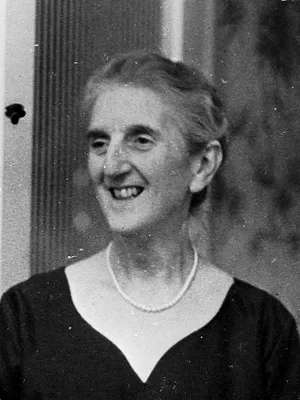
With L. H. Stickland and K. I. Connal.
1947 CE
#2660
Effect of intraperitoneal injection of malignant urine extracts in normal and hypophysectomized rats.
Test for diagnosis of cancer. With B. Halperin and S. H. Libert.
1901 CE
#2661
Die Carcinomlitteratur. Eine Zusammenstellung der in-und ausländischen Krebsschriften bis 1900.
1933 CE
#2662
An exhibit of important books, papers, and memorabilia illustrating the evolution of the knowledge of cancer.
1984 CE
#2663
Galen on respiration and the arteries. An edition with English translation and commentary of De usu respirationis, An in arteriis natura sanguis contineatur, De usu pulsuum, and De causis respirationis, by David J. Furley and J. S. Wilkie.
![GALEN, [Κλαύδιος Γαληνός; Galen of Pergamon] (129 – 216)](/media/portraits/21)
Galen's system of medicine based on the minutiae of pulse variations persisted into the 18th century.
1514 CE
#2664
Galen: De differentiis morborum libri ii…
First Renaissance Latin translation by Niccolò Leoniceno of Vicenza of Galen's work on physical diagnosis.
1522 CE
#2665
De morborum symptomatis.
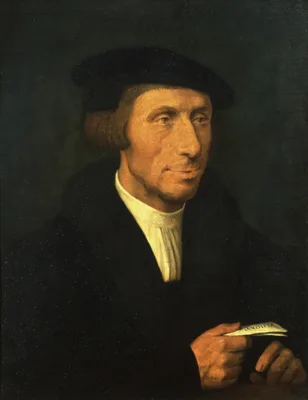
This volume of Galen’s selected works includes Thomas Linacre’s Latin translation of De symptomatum differentiis.
1519 CE
#2666
HOC.IN.VOLVMINE.ACTVARI.GRÆCI auctoris medici praestantissimi digesti sunt de urinis libri septem de græco sermone in latinum conversi: in quibus omnia: que de urinis dici possunt: sive practicam sive Theoricam: sive cognitionem: sive prognostica quæsiveris: doctissime tractata continentur, Unde lector optime: si diligenter his libris infadaveris glumam paucă ex aliorsi lectionet: ex hac ipsa grans multum te colle gisse cognoveris.
The most complete medieval treatise on urinoscopy, translated from the Greek by Ambrogio Leone (1458/9- 1525) professor of medicine in Naples). Johannes Actuarius, the last of the great Byzantine physicians, was first…
1595 CE
#2667
De iis qui morborum simulant deprehendendis liber.
The first treatise on feigned diseases.
1625 CE
#2668
Commentaria in primam fen primi libri canonis Avicennae.
The chief value of this work is in its cautious revelation of the principles of construction of various instruments that Santorio had invented, including a hygrometer, a pendulum for measuring pulse rate, a syringe fo…
1707 CE–1710 CE
#2670
The physician’s pulse-watch. 2 vols.
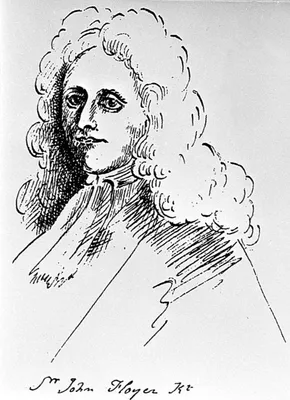
Before watches had hands to record the seconds, Floyer invented a pulse-watch which divided the minute. He was the first to count the pulse with the aid of a watch and to make regular observations on the pulse-rate. T…
1740 CE
#2671
Essays medical and philosophical.
First important work on clinical thermometry, and the only scientific treatment of the subject before Wunderlich.
1761 CE
#2672
Inventum novum ex percussione thoracis humani ut signo abstrusos interni pectoris morbos detegendi.
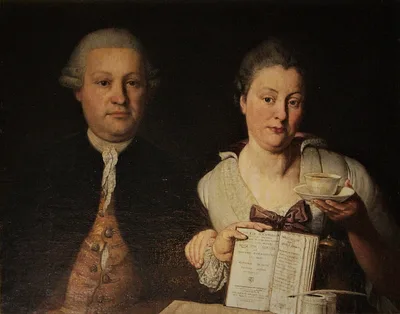
The greatness of Auenbrugger’s discovery of the value of immediate percussion of the chest as a diagnostic measure was not recognized until many years after he first published. His little book met with a cold re…
1819 CE
#2673
De l’auscultation médiate, ou traité du diagnostic des maladies des poumons et du coeur. 2 vols.
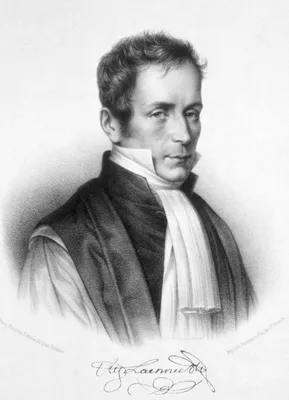
This book revolutionized the study of diseases of the chest. Auscultation in the instrumental sense dates from Laennec’s invention of the stethoscope (at first merely a roll of stiff paper) with a view to amplif…
1825 CE
#2674
An introduction to the use of the stethoscope.
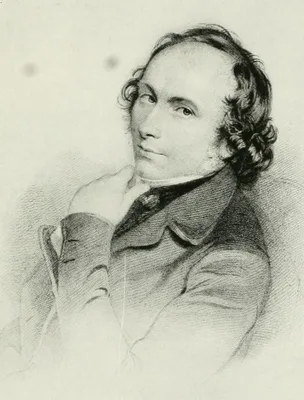
Stokes, famous member of the Irish school of medicine, published the first systematic treatise on the use of the stethoscope – and this before his qualification at Edinburgh. His name is perpetuated in medical l…
1828 CE
#2675
De la percussion médiate.
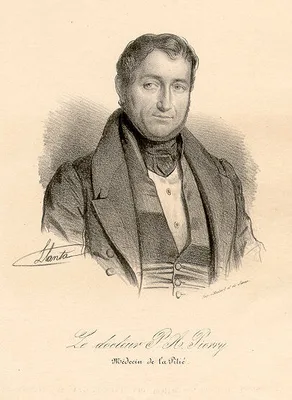
Piorry, pioneer of mediate percussion, introduced the percussor and the pleximeter in 1826. He also developed refinements to Laennec’s stethoscope.
1839 CE
#2676
Abhandlung über Perkussion und Auskultation.
Skoda classified the various sounds obtained on percussion according to their musical pitch and tone. “Skoda’s resonance” is an important diagnostic sign in pneumonia and pericardial effusion. Follow…
1868 CE
#2677
Das Verhalten der Eigenwärme in Krankheiten.
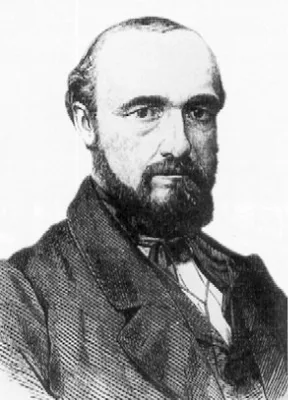
This work on temperature in disease laid the foundation of modern knowledge regarding clinical thermometry. Wunderlich reportedly took over a million measurements from 25,000 people. Temperatures ranged from 97.2 to 9…
1869 CE
#2678
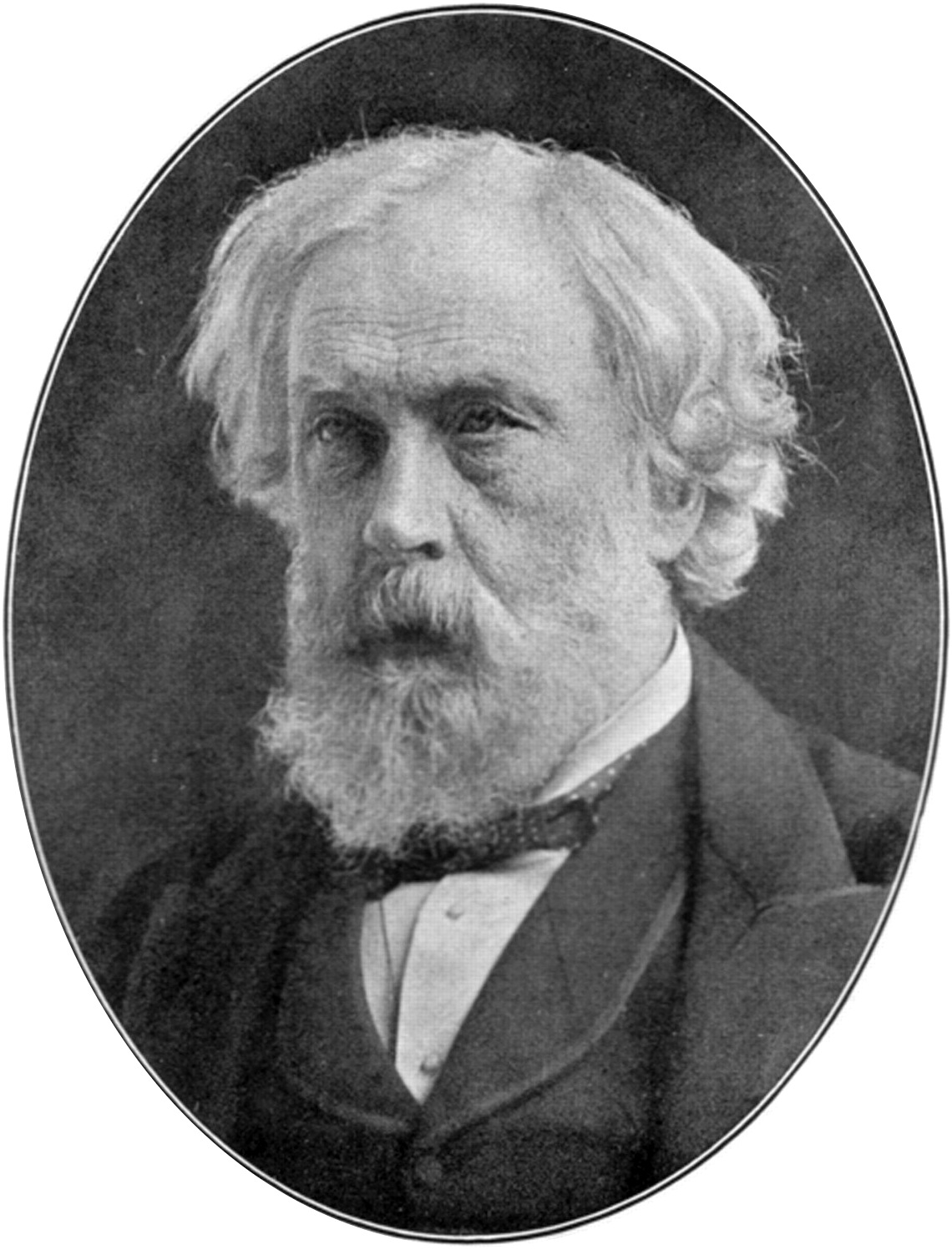
On markings of furrows on the nails as the result of illness.
1870 CE
#2679
Medical thermometry.
Allbutt introduced the modern clinical thermometer.
1890 CE
#2680
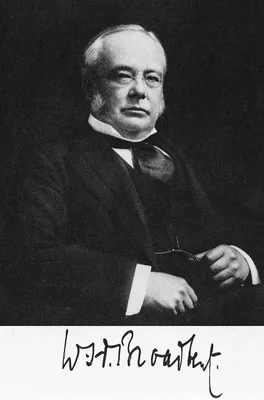
The pulse.
1957 CE
#2681
Progress in the techniques of soft tissue examination by 15 MC pulsed ultrasound. In: Ultrasound in biology and medicine, ed. E. Kelly, pp. 30-48.
1958 CE
#2682
Investigation of abdominal masses by pulsed ultrasound.
Donald, J. MacVicar and T. G. Brown used an ultrasound scanner to investigate the pregnant abdomen (see also No. 6235.1).
1895 CE
#2683
Ueber eine neue Art von Strahlen. (Vorläufige Mittheilung.); Eine neue Art von Strahlen. II. Mittheilung.
The discovery of x rays, which Kölliker later renamed “Roentgen rays”; the foundation stone of the science of roentgenology. English translation in Nature, (February,) 1896, 53, 274 and 377. See also …
1896 CE
#2684
The discovery of a bullet lost in the wrist by means of the Roentgen rays.
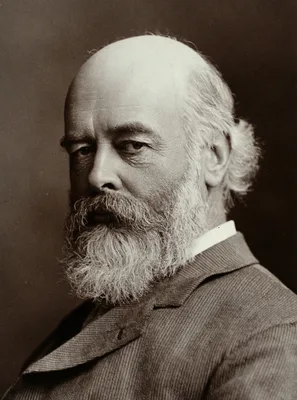
This was probably the first published report of the clinical use of x rays (February 22).
1896 CE
#2685
A few remarks on experiments with Roentgen rays.
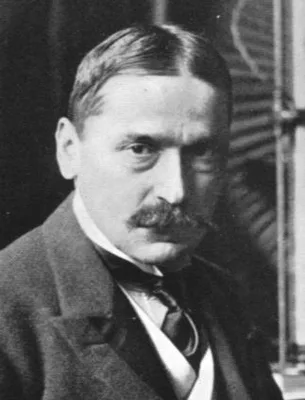
Introduction of the intensifying screen.
1896 CE
#2686
Stereoscopic Roentgen pictures.
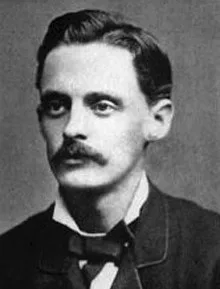
Invention of the Roentgen stereoscope.
1897 CE
#2687
X-ray records for the cinematograph.
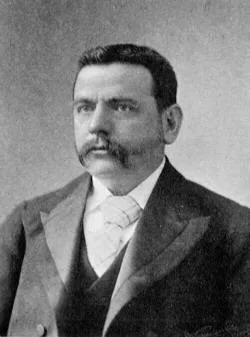
Macintyre was the first to demonstrate x-ray cinematography.
1902 CE
#2688
Eine neue, einfache Dosirungsmethode in der Radiotherapie (das Chromoradiometer).
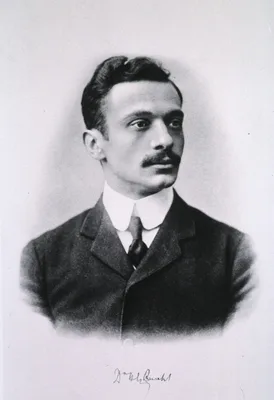
Holzknecht did important work on x-ray dosimetry.
1903 CE
#2689
Die Röntgen-Technik.
Albers-Schönberg invented the compression diaphragm, the function of which is to intensify the object by cutting out secondary rays.
1909 CE
#2690
Die Technik der Roentgenkinematographie.
Groedel invented the first machine for taking serial x-rays.
1913 CE–1914 CE
#2691
A grafting-diaphragm to cut off secondary rays from the object.
Bucky devised a diaphragm for roentgenography which, by preventing the secondary rays from reaching the plate, secured better contrast and definition.
1913 CE–1914 CE
#2692
A powerful Roentgen ray tube with a pure electron discharge.
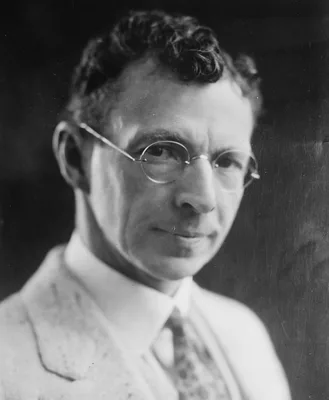
Coolidge invented the high vacuum tube, capable of kilovoltage energies.
1921 CE
#2693
Méthode radiographique d’exploration de la cavité épidurale par la lipiodol.
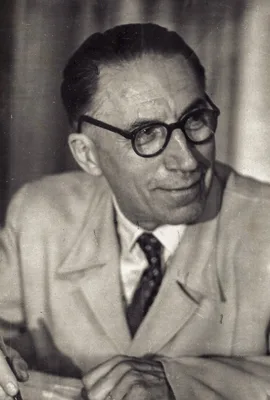
Positive contrast myelography with iodized oil (lipiodol). This paper records the first use of lipiodol in radiology.
1927 CE
#2694
Einstellung der Röntgenologie.
1929 CE
#2695
Eine neue Methode zur röntgenologischen Darstellung der Milz.
Thorium dioxide (“thorotrast”) first used in radiological diagnosis.
1931 CE
#2696
Archiv und Atlas der normalen und pathologischen Anatomie in typischen Röntgenbildern. Das röntgenographische Bewegungsbild und seine Anwendung (Flachenkymographie und Kymoskopie).
Introduction of roentgen kymography.
1932 CE
#2697
Roentgen ray motion pictures of the stomach.
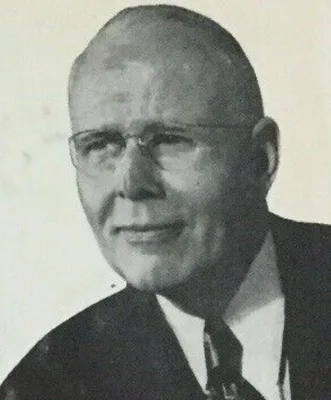
Camera used for direct Roentgen-cinematography.
1933 CE
#2698
Röntgenschnitte.
Tomography first described.
1935 CE
#2699
Tomographie.
Grossmann's tomograph was able to image a single slice through the body. He was influential in establishing the word "tomographie" in its radiological context.