
Entry Nos. 2200–2299
92 Garrison-Morton entries in this range.
1932 CE
#2257
Elektrische Verletzungen. Klinik und Histopathologie.
Jellinek specialized in the study of injuries and deaths caused by electricity, and their prevention.
1933 CE
#2258
The role of infection in burns; the theory and treatment with special reference to gentian violet.
Introduction of gentian violet in the treatment of burns.
1935 CE
#2259
The tannic acid–silver nitrate treatment of burns: a method of minimizing shock and toxemia and shortening convalescence.
Bettman introduced the tannic acid-silver nitrate method of treating burns.
1940 CE
#2260
Envelope method of treating burns.
Bunyan bag.
1942 CE
#2261
The treatment of burns.
Contains some history of the subject and includes a valuable bibliography of 1,320 entries.
1598 CE
#2262
The cures of the diseased, in remote regions. Preventing mortalitie, incident in forraine attempts, of the English nation.
This book is the earliest work in English devoted to tropical medicine. It discusses sunstroke, tabardilla (possibly typhus or yellow fever), prickly heat, dysentery, erysipelas and scurvy. Facsimile reproduction, wit…
1642 CE
#2263
De medicina Indorum.
Bontius was probably the first to regard tropical medicine as an independent branch of medical science. He spent the last four years of his life in the Dutch East Indies, and his book incorporates the experience he ga…
1768 CE
#2264
An essay on diseases incidental in Europeans in hot climates.
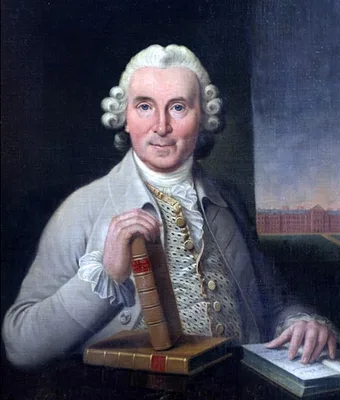
Lind came near to discovering the connection between malaria and mosquitoes. He is best remembered for his work on scurvy (No. 3713), but the above book is one of the more important early works on tropical medicine.
1847 CE
#2265
Die Krankheiten des Orient’s: vom Standpunkte der vergleichenden Nosologie betrachtet.
Digital facsimile from the Medical Heritage Library, Internet Archive, at this link.
1898 CE
#2266
Tropical diseases.
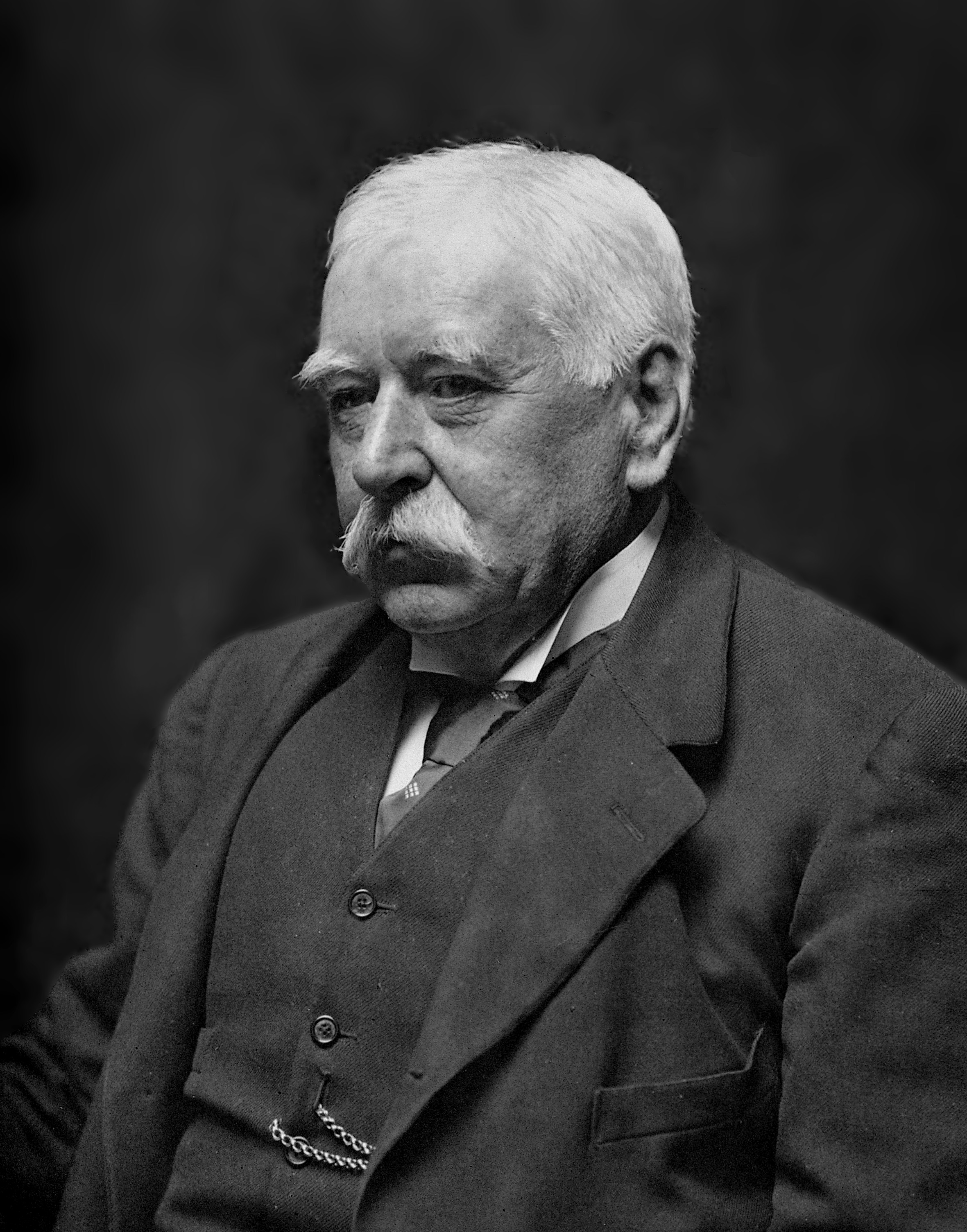
Manson has been called the “father of modern tropical medicine”. He had vast experience of disease in the Tropics and himself made many valuable contributions to the knowledge of this subject. He described…
1910 CE
#2267
Manual of tropical medicine.
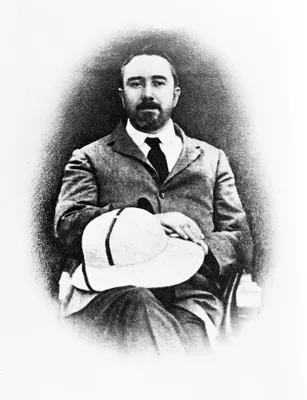
Castellani made several discoveries of great importance in tropical medicine. The above work is a standard text on tropical medicine in English. Third edition, 1919.
1939 CE
#2268
A history of tropical medicine. 2 vols.
An exhaustive history of the subject to the time of writing.
1513 CE
#2269
Galen: De affectorum locorum notitia libri vi.
![GALEN, [Κλαύδιος Γαληνός; Galen of Pergamon] (129 – 216)](/media/portraits/21)
First separate dated Latin translation of De locis affectis, made by Wilhelm Copp of Basel. In this work devoted to pathology, Galen made many valuable deductions on inflammation and on tumors. He was familiar with ch…
1507 CE
#2270
De abditis nonnulus ac mirandis morborum et sanationum causis. Edited by Girolamo Benivieni.
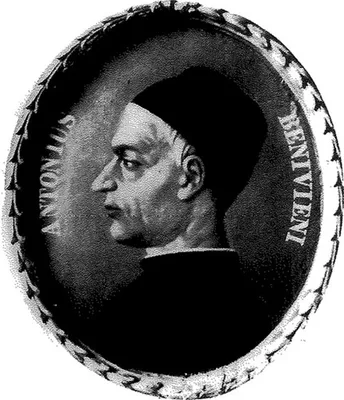
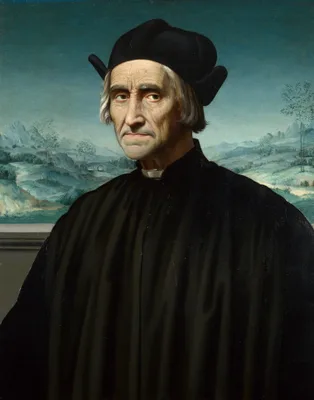
Antonio Benivieni's The hidden causes of diseases was the first book on pathological anatomy, presenting the first reports of autopsies made specifically to determine the cause of death. The work records twenty post-m…
1554 CE
#2271
Medicina. 3 pts.
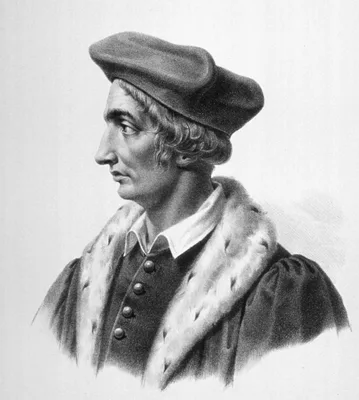
The first systematic treatise on pathology, which also introduced the names for the sciences of pathology and physiology. In the second part, entitled “Pathologia”, Fernel provided the first systematic ess…
1600 CE
#2272
Observationum medicarum, rararum, novarum, etc. 2 vols.
Schenck was the greatest compiler of his day. His Observationes form the easiest source-book for the pathological observations of Sylvius, Vesalius, and Columbus, and represent a lifetime of medical reading and experi…
1632 CE
#2273
De recondita abscessuum natura.
The first textbook of surgical pathology. It treats of all kinds of swelling under the term “abscess” and describes neoplasms of the genital organs and sarcoma of bones. Tumors of the breast are classified…
1679 CE
#2274
Sepulchretum, sive anatomia practica ex cadaveribus morbo denatis. 2 vols.
This is the first collection of systematized pathological anatomy. It contains clinical and pathological descriptions of nearly 3,000 cases selected from the literature from the time of Hippocrates, but mainly from th…
1731 CE
#2275
Samuel Sontag: Dissertatio inauguralis medica de metastasi sive sede morborum mutata oder: Wie sich öffters eine Kranckheit in die andere verwandele. Praeside Hoffmanno.
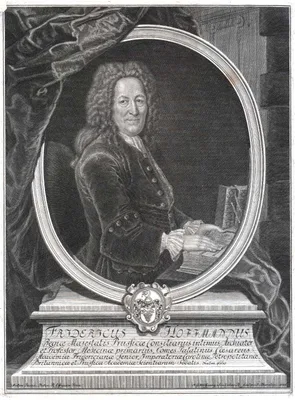
Recamier (1829) is credited with coining the term metastasis with respect to cancer. It is evident that Hoffmann and his pupil Sontag used the term nearly 100 years earlier in this general thesis on disease. They did …
1761 CE
#2276
De sedibus, et causis morborum per anatomen indagatis libri quinque. 2 vols.
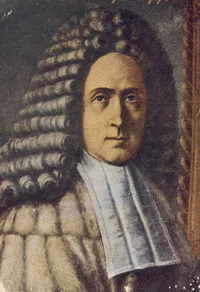
Morgagni was the founder of modern pathological anatomy. The work was completed in Morgagni’s 79th year and consists of a series of 70 letters reporting about 700 cases and necropsies. As best he could, he corre…
1772 CE
#2277
On the digestion of the stomach after death.
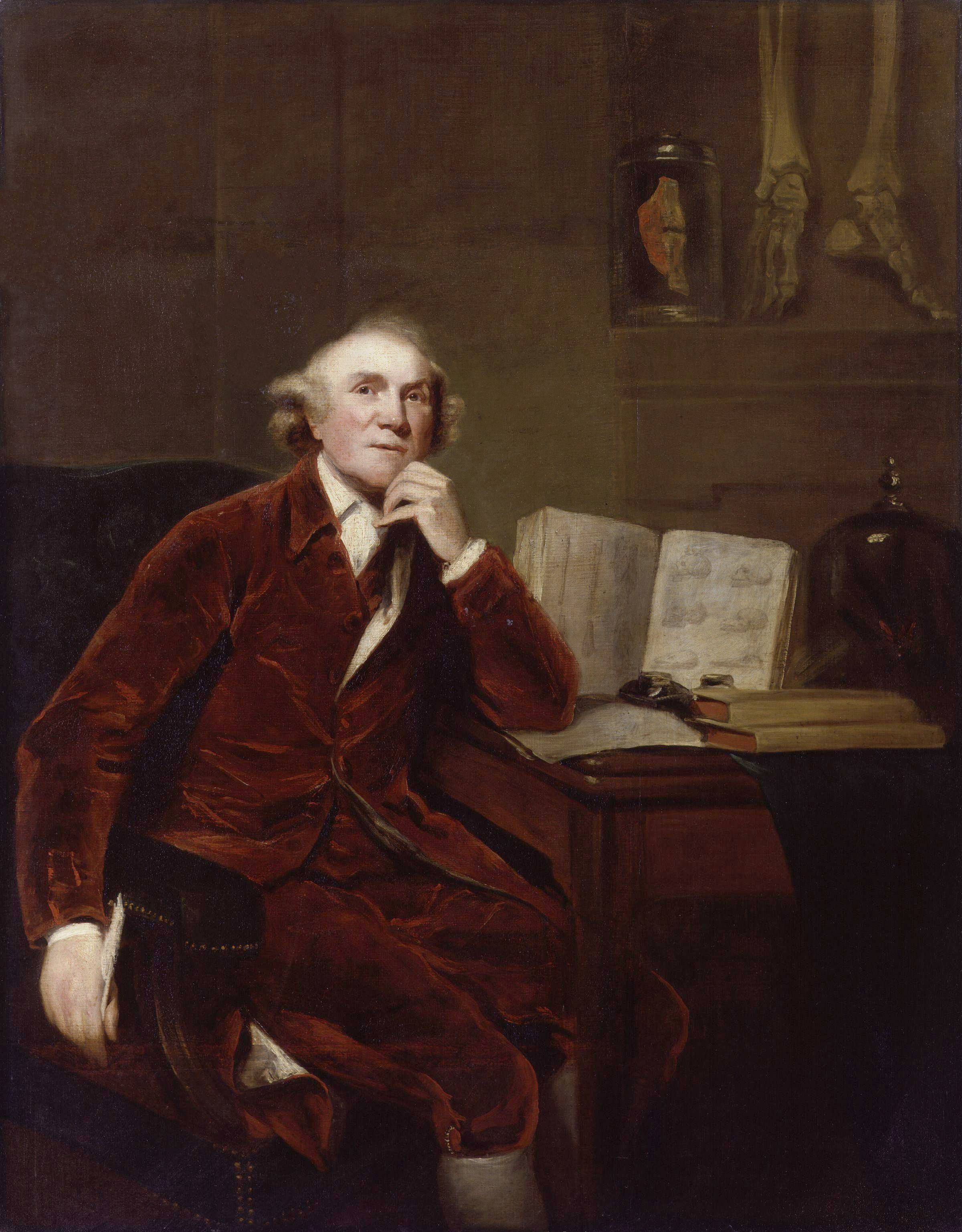
1777 CE–1781 CE
#2278
Observationes anatomicae-pathologicae. 4 vols.
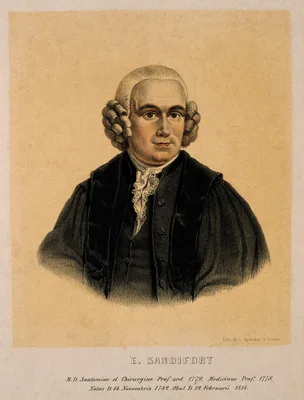
Sandifort’s beautifully illustrated work on pathological anatomy included records of ulcerative aortic endocarditis, renal calculi, hemias, bony ankyloses, and congenital abnormalities. A good account of the &ld…
1785 CE
#2279
Von den Krankheiten des Bauchfells und dem Schlagfluss.
Text in Latin and German. Includes an accurate description of peritonitis.
1788 CE
#2280
An account of a remarkable transportation of the viscera.
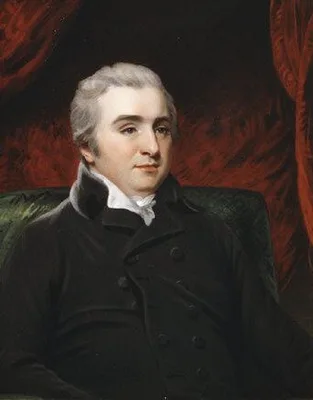
Baillie recorded a case of congenital dextrocardia with complete situs inversus viscerum. Reprinted in Willius & Keys, Cardiac classics, 1941, pp. 257-62.
1793 CE
#2281
The morbid anatomy of some of the most important parts of the human body.
Baillie was a nephew and pupil of William Hunter. The above is the first systematic textbook of morbid anatomy, treating the subject for the first time as an independent science. See also Nos. 2736, 3167.1. Baillie wa…
1799 CE–1803 CE
#2282
A series of engravings, accompanied with explanations, which are intended to illustrate the morbid anatomy of some of the most important parts of the human body.
The first systematic atlas of pathology. This work was intended to illustrate No. 2281, but, with its extensive descriptive text for each plate, it may be appreciated separately. The black & white engravings were prep…
1794 CE
#2283
A treatise on the blood, inflammation, and gun-shot wounds.
It was while serving with the army at Belle Isle during the Seven Years’ War that Hunter collected the material for his epoch-making book on inflammation and gunshot wounds. His studies on inflammation in partic…
1817 CE–1826 CE
#2284
Tabulae anatomico-pathologicae. 4 pts.
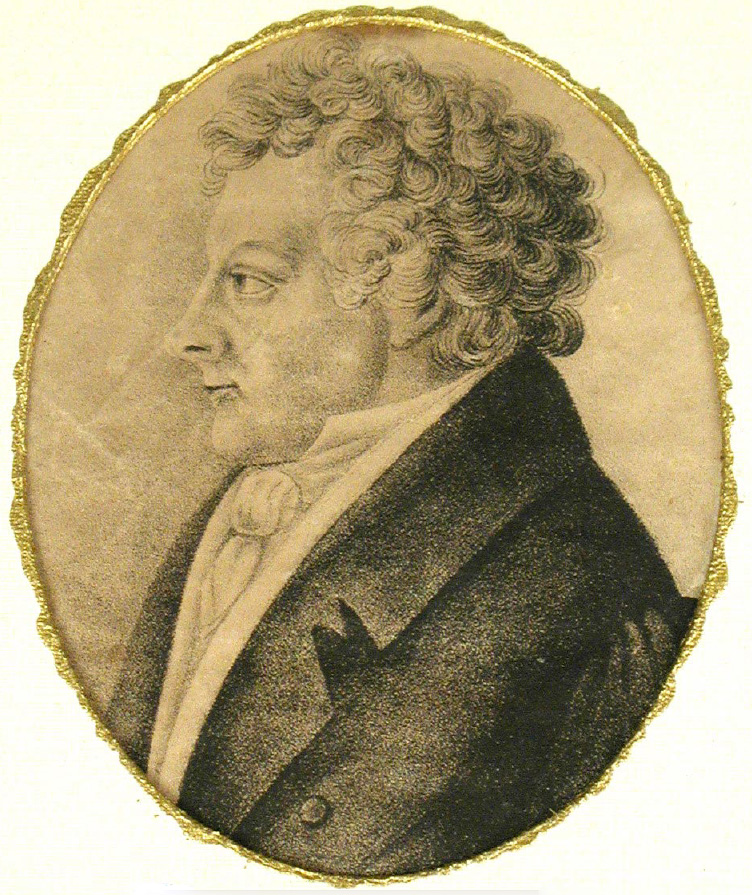
Meckel’s work on embryology brought a better understanding of congenital malformations, which had previously been attributed by many to supernatural influence. This work illustrates a number of anomalies and oth…
1827 CE–1831 CE
#2285
Reports of medical cases, selected with a view of illustrating the symptoms and cure of diseases by a reference to morbid anatomy. 2 vols. in 3.
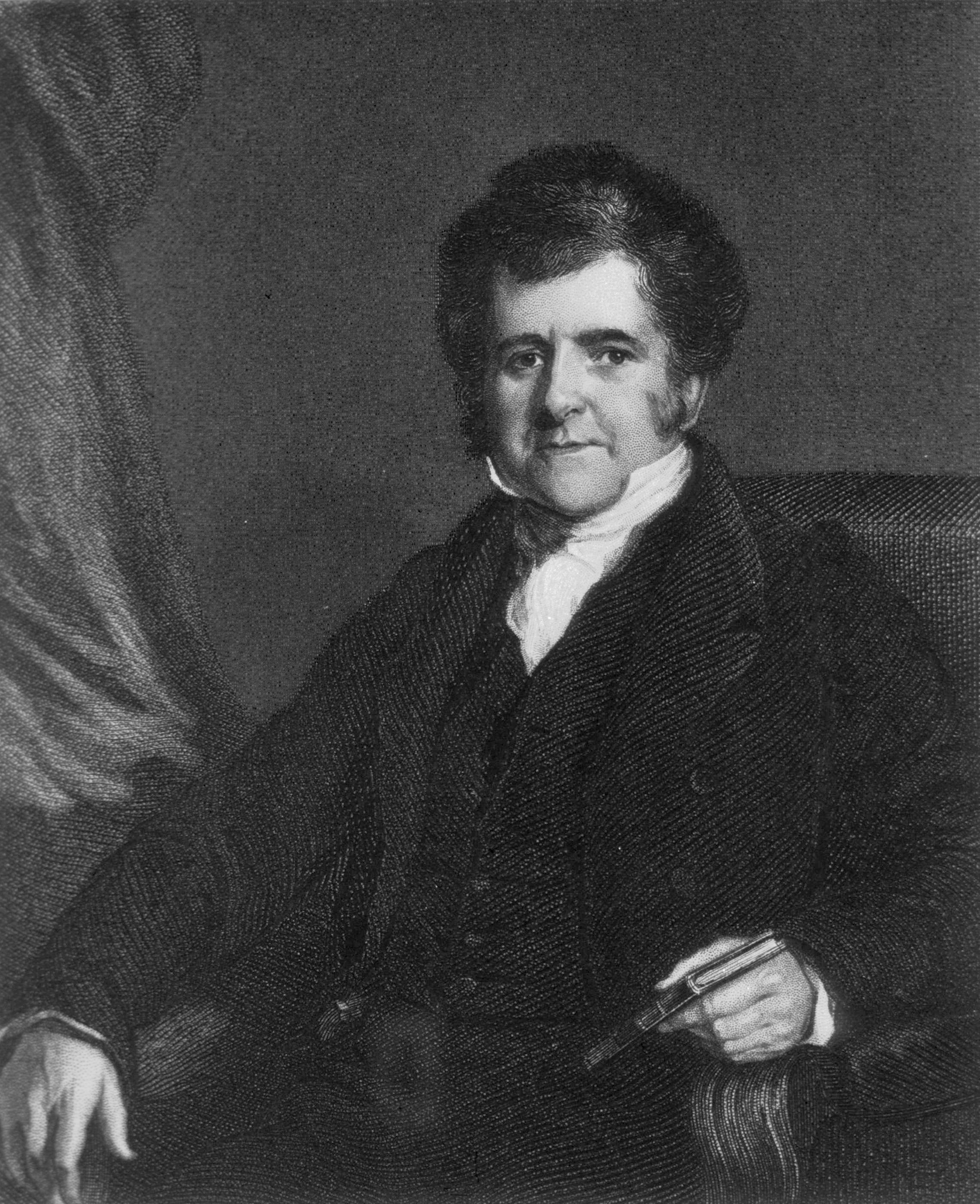
Beside's Bright's classic description of chronic non-suppurative nephritis, known eponymically as “Bright’s disease”, the Reports contain numerous other outstanding contributions to general pathology…
1829 CE–1842 CE
#2286
Anatomie pathologique du corps humain. 2 vols.
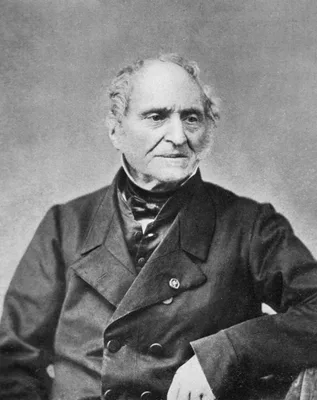
The fine hand-colored lithographs of gross pathology make this one of the greatest works of its kind. Cruveilhier, first Professor of Pathological Anatomy in Paris, gave the first description of multiple sclerosis (in…
1829 CE
#2287
A treatise on pathological anatomy.
First American work on pathology. Horner was Professor of Anatomy at Pennsylvania, and made several anatomical discoveries.
1829 CE–1833 CE
#2288
Traité d’anatomie pathologique. 2 vols. and atlas.
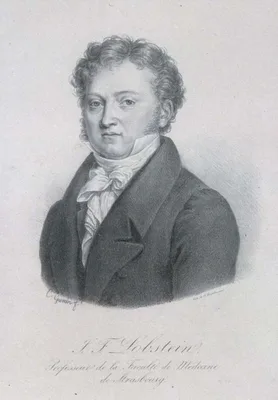
Includes a historical review of the subject from the time of the Ancient Egyptians to Corvisart, and a summary of the advances in pathology during the preceding 50 years. Vol. 2, pp. 553-600 deals with diseases of the…
1834 CE
#2289
Principles and illustrations of morbid anatomy.
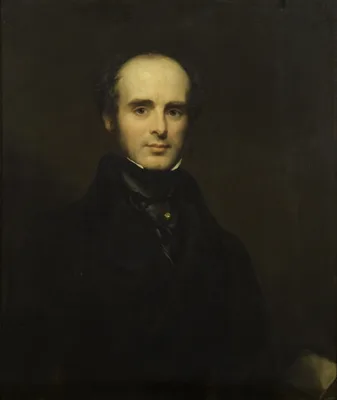
Hope left a fine pathological atlas with brilliantly hand-coloured lithographs from his own drawings. While the book does not equal the atlases of Cruveilhier and Carswell, it is important as being a great stimulus to…
1836 CE
#2290
Lectures on the morbid anatomy of the serous and mucous membranes. 2 vols.
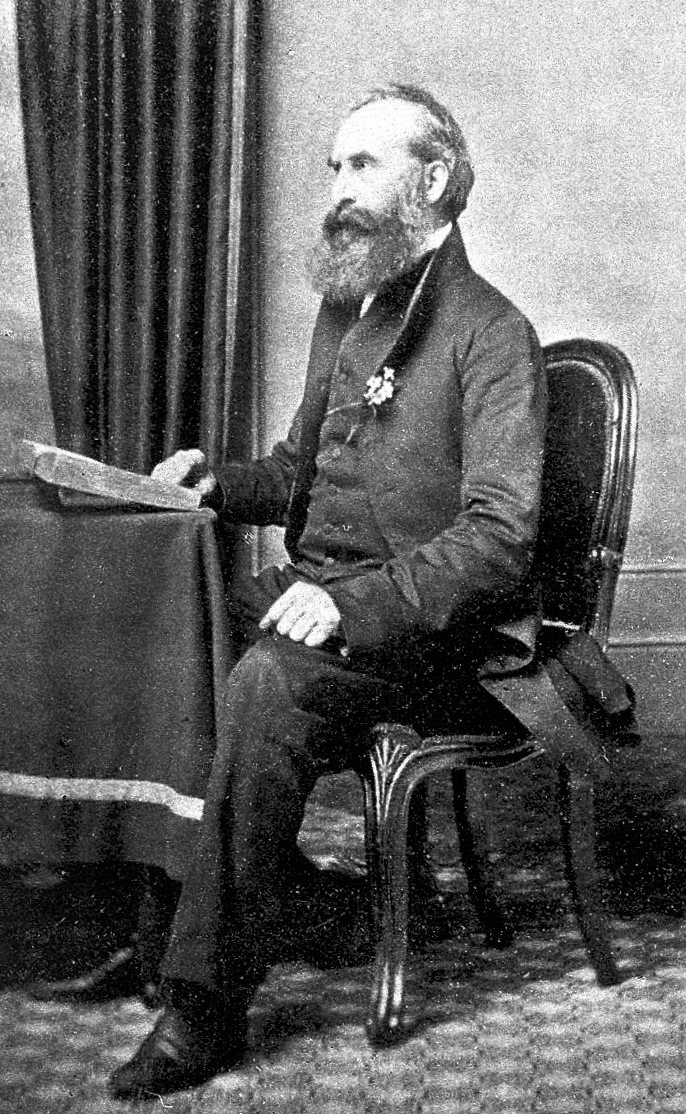
Important work which stimulated the study of tissue pathology in England. Hodgkin was the first in England to give a regular lecture course in morbid anatomy, which he began at Guy’s in 1827. Vol. 2, pt. 2 was n…
1838 CE
#2291
Illustrations of the elementary forms of disease.
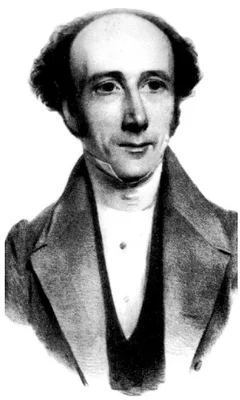
Carswell was Professor of Morbid Anatomy at University College, London, and one of the leading English pathologists of his day. A fine artist, he personally painted 2,000 water-colours of pathological specimens. His g…
1839 CE
#2292
Elements of pathological anatomy. 2 vols.
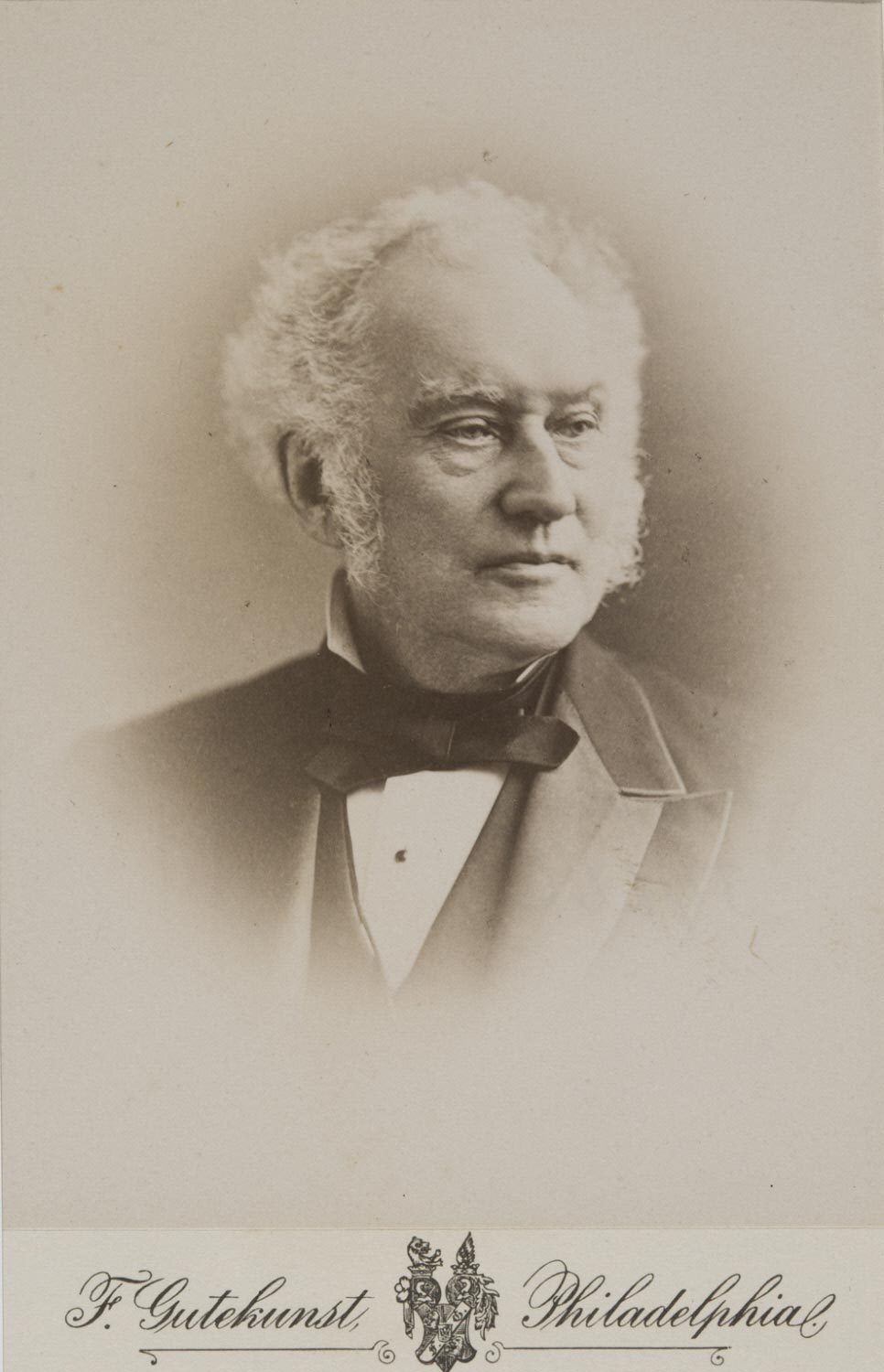
In his day Gross was the most famous surgeon in the U.S.A. He was for a time Professor of General Anatomy, Physiology, and Pathological Anatomy at Cincinnati Medical College and while there published his Elements, the…
1842 CE–1846 CE
#2293
Handbuch der pathologischen Anatomie. 3 vols.
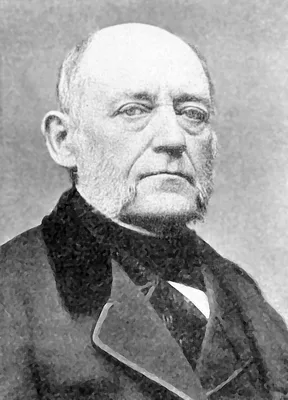
Rokitansky ranks with Morgagni as among the greatest of all writers on gross pathology. He is said to have performed over 30,000 autopsies himself. His Handbuch was for many years pre-eminent among its contemporaries.…
1843 CE
#2294
Experimental and practical researches on the structure and function of blood corpuscles; on inflammation; and on the origin and nature of tubercles in the lungs.
Addison gave an important account of the process of inflammation. See L.J. Rather, Addison and the white corpuscles: An aspect of nineteenth-century biology. London, Wellcome Institute, 1972. See also No. 3059.
1846 CE
#2295
Microscopic examination of some of the principal tissues of the animal frame, as observed in the tongue of the living frog, toad, etc.
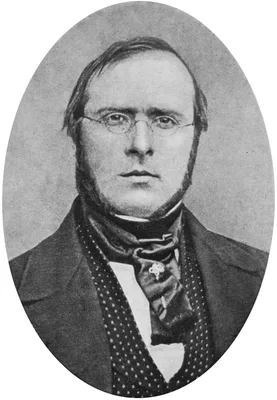
Waller observed the penetration and migration of leucocytes through the endothelial vessel walls.
1847 CE
#2296
Die pathologischen Pigmente.
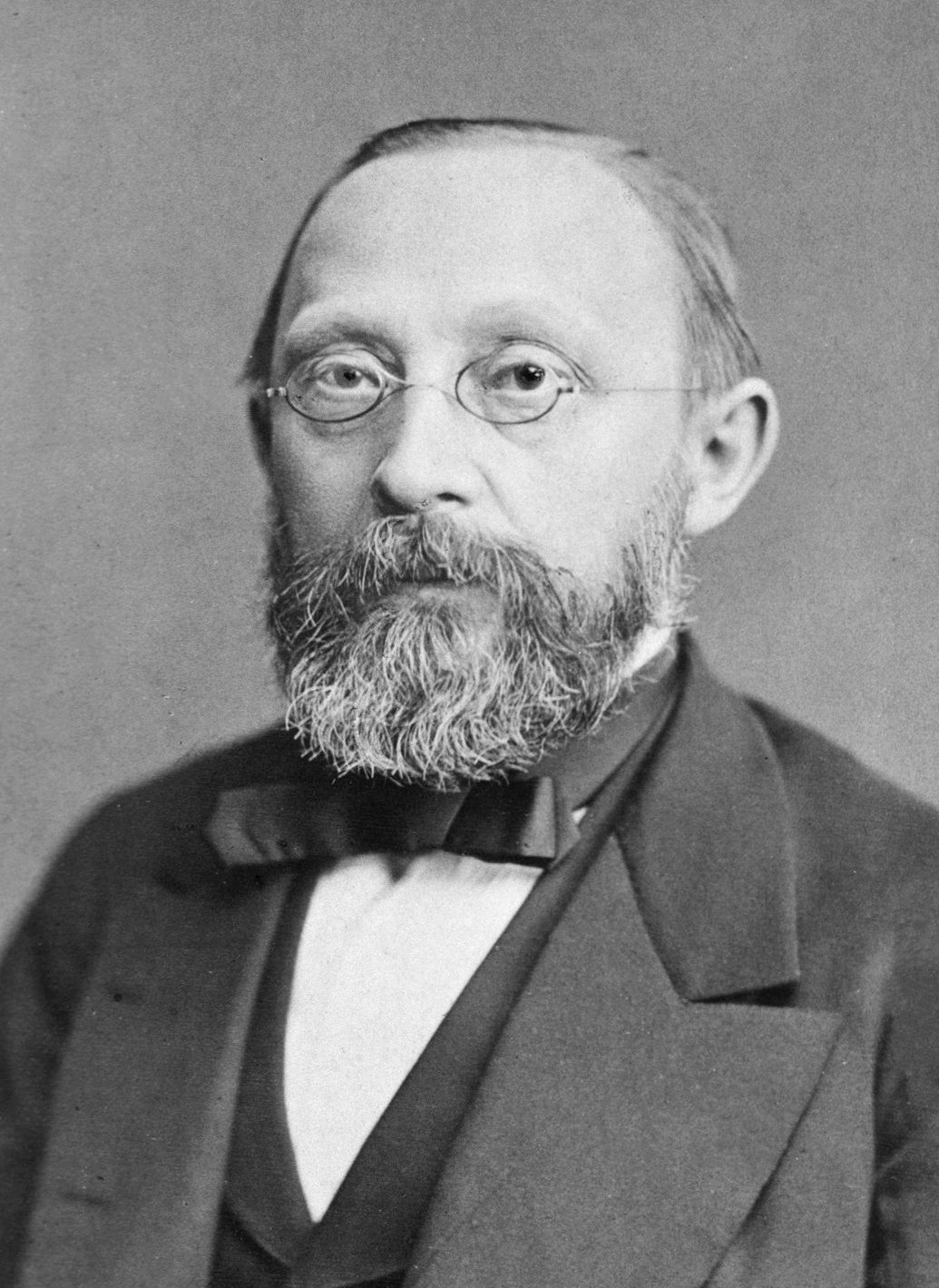
On the origin and chemical composition of extracellular and intracellular pigments, and on the supposed formation of new cells by the membranous envelopment of pigmented blood corpuscles or pigment granules.
1858 CE
#2298
On the early stages of inflammation.
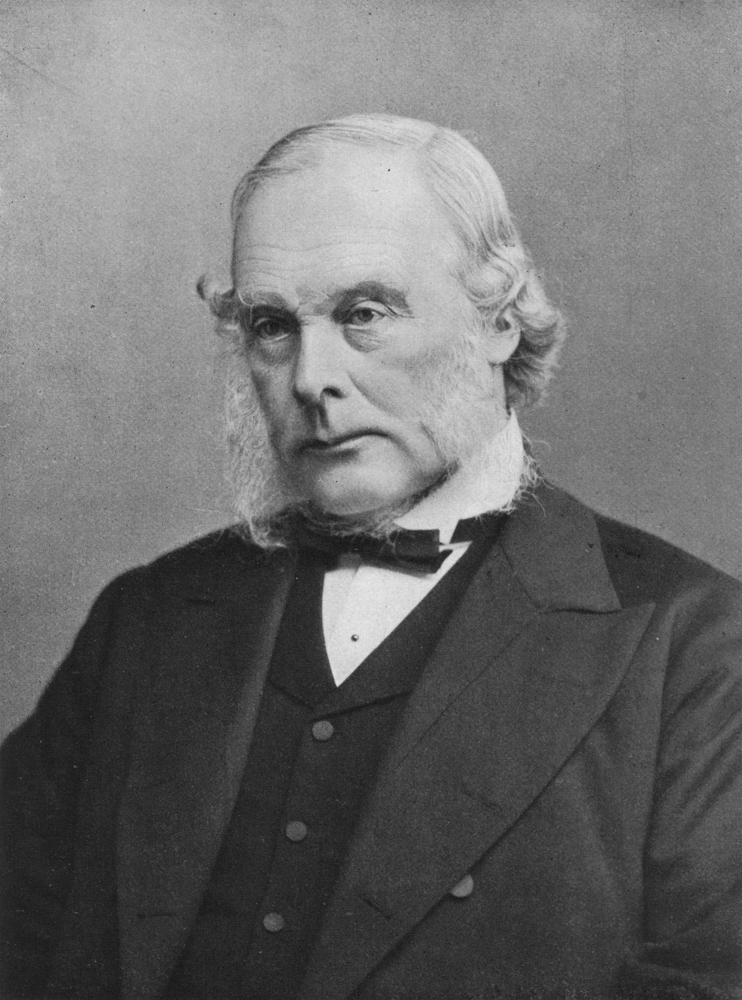
This paper reports the results of one of Lister’s most valuable researches; his conclusions still hold today.
1858 CE
#2299
Die Cellularpathologie in ihrer Begründung auf physiologische und pathologische Gewebelehre.
Virchow was the greatest figure in the history of pathology. His best work, Die Cellularpathologie, is one of the most important books in the history of medicine and the foundation stone of cellular pathology. The Eng…