
Entry Nos. 800–899
100 Garrison-Morton entries in this range.
1914 CE
#851
On some cardiac reflexes.
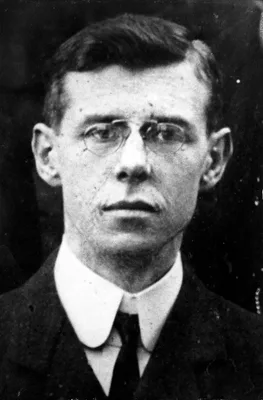
Bainbridge found that cardiac reflex action is produced by inhibition of vagus tone and excitation of the accelerator nerves.
1918 CE
#852
The ligation of coronary arteries with electrocardiographic study.
1918 CE
#853
The Linacre lecture on the law of the heart.
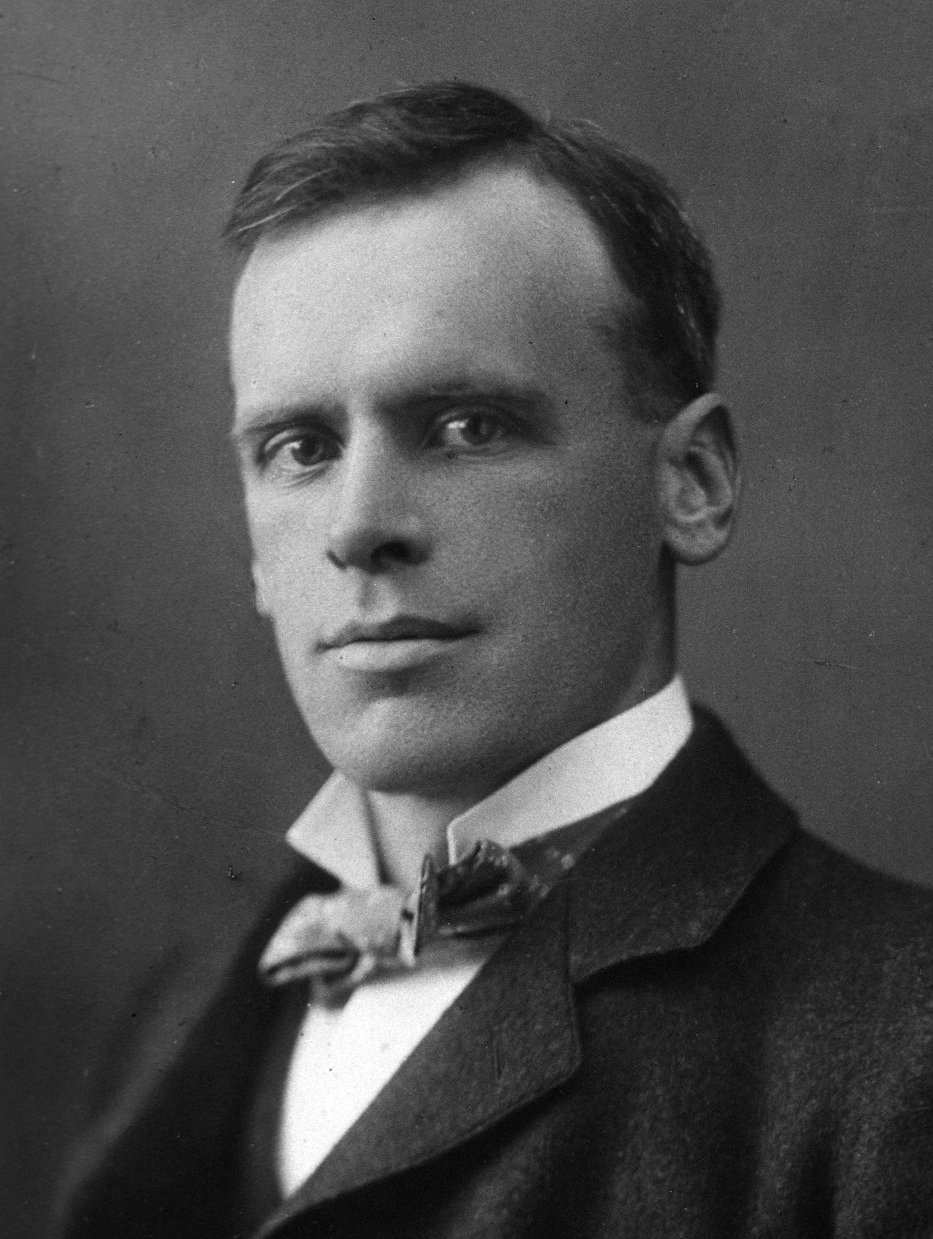
Starling’s “law of the heart”.
1921 CE
#855
The blood supply to the heart.
Coronary arterial anatomy studied by radiography of the injected arteries by a standard technique.
1924 CE
#856
Die Arterien der Herzwand.
1929 CE
#857
The determination of the cardiac output of man by the use of acetylene.
Grollman introduced the acetylene method of determination of cardiac output.
1944 CE
#859
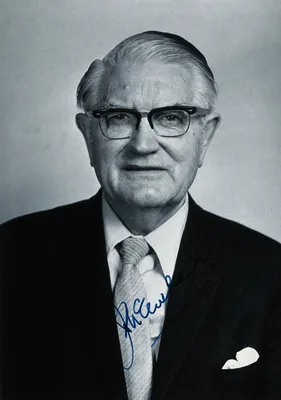
Cardiac output in man by a direct Fick method.
1674 CE
#860
Microscopical observations concerning blood, milk, bones, the brain, spittle, and cuticula, etc.
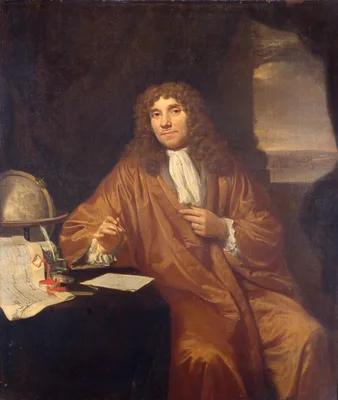
First really accurate description of the red blood corpuscles, which Swammerdam had noted in 1658.
1684 CE
#861
Memoirs for the natural history of humane blood, especially the spirit of that liquor.
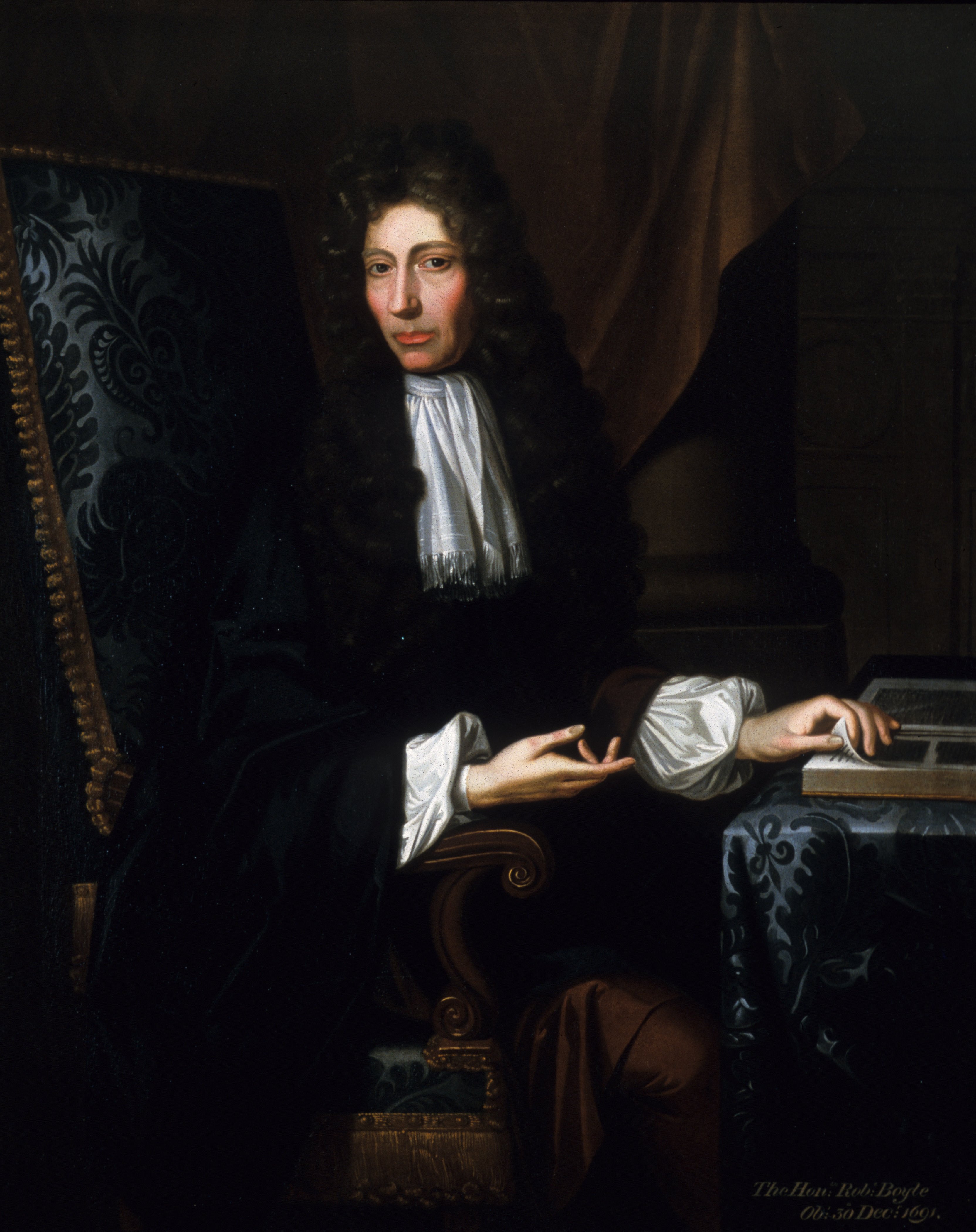
The first analysis of blood, Boyle’s Memoirs may be considered the first scientific study in physiological chemistry, exhibiting methods which have become universally adopted. This is Boyle’s most importan…
1746 CE
#862
De ferrearum particularum sede in sanguine.
Discovery of iron in the blood.
1771 CE
#863
1. Experiments on the blood, with some remarks on its morbid appearances (pp. 368-83). 2. On the degree of heat which coagulates the lymph, and the serum of the blood; with an inquiry into the causes of the inflammatory crust, or size, as it is called (pp. 384-97). 3. Further remarks on the properties of the coagulable lymph, on the stopping of haemorrhages, and on the effects of cold upon the blood (pp. 398-413).
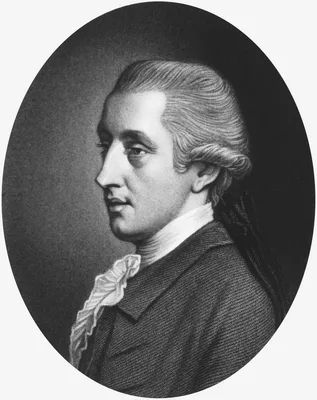
In papers 2 and 3 of this set of 3 contiguously published papers Hewson was the first to describe fibrinogen. "Before Hewson, although the fibrin mesh had been recognised and admired from as far back as Plato, it was …
1842 CE
#864
De l’origine des globules du sang, de leur mode de formation et de leur fin.
Announces the discovery of the blood platelets.
1845 CE
#865
On the coagulation of blood and other fibriniferous liquids.
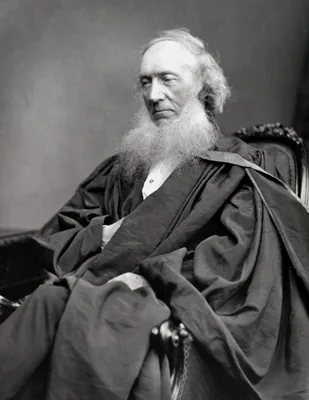
Buchanan extracted the fibrin ferment of blood. He showed that it was capable of coagulating blood and other serous fluids not in themselves coagulable.
1852 CE
#866
Ueber das Milzvenenblut.
Discovery of hemoglobin. (Title of second paper: Neue Beobachtungen tiber die Krystalle des Milzvenen – und Fisch-Blutes).
1852 CE
#867
Neue Methode der quantitativen mikroskopischen Analyse des Blutes.
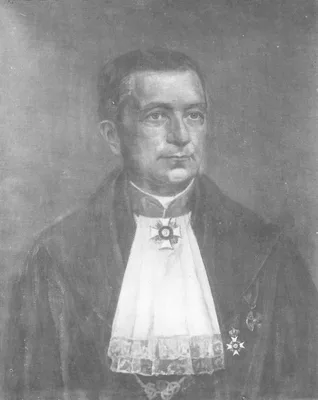
Vierordt was the first to devise an exact method of enumerating the red blood corpuscles. See also his later paper: Zählungen der Blutkörperchen des Menschen, in the same volume, pp. 326-31.
1858 CE
#868
Bestimmungen der Menge des Körperblutes und der Blutfärbekraft, sowie Bestimmungen von Zahl, Maass Oberfläche und Volum des einzelnen Blutkörperchens bei Thieren und bei Menschen.
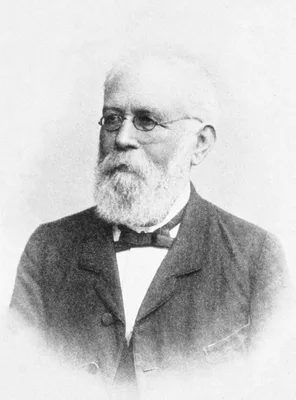
Welcker was the first to determine the total blood volume and the volume of the normal red blood cells. Earlier paper in Vjschr. prakt. Heilk., 1854, 44, 63.
1861 CE
#869
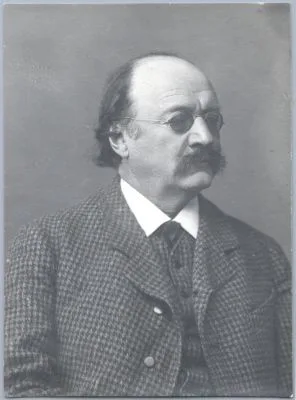
Ueber den Faserstoff und die Ursachen seiner Gerinnung.
1862 CE
#870
Ueber das Verhalten des Blutfarbstoffe im Spectrum des Sonnenlichtes.
Using the spectroscope, Hoppe-Seyler discovered the absorption spectrum of blood. See No. 873.
1863 CE
#871
On the coagulation of the blood.
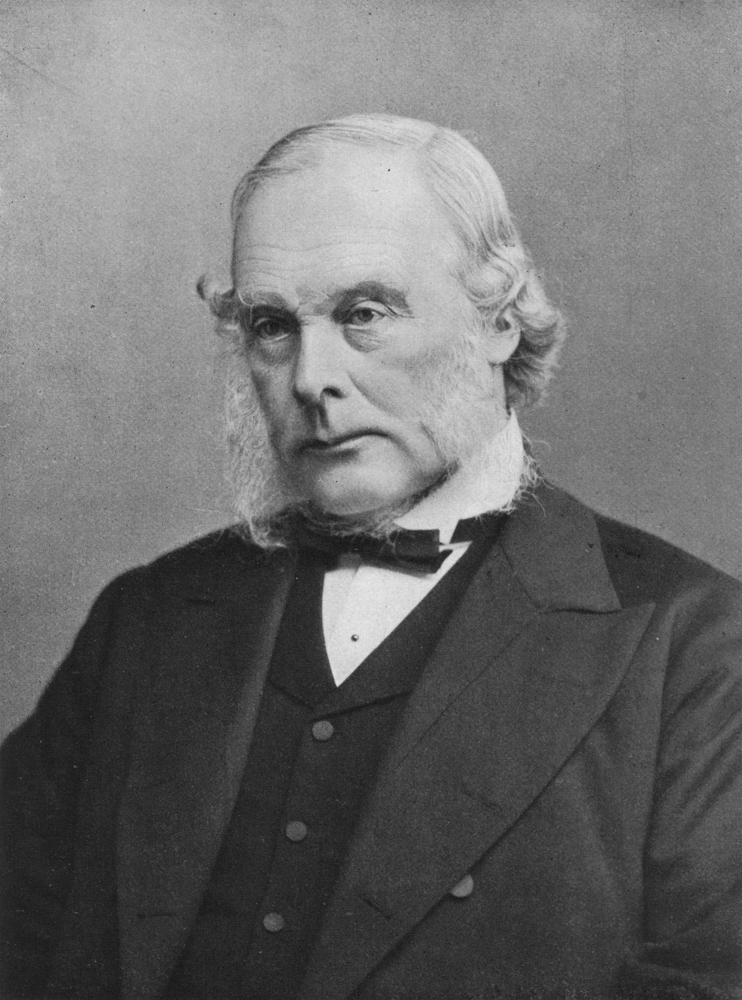
In his Croonian Lecture Lister exploded the theory that blood coagulation is due to ammonia and showed that, in the blood vessels, it depends upon their injury. He further showed that by carrying out the strictest pre…
1863 CE–1864 CE
#872
On the reduction and oxidation of the colouring matter of the blood.
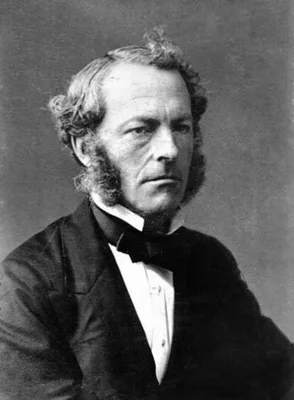
Discovery that oxygen can be removed from hemoglobin by reducing agents.
1864 CE
#873
Ueber den chemischen und optischen Eigenschaften des Blutfarbstoffs.
Hoppe-Seyler obtained hemoglobin in crystalline form and made other important discoveries in hematology. See also No. 870. See Frederic L. Holmes, "Crystals and carriers: The chemical and physiological identification …
1871 CE
#874
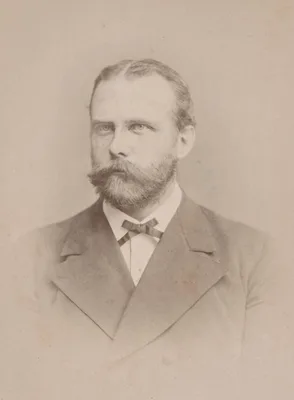
Die Blutkrystalle.
1874 CE
#875
An account of certain organisms occurring in the liquor sanguinis.
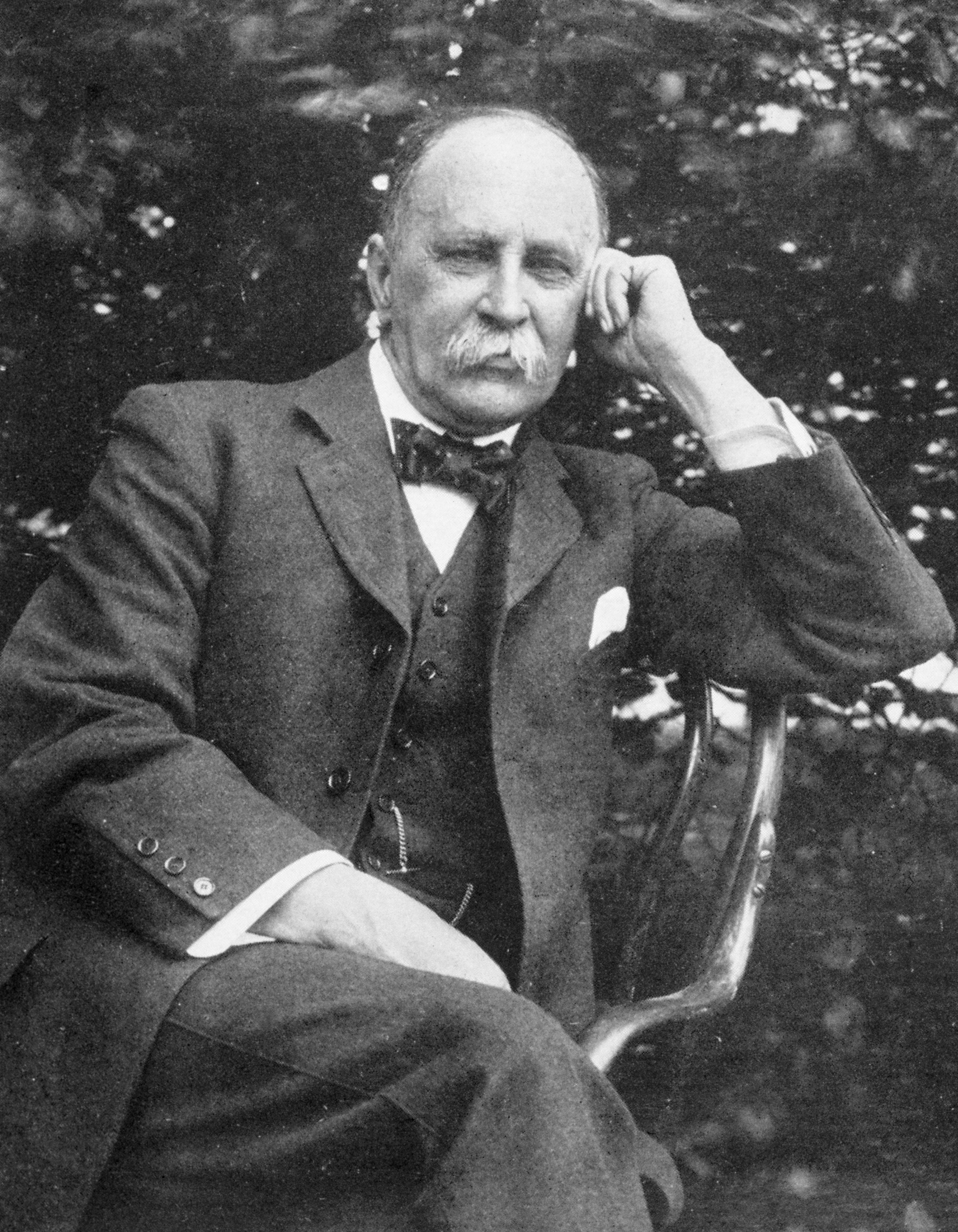
One of the best early descriptions of the blood platelets was given by Osler. He noticed that white thrombi were almost entirely composed of them.
1873 CE
#876
De la numération des globules rouges du sang I. Des méthodes de numération. II. De la richesse du sang en globules rouges dans les différentes parties de l'arbre circulatoire.
The beginning of blood-counting techniques. In his thesis Malassez provided the initial description of the hemocytometer, which he invented, but which was named by Gowers, who modified it in 1877. The trade issue of t…
1875 CE–1876 CE
#877
Undersökningar af de s.k. fibringeneratorema fibrinet samt fibrinogenets koagulation.
Investigating the mechanism of blood coagulation, Hammarsten showed it to be accomplished by the splitting up of fibrinogen into fibrin and other substances.
1879 CE
#878
An apparatus for the clinical estimation of haemoglobin.
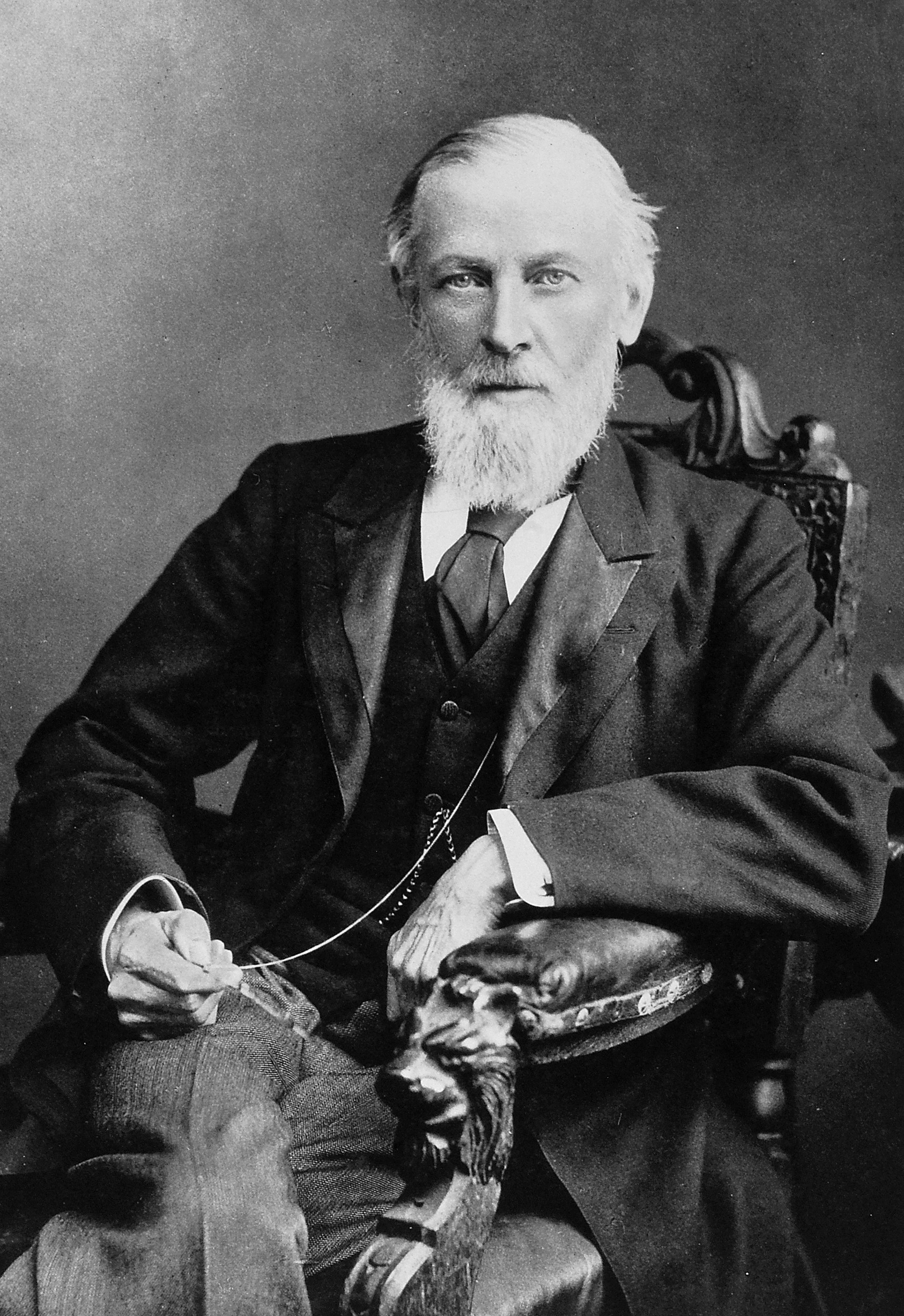
Gowers introduced the colorimetric method of estimating hemoglobin and devised a hemoglobinometer for the purpose. This was modified by Haldane (see No. 891). Previously Hoppe-Seyler had used a hematinometer.
1878 CE
#879
Recherches sur l’évolution des hématies dans le sang de l’homme et des vertébrés.
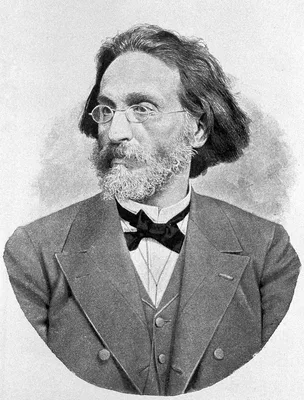
First accurate counts of the blood platelets.
1879 CE–1880 CE
#880
Methodologische Beiträge zur Physiologie und Pathologie der verschiedenen Formender Leukocyten.
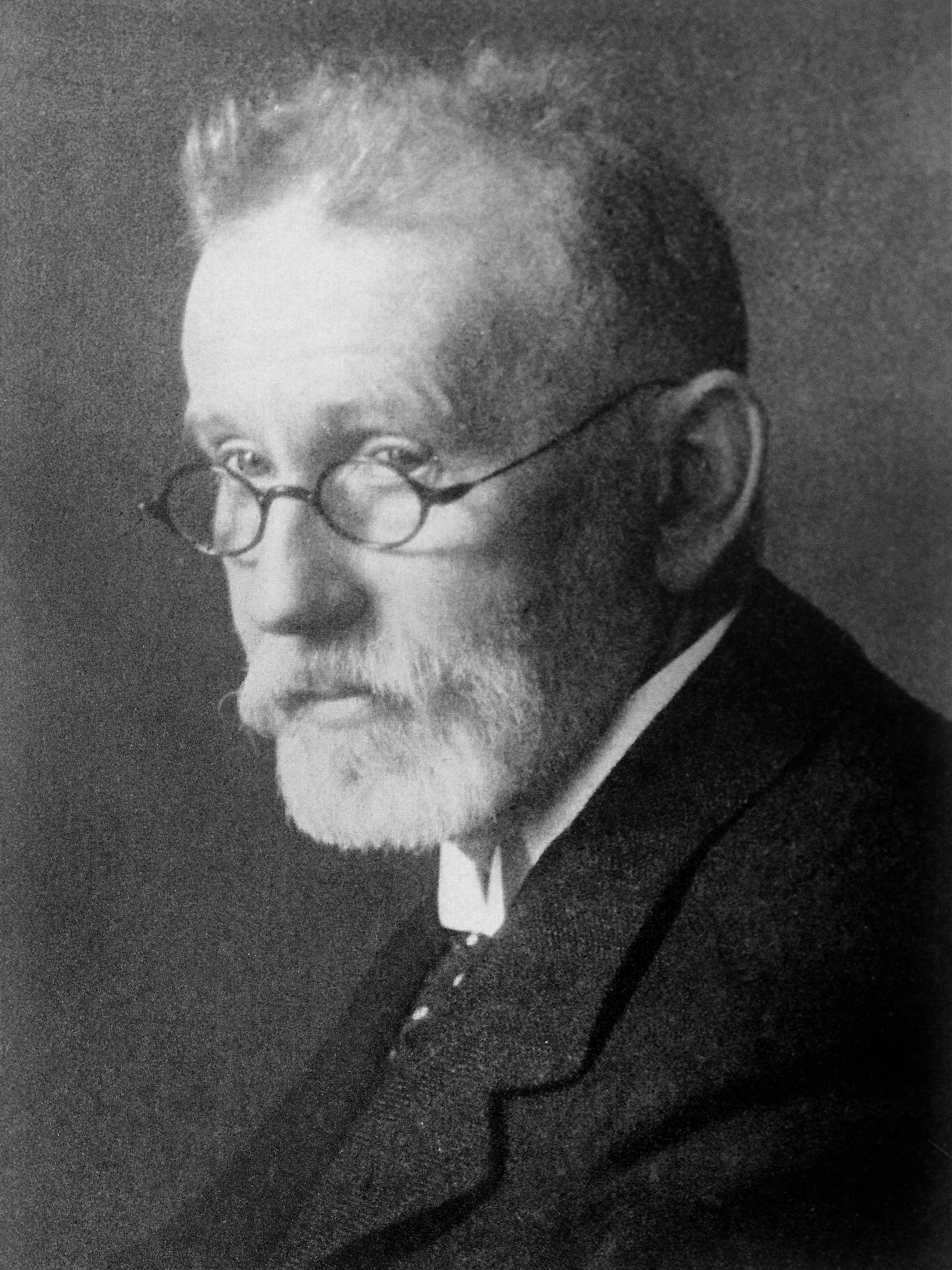
Foundation of the differential blood count technique.
1882 CE
#881
Su di un nuovo elemento morfologico del sangue dei mammiferi e della sua importanza nella trombosi e nella coagulazione.
Bizzozero gave the blood platelets their name and found that they play a part in blood coagulation. A German translation with additions is in Virchows Arch. path. Anat., 1882, 90, 261-332. The expanded German version …
1882 CE
#882
Mésure du volume de sang contenu dans l’organisme d’un mammifére vivant.
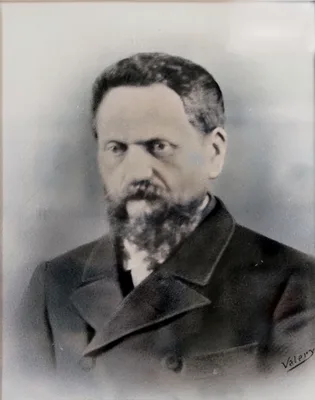
A method of determining blood volume with carbon monoxide.
1890 CE
#884
Nouvelle théorie chimique de la coagulation du sang.
First demonstration of the essential role of calcium in the mechanism of blood coagulation.
1890 CE–1891 CE
#885
Der Hämatokrit, ein neuer Apparat zur Untersuchung des Blutes.
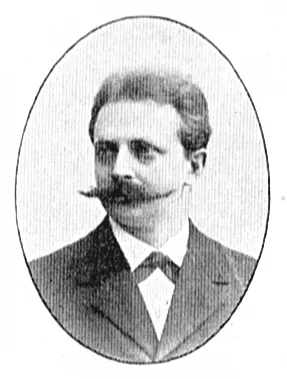
Hedin’s hematocrit. He first briefly described it in Upsala läkPören. Förh., 1889, 24, 440.
1890 CE–1891 CE
#886
The life history of the formed elements of the blood, especially the red blood corpuscles.
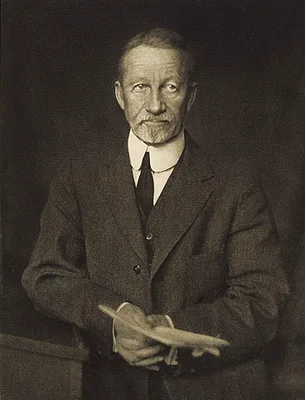
Includes description of “Howell’s bodies” seen in mature erythrocytes and called also “Howell–Jolly bodies” after the later description by J. M. J. Jolly.
1892 CE
#888
Zur Blutlehre.
Schmidt established several new facts regarding blood coagulation.
1900 CE
#889
Zur Kenntniss der antifermentativen, lytischen und agglutinierenden Wirkungen des Blutserums und der Lymphe.
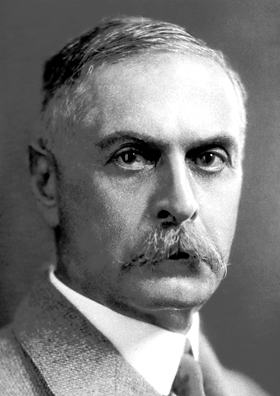
Also: Landsteiner, "Ueber Agglutinationsercheinungen normalen menschlichen Blutes," Wiener klinische Wochenschrift, 14, 1901, 1132-1134. Landsteiner discovered that human blood contains iso-agglutinins capable of aggl…
1900 CE
#890
Ein einfaches Verfahren zur directen Schätzung der Färbestärke des Blutes.
Tallqvist’s hemoglobin scale.
1901 CE
#891
The colorimetric determination of haemoglobin.
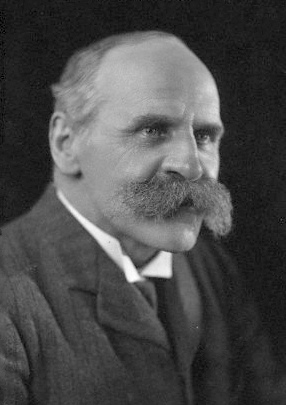
Haldane’s hemoglobinometer and method for determination of hemoglobin.
1902 CE
#892
Über ein einfaches und exactes Verfahren der klinischen Hämometrie.
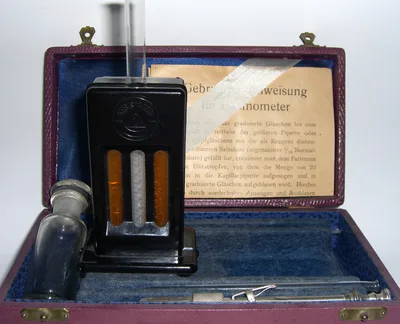
Sahli’s method for the determination of hemoglobin.
1902 CE
#893
Ueber die Isoagglutinine im Serum gesunder und kranker Menschen.
Following Landsteiner’s division of human blood into three groups (A, B and O which he named A, B, C), Decastello and Sturli discovered a fourth (the rarest) group, later named AB.
1903 CE–1904 CE
#894
Beiträge zur Kenntniss der Blutgerinnung.
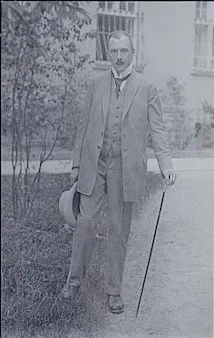
Morawitz’s theory of blood coagulation.
1903 CE
#895
On the appearance and significance of certain granules in the erythrocytes of man.
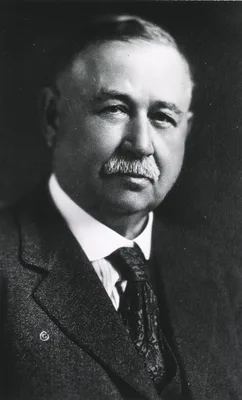
Reticulocytes described.
1907 CE
#896
Haematologické studie u psychotiků.
Janský, a Czech serologist, neurologist and psychiatrist, tried to find a correlation between mental diseases and blood diseases. He found no such correlation, and published a study, the title of which translat…
1906 CE
#897
The origin and nature of the blood plates.
Discovery of the role of the megakaryocytes in the formation of the blood platelets.
1910 CE
#898
Ueber Vererbung gruppenspezifischer Strukturen des Blutes.
Proof that blood groups are inherited according to Mendelian laws.
1910 CE
#899
The preparation and properties of thrombin, together with observations on antithrombin and prothrombin.
1563 CE–1564 CE
#1093
Opuscula anatomica.
Eustachius is credited with several anatomical discoveries, among them the tensor tympani muscle and the Eustachian tube, published in his chapter entitled De auditus organis. In the last respect, however, he was anti…
1911 CE
#2851
The mechanism of the heartbeat: With special reference to its clinical pathology.
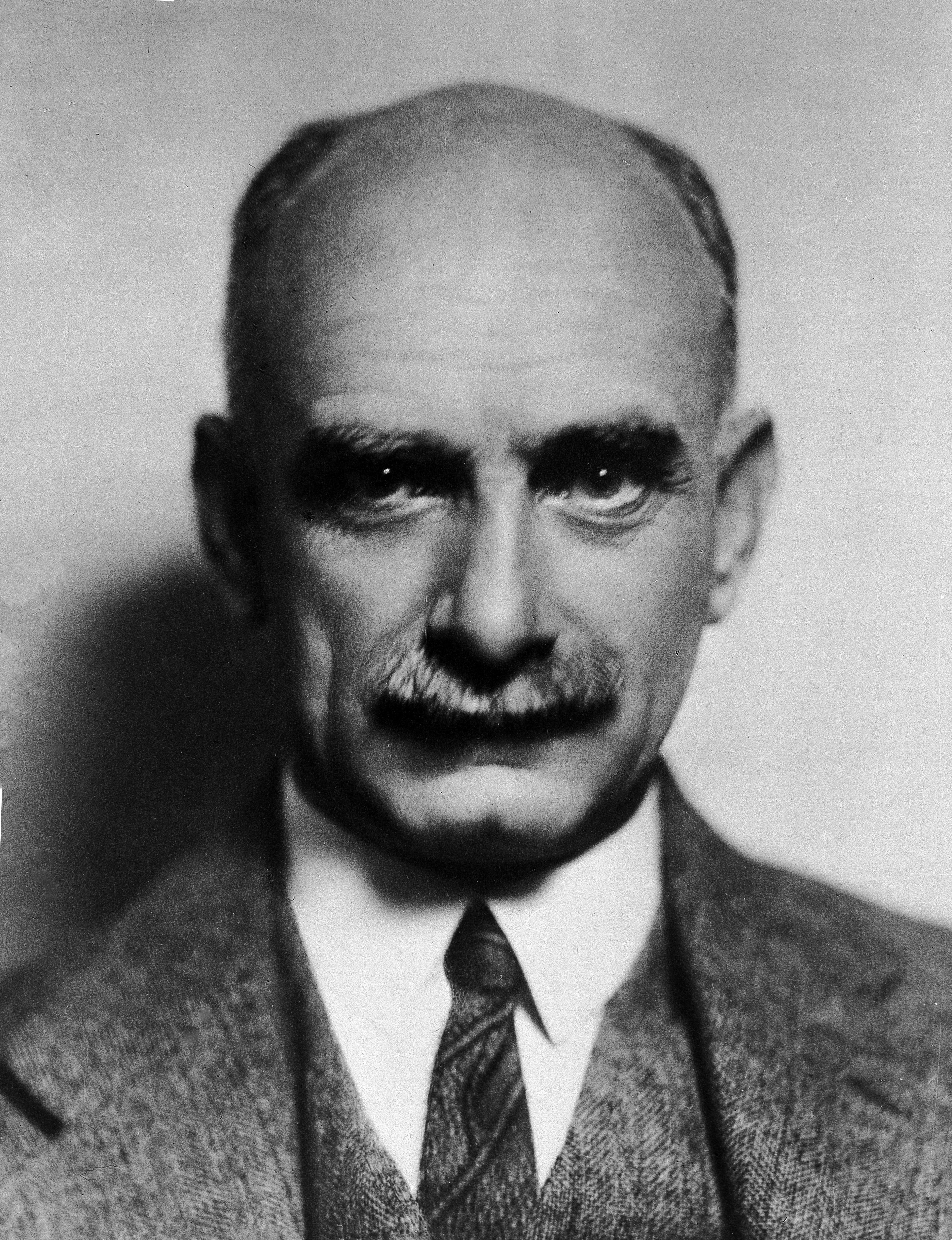
Sir Thomas Lewis was a pioneer in the application of electrocardiography to clinical medicine. His book was both an exhaustive treatise on the subject for its time, and a valuable bibliographical source. Second editio…
1932 CE
#2861
The cardiac output of man in health and disease.
1891 CE
#3069.1
Farbenanalytische Untersuchungen zur Histologie und Klinik des Blutes.
Extension of Ehrlich’s work on the differential blood count. By means of his methods of staining blood cells Ehrlich differentiated two types of leukemia, lymphatic and myelogenous.
1889 CE
#3130
Du sang et de ses altérations anatomiques
Includes (pp. 614-751) an important account of chlorosis; Hayem, by his accurate observation, placed knowledge of the disease on a firm basis.