
Entry Nos. 700–799
98 Garrison-Morton entries in this range.
1928 CE
#750
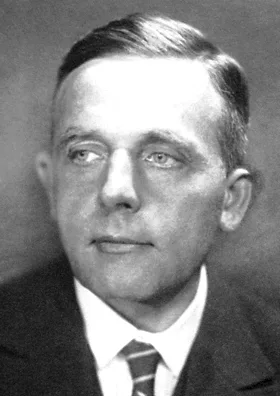
Ueber die katalytischen Wirkungen der lebendigen Substanz.
1929 CE
#751
Phosphorus compounds of muscle and liver.
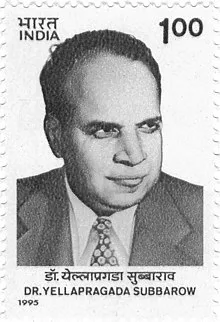
Discovery of adenosine-5′-triphosphate (ATP).
1935 CE
#753
Ibn an Nafis und seine Theorie des Lungenkreislaufs.
Ibn-al-Nafis, a Syrian physician, described the lesser circulation in his commentary on the anatomy of the Canon of Avicenna, 1268. This was discovered in three Arabic MSS by Mohyi el Din el Tatawi, who included a Ger…
1553 CE
#754
Christianismi restitutio.
Contains (pp. 168-73) the first printed description of the lesser circulation. Because of the heretical nature of this book on the reform of Christianity, it was printed secretly and anonymously at Vienne, France. Cop…
1571 CE
#755
Peripateticarum quaestionum libri quinque.
Cesalpino preceded Harvey in the discovery of the concept of the circulation, and Harvey must have known of his ideas, but Cesalpino’s idea of the circulation was not supported by convincing experimental work or…
1593 CE
#756
Quaestionum peripateticum, libri V.
A greatly expanded second edition. The results of tying a vein and the centripetal flow in veins were first recorded in print by Cesalpino (lib. ii, Qu. xvii, p. 234). See the English translation, with commentary, of …
1603 CE
#757
De venarum ostiolis.
Fabricius, teacher of Harvey at Padua, discovered the venous valves, and illustrated them in life-size copperplates in this monograph. He failed to recognize their true function, however, considering their function si…
1886 CE
#758
Praelectiones anatomiae universalis.
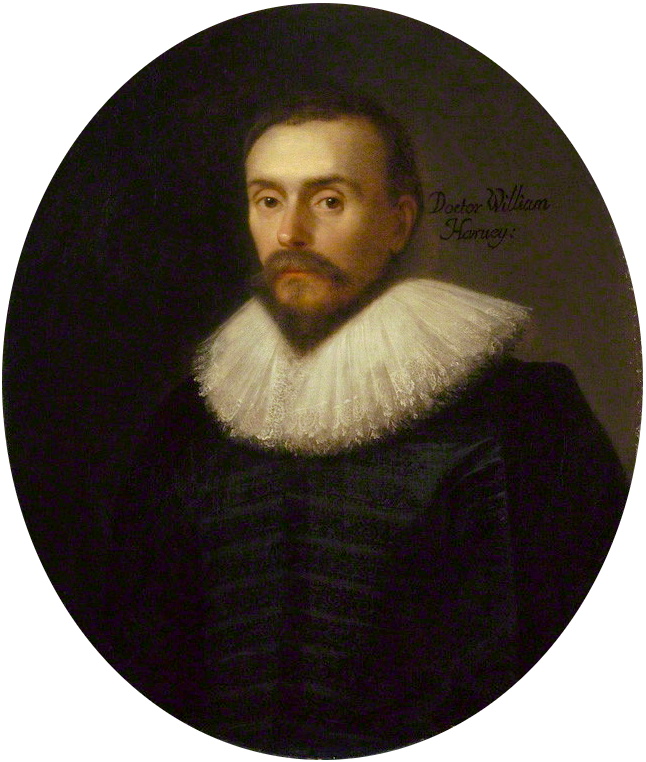
Facsimile reproduction with transliteration of Harvey’s manuscript notes for a Lumleian Lecture, 1616. These show that at that date Harvey had already completed his demonstration of the circulation of the blood.…
1628 CE
#759
Exercitatio anatomica de motu cordis et sanguinis in animalibus.
Discovery and experimental proof of the circulation of the blood. Together with Vesalius’s Fabrica (1543), Harvey’s De motu cordus shares the honor as the greatest book in the history of medicine. Since an…
1661 CE
#760
De pulmonibus observations anatomicae.
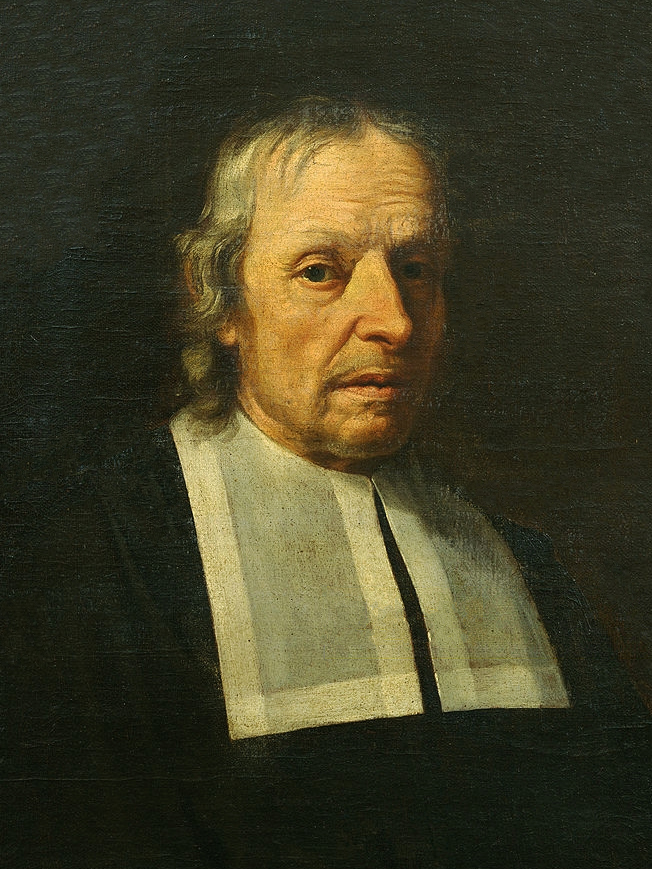
Discovery of the capillary circulation. Malpighi demonstrated that the pulmonary tissues are vesicular in nature and showed that the trachea ends in bronchial filaments. His De pulmonibus includes his demonstration of…
1669 CE
#761
Tractatus de corde.
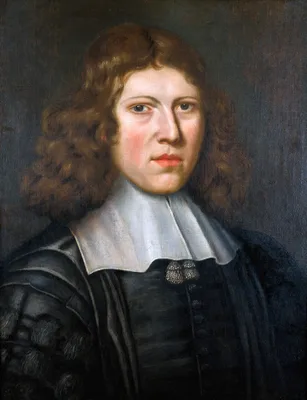
Lower was the first to demonstrate the scroll-like structure of the cardiac muscle. He was one of the first to transfuse blood. Chapter III of the above work records how Lower injected dark venous blood into the insuf…
1708 CE
#763
Disputatio medica inauguralis de circulo sanguinis in corde.
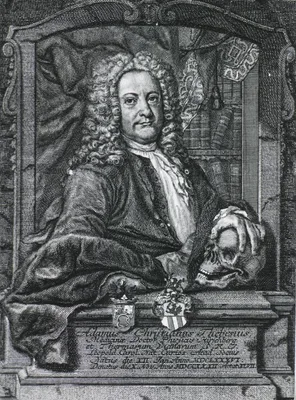
First description of the coronary valves and the venae thebesii.
1727 CE
#764
Mémoire dans lequel il est démontré que les nerfs intercostaux fournissent des rameaux que portent des espirits dans les yeux.
Discovery of the vasomotor nerves (see also No. 1313).
1727 CE–1733 CE
#765
Vegetable staticks: Or, an account of some statical experiments on the sap in vegetables. Statical essays, containing haemastaticks. 2 vols.
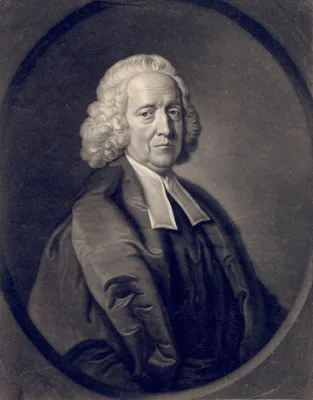
Hales initiated a new stage in physiological experimentation with his "statical" methods, which were characterized by precise quantitative measurements, repetition and the used of controls, and were based on the assum…
1825 CE
#766
Wellenlehre auf Experimente gegründet oder über die Wellen tropfbarer Flüssigkeiten mit Anwendung auf die Schall- und Lichtwellen.
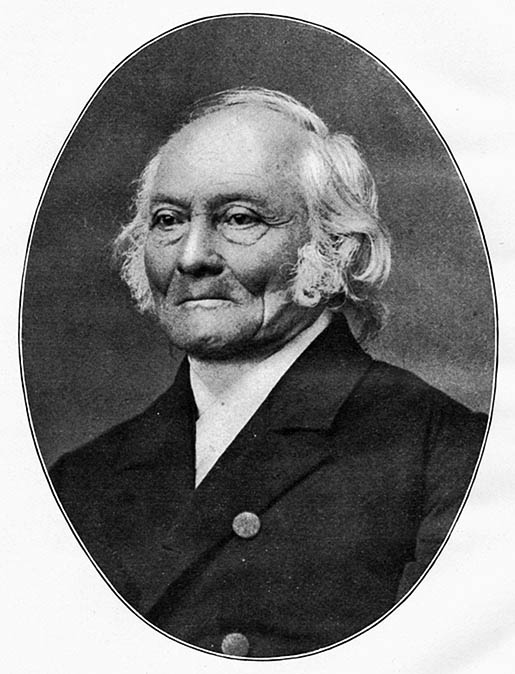
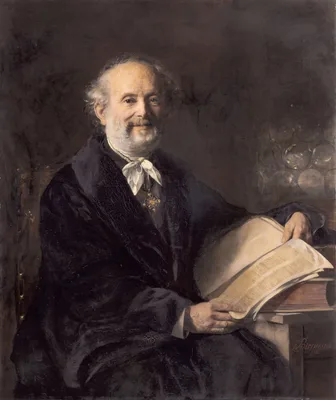
The first work to apply hydrodynamics to the circulation of the blood.
1828 CE
#767
Recherches sur la force du coeur aortique.
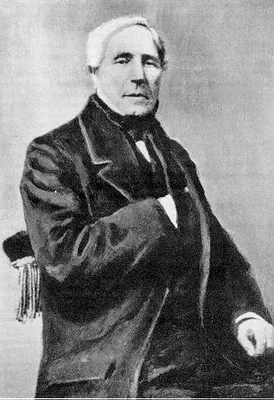
Poiseuille was the first after Stephen Hales to make any important addition to the knowledge of the physiology of circulation. In his graduation thesis, above, he described a “hemodynamometer” invented by …
1840 CE
#768
Recherches expèrimentales sur le mouvement des liquides dans les tubes de très petits diamètres.
Poiseuille’s law of the flow of liquids in tubes – fundamental in blood viscosimetry. Abstract; complete monograph in Mém. Acad. roy. Sci. (Paris), 1846, 9, 433-544. First book-form edition, Paris, …
1847 CE
#770
Beiträge zur Kenntniss des Einflusses der Respirationsbewegungen auf den Blutlauf im Aortensystem.
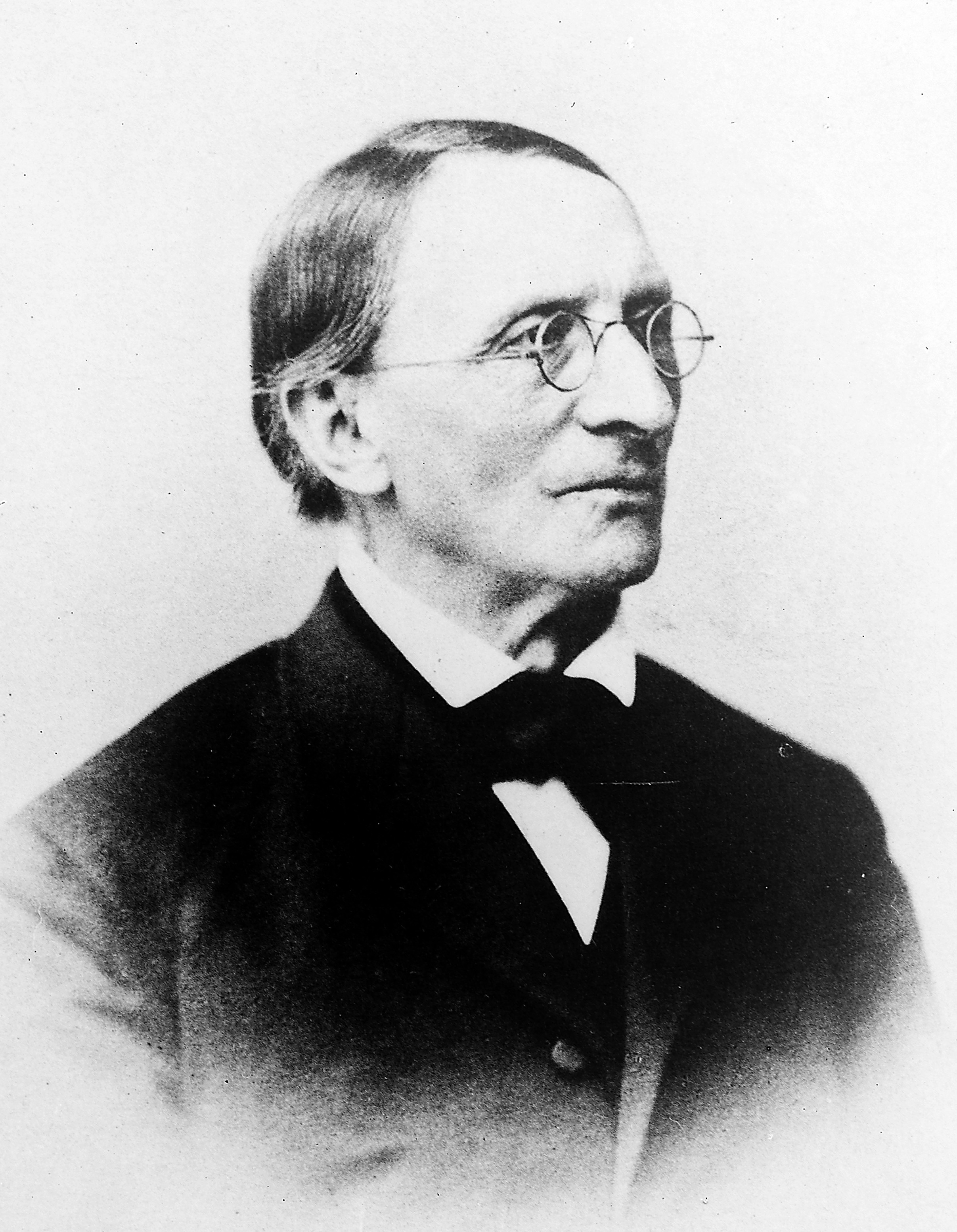
Ludwig changed Poiseuille’s hemodynamometer into the kymograph by the addition of a float and caused this float to write on a recording cylinder. Abridged English translation in Ruskin (No. 3160.1).
1850 CE
#771
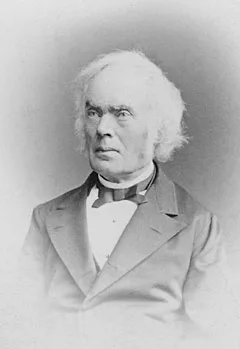
Die Hämodynamik nach Versuchen.
1856 CE
#773
Études expérimentales sur les lésions organiques du coeur.
Faivre made the first accurate estimation of the blood-pressure in man, by connecting the artery with a mercury manometer and making direct readings. These investigations were important, since they established normal …
1858 CE
#774
De l’influence de deux ordres de nerfs qui déterminent les variations de couleur du sang veineux dans les organes glondulaires.
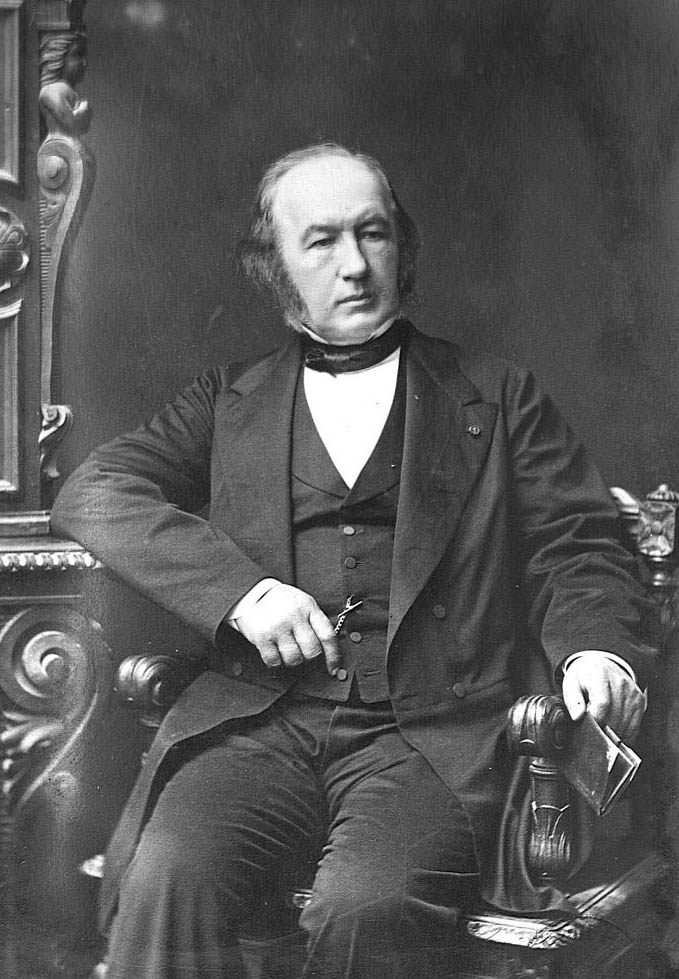
Discovery of the vasoconstrictor and vasodilator nerves and description of their function of regulating the blood supply to the different parts of the body.
1858 CE
#775
Die Erscheinungen und Gesetze der Stromgeschwindigkeiten des Blutes.
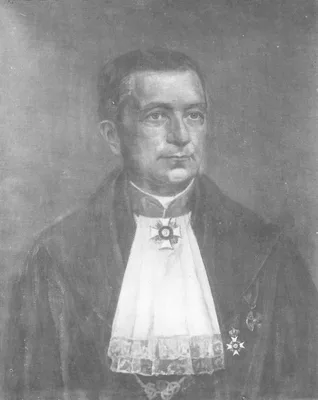
Vierordt estimated, by means of a “hemotachometer” of his own invention, the rate of the blood flow in various arteries, and also the influence of the blood volume, pulse rate and respiratory rate upon it.
1860 CE
#776
Recherches sur le pouls au moyen d’un nouvel appareil enregistreur le sphygmographe.
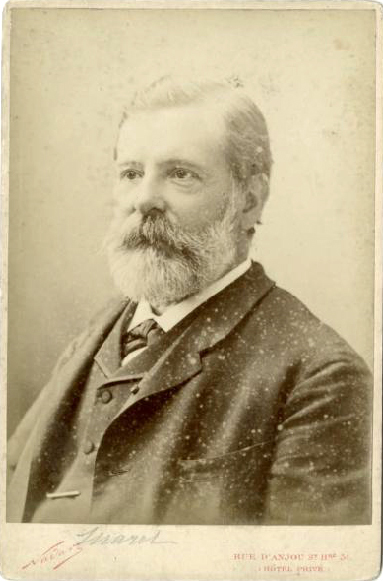
Invention of the modern sphygmograph. Also published in C.R. Acad. Sci. (Paris), 1860, 51, 281-309. Preliminary paper in same journal, 1860, 50, 634-37.
1860 CE
#777
Sur la pression du sang dans le système artériel.
1865 CE
#778
Die physiologischen Leistungen des Blutdrucks.
Ludwig’s inaugural address at Leipzig, in which he introduced the idea of keeping alive excised portions of organs by means of artificial circulation, or perfusion. He suggested that the blood-pressure had a sti…
1868 CE
#779
Die Ausmessung der strömenden Blutvolumina.
Invention of the Stromuhr, for measurement of the velocity of the blood. Dogiel was a pupil of Ludwig.
1875 CE
#780
Die beiderseitige mechanische Reizung des Nv. vagus beim Menschen.
1876 CE
#781
Ueber den Druck in den Blutcapillaren der menschlichen Haut.
Kries attempted to measure blood pressure in the capillaries by using a skin blanching method.
1876 CE
#782
Untersuchungen über die Gefässernerven-Wurzeln des Ischiadicus.
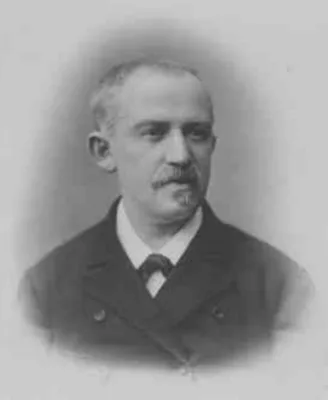
Stricker was the first to describe vasodilatation on stimulation of the posterior nerve roots.
1881 CE
#783
La circulation du sang à l’état physiologique et dans les maladies.
1884 CE–1889 CE
#784
Das Venensystem des menschlichen Körpers. 2 pts. and atlas.
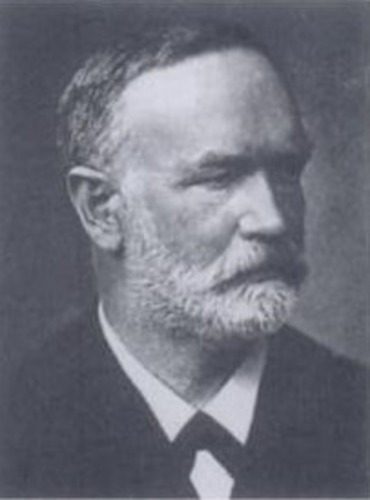
Like Braune’s other anatomical works, this is notable for its excellent illustrations.
1892 CE
#785
Der Einfluss der Systems der Vena portae auf die Vertheilung des Blutes.
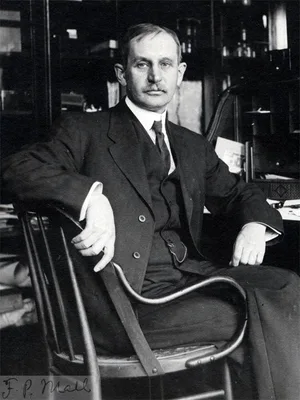
Translated into English as "The contraction of the vena portae and its influence upon the circulation," Johns Hopkins Hospital Reports, I (1896) 111-157. Digital facsimile of the English translation from Google Books …
1893 CE
#786
On the results of ligation of the coronary arteries.
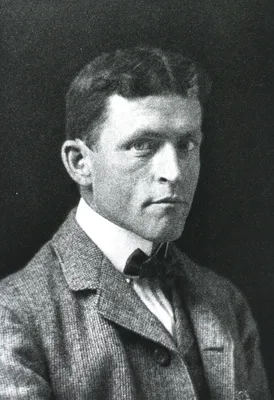
“Following coronary ligation Porter noted that the procedure frequently resulted in fibrillary contractions of the heart and sudden death. However, death did not always occur and this led him to conclude that Co…
1893 CE
#787
Lehrbuch der Physiologie des Kreislaufes.
1907 CE
#788
The significance of a hitherto undescribed wave in the jugular pulse.
The physiological wave sometimes found in mid-diastole, when the pulse is slow, was first described by Gibson. He termed it the b-wave. Gibson worked with William Osler at the Radcliffe Infirmary in Oxford, and cared …
1909 CE
#789
Some considerations upon high amputation of the rectum.
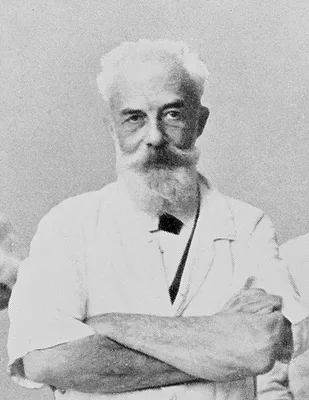
“Hartmann’s critical point”, the site on the large intestine where the lowest sigmoid artery meets the superior rectal arterial branch.
1911 CE–1912 CE
#790
The blood-vessels in the arterioles, capillaries and small veins of the human skin.
Lombard soaked the skin in cedarwood oil, rendering transparent the superficial epidermal layers, and thus making possible many direct observations on it.
1912 CE
#791
The blood pressure fall produced by traction on the carotid artery.
First description of the carotid sinus depressor reflex.
1918 CE–1919 CE
#792
The vasodilator action of histamine and of some other substances.
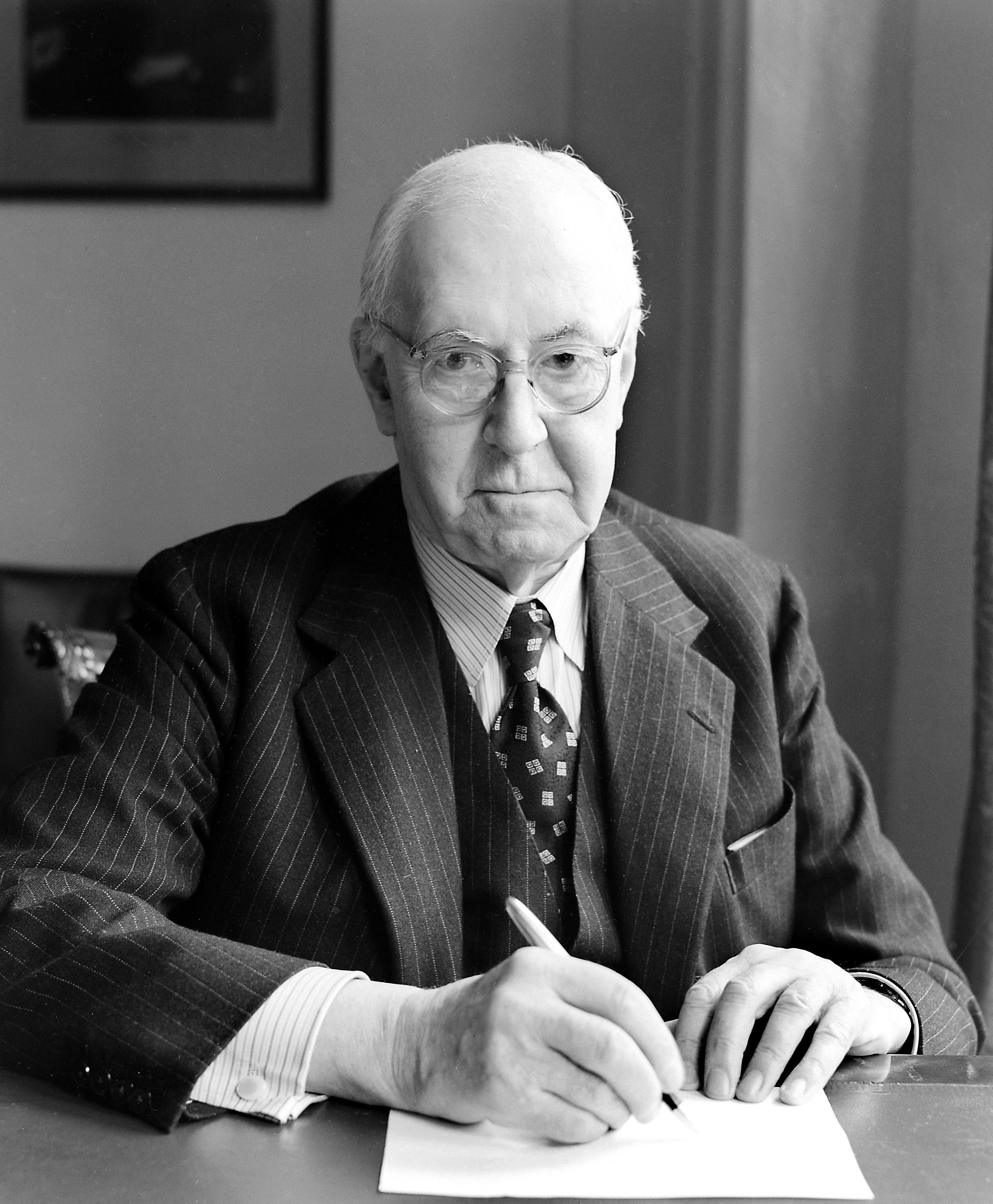
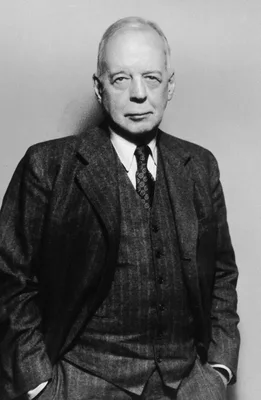
Dale and Richards studied the effect of histamine on the control of the circulation and showed its peripheral action to be located in the capillaries and smaller arterioles.
1922 CE
#793
The anatomy and physiology of the capillaries.
Silliman Lectures. Krogh was first to describe the adaptation of blood perfusion in muscle and other organs according to demands through opening and closing the arterioles and capillaries. In 1920 Krogh received the N…
1923 CE
#794
Der Karotisdruckversuch.
1924 CE
#795
Die Aenderung der Herzschlagzahl durch Aenderung des arteriellen Blutdruckes erfolgt aus reflektorischem Wege; gleichzeitig eine Mitteilung über die Funktion des Sinus caroticus, beziehungsweise der Sinusnerven.
First description of the structure and function of the sinus nerve and the reflex character of carotid pressure.
1926 CE–1927 CE
#796
Studies in the velocity of blood flow.
First practical method of measuring circulation time. "In 1925, Hermann Blumgart performed the first diagnostic procedure using radioactive indicators on humans; this first is well recognized. Less well recognized is …
1927 CE
#797
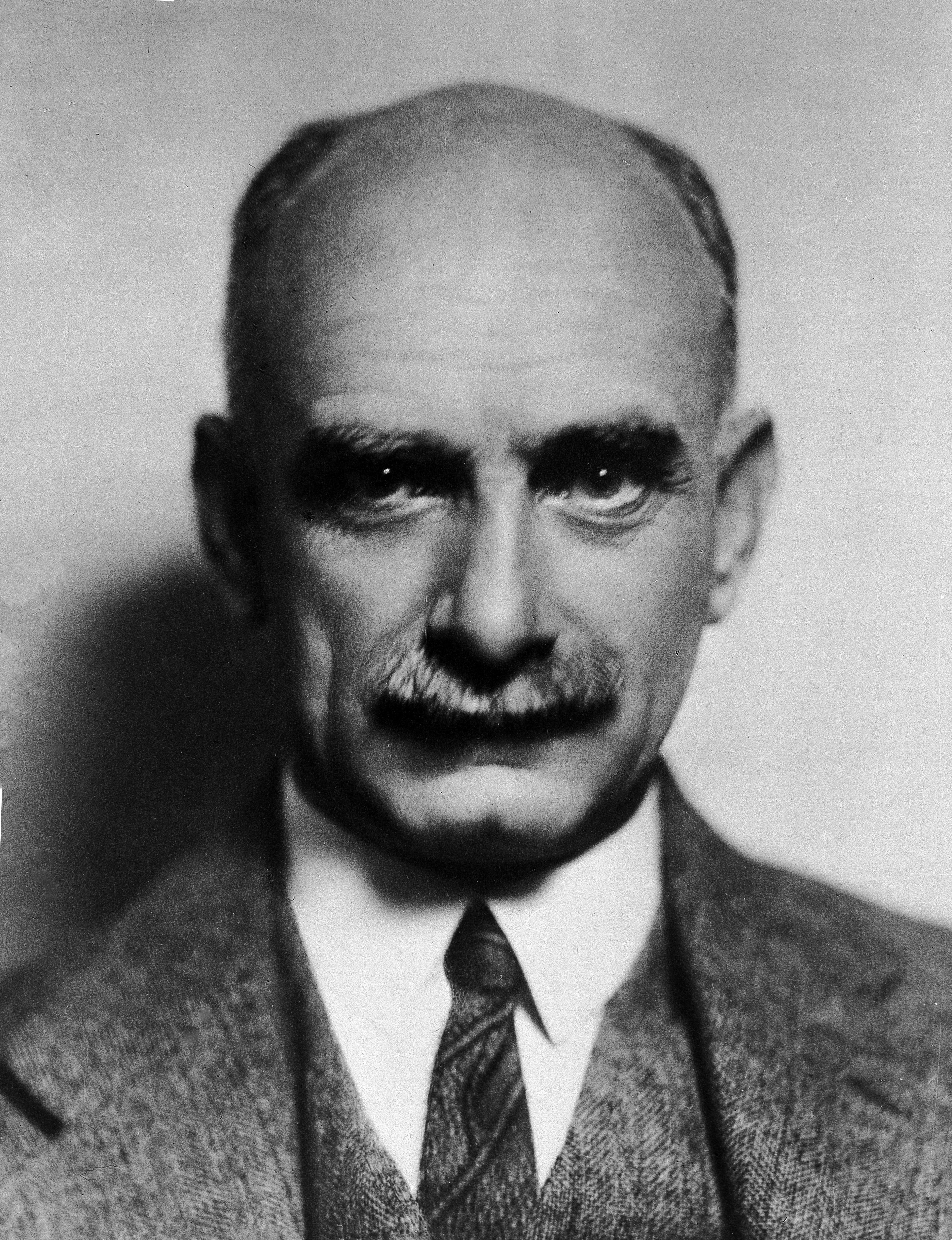
The blood-vessels of the human skin and their responses.
1928 CE
#798
Die Thermo-Stromuhr. Ein Verfahren zur fortlaufenden Messung der mittleren absoluten Durchfulssmengen in uneröffneten Gefässen in situ.
Introduction of the Thermostromuhr, an instrument for measuring the velocity of the blood flow.
1928 CE
#799
The pressure pulses in the cardiovascular system.
Wiggers, professor of physiology at the Western Reserve University, Cleveland, contributed much to the knowledge of the circulation and devised several instruments to promote the study of this subject.
1854 CE
#2759
Die bildliche Darstellung des menschlichen Arterienpulses.
Vierordt invented a sphygmograph which acted on the principle that indirect estimation of blood-pressure could be accomplished by measuring the counter-pressure necessary to obliterate the arterial pulsation. This was…
1680 CE–1681 CE
#3669.3
De motu animalium. 2 pts.
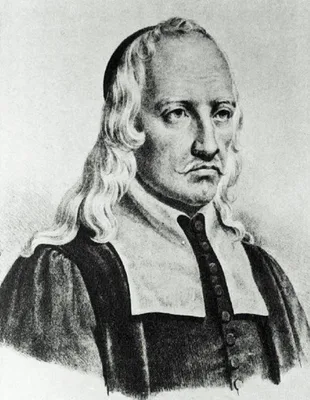
Borelli originated the neurogenic theory of the heart’s action and first suggested that the circulation resembled a simple hydraulic system. He was the first to insist that the heart beat was a simple muscular c…