
Entry Nos. 3500–3599
100 Garrison-Morton entries in this range.
1929 CE
#3549
Eine neue Methode der Gastrostomie.
Introduction of tubo-valvular gastrostomy.
1929 CE
#3550
The “coeliac affection” – idiopathic steatorrhoeas.
Idiopathic steatorrhoea, first described by Gee (No. 3491) was extensively studied by Thaysen, in so far as it occurs in adults and adolescents in non-tropical countries. It also bears the name “Gee-Thaysen dise…
1932 CE
#3551
Regional ileitis. A pathologic and clinical entity.
“Crohn’s disease” – regional ileitis. With L. Ginzburg and G. D. Oppenheimer. "Some of Crohn's initial research into the causes of the Crohn's disease was centered around his personal convictio…
1932 CE
#3552
Papers relating to the pituitary body, hypothalamus, and para-sympathetic nervous system.
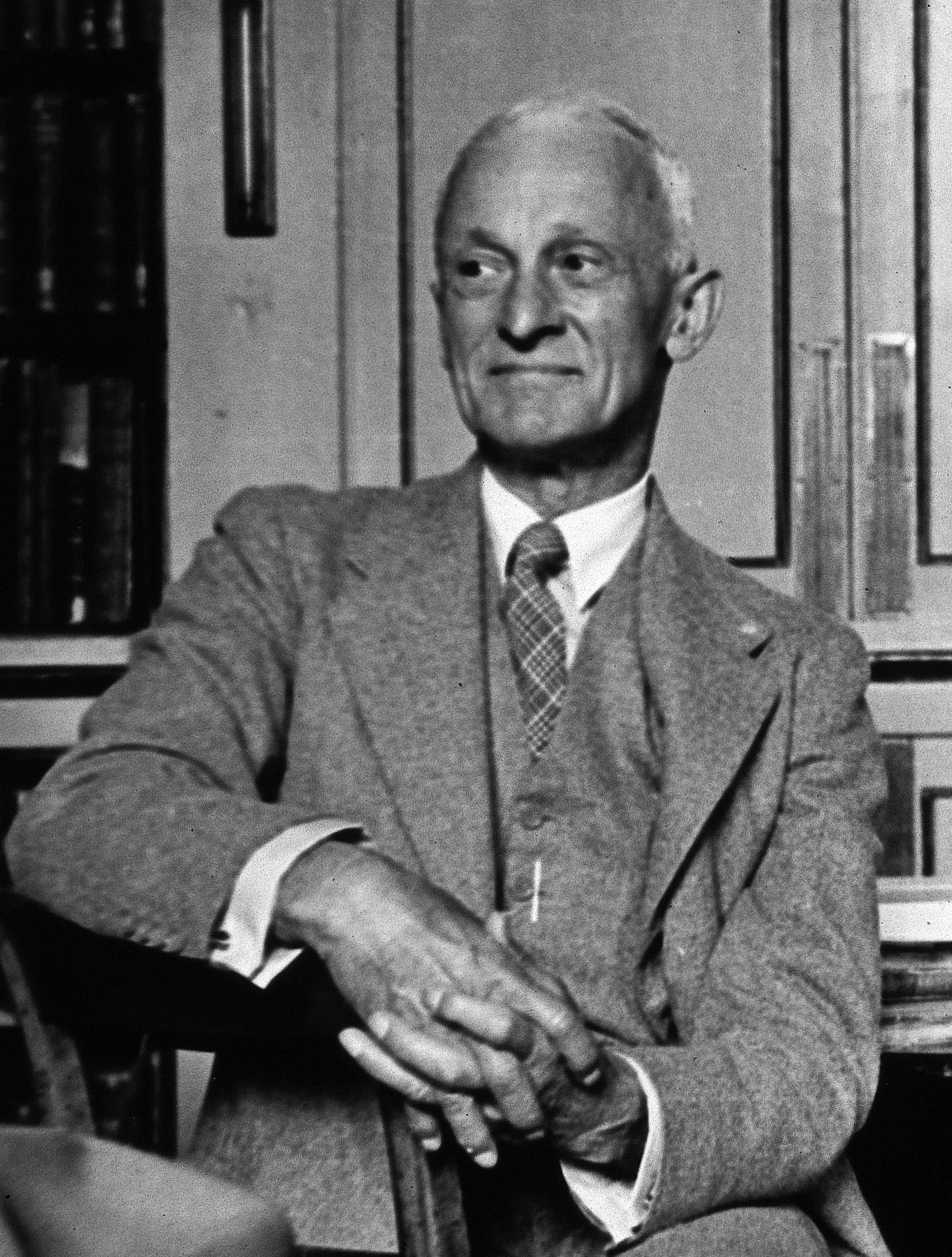
Cushing advanced the theory that the hypothalamus is responsible for the development of peptic ulcer (see p. 175 et seq.). This work contains his four principal contributions to pituitary-hypothalamic interrelationshi…
1932 CE
#3553
Ein völlig ungefährliches, flexibles Gastroskop.
Introduction of the flexible gastroscope.
1932 CE
#3554
The early diagnosis of acute intestinal obstruction with comments on pathology and treatment. With a report of successful decompression of three cases of mechanical bowel obstruction by nasal catheter suction siphonage.
Wangensteen’s apparatus for relief of acute intestinal obstruction. See also his Intestinal Obstructions: Physiological, pathological and clinical considerations with emphasis on therapy, including description o…
1934 CE
#3555
Treatment of hematemesis and melaena with food.
Meulengracht diet.
1941 CE
#3556
Congenital atresia of the esophagus with tracheoesophageal fistula. Report of successful extrapleural ligation of fistulous communication and cervical esophagostomy.
1943 CE
#3557
Supra-diaphragmatic section of the vagus nerves in treatment of duodenal ulcer.
Vagotomy for peptic ulcer.
1947 CE
#3558
Atresia of the ileum. First successful case cured by enterostomy alone.
1736 CE
#3559
Of an inguinal rupture, with a pin in the appendix caeci, incrusted with stone; and some observations on wounds in the guts.
First recorded successful appendectomy. Amyand was Sergeant-Surgeon to George II and first principal surgeon to Westminster Hospital. See also the paper in Surg. Gynec. Obstet., 1953, 97, 643-52, which reproduces part…
1812 CE
#3560
Case of diseased appendix vermiformis.
First case of appendicitis reported in English, and the first in which perforation was recognized as the cause of death. John Parkinson was the son of James Parkinson (No. 4690).
1824 CE
#3561
Observations pour servir à l’histoire des inflammations de l’appendice du caecum.
Report of two cases of fatal peritonitis due to perforation of the appendix. Of this paper, H. A. Kelly says, “It at once established a definite place for lesions of the appendix in the category of recognized di…
1827 CE
#3562
Mémoire et observations sur quelques maladies de l’appendice cécale.
Mélier was the first to show the existence of chronic appendicitis; he recognized the causal relationship between the chronic affection and abscesses of the right iliac fossa and was first to suggest operative …
1848 CE
#3563
Disease of the appendix caeci cured by operation.
First recorded successful operation for peritonitis due to abscess in the appendix. Hancock was surgeon to Charing Cross Hospital, London.
1867 CE
#3564
An operation for abscess of the appendix vermiformis caeci.
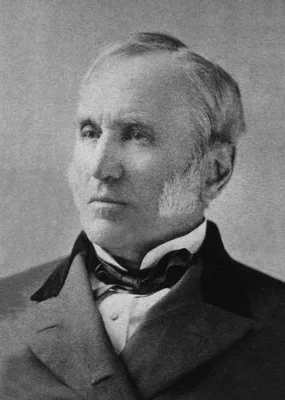
Parker was the first American to operate for appendicitis. In this paper he described a case from 1864, but mentioned a case he had operated on as early as 1843. He advocated the opening of the appendicular abscesses …
1880 CE
#3565
On perityphlitis.
Sands published an account of 26 cases, in which he had operated successfully in all but two. His later publications show that he recognized the early signs of perforation of the appendix, and he advocated and practis…
1884 CE
#3566
Clinical lectures on cases of difficult diagnosis; perforation of the appendix vermiformis.
In 1884 Fenwick advocated tying off and removal of the perforated appendix.
1886 CE
#3567
Perforating inflammation of the vermiform appendix, with special reference to its early diagnosis and treatment.
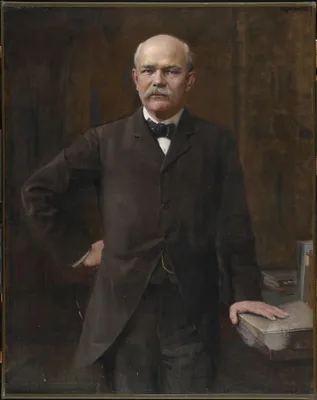
A conclusive demonstration of the pathology and symptoms of disease of the vermiform appendix. Fitz invented the term “appendicitis”; his paper, which records 25 cases collected by himself, convinced physi…
1886 CE
#3568
Suppurative peritonitis due to ulceration and suppuration of the vermiform appendix; laparotomy; resection of the vermiform appendix; toilette of the peritonaeum; drainage; recovery.
This is believed to be the first reported case of survival after removal of a perforated appendix. Hall worked with William Halsted during the 1880s and participated in Halsted’s experiments with cocaine as a lo…
1887 CE
#3569
Cases of exploratory laparotomy followed by appropriate remedial operation.
Thomas George Morton (1835-1903) was one of the first deliberately to operate for and remove the inflamed appendix after correct diagnosis, April 1887. The patient survived. Case reported by Woodbury.
1889 CE
#3570
Experience with early operative interference in cases of disease of the vermiform appendix.
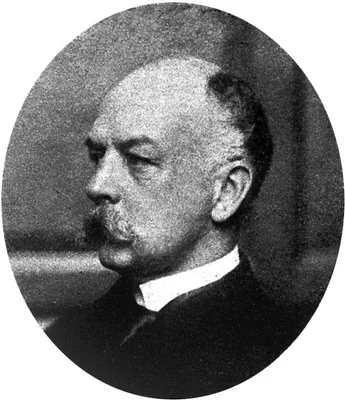
Describes (p. 678) “McBurney’s point”: “The seat of greatest pain, determined by the pressure of one finger, has been very exactly between an inch and a half and two inches from the anterior sp…
1905 CE
#3571
The vermiform appendix and its diseases. With 399 original illustrations, some in colors, and 3 lithographic plates.
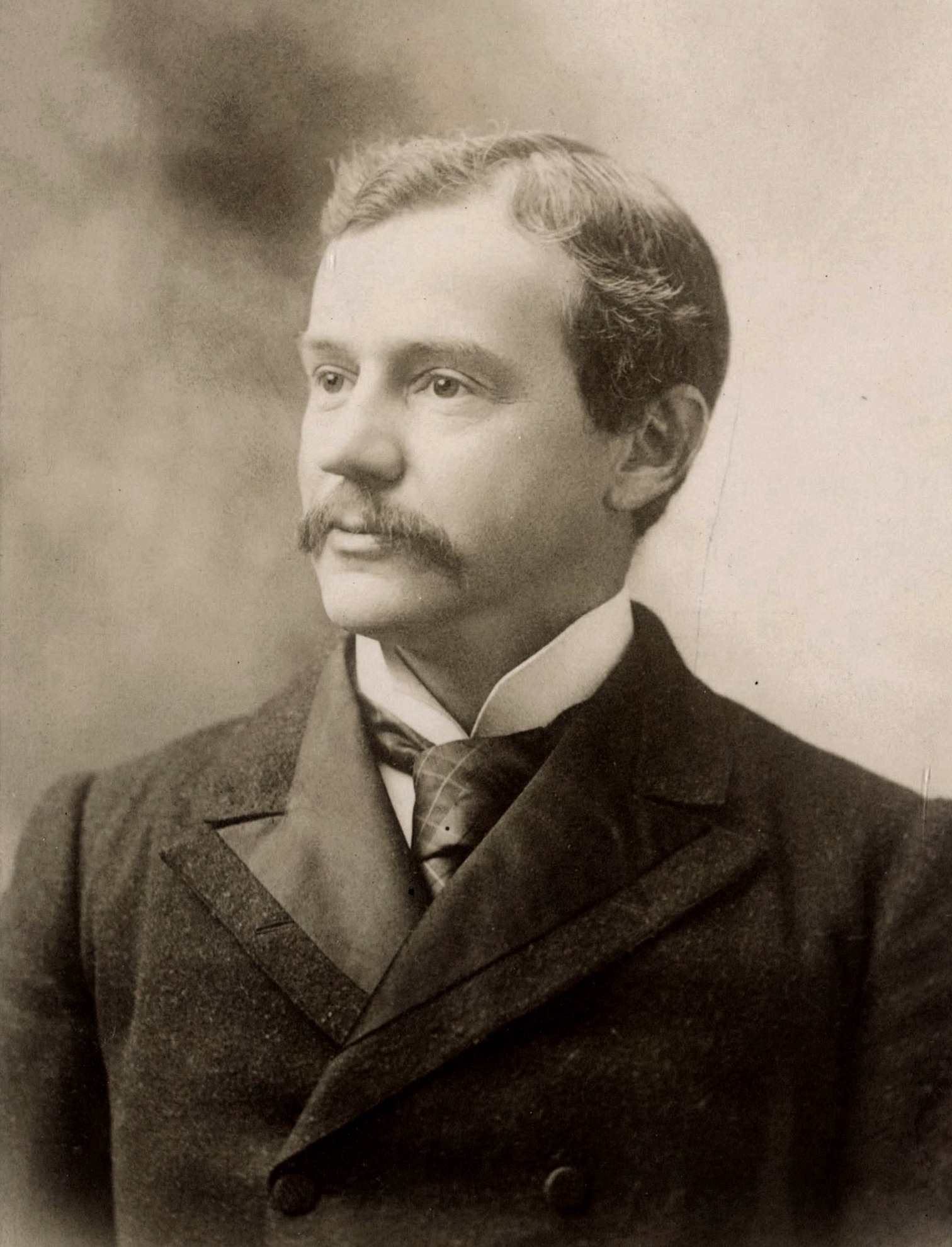
The first comprehensive book on the pathology of the appendix. Many of the illustrations are by Max Brödel. Digital facsimile from the Internet Archive at this link.
1908 CE
#3572
Die Wurmfortsatzentzündung.
Aschoff’s theory of the enterogenous origin of appendicitis.
1556 CE
#3573
Petit traité contenant une des parties principalles de chirurgie, laquelle les chirurgiens hernieres exercent.
Clifford Allbutt considered Franco the best lithotomist of the 16th century. His skill in extracting the stone by the perineal route was of a high order; in 1556 he introduced the operation of suprapubic cystotomy in …
1561 CE
#3574
Traité des hernies... et autres excellentes parties de chirurgie assavior de la pierre, des cataractes des yeux, & autres maladies...
Greatly expanded second edition, including Franco's operations for cataract and urinary calculi. Digital facsimile from BnF Gallica at this link.
1719 CE
#3575
Observation sur une nouvelle espèce de hernie.
“Littre’s hernia” – so named from his description of diverticulum hernia. Later Richter (No. 3578) described this condition more fully.
1756 CE
#3576
A treatise on ruptures.
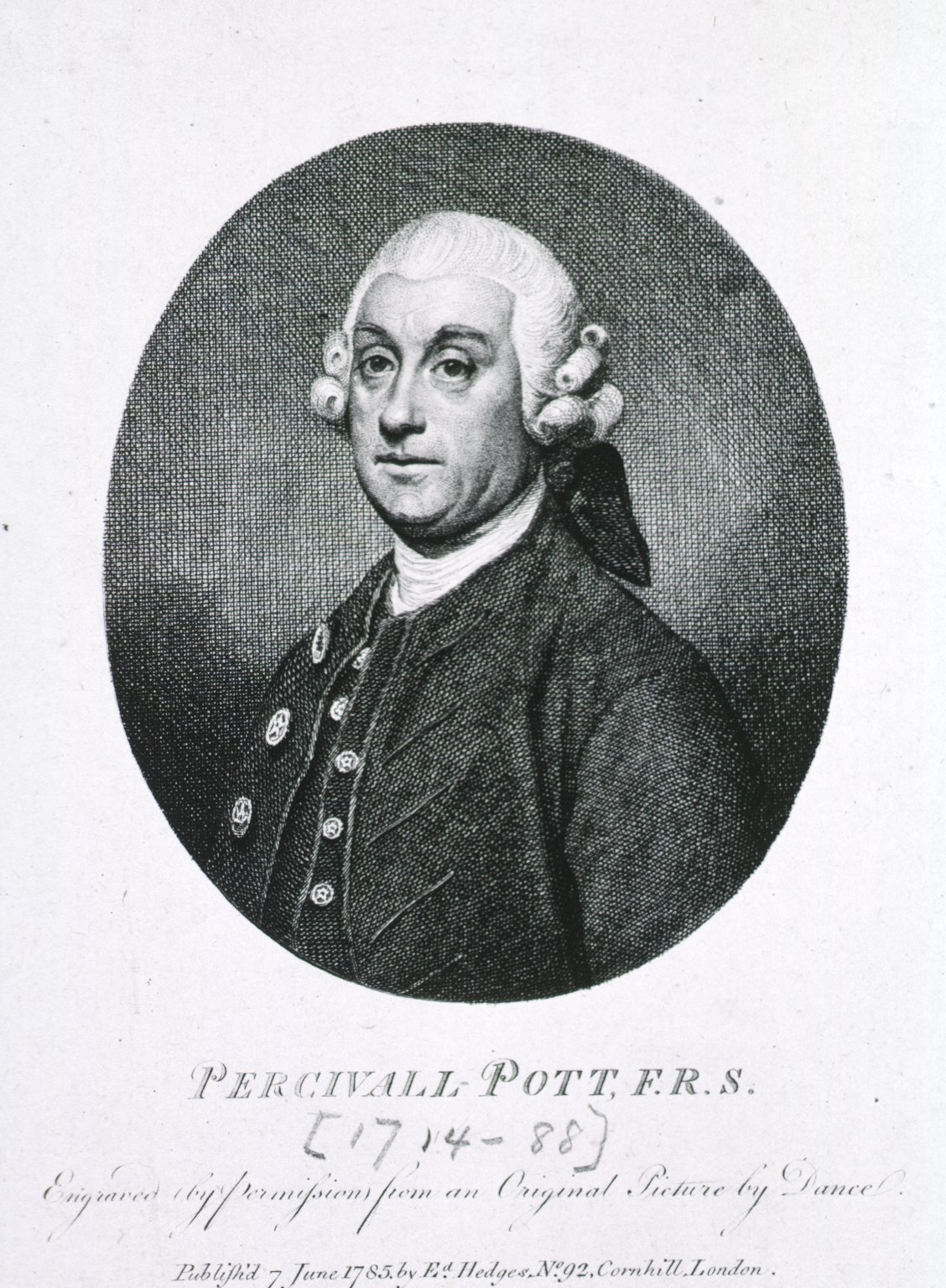
Pott was surgeon to St. Bartholomew’s Hospital. Through a fall in the street he was confined to bed for many days, and during that period wrote his classic book on hernia. He refuted many of the old theories con…
1778 CE–1779 CE
#3578
Abhandlung von den Brüchen.

Richter, lecturer on surgery at Göttingen, in his classic treatise on hernia, first described partial enterocele, or “Richter’s hernia” (Chap. 24).
1793 CE
#3579
Nuevo método de operar en la hernia crural.
Description of Gimbernat’s operation for strangulated femoral hernia. In the same work he also described the ligament in the crural arch named after him. Gimbernat was a pioneer in ophthalmology, vascular surger…
1801 CE
#3580
Icones herniarum. Editae a S. T. Soemmerring.
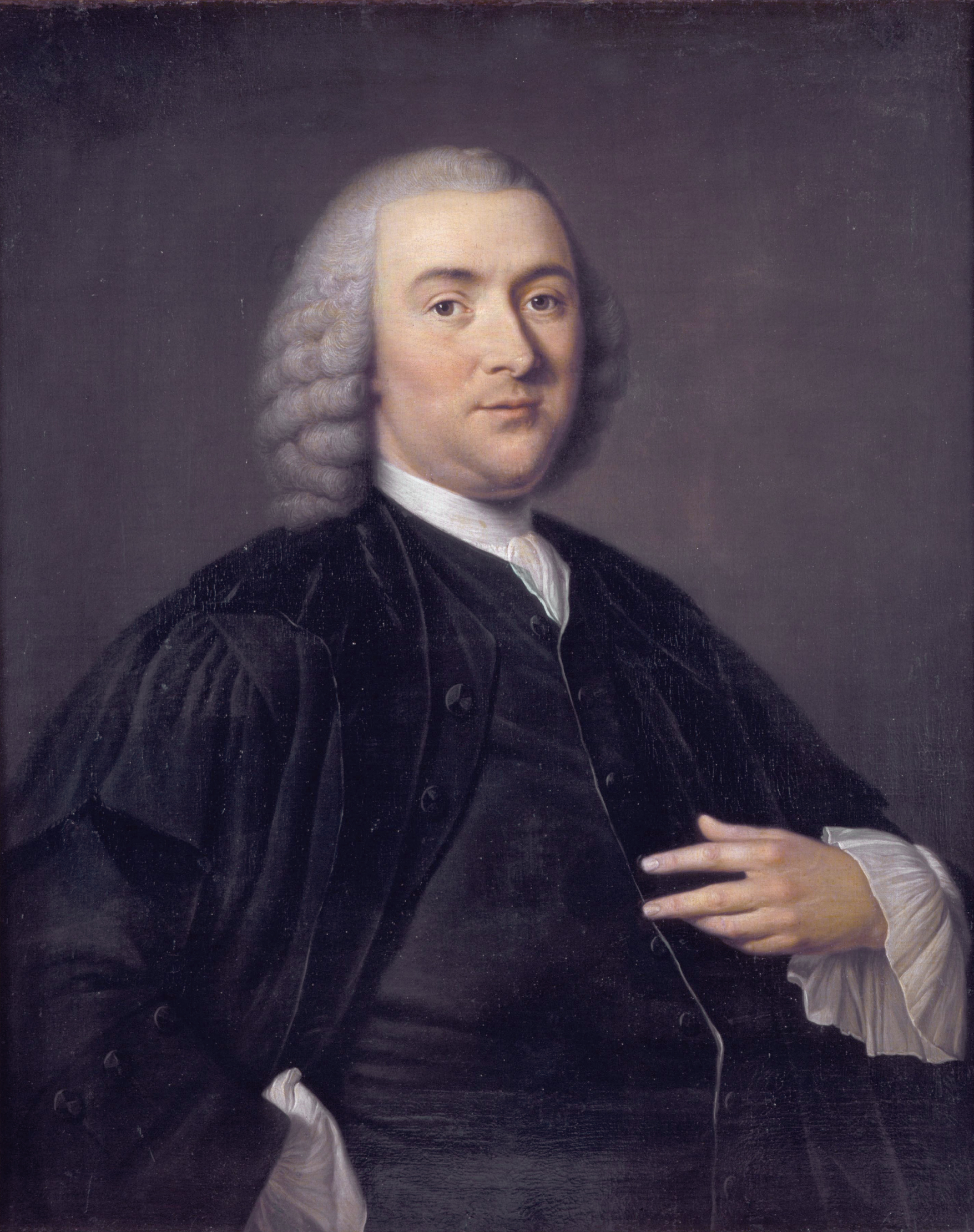
Camper illustrated his own work, and was an outstanding anatomical artist. His illustrations of hernias are of great value.
1807 CE
#3581
The anatomy and surgical treatment of inguinal and congenital hernia. London, Cox, 1804. The anatomy and surgical treatment of crural and umbilical hernia.
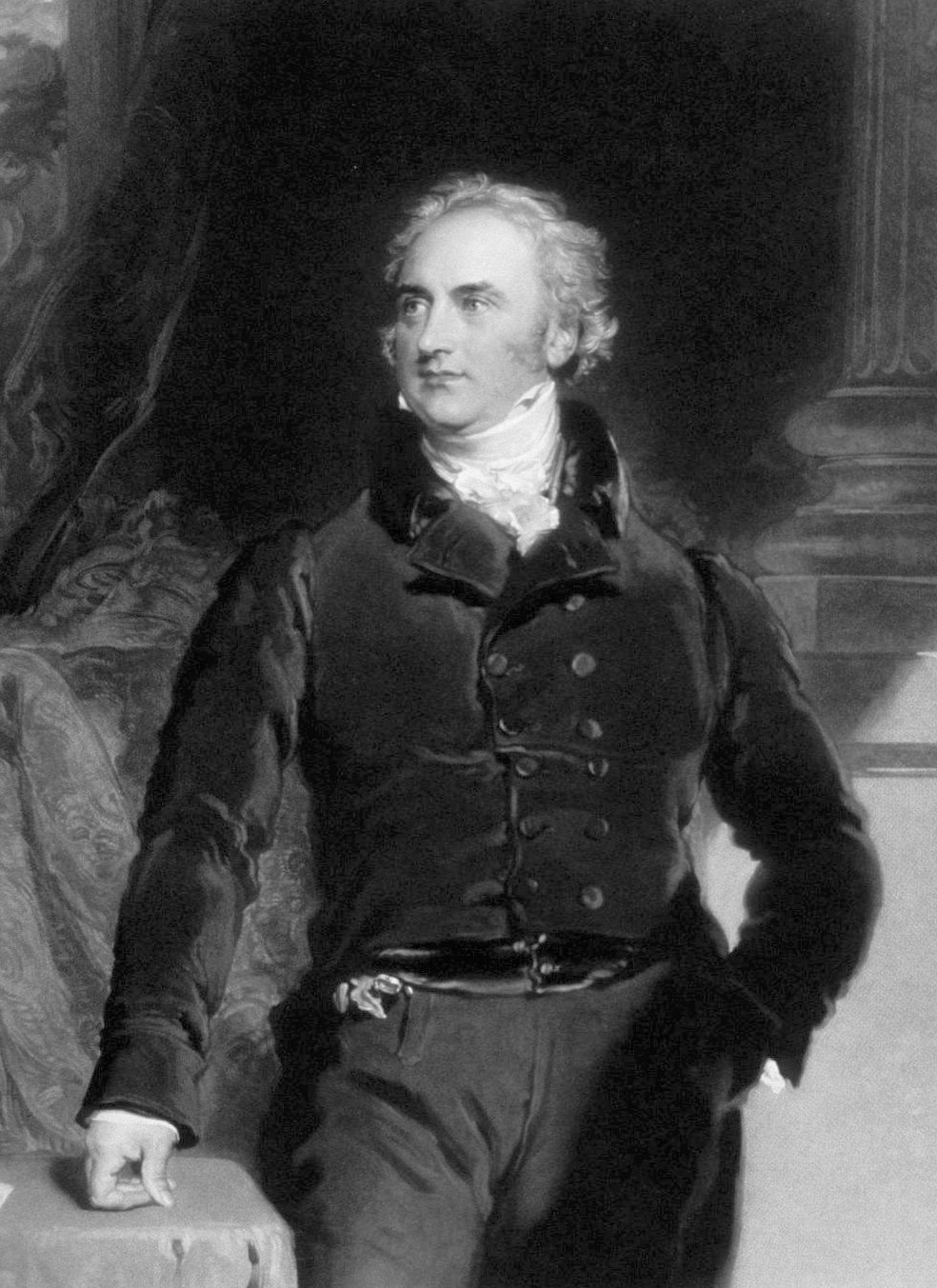
Cooper’s first book, luxuriously produced, in which he described for the first time the transversalis fascia, with full appreciation of its importance in hernia, as well as the superior pubic ligament with bears…
1806 CE
#3582
Anatomisch-chirurgische Abhandlung über den Ursprung der Leistenbrüche
Includes description of “Hesselbach’s hernia” and “triangle”. He wrote a further volume on the subject in 1814.
1809 CE
#3583
Sull’ernie. Memorie anatomico-chirurgiche.
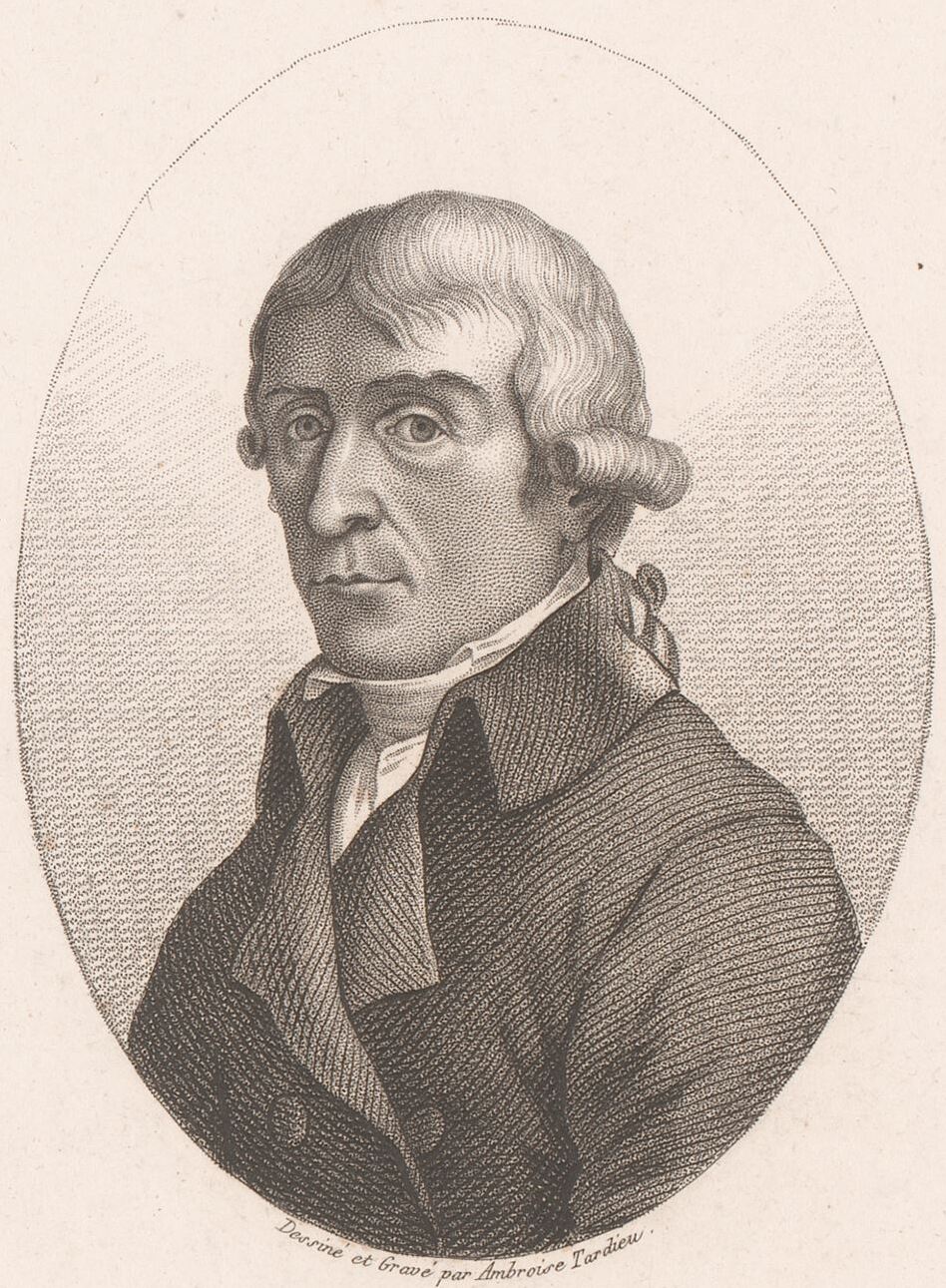
This splendidly illustrated work with life-size plates includes the description of “Scarpa’s fascia” (creasteric fascia) and Scarpa’s triangle of the thigh.
1821 CE
#3584
Sull’ernia del perineo.
Scarpa’s work on perineal hernia included a classic description of sliding hernia, or hernia of the large bowel. His contribution to the subject of hernia ranks with that of Cooper, and he did much toward modern…
1817 CE
#3585
Recherches anatomiques sur les hernies de l’abdomen.
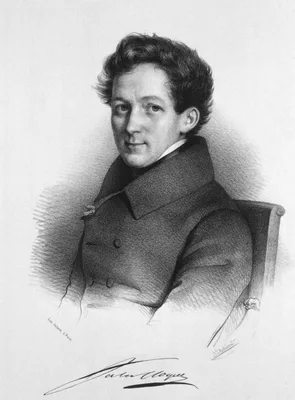
This is Cloquet’s medical thesis. It was followed by his thesis in competition for head of the anatomy section of the Paris Faculty: Recherches sur les causes et l’anatomie des hernies abdominales. Paris, …
1833 CE
#3586
A memoir on the advantages and practicability of dividing the stricture in strangulated hernia on the outside of the sac.
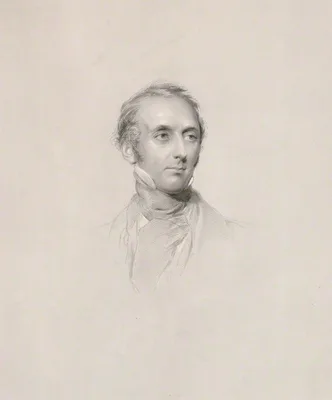
Introduction of the principle of dividing a stricture outside the sac in cases of strangulated hernia.
1838 CE
#3587
Treatise on ruptures. 5th ed.
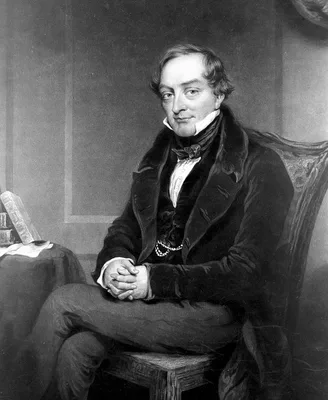
This was the standard text for many years. It first appeared in 1807 as Treatise on hernia.
1841 CE
#3588
Operation for strangulated hernia.
Luke’s operation for femoral hernia.
1846 CE
#3589
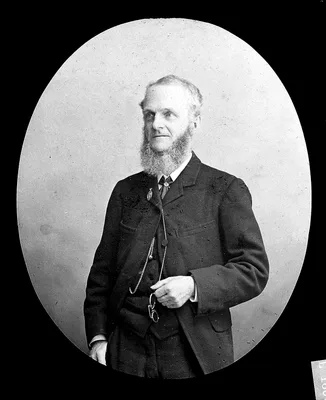
A practical treatise on abdominal hernia.
1853 CE
#3590
Considérations sur l’étranglement de l’intestin dans la cavité abdominale et sur un mode d’étranglement non décrit par les auteurs. Thèse pour le doctorat en médecine.... No. 128.
Retrocaecal hernia (“Rieux’s hernia”) first described. Digital facsimile from the Internet Archive at this link.
1857 CE
#3591
Hernia retroperitonealis. Ein Beitrag zur Geschichte innerer Hernien.
Treitz described retroperitoneal hernia through the duodeno-jejunal recess – “Treitz’s hernia”.
1863 CE
#3592
Ueber einen Fall nicht incarcerierter, aber mit Incarceration des Ileum durch das Omentum complicirter Hernia interna mesogastrica.
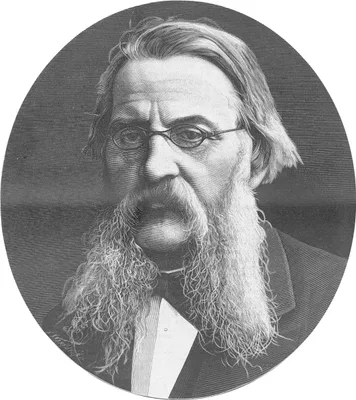
“Gruber’s hernia” – internal mesogastric hernia.
1877 CE
#3593
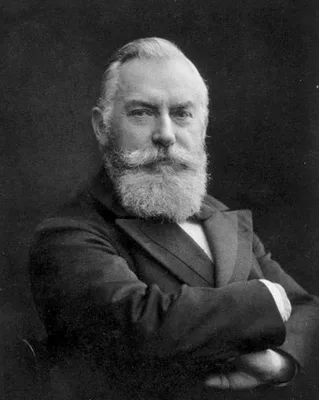
Studien zur Radikalbehandlung der Hernien.
1878 CE
#3594
The radical cure of hernia by the antiseptic use of the carbolized catgut ligature.
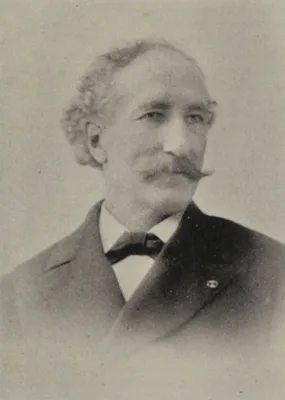
Marcy introduced antiseptic ligatures in the radical cure of hernia. See also No. 3601.
1885 CE
#3595
A case of strangulated hernia into the fossa intersigmoidea.
First definitely authenticated case of intersigmoid hernia.
1886 CE
#3596
On the radical cure of oblique inguinal hernia by internal abdominal peritoneal pad, and the restoration of the valved form of the inguinal canal.
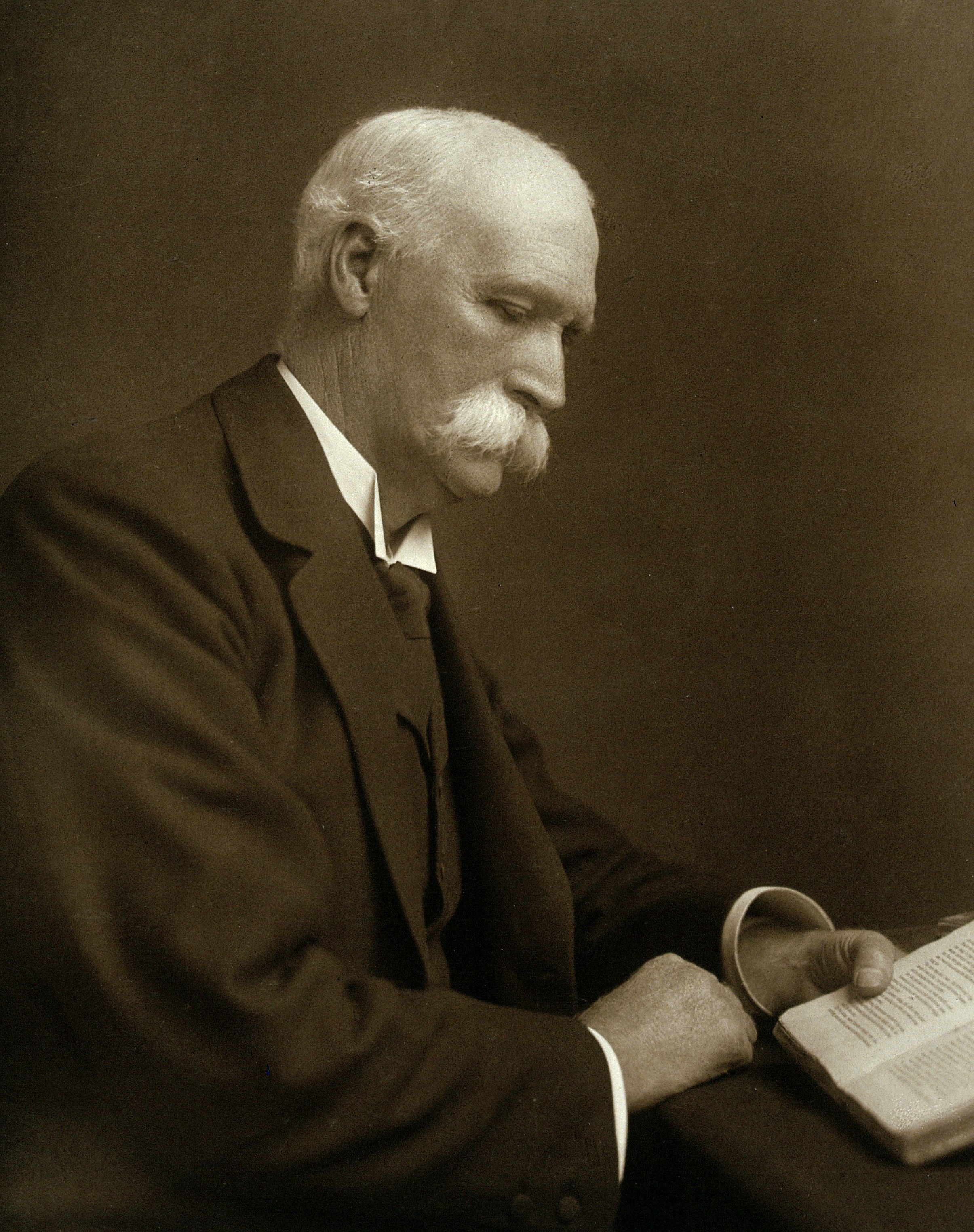
Macewen’s method for the radical cure of oblique inguinal hernia. The sac was folded into a pad and used as a plug at the internal ring, the ring being closed in layers. Reprinted in Brit. med. J., 1887, 2, 1263…
1887 CE
#3597
Cure radicale des hernies.
1889 CE
#3598
Nuovo metodo per la cura radicale dell’ ernia inguinale.
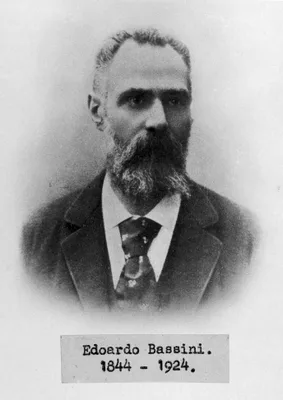
Bassini’s operation for the radical cure of inguinal hernia. His first account was unillustrated. Translation in J. Hist. Med., 1966, 21, 401-07. Bassini expanded his paper into an illustrated book with the same…
1889 CE
#3599
The radical cure of hernia.
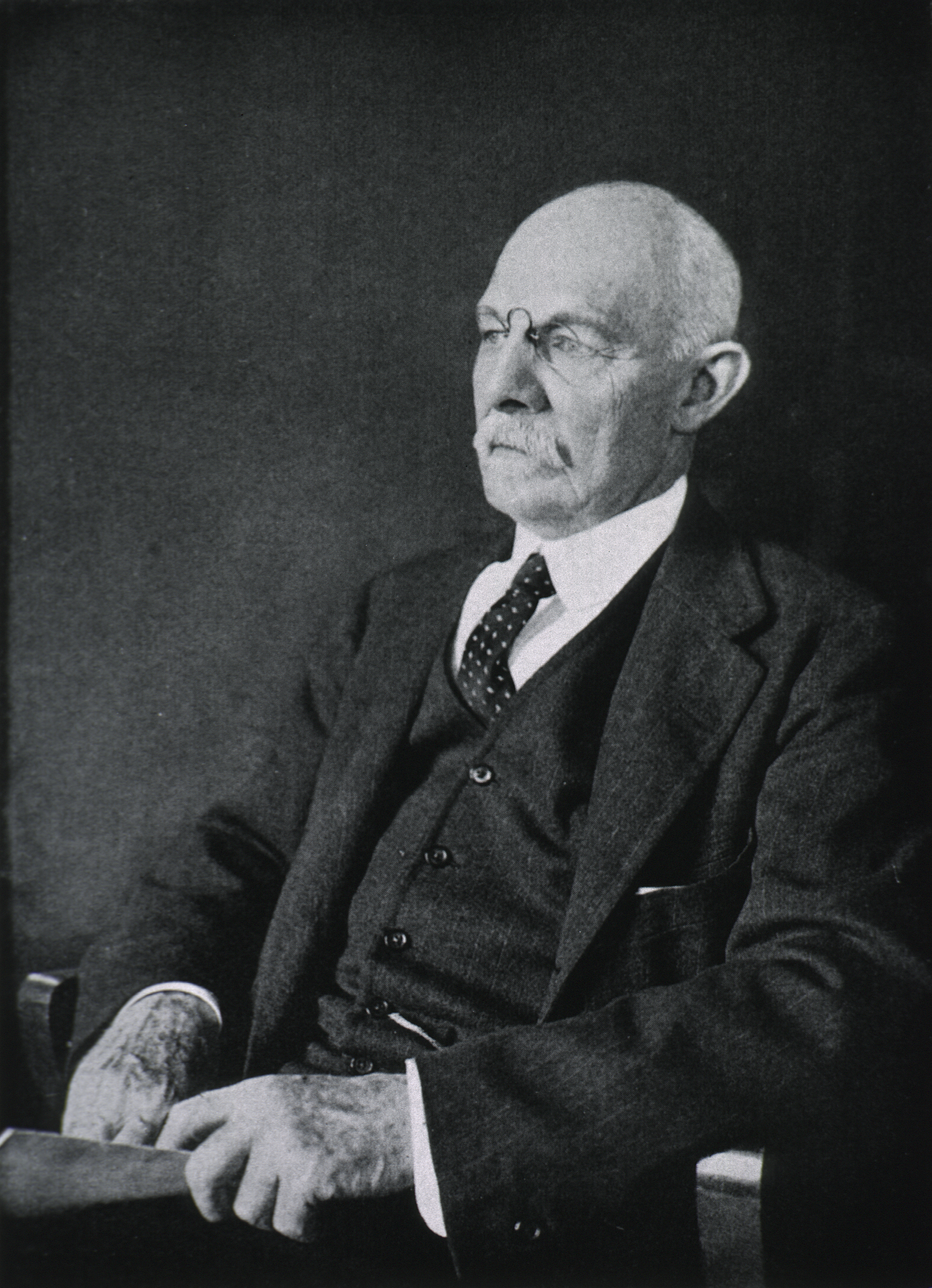
Simultaneously with Bassini, Halsted devised the modern operation for the radical cure of inguinal hernia. This is known as the Halsted I repair. Later his technique differed much from that of Bassini. See also his la…