
Entry Nos. 4300–4399
100 Garrison-Morton entries in this range.
1888 CE
#4350
Ueber freie Körper in den Gelenken.
König of Göttingen was the first to use the term “osteochondritis dissecans”.
1889 CE
#4351
Zur Symptomatologie des multiplen Myeloms.
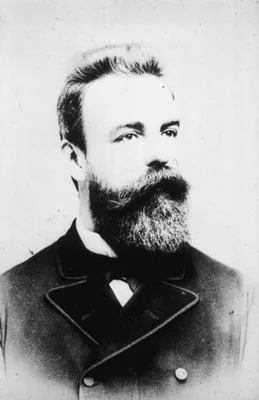
“Kahler’s disease” – multiple myeloma.
1890 CE
#4352
Exostoses multiples.
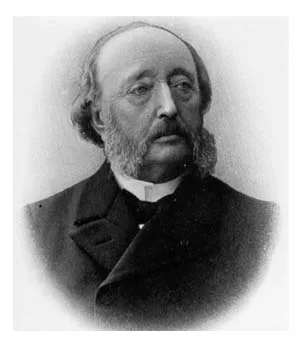
“Ollier’s disease”. He described a form of dyschondroplasia.
1890 CE
#4353
Treatise on orthopedic surgery.
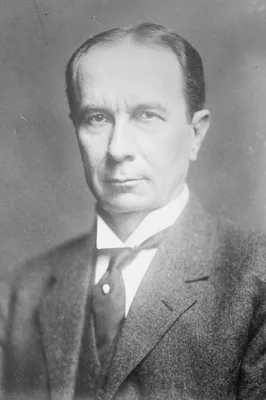
Includes a description of the “Bradford frame”, used in the treatment of spinal disorders.
1890 CE
#4354
De l’ostéo-arthropathie hypertrophiante pneumonique.
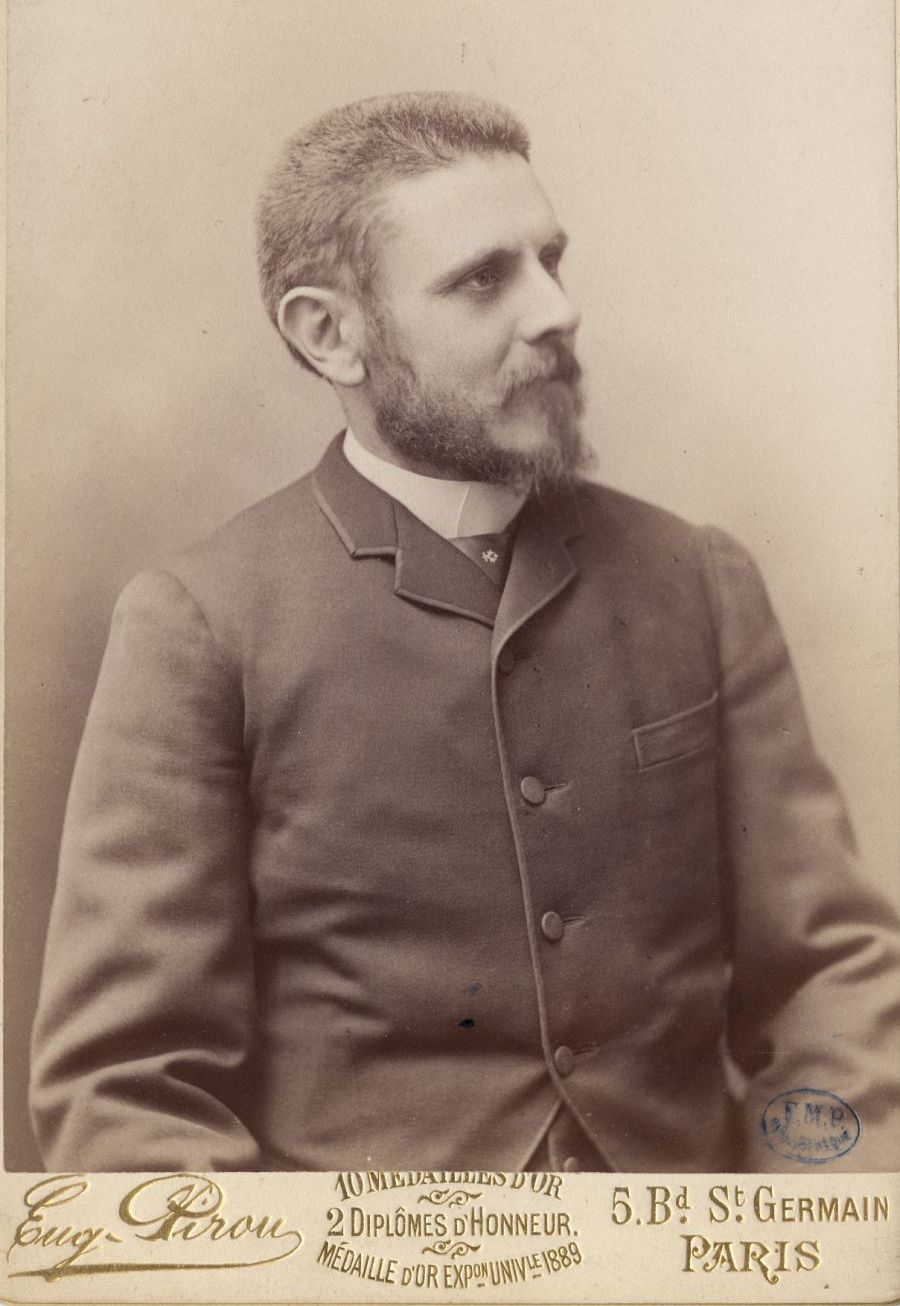
Original description of hypertrophic osteoarthropathy, sometimes called “Bamberger–Marie disease”.
1890 CE
#4355
Zur operativen Behandlung der angeborenen Hüftgelenksverrenkungen.
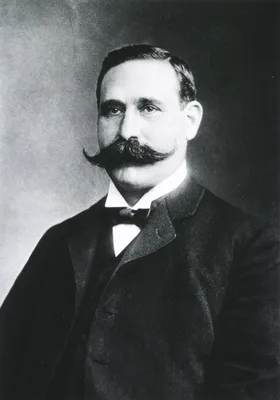
Hoffa’s method of operative treatment of congenital dislocation of the hip-joint.
1891 CE
#4356
Lehrbuch der orthopädischen Chirurgie .
Hoffa, a leading German orthopedist, made important contributions to the subject and founded the Zeitschrift für orthopädische Chirurgie.
1892 CE
#4357
Traumatische rarefizierende Ostitis.
“Kümmell’s disease”. He described a form of traumatic spondylitis.
1891 CE
#4358
Die fibröse oder deformirende Ostitis, die Osteomalacie und die osteoplastische Carcinose in ihren gegenseitigen Beziehungen. In: Festschrift R. Virchow.
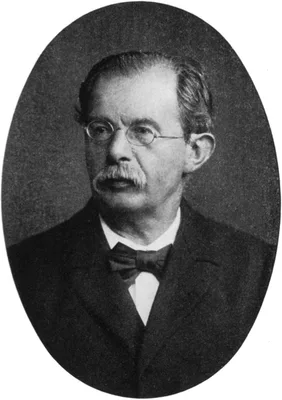
Recklinghausen gave an important description of generalized osteitis fibrosa. His reference to the earlier case reported by Engel (see No. 4335) has led to this condition being sometimes referred to as “Engel&nd…
1891 CE
#4359
Die angeborene Verschiebung des Schulterblattes nach oben.
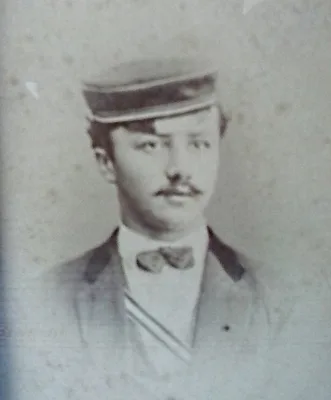
Classic description of “Sprengel’s deformity”, a congenital upward displacement of the scapula.
1892 CE
#4360
Oderevenielost pozvonochnika s iskrivleniyem yevo, kak osobaya forma zabolievaniya. [Ankylosis of the spine with curvature as a special form of disease.]
Bechterev’s disease – ankylosing spondylitis, previously described by Strümpell. A German translation of the paper is in Neurol. Zbl., 1893, 12, 426-34.
1892 CE
#4361
Untersuchungen über die sogenannte foetale Rachitis (Chondrodystrophia foetalis).
First study of the cartilage changes in achondroplasia.
1892 CE
#4362
De la pseudo-paralysie générale arthritique.
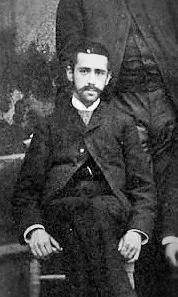
First description of “Klippel’s disease”, arthritic general pseudoparalysis.
1892 CE
#4363
A new operation for paralytic talipes valgus, and the enunciation of a new surgical principle.
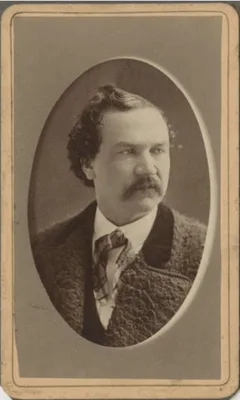
First successful tendon transplantation.
1893 CE
#4364
Achillodynie.
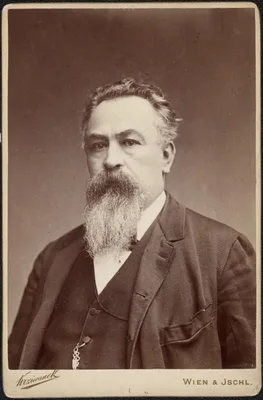
Tendo Achilles bursitis, “Albert’s disease”.
1895 CE
#4365
The operative treatment of congenital dislocation of the hip-joint.
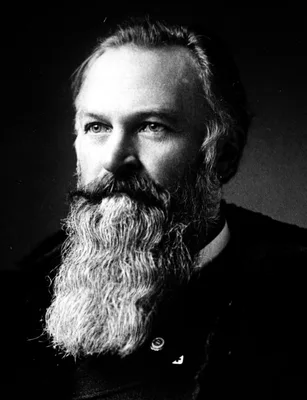
Lorenz suggested a bloodless method for closed reduction of congenital dislocation of the hip-joint – the “Hoffa–Lorenz” method.
1896 CE
#4366
Deformities: A treatise on orthopaedic surgery.
Includes a valuable discussion of congenital anomalies of the bones and joints from the orthopedic point of view. Greatly expanded second edition, 2 vols., London, 1912.
1897 CE
#4367
Ueber eine seltene Form von Erkrankung der Knochen und Gelenke.
“Bruck’s disease” – deformity of bones, multiple fractures, ankylosis of joints, and muscular atrophy.
1898 CE
#4368
Sur la Spondylose rhizomélique.
Marie described as “spondylose rhizomélique” the ankylosing spondylitis or spondylitis deformans originally reported by Strümpell and called variously “Strümpell’s disease&rdqu…
1898 CE
#4369
Sur la dysostose cléido-crânienne héréditaire.
In their important description of cleido-cranial dysostosis, Marie and Sainton gave to it its present name. It was first described by Morand (No. 4302.1) in 1760. English translation in Bick, Classics of orthopaedics,…
1901 CE
#4370
Ueber acute Knochenatrophie bei Entzündungsprocessen an den Extremitäten (fälschlich sogenannte Inactivitätsatrophie der Knochen) und ihre Diagnose nach dem Röntgen-Bilde.
“Kienböck’s atrophy” – acute atrophy of bone in inflammatory conditions of the extremities.
1903 CE
#4371
Die Jodoformknochenplombe.
Use of iodoform to plug bone defects.
1903 CE–1904 CE
#4372
Projektions-Röntgenbilder einer seltenen Knochenerkrankung.
First description of osteosclerosis fragilis, marble bones (“Albers-Schönberg disease”).
1903 CE
#4373
Lesions of the tibial tubercle occurring during adolescence.
Osgood was the first to draw attention to a condition of the tibial tuberosity; this is now referred to as “Osgood–Schlatter disease” (see also No. 4374).
1903 CE
#4374
Verletzungen des schnabelförmigen Fortsatzes der oberen Tibia-epiphyse.
“Osgood–Schlatter disease”. A further description of the painful affection of the tibial tuberosity first noted by Osgood.
1904 CE
#4375
Les scolioses congénitales.
First description of platyspondylia.
1906 CE
#4376
Ueber Ablösung von Gelenkteilen und verwandte Prozesse.
Büdinger was the first to describe pathological fracture of the cartilage of the patella. See also his later paper in the same journal, 1908, 92, 510-36. Later descriptions by Karl Ludloff, Verh. dtsch. Ges. Chir…
1908 CE
#4377
Ueber eine häufige, bisher anscheinend unbekannte Erkrankung einzelner kindlicher Knochen.
“Köhler’s disease” of the scaphoid bone of the foot in children. See No. 4387.
1909 CE
#4378
Ueber Nagelextension.
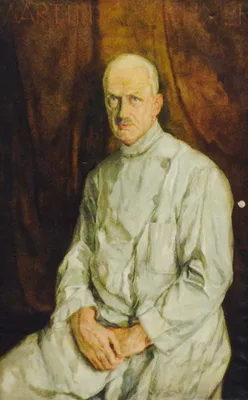
Kirschner wire, for skeletal traction, and for stabilization of bone fragments or joint immobilization.
1910 CE–1911 CE
#4379
Über Luxationen im Bereiche der Handwurzel.
First description of a slowly progressive osteonecrosis of the lunate bone of the wrist; carpal lunate malacia. (“Kienböck’s disease”).
1910 CE
#4380
An obscure affection of the hip-joint.
Juvenile osteochondritis deformans (“Calvé–Legg–Perthes disease”; see also Nos. 4381 and 4382.). Previously described by H. Waldenström, Z. orthop. Chir., 1909, 24, 486.
1910 CE
#4381
Sur une forme particulière de pseudo-coxalgie greffée sur des déformations caractéristiques de l’extrémité supérieure du fémur.
See No. 4380.
1910 CE
#4382
Ueber Arthritis deformans juvenilis.
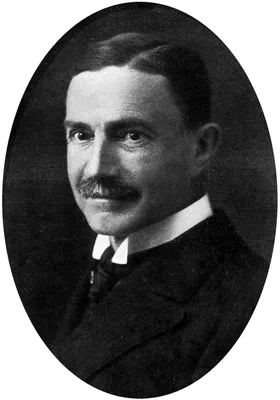
See No. 4380.
1911 CE
#4383
The lumbo-sacral articulation. An explanation of many cases of “lumbago”, “sciatica” and paraplegia.
Goldthwait suggested that lumbago and sciatica might be due to intervertebral disc injury.
1911 CE
#4384
Injury of the spinal cord due to rupture of an intervertebral disc during muscular effort.
Report of a case of “sciatica” due to rupture of an intervertebral disc.
1912 CE
#4385
Dysostose cranio-faciale héréditaire.
First description of cranio-facial dysostosis, hypertelorism (Crouzon's syndrome).
1912 CE
#4386
Un cas d’absence des vertèbres cervicales avec cage thoracique remontant jusqu’à la base du crâne (cage thoracique cervicale).
“Klippel–Feil syndrome” – absence or incomplete development of cervical vertebrae. English translation in Bick, Classics of orthopaedics, 511-16.
1920 CE
#4387
Eine typische Erkrankung des 2. Metatarsophalangealgelenkes.
“Köhler’s second disease” – juvenile deforming metatarsophalangeal Osteochondritis. English translation in Amer. J. Roentgenol., 1923, 10,705-10. Also known as “Freiberg’s infr…
1921 CE
#4388
Diffuse endothelioma of bone.
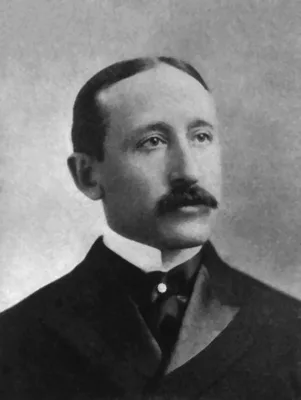
Ewing described a form of bone sarcoma (“Ewing’s sarcoma”), usually involving the shaft of long bones.
1921 CE
#4389
Kyphosis dorsalis juvenilis.
“Scheuermann’s disease” – necrosis of the epiphyses of the vertebrae, causing kyphosis.
1923 CE
#4390
Nouvelle observation d’acrocéphalosyndactylie.
With Tixier, Hue, and Kermorgant.
1923 CE
#4391
Orthopaedic surgery.
Jones was a pupil of Hugh Owen Thomas and a pioneer of active surgical intervention in orthopedics. He advocated tendon transplantation, bone grafting, and other reconstructive and restorative procedures. He did much …
1924 CE
#4392
Hypertelorism. A hitherto undifferentiated congenital cranio-facial deformity.
First description of hypertelorism as a separate entity.
1925 CE
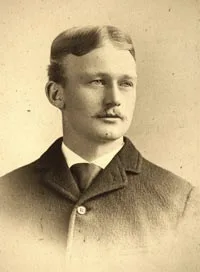
#4393
Bone sarcoma, an interpretation of the nomenclature used by the Committee on the Registry of Bone Sarcoma of the American College of Surgeons.
1927 CE
#4394
Bone sarcoma. The primary malignant tumors of bone and the giant cell tumor.
Based on material collected by the Registry of Bone Sacrcoma in Boston since its foundation in 1921.
1928 CE
#4395
Dissociation of bone growth. (Exostoses and enchondromata, of Ollier’s dyschondroplasia and associated phenomena.) In The Robert Jones Birthday Volume
Jansen’s theory of dissociation of bone growth.
1929 CE–1930 CE
#4396
Further studies in osteomalacia.
Maxwell showed osteomalacia to be due to lack of vitamin D.
1929 CE
#4397
Sur une forme de dystrophie osseuse familiale.
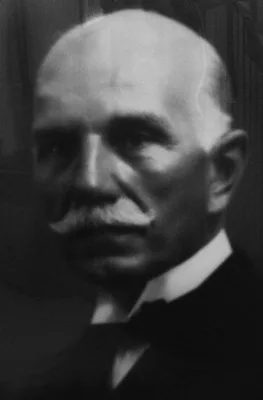
“Morquio’s disease”, eccentro-osteochondrodysplasia.
1930 CE
#4398
Pseudofractures (hunger osteopathy, late rickets, osteomalacia): report of a case.
“Milkman’s syndrome”.
1931 CE
#4399
The treatment of chronic osteomyelitis with the maggot (larva of the blow fly).
Larrey observed the therapeutic effect of maggots on wounds; W. S. Baer inaugurated the method of treating osteomyelitis by this means (“Baer therapy”).