
Entry Nos. 4000–4099
98 Garrison-Morton entries in this range.
1861 CE
#4051
Leçons théoriques et cliniques sur la scrofule considérée en elle-même et dans ses rapports avec la syphilis, la dartre et l'arthritis. 2me édition.
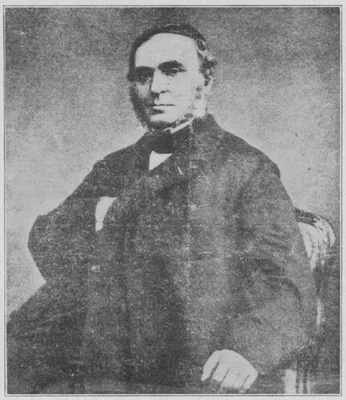
Erythema induratum scrophulosorum (“Bazin’s disease”) first described.
1861 CE
#4052
A peculiar atrophy of the skin (Lineae atrophicae).
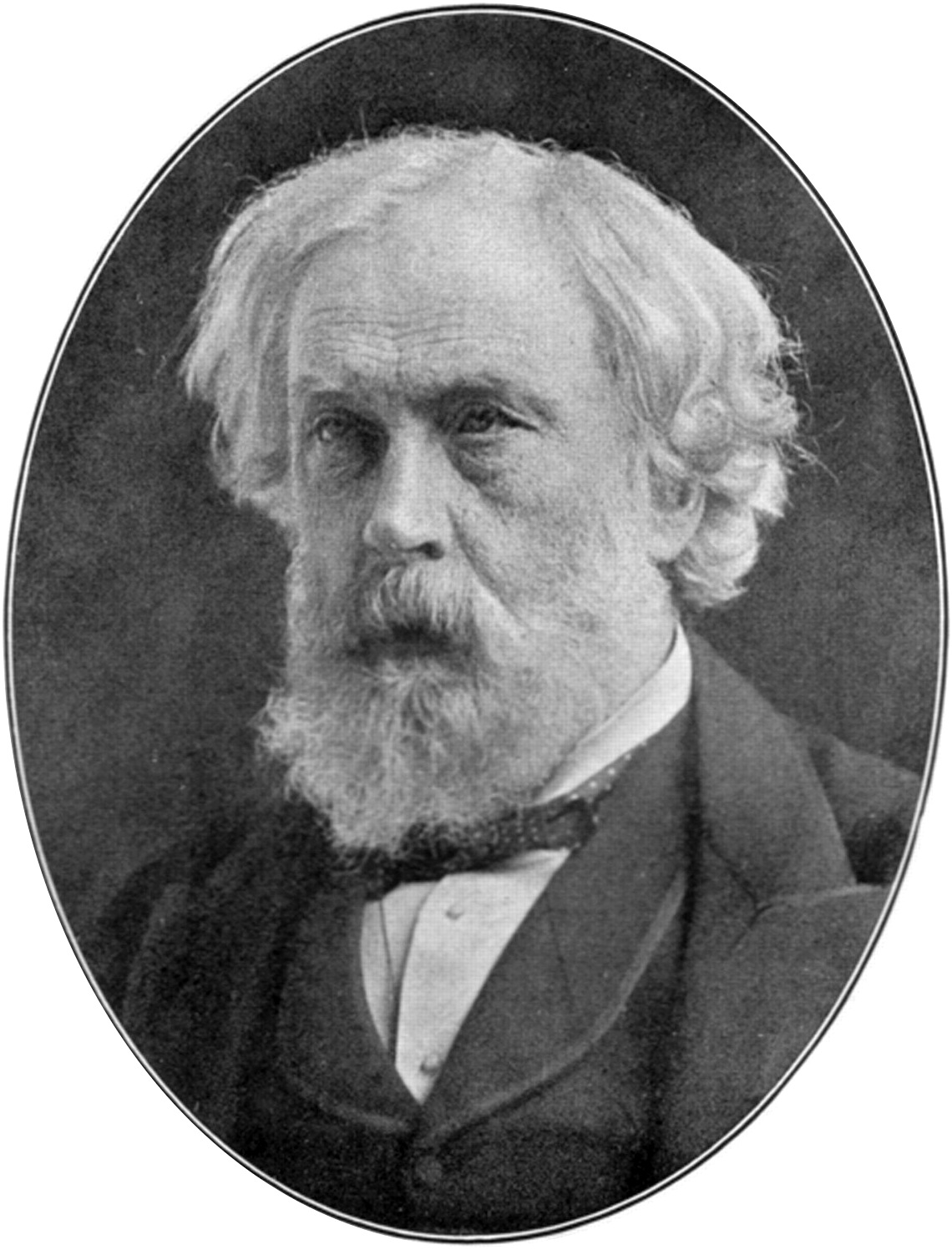
First description of lineae atrophicae.
1862 CE
#4053
Disease of the skin produced by post mortem examinations, or verruca necrogenica.
Description of dissecting-room warts (verrucae necrogenicae),tuberculosis verrucosa cutis (also known as Lupus verrucosus, Prosector's wart, and "Warty tuberculosis"[ the cutaneous tuberculosis of Laennec, sometimes c…
1863 CE
#4054
Fall einer selten Muskelkrankheit.
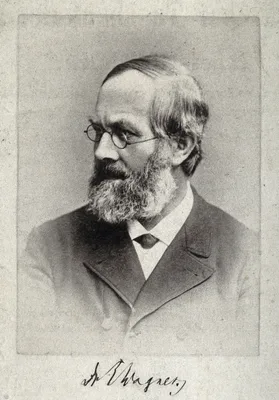
First recorded case of dermatomyositis, now regarded as a connective tissue disease.
1864 CE
#4055
On impetigo contagiosa, or porrigo.
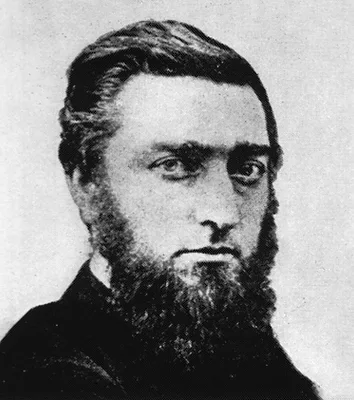
“Impetigo of Tilbury Fox”, impetigo contagiosa, first described.
1866 CE
#4056
Das Colloid-Milium der Haut.
Colloid degeneration of the skin (“Wagner’s disease”) was first described by Wagner who gave it the name “Colloid milium”.
1869 CE
#4057
Chronic urticaria leaving brown stains: nearly two years’ duration.
Urticaria pigmentosa (Mastocytosis of the skin) described by Nettleship, was named eponymically “Nettleship’s disease”.
1869 CE
#4058
On a diseased condition of the hairs of the axilla, probably of parasitic origin.
Tinea nodosa (trichorrhexis nodosa, “Paxton’s disease”) first described.
1869 CE–1870 CE
#4059
Lafa Tokelau, or Tokelau ringworm.
First description, tinea imbricata. Turner described the disease while serving as a medical missionary in Samoa.
1870 CE
#4060
Dermatitis erysipelatosa; Gangraena; Enkephalitis.
First description of dermatitis exfoliativa neonatorum (“Rittershain’s disease”).
1870 CE
#4061
On dermatitis exfoliativa.
Although Hippocrates mentioned this condition, Erasmus Wilson first named it and described it as we know it today. It has been called “Wilson’s disease”; an eponym discarded since its use to describe…
1872 CE
#4062
Ueber einzelne während der Schwangerschaft, dem Wochenbette und bei Uterinalkrankheiten der Frauen zu beobachtende Hautkrankheiten.
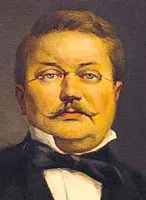
Hebra was the first to describe impetigo herpetiformis, more fully dealt with by Kaposi, his son-in-law.
1872 CE
#4063
Idiopathisches multiples Pigmentsarkom der Haut.
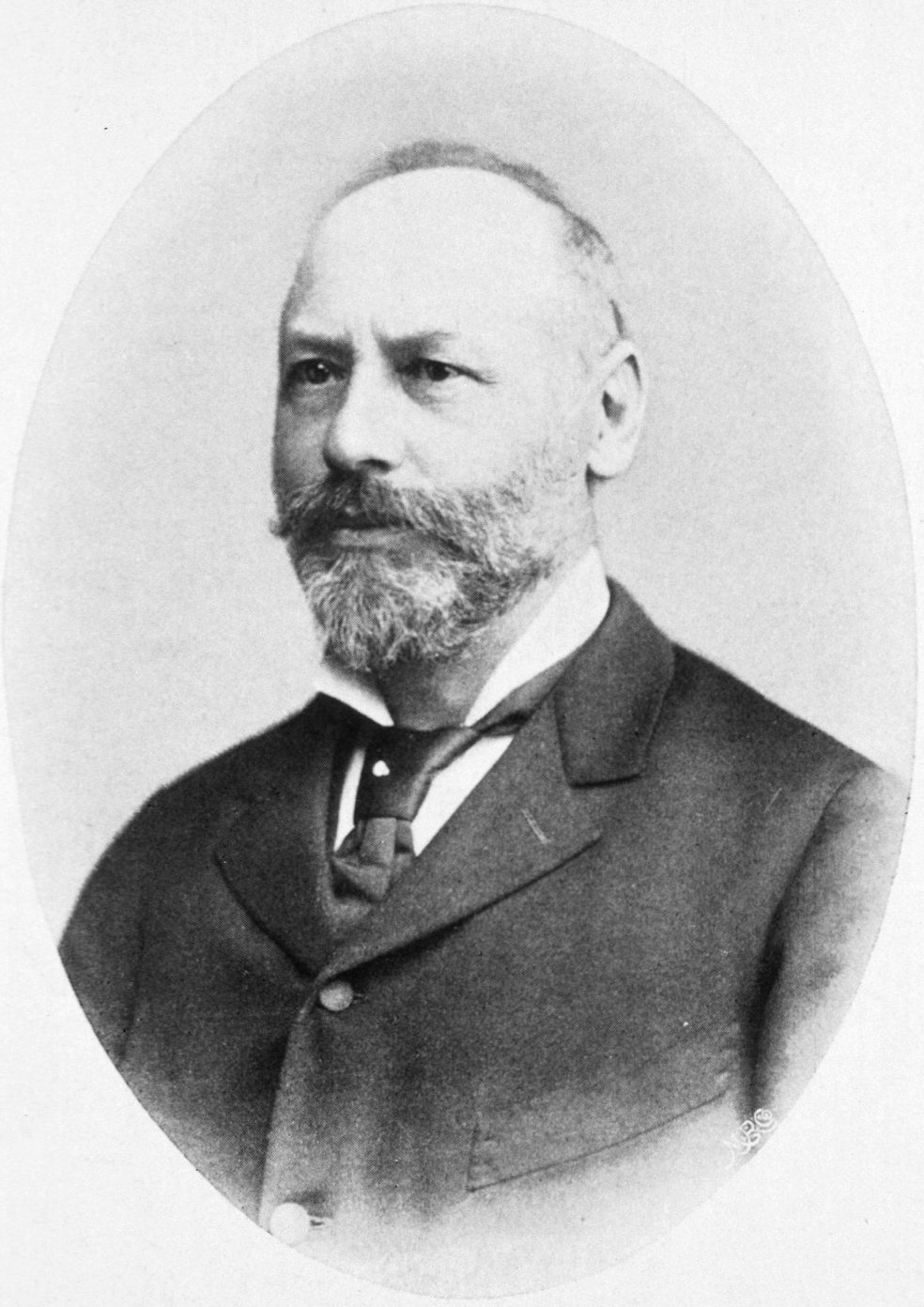
First description of “Kaposi’s sarcoma” – multiple idiopathic hemorrhagic sarcoma. English translation in CA, 1982, 32, 342-47.
1873 CE
#4064
Erythema serpens.
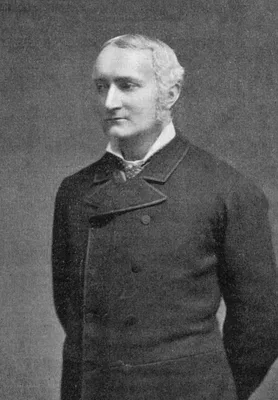
First description of erythema serpens, usually called “erysipeloid of Rosenbach”, following the latter’s paper in Arch. klin. Chir., 1887, 36, 346.
1873 CE
#4065
On dysidrosis (an undescribed eruption).
Original description of dysidrosis (pompholyx).
1874 CE
#4066
On mycetoma, or the fungus disease of India.
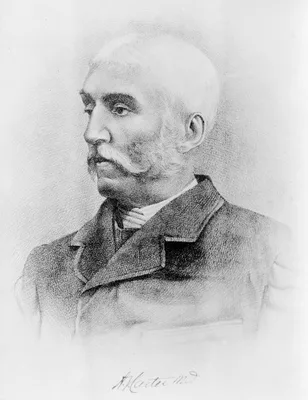
See No. 4047.
1875 CE–1888 CE
#4067
Illustrations of clinical surgery. 2 vols.
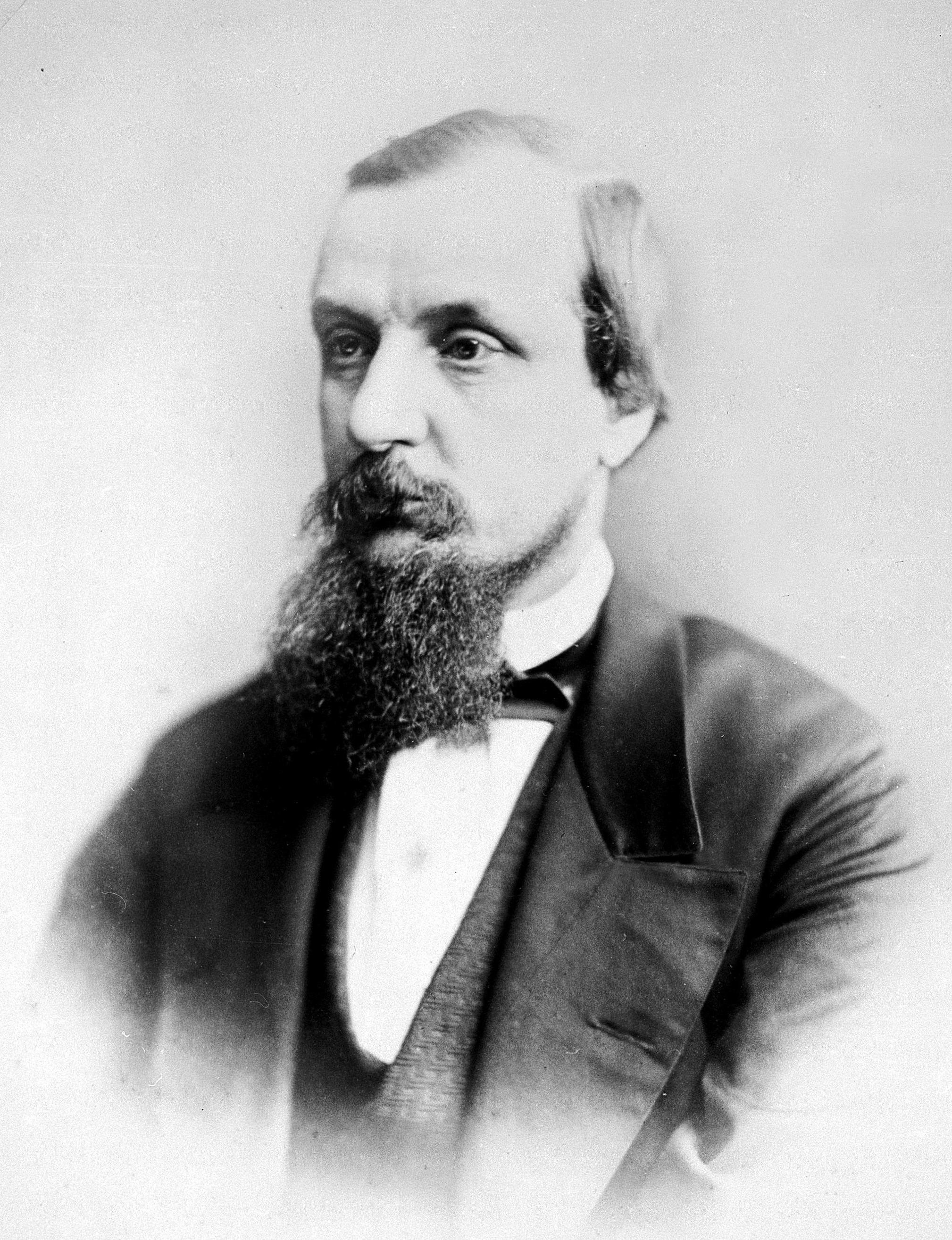
Vol. 1 pp. 49-52: Hutchinson’s classic description of cheiropompholyx, dysidrosis (“Hutchinson’s disease”). The first description and illustration of sarcoidosis is on p. 42.
1875 CE
#4068
Ueber eine noch wenig gekannte Hautkrankeit (Dermatitis circumscripta herpetiformis).
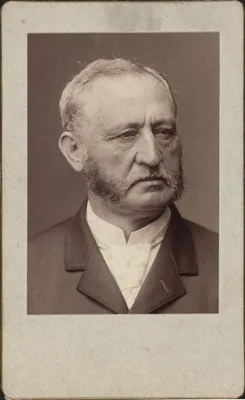
First description of porokeratosis (Mibelli).
1875 CE–1876 CE
#4069
On a rare case of idiopathic localized or partial atrophy of the skin.
First description of the condition called by Herxheimer and Hartmann in 1902 “acrodermatitis chronica atrophicans”, and known eponymically as “Taylor’s disease”.
1876 CE–1877 CE
#4070
On giant urticaria.
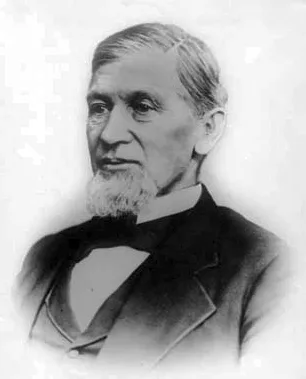
Although Quincke described angioneurotic edema with great precision and has given his name to it (“Quincke’s disease”, “Quincke’s edema”), Milton first noted it, calling it “g…
1879 CE
#4071
Warty growths.
Original description of angiokeratoma (“Mibelli’s disease” – so named from the latter’s description of it in 1891; see No. 4105).
1877 CE–1878 CE
#4073
The minute anatomy of dysidrosis.
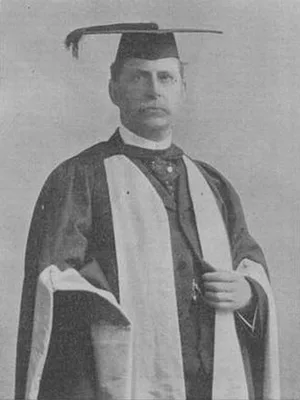
1878 CE
#4074
Summer prurigo, prurigo aestivalis, seu prurigo adolescentium, seu acne-prurigo.
Hutchinson’s summer prurigo.
1879 CE
#4075
Lectures on clinical surgery. Pt. 2.
On p. 298 is the first description of hydradenitis destruens suppurativa, later named “Pollitzer’s disease” from the latter’s important description of it in J. cutan. gen.-urin. Dis., 1892, 10,…
1879 CE–1880 CE
#4076
A case of multiple tumors of the skin accompanied by intense pruritis.
First description of prurigo nodularis. In 1909 J. N. Hyde (Diseases of the skin, Philadelphia, p. 174) was responsible for its present name and for the eponym “Hyde’s disease”.
1879 CE
#4077
Notes on unusual or rare forms of skin disease. IV. Congenital ulceration of skin (two cases) with pemphigus eruption and arrest of development generally.
First description of epidermolysis bullosa.
1880 CE
#4078
A clinical study of hydroa.
First description of dermatitis herpetiformis (“Duhring’s disease”; see No. 4083).
1881 CE
#4079
Di un caso di encondroma et angioma multiplo. Contribuzione alla genesi embrionale dei tumori.
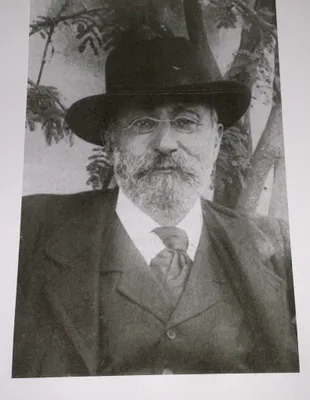
“Maffucci’s syndrome” – cavernous hemangioma with enchondromas of skeleton, producing deformities.
1882 CE
#4080
Xeroderma pigmentosum.
Excellent pathological study of this condition (“Kaposi’s disease”), which he first described in Virchow’s Handbuch der speziellen Pathologie und Therapie, 1876, 2, 182.
1882 CE
#4081
Ueber akutes umschriebenes Hautödem.
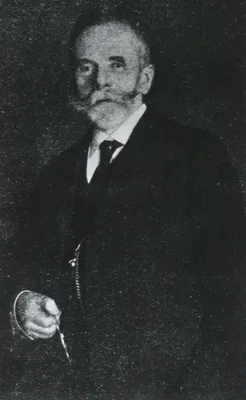
Hereditary angioedema is also known as Quincke’s edema, from the latter’s excellent description of it, but he was preceded by several other writers, including Donati (No. 4011.2) and Milton (No. 4070). It …
1882 CE
#4082
Ueber die multiplen Fibrome der Haut und ihre Beziehung zu den multiplen Neuromen
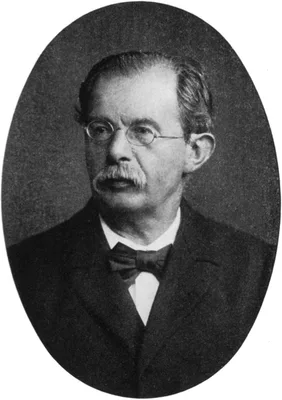
One of Virchow’s distinguished pupils, von Recklinghausen gave a classic description of neurofibromatosis, adding much to the knowledge of the condition, which later became known as “Recklinghausen’s…
1884 CE
#4083
Dermatitis herpetiformis.
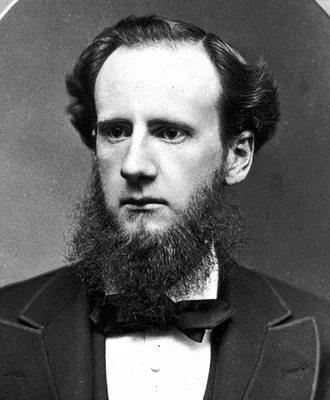
Duhring’s best work in dermatology. He brought together, under the name of “dermatitis herpetiformis” (“Duhring’s disease”) the group of eruptions which morphologically lay between …
1893 CE
#4084
Hidrocystoma.
Robinson wrote an excellent textbook on dermatology in 1884, the year in which he published the first description of hydrocystoma (“Robinson’s disease”).
1885 CE
#4085
Ueber eine neue Form von Hautkrankheit, “Lymphodermia perniciosa”.
First description of lymphoderma perniciosa, premycotic or leukemic erythrodermia.
1886 CE
#4086
Lichen ruber monileformis – Korallen schnurartiger Lichen ruber.
Kaposi is credited with the first description of this condition, sometimes called “Kaposi’s disease”, and probably a rare variety of lichen planus.
1886 CE
#4087
Ueber Pemphigus vegetans (frambösioides).
“Neumann’s disease” – pemphigus vegetans. This was first described by Alibert. English translation (New Sydenham Society), 1897.
1886 CE
#4088
Du lichen (lichen, prurigo, strophulus).
“Vidal’s disease” – neurodermatitis.
1887 CE
#4089
Ueber die Aetiologie und Therapie der Impetigo, des Furunkels und der Sykosis.
First description of impetigo circumpilaris infantilis (“Bockhart’s impetigo”).
1887 CE
#4090
Ueber die normale Entwicklung und über einige Veränderungen der menschlichen Haare.
“Giovanni’s disease”. He described the developmental defect of hair follicles known as pili multigemini.
1887 CE
#4091
Impetigo herpetiformis.
Although not the first to describe this condition, Kaposi established its status.
1887 CE
#4092
Das seborrhoische Ekzem.
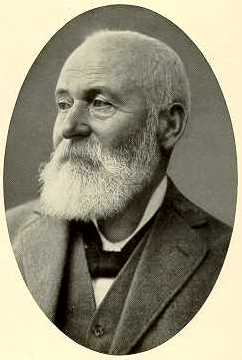
Unna’s seborrhoeic eczema.
1887 CE
#4093
Dermatitis venenata: An account of the action of external irritants upon the skin.
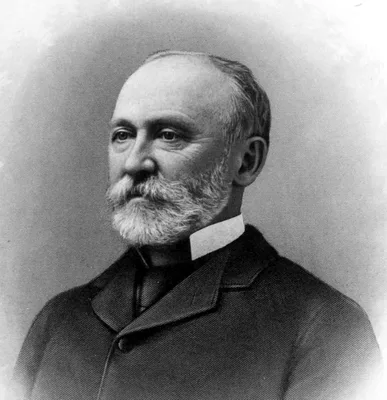
White, a pupil of Hebra, was an outstanding personality in American dermatology; he held the first chair in that subject in the U.S.A. The eponym “White’s disease” refers to his description of kerato…
1888 CE–1889 CE
#4094
Folliculite épilante décalvante.
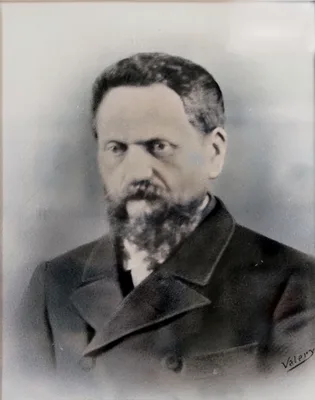
Folliculitis decalvans of Quinquaud first described. At about the same time, P. A. Robert described it independently in his thesis, Paris, 1889.
1889 CE
#4095
Lupus pernio de la face; synovites fongueuses (scrofulo-tuberculeuses) symétriques des extrémités supérieures.
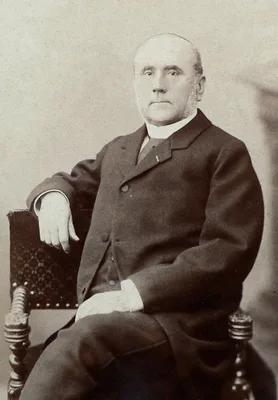
Besnier–Boeck–Schaumann disease, Boeck’s sarcoid. Boeck (No. 4128) wrote a classic paper on the subject and later Schaumann’s paper (No. 4149) resulted in a triple eponym. (See No. 4067).
1889 CE
#4096
A case of erythema with remarkable nodular thickening and induration of skin, associated with intermittent albuminuria.
Erythema elevatum diutinum (“Bury’s disease”).
1889 CE
#4097
De la psorospermose folliculaire végétante.
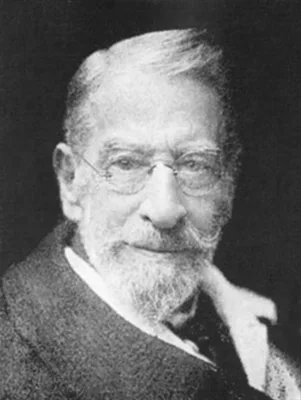
Dyskeratosis follicularis was so well described by Darier that it is universally known as “Darier’s disease”. J. C. White also described it (see No. 4093) and the first description is accredited to H…
1889 CE–1890 CE
#4098
A rare form of lupus (marginatus).
“Hilliard’s lupus”. Hutchinson made an innovation in terminology when he named the disease after the patient instead of the physician describing it. The Archives, which ran to 11 volumes, were writte…
1889 CE
#4099
Des érythèmes papuleux fessiers post-érosifs.
“Jacquet’s disease”, “Jacquet’s dermatitis”, papulo-lenticular erythema of the napkin area.