
Entry Nos. 3900–3999
99 Garrison-Morton entries in this range.
1885 CE
#3948
Ueber Acetonurie und Diaceturie
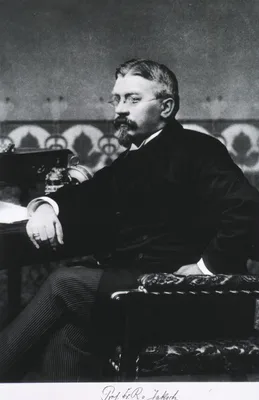
An important investigation concerning acetone in diabetic urine.
1886 CE
#3949
Ueber experimentellen Diabetes.
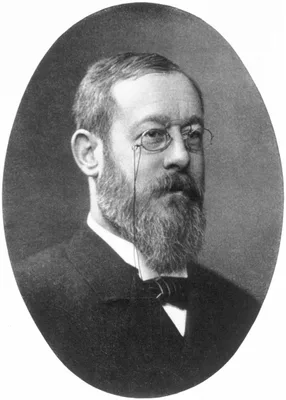
Mering was able to produce experimental diabetes by means of phloridzin.
1890 CE
#3950
Diabetes mellitus nach Pankreasextirpation.
Minkowski produced experimental diabetes by removing the pancreas of a dog. This proof of the role of the pancreas in diabetes was of the first importance; previous experiments on similar lines had attracted attention…
1895 CE
#3951
Die Zuckerkrankheit und ihre Behandlung.
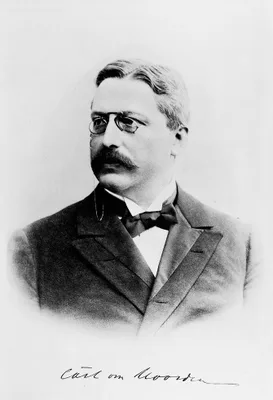
Noorden’s extensive studies on diabetes greatly advanced our knowledge of the subject. He made many observations regarding metabolism in diabetes.
1898 CE
#3952
Der Diabetes mellitus.
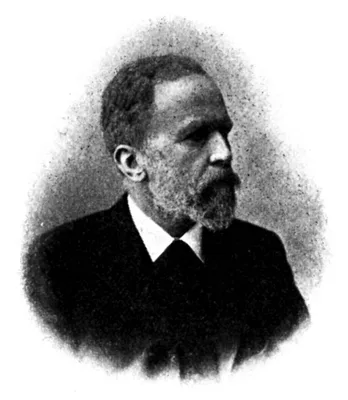
Naunyn devoted his life to the study of metabolism in diabetes and in diseases of the liver and pancreas. This is his most significant work. He was a co-founder of the Archiv für experimentelle Pathologie.
1899 CE
#3953
Die Oxybuttersäure und ihre Beziehungen zum Coma diabeticum.
1901 CE
#3954
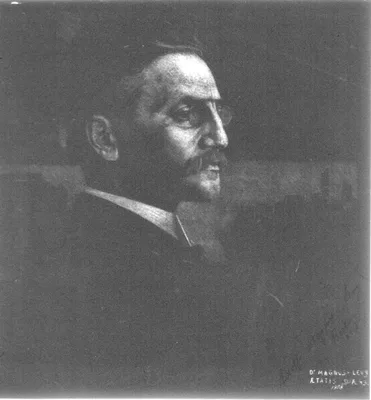
Untersuchungen über die Acidosis im Diabetes melitus und die Säureintoxication im Coma diabeticum.
Magnus-Levy studied the relationship of ß-oxybutyric acid and diabetic coma.
1900 CE–1901 CE
#3955
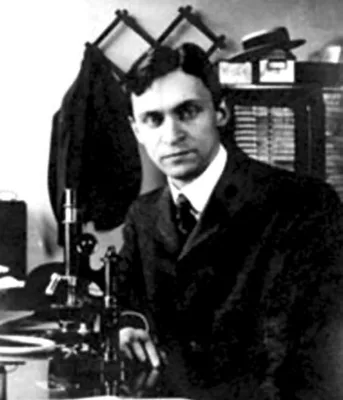
On the relation of chronic interstitial pancreatitis to the islands of Langerhans and to diabetes mellitus.
1900 CE–1901 CE
#3956
The relation of diabetes mellitus to lesions of the pancreas. Hyaline degeneration of the islands of Langerhans.
Mering and Minkowski had focused attention upon the pancreas as the seat of diabetes, Opie’s work was another important step forward; he established the association between failure of the islets of Langerhans an…
1902 CE
#3957
Zur normalen und pathologischen Morphologie der inneren Secretion der Bauchspeicheldrüse. (Die Bedeutung der Langerhans’-schen Inseln.
Sobolew found that ligation of the pancreatic excretory ducts led to atrophy of the acinous tissue, the islets of Langerhans remaining intact.
1905 CE
#3958
Neue Reaktion zum Nachweis von Aceton, samt Vemerkungen über Acetonurie.
Frommer’s test for acetone in urine.
1906 CE
#3959
Morphology and physiology of areas of Langerhans in some vertebrates
Lydia De Witt ligated the pancreatic ducts and obtained extracts from the islets of Langerhans in cats, noting their glycolytic qualities.
1908 CE
#3960
Note on the sodium nitro-prusside reaction for acetone.
Test for acetone bodies in urine
1908 CE
#3961
Ueber Versuche einer specifischen Fermenttherapie des Diabetes.
Zuelzer succeeded in isolating the pancreatic extract which contained what we now know as insulin; serious hypoglycaemic reactions sometimes followed its use, however, and led to its abandonment. Preliminary paper in …
1909 CE
#3962
On the relation of the islands of Langerhans to glycosuria.
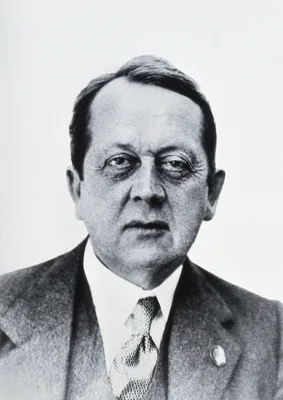
MacCallum suggested a relationship between lesions of the islands of Langerhans and the glycosuria of diabetes.
1909 CE
#3963
Das Koma diabeticum und seine Behandlung.
Magnus-Levy is remembered for his work on the treatment of diabetic coma.
1920 CE
#3964
The relation of the islets of Langerhans to diabetes with special reference to cases of pancreatic lithiasis.
Barron confirmed the experimental work of Sobolew. It was whilst reading the above paper that Banting first formulated the hypothesis upon which he based his successful experiments.
1921 CE
#3965
Recherches sur le rôle du pancréas dans l’assimilation nutritive.
Paulesco isolated the anti-diabetic hormone of the pancreas before Banting and Best. He named it “pancréine”.
1922 CE
#3966
The internal secretion of the pancreas. (Abstract).
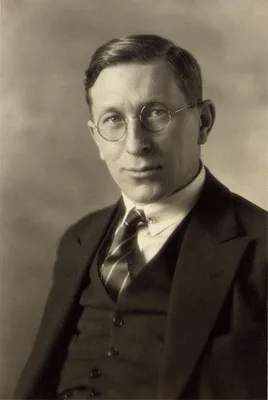
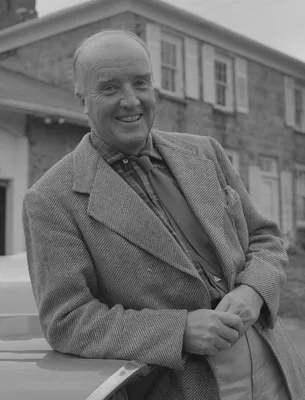
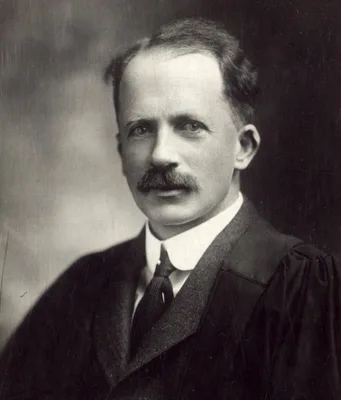
A preliminary one-page communication regarding the isolation of insulin, made to a meeting of the American Physiological Society in December 1921. Digital facsimile from insulin.library.utoronto.ca at this link. In 19…
1922 CE
#3968
Pancreatic extracts in the treatment of diabetes mellitus.
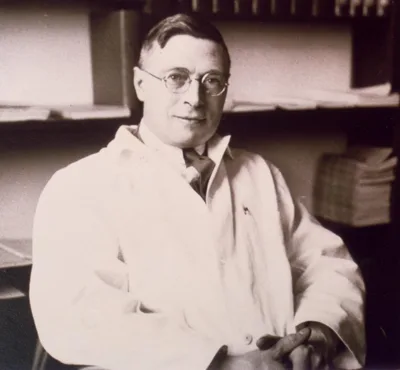
The first clinical application of insulin in the treatment of diabetes. Co-authored by W. R. Campbell, and A. A. Fletcher. Digital facsimile from PubMedCentral at this link.
1923 CE
#3969
The original method as used for the isolation of insulin in semipure form for the treatment of the first clinical cases.
Collip improved insulin.
1924 CE
#3970
Insulin.
1927 CE
#3972
Carcinoma of the islands of the pancreas; hyperinsulinism and hypoglycemia.
R. M. Wilder, F. N. Allan, M. H. Power, and H. E. Robertson reported the occurrence of carcinoma with hyperinsulinism. They also reported the first operation for hyperinsulinism performed on December 2, 1926 by Willia…
1930 CE
#3973
Contribución al estudio sobre la composición quimica de la insulina. Estudio de algunos cuerpos sintéticos solfurados con acción hypoglucemiante.
Discovery of the hypoglycemic effect of certain sulphonamide derivatives. With L. L. Silva and L. Libenson.
1936 CE
#3974
Protamine insulinate.
Hagedorn created NPH insulin and founded Nordisk Insulinlaboratorium, known today as Novo Nordisk. NPH insulin is one of the earliest examples of engineering drug delivery. Hagedorn became interested in modifying the …
1936 CE
#3975
Protamine insulin.
R. B. Kerr, C. H. Best, W. R. Campbell, and A. A. Fletcher advocated the combination of zinc with insulin to delay its absorption rate. Later this was combined with protamine to form protamine zinc insulin.
1948 CE
#3977
Experimental diabetes produced by the administration of glucose.
Experimental diabetes produced by artificially-induced hyperglycemia.
1951 CE
#3978
Kliniske undersøgelser med nye retarderet virkende insulin-praeparater.
First clinical trials of lente, ultralente, and semilente insulin zinc suspension. See also Science, 1952, 116, 394-98; and J. Amer. med. Assoc., 1952, 150, 1667. With M. Jersild, K. Peterson, and J. Schlichtkrull.
1964 CE
#3979
The history of diabetes mellitus. 2nd ed.
1572 CE
#3980
De morbis cutaneis, et omnibus corporis humani excrementis tractatus.
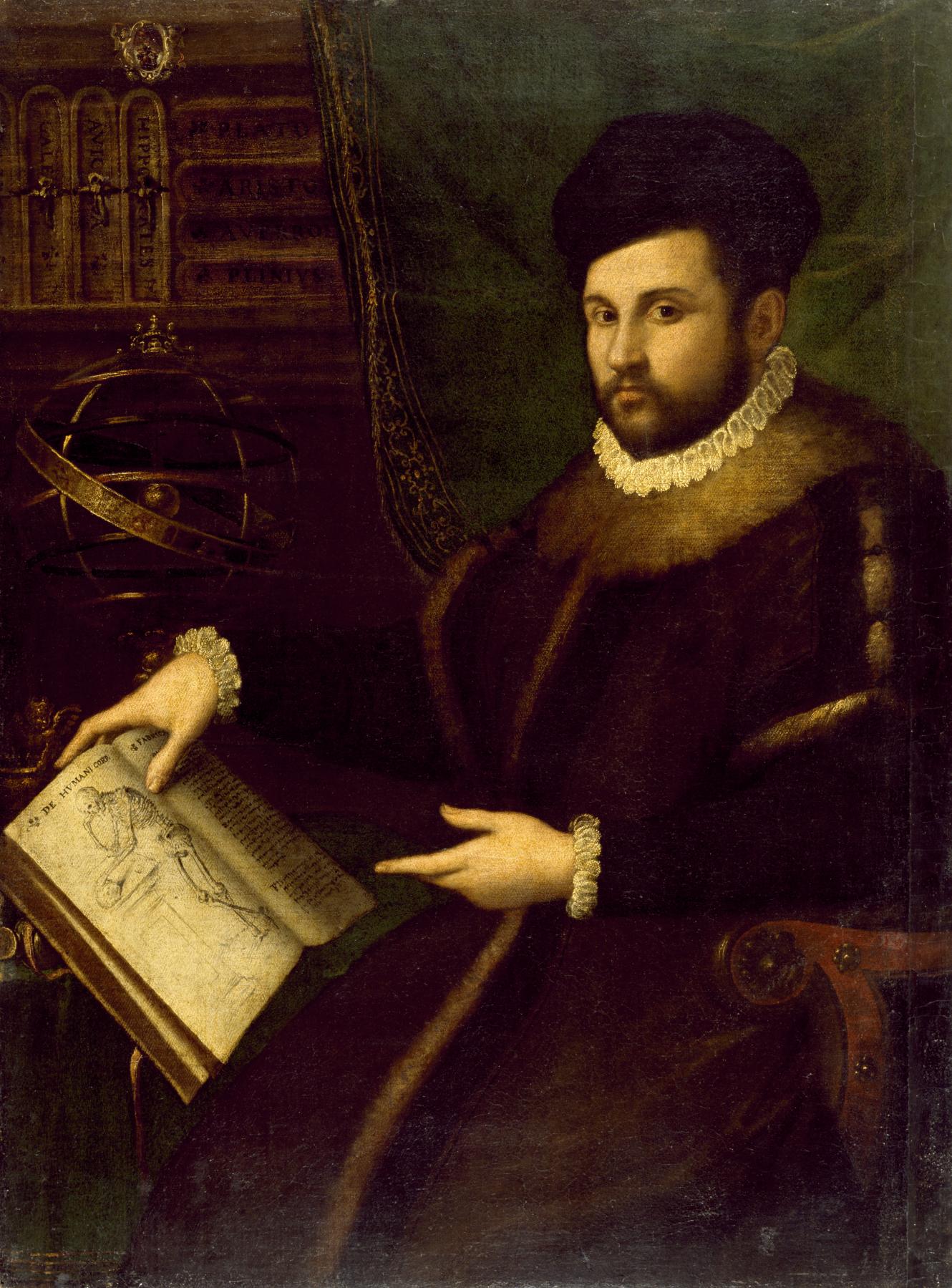
The first systematic textbook on diseases of the skin. English translation by R. L. Sutton Jr, Kansas City, Missouri, Lowell Press, 1986. Mercuriali enjoyed a great reputation in his day; he wrote on many medical subj…
1714 CE
#3981
De morbis cutaneis. A treatise of diseases incident to the skin.
Turner may be regarded as the founder of British dermatology. His book, the first English text on the subject, gives a good idea of contemporary knowledge of skin diseases. Turner began his career as a barber surgeon,…
1776 CE
#3982
Doctrina de morbis cutaneis.
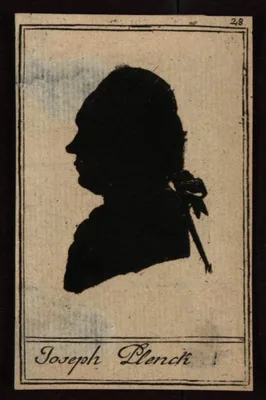
A classification of skin diseases upon the basis of their clinical appearance. Until the time of Willan, von Plenck’s book was the greatest authority on dermatology. He mentioned 115 different skin diseases, all…
1777 CE
#3983
Tractatus de morbis cutaneis.
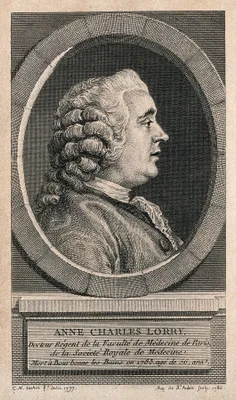
Lorry is regarded as the founder of French dermatology. A pupil of Jean Astruc, his most important work was his Tractatus, in which he attempted the classification of diseases on the basis of essential relations, thei…
1792 CE
#3984
Dermato-pathologia; or practical observations, from some new thoughts on the pathology and proximate cause of diseases of the true skin.
An attempt to classify skin diseases upon the basis of their pathology.
1796 CE–1808 CE
#3985
On cutaneous diseases. Vol. 1 [All published].
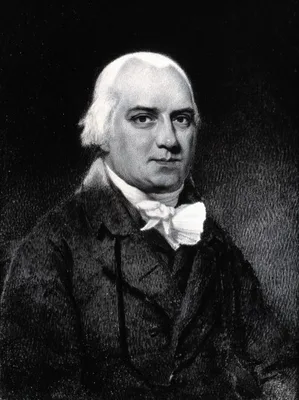
Modern dermatology may be said to start with Willan. His classification of skin diseases gained him the Fothergillian Medal of the Medical Society of London in 1790. He established a standard nomenclature which is sti…
1806 CE
#3986
Description des maladies de la peau observées à l’hôpital Saint Louis.
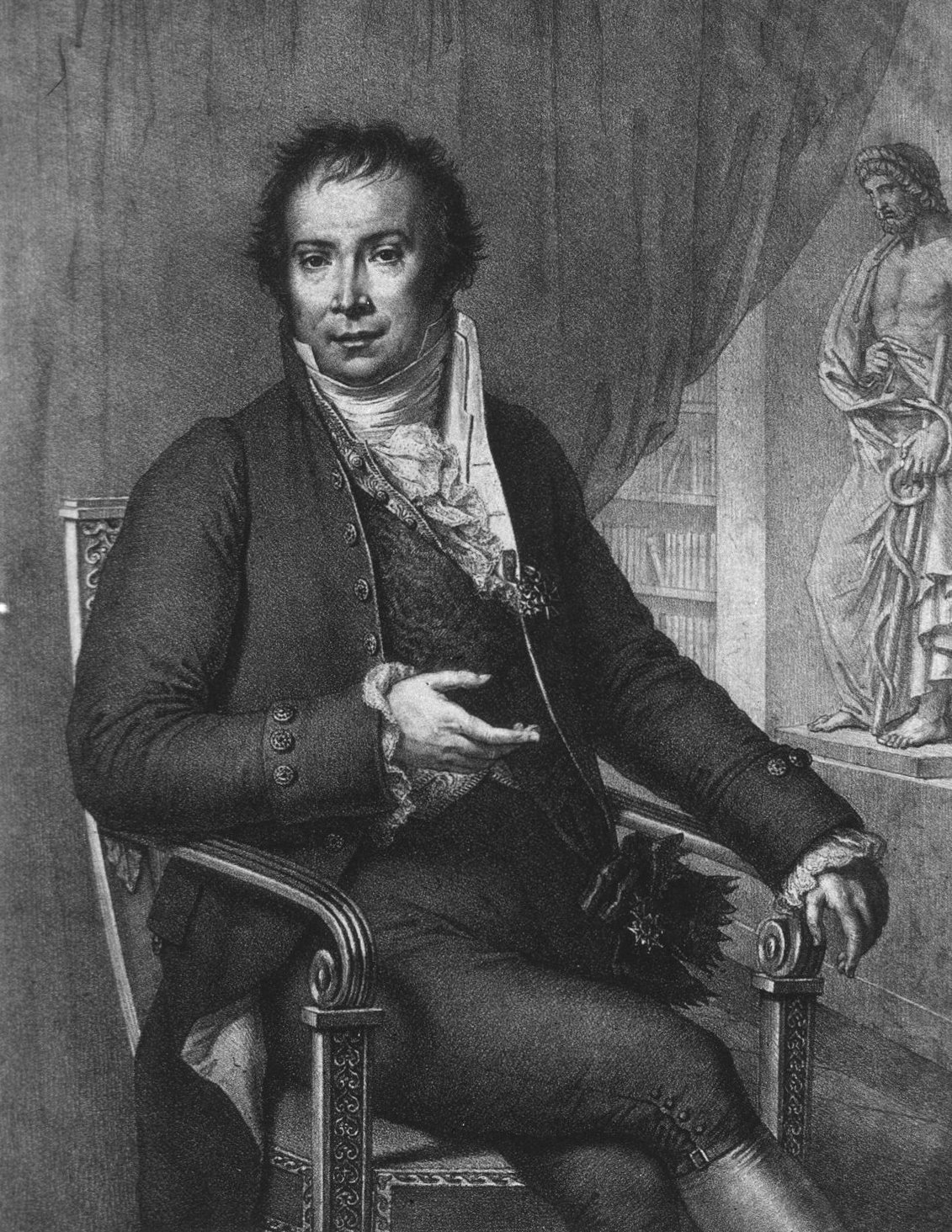
The largest and most spectacular of the early classics of dermatology, with hand-colored illustrations unsurpassed for their quality of execution. The illustrations are also the first on the subject in a French book. …
1810 CE–1818 CE
#3987
Précis théorique et pratique sur les maladies de la peau. 2 vols.
1817 CE
#3988
Delineations of cutaneous diseases exhibiting the characteristic appearances of the principal genera and species comprised in the classification of the late Dr. Willan; and completing the series of engravings begun by that author.
Bateman, the pupil of Willan, continued his teacher’s classification of skin diseases. The above work is notable for its 72 colored plates. Strictly speaking it is the first atlas of dermatology, as Willan&rsquo…
1826 CE–1827 CE
#3989
Traité théorique et pratique des maladies de la peau. 2 vols, and atlas.
In this summary of dermatological literature of the period Rayer first described adenoma sebaceum and xanthoma multiplex. He was the first to differentiate between acute and chronic eczema. The second edition, Paris, …
1828 CE
#3990
Abrégé pratique des maladies de la peau.
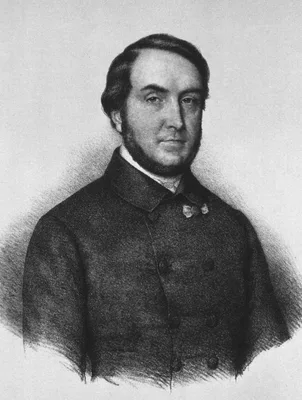
This book codified and published the lectures, doctrines and observations of Laurent Biett (1781-1840), the leading clinical teacher in dermatology of the early 19th century, who published very little himself. Cazenav…
1845 CE
#3991
Versuch einer auf pathologische Anatomie gegründeten Eintheilung der Hautkrankheiten.
Hebra’s classification of skin diseases was based upon their pathological anatomy.
1856 CE–1876 CE
#3992
Atlas der Hautkrankheiten. 10 parts.
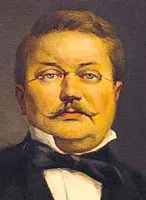
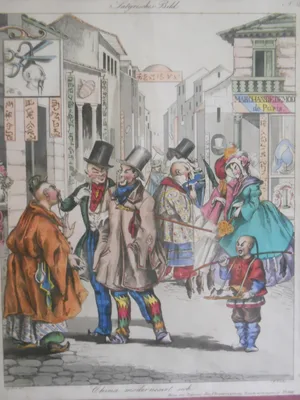
Hebra's work includes 104 spectacular folio-sized chromolithographed plates reproducing paintings by Anton Elfinger and Carl Heitzmann.
1861 CE
#3993
On the parasitic affections of the skin.
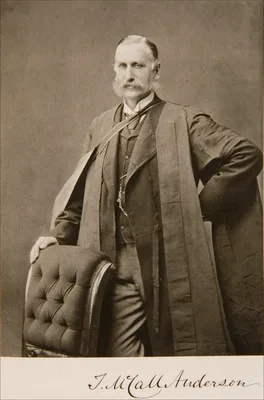
Anderson was Professor of Clinical Medicine at Glasgow. Digital facsimile of the second edition (1868) from the Internet Archive at this link.
1871 CE–1878 CE
#3994
Lectures on dermatology. 4 vols.
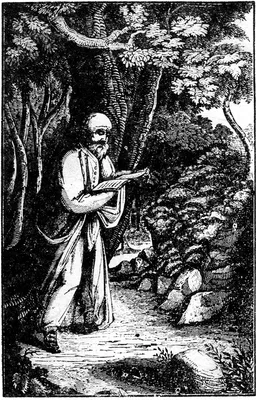
Erasmus Wilson gave the original descriptions of several cutaneous diseases, and made a fine collection of dermatological preparations. He classified skin diseases on an anatomical basis. The above book consists of hi…
1880 CE
#3995
Pathologie und Therapie der Hautkrankheiten.
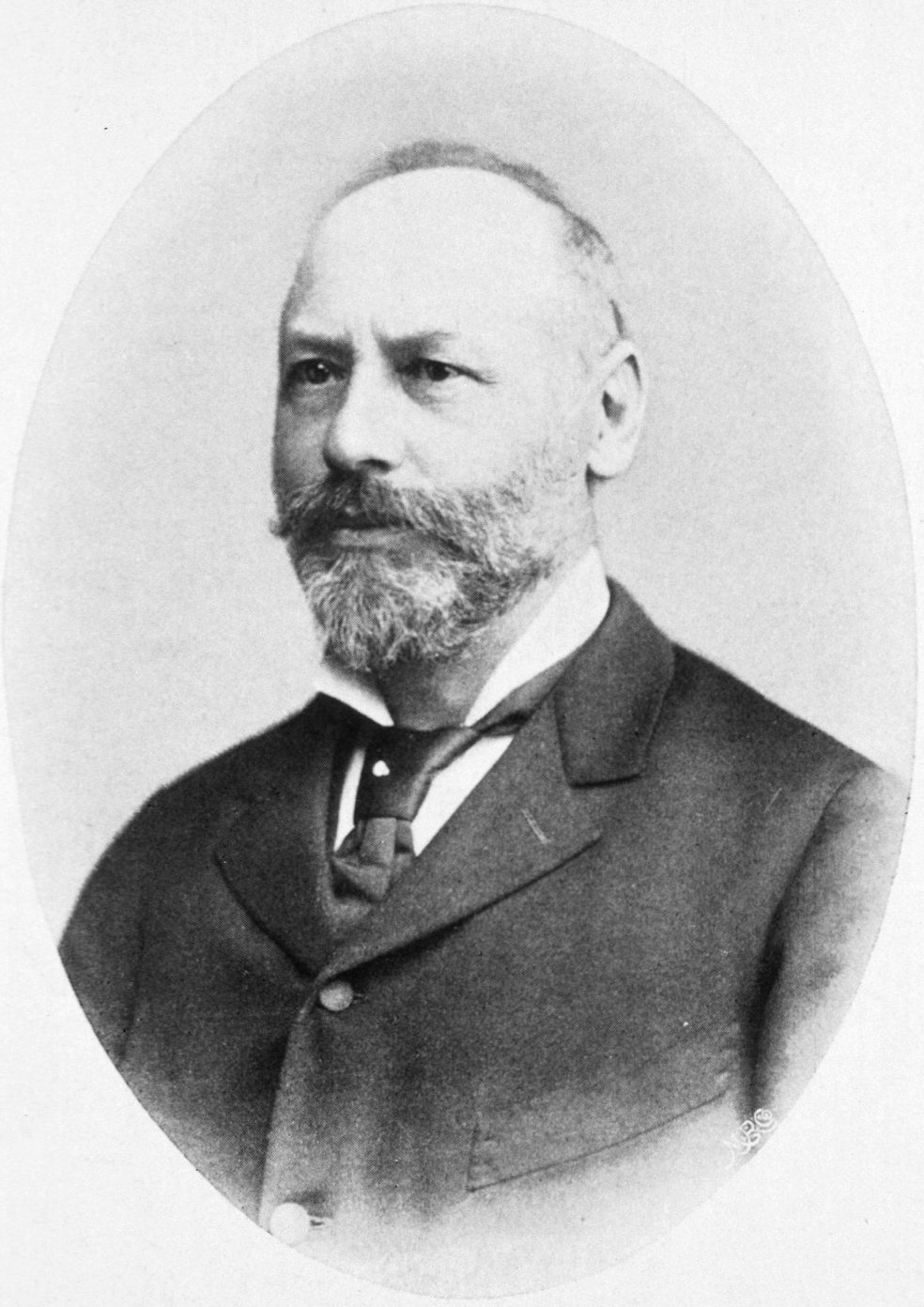
English translation by J. C. Johnston in 1895.
1880 CE
#3996
Photographic illustrations of skin diseases.
Fox, who was Professor of Dermatology in New York, produced a valuable atlas of skin diseases.
1884 CE
#3997
Die krankhaften Veränderungen der Haut.
Hans von Hebra was the son of Ferdinand, whose work he continued. His textbook correlated skin diseases to diseases of the entire organism.
1888 CE
#3998
Diseases of the skin.
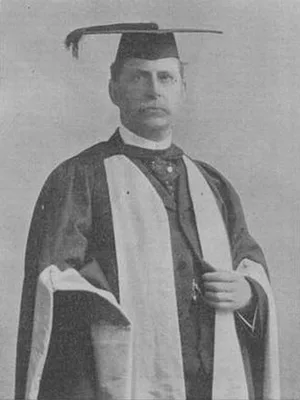
1894 CE
#3999
Les tricophyties humaines.
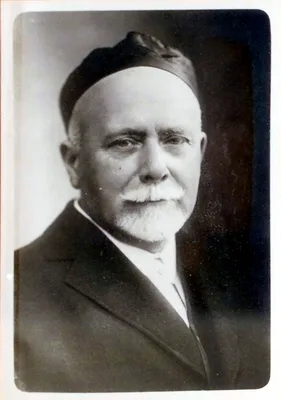
In his extensive studies of the role of fungi in skin diseases, Sabouraud revived and elaborated the discoveries of Gruby (Nos. 4030, 4034-36), which had remained neglected for half a century. See also No. 4116.