
Entry Nos. 3300–3399
98 Garrison-Morton entries in this range.
1669 CE
#3349
Elements of speech, an essay of inquiry into the natural production of letters; with an appendix concerning persons deaf and dumb.
Includes a section on the education of deaf-mutes. Paracusis is described in the Appendix, p. 166.
1680 CE
#3350
Didascalocophus or the deaf and dumb mans tutor, to which is added a discourse of the nature and number of double consonants: both which tracts being the first (for what the author knows) that have been published upon either of the subjects.
Dalgarno considered that the deaf had an advantage over the blind in opportunities of learning languages. He invented an alphabet for the use of deaf-mutes.
1692 CE
#3352
Surdus loquens; seu, methodus, quâ qui surdus natus est loqui descere possit.
English translation, 1694, by John Wallis (see No. 3348).
1700 CE
#3353
Dissertatio de loquela, qua non solum vox humana, & loquendi artificium ex originibus suis erruunter.
Amman’s method of instructing deaf-mutes. He was one of the most successful of all teachers in this sphere. English translation as A dissertation on speech. To which not only the human voice and the art of speak…
1724 CE
#3354
Instrument pour seringuer la trompe d’Eustache par la bouche.
Guyot, postmaster at Versailles, also physician, cartographer, inventor, etc., was the first to attempt catheterization of the Eustachian tube. This he did by way of the mouth.
1744 CE
#3355
Instruments proposed to remedy some kinds of deafness proceeding from obstructions in the external and internal auditory passages.
Cleland, an army surgeon, devised the method of catheterization of the Eustachian tube by way of the nose; he designed the instruments necessary for the operation.
1756 CE
#3356
A method proposed to restore the hearing, when injured from an obstruction of the tuba Eustachiana.
Wathen condemned Guyot’s method of Eustachian catheterization, and suggested a method of relieving catarrhal deafness by means of injections into the Eustachian tube through a catheter passed into the nose. Wath…
1774 CE
#3357
Traité des maladies chirurgicales et des opérations qui leur conviennent. 3 vols.
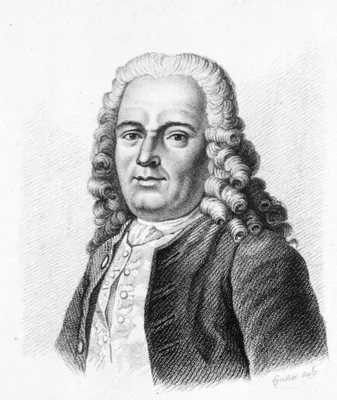
Records (Vol, 1, pp. 153, 160) the first successful operation for mastoiditis, performed by Petit in 1736. “Petit’s hernia” and “triangle” described (vol. 2, pp. 256-58). (See also No. 33…
1776 CE
#3358
Institution des sourds et muets, par la voie des signes méthodiques.
Includes a reprint of the author’s Institution des sourds et muets; ou, recueil des exercices. Paris, 1774.
1784 CE
#3359
La véritable manière d’instruire les sourds et muets.
The Abbé de L’Épée met two deaf girls, decided to educate them, and soon had a class of 60 devoted pupils, whom he supported and amongst whom he lived. He based his methods on those of Bonet…
1783 CE
#3360
Vox oculis. A dissertation on the … art of imparting speech to the naturally deaf; with a particular account of the academy of Messrs. Braidwood …
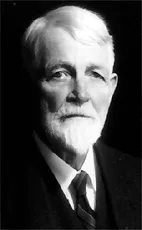
Thomas Braidwood (1715-1806) founded the first British school for the deaf and dumb, in Edinburgh. His method consisted of a combination of lip-reading and signs.
1801 CE
#3361
Farther observations on the effects which take place from the destruction of the membrana tympani of the ear; with an account of an operation for the removal of a particular species of deafness.
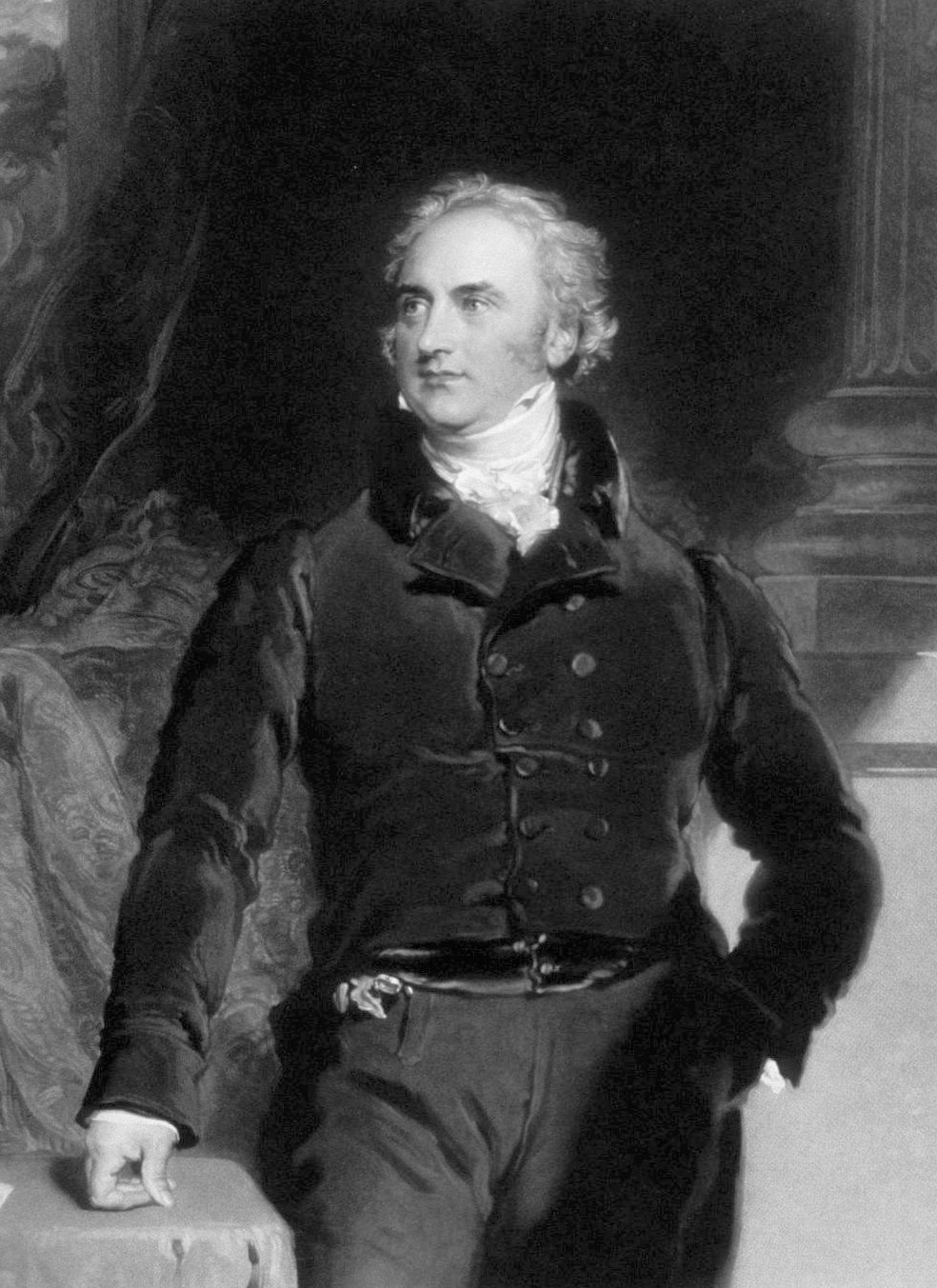
Sir Astley Cooper reported three cases of Eustachian obstruction deafness relieved by perforation of the membrana tympani (myringotomy), an operation first performed by Eli, a quack, in 1760. Cooper’s earlier pa…
1806 CE
#3362
The anatomy of the human ear … with a treatise on the diseases of the organ.
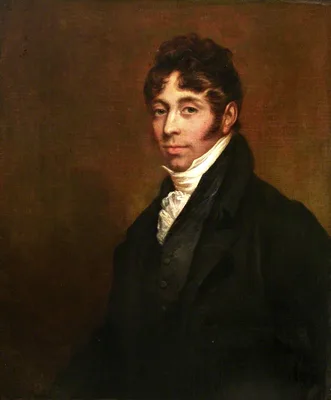
Saunders was the first to advise paracentesis in acute middle-ear suppuration.
1821 CE
#3364
Traité des maladies de l’oreille et de l’audition. 2 vols.
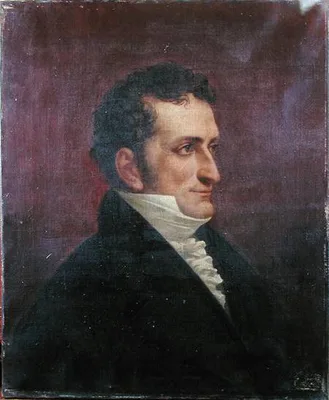
First of the modern textbooks on diseases of the ear, this work did much to establish otology on a firm basis. Itard described startle tests for the hearing of children and malingerers, and he developed an acumeter.
1827 CE
#3365
Essai sur les maladies de l’oreille interne.
Saissy described a Eustachian bougie; he was probably the first to use this instrument. Besides dealing with the labyrinth, his book discusses diseases of the tympanum and Eustachian tube. English translation, Baltimo…
1833 CE
#3366
Erfahrungen über die Erkenntniss und Heilung der langwierigen Schwerhörigkeit.
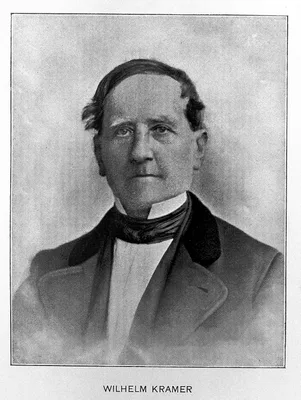
Kramer’s first and best work. English translation, 1837.
1835 CE
#3367
Die Erkenntniss und Heilung der Ohrenkrankheiten.
Kramer was a pioneer German otologist.
1853 CE
#3369
Practical observations on aural surgery and the nature and treatment of diseases of the ear.
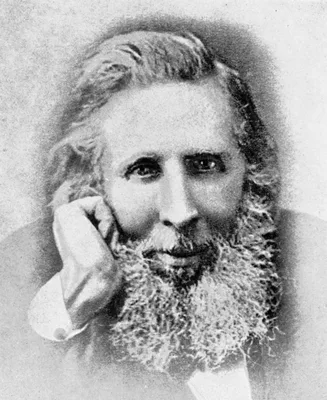
This work did more to place British otology on a scientific basis than anything previously published. In his own words, Wilde “laboured to rescue the treatment of ear diseases from empiricism and found it upon t…
1855 CE
#3370
Beiträge zur Physiologie des menschlichen Ohres.
Rinne’s test.
1860 CE
#3371
De la trépanation de l’apophyse mastoïde et des lésions morbides qui rendent cette opération nécessaire.
Operative treatment of acute otitis by drainage through the antrum.
1861 CE
#3372
Mémoire sur des lésions de l’oreille interne donnant lieu à des symptomes de congestion cérébrale apoplectiforme.
First description of aural vertigo (“Menière’s syndrome”). First appeared in summary form in Bull. Acad. imp. Méd., 1860-61, 26, 241, and in Gaz. méd. Paris, 1861, 16, 29, with t…
1860 CE
#3373
The diseases of the ear; their nature, diagnosis, and treatment.
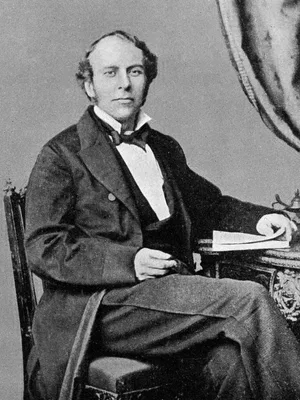
The foundation of aural pathology. In this book Toynbee described the method of removing the temporal bone and discussed the post mortem appearances in relation to the symptoms observed during life. He made over 2,000…
1860 CE
#3374
Die Untersuchung des Gehörgangs und Trommelfells. Ihre Bedeutung. Kritik der bisherigen Untersuchungsmethoden und Angabe einer neuen.
Invention of the modern otoscope.
1861 CE
#3375
Ein Fall von Anbohrung des Warzenfortsatzes bei Otitis interna mit Bemerkungen über diese Operation.
The first modern mastoid operation was devised by von Tröltsch.
1862 CE
#3376
Die Krankheiten des Ohres.
Tröltsch was Professor of Otology as Würzburg. He was the founder of the Archiv für Ohrenheilkunde. English translation, 1874.
1863 CE
#3377
Ueber ein neues Heilverfahren gegen Schwerhörigkeit in Folge von Unwegsamkeit der Eustachischen Ohrtrompete.
Politzer’s method of effecting permeability of the Eustachian tube.
1865 CE
#3378
Die Beleuchtungsbilder des Trommelfells im gesunden und kranken Zustande.
Politzer was the first to obtain pictures of the membrana tympani by means of illumination. English translation, New York, 1869.
1867 CE
#3379
Die akute Entzündung des heutigen Labyrinthes, gewöhnlich für Meningitis cerebro-spinalis gehalten.
First description of “Voltolini’s disease” – an acute painful inflammation of the internal ear, followed by fever, delirium, and loss of consciousness. Voltolini was the founder of the Monatssc…
1867 CE
#3380
Sechs Fälle von Myringomykosis (Aspergillus glaucus Lk.).
Wreden, otologist to the Czar, was the first to call special attention to otomycosis.
1870 CE
#3381
Die Schalleitung durch die Kopfknochen und ihre Bedeutung für die Diagnostik der Ohrenkrankheiten.
Lucae was the first to study the transmission of sounds through the cranial bones for the purpose of diagnosing diseases of the ear.
1873 CE
#3382
Ueber die künstliche Eröffnung des Warzenfortsatzes.
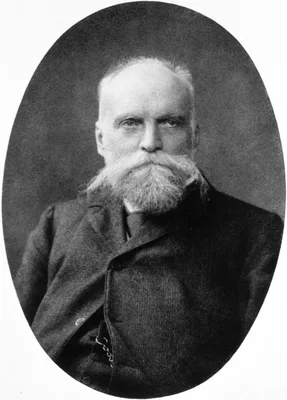
These workers helped to revive the mastoid operation (which had fallen into disuse), placing it on a modern basis. They described the method of opening the ear by chiselling, “Schwartze’s operation”.
1874 CE
#3383
Vertiges ab aure laesa (maladie de Menière).
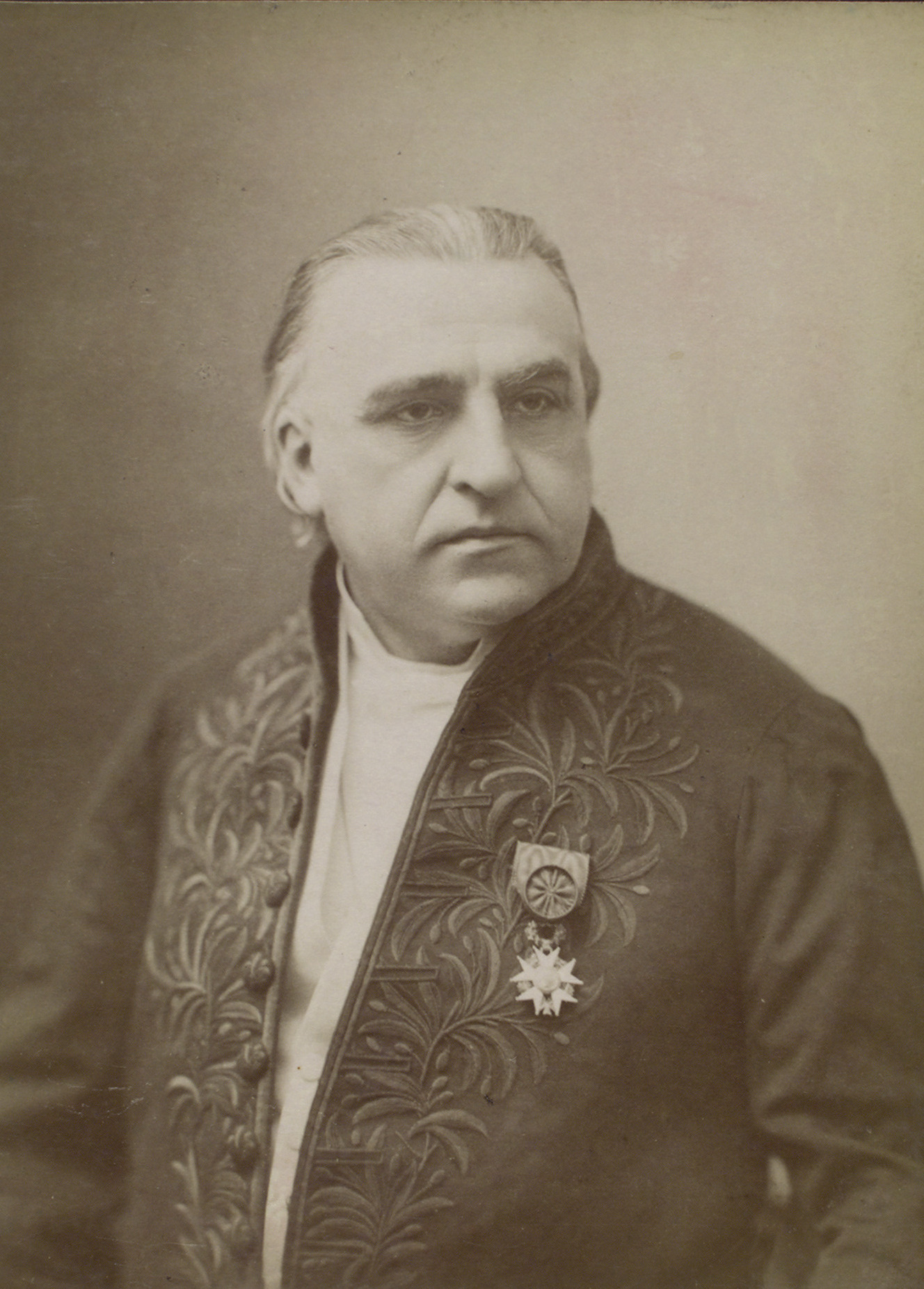
Charcot completed the description of the syndrome first described by Menière.
1874 CE
#3384
Atlas of the membrana tympani.
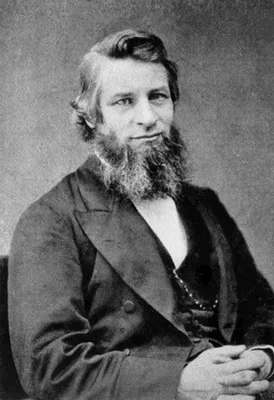
1874 CE
#3385
The questions of aural surgery.
Hinton was one of the most eminent aural surgeons in England during the latter half of the 19th century, and the first Aural Surgeon to Guy’s Hospital. In 1868 he performed the first operation for mastoiditis in…
1877 CE
#3386
Erkrankungen des Warzentheiles.
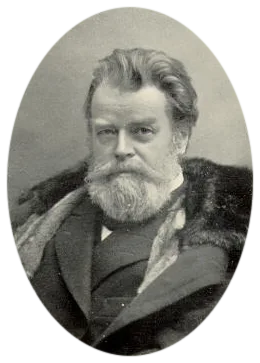
First clear description of mastoiditis.
1878 CE–1882 CE
#3387
Lehrbuch der Ohrenheilkunde. 2 pts.
Politzer was one of the greatest of all otologists. He was the first Professor of Otology in Vienna and his textbook was for many years the standard authority on the subject. English translation, 1883.
1884 CE
#3388
Sinusthrombose in Folge von Otitis media. [Trepanation des Proc. mastoid mit Hammer und Meissel.]
Improvement of the mastoid operation devised by Schwartze and Eysell.
1885 CE
#3389
Ueber den Werth des Rinne’schen Versuches für die Diagnostik der Gehörkrankheiten.
Schwabach’s hearing test.
1888 CE
#3390
Education of deaf-mutes. A manual for teachers.
Includes a history of the subject. Digital facsimile from the Internet Archive at this link.
1888 CE
#3391
Krankenvorstellung: Geheilter Hirnabscess.
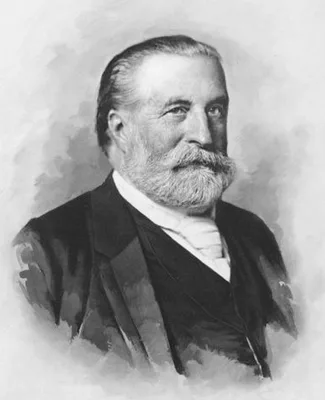
Radical mastoidectomy. (See No. 3392.)
1889 CE
#3392
Ueber die Gründsätze der Behandlung von Eiterungen in starrwandigen Höhlen, mit besonderer Berücksichtigung des Empyems der Pleura.
Küster and von Bergmann developed the Operation of radical mastoidectomy.
1890 CE
#3393
Indicationen, betreffend die Excision von Hammer und Amboss.
Stacke introduced the operation of excision of the ossicles.
1892 CE
#3394
Weitere Mittheilungen über die operative Freilegung der Mittelohrräume nach Ablösung der Ohrmuschel.
Stacke did much to improve the surgery of the middle ear. He made important modifications in the radical mastoidectomy operation of Küster and von Bergmann.
1895 CE
#3395
On a peculiar affection of the labyrinthine capsule as a frequent cause of deafness.
First report of otosclerosis as a separate clinical entity.
1897 CE–1909 CE
#3396
Ueber die funktionelle Prüfung des menschlichen Gehörorgans. 3 vols.
Bezold introduced important tests for audition.
1897 CE
#3397
First attempt at improving hearing by fenestration. No title; forms part of a paper by R. Passe.
1904 CE
#3398
Sulla leptomeningite circonscritta e sulla paralisi dell abducente di origine otitica.
“Gradenigo’s syndrome” – acute otitis media followed by abductor paralysis. Translation of the paper is in the German Arch. Ohrenheilk., 1904, 62, 255-70.
1905 CE
#3399
The story of my life.
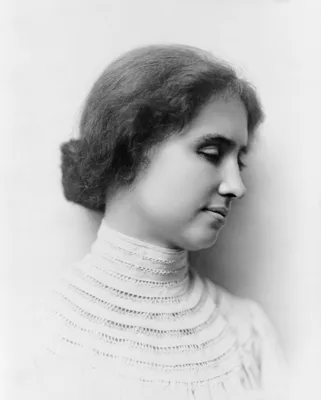
Helen Keller became blind and deaf at the age of 19 months, as the result of an illness. Her education was a triumph of patience and skill on the part of her teacher, Anne M. Sullivan, and a demonstration of the great…