
Entry Nos. 3100–3199
96 Garrison-Morton entries in this range.
1938 CE
#3149
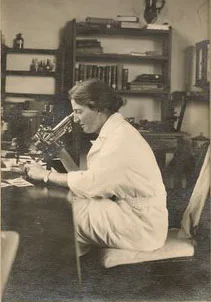
Tropical macrocytic anaemia: Its relation to pernicious anaemia.
1945 CE
#3150
Observations of the anti-anemic properties of synthetic folic acid.
Hemopoietic properties of folic acid reported. With C. F. Vilter, M. B. Koch, and M. H. Caldwell.
1946 CE
#3151
The structure and synthesis of liver. L. casei factor.
Isolation, determination of structure, and final synthesis of folic acid.
1946 CE
#3152
Observations on the effect of massive doses of iron given intravenously to patients with hypochromic anemia.
1947 CE
#3153
Intravenous administration of iron.
1948 CE
#3154
Activity of vitaminB12 in Addisonian pernicious anemia.
First demonstration of the effectiveness of vitamin B12 in pernicious anemia.
1949 CE
#3155
Vitamin B12 in pernicious anaemia: parenteral administration.
1928 CE
#3156
Cardio-vascular diseases since Harvey’s discovery.
Harveian Oration, 1928.
1937 CE
#3157
The history of angina pectoris.
1941 CE
#3158
Cardiac classics. A collection of classic works on the heart and circulation with comprehensive biographic accounts of the authors.
Covers the literature up to 1912. Reprinted in 2 vols, as Classics of cardiology, New York, Dover, 1961. Reprinted again, with volume 3 by John A. Callahan, Thomas E. Keys & Jack E. Key, Malabar, Florida, Krieger, 198…
1942 CE
#3159
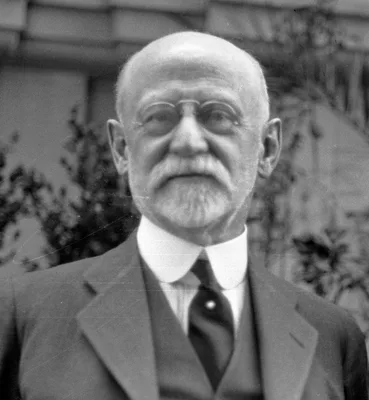
A short history of cardiology.
1948 CE
#3160
A history of the heart and circulation.
1957 CE
#3161
The story of heart disease.
1568 CE
#3164
Pro magni, et illustr. Terraenovae Ducis fistula, ex levi axilla in thoracis concavum pervia, etc. In P. Ingrassia, Quaestio de purgatione per medicamentum
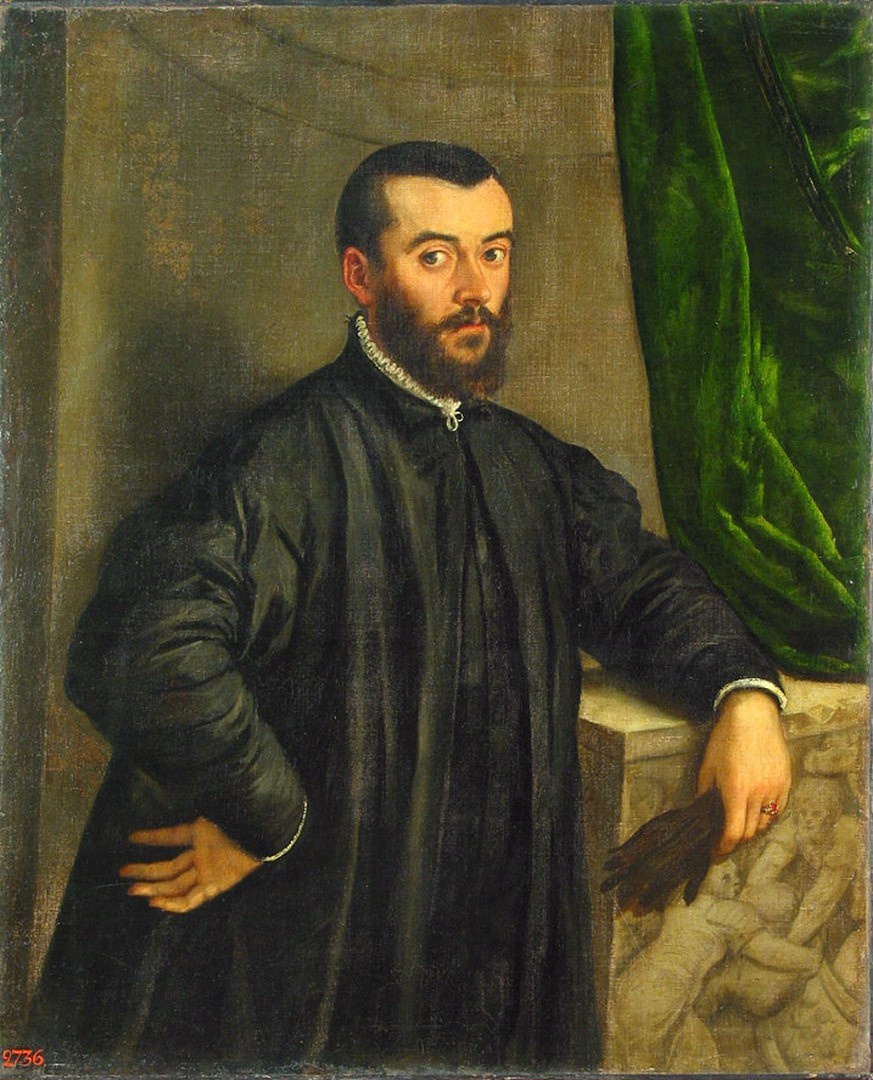
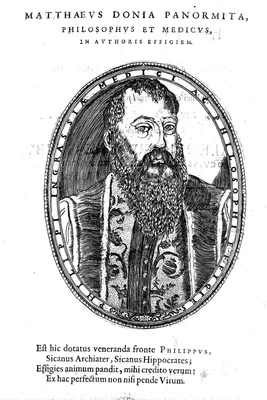
Vesalius’s consilium to Ingrassia, dated Madrid, 1562, in which he clearly described the operation for empyema (pp. 92-98). Although treatment of empyema by surgery was referred to in classical times, it became …
1698 CE
#3166
A treatise of the asthma.
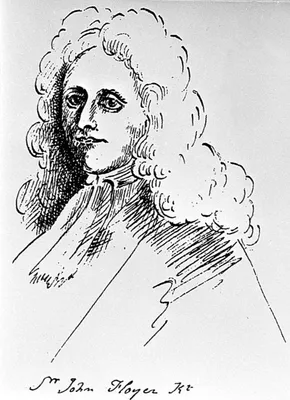
Floyer provided the first clear descriptions of cases of bronchial asthma. Floyer himself suffered from asthma for over 30 years. He recognized the influence of heredity in asthma. The above includes (p. 239) an impor…
1769 CE
#3167
Observations on the asthma and on the hooping cough.
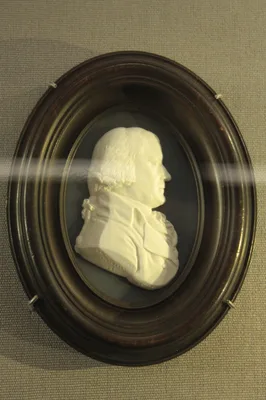
Includes Millar’s original description of laryngismus stridulus (“Millar’s asthma”).
1808 CE
#3168
Observations on the inflammatory affections of the mucous membrane of the bronchiae.
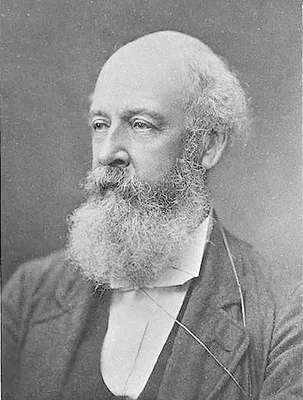
Badham distinguished acute and chronic bronchitis from pneumonia and pleurisy, with which it had previously been confused. He gave the disease its present name. Digital facsimile from Google Books at this link.
1856 CE
#3169
Beiträge zur Lehre von den beim Menschen vorkommenden pflanzlichen Parasiten.
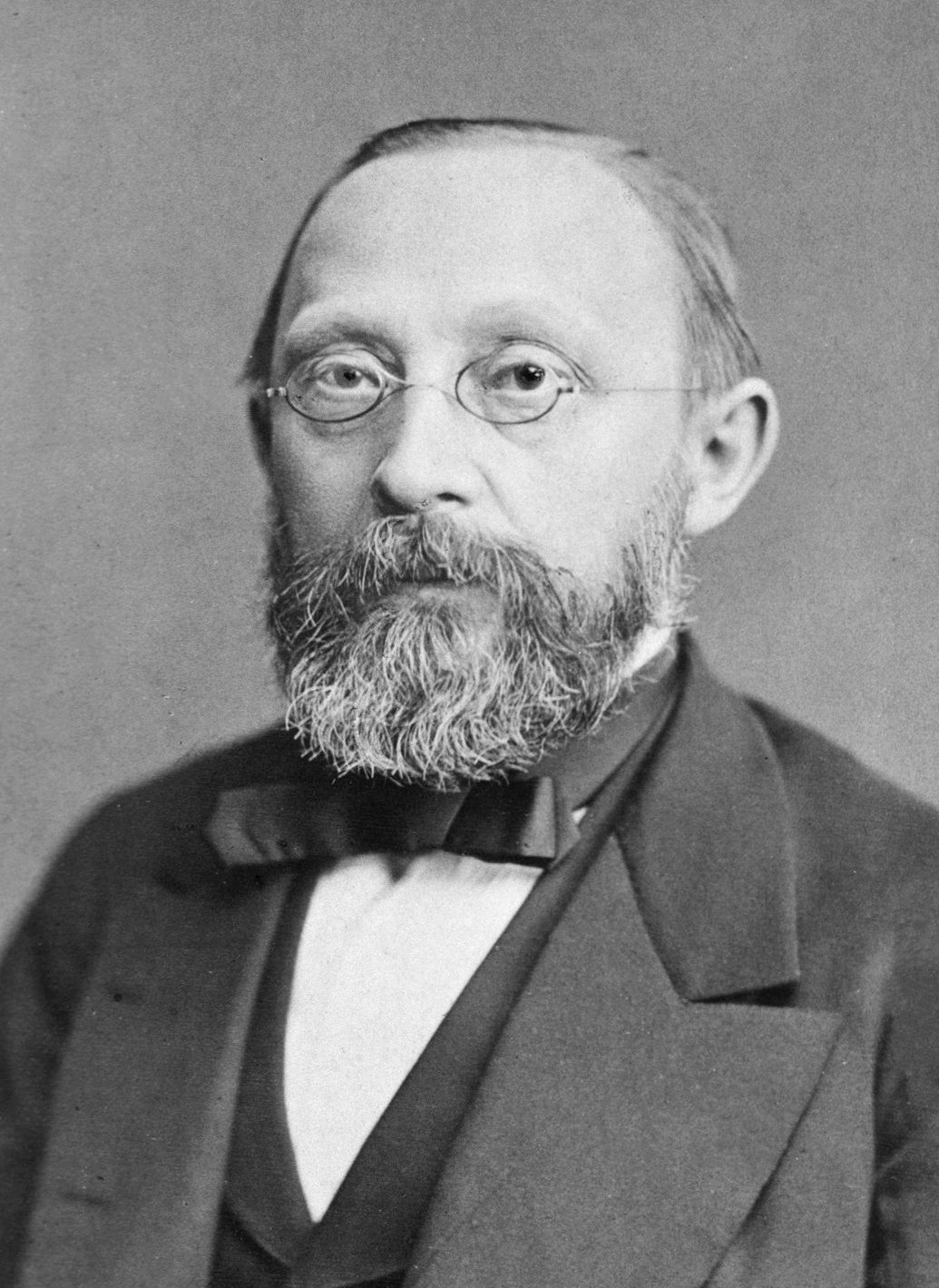
First description of pulmonary aspergillosis.
1876 CE
#3170
Thoracentesis: the plan of continuous aspiration.
Hewett introduced a method of continuous aspiration of the thorax for emphysema.
1881 CE
#3172
L’organisme microscopique trouvé par M. Pasteur dans la maladie nouvelle provoquée par la salive d’un enfant mort de la rage.
Probably the earliest record of pneumococcus. Parrot reported the discovery made by Louis Pasteur.
1881 CE
#3173
A fatal form of septicaemia in the rabbit, produced by the subcutaneous injection of human saliva.
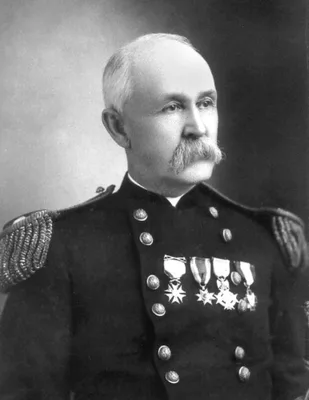
In the same year as Pasteur, and independently, Sternberg discovered the pneumococcus (Streptococcus pneumoniae) demonstrating its carriage in the healthy human mouth.
1882 CE
#3174
Ueber die Schizomyceten bei der acuten fibrösen Pneumonie.
Isolation of Klebsiella pneumoniae (“Friedländer bacillus”), which Friedländer regarded as the causal organism in all cases of lobar pneumonia.
1886 CE
#3175
Die Mikrococcen der Pneumonie.
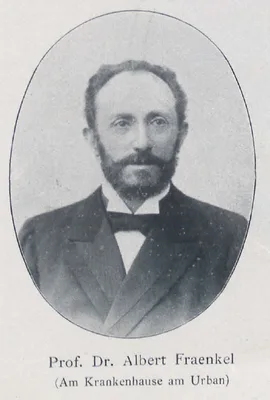
Fraenkel showed definitely that the organism found by Pasteur (No. 3172) and Sternberg (No. 3173) was a cause of pneumonia.
1886 CE
#3176
Ueber die Aetiologie der acuten Lungen- und Rippenfellentzündungen.
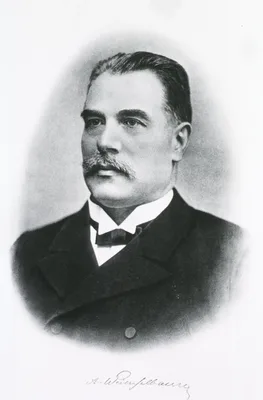
Weichselbaum definitely established that Friedländer’s bacillus was responsible for pneumonia in a small percentage of cases.
1889 CE
#3177
Ueber die Grundsätze der Behandlung von Eiterungen in starrwandigen Höhlen, mit besonderer Berücksichtigung des Empyems der Pleura.
First thoracotomy for empyema.
1891 CE
#3178
Versuche über Immunisirung und Heilung bei der Pneumokokkeninfection.
Old antipneumococcal serum.
1893 CE
#3179
A case of thoracoplasty for the removal of a large cicatricial fibrous growth from the interior of the chest, the result of an old empyema.
First thoracoplasty.
1894 CE
#3180
Nouveau traitement des empyèmes chroniques.
The procedure of decortication of the lung for treatment of chronic empyema was introduced by Delorme. For his later work on the subject, see Congr. franç. Chir., 1896, 10, 379.
1896 CE
#3181
Die Specksteinlunge. Ein Beitrag zur pathologischen Anatomie der Staublungen.
Talcosis of lung reported.
1898 CE
#3182
Le microbe de la péripneumonie.
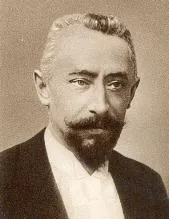
Discovery of the causal organism of bovine pleuropneumonia, also known as lung plague. Nocard and Roux considered it a filterable virus but now known to be a mycoplasma.
1903 CE
#3183
Triangolo paravertebrale opposto nella pleurite essudativa.
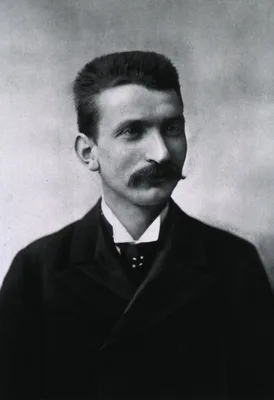
“Grocco’s triangle”. Grocco described paravertebral dullness on the opposite side in pleural effusion.
1903 CE
#3184
Pneumothorax; a historical, clinical, and experimental study.
1904 CE
#3185
Ueber die physiologischen and physikalischen Grundlagen bei intrathorakalen Eingriffen in meiner pneumatischen Operationskammer.
Sauerbruch’s negative pressure chamber for the prevention of pneumothorax.
1907 CE
#3186
Bronchoskopie und bronchoskopische Behandlung von Bronchialasthma.
Introduction of therapeutic bronchoscopy, for treatment of asthma.
1909 CE
#3187
Ueber Lungenresektion wegen bronchiektatischer Cavernen.
Körte was the first successfully to remove bronchiectatic lobes.
1908 CE
#3188
The Bradshaw Lecture on massive collapse of the lung.
William Pasteur discovered and described massive collapse of the lung.
1910 CE
#3189
Ueber die Möglichkeit die Zystoscopie bei Untersuchungen seröser Höhlungen anzuwenden.
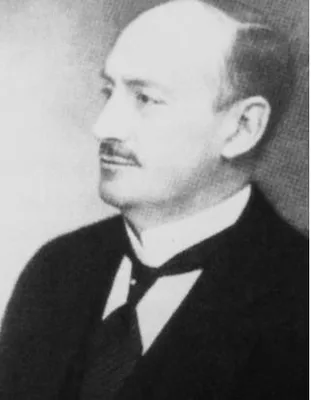
Jacobaeus adapted the cystoscope for the study of the interior of the body; this led to the introduction of the thoracoscope.
1910 CE
#3190
Weitere Untersuchungen über Pneumokokken-Heilsera. III. Mitteilung. Über Vorkommen und Bedeutung atypischer Varietäten des Pneumokokkus.
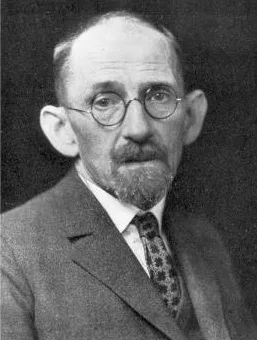
New antipneumococcus serum.
1910 CE
#3191
Gangrène pulmonaire ouverte dans les bronches et traitée par décollement pleuro-pariétal, et greffe d’une masse lipomateuse entre la plèvre décollée et les espaces intercostaux.
Tuffier’s method of extrapleural pneumolysis.
1912 CE
#3192
Primary malignant growths of the lungs and bronchi.
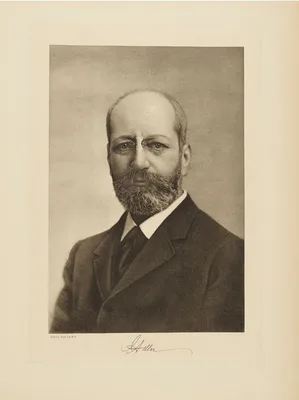
Digital facsimile from the Internet Archive at this link.
1917 CE
#3193
Note sur la “broncho-spirochétose” et les “bronchites mycosiques”, affections simulant quelquefois la tuberculose pulmonaire.
“Castellani’s bronchitis” (bronchospirochetosis).
1917 CE
#3194
Endothelioma of the right bronchus removed by peroral bronchoscopy.
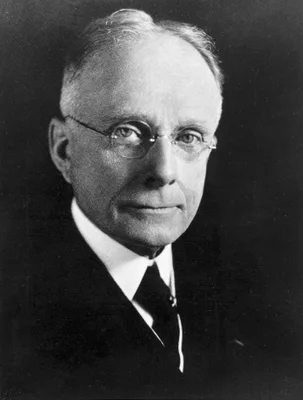
First reported case.
1920 CE–1925 CE
#3195
Die Chirurgie der Brustorgane. Zugleich zweite Auflage der Technik der Thoraxchirurgie. 2 vols.
Abridged English translation, Baltimore, 1937.
1921 CE
#3196
Un cas d’épithélioma spino-cellulaire de la région latérale du pharynx, avec adénopathie angulo-maxillaire, guéri depuis six mois par la röntgenthérapie.
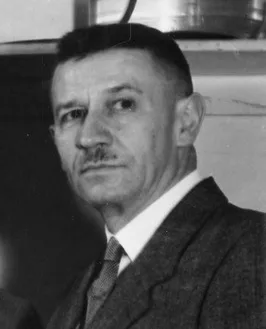
Carcinoma of pharynx cured by the Coutard method of Röntgen therapy.
1921 CE
#3197
Roentgenographic studies of bronchiectasis and lung abscess after direct injection of bismuth mixture through the bronchoscope.
Important studies on bronchiectasis were carried out by Lynah and Stewart.
1924 CE
#3199
L’exploration radiologique des cavités broncho-pulmonaires par les injections intra-trachéales d’huile iodée.
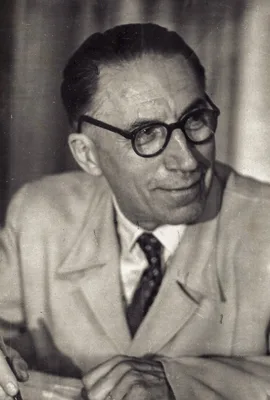
Bronchography was advanced by the work of Sicard and Forestier on the intratracheal introduction of lipiodol.