
Entry Nos. 2500–2599
100 Garrison-Morton entries in this range.
1896 CE
#2550
Recherches de la réaction agglutinante dans le sang et le sérum desséchés des typhiques et dans la sérosité des vesicatoires.
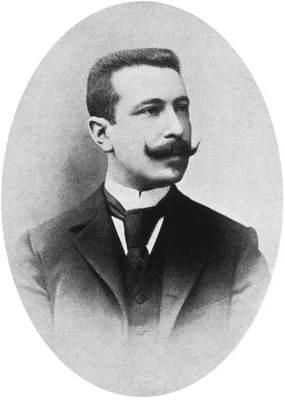
Developing the work of Gruber and Durham, Widal noted that a patient’s serum could be tested with bacteria of known type and his disease identified by this means. They demonstrated specific agglutinins in the bl…
1898 CE
#2551
Sur l’agglutination et la dissolution des globules rouges par le sérum d’animaux injectés de sang défibriné.
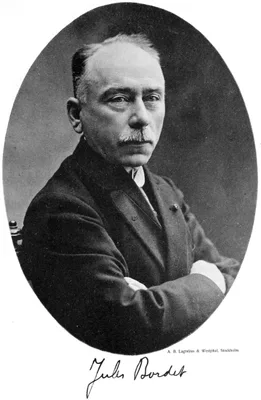
Bordet’s important work on immune hemolysis turned the attention of many investigators towards the subject. English translation in J. Bordet et al., Studies in immunity, New York, 1909, p. 134.
1900 CE
#2552
Les sérums hémolytiques, leurs antitoxines et les théories des serums cytolytiques.
English translation in T. Bordet et al., Studies in immunity, New York, 1909, p. 186.
1901 CE
#2553
Sur l’existence de substances sensibilisatrices dans la plupart des sérums antimicrobiens.
The Bordet–Gengou complement-fixation reaction is the basis of many tests for infection, notably the Wassermann test for syphilis, and reactions for gonococcus infection, glanders, hydatid disease. English trans…
1899 CE
#2554
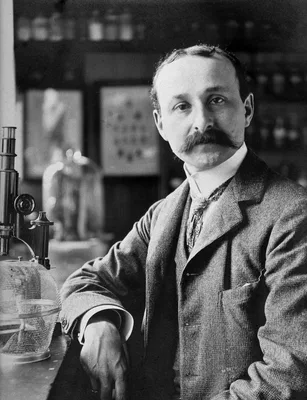
On the rôle of insects, arachnids and myriapods, as carriers in the spread of bacterial and parasitic diseases of man and animals. A critical and historical study.
1901 CE
#2555
L’immunité dans les maladies infectieuses.
A classic study of the mechanisms concerned in specific antibacterial immunity, and one of Metchnikoff’s best works. Russian edition: Nevospriimchivost’ k infekcionnim boleznyam. St. Petersburg: K.L. Rikke…
1902 CE
#2556
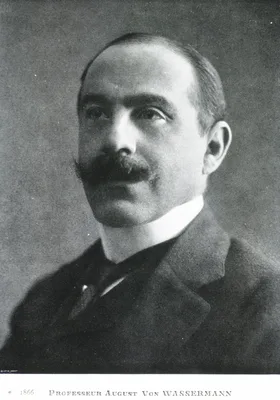
Hämolysine, Cytotoxine and Präcipitine.
1903 CE
#2557
Zur Lehre von der Unterscheidung verschiedener Eiweissarten mit Hilfe spezifischer Sera.
Demonstration of organ-specific antigens, in this case in the proteins of the lens of the eye.
1903 CE–1904 CE
#2558
An experimental investigation of the rôle of the blood fluids in connection with phagocytosis.
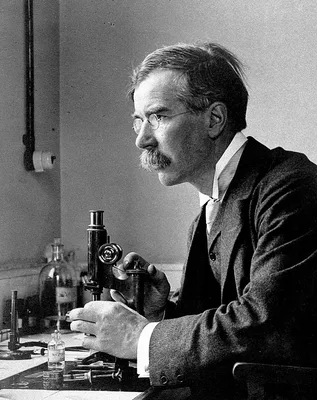
Wright and Douglas showed the existence of thermolabile substances (opsonins) in normal and immune serum.
1904 CE
#2559
Gesammelte Arbeiten über Immunitätsforschung.
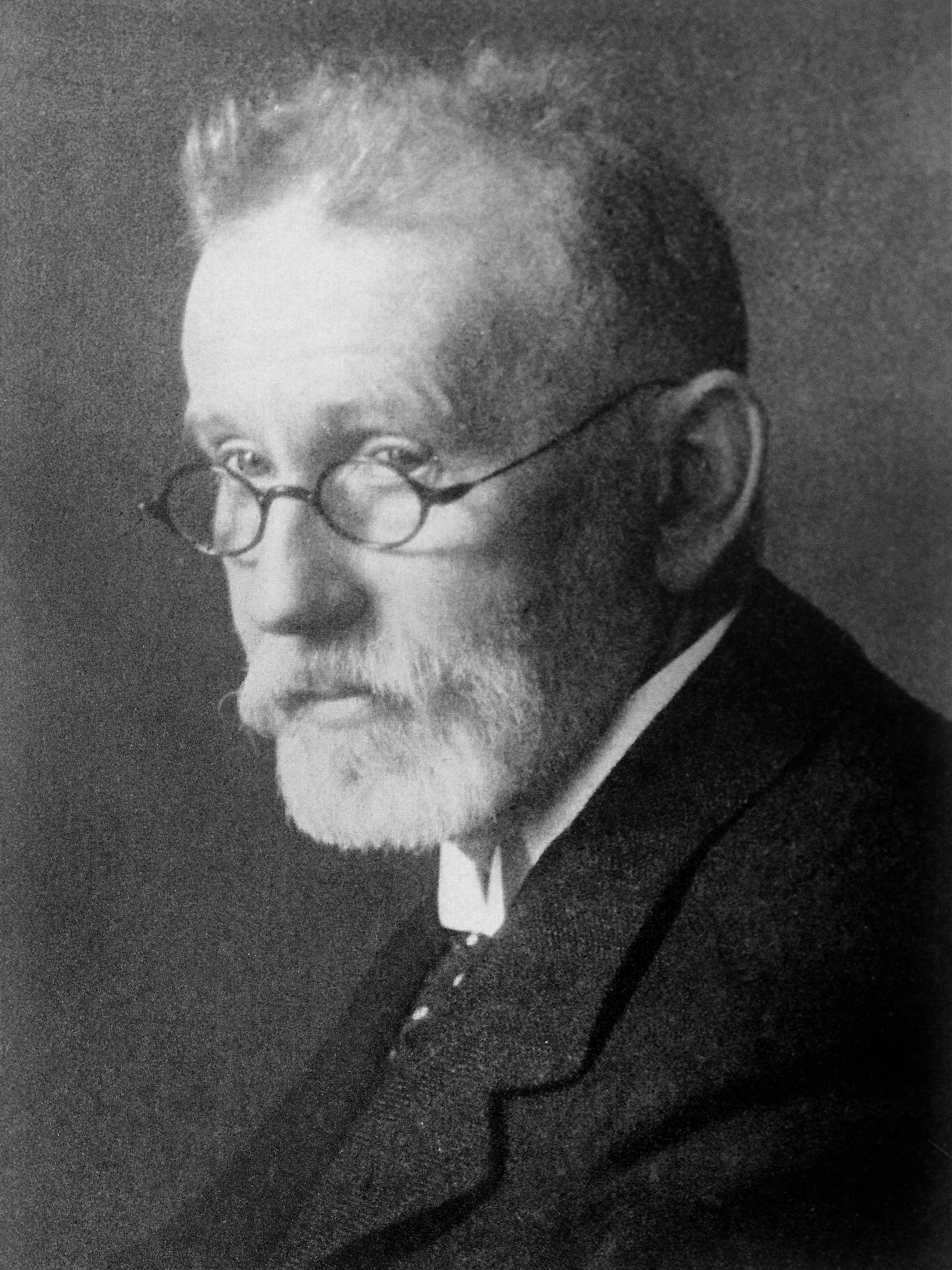
Reprints Ehrlich’s writings on immunology to date, as well as three papers by Kyes (Nos. 2111-3). English translation, with two more chapters by Ehrlich and Sachs, and one by Ehrlich, New York, 1906.
1904 CE
#2560
Ueber die Antikörper des Streptokokken- und Pneumokokken-Immunserums.
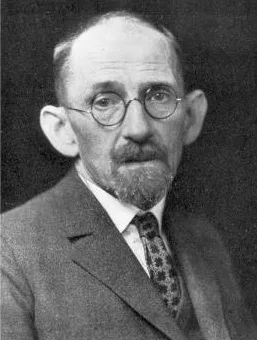
Bacteriotropins named and described.
1904 CE
#2561
Blood immunity and blood relationship, a demonstration of certain blood relationships amongst animals by means of the precipitin test for blood.
1906 CE
#2562
Die experimentelle Bakteriologie und die Infektionskrankheiten.
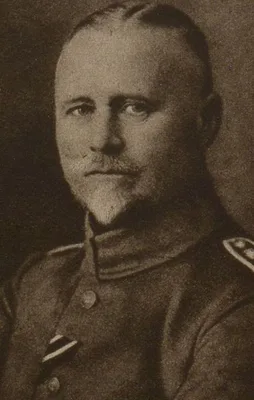
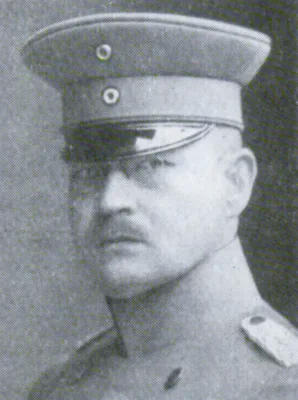
English translation, 2 vols., London, Allen & Unwin, 1934.
1906 CE
#2563
Quelques remarques sur le lait aigri.
Metchnikoff researched the effect of lactic acid produced by Lactobacilli on other non-desirable bacteria in the digestive tract. He thus expanded Döderlein's (No. 6279) concept of "normal flora" beyond the vagin…
1906 CE
#2564
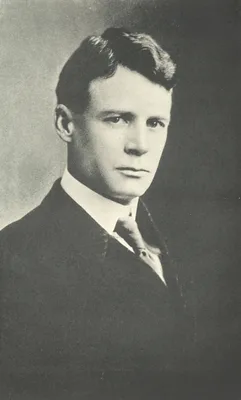
Infection, immunity and serum therapy.
1909 CE
#2565
Beiträge zur experimentellen Pathologie und Chemotherapie.
1910 CE
#2566
Handbuch der experimentellen Serumtherapie.
1911 CE
#2567
Die Immunitätswissenschaft.
1914 CE
#2568
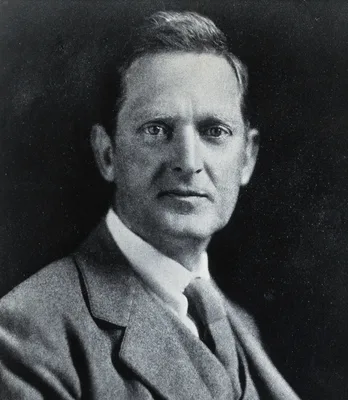
Infection and resistance.
1915 CE
#2569
The influence of the x-ray on the production of antibodies.
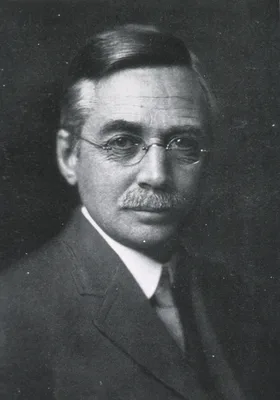
Proof that x rays suppress the antibody response.
1916 CE
#2570
Further experimental studies on the inheritance of susceptibility to a transplantable tumour, carcinoma (J. W. A.) of the Japanese waltzing mouse.
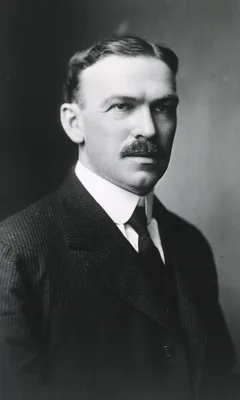
Marks the beginning of the study of histocompatibility antigens.
1915 CE
#2571
An investigation on the nature of ultra-microscopic viruses.
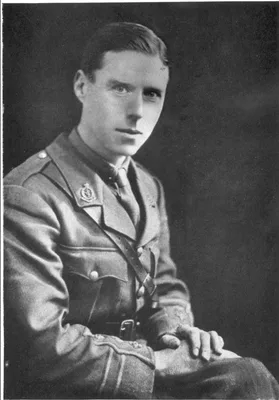
Twort discovered discovered bacteriophages, a type of virus that attacks bacteria (the term bacteriophage was coined by Félix d’Herelle, who in 1917 independently confirmed Twort’s discovery). The d…
1917 CE
#2572
Sur une microbe invisible antagoniste des bacilles dysentérique.
d'Herrelle discovered a microbe-eating virus that he called "bacteriophage." He made his discovery independently of the work of Frederick Twort, which was published two years earlier. (See No. 2571).
1921 CE
#2573
Results of experimental studies on focal infection and elective localization.
Rosenow showed that focal infection could by caused by bacteria in teeth, etc.
1925 CE
#2574
Immunisation locale; pansements spécifiques.
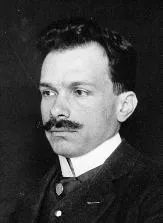
Besredka’s vaccine, sensitized vaccine. English translation, Baltimore, 1927.
1925 CE
#2575
The chemical aspects of immunity.
1928 CE
#2576
Studies on Bacillus typhosus toxic substances. I. Phenomenon of local skin reactivity to B. typhosus culture filtrate.
“Shwartzman phenomenon.”
1941 CE
#2577
The agglutination of red cells by allantoic fluid of chick embryos infected with influenza virus.
Discovery of virus hemagglutination. Between 1941 and 1942 Hirst developed the hemagglutination assay for quantifying the relative concentration of viruses, bacteria or antibodies.
1941 CE
#2578
The absorption of influenza virus by red cells and a new in vitro method of measuring antibodies for influenza virus.
Independently of Hirst, McClelland and Hare discovered virus hemagglutination.
1887 CE
#2579
Vorlesungen über die geschichtliche Entwickelung der Lehre von den Bacterien. Teil l.[All published].
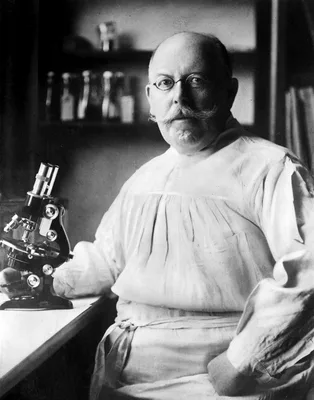
Loeffler, Professor of Hygiene at Greifswald, made many discoveries in bacteriology. His history of the subject was the first and only history of bacteriology prior to the publication of Bulloch's History of bacteriol…
1938 CE
#2580
The history of bacteriology.
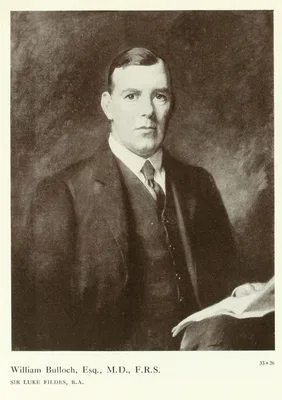
This pioneering and classic history includes brief biographical notes of the more important workers (arranged in a separate section), and an extensive bibliography.
1939 CE
#2581
Bacteriology.
A much briefer history than Bulloch’s but with a thorough and accurate bibliography.
1819 CE
#2582
Case of periodical affection of the eyes and chest.
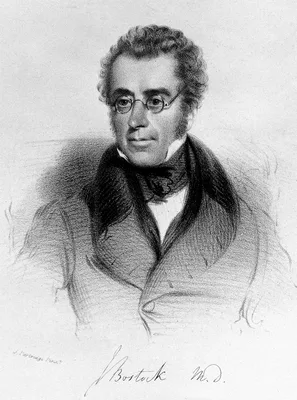
Bostock’s classical description of the “catarrhus aestivus,” hay fever, is also referred to as “Bostock’s catarrh”. It begins the modern era in the clinical recognition of hay fever…
1828 CE
#2583
Of the catarrhus aestivus, or summer catarrh.
On the history and aetiology of hay fever.
1831 CE
#2584
Hay fever.
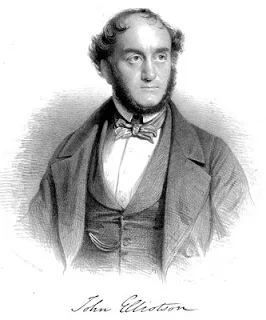
Elliotson was the first to ascertain that pollen was the cause of hay fever.
1839 CE
#2585
Lectures on the blood, and on the changes which it undergoes during disease: Delivered at the College of France in 1837-8.
Pp. 244-49: Magendie showed that secondary or subsequent injections of egg/albumin caused death in rabbits who had tolerated an initial injection. This was the first experiment in anaphylaxis, though Jenner in 1798 ha…
1860 CE
#2586
On asthma: its pathology and treatment.
The best work on asthma to appear during the 19th century. Salter, who had suffered from asthma from childhood, may be considered the first modern student of the condition. He called special attention to asthma from a…
1873 CE
#2587
On megrim, sick-headache, and some allied disorders.
Liveing’s classic account of migraine showed the close association of this condition with tetany, asthma, and false angina pectoris, with epilepsy, and the alternation of all these conditions in the same subject…
1873 CE
#2588
Experimental researches on the causes and nature of catarrhus aestivus.
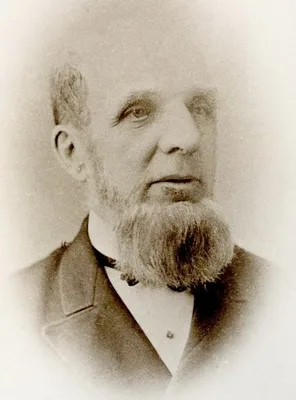
Blackley showed that pollen can produce hay fever in both the asthmatic and catarrhal forms; he also showed that skin reactions were evoked in sensitive persons.
1880 CE
#2589
Hay fever.
1902 CE
#2590
De l’action anaphylactique de certains venins.
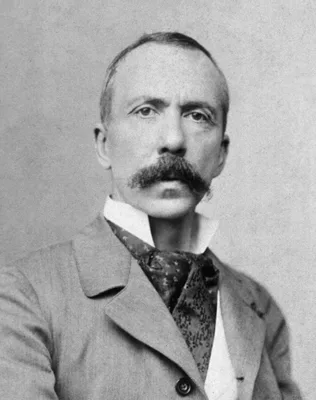
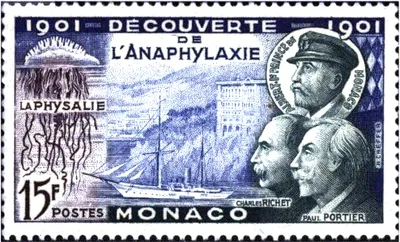
First full description of the phenomenon of “anaphylaxis,” the name of which was coined by Richet. Abbreviated English translation in Bibel, Milestones of immunology (1988). In 1913, Richet was awarded the…
1903 CE
#2591
Injections répétées de sérum de cheval chez le lapin.
The “Arthus phenomenon” – a symptom of anaphylaxis. Arthus showed that “antibody-mediated inflammation could be elicited in the skin of sensitized animals upon local introduction of an appropri…
1905 CE
#2592
Ursache und Behandlung des Heufiebers.
Dunbar studied the relationship of pollen to hay fever, separated the active substances responsible for producing the condition, and introduced a specific therapy.
1905 CE
#2593
Die Serumkrankheit.
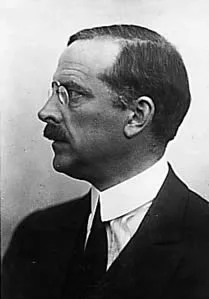
Serum sickness and its significance. English translation, Baltimore: Williams & Wilkins, 1951.
1906 CE
#2594
Das Theobald Smithsche Phänomen der Serum-Ueberfindlichkeit. In Gedenkschr. f.d. verstorb. Generalstabsarzt… von Leuthold, 1, 153-72
The “Theobald Smith phenomenon” was not reported by Smith but communicated by him to Ehrlich. Later Otto published details of the results obtained in his study of the phenomenon.
1906 CE
#2595
A study of the cause of sudden death following the injection of horse serum.
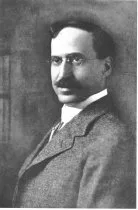
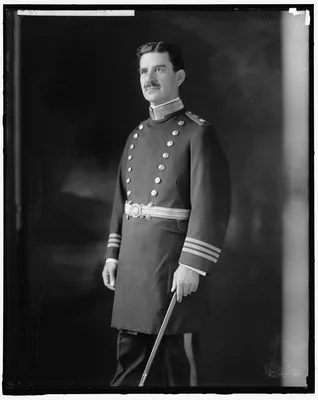
Forms Bulletin No. 29 of the Hygienic Laboratory, U. S. Marine Hospital Service. Rosenau and Anderson drew attention to the fact that animals receiving an injection of a foreign protein became sensitive to a second do…
1907 CE
#2596
De l’anaphylaxie et de l’anti-anaphylaxie vis-à-vis du sérum de cheval.
“Anti-anaphylaxis” was the term given by Besredka and Steinhardt to the specific desensitization of sensitized animals.
1907 CE
#2597
Contribution à l’étude du “phénomène d’Arthus.”
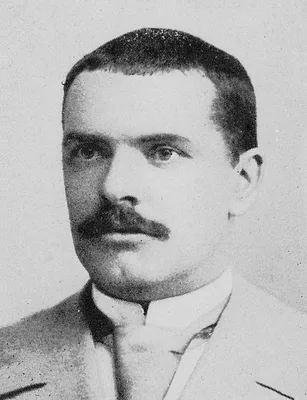
“Passive” anaphylaxis first demonstrated.
1907 CE
#2598
Klinische Studien über Vakzination und vakzinale Allergie.
Pirquet suggested the word “Allergie”; see also his paper with this title in Münich. med. Wschr., 1906, 53, 1457-58.
1907 CE
#2599
De l’anaphylaxie en général et de l’anaphylaxie par la mytilocongestine en particulier.
In 1913 Richet was awarded the Nobel Prize in Physiology or Medicine "in recognition of his work on anaphylaxis."