
Entry Nos. 2000–2099
94 Garrison-Morton entries in this range.
1927 CE
#2052
Four thousand years of pharmacy; an outline history of pharmacy.
First history of pharmacy by an American. Reprinted as The curious lore of drugs and medicines, New York, Garden City Publ. Co., 1936.
1929 CE
#2054
The mystery and art of the apothecary.
1931 CE
#2055
Histoire de la pharmacie à travers les âges. 2 vols.
1932 CE
#2056
Physical therapy.
“Clio medica” series.
1935 CE
#2057
Grundriss der Geschichte der deutschen Pharmazie.
1937 CE
#2058
A history of pharmacy.

1938 CE
#2059
Herbals: their origin and evolution. A chapter in the history of botany, 1470-1670. 2nd edition.
Includes an invaluable bibliography. Reprinted, with new introduction and additional references, 1987.
1941 CE
#2060
Fundamental errors in the early history of cinchona.
1945 CE
#2061
Cinchona in Java: The story of quinine.
1946 CE
#2062
Die Injektion.
Deals exhaustively with the history of intravenous and intramuscular injection.
1947 CE
#2063
A critical study of the origins and early development of hypodermic medication.
1949 CE
#2064
Histoire illustrée de la pharmacie.
1949 CE
#2065
A critical review of the basic facts in the history of cinchona.
1951 CE
#2067
The development of pharmacopoeias.
Digital facsimile from PubMedCentral at this link.
1952 CE
#2068
Plants of the Bible.
The most comprehensive treatise available on plants and plant products mentioned in the Bible.
1499 CE
#2069
Dioscorides, De materia medica [Greek]. Add: Pseudo- Dioscorides, De venenis, De venenatis animalibus [Greek]; Add: Nicander, Theriaca; Add: Alexipharmaca; Scholia [Greek].
![DIOSCORIDES, Pedanius [Πεδάνιος Διοσκουρίδης] (40 – 90)](/media/portraits/2028)
Nicander was a Greek poet and physician. His Theriaca, in 958 hexameters, dealt with the symptoms and treatment of poisoning by the bites of poisonous animals; the Alexipharmaca considered intoxications through animal…
1472 CE
#2070
Conciliator differentiarum philosophorum et medicorum. Add: De venenis.
Includes the first printed book on toxicology; one of the more elegantly printed of medical incunabula, printed in folio format. For an English translation, see Ann. med. Hist., 1924, 6, 26-53. ISTC No. ip00431000. Di…
1779 CE–1787 CE
#2071
Some remarks on the effects of lignum quassiae amarae.
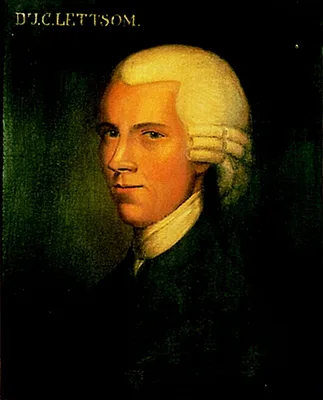
Includes (p. 151) “original account of alcoholism, which is incidentally the first paper on the drug habit” (Garrison).
1814 CE–1815 CE
#2072
Traité des poisons tirés des règnes minéral, végétal et animal; ou, toxicologie générale. 2 vols, each in 2 parts.
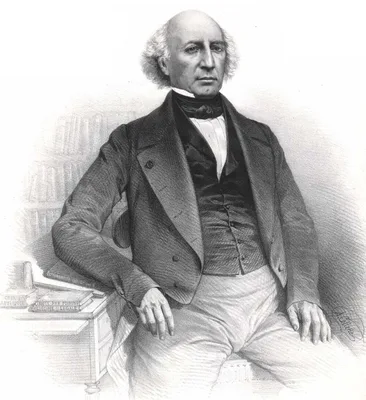
Orfila, pioneer toxicologist, was the leading medico-legal expert of his time. He was born in Minorca, studied at Valencia, Barcelona, and Paris, and was one of the founders of the Académie de Médecine. …
1820 CE
#2073
Pharmacologia; or the history of medicinal substances, with a view to establish the art of prescribing. 3rd ed.
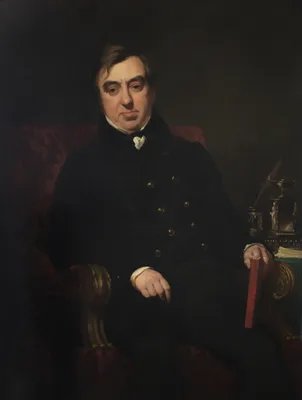
First description of cancer caused by arsenic (p. 133).
1825 CE
#2074
Wanderings in South America, the North-West of the United States, and the Antilles, in the years 1812, 1816, 1820, and 1824.
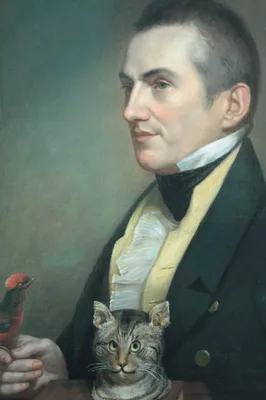
Waterton traveled to the Guyana region of South America to obtain curare. He provided a detailed description of its paralyzing effects, its preparation by distillation, and the blowpipe and darts used to deliver it. O…
1829 CE
#2075
An essay on the operation of poisonous agents upon the living body.
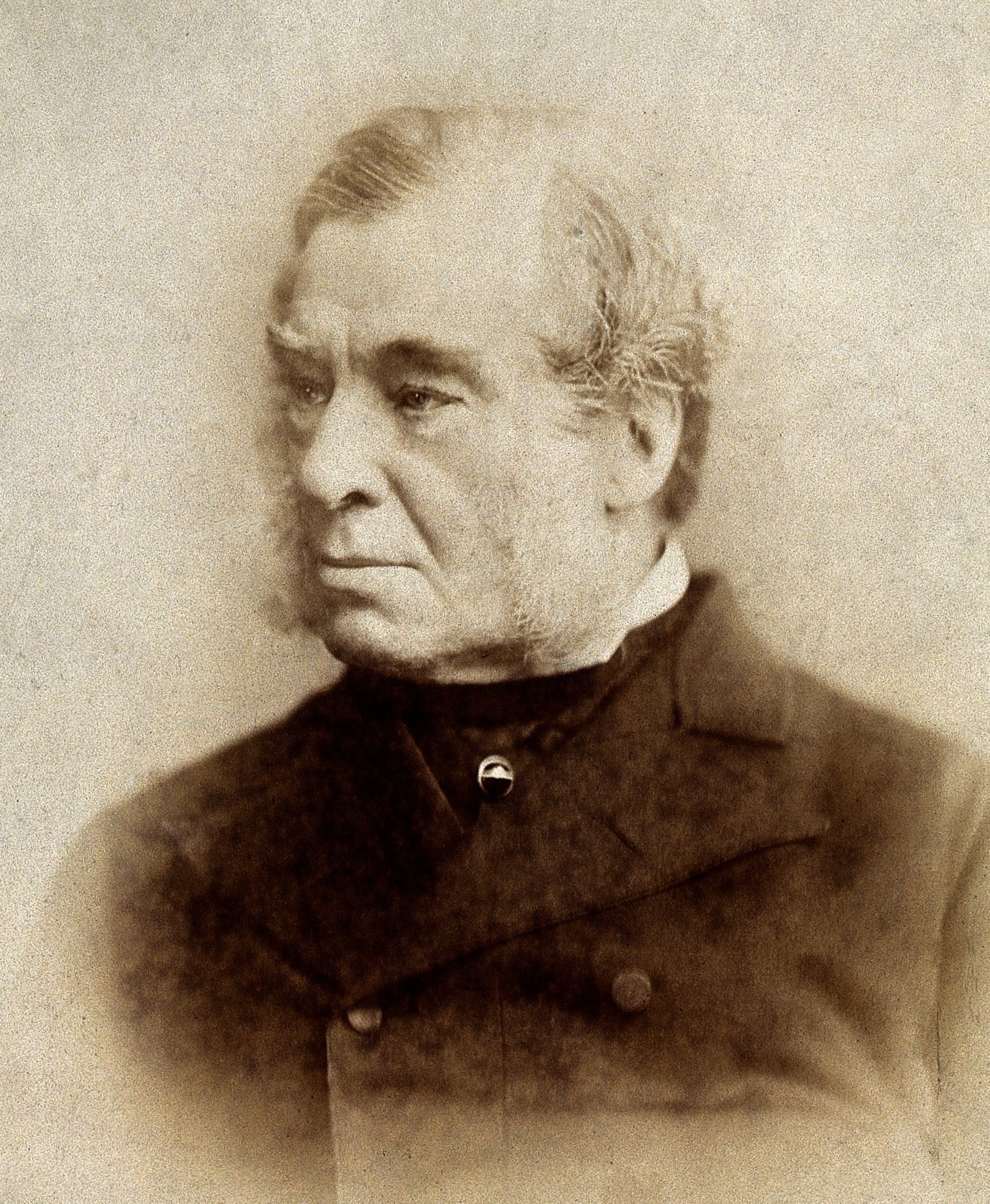
The first book in English on the action of poisons on the living body.
1829 CE
#2076
A treatise on poisons.
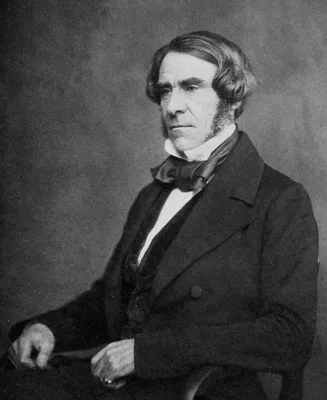
Christison, a famous toxicologist, was a Professor of Medical Jurisprudence at Edinburgh. During the trial of Burke and Hare he performed an autopsy on the body of one of the victims and gave evidence as to the cause …
1836 CE
#2077
Account of a method of separating small quantities of arsenic from substances with which it may be mixed.
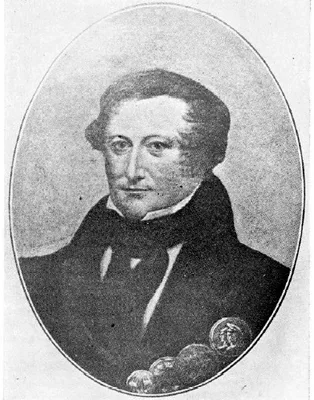
Marsh method for the detection of arsenic.
1856 CE
#2078
Physiologische Untersuchungen über die Wirkung einiger Gifte.
First investigation of the effects of poisons on muscular contraction.
1856 CE
#2079
Analyse physiologique des propriétés des systèmes musculaires et nerveux au moyen de curare.
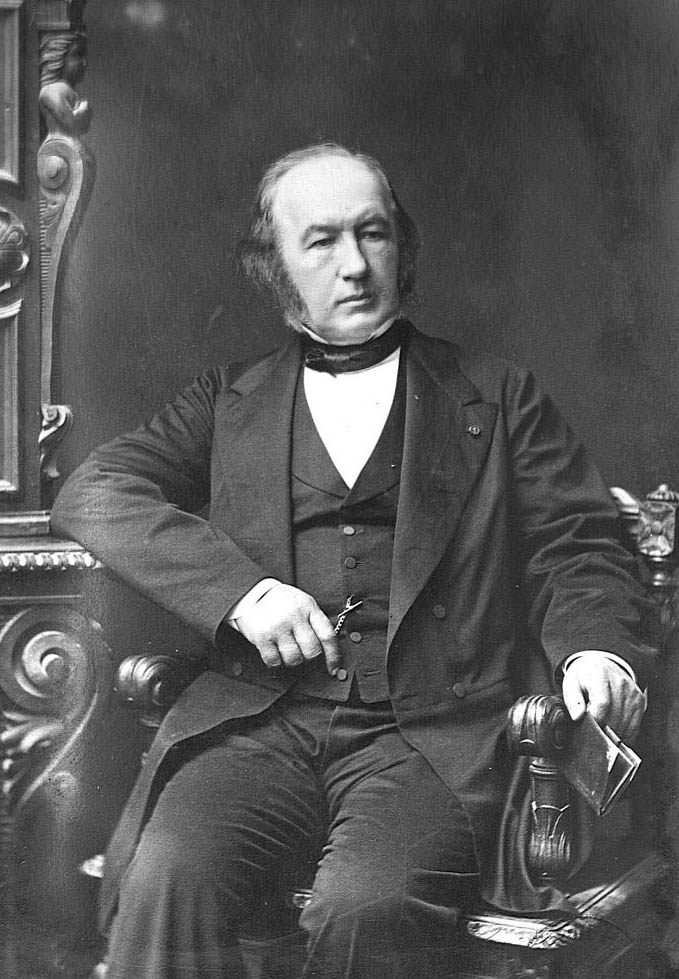
Bernard paralysed motor nerve-endings with curare and demonstrated the independent excitability of muscle. He showed that curare acted by stopping the transmission of impulses from motor nerves to voluntary muscles.
1867 CE
#2080
Micro-chemistry of poisons.
The first American book entirely devoted to toxicology and an important contribution to the identification of poisons.
1881 CE
#2081
Die Nebenwirkungen der Arzneimittel.
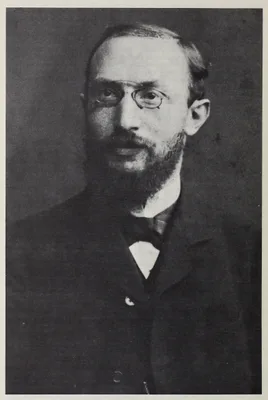
This was the first book of its kind. It deals with the borderline between the pharmacological and the toxicological action of drugs with the untoward or side-effects of all kinds of medicaments. For details regarding …
1899 CE
#2082
A note on the influence of maternal inebriety on the offspring.
Fetal alcohol syndrome – first serious study.
1902 CE–1906 CE
#2083
Lehrbuch der Intoxikationen. 2te. Aufl. 2 vols.
1906 CE–1907 CE
#2084
On the poisons of Amanita phalloides.
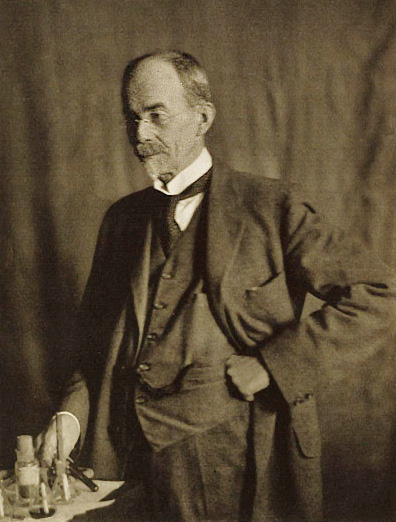
Abel and Ford showed that there were two poisons in the fungus Amanita phalloides, and that immunity against them could be attained. A further study on the subject by the same authors is in Arch. exp. Path. Pharmak., …
1916 CE
#2085
On the ‘vomiting sickness’ of Jamaica.
Discovery of the cause of the “vomiting sickness of Jamaica”: ackee poisoning.
1924 CE
#2086
Phantastica.
The classic of psychoactive drug classification. Lewin established the following categories: Euphorics, Phantastics, Inebriants, Hypnotics, and Excitants. English translation, 1931.
1933 CE
#2089
Die wichtigsten Vergiftungen. Fortschritte in deren Erkennung und Behandlung.
1947 CE
#2090
Curare, its history, nature, and clinical use.
1948 CE
#2091
The sensitizing effect of tetraethylthiuramdisulphide (Antabuse) to ethyl alcohol.
Introduction of “antabuse” in the treatment of alcoholism. With E. Jacobsen and V. Larsen. See also Lancet, 1948, 2, 1004.
1616 CE
#2092
De novo et populari apud Pictones dolore colico bilioso diatriba.
Citois described Poitou colic, “colica Pictonum”, in great detail, and it was this description which was responsible for the condition being recognized as a definite syndrome. Partial English translation i…
1739 CE
#2093
De morbo colico Damnoniensi.
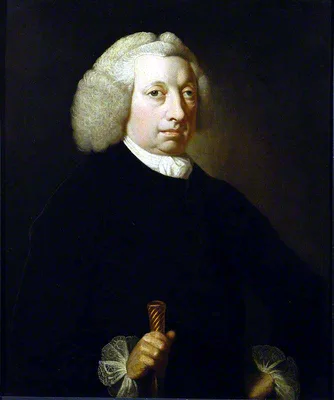
Huxham left a vivid account of the “Devonshire colic”. He was at fault, however, in ascribing it to the tartar extracted from apples in the process of making cider.
1745 CE
#2094
An essay on the West-India dry-gripes… to which is added, an extraordinary case in physick.
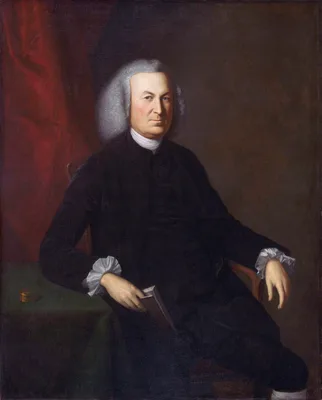
Cadwalader, an American pupil of Cheselden, left a classical account of lead colic and lead palsy. This was later shown by Benjamin Franklin, printer of the above work, to be due to the consumption of Jamaica rum whic…
1757 CE
#2095
De colica pictonum.
Tronchin, sometime physician to Voltaire, showed that the so-called “Poitou colic” was caused by drinking water which had passed through lead gutters. Tronchin introduced inoculation into Holland, France, …
1767 CE
#2096
An essay concerning the cause of the endemial colic of Devonshire.
Baker demonstrated that the cider of Devonshire contained lead, while that made in other parts of England did not. He further showed that it was common practice in Devon to line cider presses with lead, and proved tha…
1803 CE
#2097
Sur la colique, vulgairement appelée colique des peintres, des plombiers, du plomb, etc.
1839 CE
#2098
Traité des maladies de plomb ou saturnines. 2 vols.
Classical description of the diseases found among lead workers. Reporting on 1200 cases of lead poisoning, Tanquerel’s studies were so complete that later studies added little to knowledge of the symptoms and si…
1840 CE
#2099
On a remarkable effect upon the human gums produced by the absorption of lead.
Burton was the first to note the blue line on the gums in lead poisoning – “Burton’s blue line" – an important diagnostic sign. He was physician to St. Thomas’s Hospital, London.