
Entry Nos. 200–299
88 Garrison-Morton entries in this range.
1655 CE
#261
De vero telescopii inventore.
Borel collected evidence to show that Zacharias (sometimes called Zacharias Janssen) invented the compound microscope about 1590. Zacharias was a spectacle-maker of Middelburg, Holland.
1665 CE
#262
Micrographia, or some physiological descriptions of minute bodies made by magnifying glasses; with observations and inquiries thereupon.
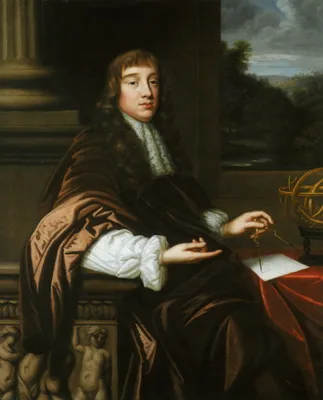
Hooke, at one time research assistant to Robert Boyle, was one of the greatest inventive geniuses of all time. This was the first book devoted entirely to microscopical observations, and also the first book to pair it…
1685 CE–1686 CE
#263
Oculus artificialis teledioptricus sive telescopium. 3 pts.
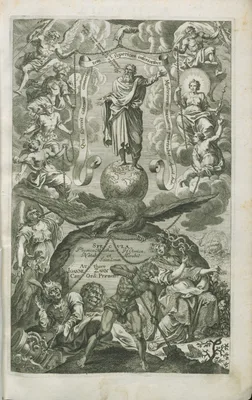
Includes the first complete history of early microscopes.
1691 CE
#264
Observationes circa viventia, quae in rebus non viventibus reperiuntur. Cum micrographia curiosa siue Rerum minutissimarum obseruationibus, quæ ope microscopij recognitæ ad viuum exprimuntur. His accesserunt aliquot animalium testaceorum icones non antea in lucem editae. Omnia curiosorum naturæ exploratorum vtilitati & iucunditati expressa & oblata.
Illustrates several early microscopes, including the famous microscopes of the Bolognese Joseph Campani. Contradicting Redi, Bonanni tried to show that spontaneous generation was possible in animals "without blood and…
1686 CE–1718 CE
#265
Ontledingen en ontdekkingen.... 6 vols.
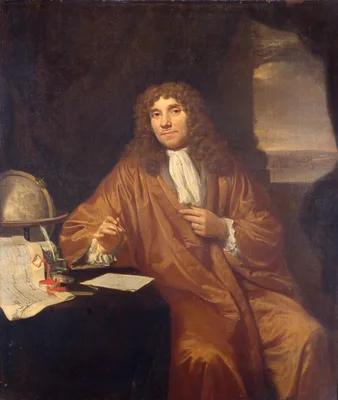
Leeuwenhoek, one of the first and also one of the greatest of the microbiologists, communicated many of his discoveries to the Royal Society in London. This set is a collection in Dutch of many contributions that van …
1820 CE
#266
De' microscopj catadiottrici memoria.
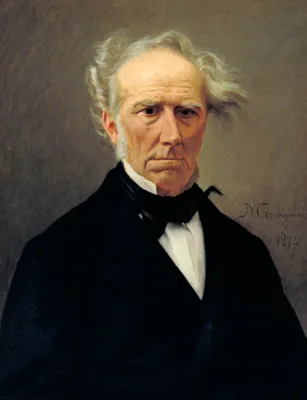
Amici constructed the first microscope with achromatic lenses and suggested water-immersion for improved achromatic lenses of the compound microscope. The 1820 publication of his paper indicates that it was "Approvata…
1830 CE
#267
On some properties in achromatic object-glasses applicable to the improvement of the microscope.
The principle of the modern microscope was worked out by Joseph Jackson Lister, father of Lord Joseph Lister. His important improvements in achromatic lenses make him one of the most prominent figures in the history o…
1870 CE
#268
Beschreibung eines Mikrotoms.
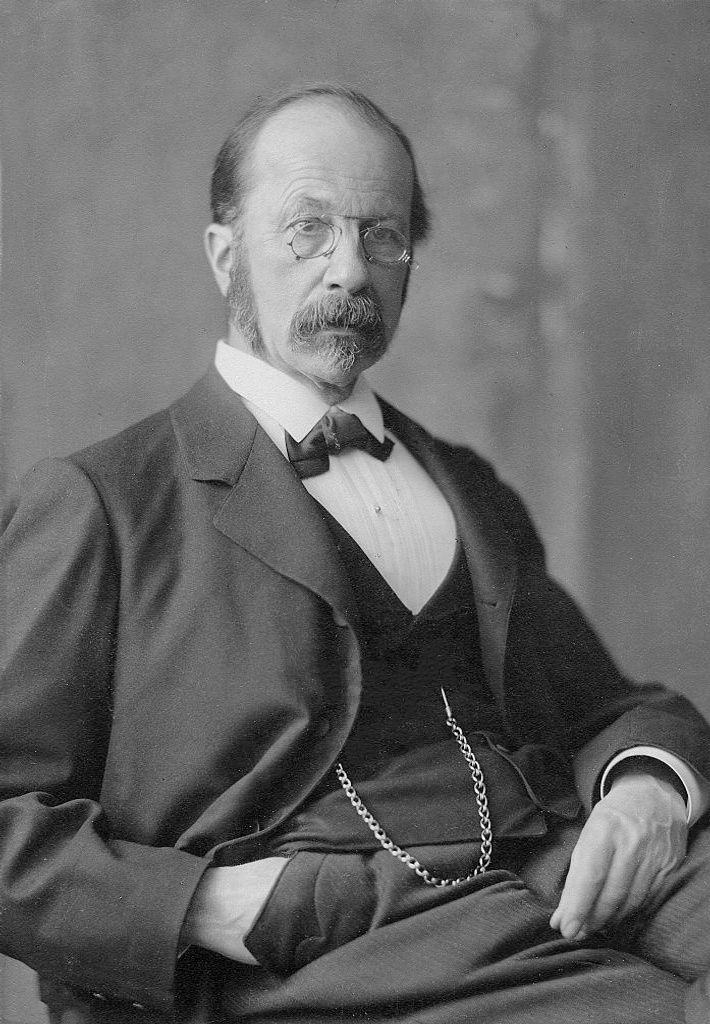
His was, more than any other person, responsible for the introduction of the microtome, although Ranvier and other French people had earlier employed microtomes of simpler types.
1886 CE
#269
Ueber neue Mikroskope.
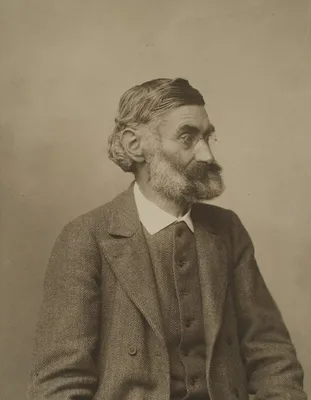
Fundamental improvements in the microscope were made by Abbe, who was a mathematician. In 1878 he introduced the oil immersion lens; in 1886 he made an apochromatic objective corrected for three colors in which the se…
1848 CE–1854 CE
#270
Het mikroskoop, deszelfs gebruik, Geschiedenis en tegewoordige Toestand. Eeen handbooek voor natuur - en geneeskundigen. 4 vols.
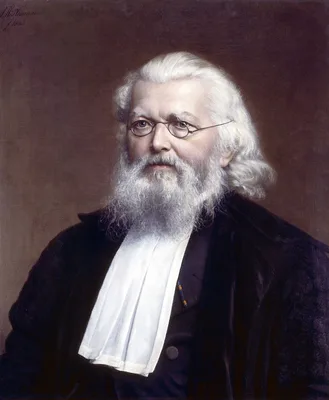
Exhaustive history of the microscope. The work was translated into German, appearing (second edition) in 1866; this last was reprinted Amsterdam, 3 vols., 1970. Digital facsimile of the first edition in Dutch from wel…
1932 CE
#271
The history of the microscope.

A classic history of microscopes up to 1800.
1983 CE
#272
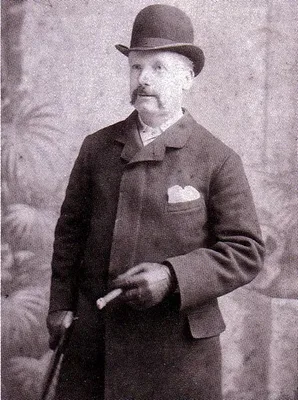
History of staining by Harold J. Cohn. 3rd edition by George C. Lusk and Frederick H.Kasten.
1963 CE–1966 CE
#273
Geschichte der Mikroskopie. 3 vols.
A biographical history.
1476 CE
#274
De animalibus. Translated by Theodorus Gaza. Edited by Ludovicus Podocarthus.
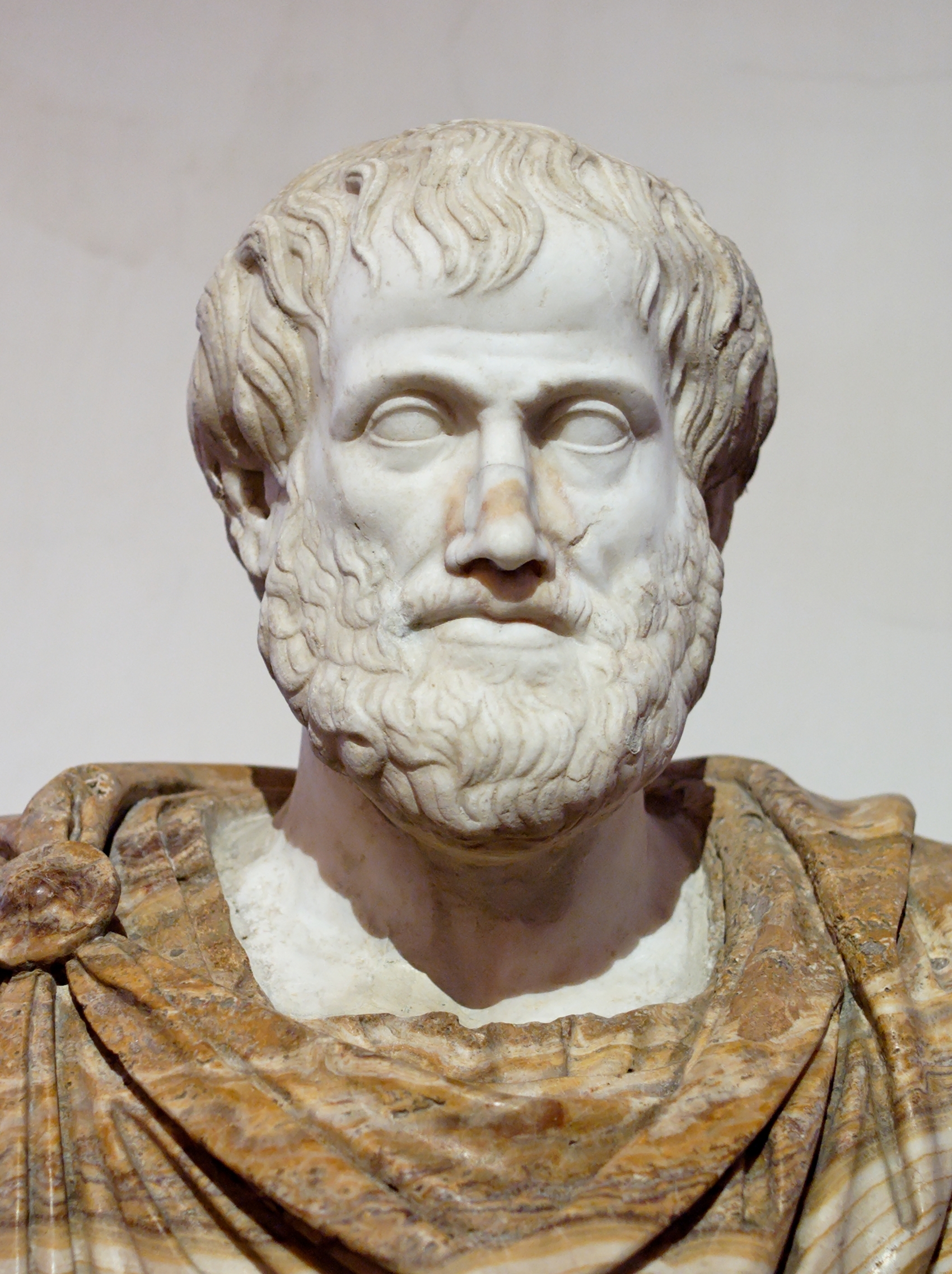
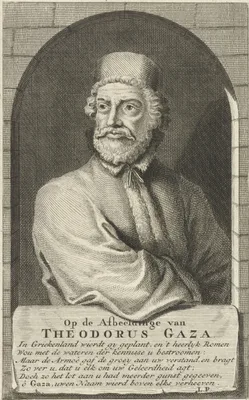
Includes Aristotle's De historia animalium, De partibus animalium, and De generatione animalium. Aristotle was the first scientist to gather empirical evidence about the biological world through observation. By his ca…
1478 CE
#276
De animalibus. Edited by Fernandus Cordubensis (Fernando de Córdoba).
Albertus was a Dominican monk and the most eminent naturalist of the 13th century; his work on animals contained a good deal of personal observation. He was the first to comment on virtually all of the writings of Ari…
1544 CE
#277
Avium praecipuarum, quarum apud Plinium et Aristotelem mentio est, brevis et succincta historia.
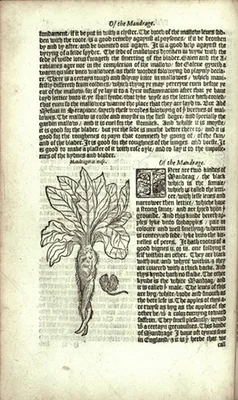
The first book on birds with clear descriptions of the appearance of individual birds based on the author’s own experiences and observations. Turner attempted to determine those birds named by Aristotle and Plin…
1551 CE
#278
L'histoire naturelle des estranges poissons marins, avec la vraie peincture & description du daulphin, & de plusieurs autres de son espece.
![BELON, Pierre [Pierre Belon du Mans; Petrus Bellonius Cenomanus] (1517 – 1564)](/media/portraits/9632)
This, Belon’s first biological work, is regarded as the earliest modern scientific work in the field of comparative anatomy. Finely illustrated with woodcuts. Digital facsimile from the Internet Archive at this …
1553 CE
#279
De aquatilibus, libri duo cum [epsilon] [iota] conibus ad viuam ipsorum effigiem, quoad eius fieri potuit, expressis.
Considerably expanded from Belon's work of 1551. Digital facsimile from the Internet Archive at this link.
1551 CE–1587 CE
#280
Historia animalium. 5 vols.
Gesner's Historia animalium is considered one of the starting points of modern zoology; it contains 4,500 pages and nearly 1,000 woodcuts, some by Albrecht Dürer. The illustrations are the first original zoologic…
1552 CE
#281
De differentiis animalium.
Basing his work on Aristotle, Wotton rejected the fantastic additions which had accrued to the writings of the latter during the Middle Ages. His book was beautifully printed but not illustrated. Digital facsimile fro…
1554 CE–1555 CE
#282
Libri de piscibus marinis, in quibus verae piscium effigies expressae sunt. (Universae aquatilium pars altera.) 2 vols.
Rondelet wrote this book with the idea of verifying Aristotle, but in it he described many forms of fishes for the first time. The book is an accurate account of his investigation of Mediterranean fishes and marine an…
1555 CE
#283
L'histoire de la nature des oyseaux, avec leurs descriptions, et naïfs portraicts retirez du naturel escrite en sept livres.
Belon’s book on birds is well illustrated, including plates of the skeletons of man and bird side by side and in the same posture, to compare them bone for bone. Digital facsimile from the Internet Archive at th…
1575 CE
#284
Lectiones Gabrielis Falloppi de partibus similaribus humani corporis, ex diversis exemplari eus a Volchero Coiter summa cum diligentia collecta. His accessere diversorum animalium sceletorum explicationes iconibus artificiosis, et genuinis illustratae.
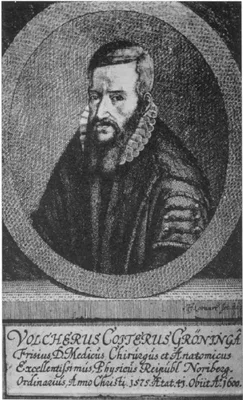
Coiter, a pupil of Fallopius and Eustachius, became town physician of Nuremberg. His book on comparative osteology, contained in his edition of the lectures of Fallopius, extended his studies begun in his work of 1572…
1598 CE
#285
Dell’anotomia, et dell’infermità del cavallo.
In 1598 Conte Ottavio Ruini edited and had published in Bologna, with a dedication to Cardinal Pietro Aldobrandini, Dell'anotomia [sic], et dell'infirmita del cavallo [Book ii: Dell'infirmita del cavallo] by il marche…
1632 CE
#287
Thaumatographia naturalis, in decem classes distincta, in quibus admiranda 1 Coeli. 2 Elementorum. 3 Meteororum. 4 Fossilium. 5 Plantarum. 6 Avium. 7 Quadrupedum. 8 Exanguium. 9 Piscium. 10 Hominis.
A unillustrated pocket guide, issued in duodecimo format on "admiranda" or wonders of nature organized in ten categories (heaven, earth, and topics relating to meteors, fossils or minerals, plants, birds, quadrupeds, …
1634 CE
#288
Insectorum sive minimorum animalium theatrum: Olim ab Edoardo Wottono, Conrado Gesnero, Thomaque Pennio inchoatum: Tandem Tho. Movfeti Londinâtis operâ sumptibusque maximis concinnatum, auctum, perfectum: Et ad vivum expressis iconibus suprà quingentis illustratum.
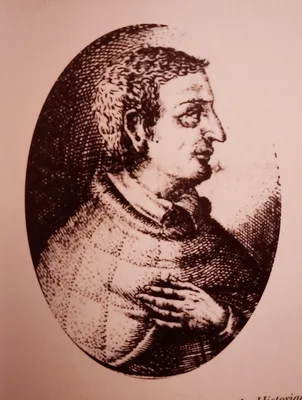
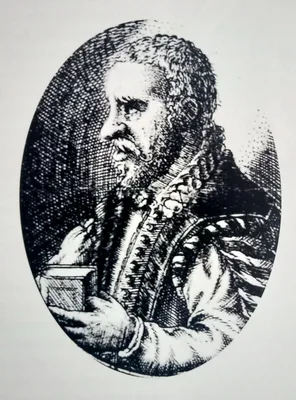
Edited for publication, and with an introduction by Théodore de Mayerne. Moffet, or Muffet, travelled extensively in Europe and kept copious notes of his observations on insects. He "first studied silkworms whi…
1645 CE
#289
Zootomia Democritaea: Id est, anatome generalis totius animantium opificii....
One of the most important of the early works on comparative anatomy. It includes the Anatomia porci, attributed to Copho of Salerno. Severinus dissected many animals and was convinced that the microscope would throw l…
1599 CE–1667 CE
#290
Opera omnia. 13 vols.
Aldrovandi, first director of the botanical garden at Bologna, was a prolific writer. Some of his writings made their first appearance in print after his death. He designed them as a whole to form an enormous illustra…
1662 CE–1669 CE
#291
Metamorphosis naturalis, ofte historische beschryvinghe.... 3 vols.
Engraved frontispieces in Latin; text in Dutch. None of the volumes is dated. An edition in Latin, also undated, was issued by the same publisher in 3 vols. during the same years with the following title: Metamorphosi…
1668 CE
#292
Onomasticon zoicon, plerorumque animalium differentias & nomina propria pluribus linguis exponens. Cui accedunt mantissa anatomica, et quaedam de variis fossilium generibus.
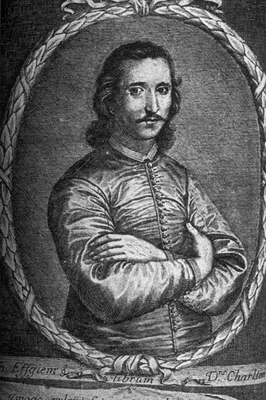
Gives a list of the English, Latin, and Greek names of all the then known animals. Digital facsimile from the Internet Archive at this link.
1669 CE
#293
Dissertatio epistolica de bombyce.
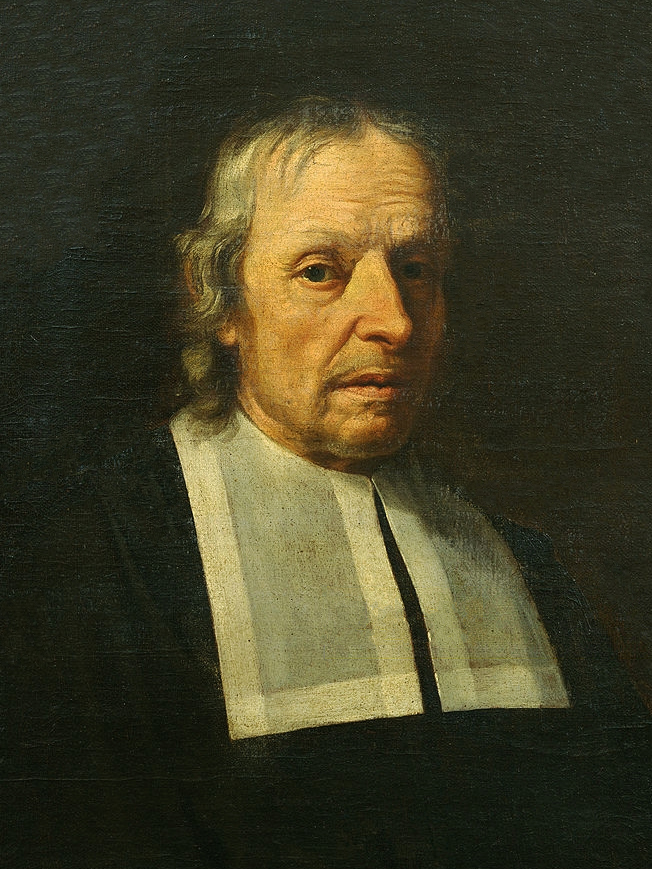
Malpighi’s work on the silkworm represents the first monograph on an invertebrate and records one of the most striking pieces of research work on his part. He dissected the silkworm under the microscope with gre…
1669 CE
#294
Historia insectorum generalis. 2 pts.
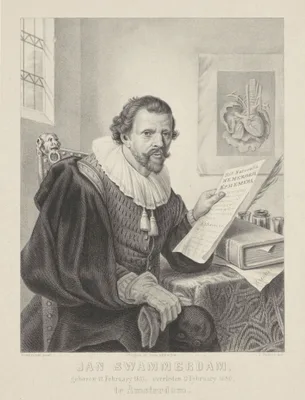
Swammerdam, one of the greatest of the early microscopists, spent much time on the study of insects, and mapped out a natural classification of them.
1671 CE–1676 CE
#295
Mémoires pour servir à l’histoire des animaux. 2 vols.
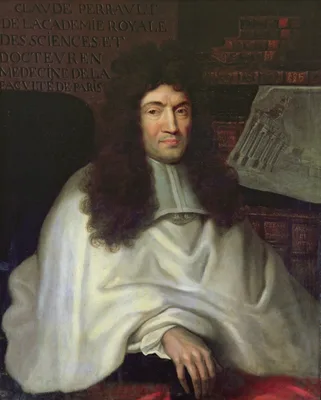
Perrault was the leader of a team of comparative anatomists that included Guichard Joseph Duverney, Jean Pecquet, Moyse Charas and Philippe de la Hire; they were often called the “Parisians” in contemporar…
1681 CE
#296
Anatome animalium, terrestrium variorum, volatilium, aquatilium, serpentum, insectorum, ovorumque, structuram naturalem, ex veterum, recentiorum, propriisque observationibus proponens, figuris variis illustrata.
“The first comprehensive manual of comparative anatomy based on the original and literary researches of a working anatomist” (Cole). Blaes anticipated Cowper in finding the Cowper’s glands, which he …
1681 CE
#297
Musaeum Regalis Societatis, or a catalogue and description of the natural and artificial rarities belonging to the Royal Society and preserved at Gresham College. Whereunto is subjoyned the comparative anatomy of stomachs and guts.
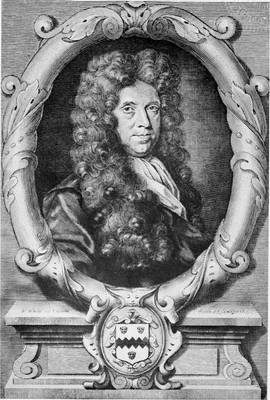
Grew, secretary to the Royal Society, compiled this illustrated catalogue of its museum, then housed at Gresham College. Published with the catalogue is Grew’s study of the stomach organs, which is the first zoo…
1683 CE
#298
The anatomy of an horse.
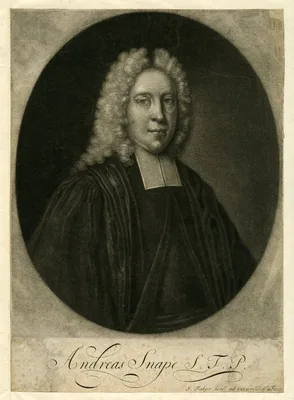
First book in English on equine anatomy, largely a translation of Ruini (No. 285).
1693 CE
#299
Synopsis methodica animalium quadrupedum et serpentini generis.
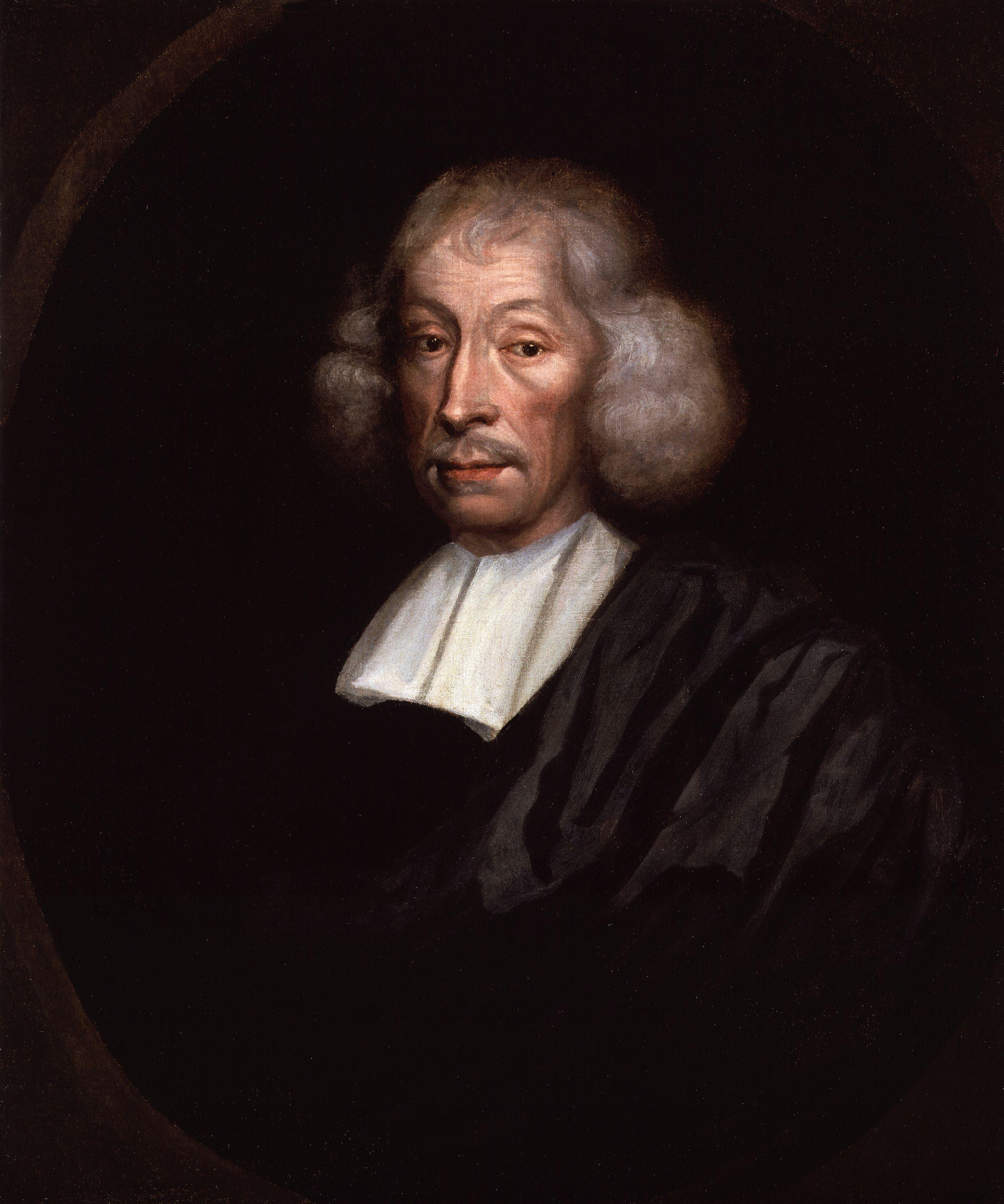
This work contains the first really systematic classification of animals. Much of its general arrangement of animals survives in modern systems of classification.
1600 CE–1601 CE
#1540
De vocis auditusque organis historia anatomica. 2 pts.
Casseri, originally a servant to Fabrizio, was personally trained by his employer and eventually succeeded to Fabrizio’s chair of anatomy. Like Fabrizio, who studied the development of the chick for clues to hum…