
Entry Nos. 1900–1999
93 Garrison-Morton entries in this range.
1938 CE
#1952
Treatment of pneumonia with 2-(p-aminobenzenesulphonamido) pyridine.
Clinical proof of the value of sulphapyridine. M & B 693 (sulphapyridine) treatment of pneumonia. This followed the experimental work of L. E. H. Whitby (see No. 1951).
1940 CE
#1953
Chemotherapie akuter Infektionskrankheiten durch Ciba 3714 (Sulfanilamidothiazol).
First important clinical trial of sulfathiazole.
1940 CE
#1954
Sulfanilylguanidine: a chemotherapeutic agent for intestinal infections.
Sulphaguanidine was introduced by E. K. Marshall, A. C. Bratton, H. J. White, and J. T. Litchfield.
1940 CE
#1955
Chemotherapy, II. Some sulfanilamido heterocycles.
Synthesis of sulphamerazine, by R. O. Roblin, J. H. Williams, P. S. Winnek, and J. P. English.
1941 CE
#1956
Sulfadiazine. Therapeutic evaluation and toxic effects on four hundred and forty-six patients.
Introduction of sulphadiazine. With E. Strauss and O. L. Peterson.
1941 CE
#1957
Succinyl sulfathiazole, a new bacteriostatic agent locally active in the gastrointestinal tract.
Introduction of sulfasuxidine.
1942 CE
#1958
Sulphamethazine: Clinical trial of a new sulphonamide.
Sulfadimidine (also spelled Sulphadimidine) with G. S. Smith, R. W. Luxton, W. A. Ramsay, and J. Goldman. [Also designated as Vol. 239 by publishers of The Lancet.]
1519 CE
#1959
Galeni methodus medendi, vel de morbis curandis.
![GALEN, [Κλαύδιος Γαληνός; Galen of Pergamon] (129 – 216)](/media/portraits/21)
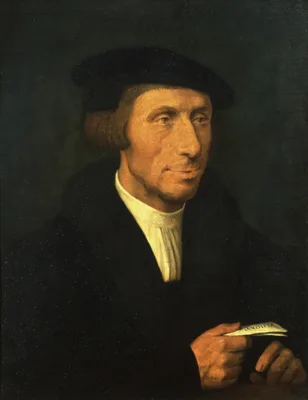
The first separately published Latin translation from the Greek by Thomas Linacre. Galen's Method of medicine was a systematic and comprehensive account of the principles of treating injury and disease and one of Gale…
1492 CE
#1960
Thesaurus pauperum. [Italian:] Tesoro de poveri. Tr: Zucchero Bencivenni.
One of the most popular medical books of the Middle Ages; first written about 1260. After its first printing about 1492 it was reprinted many times in the next 100 years. "Petrus Hispanus was the only practicing physi…
1487 CE
#1961
De particularibus diaetis.
The first separately printed treatise on diet was written by the Egyptian-Jewish physician and philosopher Isaac Judaeus who lived from about 832 to 932 CE. He was also known as Isaac Israeli ben Solomon and Abu Ya'qu…
1665 CE
#1962
Clysmatica nova; oder newe Clystier-Kunst.
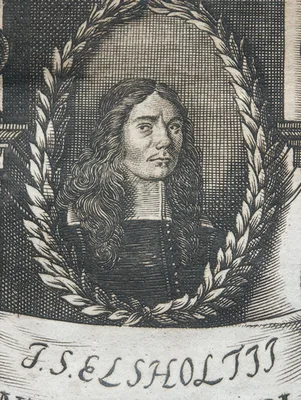
Elsholtz’s book on the venous infusion of medicaments was one of the first works to deal with blood transfusion. Latin edition in 1667; English translation in 1677. Reprint of Latin 1667 edition, Hildesheim, G. …
1667 CE
#1963
Chirurgia infusoria.
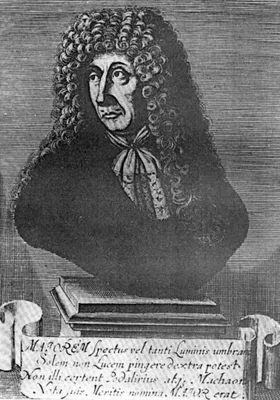
Major, the first Professor of Medicine at Kiel, was the first to make successful intravenous injections of drugs into the human body, in 1662. Sir Christopher Wren in 1656 had injected wine and ale into the veins of a…
1777 CE–1790 CE
#1964
Rationis medendi in nosocomio practico Vindobonensi. 7 pts.
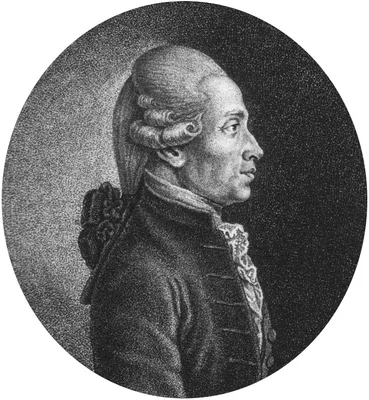
A detailed record of Stoll’s practice year by year, between 1777 and 1790, giving numerous case histories and providing descriptions of diseases.
1792 CE–1794 CE
#1965
De curandis hominum morbis epitome. 6 vols.
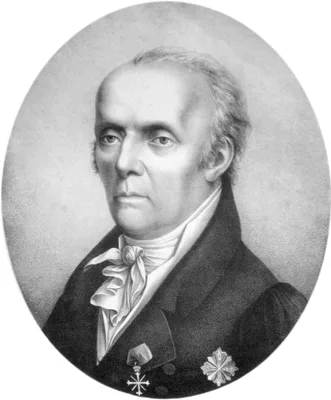
1810 CE
#1966
Organon der rationellen Heilkunde.
Hahnemann, the founder of homeopathy, embodied his theories in the Organon. The minute doses set down by him did much to correct the evils of the polypharmacy of his time, in which overdosage was pervasive. Hahnemann …
1836 CE–1839 CE
#1967
Traité de thérapeutique et de matière médicale. 2 vols.
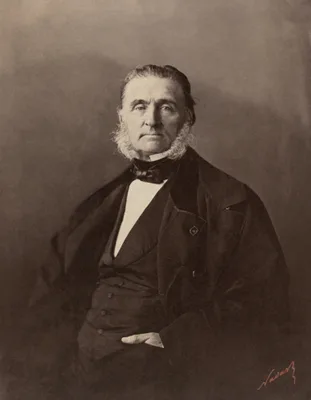
“A valuable work of reference, containing a large amount of information on the various articles or the materia medica, collected from the best authorities, interspersed with much original matter” (Waring).
1845 CE
#1968
Neuralgia - introduction of fluid to the nerve.
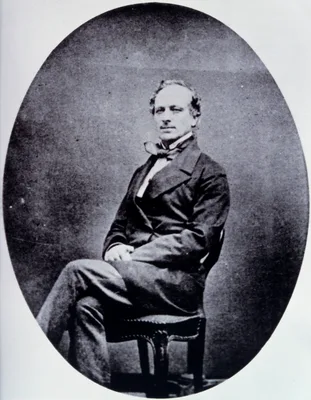
Rynd, an Irish physician, invented the hollow needle used in hypodermic syringes. The description of his instrument is given in Dublin Quart. J. med. Sci., 1861, 32, 13.
1855 CE
#1969
New method of treating neuralgia by the direct application of opiates to the painful joints.
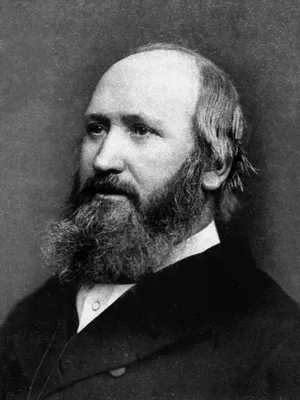
Wood of Edinburgh was the first (1853) to employ hypodermic injection that used a true syringe and hollow needle as a therapeutic procedure. He referred to his invention as "subcutaneous" rather than hypodermic. See a…
1874 CE
#1972
A treatise on therapeutics.
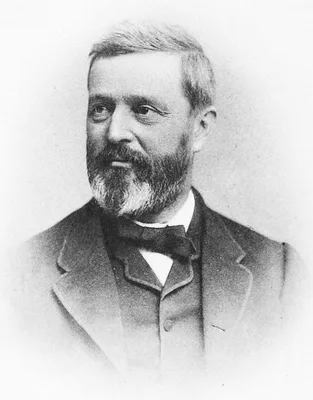
Wood was a professor of botany (1866-76), therapeutics (1875-1907) and nervous diseases (1875-1901) in the University of Pennsylvania. In his book the effects of various drugs in small doses was first discussed; it al…
1892 CE
#1973
An introduction to modern therapeutics, being the Croonian Lectures on the relationship between chemical structure and physiological action.
One of the best known of Lauder Brunton’s works.
1910 CE
#1975
La thérapeutique en vingt médicaments.
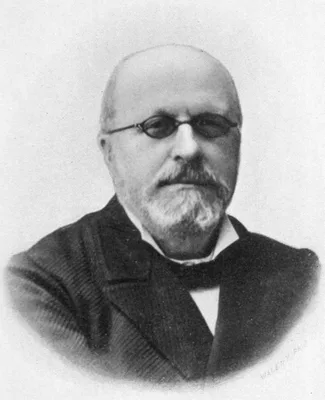
Huchard and Fiessinger suggested that actual drug therapy should be limited to 20 medicaments.
1914 CE
#1976
Plasma removal with return of corpuscles (plasmaphaeresis).
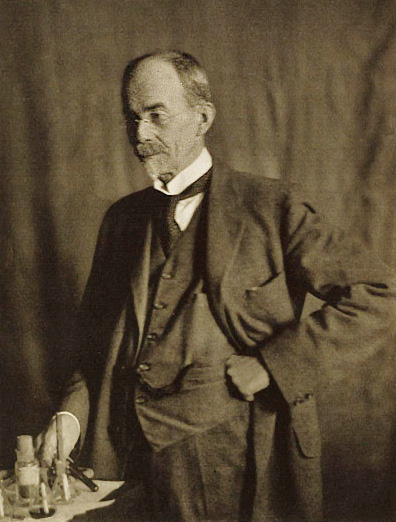
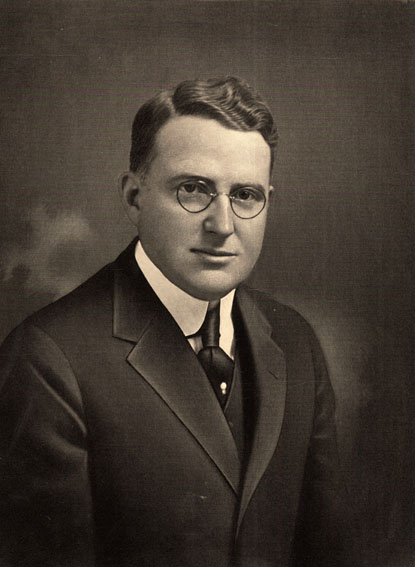
Report of a method of removal of plasma from the living animal, with return of the corpuscles after washing and separation by centrifugalization. See the authors' earlier papers in the same journal, 1914, 5, 275-316, …
1917 CE
#1977
The therapeutic administration of oxygen.
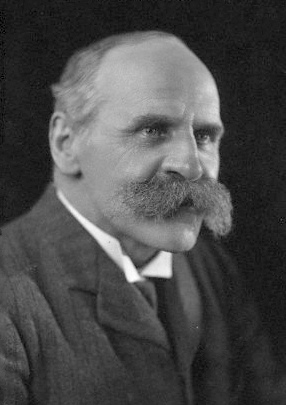
Haldane initiated oxygen therapy.
1929 CE
#1978
The use of a new apparatus for the prolonged administration of artificial respiration. I. A fatal case of poliomyelitis.
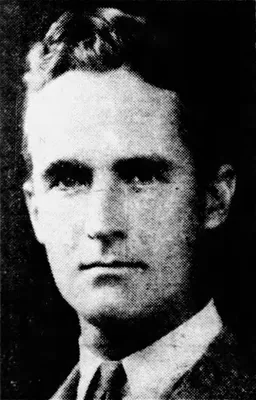
The Drinker respirator (“iron lung”).
1932 CE
#1979
Actuation of the inert diaphragm by a gravity method.
Eve’s method of artificial respiration.
1938 CE
#1981
Oxygen for therapy and aviation: an apparatus for the administration of oxygen or oxygen and helium by inhalation.
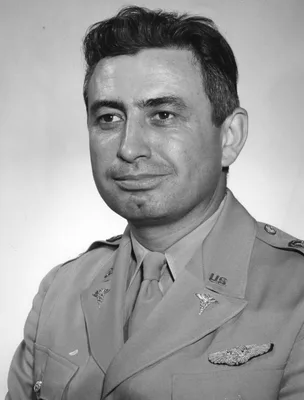
1938 CE
#1982
Design and construction of the masks for the oxygen inhalation apparatus.
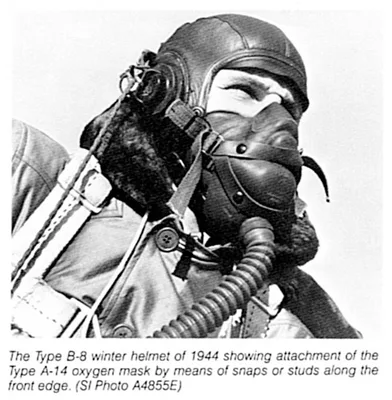
The B. L. B. (Boothby-Lovelace-Bulbulian) mask. See also No. 1981.
1940 CE
#1983
Rapid absorption of substance injected into the bone marrow.
Tocantins demonstrated the possibility of transfusion of fluids via the bone marrow. See also later paper with J. F. O’Neill, Surg. Gynec. Obstet., 1941, 73, 281-87.
1841 CE
#1984
Des Asclepiades von Bithynien Gesundheitsvorschriften, nach den vorhandenen Handschriften zum ersten Male vollständig bearbeitet und erläutert. Von Robert Ritter von Welz.
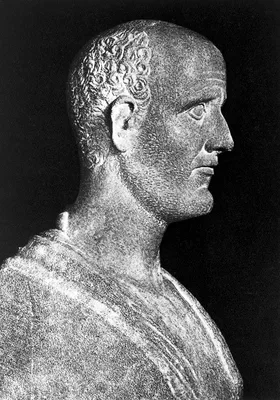
The Greek physician Asclepiades acquired a great reputation in Rome. His remedies included change of diet, friction, bathing, and exercise. The above edition includes Greek, Latin, and German texts. Digital facsimile …
1914 CE
#1985
De sanitate tuenda ed. K. Koch. Corpus Medicorum Graecorum V, 4, 2, 1-198
English translation by R. M. Green, Springfield, Ill., 1951.
1553 CE
#1986
De balneis omnia quae extant apud Graecos, Latinos, et Arabas.
DE BALNEIS
This is a collective work, incorporating the writings of more than 70 authorities, among whom may be mentioned Avicenna, Averroës, Avenzohar, Guainerio, Gesner, Savonarola, Petrus de Abano, and Maimonides. It giv…
1737 CE
#1987
Unterricht von der wunderbare Heilkraft des frischen Wassers bei dessen innerlichem und äusserlichem Gebrauche durch die Erfahrung bestätigt.
The treatment of fevers by means of the cold pack was revived by S. Hahn and by his son J. S. Hahn; in his treatise, the latter advised the use of water in all diseases. A seventh edition of the book appeared as recen…
1797 CE
#1988
Medical reports, on the effects of water, cold and warm, as a remedy in fever and febrile diseases.
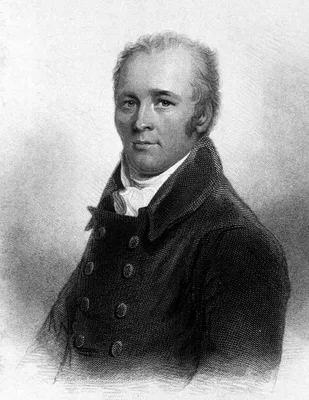
Currie was among the first in Britain to use cold water packs in the treatment of fever. He made some original observations on the clinical use of the thermometer. It was Currie who first edited Robert Burns’s C…
1803 CE
#1989
An introduction to electricity and galvanism.
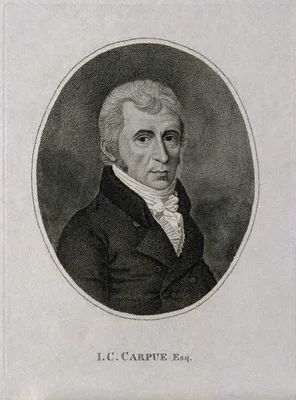
One of the first works in the English language entirely devoted to medical electricity. Carpue also played a key role in the development of rhinoplasty. See No. 5737.
1816 CE
#1990
Anleitung zur Darstellung und Anwendung aller Arten der kräftigsten Bäder und Heilwässer welche von Gesunden und Kranken gebraucht werden.
Döbereiner was the first to treat the subject of light therapy on a scientific basis.
1835 CE
#1992
The coldwater cure, its principles, theory, and practice.
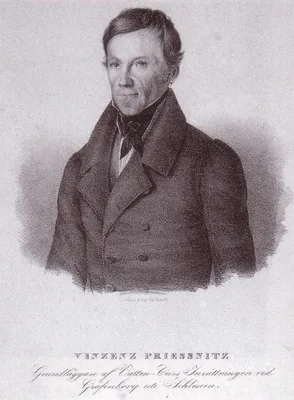
Priessnitz, a peasant farmer in Gräfenberg, Austrian Silesia, is generally considered the founder of modern hydrotherapy, which is used in alternative and orthodox medicine. Priessnitz stressed remedies such as s…
1834 CE
#1993
Gymnastikens allmänna grunder.
The foundation of modern gymnastics and therapeutic massage. Ling established the Swedish school of physiotherapy with his institute for training gymnastics teachers in Stockholm in 1813. He developed the ancient Gree…
1841 CE–1843 CE
#1994
Ueber den Galvanismus als chemisches Heilmittel gegen örtliche Krankheiten.
Crusell began to use electrolysis as a cauterizing agent in 1839. See No. 5604.
1855 CE
#1995
De l’électrisation localisée et de son application à la physiologie, à la pathologie, et à la thérapeutique.
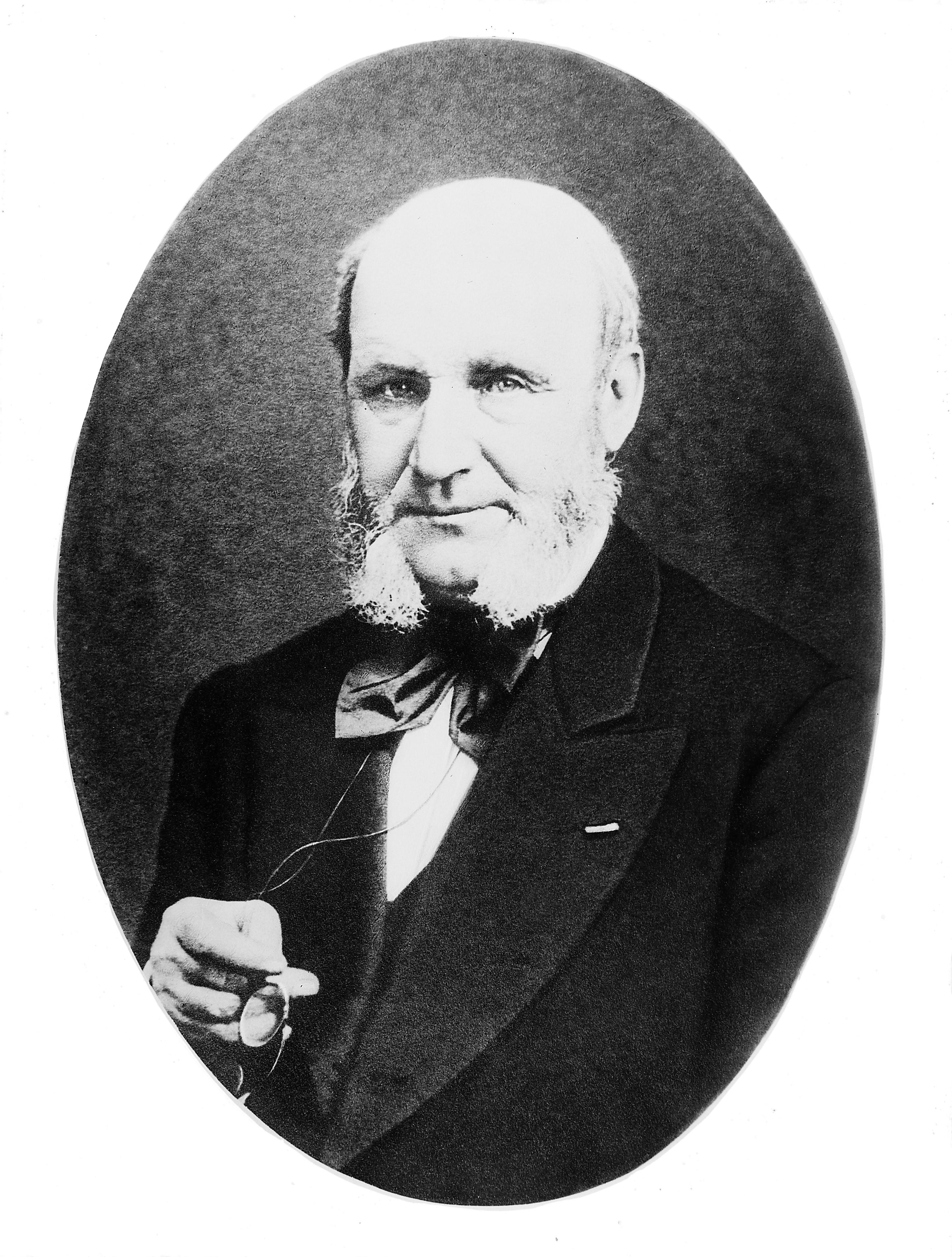
Duchenne classified the electrophysiology of the entire muscular system and summed up his findings in the above work. The application of his results to pathological conditions marks him as the founder of electrotherap…
1857 CE
#1996
Die Electricität in der Medicin.
Ziemssen confirmed Remak’s discovery of the motor points, established their exact location, and published exact instructions for finding the motor points for stimulating the various muscles of the body.
1877 CE
#1997
Researches on the effect of light upon bacteria and other organisms.
Downes and Blunt were the first to demonstrate the bactericidal action of sunlight; they regarded the germicidal property of light as depending on oxidation.
1877 CE
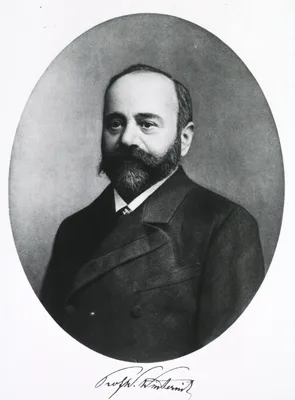
#1998
Die Hydrotherapie. 2 vols.
1892 CE
#1999
Recherches d’électrothérapie: la voltaisation sinusoïdale.
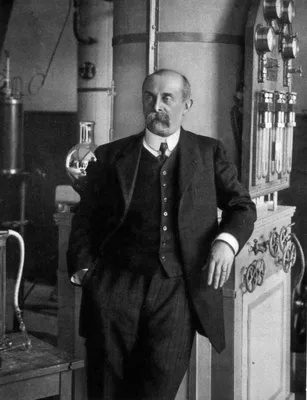
Introduction of high-frequency currents in electrotherapy.