
Entry Nos. 1500–1599
94 Garrison-Morton entries in this range.
1772 CE
#1550
De structura fenestrae rotundae auris, et de tympano secundario anatomicae observationes.
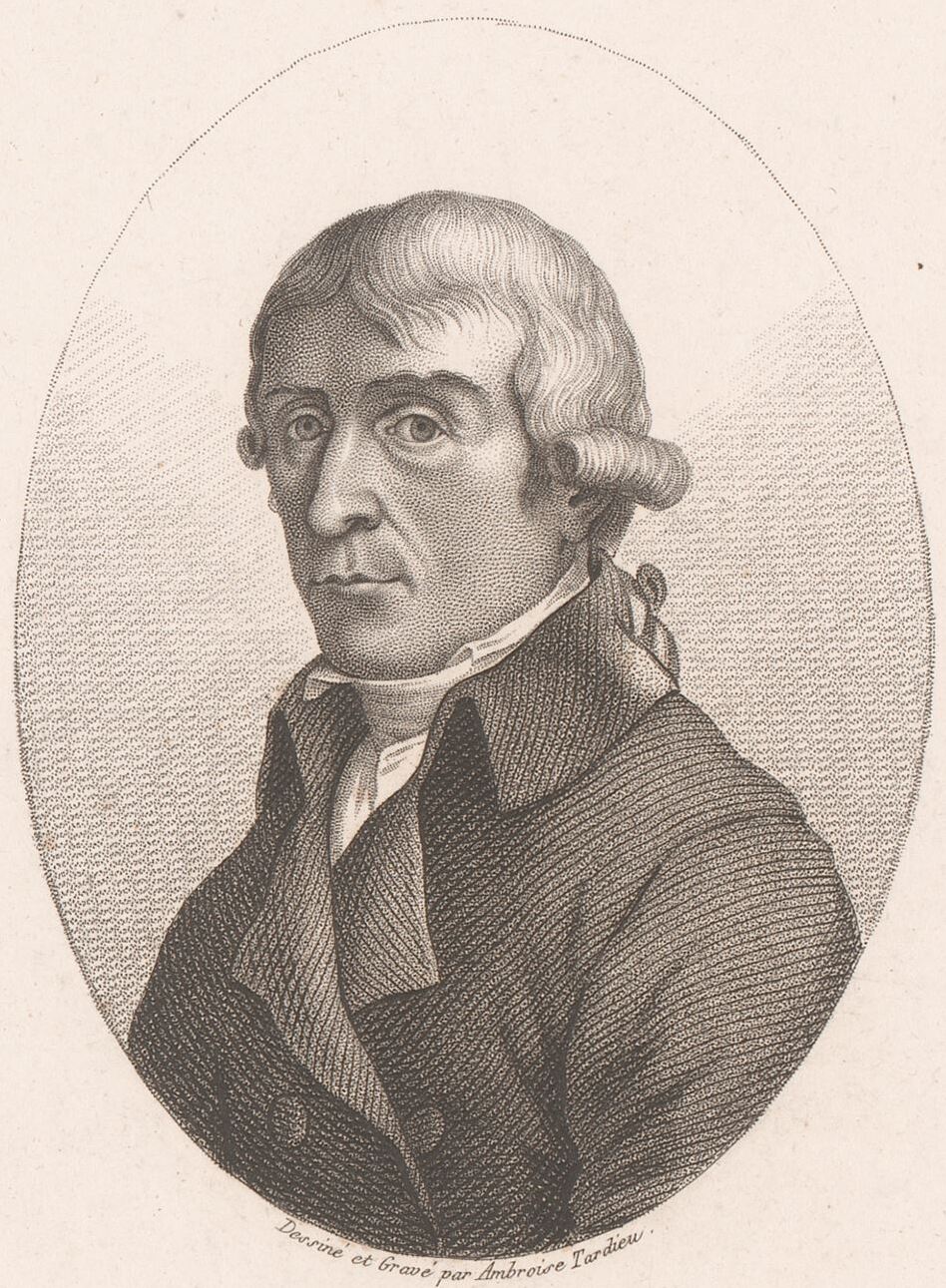
Scarpa’s first scientific work, a comparative anatomical investigation of the ear, in which he offered a more accurate and complete description of the osseous labyrinth and demonstrated the true function of the …
1778 CE
#1551
Dissertations sur l’organe de l’ouie. 1. De l’homme. 2. Des reptiles. 3. Des poissons.
1789 CE
#1552
Observationes anatomicae de aure interna comparata.
1799 CE
#1553
De penitiori ossium structura commentarius.
1806 CE
#1554
Abbildungen des menschlichen Hoerorganes
1818 CE
#1555
Supplementa ad otojatriam. Supplementum primum de anastomosi nervorum nova in aure detecta.
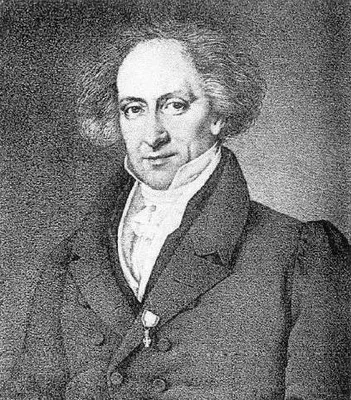
Jacobson described the tympanic canal, nerve, and plexus, all of which are named after him. In 1809 he discovered “Jacobson’s organ”, as reported two years later by G. Cuvier.
1820 CE
#1556
De aure et auditu hominis et animalium.
1828 CE
#1557
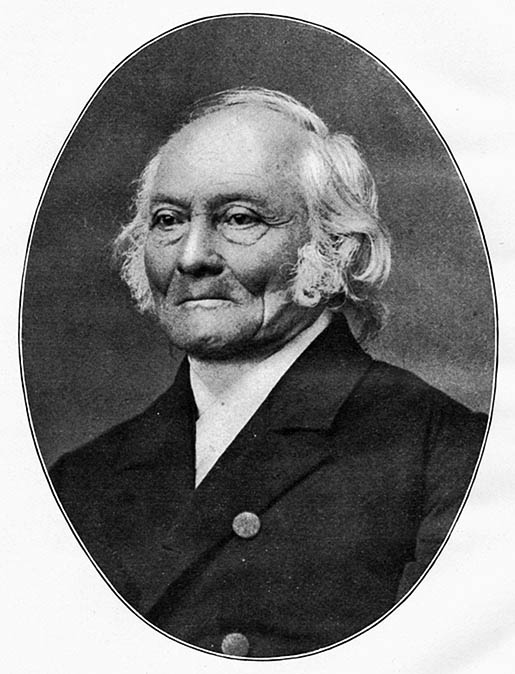
Expériences sur les canaux semi-circulaires de l’oreille chez les oiseaux.
Flourens showed that lesion of the semicircular canals produces motor incoordination and loss of equilibrium. Menière based his work (No. 3372) on Flourens’s crucial experiments.
1832 CE
#1558
On the form and structure of the membrana tympani.
Description of the pars flaccida (“Shrapnell’s membrane”) of the tympanic membrane.
1851 CE
#1559
Recherches sur l’organe de l’ouïe des mammifères.
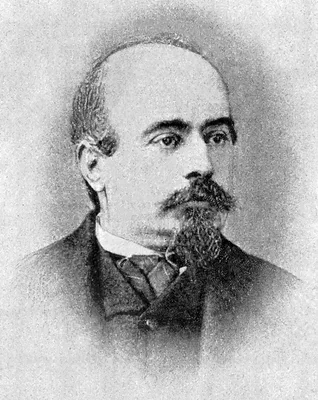
Corti made important investigations on the finer anatomy of the mammalian cochlea. The “organ of Corti” in the cochlea is named after him.
1851 CE
#1560
De auris internae formatione.
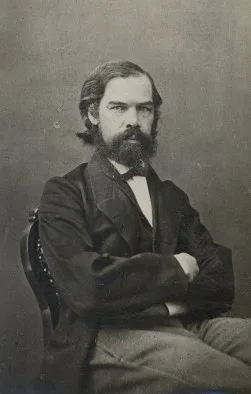
Description of the vestibular membrane (“Reissner’s membrane”).
1858 CE
#1561
Ueber die Endigungsweise des Hörnerven im Labyrinth.
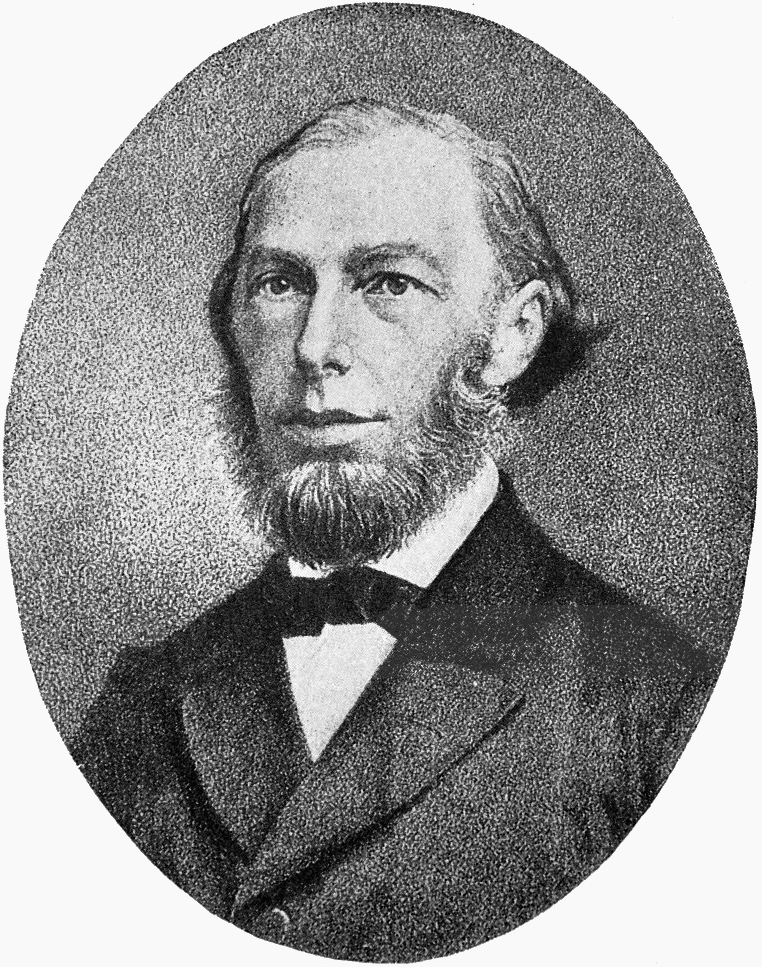
Schultze’s great monographs on the nerve-endings of the sense organs were of prime importance in the development of the science of histology. Besides that dealing with the internal ear, he wrote others dealing w…
1863 CE
#1562
Die Lehre von der Tonempfindungen als physiologische Grundlage für die Theorie der Musik.
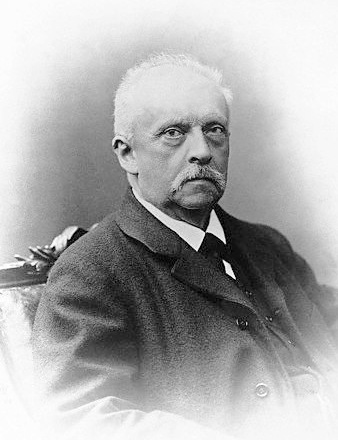
Helmholtz’s theory of hearing, upon which all modern theories of resonance are based. This exhaustive study of acoustics ranks as one of the greatest books on the subject and shows that Helmholtz was, besides be…
1868 CE
#1563
Die Mechanik der Gehörknöchelchen und des Trommelfells.
Helmholtz’s study of the mechanism of the tympanum and ossicles of the middle ear did much to elucidate the phenomenon of audition. It includes a description of “Helmholtz’s ligament” of the ma…
1870 CE
#1564
Ueber die physiologische Bedeutung der Bogengänge des Ohrlabyrinths.
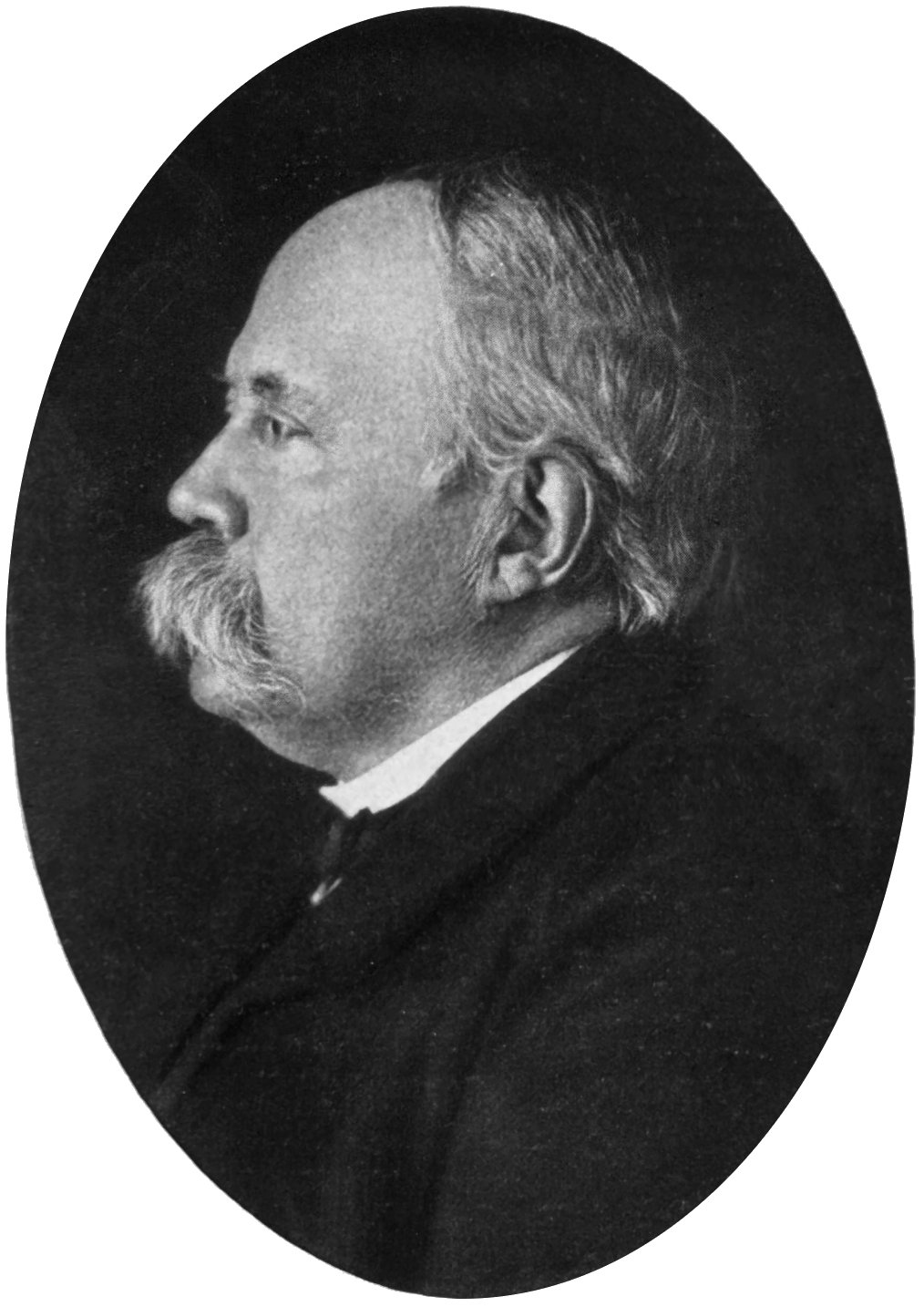
Goltz demonstrated the relation of vertigo and vestibular disturbance, showing that the former is a result of disease or irritation of the semicircular canals.
1881 CE–1884 CE
#1566
Das Gehörorgan der Wirbelthiere. 2 vols.
The most magnificent of all comparative anatomical studies of the ear, and the most beautiful studies of the ear after those of Casseri (No.1540). Retzius described the “Retzius bodies” in the labyrinth.
1894 CE
#1567
Die Lehren von den Funktionen der einzelnen Theile des Ohrlabyrinths.
Stein studied the functions of separate parts of the labyrinth. This is a translation from the Russian.
1894 CE
#1568
Zur Physiologie des Labyrinths. 3. Mittheilung. Das Hören der labyrinthlosen Tauben.
1895 CE
#1569
Zur Physiologie des Labyrinths. 4. Mittheilung. Die Beziehungen des Grosshirns zum Tonuslabyrinth.
1924 CE
#1570
The mechanism of the cochlea. A restatement of the resonance theory of hearing.
1882 CE
#1571
The experimental method in medical science.
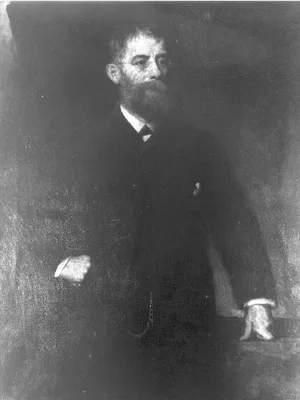
Dalton, Professor of Physiology at the universities of Buffalo and Vermont, and the College of Physicians and Surgeons, New York, was the first American to devote his time exclusively to that subject. He was present a…
1884 CE
#1572
Doctrines of the circulation.
1897 CE
#1573
A contribution to the history of the respiration of man.
1897 CE
#1574
Die historische Entwicklung der experimentellen Gehirn- und Rückenmarksphysiologie vor Flourens.
Unsurpassed coverage of the experimental physiology of the brain and spinal cord up to the work of Flourens. The best edition is the extensively annotated English translation as The historical development of experimen…
1901 CE
#1575
Lectures on the history of physiology.
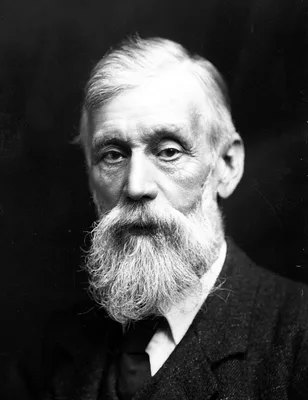
Reprinted 1924 and (Dover Pubs.), 1970.
1902 CE
#1576
Some apostles of physiology.
Well illustrated, and finely printed, but dated history, by a pupil of Ludwig. See No. 629.
1930 CE
#1577
Reflex action. A study in the history of physiological psychology.
Reprinted, New York, Hafner, 1964.
1934 CE
#1580
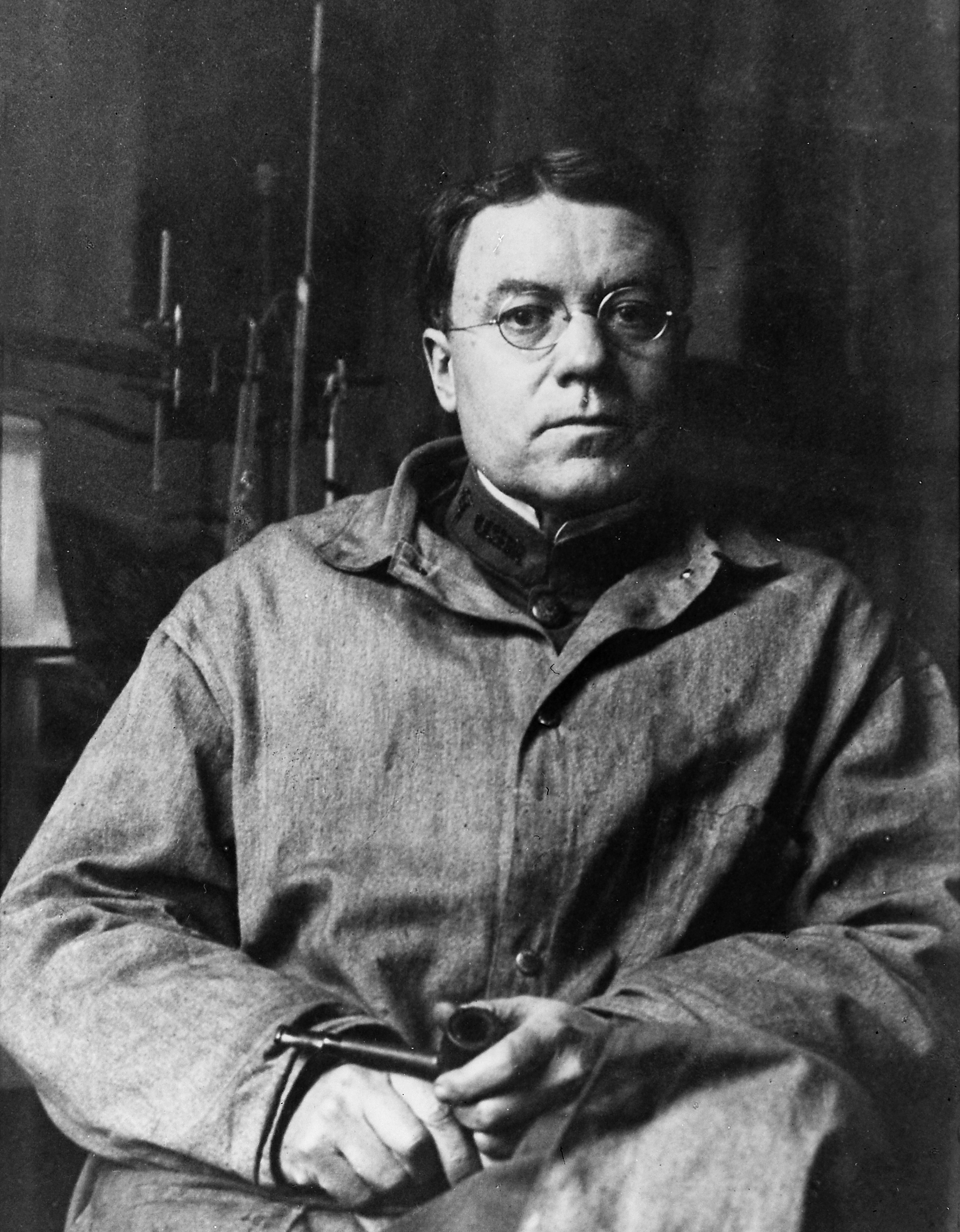
The story of the development of our ideas of chemical mediation of nerve impulses.
1935 CE
#1581
Geschichte der physiologischen Chemie.
Reprinted, Hildesheim, 1970.
1949 CE
#1583
A short history of physiology. 2nd ed.
1950 CE
#1584
The history of muscle physiology from the natural philosophers to Albrecht von Haller.
Acta Historica Scientiarum Naturalium et Medicinalium, Vol. 7.
1958 CE
#1586
The history and philosophy of knowledge of the brain and its functions: an Anglo-American symposium.
1960 CE
#1587
The discovery of the reflexes.
1963 CE
#1588
Hormone: Die Geschichte der Hormonforschung.
1487 CE
#1589
Frontinus: De aquaeductibus. Edited by Pomponius Laetus and Johannes Sulpitius Verulanus.
De aquaeductibus, or De aquis urbis Romae was written about 100 CE by the Roman senator Frontinus. Its title is sometimes translated as The Aquaducts of Rome, and most recently by Rodgers as On the Water-Management of…
1544 CE
#1590
A new booke entyteled the regiment of lyfe.
Translation by John Phaer of a book by Jehan Goeurot published in 1530. Garrison states that it is a version of the Regimen Sanitatis.
1547 CE
#1591
The breviary of helthe, for all manner of syckenesses and diseases the whiche may be in man, or woman doth folowe.
This, probably the earliest “modern” work on hygiene, throws some light on the condition of that subject in the 16th century.
1558 CE
#1592
Trattato de la vita sobria.
Garrison considered this “the best treatise on personal hygiene and the simple life in existence”. Cornaro was called the Apostle of Senescence. "When he was about 40, Cornaro found himself exhausted and i…
1596 CE
#1594
A new discourse of a stale subject, called the Metamorphosis of Aiax. Written by Misacmos to his friend Philostilpnos.
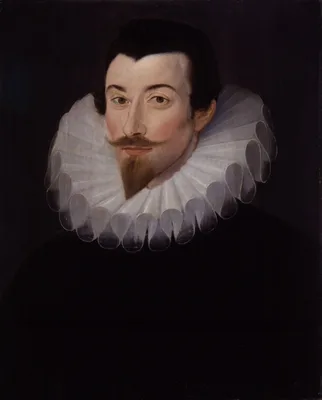
Harington invented a water-closet in which the disposal of excreta was for the first time controlled by mechanical means. He published several tracts on the device, the first appearing in 1596. These were elegantly re…
1724 CE
#1595
Medicina gerocomica; or the Galenic art of preserving old men’s healths.
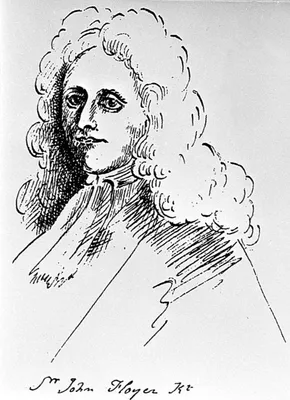
The first English book devoted to gerontology. Digital facsimile of the second edition (1725) from the Internet Archive at this link.
1743 CE
#1596
A description of ventilators.
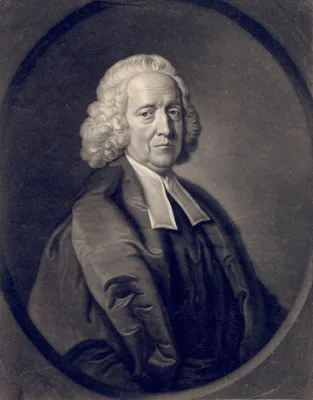
Hales devised a ventilator, by means of which fresh air could be introduced into jails, mines, hospitals, the holds of ships, etc. The invention met with immediate approval and contributed much towards health of those…
1761 CE
#1597
Avis au peuple sur la santé.
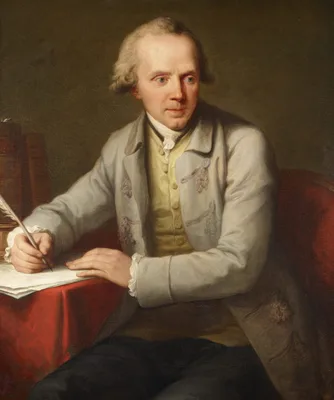
A tract on medicine written for the lay public; it ran through many editions and was translated into all European languages. It has been called "the greatest medical best-seller of the eighteenth century" (Singy, "The…
1777 CE
#1598
The state of the prisons in England and Wales.
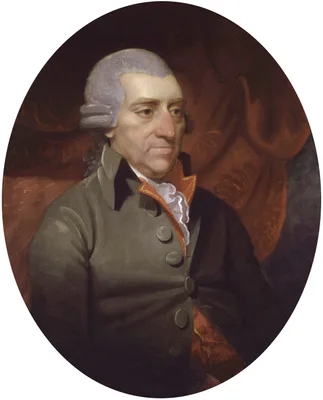
Howard devoted much of his life to the improvement of the conditions then prevailing in prisons. The publication of his book led to legislation abolishing abuses in prisons and providing for their proper cleaning. The…
1779 CE–1827 CE
#1599
System einer vollständigen medicinischen Polizey. 9 vols.
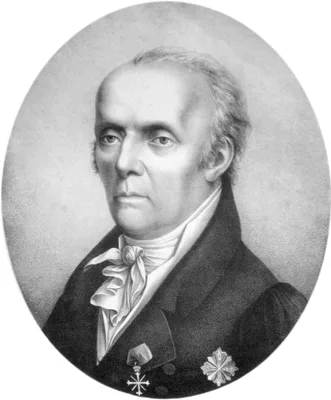
The first systematic treatise on public hygiene. Frank believed the ruler of a state should stand in the relation of a father to his children, among his duties being the safeguarding of the people’s health and t…