
Entry Nos. 100–199
83 Garrison-Morton entries in this range.
1813 CE
#159
Researches into the physical history of man.
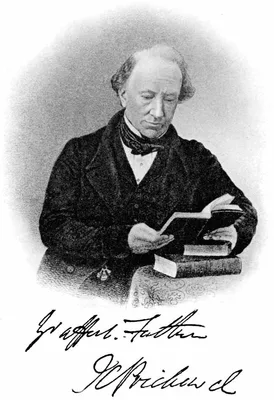
Prichard, a Bristol physician, classified and systematized facts relating to the races of men better than any previous writer. His interest in anthropology was stimulated by one of the pressing questions of his day: D…
1850 CE
#161
The races of men.
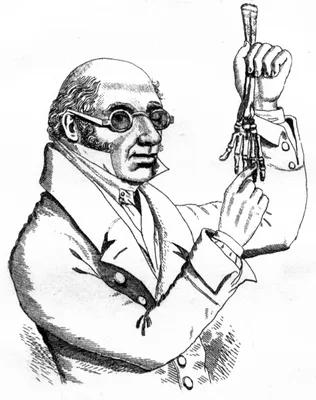
Knox, anatomist at Edinburgh, and notorious for his association with the resurrectionists, made important researches in the field of ethnology while serving as an army surgeon at the Cape of Good Hope.
1861 CE
#164
Unité de l’espèce humaine.
De Quatrefages was one of the most eminent French anthropologists.
1863 CE
#165
Evidence as to man’s place in nature.
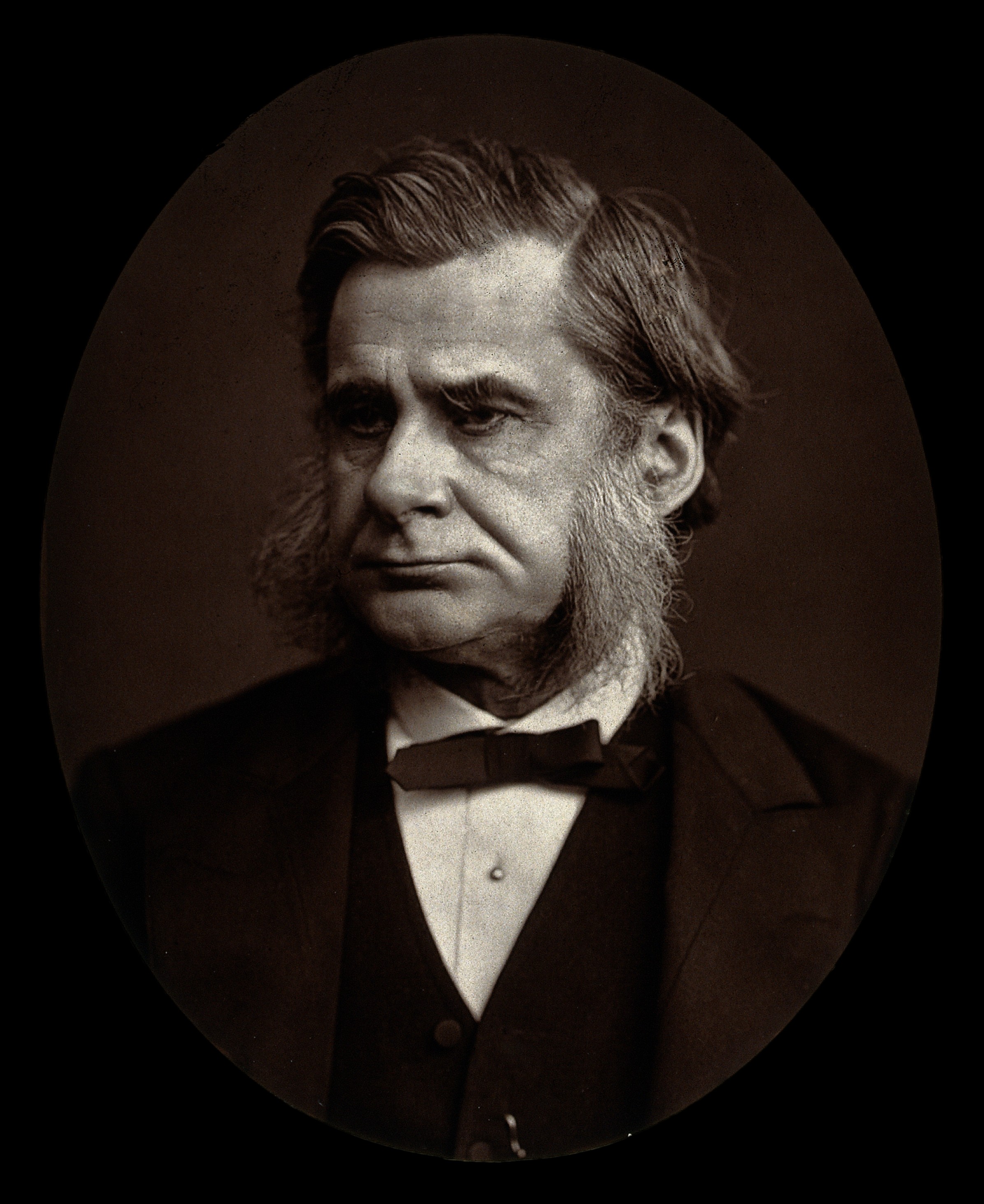
Huxley showed that in the visible characters man differs less from the higher apes than do the latter from lower members of the same order of primates. He also provided the first thorough and detailed comparative desc…
1862 CE–1866 CE
#167
On the methods and results of ethnology.
Includes Huxley’s classification of mankind by means of the hair. The full text was originally published in the Fortnightly Review, I, 1865, 257-76. The full text was reprinted in Huxley's Critiques and addresse…
1865 CE
#168
De la chevelure comme caractéristique des races humaines.
Pruner-Bey did the first important work on the classification of races according to texture and shape in section of hair. Digital facsimile from Persee.fr at this link.
1871 CE–1888 CE
#169
Mémoires d’anthropologie. 5 vols.
Most often remembered for his contributions to neurology, Broca was also among the greatest of the French anthropologists. He originated modern craniometry and in that connection devised many craniometric and craniosc…
1871 CE
#170
The descent of man, and selection in relation to sex. 2 vols.
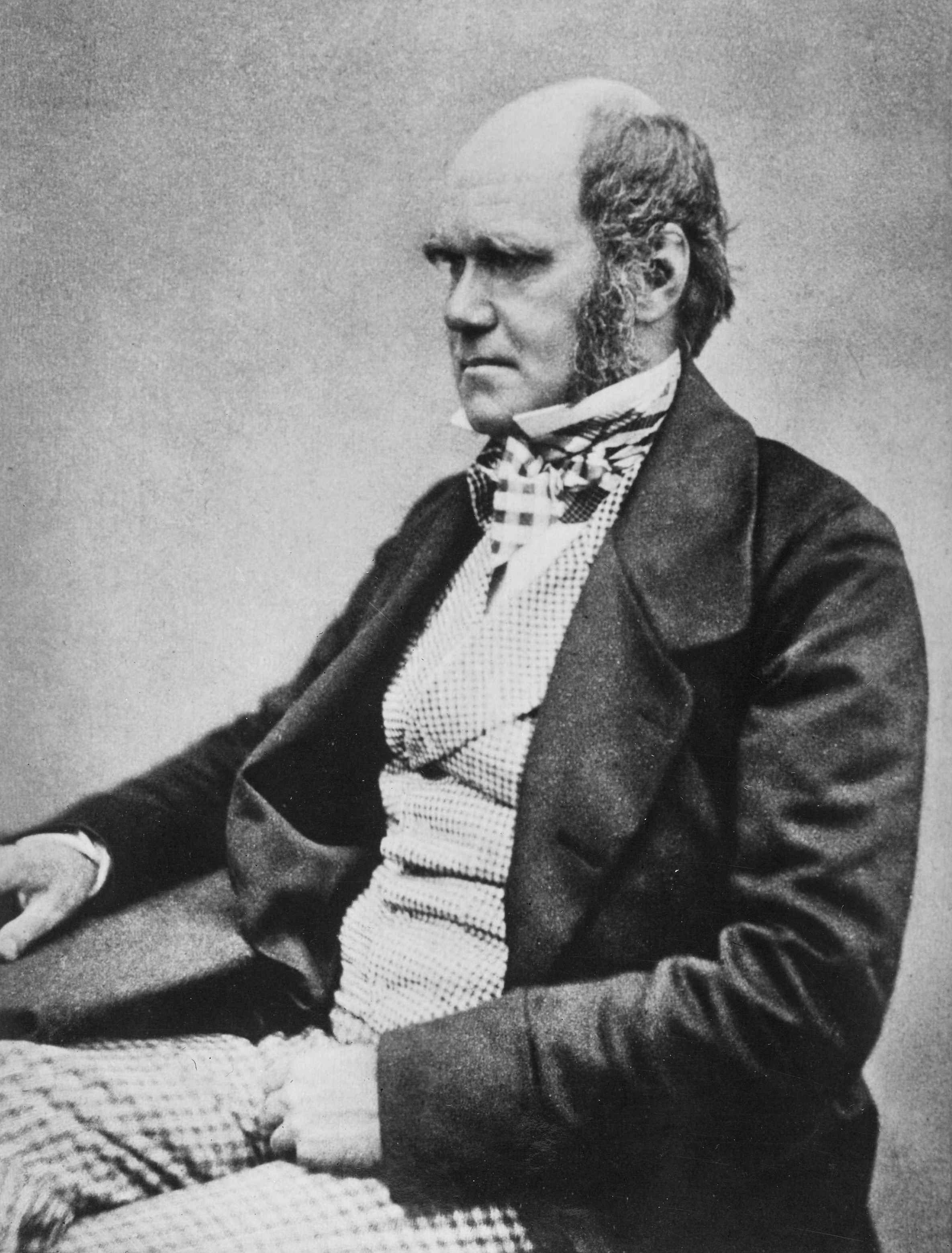
This is really two works. The first demolished the theory that the universe was created for humans while in the second Darwin presented a mass of evidence in support of his earlier hypothesis regarding sexual selectio…
1870 CE
#171
Anthropométrie, ou mesure des différentes facultés de l’homme.
In his classification of various populations, Quetelet adopted the plan of determining the standard or typical “mean man” as a basis, using stature, weight, or complexion, etc., as a measure in each partic…
1871 CE
#172
Primitive culture: Researches into the development of mythology, philosophy, religion, art, and custom. 2 vols.
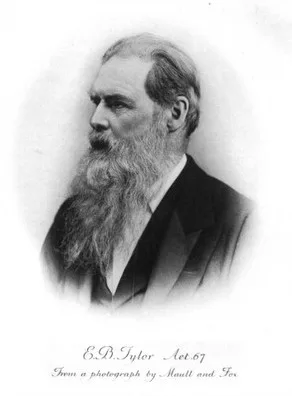
The standard work on primitive religion for many years. Tylor approached his subject from the point of view of psychology, exploring the nature of belief in spirits, omens, magic, etc. His work has important ties with…
1873 CE–1881 CE
#173
Descriptive sociology: A cyclopaedia of facts; representing the constitution of every type and grade of human society, past and present, stationary and progressive; classified and tabulated for easy comparison and convenient study of the relations of social phenomena. 8 pts.
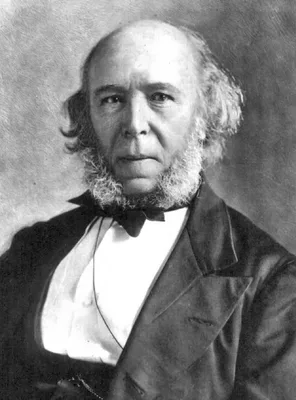
Spencer founded and edited this series.
1876 CE
#174
L’uomo delinquente, studiato in rapporto alla antropologia, alla medicina legale ed alle discipline carcerarie.
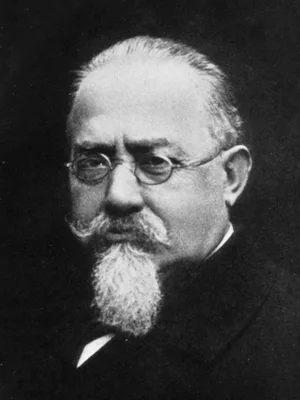
Lombroso inaugurated the doctrine of a “criminal type”. His systematic studies showed that in general the criminal population exhibits a higher percentage of physical, nervous and mental anomalies than the…
1876 CE
#175
L’anthropologie.
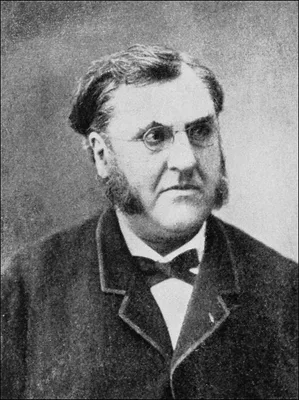
Topinard was curator of the museum of the Société d’Anthropologie de Paris. “Topinard’s angle” and “line”, both described in this book, are landmarks employed in anthr…
1877 CE
#176
Beiträge zur physischen Anthropologie der Deutschen. Mit besonderer Berücksichtigung der Friesen.
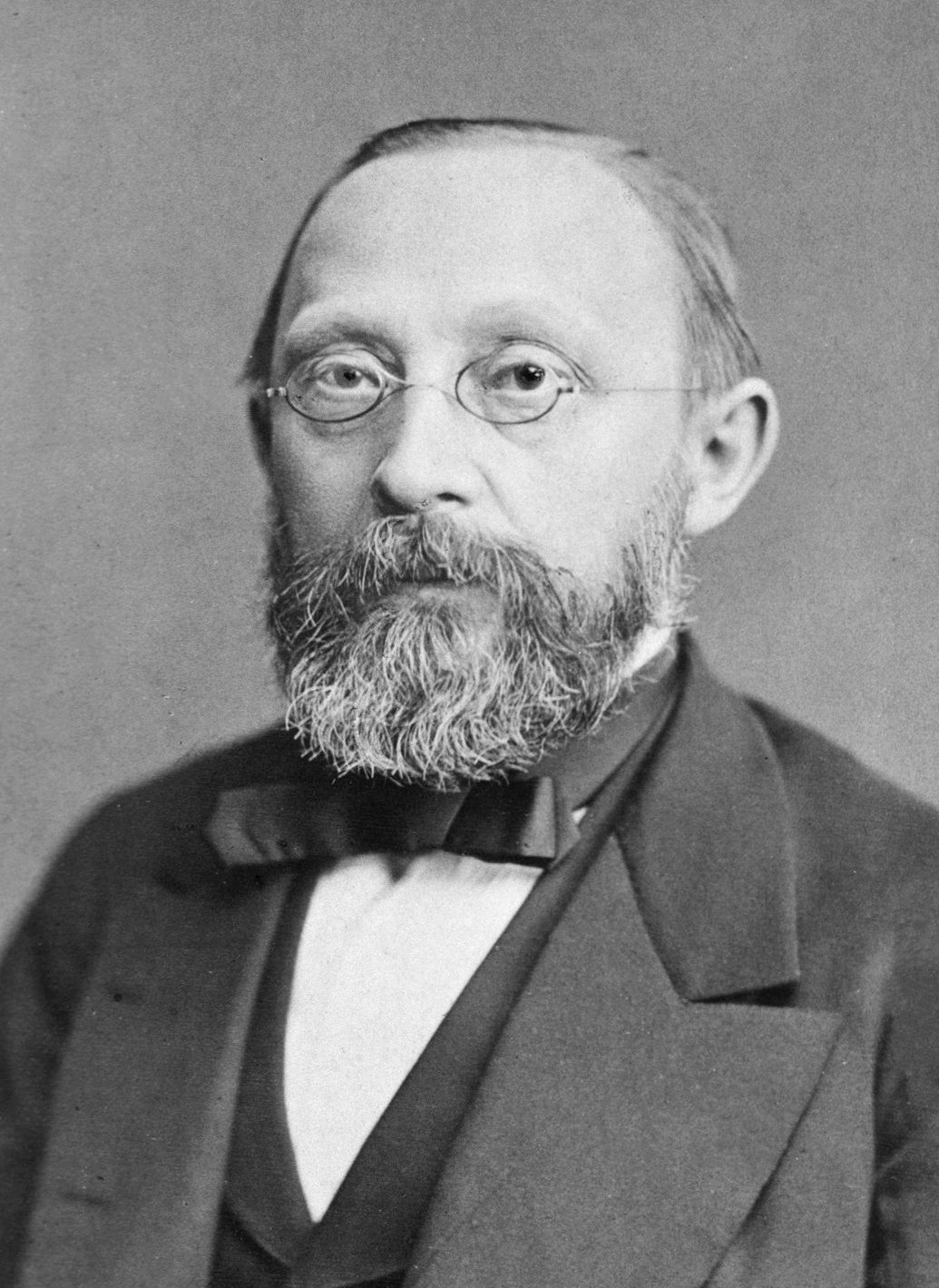
Virchow made an important survey of the physical characters of the German people. Outside pathology of which he was the Master, Virchow’s greatest scientific interest was anthropology.
1880 CE
#177
On the skin-furrows of the hand.
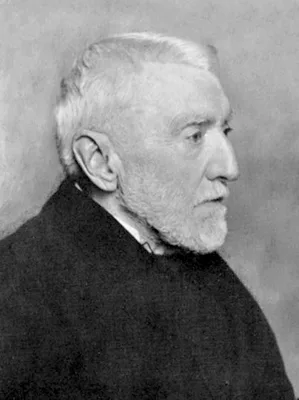
Faulds’s fingerprint method of identification.
1885 CE
#179
Das Weib in der Natur-und Völkerkunde. 2 vols.
Ploss incorporated a vast amount of data concerning every aspect of woman in the unillustrated first edition, and died the year it was published. He covered anthropology, psychology, aesthetics, physiology, sexuality,…
1885 CE–1888 CE
#180
Völkerkunde. 2 vols.
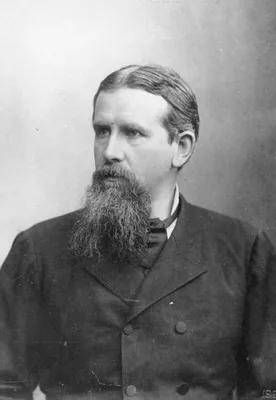
Ratzel emphasized the importance of the investigation of the history of primitive peoples in the study of ethnology.
1886 CE
#181
Les signalements anthropométriques.
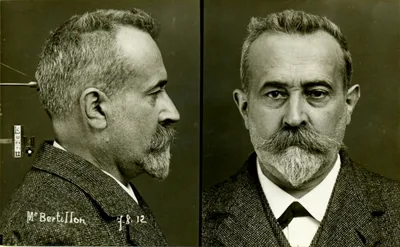
Bertillon invented a method (“Bertillonage”) of identifying persons by means of selected measurements, the five following measurements being used as the basis of his system: head length, head breadth, leng…
1887 CE
#182
Les pygmées.
De Quatrefages showed that pygmies are descended from ancient races and are not, as was believed by many, a retrograde or degenerate type of negro of comparatively recent growth. English translation by Frederick Starr…
1887 CE
#183
Der Bau des Menschen als Zeugniss für seine Vergangenheit.
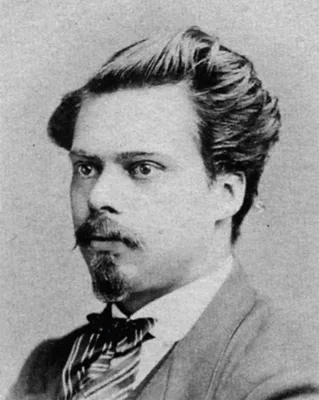
English translation, London, 1893.
1890 CE
#184
The golden bough. 2 vols.
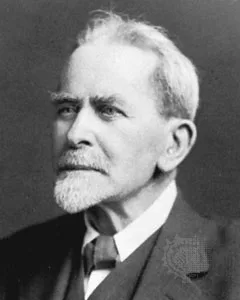
Frazer’s theoretical evolutionary sequence of magical, religious, and scientific thought is no longer accepted, and his broad general psychological theory has proved unsatisfactory; however it enabled him to com…
1891 CE
#185
Schönheit und Fehler der menschlichen Gestalt.
1892 CE
#186
Finger prints.
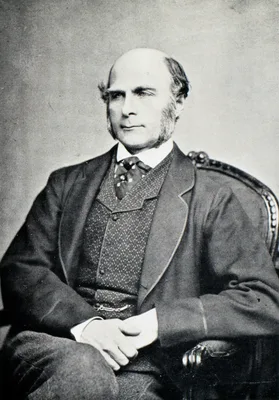
The use of fingerprints as identification marks was known to the Chinese, but Galton was among the first to explain their possibilities in the identification of criminals. “Galton’s delta” is a trian…
1894 CE
#187
Man and woman.
A study of the constitutional differences between man and woman.
1899 CE
#188
Die Schönheit des weiblichen Körpers.
1900 CE
#189
Classification and uses of finger prints.
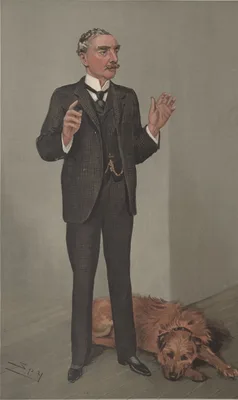
The Henry system of fingerprint classification, developed when Henry served as Inspector-General of Police in Bengal, is the basis for the system presently in use worldwide.
1914 CE
#190
Lehrbuch der Anthropologie.
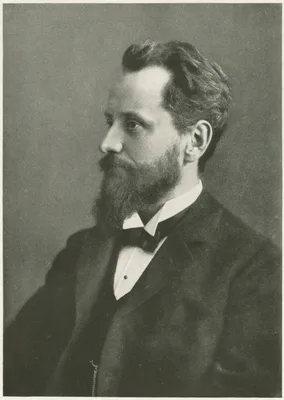
Exhaustive bibliography. 2nd ed., 1928.
1947 CE
#195
The use of blood groups in anthropology.
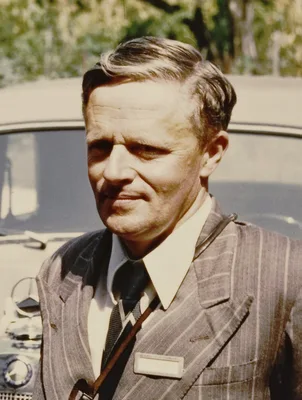
1910 CE
#196
History of anthropology. With the help of A. Hingston Quiggin.
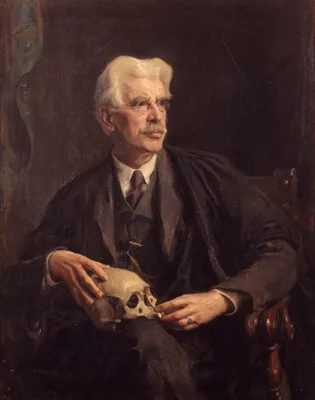
Revised edition, 1934.
1965 CE
#197
A hundred years of anthropology. 3rd ed.
Includes a useful chronological table and a valuable bibliography. First published 1935.
1790 CE–1828 CE
#198
Decas collectionis suae craniorum diversarum gentium illustrata. 6 parts plus supplement.
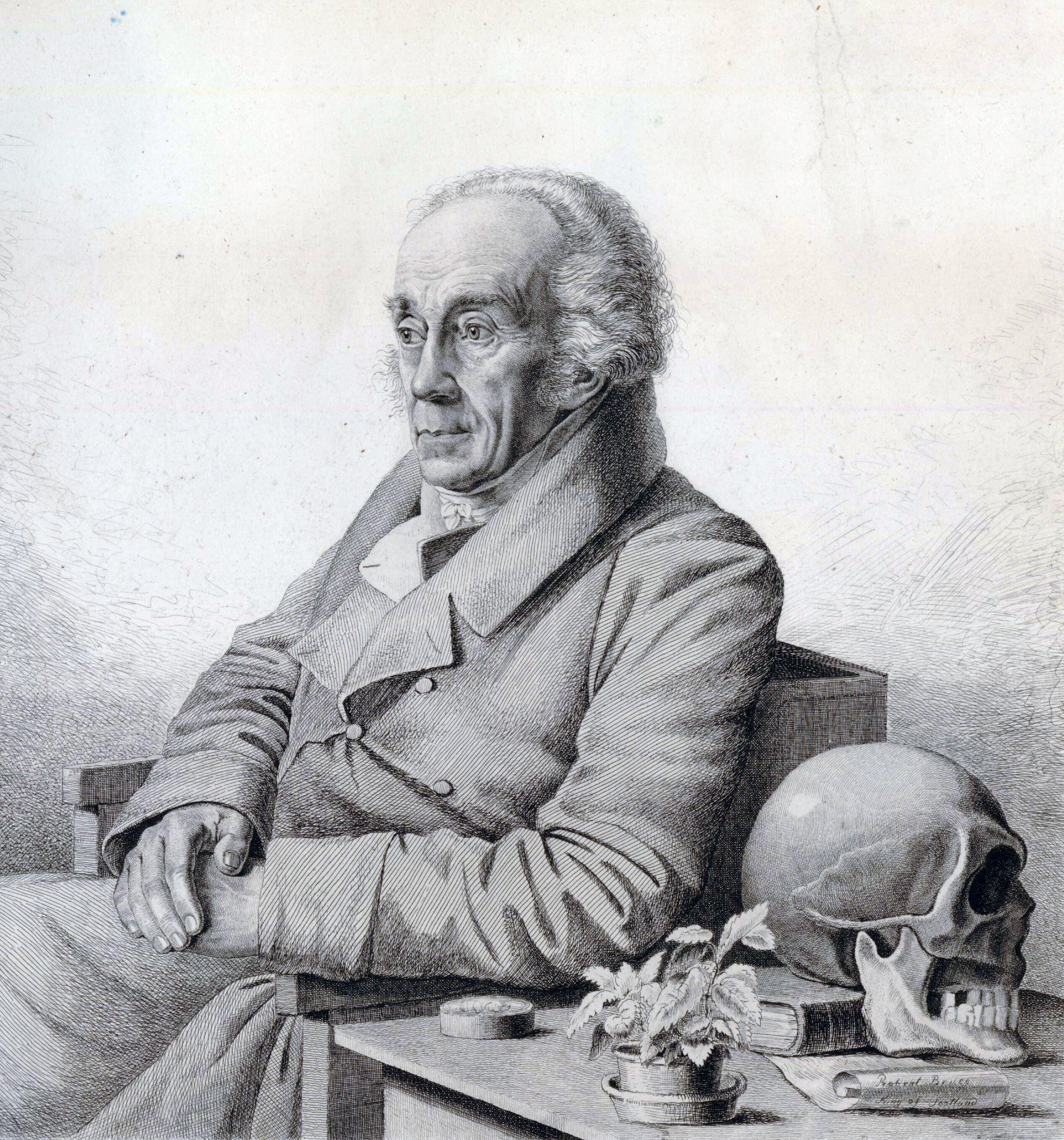
Blumenbach was the founder of craniology, and his craniological collection served as the principal foundation for his investigations into the natural history of mankind. He used the norma verticalis, the shape of the …
1807 CE
#199
Ueber die Bedeutung der Schädelknochen.
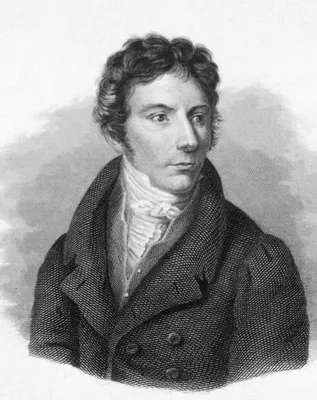
Oken’s vertebral theory of the skull.
1823 CE
#1492.1
Commentatio de examine physiologico organi visus et systematis cutanei.
Purkynĕ was first to examine the interior of the human eye and the dog eye, using only a candle and a concave spherical lens. He thus invented the ophthalmoscope three decades before Helmholtz (1851; No. 5866). Reprin…