
Entry Nos. 4600–4699
98 Garrison-Morton entries in this range.
1917 CE
#4648
The Australian epidemics of an acute polio-encephalomyelitis (X disease).
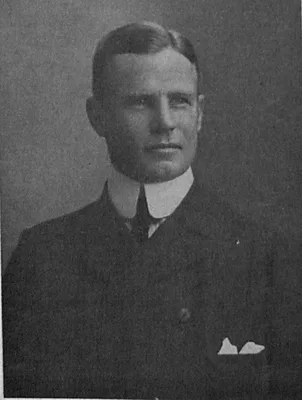
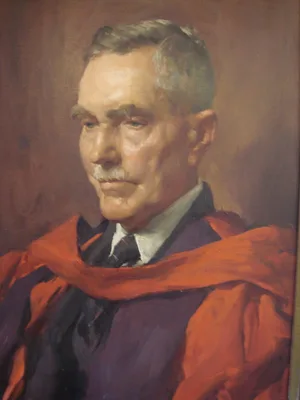
Campbell was Australia's first neurologist. This paper described Murray Valley encephalitis (Australian X disease). Cleland and Campbell isolated a virus from the cerebral tissue of three patients.
1917 CE
#4649
Quarante cas d’encéphalo-myélite subaiguë.
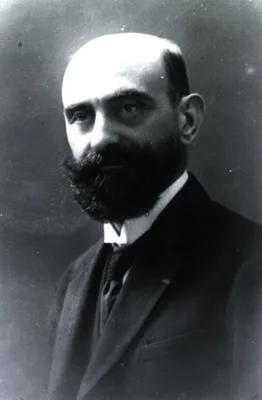
Cruchet’s account of epidemic encephalitis was given on 27 April 1917, preceding that of Economo by 13 days. With F. Moutier
1917 CE
#4650
Encephalitis lethargica.
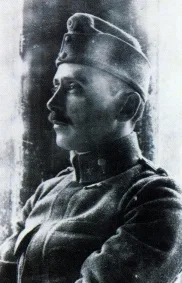
Economo’s classic description of epidemic encephalitis (“von Economo’s disease”) was published on 10 May 1917; see No. 4649.
1919 CE
#4651
Etiology of epidemic (lethargic) encephalitis. Preliminary note.
Experimental transmission of encephalitis lethargica.
1925 CE
#4652
Experimentelle Übertragung von Herpes zoster auf den Menschen und die Beziehungen von Herpes zoster zu Varicellen.
First demonstration of the infectivity of herpes.
1927 CE
#4653
A leukoenkephalitis periaxialis concentricaról.
“Baló’s disease” – encephalitis periaxialis concentrica. Translation in Arch. Neurol. Psychiat. (Chicago), 1928, 19, 242-64.
1928 CE
#4654
Ueber die Encephalitis epidemica in Japan.
Japanese encephalitis distinguished from encephalitis lethargica.
1933 CE
#4656
Encephalitis: studies on experimental transmission.
Isolation of the St. Louis encephalitis virus. With C. Armstrong and H. A. McCordock.
1934 CE
#4657
Übertragung des Virus von Encephalitis epidemica auf Affen.
Experimental transmission of Japanese B encephalitis.
1934 CE
#4658
Acute ascending myelitis following a monkey bite, with the isolation of a virus capable of reproducing the disease.
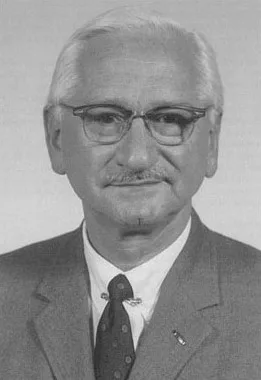
Herpesvirus simiae (B virus) infection; isolation of the virus.
1936 CE
#4659
A virus isolated in 1935 epidemic of summer encephalitis in Japan.
T. Taniguchi, M. Hosokawa, and S. Kuga established a virus etiology for Japanese B encephalitis.
1938 CE
#4660
Recovery of the virus of equine encephalomyelitis from the brain of a child.
Western equine encephalitis virus recovered from man.
1940 CE
#4661
Virus filtrant pathogène pour l’homme et les animaux de laboratoire, et à affinité meningée et pulmonaire.
“Durand’s disease” – D virus infection. Durand isolated the virus from his own blood. See also the paper by G. M. Findlay, Trans. roy. Soc. trop. Med., 1942, 35, 303-18.
1835 CE
#4663
Paralysis in childhood. Four remarkable cases of suddenly induced paralysis in the extremities, occurring in children, without any apparent cerebral or cerebro-spinal lesion.
Important clinical description.
1840 CE
#4664
Beobachtungen über Lähmungszustände der untem Extremitäten und deren Behandlung.
First description of acute anterior poliomyelitis, which Heine separated from other forms of paralysis; he described the deformities arising from the disease. He also called attention to congenital spastic paraplegia,…
1870 CE
#4665
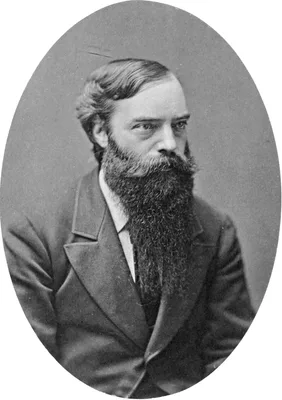
Une observation de paralysie infantile s’accompagnant d’une altération des cornes antérieures de la substance grise de la moëlle.
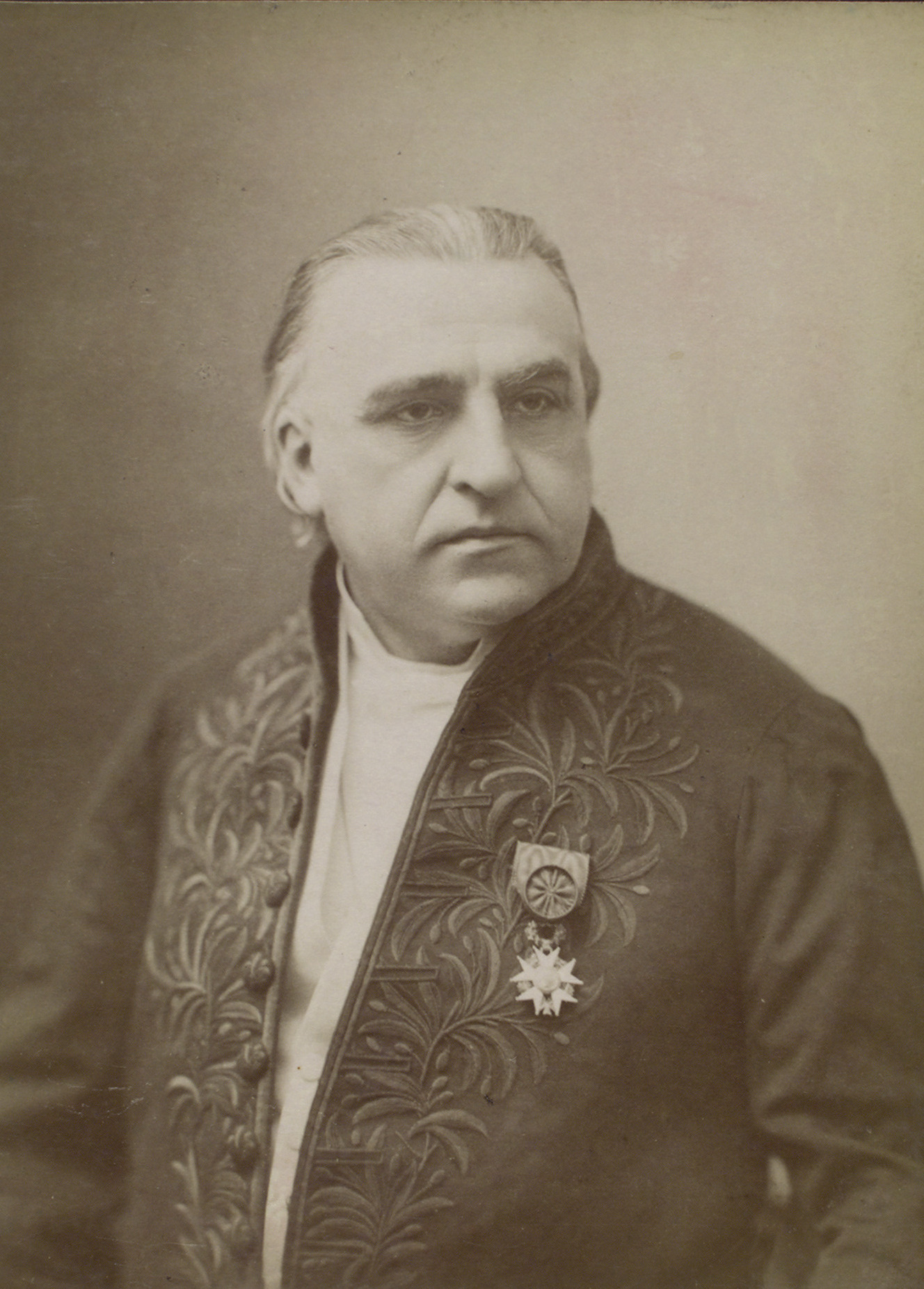
First demonstration of the atrophy of the anterior horns of the spinal cord in infantile paralysis, confirming earlier suggestions of von Heine and Duchenne.
1879 CE–1880 CE
#4666
Ueber Poliomyelitis und Neuritis.
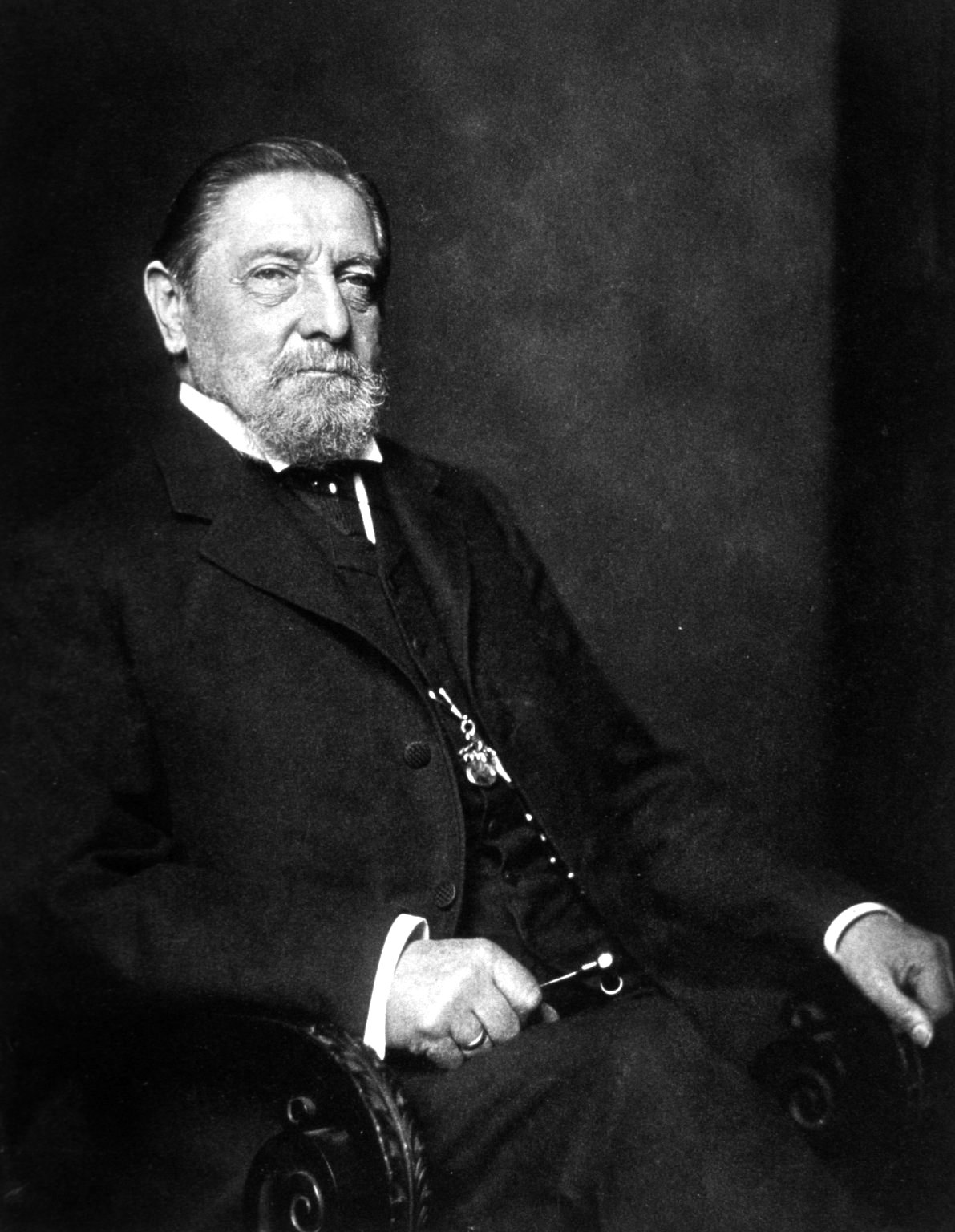
Leyden enjoyed a great reputation as a neurologist and his paper on poliomyelitis and neuritis is one of his best works. He was one of the founders of the journal in which it appeared.
1890 CE
#4667
En epidemi af infantil paralysi.
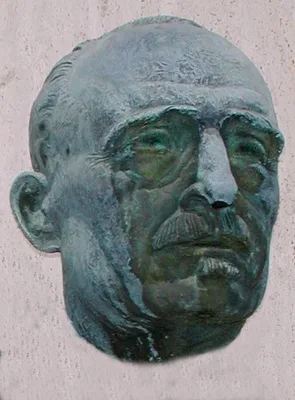
The epidemic character of poliomyelitis was first noted by Medin. The disease is also known as “Heine–Medin disease” from the descriptions given by these two writers (see also No. 4664). German versi…
1905 CE
#4668
Studien über Poliomyelitis acuta.
Wickman was the first to produce evidence confirming the infectious nature of poliomyelitis.
1909 CE
#4669
Uebertragung der Poliomyelitis acuta auf Affen.
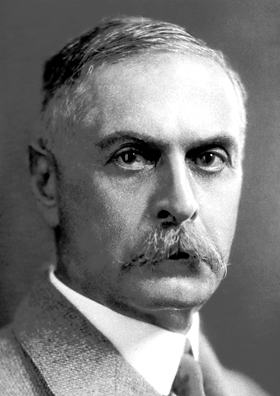
Landsteiner and Popper were the first to isolate poliovirus and to transmit poliomyelitis to monkeys.
1910 CE
#4670
Experimental poliomyelitis in monkeys: Active immunization and passive serum protection.
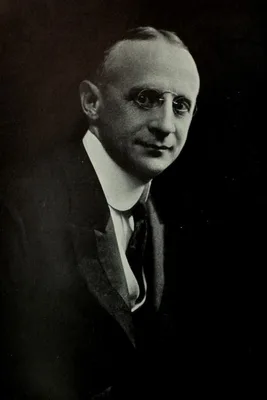
Demonstration of antibodies in convalescent serum in monkeys.
1937 CE
#4671
Infantile paralysis and cerebral diplegia: Methods used for the restoration of function.
1952 CE
#4672
Evaluation of Red Cross gamma globulin as a prophylactic agent for poliomyelitis.
Trial of gamma globulin in the prophylaxis of poliomyelitis. With L. L. Coriell, J. Stokes, P. F. Wehrle, and C. R. Klimt.
1805 CE
#4674
Mémoire sur la maladie qui a régné à Genève au printemps de 1805.
First definite description of cerebrospinal meningitis. Partial English translation in No. 2241.
1810 CE
#4675
An inaugural dissertation on the disease termed petechial, or spotted fever. Submitted to the Examining Committee of the Medical Society of Connecticut, for the county of Hartford.
This graduation dissertation was the first published brochure on cerebrospinal meningitis. Digital facsimile from U.S. National Library of Medicine at this link.
1811 CE
#4676
A treatise on a malignant epidemic, commonly called spotted fever.
First book on cerebrospinal meningitis; in it North recommended the use of the clinical thermometer, not in general use until the time of Wunderlich. For more information on this book, see the article by F. L. Pleadwe…
1882 CE
#4677
Ein Krankheitssymptom der acuten Meningitis.
Kernig drew attention to a flexor contracture of the leg on attempting to extend it on the thigh (“Kernig’s sign”), almost always present in cerebrospinal meningitis and an important diagnostic sign.…
1887 CE
#4678
Ueber die Aetiologie der akuten Meningitis cerebro-spinalis.
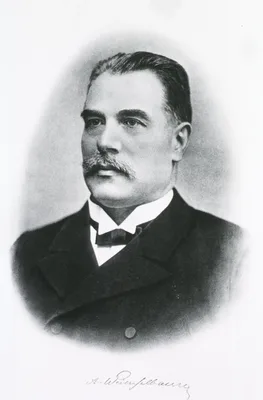
Weichselbaum discovered the meningococcus, Neisseria meningitidis, causative agent of cerebrospinal meningitis.
1895 CE
#4679
First description of the Waterhouse–Friderichsen syndrome (Nos. 4685-86). Abstract of post mortem report, no title.
1896 CE
#4680
Beobachtungen und Versuche über den Meningokokkus intracellularis (Weichselbaum–Jaeger).
Heubner was the first to isolate meningococci from the cerebrospinal fluid of living beings.
1899 CE
#4681
Ein Fall von Allgemeininfection mit Influenzabacillen.
First description of influenzal meningitis.
1906 CE
#4682
Versuche zur Serodiagnostik und Serotherapie der epidemischen Genickstarre.
First attempts at the serum treatment of cerebrospinal meningitis.
1907 CE
#4683
Concerning a serum therapy for experimental infection with Diplococcus intracellularis.
Flexner prepared an antiserum for use in cerebrospinal meningitis.
1908 CE
#4684
Serum treatment of epidemic cerebrospinal meningitis.
1911 CE
#4685
A case of suprarenal apoplexy.
Waterhouse–Friderichsen (WFS) syndrome (see also Nos. 4679, 4686).
1918 CE
#4686
Nebennierenapoplexie bei kleinen Kindern.
See No. 4685.
1924 CE
#4687
Une nouvelle maladie infectieuse du système nerveux central?
Acute lymphocytic choriomeningitis (aseptic meningitis syndrome) first described.
1934 CE
#4688
Experimental lymphocytic choriomeningitis of monkeys and mice produced by a virus encountered in studies of the 1933 St. Louis encephalitis epidemic.
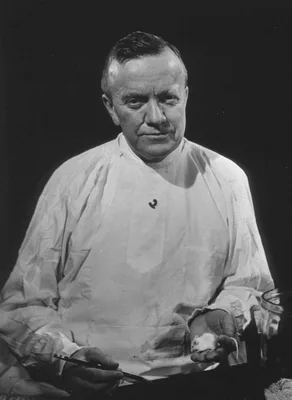
Isolation of the virus of benign lymphocytic choriomeningits.
1937 CE
#4689
The treatment of meningococcic meningitis with sulfanilamide.
With S. Gelman and P. H. Long.
1817 CE
#4690
An essay on the shaking palsy.

“Parkinson’s disease”–paralysis agitans. Reprinted in Med. Classics, 1938, 2, 946-97. Facsimile edition, with biography of Parkinson by Macdonald Critchley, London, 1955. Digital facsimile from…
1842 CE
#4691
Practice of medicine: A treatise on special pathology and therapeutics. 2 vols.
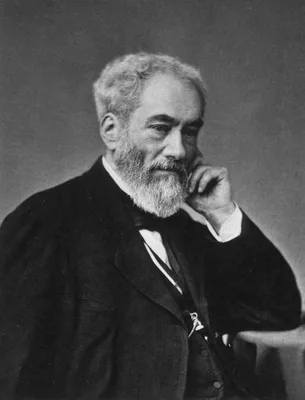
A case of chronic hereditary chorea in adults (“Huntington’s chorea”, see No. 4699) is described on pp. 312-13 of vol. 2. This is in the form of a letter from one of Dunglison's recently graduated st…
1849 CE
#4692
Ueber Hirnsklerose.
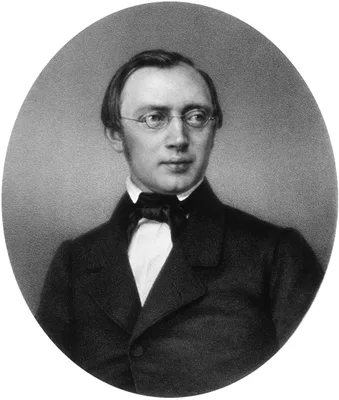
First important account of multiple sclerosis. Carswell (No. 2291) and Cruveilhier (No. 2286) both gave illustrations of the disease; the latter is also accredited with the first description.
1861 CE
#4693
Klinik der Leberkrankheiten. Bd. 2.
Pp. 62-64: First description of progressive familial hepatolenticular degeneration (“Kinnier Wilson’s disease”; see No. 4717).
1862 CE
#4695
Case of progressive atrophy of the muscles of the hands: enlargement of the ventricle of the cord in the cervical region, with atrophy of the gray matter.
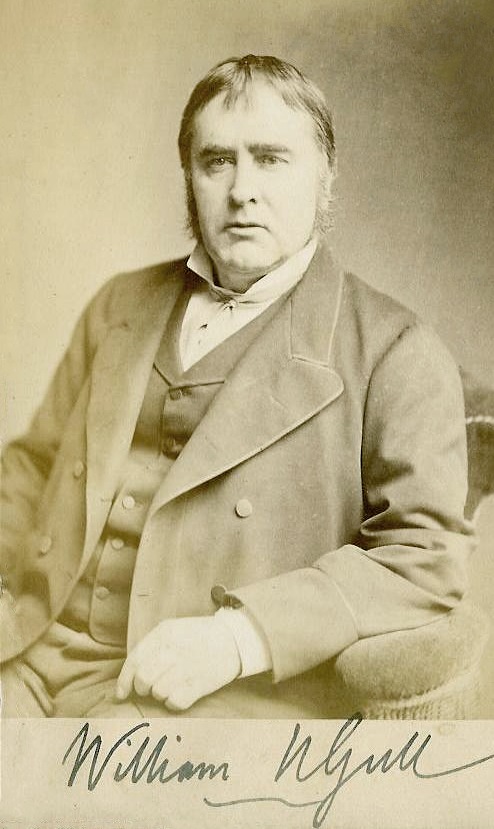
First description of syringomyelia.
1863 CE
#4696
Ueber degenerative Atrophie der spinalen Hinterstränge.
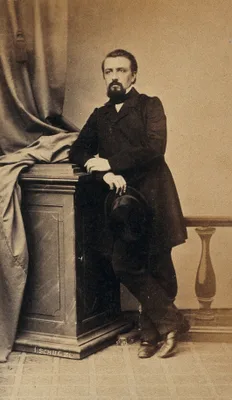
Friedreich was the first to describe a form of ataxia (“Friedreich’s ataxia”), hereditary, attended with impairment of speech, lateral curvature of the spine, and with paralysis of the muscles of the…
1867 CE
#4697
On a case of muscular atrophy, with disease of the spinal cord and medulla oblongata.
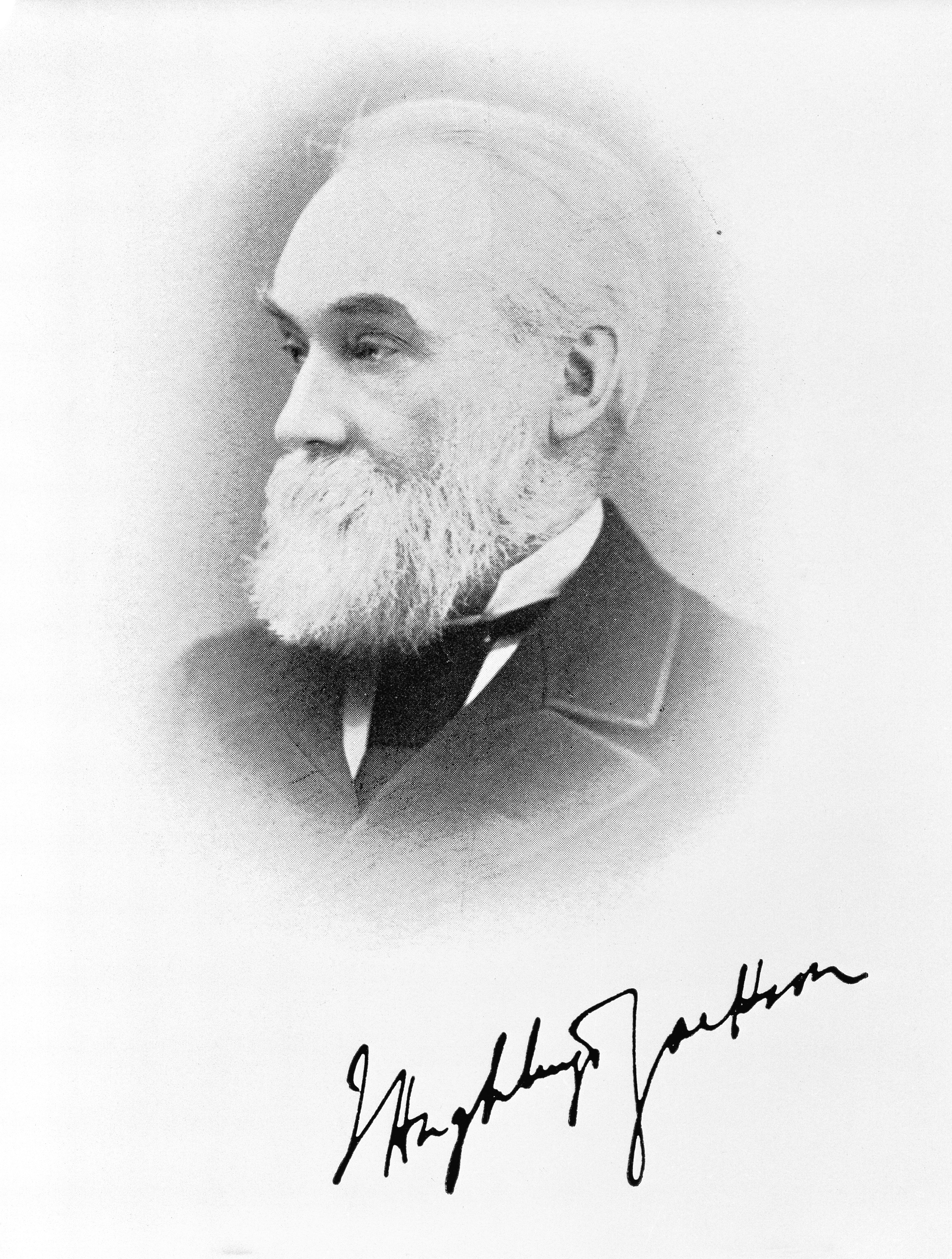
First important account of syringomyelia.
1868 CE
#4698
Histologie de la sclérose en plaques.
An important description of multiple sclerosis. Digital facsimile from BnF Gallica at this link.
1872 CE
#4699
On chorea.
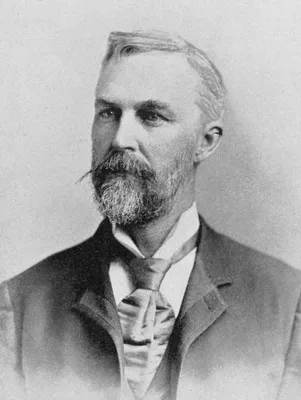
The classic description by Huntington of the chronic degenerative hereditary type of chorea led to the eponym “Huntington’s chorea”. Earlier accounts of the disease were given by John Elliotson (Lanc…