
Entry Nos. 5400–5499
98 Garrison-Morton entries in this range.
1667 CE
#5450
Histoire générale des Antilles habités par les Français. Tom. 1.
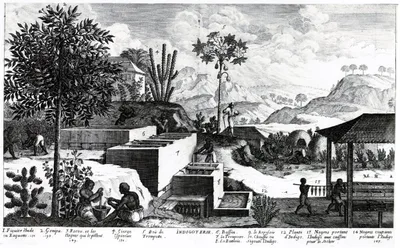
Du Tertre, a priest, described (pp. 81, 99, 423) the outbreaks of yellow fever at Guadeloupe in 1635, 1640, and 1648.
1793 CE
#5451
A short account of the malignant fever, lately prevalent in Philadelphia: With a statement of the proceedings that took place on the subject in different parts of the United States.
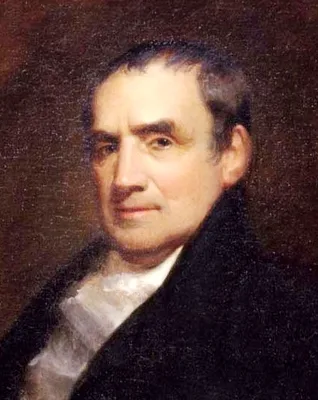
Carey was a Philadelphia publisher and economist rather than a physician. In this little book, which passed through four editions in a few months, Carey left a graphic description of the great yellow fever epidemic of…
1793 CE
#5452
A description of the malignant, infectious fever prevailing at present in Philadelphia; with an account of the means to prevent infection, and the remedies and method of treatment, which have been found most successful.
Digital facsimile from the Internet Archive at this link.
1794 CE
#5453
An account of the bilious remitting yellow fever, as it appeared in the city of Philadelphia in the year 1793.
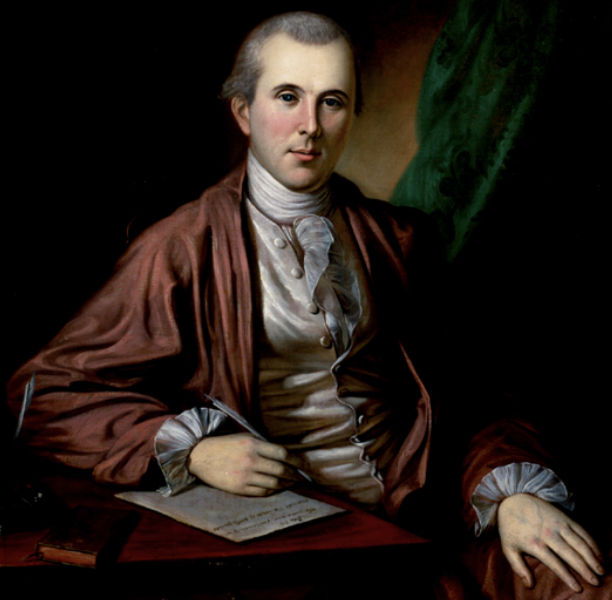
Benjamin Rush was the most eminent figure in Philadelphia medicine in his day. His description of the yellow fever epidemic of 1793 is classic. He did magnificent work in treating the sick during the epidemic and in p…
1848 CE
#5454
Yellow fever contrasted with bilious fever – reasons for believing it a disease sui generis – its mode of propagation – remote cause – probable insect or animalcular origin.
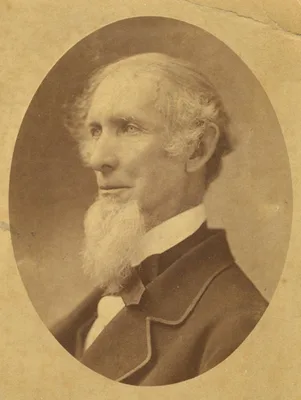
Nott advanced the theory that yellow fever was caused by minute animalcula. Reproduced in part in R. H. Major, Classic descriptions of disease, 3rd ed., 1945, p. 122.
1881 CE–1882 CE
#5455
El mosquito hipoteticamente considerado como agente de transmisión de la fiebre amarilla.
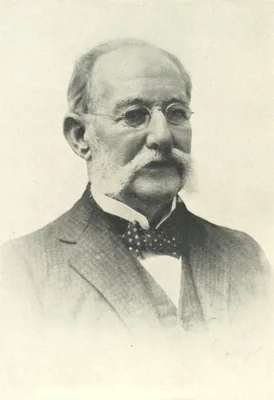
Finlay was the first to suggest that the Aedes aegypti mosquito was the vector of yellow fever. Digital facsimile from Google Books at this link. English translation by Rudolph Matas as "The mosquito hypothetically co…
1900 CE
#5456
A note on the interval between infecting and secondary cases of yellow fever from the records of yellow fever at Orwood and Taylor, Mississippi, in 1898.
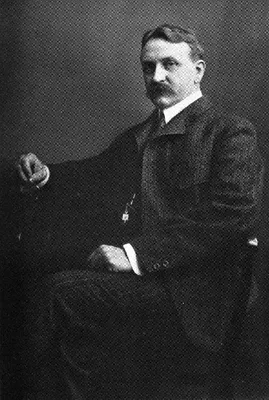
Carter's determination of the incubation period yellow fever influenced the direction of Reed’s researches, and was instrumental in the discovery of the mode of transmission of the yellow fever virus.
1900 CE
#5457
The etiology of yellow fever. A preliminary note.
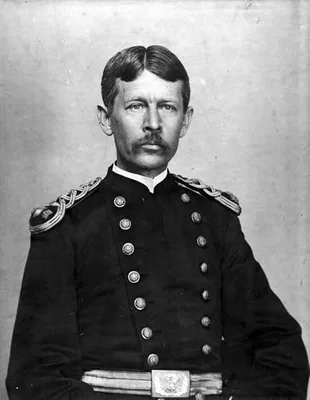
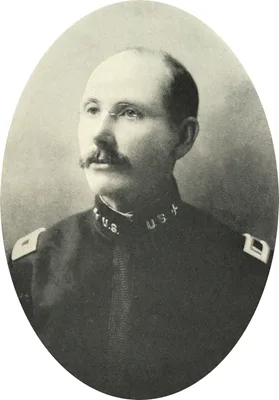
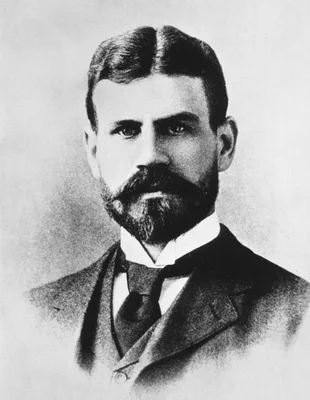
First definite proof that the organism causing yellow fever is transmitted to man by the mosquito Aëdes aegypti. During the period spent by these workers in the investigation of the disease in Cuba Lazear and Car…
1903 CE
#5459
La fièvre jaune.
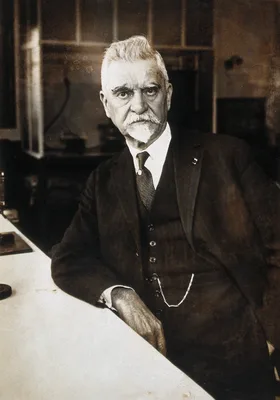
Yellow fever convalescent serum employed. With A. T. Salimbeni and P. L. Simond.
1909 CE
#5460
Sanitation of the tropics with special reference to malaria and yellow fever.
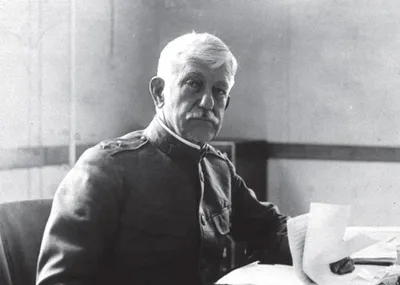
1928 CE
#5461
A yellow fever vaccine.
First vaccine for immunization against yellow fever. Hindle devised a method for the transportation of frozen infected material from West Africa to London, making it possible to carry on experimental work in Britain.
1928 CE
#5462
Experimental transmission of yellow-fever to laboratory animals.
Experimental infection of the monkey, Macacus rhesus, with the yellow fever virus. Stokes succumbed to yellow fever while investigating the disease. With J. H. Bauer and N. P. Hudson.
1930 CE
#5463
Studies on the action of yellow fever virus in mice.
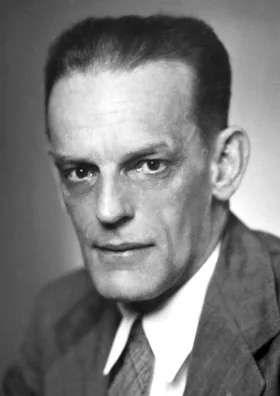
The intracerebral protection test in mice, a test for the diagnosis of yellow fever and for the determination of its past existence in a community, was made possible by Theiler’s discovery that white mice are su…
1931 CE
#5464
The use of mice in tests of immunity against yellow fever.
Intraperitoneal protection test.
1932 CE
#5465
Vaccination against yellow fever with immune serum and virus fixed for mice.
These workers devised an immune serum for prophylactic inoculation against yellow fever. With S. F. Kitchen and W. D. M. Lloyd.
1933 CE
#5466
A yellow fever protection test in mice by intracerebral injection.
Intracerebral protection test.
1937 CE
#5467
The use of yellow fever virus modified by in vitro cultivation for human immunization.
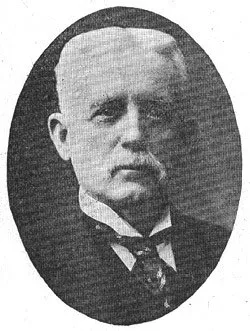
Immunization without the use of immune serum. In 1951 Theiler was awared the Nobel Prize in Physiology or Medicine "for his discovery of an effective vaccine against yellow fever." This was the first Nobel Prize award…
1931 CE
#5468
Yellow fever: an epidemiological and historical study of its place of origin. Edited by Laura Armistead Carter and Wade Hampton Frost.
Digital facsimile from the Internet Archive at this link.
1780 CE
#5469
Korte aantekening wegens eene algemeene ziekte, doorgaans genaamd knokkel-koorts.
Bylon described an epidemic of dengue which appeared in the Dutch East Indies in 1779, the first definite description of the disease. O. H. P. Pepper published a photographic reproduction of the article in Ann. med. H…
1789 CE
#5470
An account of the bilious remitting fever. In his Medical inquiries and observations, 1, 104-21
One of the first important accounts of dengue (“breakbone fever”). Rush described the Philadelphia outbreak of 1780.
1839 CE
#5471
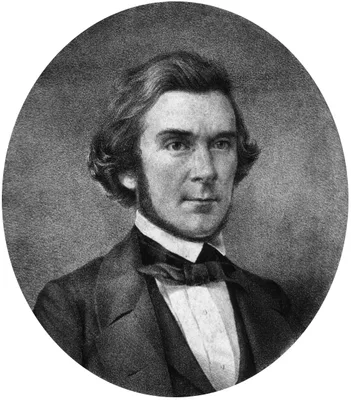
On dengue; its history, pathology, and treatment.
1906 CE
#5472
On the etiology of dengue fever.
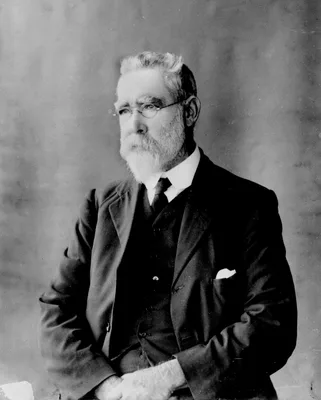
Bancroft was the first to produce evidence that Aëdes aegypti is a vector of dengue.
1907 CE
#5473
Experimental investigations regarding the aetiology of dengue fever, with a general consideration regarding the disease.
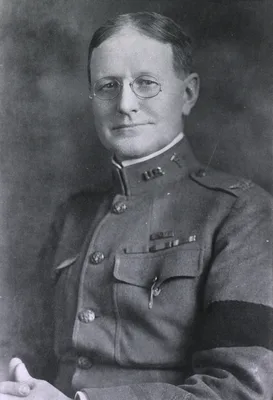
Proof that the causal organism of dengue is a filterable virus. Published also in J. infect. Dis., 1907, 4, 440-75.
1916 CE
#5474
On the transmission of Australian dengue by the mosquito Stegomyia fasciata.
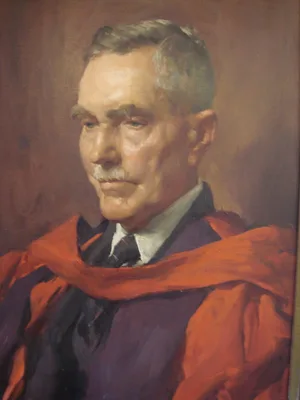
These workers proved that Aëdes aegypti (Stegomyia fasciata) is capable of transmitting dengue fever. See also J. Hyg. (Camb.), 1918, 16, 317-418. With C. H. Bradley and W. McDonald.
1931 CE
#5475
Experimental studies of dengue.
Proof that Aëdes albopictus is a vector of dengue. See also the earlier paper in the same journal, 1930, 41, 215-29. With J. H. St. John and F. H. K. Reynolds.
1886 CE
#5476
Zur Pathologie und Therapie einer eigenthümlichen endemischen Krankheitsform.
This is generally regarded as the first description of pappataci fever.
1908 CE
#5477
Ueber ein neues invisibles Virus.
Doerr showed the relation of phlebotomus fever to the sandfly, Phlebotomus.
1909 CE
#5478
Weitere Untersuchungen über das Pappatacifieber.
Doerr and Russ suggested that the virus of phlebotomus fever may be transmitted from one generation of infected Phlebotomus papatasii to another.
1909 CE
#5479
Das Pappatacifieber.
An Austrian military commission consisting of R. Doerr, K. Franz, and S. Taussig proved that the causal organism of pappataci fever was a virus and that Phlebotomus papatasii was the vector.
1936 CE
#5480
Cultivation of the viruses of sandfly fever and dengue fever on the chorioallantoic membrane of the chick-embryo.
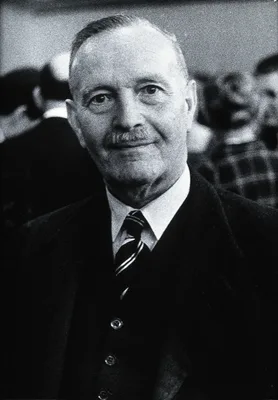
Cultivation of the virus of phlebotomus fever. With R. S. Rao and C. S. Swaminath.
1804 CE
#5481
Neue Ansichten der Hundswuth, ihrer Ursachen und Folgen, nebst einer sichem ehandlungsart der von tollen Thieren gebissenen Menschen.
Zinke transmitted rabies from a rabid dog to a normal one, and to a rabbit and a hen, by injection of saliva and proved the disease to be infectious. Digital facsimile from wellcomecollection.org at this link.
1884 CE
#5482
Nouvelle communication sur la rage.
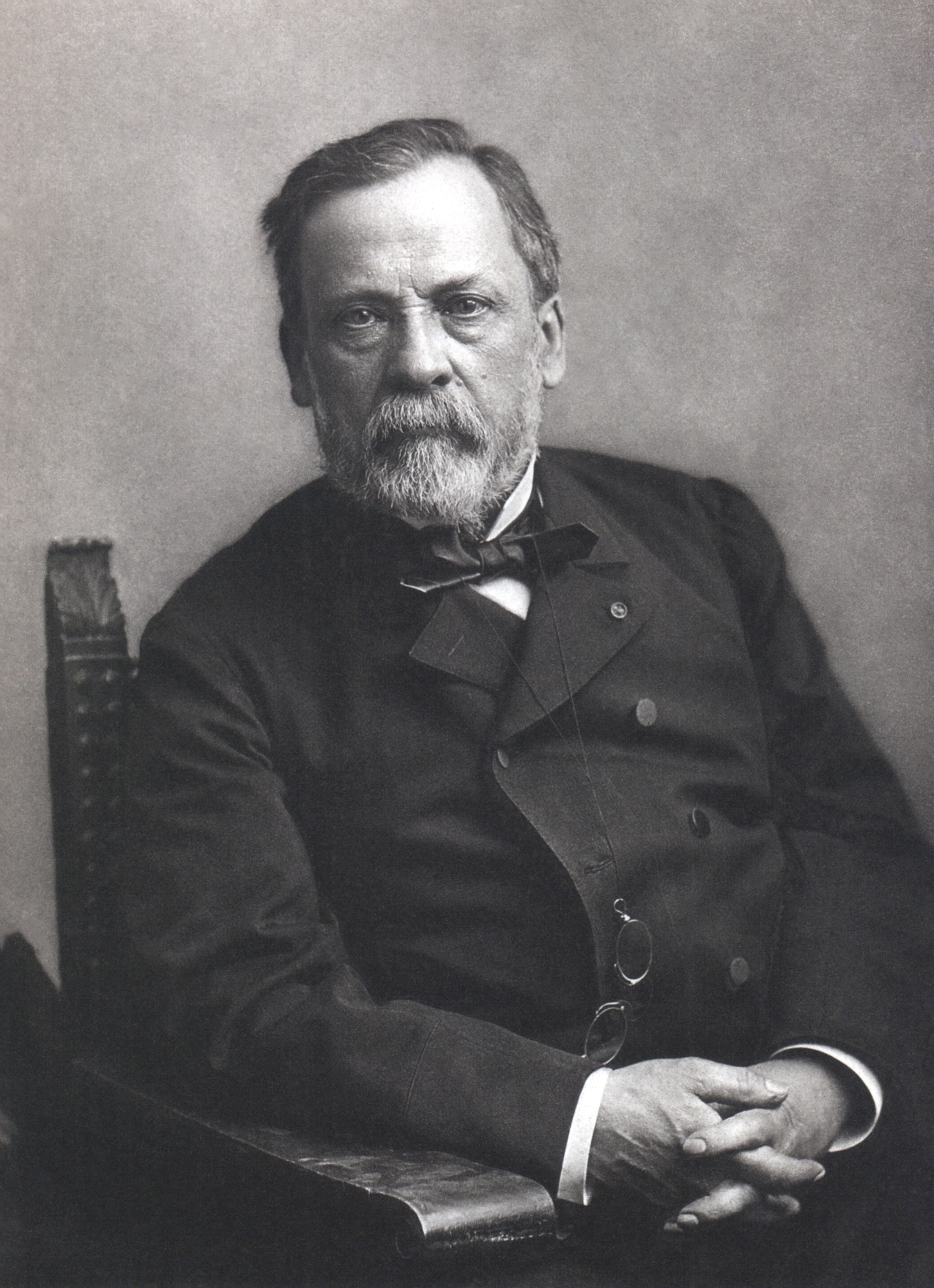
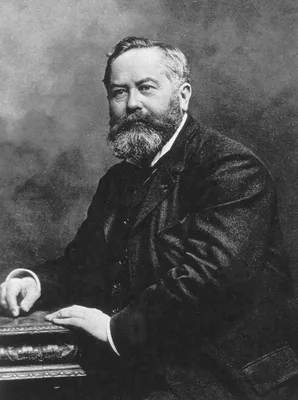
Demonstration in the blood of the rabies virus. English translation in R. Suzor, Hydrophobia: An account of M. Pasteur’s system…London, 1887.
1903 CE
#5484
Contributo alio studio dell’ eziologia della rabia.
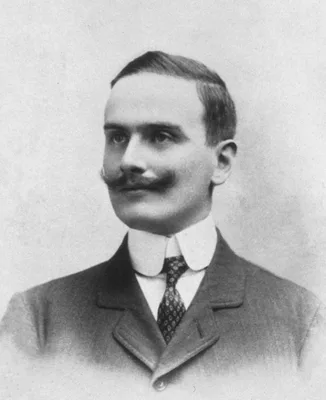
Discovery of the “Negri bodies” in rabies, the size of which makes viewing possible with a light microscope, and allows prompt microscopic diagnosis. German translation in Z. Hyg. InfektKr., 1903, 43, 507-…
1885 CE–1887 CE
#5485
Lektsii ob ostrikh infektsionnîkh bolierznyakh u dietei. [Lectures on acute infectious diseases of children.] 2 vols.
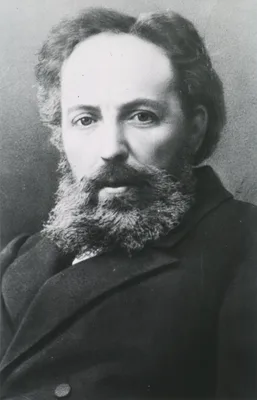
Glandular fever (infectious mononucleosis) was first described by Filatov under the name of idiopathic adenitis (“Filatov’s disease”). A German translation of his book appeared in 1895-97.
1889 CE
#5486
Drüsenfieber.
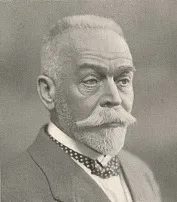
“Pfeiffer’s disease”. He is sometimes credited with the original description of infectious mononucleosis, ascribed to Filatov. Pfeiffer’s paper is a most comprehensive discussion of the clinica…
1932 CE
#5487
The presence of heterophile antibodies in infectious mononucleosis.
The Paul–Bunnell test for the diagnosis of infectious mononucleosis.
1780 CE
#5488
Tableau historique et raisonné des épidémies catharrales vulgairement dites la grippe; depuis 1510 jusques et y compris celle de 1780.
1852 CE
#5489
Annals of influenza or epidemic catarrhal fever in Great Britain from 1510-1837.
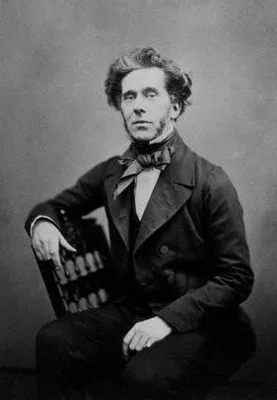
1892 CE
#5490
Vorläufige Mittheilungen über die Erregerder Influenza.
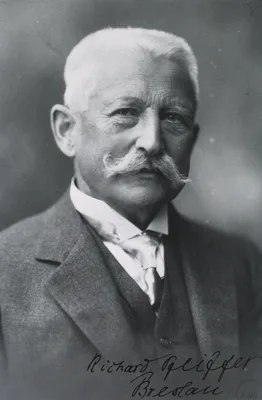
Pfeiffer discovered a bacillus, Haemophilus influenzae, “Pfeiffer’s bacillus”, which he believed to be the causal organism of influenza.
1896 CE
#5491
Influenza und Dengue.
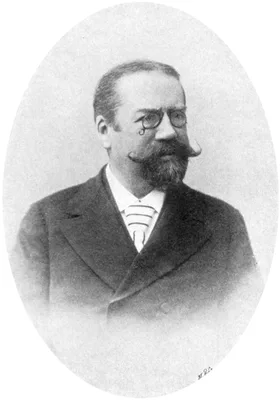
Forms Bd. IV, Teil 1 of Nothnagel’s Specielle Pathologie und Therapie.
1920 CE
#5492
Report on the pandemic of influenza 1918-19.
Reports on Public Health and Medical Subjects, No. 4. The most widespread and serious pandemic of influenza occurred in 1918-19. It spread throughout Europe, Russia, Canada, S. America, New Zealand, Australia, Africa,…
1931 CE
#5493
Swine influenza. III. Filtration experiments and etiology.
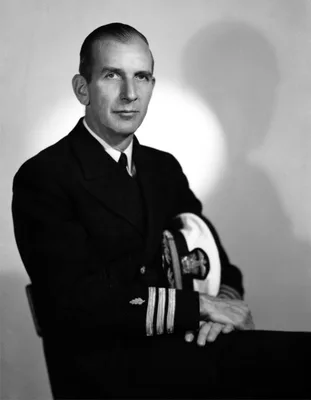
Isolation in pigs of influenzavirus A or influenza A virus. Full text available from PubMedCentral at this link.
1933 CE
#5494
A virus obtained from influenza patients.
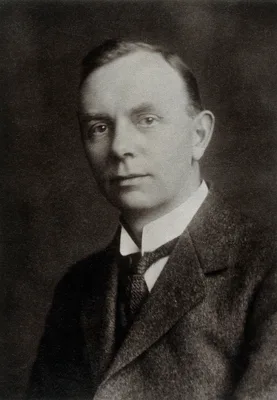
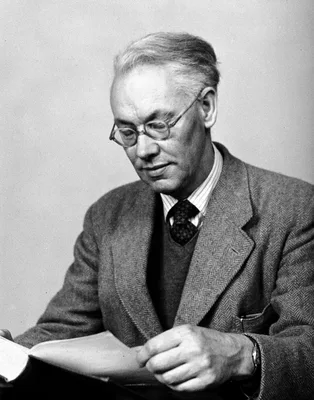
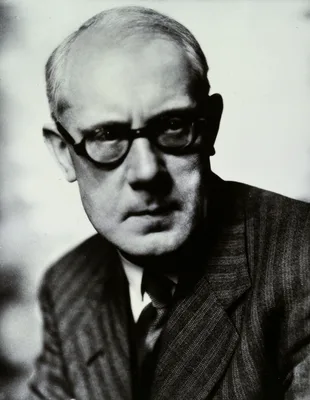
Smith, Andrewes, and Laidlaw first isolated the influenza A virus in humans. They successfully infected ferrets with filtered throat-washings from influenzal patients by intranasal instillation.
1933 CE–1934 CE
#5495
Influenza. 2 vols.
Annals of the Pickett Thomson Research Lab., Monograph 16. "In two massive volumes Thomson and Thomson reviewed the literature on influenza up to 1934" (Spink).
1935 CE
#5496
Propagation of the virus of epidemic influenza on the developing egg.
Cultivation of the influenza virus.
1936 CE
#5497
Influenza infection of man from the ferret.
First record of successful passage of influenza from animal to man. The ferret had previously been infected with a virus from a case of influenza.
1940 CE
#5498
A new type of virus from epidemic influenza.
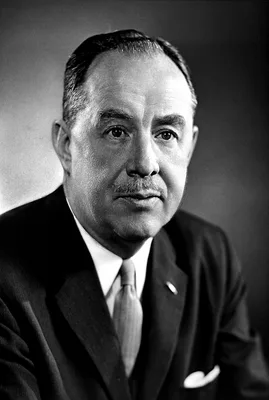
Recovery of influenza B virus.
1940 CE
#5499
A virus from cases of influenza-like upper-respiratory infection.
Recovery of influenza B virus.